
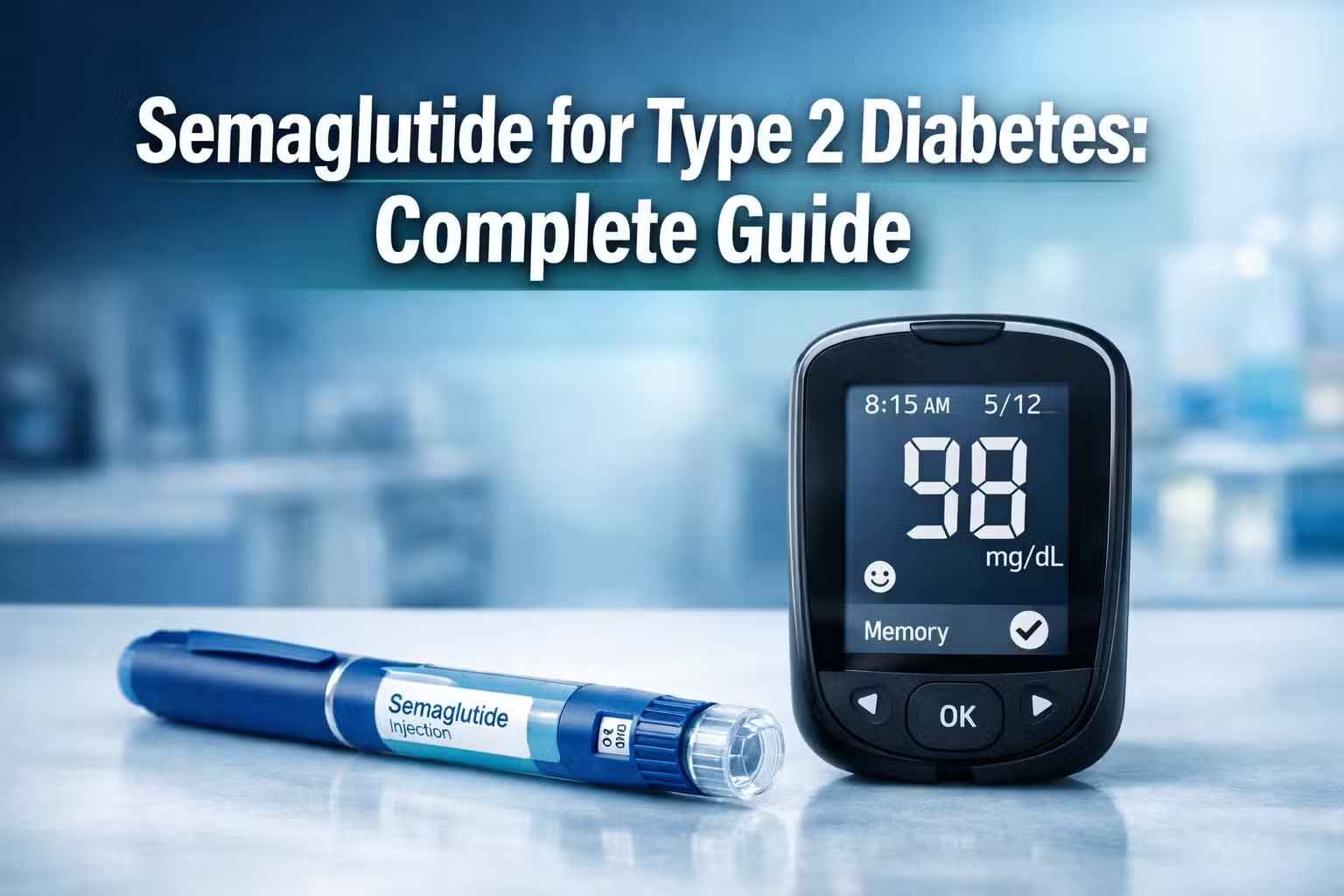
Semaglutide for Type 2 Diabetes: Complete Guide

Last updated: March 18, 2026
Quick Answer: Semaglutide is a GLP-1 receptor agonist approved to improve blood sugar control in adults with type 2 diabetes. It works by mimicking a natural gut hormone to lower blood glucose, reduce appetite, and protect the heart. Available as a once-weekly injection (Ozempic) or oral tablet, semaglutide for type 2 diabetes treatment has become one of the most evidence-backed options in modern diabetes care.
Key Takeaways
- Semaglutide is FDA-approved for type 2 diabetes management as both an injectable (Ozempic) and an oral tablet (approved February 2026).
- Injected semaglutide produces an average weight loss of approximately 11% over 24 to 68 weeks of treatment. [5]
- Oral semaglutide reduces the risk of major cardiovascular events in adults with type 2 diabetes at high cardiovascular risk. [1]
- A February 2026 JAMA Internal Medicine study found oral semaglutide users were 22% less likely to experience heart failure hospitalization or cardiovascular death compared to placebo. [2]
- Ozempic tablets became available in the U.S. in Q2 2026 in three strengths: 1.5 mg, 4 mg, and 9 mg. [1]
- The GLP-1 shortage was officially resolved by the FDA in April 2025, so access has improved significantly heading into 2026. [4]
- Semaglutide is not appropriate for everyone — people with a history of medullary thyroid carcinoma or MEN2 syndrome cannot use it. [1]
- Common side effects are mostly gastrointestinal (nausea, vomiting, diarrhea) and tend to ease as the body adjusts.
- Dose escalation is gradual and intentional — rushing it increases side effect risk.
- Semaglutide works best alongside lifestyle changes: diet, exercise, and regular monitoring.

What Is Semaglutide and How Does It Work for Type 2 Diabetes?
Semaglutide is a GLP-1 receptor agonist — a medication that mimics glucagon-like peptide-1, a hormone your gut releases after eating. For people managing semaglutide type 2 diabetes treatment, this mechanism matters because it addresses several root problems at once.
Here’s what semaglutide does in the body:
- Stimulates insulin release from the pancreas when blood sugar is elevated (glucose-dependent, so hypoglycemia risk is lower than with older drugs)
- Suppresses glucagon, the hormone that tells the liver to release stored sugar
- Slows gastric emptying, so food enters the bloodstream more gradually
- Reduces appetite by acting on hunger centers in the brain
- Lowers HbA1c (a 3-month average of blood sugar levels)
Because it only triggers insulin when glucose is actually high, semaglutide carries a lower standalone hypoglycemia risk than sulfonylureas or insulin. The risk does increase if combined with those medications.
For a broader look at how GLP-1 drugs compare, see our guide to GLP-1 receptor agonists for type 2 diabetes.
What Forms of Semaglutide Are Available in 2026?
In 2026, semaglutide is available in two main delivery formats: injectable and oral. Both are approved specifically for type 2 diabetes management (not type 1).
| Form | Brand Name | Dosing | FDA Status |
|---|---|---|---|
| Subcutaneous injection | Ozempic | Once weekly | Approved (2017) |
| Oral tablet (original) | Rybelsus | Once daily | Approved (2019) |
| Oral tablet (new formula) | Ozempic tablets | Once daily | Approved Feb 2026 |
The new Ozempic tablet received FDA approval in February 2026, marking the first time the injectable Ozempic formulation became available in pill form. [1] It uses enhanced bioavailability technology, meaning the body absorbs it more efficiently — so lower milligram doses achieve comparable effects to older oral formulations. [1]
The three approved strengths for the new tablet are 1.5 mg, 4 mg, and 9 mg, designed to match the therapeutic exposure of the older 3 mg, 7 mg, and 14 mg Rybelsus doses. [1] Novo Nordisk has also filed for a 25 mg tablet, with an FDA decision expected by late 2026. [1]
Choose the injection if: you want the most studied formulation, prefer once-weekly dosing, or have absorption concerns with oral medications.
Choose the tablet if: you have needle aversion, prefer daily oral routines, or your doctor recommends it based on your profile.
You can also read our detailed semaglutide tablets reviews for a deeper breakdown of the oral option.
Who Qualifies for Semaglutide Type 2 Diabetes Treatment?
Semaglutide is indicated for adults with type 2 diabetes who need better blood sugar control, with or without other diabetes medications. It is not approved for type 1 diabetes.
You may be a good candidate if:
- You have type 2 diabetes with inadequate HbA1c control on metformin or other oral agents
- You have cardiovascular disease or are at high cardiovascular risk
- You have obesity or overweight alongside type 2 diabetes
- You want a medication that addresses both blood sugar and body weight
You should NOT use semaglutide if you have:
- A personal or family history of medullary thyroid carcinoma (MTC)
- Multiple Endocrine Neoplasia syndrome type 2 (MEN2)
- A prior serious allergic reaction to semaglutide [1]
- Pancreatitis history (discuss carefully with your doctor)
Common mistake: Some patients assume semaglutide is only for weight loss. For people with type 2 diabetes, it’s primarily a glucose-lowering medication — the weight loss is a meaningful secondary benefit, not the primary indication.
If you’re also exploring weight management, see our guide on losing weight as a type 2 diabetes patient.
The 3 Most Affordable GLP 1 Without Insurance “TrumpRX (2026 Ranked)
🥇 #1 Best Overall: Zepbound (Triple-Action Option)
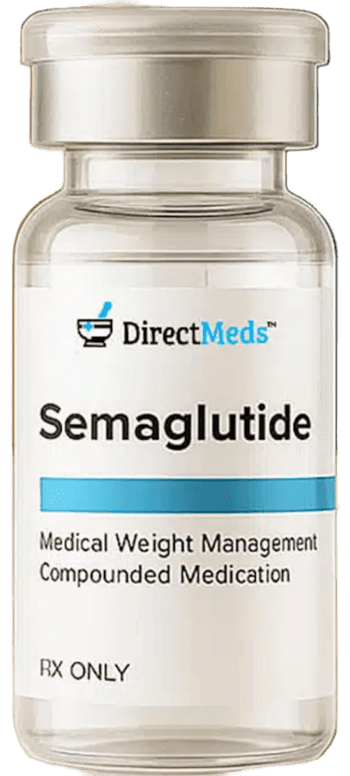
🥇 Best Overall (9.9/10)
DirectMeds GLP1 provides a budget-friendly alternative to Ozempic/Wegovy while maintaining strong appetite control and weekly fat loss results. Everything is included—from telehealth visits to medication shipping—making it ideal for people wanting premium results at the lowest cost.
DirectMeds is a LegitScript-certified telehealth platform that connects patients with licensed U.S. physicians who evaluate whether compounded GLP-1 medications are clinically appropriate.
It is one of the most established providers in this space and is particularly well-suited to patients who want high-touch clinical oversight without paying brand-name prices.
How it works: Complete a secure online health intake form. A licensed medical provider reviews your profile and determines eligibility. If approved, your prescription is sent to a certified U.S. compounding pharmacy and medication is shipped directly to your door. All-inclusive pricing covers medical consultation, medication, and 24/7 support — no surprise charges.
◉ Clinical Note: DirectMeds’ LegitScript certification is a meaningful differentiator in this market. It requires compliance with pharmacy laws, prescription standards, and advertising guidelines — reducing the risk of receiving substandard compounded medications. For patients new to telehealth GLP-1 programs, this certification provides a meaningful layer of accountability. — Dr. Sarah Jenkins, Co-Author
🎯 Ideal for: Patients who want an established, verified provider with strong clinical support and are comfortable paying slightly more than the absolute floor price for greater peace of mind.
🥈#2 Best for Long-Term Cost Certainty: MyStart GLP-1
🥈 Silver Standard — Best Flat-Rate Pricing
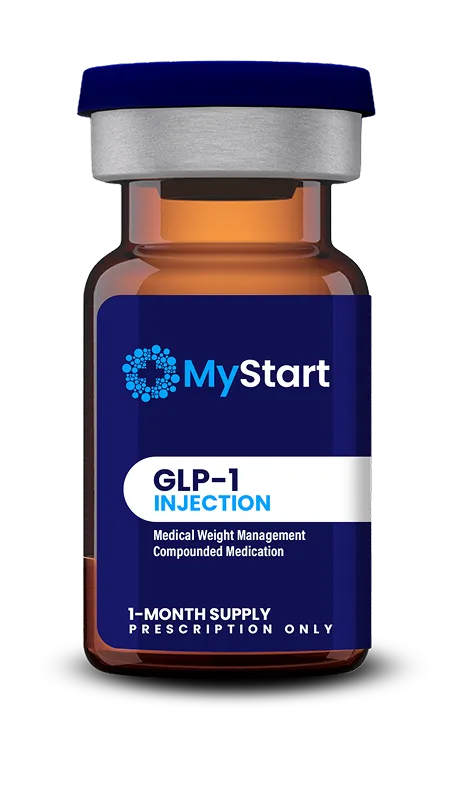
- Rating: ⭐️⭐️⭐️⭐️⭐️ – (9.9/10) High Potency GLP1
MyStart GLP-1 offers a smooth, beginner-friendly GLP-1 program using FDA-backed medications and simple weekly injections or tablets. Great for people wanting easy onboarding, rapid fat loss, and physician oversight—without the high price of traditional clinics.
MyStart GLP-1 uses a unique flat-rate membership model where your medication cost is fixed regardless of how high your therapeutic dose increases over time. For patients who will be on GLP-1 therapy for 12 months or more, this pricing structure can save $600 to $1,800 annually compared to platforms that charge progressively more as doses escalate.
How it works: Pay a monthly membership ($79) plus a flat medication fee (e.g., $175 for compounded semaglutide). The combined total stays fixed at $254 per month from starter dose through maximum maintenance dose. Medical consultation, all medication, dedicated care team access, and nutritional coaching are included.
◉ Clinical Note: The flat-rate model is financially sound for long-term GLP-1 use. GLP-1 therapy is most effective when sustained for 12+ months, and avoiding dose-related price increases removes a common reason patients discontinue treatment early. The included nutritional coaching adds meaningful clinical value, as sustainable weight loss requires both medication and lifestyle change. — Dr. Sarah Jenkins, Co-Author
🎯 Ideal for: Patients committed to long-term treatment (12+ months) who want price certainty as doses increase, and who value behavioral coaching as part of their program.
Best for: People who want a more advanced GLP-1 approach at a reduced price. 👉 SKIP THE WAITLIST. START FOR $199
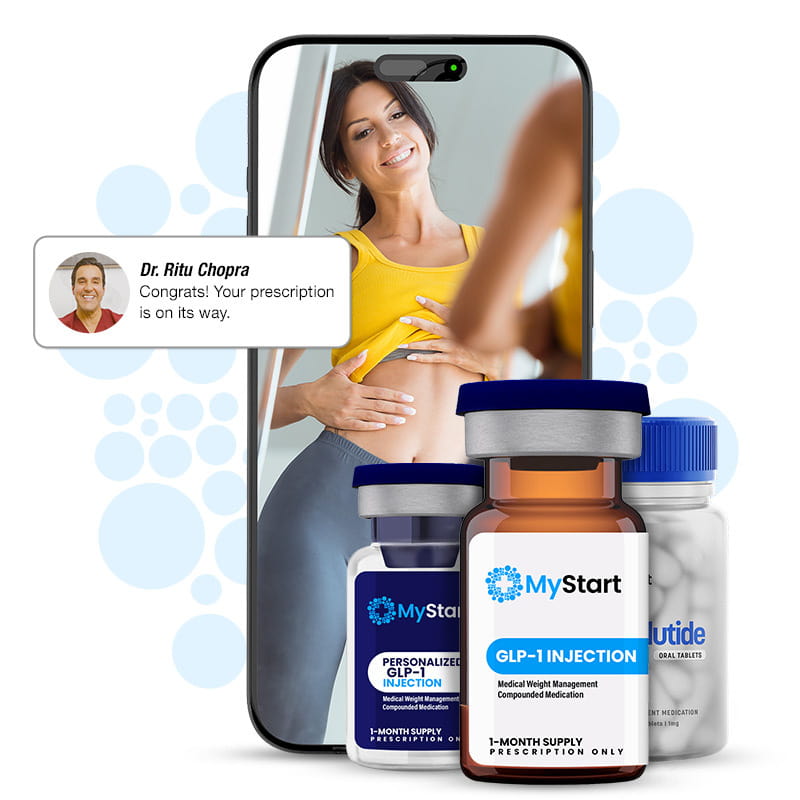
Thousands of people are losing weight with MyStart GLP-1 medications. People like you are transforming their lives, feeling better, and looking their best with the help of GLP-1 (Dual-Action Option) medications.
🥉 #3 Best for Absolute Lowest Entry Cost: MEDVi GLP-1
🥉 Bronze Standard — Lowest Entry Price
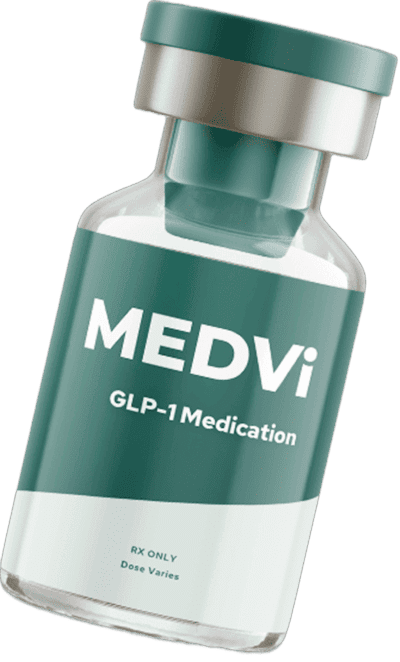
- Rating: ⭐️⭐️⭐️⭐️⭐️ – (9.9/10) Excellent
MEDVi GLP-1 delivers fast, medical-grade weight loss with doctor-guided dosing and personalized coaching. Patients report losing 1–3 lbs per week with steady appetite control and reduced cravings. Qualify in minutes and access 600+ U.S. doctors with no membership fees.
MEDVi offers the most accessible entry price point in the compounded GLP-1 market, with starter doses beginning as low as $99 per month and a published price-match guarantee.
The platform provides both injectable and oral compounded GLP-1 options, giving prescribers flexibility to match the medication form to the patient. Clinical follow-up is primarily quarterly rather than monthly, which keeps costs lower but means less frequent dose adjustment guidance than the two options above.
How it works: Complete an online consultation. If qualified, your prescription is sent to a partner compounding pharmacy and medication is shipped to you within 48 hours. Customer support is available, and clinical check-ins are typically quarterly. No membership fees are charged on top of medication pricing.
◉ Clinical Note: MEDVi is a legitimate, cost-effective option for budget-focused patients who have researched compounded medications and are comfortable with less frequent clinical contact. Always ask your provider which specific compounding pharmacy fulfills your prescription — a reputable 503A or 503B state-licensed pharmacy is non-negotiable for safety. — Dr. Sarah Jenkins, Co-Author
🎯 Ideal for: Budget-focused patients who have done their research on compounded GLP-1 medications, are comfortable managing more of their own care independently, and want the lowest possible entry price with a price-match guarantee.
How Effective Is Semaglutide for Blood Sugar and Weight Control?
Semaglutide is among the most effective non-insulin agents for type 2 diabetes. Injected semaglutide produces an average weight loss of approximately 11% of body weight over 24 to 68 weeks of treatment. [5] HbA1c reductions are also clinically significant, often bringing patients from poor control into target range.
What the evidence shows:
- HbA1c reduction: Semaglutide consistently lowers HbA1c by 1–2 percentage points in clinical trials, though individual results vary based on baseline levels, diet, and adherence.
- Weight loss: Average 11% body weight reduction with injectable semaglutide over extended treatment. [5]
- Cardiovascular protection: Oral semaglutide reduces the risk of major adverse cardiovascular events (MACE) in high-risk adults with type 2 diabetes. [1]
- Heart failure outcomes: A February 2026 analysis of the SOUL trial (nearly 9,650 adults with type 2 diabetes and cardiovascular disease or chronic kidney disease) found oral semaglutide users were 22% less likely than placebo recipients to experience heart failure hospitalization, urgent heart failure visits, or cardiovascular death. [2] The benefit was especially strong for heart failure with preserved ejection fraction (HFpEF), which is the most common type of heart failure in people with type 2 diabetes and obesity. [2]
“Oral semaglutide reduced the risk of heart failure events by 22% compared to placebo — a finding that’s particularly meaningful for the HFpEF population, where treatment options have historically been limited.” — SOUL Trial secondary analysis, February 2026 [2]

What Are the Side Effects of Semaglutide for Type 2 Diabetes?
Most side effects are gastrointestinal and tend to be temporary, especially during dose escalation. Serious side effects are less common but require prompt medical attention.
Common (usually mild to moderate):
- Nausea
- Vomiting
- Diarrhea or constipation
- Stomach discomfort or bloating
- Decreased appetite (often desired in this population)
Serious side effects to know:
- Pancreatitis — stop medication and seek care if you have severe, persistent abdominal pain
- Vision changes — report any sudden changes in eyesight
- Hypoglycemia — risk increases when combined with insulin or sulfonylureas
- Kidney problems — dehydration from GI symptoms can stress the kidneys
- Gallbladder issues — including gallstones
- Serious allergic reactions — swelling, difficulty breathing, rash [1]
How to reduce side effects:
- Start at the lowest dose and escalate slowly (as prescribed)
- Eat smaller, lower-fat meals
- Stay well hydrated
- Avoid lying down right after eating
- Take oral tablets on an empty stomach with a small amount of water (for Rybelsus/Ozempic tablets)
Edge case: Patients who rush dose escalation — either on their own or because of supply issues — report significantly more nausea and vomiting. Stick to the prescribed schedule.
How Do You Start and Use Semaglutide for Type 2 Diabetes?
Starting semaglutide involves a structured dose escalation to minimize side effects. The process is similar for both injectable and oral forms, though the specific doses differ.
Injectable Ozempic — typical escalation: Semaglutide Dosing & Titration Schedule
| Phase | Dose | Duration |
| Starting dose | $0.25$ mg/week | $4$ weeks |
| Step up | $0.5$ mg/week | $4+$ weeks |
| If needed | $1$ mg/week | $4+$ weeks |
| Maximum | $2$ mg/week | Ongoing |
Oral tablet (new Ozempic tablet, 2026): Begin at 1.5 mg daily, with escalation to 4 mg and then 9 mg based on tolerability and blood sugar response. [1]
Practical tips:
- Inject subcutaneous semaglutide into the abdomen, thigh, or upper arm — rotate sites
- Take oral tablets on an empty stomach, at least 30 minutes before food or other medications
- Set a consistent weekly day for injections (e.g., every Monday)
- Store injection pens in the refrigerator until first use; after opening, they can stay at room temperature for up to 56 days
For a full breakdown of injection options and providers, see our guide to semaglutide weight loss injections.
How Does Semaglutide Compare to Other Type 2 Diabetes Medications?
Semaglutide is one of several GLP-1 receptor agonists, and it competes with other drug classes for second-line therapy after metformin.
| Medication | Class | Weight Effect | CV Benefit | Dosing |
|---|---|---|---|---|
| Semaglutide (Ozempic) | GLP-1 RA | Strong loss | Yes | Weekly injection |
| Tirzepatide (Mounjaro) | GIP/GLP-1 RA | Strongest loss | Yes | Weekly injection |
| Dulaglutide (Trulicity) | GLP-1 RA | Moderate loss | Yes | Weekly injection |
| Empagliflozin (Jardiance) | SGLT-2i | Modest loss | Yes | Daily oral |
| Metformin | Biguanide | Neutral/modest | Neutral | Daily oral |
Choose semaglutide if: you want a well-studied GLP-1 with strong HbA1c reduction, meaningful weight loss, and cardiovascular protection — and you’re comfortable with injections or daily tablets.
Consider tirzepatide if: you need more aggressive weight loss and your doctor determines you’re a candidate. For a full comparison, see our semaglutide vs tirzepatide guide.
What Does Semaglutide Cost, and Is It Covered by Insurance?
Cost is one of the biggest barriers to semaglutide type 2 diabetes treatment. Brand-name Ozempic can run $900–$1,000+ per month without insurance in the U.S.
Ways to reduce cost:
- Insurance coverage: Most commercial plans cover Ozempic for type 2 diabetes (the diabetes indication has better coverage than the weight loss indication). Check your formulary.
- Novo Nordisk savings card: Eligible commercially insured patients may pay as little as $25/month through the manufacturer’s program.
- Compounded semaglutide: Was widely available during the GLP-1 shortage, but availability has changed since the FDA resolved the shortage in April 2025. [4] Discuss with your prescriber.
- Telehealth providers: Several platforms offer semaglutide at lower price points. See our breakdown of semaglutide without insurance costs for current options.
- Budget GLP-1 alternatives: Our budget GLP-1 weight loss options guide covers more affordable paths.
Common mistake: Patients sometimes stop semaglutide abruptly due to cost without telling their doctor. Blood sugar can rebound quickly. If cost is an issue, talk to your provider first — there are often assistance options available.
FAQ: Semaglutide for Type 2 Diabetes
Q: Can semaglutide cure type 2 diabetes?
No. Semaglutide manages blood sugar effectively, but it doesn’t cure diabetes. Blood sugar typically rises again if the medication is stopped, especially without lifestyle changes in place.
Q: How long does it take for semaglutide to lower blood sugar?
Most people see measurable HbA1c improvements within 8–12 weeks of reaching a therapeutic dose. Full effects on blood sugar and weight develop over several months.
Q: Can I take semaglutide if I’m already on metformin?
Yes. Semaglutide is commonly prescribed alongside metformin. The two work through different mechanisms and are generally well-tolerated together.
Q: Is the new Ozempic tablet as effective as the injection?
The new tablet formulation is designed to deliver comparable therapeutic exposure to the injection, with enhanced absorption technology. [1] Clinical outcomes data for the tablet is still accumulating, but early evidence supports similar efficacy for blood sugar control.
Q: Will I regain weight if I stop semaglutide?
Research shows that most people regain a significant portion of lost weight after stopping GLP-1 medications. For type 2 diabetes patients, stopping also risks HbA1c rising back toward previous levels.
Q: Does semaglutide work for fatty liver disease?
GLP-1 medications including semaglutide show promise for metabolic-associated steatohepatitis (MASH). See our guide on GLP-1 for fatty liver and MASH treatment for more detail.
Q: Is semaglutide safe long-term?
Long-term trials (up to 4 years, as in the SOUL trial) show a favorable safety profile for most patients. [2] Ongoing monitoring for thyroid, kidney, and pancreatic health is standard practice.
Q: What should I eat while taking semaglutide?
Lower-fat, smaller meals reduce nausea. Prioritize protein, fiber-rich vegetables, and complex carbohydrates. Our guide to best foods to eat on GLP-1 has a full meal framework.
Q: Can people with type 2 diabetes and heart failure use semaglutide?
Yes, and it may be especially beneficial. The SOUL trial found a 22% reduction in heart failure events, with the strongest benefit in HFpEF patients. [2] Always discuss with a cardiologist and endocrinologist together.
Q: Is semaglutide available without a prescription?
No. Semaglutide requires a prescription from a licensed provider in the U.S. Telehealth platforms can prescribe it online after a medical evaluation.
Conclusion: Is Semaglutide Right for Your Type 2 Diabetes?
Semaglutide stands out as one of the most effective medications available for type 2 diabetes management in 2026. It lowers blood sugar, supports meaningful weight loss, and now has strong evidence for reducing cardiovascular and heart failure risk — including the February 2026 SOUL trial data showing a 22% reduction in heart failure events.
The arrival of the new Ozempic tablet gives patients and doctors more flexibility in how they use this medication.
That said, semaglutide isn’t for everyone. It requires careful prescribing, gradual dose escalation, and ongoing monitoring. Cost remains a real obstacle for many patients, though assistance programs and telehealth options have expanded access.
Your next steps on Semaglutide for Type 2 Diabetes:
- Talk to your doctor about whether semaglutide fits your diabetes management plan, especially if you have cardiovascular disease or obesity alongside type 2 diabetes.
- Check your insurance coverage for Ozempic under the diabetes indication before assuming it’s unaffordable.
- Review your diet and lifestyle habits — semaglutide works best as part of a broader approach.
- Ask about the new oral tablet if injections are a barrier for you.
- Monitor regularly — HbA1c, kidney function, and weight should be tracked throughout treatment.
- For more context on the full GLP-1 landscape, see our complete guide to GLP-1 medications for weight loss and diabetes.
References
[1] Ozempic Pill Approved By FDA — What The Oral Semaglutide Tablets Mean For Type 2 Diabetes In 2026 – https://www.rejoyhealth.com/blog/ozempic-pill-approved-by-fda-what-the-oral-semaglutide-tablets-mean-for-type-2-diabetes-in-2026
[2] Oral Semaglutide Heart Failure Events (2026) – https://medicalxpress.com/news/2026-02-oral-semaglutide-heart-failure-events.html
[4] Outlook For Obesity In 2026 – https://www.iqvia.com/locations/emea/blogs/2026/01/outlook-for-obesity-in-2026
[5] ScienceDaily — Semaglutide Weight Loss Data – https://www.sciencedaily.com/releases/2026/02/260211073033.htm
Medical Disclaimer: The information on healthfactsjournal.com is for educational and informational purposes only and is not intended as medical advice. These statements have not been evaluated by the FDA. Always seek the advice of a qualified healthcare provider regarding any medical condition or treatment. Never disregard professional medical advice or delay seeking it because of something you have read on this website.

With over 13 years of experience in holistic health blogging, I aim to help you navigate your wellness journey with honest insights, expert-backed advice, and a sprinkle of real-world practicality.
Certified Wellness Writer | Herbal Nutrition Advocate | Wellness Research Enthusiast


