
Semaglutide for Weight Loss: The Complete 2026 Guide to Results, Dosing, & “Wegovy HD”

If 2024 was the year the world discovered GLP-1s, 2026 is the year we perfected them. With the recent March 2026 FDA approval of Wegovy HD (7.2mg) and the widespread availability of the Wegovy Pill, semaglutide for weight loss has entered a new era of “high-definition” results.
Whether you are just starting your journey or hitting a plateau on a lower dose, here is the essential breakdown of how semaglutide for weight loss works, what results to expect, and the new options available today.
Quick Answer
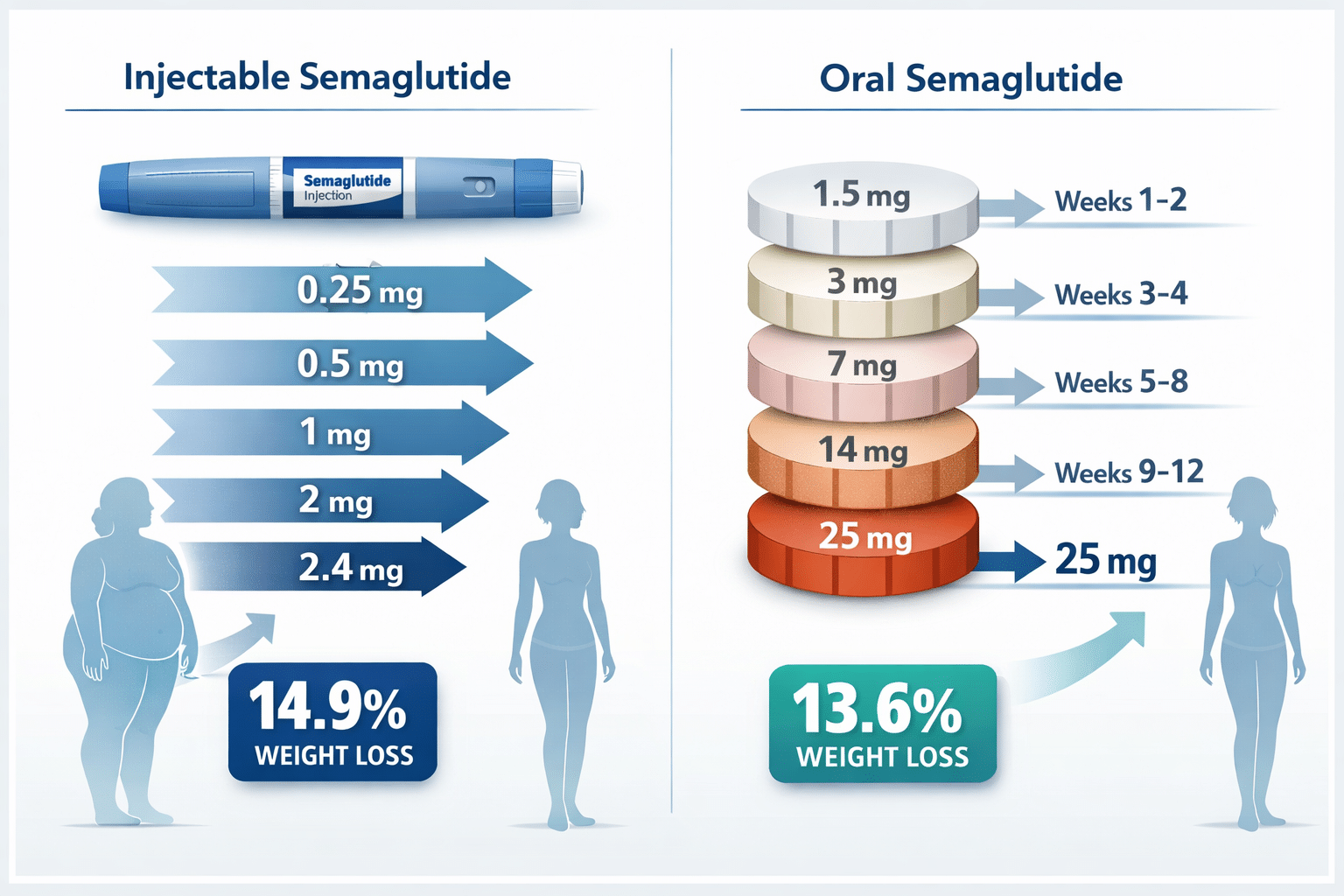
Semaglutide is a GLP-1 receptor agonist that helps adults with obesity or overweight lose a meaningful amount of body weight by reducing appetite and caloric intake. In 2026, it’s available as a weekly injection (Wegovy) or a once-daily pill, with clinical trials showing average weight loss of 13.6% to 14.9% of body weight over roughly 64–68 weeks. It requires a prescription, a qualifying BMI or weight-related health condition, and works best alongside diet and physical activity changes.
Key Takeaways
- Semaglutide weight loss results average 13.6%–14.9% of body weight in clinical trials, depending on the formulation used.
- The FDA approved the first oral semaglutide pill (Wegovy pill) on December 22, 2025, making needle-free treatment a real option in 2026. [1]
- The oral pill starts at 1.5 mg daily and escalates every 30 days to a 25 mg maintenance dose. [2]
- Both injectable and oral semaglutide are indicated for adults with a BMI of 30+, or 27+ with at least one weight-related comorbidity. [1]
- Common side effects include nausea, vomiting, constipation, and diarrhea — most manageable with slow dose escalation. [2]
- The oral Wegovy pill is available starting at $149/month through manufacturer savings programs. [1]
- Insurance coverage is not guaranteed and varies significantly by plan. [3]
- Semaglutide is not a standalone fix — diet, physical activity, and ongoing medical support improve outcomes.
What Is Semaglutide and How Does It Cause Weight Loss?
Semaglutide is a medication that mimics GLP-1, a hormone your gut naturally releases after eating. By activating GLP-1 receptors in the brain and digestive system, it slows stomach emptying, reduces hunger signals, and helps you feel full on less food. [2]
How the mechanism works in plain terms:
- You take semaglutide (injection or pill).
- It binds to GLP-1 receptors in the brain’s appetite control center.
- Hunger decreases and feelings of fullness increase.
- You naturally eat fewer calories over time.
- Sustained caloric reduction leads to meaningful weight loss.
The oral tablet is specifically engineered to survive digestion and deliver effects similar to the injectable form — a significant technical challenge that took years to solve. [2]
Key point: Semaglutide doesn’t burn fat directly. It changes the hormonal signals that drive how much you want to eat. That’s why it works when willpower alone hasn’t.
For a broader look at how GLP-1 medications work across different conditions, see our guide to GLP-1 medications for weight loss and diabetes.
The 3 Most Affordable Semaglutide For Weight GLP 1 Without Insurance (2026 Ranked)
🥇 #1 Best Overall: Zepbound (Triple-Action Option)
🥇 Best Overall (9.9/10)
DirectMeds GLP1 provides a budget-friendly alternative to Ozempic/Wegovy while maintaining strong appetite control and weekly fat loss results. Everything is included—from telehealth visits to medication shipping—making it ideal for people wanting premium results at the lowest cost.
DirectMeds is a LegitScript-certified telehealth platform that connects patients with licensed U.S. physicians who evaluate whether compounded GLP-1 medications are clinically appropriate.
It is one of the most established providers in this space and is particularly well-suited to patients who want high-touch clinical oversight without paying brand-name prices.
How it works: Complete a secure online health intake form. A licensed medical provider reviews your profile and determines eligibility. If approved, your prescription is sent to a certified U.S. compounding pharmacy and medication is shipped directly to your door. All-inclusive pricing covers medical consultation, medication, and 24/7 support — no surprise charges.
◉ Clinical Note: DirectMeds’ LegitScript certification is a meaningful differentiator in this market. It requires compliance with pharmacy laws, prescription standards, and advertising guidelines — reducing the risk of receiving substandard compounded medications. For patients new to telehealth GLP-1 programs, this certification provides a meaningful layer of accountability. — Dr. Sarah Jenkins, Co-Author
🎯 Ideal for: Patients who want an established, verified provider with strong clinical support and are comfortable paying slightly more than the absolute floor price for greater peace of mind.
🥈#2 Best for Long-Term Cost Certainty: MyStart GLP-1
🥈 Silver Standard — Best Flat-Rate Pricing
- Rating: ⭐️⭐️⭐️⭐️⭐️ – (9.9/10) High Potency GLP1
MyStart GLP-1 offers a smooth, beginner-friendly GLP-1 program using FDA-backed medications and simple weekly injections or tablets. Great for people wanting easy onboarding, rapid fat loss, and physician oversight—without the high price of traditional clinics.
MyStart GLP-1 uses a unique flat-rate membership model where your medication cost is fixed regardless of how high your therapeutic dose increases over time. For patients who will be on GLP-1 therapy for 12 months or more, this pricing structure can save $600 to $1,800 annually compared to platforms that charge progressively more as doses escalate.
How it works: Pay a monthly membership ($79) plus a flat medication fee (e.g., $175 for compounded semaglutide). The combined total stays fixed at $254 per month from starter dose through maximum maintenance dose. Medical consultation, all medication, dedicated care team access, and nutritional coaching are included.
◉ Clinical Note: The flat-rate model is financially sound for long-term GLP-1 use. GLP-1 therapy is most effective when sustained for 12+ months, and avoiding dose-related price increases removes a common reason patients discontinue treatment early. The included nutritional coaching adds meaningful clinical value, as sustainable weight loss requires both medication and lifestyle change. — Dr. Sarah Jenkins, Co-Author
🎯 Ideal for: Patients committed to long-term treatment (12+ months) who want price certainty as doses increase, and who value behavioral coaching as part of their program.
Best for: People who want a more advanced GLP-1 approach at a reduced price. 👉 SKIP THE WAITLIST. START FOR $199
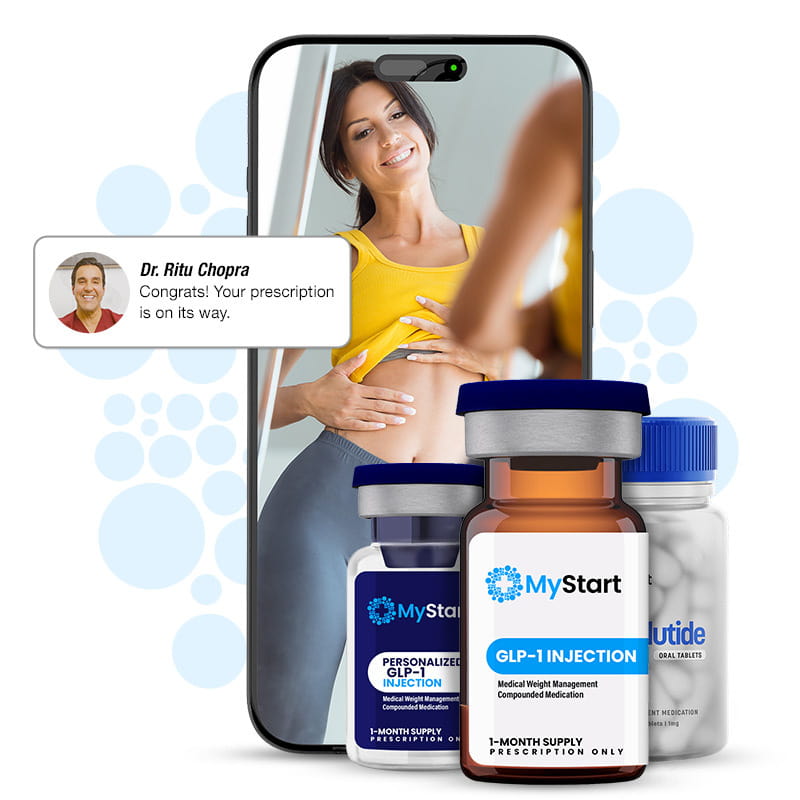
Thousands of people are losing weight with MyStart GLP-1 medications. People like you are transforming their lives, feeling better, and looking their best with the help of GLP-1 (Dual-Action Option) medications.
🥉 #3 Best for Absolute Lowest Entry Cost: MEDVi GLP-1
🥉 Bronze Standard — Lowest Entry Price
- Rating: ⭐️⭐️⭐️⭐️⭐️ – (9.9/10) Excellent
MEDVi GLP-1 delivers fast, medical-grade weight loss with doctor-guided dosing and personalized coaching. Patients report losing 1–3 lbs per week with steady appetite control and reduced cravings. Qualify in minutes and access 600+ U.S. doctors with no membership fees.
MEDVi offers the most accessible entry price point in the compounded GLP-1 market, with starter doses beginning as low as $99 per month and a published price-match guarantee.
The platform provides both injectable and oral compounded GLP-1 options, giving prescribers flexibility to match the medication form to the patient. Clinical follow-up is primarily quarterly rather than monthly, which keeps costs lower but means less frequent dose adjustment guidance than the two options above.
How it works: Complete an online consultation. If qualified, your prescription is sent to a partner compounding pharmacy and medication is shipped to you within 48 hours. Customer support is available, and clinical check-ins are typically quarterly. No membership fees are charged on top of medication pricing.
◉ Clinical Note: MEDVi is a legitimate, cost-effective option for budget-focused patients who have researched compounded medications and are comfortable with less frequent clinical contact. Always ask your provider which specific compounding pharmacy fulfills your prescription — a reputable 503A or 503B state-licensed pharmacy is non-negotiable for safety. — Dr. Sarah Jenkins, Co-Author
🎯 Ideal for: Budget-focused patients who have done their research on compounded GLP-1 medications, are comfortable managing more of their own care independently, and want the lowest possible entry price with a price-match guarantee.
What Are the Semaglutide Weight Loss Results You Can Realistically Expect?
Clinical trial results show meaningful weight loss, but individual results vary based on dose, adherence, diet, and activity level.
OASIS 4 Trial (oral semaglutide 25 mg, 64 weeks): [1]
- Average weight loss: 13.6% of body weight (all participants, including those who stopped treatment)
- Among those who stayed on treatment: 16.6% weight loss
- Placebo group lost 2.4% on average
STEP 1 Trial (injectable Wegovy 2.4 mg weekly, 68 weeks): [3]
- Average weight loss: 14.9% of body weight
| Formulation | Trial | Duration | Average Weight Loss |
|---|---|---|---|
| Oral semaglutide 25 mg | OASIS 4 | 64 weeks | 13.6% (all); 16.6% (completers) |
| Injectable semaglutide 2.4 mg | STEP 1 | 68 weeks | 14.9% |
| Placebo (oral trial) | OASIS 4 | 64 weeks | 2.4% |
⚠️ Important: These trials used different patient populations and protocols, so direct comparisons aren’t fully valid. [3] The OASIS 4 trial excluded people with diabetes, for example. [2]
Realistic expectations for most patients:
- Noticeable weight reduction within 8–12 weeks
- Maximum effect typically seen after 12–18 months on maintenance dose
- Weight often returns if the medication is stopped without lifestyle changes in place
For a detailed look at early-stage results, our 6-week Ozempic weight loss results guide covers what to expect in the first weeks on a GLP-1.
Injectable vs. Oral Semaglutide: Which Option Is Right for You?
In 2026, patients can choose between a weekly injection or a daily pill — and the right choice depends on lifestyle, tolerance for needles, and insurance coverage.
Choose injectable semaglutide (Wegovy pen) if:
- You prefer once-weekly dosing over daily pills
- You want the longer clinical track record
- Your insurance covers the injectable but not the pill
Choose oral semaglutide (Wegovy pill) if:
- You have a strong aversion to needles
- You prefer a discreet, pharmacy-counter option
- You’re starting fresh and want to try the pill first
Key differences at a glance:
| Feature | Injectable Wegovy | Oral Wegovy Pill |
|---|---|---|
| Dosing frequency | Once weekly | Once daily |
| FDA approval for weight loss | 2021 | December 2025 [1] |
| Maintenance dose | 2.4 mg | 25 mg |
| Starting dose | 0.25 mg weekly | 1.5 mg daily [2] |
| Available since (2026) | Widely available | January 2026 [1] |
| Starting price | Varies by insurance | ~$149/month [1] |
One practical note on the pill: You must take it on an empty stomach with no more than 4 oz of water, then wait 30 minutes before eating or taking other medications. This requirement affects some people’s morning routines.
For a side-by-side breakdown of the best injectable options, see our 5 best semaglutide weight loss injections guide.
Who Qualifies for Semaglutide Weight Loss Treatment?
Semaglutide for weight management is approved for a specific group of adults — not everyone who wants to lose weight will qualify.
You likely qualify if you have:
- A BMI of 30 or higher (obesity), OR
- A BMI of 27 or higher (overweight) plus at least one weight-related condition such as high blood pressure, type 2 diabetes, high cholesterol, or obstructive sleep apnea [1]
Who should not use semaglutide:
- People with a personal or family history of medullary thyroid carcinoma (MTC)
- People with Multiple Endocrine Neoplasia syndrome type 2 (MEN 2)
- Those who are pregnant or planning to become pregnant
- People with a history of pancreatitis (discuss with your doctor)
- Those with severe gastrointestinal disease
Common mistake: Assuming that because Ozempic (semaglutide for type 2 diabetes) is widely prescribed, it can be freely used off-label for weight loss without a qualifying condition. Prescribers are increasingly careful about this distinction, and insurance coverage depends on the specific indication.
The 2026 Breakthrough: What is Wegovy HD?
For years, the maximum maintenance dose for weight loss was 2.4mg. However, on March 19, 2026, the FDA fast-tracked the approval of Wegovy HD (7.2mg).
Why the higher dose matters:
- Greater Weight Loss: Clinical data from the STEP UP trial shows that the 7.2mg dose produces an average weight reduction of 20.7%—breaking the previous 15% ceiling.
- Plateau Breaking: For “non-responders” or those who stalled at 2.4mg, the 7.2mg dose offers a new therapeutic ceiling to continue progress.
- Cardiometabolic Boost: The higher dose shows even stronger improvements in blood pressure and cholesterol, even for those with Type 2 Diabetes.
📈 What Results Can You Actually Expect?
Weight loss on semaglutide is a marathon, not a sprint. The 2026 clinical data confirms a distinct “Three-Phase” journey:
- Phase 1: The Induction (Months 1–2): You begin at 0.25mg. Weight loss is usually 1–3 lbs per week as “food noise” begins to quiet.
- Phase 2: The Titration (Months 3–5): You move through 0.5mg, 1.0mg, and 1.7mg. This is where most people see the “whoosh” effect in fat loss.
- Phase 3: Maintenance (Month 6+): You reach your target dose (2.4mg or the new 7.2mg). Results stabilize, and the focus shifts to body composition and muscle retention.
Note on the “Rebound”: 2026 real-world data shows that patients who stop semaglutide abruptly regain roughly two-thirds of their weight within a year. At Whole Body Journal, we advocate for a “tapering” plan rather than stopping “cold turkey.”
What Are the Side Effects of Semaglutide?
Most semaglutide side effects are gastrointestinal and tend to be worst during dose escalation. They typically improve as your body adjusts.
Most common side effects: [2]
- Nausea
- Vomiting
- Constipation
- Diarrhea
- Stomach pain or cramping
- Headache
- Fatigue
- Dizziness
Less common but reported: [2]
- Bloating and belching
- Gas and heartburn
- Low blood sugar (mainly in people with type 2 diabetes)
- Runny nose or sore throat
How to reduce side effects:
- Start at the lowest dose and escalate slowly (every 30 days as prescribed).
- Eat smaller, lower-fat meals.
- Stay well hydrated.
- Avoid lying down immediately after eating.
- Tell your prescriber if symptoms are severe — dose adjustments are possible.
Serious but rare risks include pancreatitis, gallbladder problems, and kidney injury (often from dehydration due to vomiting). Contact your doctor immediately if you experience severe abdominal pain.
How Much Does Semaglutide Weight Loss Treatment Cost in 2026?

Cost is one of the biggest barriers to semaglutide treatment, and 2026 brings some new options worth knowing.
Oral Wegovy pill: The 1.5 mg starting dose is available at $149/month through Novo Nordisk’s savings program. [1] Full pricing at the 25 mg maintenance dose has not been widely published as of early 2026.
Injectable Wegovy: List price is approximately $1,349/month without insurance, though manufacturer savings cards can reduce this significantly for eligible patients.
Insurance coverage: Coverage for weight management medications varies widely. The oral pill approval does not automatically trigger new insurance coverage — each plan sets its own formulary. [3]
Ways to reduce your cost:
- Manufacturer savings programs (Novo Nordisk offers cards for both formulations)
- Telehealth providers that bundle prescriptions with lower-cost compounded semaglutide (where legally available)
- Generic or compounded options — though FDA oversight of compounded semaglutide tightened in 2025–2026
For a full breakdown of affordable access paths, our budget GLP-1 weight loss options guide covers options with up to 80% savings.
If you’re comparing telehealth providers, our MEDVi semaglutide weight loss review and 7 best GLP-1 weight loss programs are good starting points.
How Does Semaglutide Compare to Other Weight Loss Medications?
Semaglutide is currently one of the most effective FDA-approved weight loss medications, but it’s not the only option.
Semaglutide vs. Tirzepatide (Zepbound/Mounjaro): Tirzepatide targets both GLP-1 and GIP receptors, and clinical trials show slightly higher average weight loss (around 20–22% in some trials) compared to semaglutide. However, it’s only available as an injection, costs more, and may have a different side effect profile. For a full comparison, see our semaglutide vs. tirzepatide guide.
Semaglutide vs. older weight loss medications (phentermine, orlistat): Older medications produce significantly less weight loss on average — typically 3–7% of body weight — and have more limited safety data for long-term use.
Choose semaglutide if:
- You want a well-studied, FDA-approved option with strong clinical evidence
- You prefer either injectable or oral delivery
- You have cardiovascular disease alongside obesity (semaglutide is also approved to reduce major cardiac events) [1]
Choose tirzepatide if:
- Maximum weight loss is the priority
- You’re comfortable with injections only
- Your insurance covers it
For a comprehensive ranking of all approved options, our 7 best GLP-1 medications approved for weight loss covers the full field.
How Do You Start Semaglutide for Weight Loss?
Starting semaglutide is a straightforward process, but it requires a prescription and medical evaluation.
Step-by-step process:
- Assess eligibility — Check your BMI and whether you have any qualifying comorbidities.
- Consult a provider — This can be your primary care doctor, an endocrinologist, or a telehealth provider specializing in weight management.
- Medical review — Your provider will review your history, rule out contraindications, and order any needed labs.
- Get your prescription — Injectable Wegovy is available at most retail pharmacies. The oral pill became available in January 2026. [1]
- Start low, go slow — Begin at the lowest dose (0.25 mg weekly for injectable; 1.5 mg daily for the pill) and escalate every 30 days. [2]
- Pair with lifestyle changes — Both formulations are approved “as an adjunct to a reduced-calorie diet and increased physical activity.” [1]
- Follow up regularly — Check in with your provider every 1–3 months to assess progress and manage side effects.
Common mistake: Stopping the medication as soon as you hit your goal weight. Most clinical evidence suggests weight returns without ongoing treatment or a solid maintenance plan.
Dr. Timothy Garvey, director of the Diabetes Research Center at the University of Alabama at Birmingham, noted that the oral pill “expands the possibilities for weight management with semaglutide, giving healthcare professionals a powerful, efficacious medicine in a new method of delivery.” [4]
Frequently Asked Questions
Q: How long does it take to see weight loss results with semaglutide? Most people notice reduced appetite within the first 1–2 weeks. Measurable weight loss typically appears within 4–8 weeks, with maximum results seen after 12–18 months on the maintenance dose.
Q: Can I take semaglutide if I have type 2 diabetes? Yes, but the formulations differ. Ozempic (injectable semaglutide 0.5–2 mg) is FDA-approved for type 2 diabetes. Wegovy (injectable 2.4 mg) and the new oral Wegovy pill are approved for weight management. The OASIS 4 trial excluded people with diabetes, so data for the oral pill in diabetic patients is more limited. [2]
Q: Is the oral semaglutide pill as effective as the injection? Clinical trials show similar but not identical results: 13.6% average weight loss for the oral pill (OASIS 4) versus 14.9% for the injection (STEP 1). These trials used different populations and protocols, so they can’t be directly compared. [3]
Q: What happens if I miss a dose of oral semaglutide? Skip the missed dose and take your next dose the following day at the usual time. Do not double up. If you miss more than a few days, contact your provider.
Q: Does semaglutide cause muscle loss? Some muscle loss can occur with any significant caloric deficit. Combining semaglutide with adequate protein intake and resistance exercise helps preserve lean muscle mass.
Q: Is compounded semaglutide safe to use in 2026? Compounded semaglutide was widely available when brand-name Wegovy was in shortage. As supply has normalized, the FDA has moved to restrict compounding. Always verify that any compounded product comes from a licensed 503A or 503B pharmacy and is prescribed by a licensed provider.
Q: Can semaglutide help with fatty liver disease? Emerging evidence suggests GLP-1 receptor agonists including semaglutide may benefit people with metabolic-associated steatotic liver disease (MASH). See our GLP-1 for fatty liver guide for details.
Q: Will I regain weight when I stop semaglutide? Most clinical data shows that weight regain is common after stopping GLP-1 medications without sustained lifestyle changes. This is why many providers now view semaglutide as a long-term or indefinite treatment for chronic obesity.
Q: Does semaglutide interact with other medications? Semaglutide slows gastric emptying, which can affect how quickly other oral medications are absorbed. Tell your prescriber about all medications you take, especially oral contraceptives and thyroid medications.
Q: Is semaglutide covered by Medicare? As of 2026, Medicare Part D covers semaglutide for type 2 diabetes (Ozempic) but coverage for weight management indications (Wegovy) remains limited. Check with your specific plan for current formulary status.
Conclusion
Semaglutide weight loss treatment is one of the most significant advances in obesity medicine in decades. Whether you choose the weekly injection or the newly approved daily pill, clinical evidence consistently shows 13–17% average body weight reduction — results that far exceed older medications and many lifestyle interventions alone.
Your actionable next steps:
- Calculate your BMI and check whether you meet the qualifying criteria (BMI 30+, or 27+ with a comorbidity).
- Talk to a provider — your primary care doctor or a telehealth weight loss clinic can evaluate your eligibility and prescribe the right formulation.
- Compare your options — injectable vs. oral, brand vs. compounded, and different telehealth programs vary significantly in cost and support.
- Plan for the long term — build the dietary and activity habits that will support your results whether you stay on medication or eventually taper off.
- Check your insurance before assuming coverage — and explore manufacturer savings programs if you’re paying out of pocket.
The oral pill’s arrival in 2026 removes one of the biggest barriers for people who were hesitant about injections. If you’ve been on the fence, now is a reasonable time to have that conversation with your doctor.
For more help comparing your options, explore our 7 best semaglutide weight loss medications ranking or check costs with our semaglutide without insurance cost guide.
References
[1] FDA Approves Oral Semaglutide Pill for Chronic Weight Management – https://www.consultant360.com/fda-alerts/fda-approves-oral-semaglutide-pill-chronic-weight-management
[2] FDA Approves First Semaglutide Pill for Weight Loss – https://www.mymatrixx.com/news/fda-approves-first-semaglutide-pill-weight-loss
[3] Best Semaglutide Options for 2026: New Oral Wegovy Pill Approved by FDA as Patients Compare Injectable and Compounded Access Pathways – https://www.biospace.com/press-releases/best-semaglutide-options-for-2026-new-oral-wegovy-pill-approved-by-fda-as-patients-compare-injectable-and-compounded-access-pathways
[4] FDA Approves Novo Nordisk’s Wegovy Pill, the First and Only Oral GLP-1 for Weight Loss in Adults – https://www.prnewswire.com/news-releases/fda-approves-novo-nordisks-wegovy-pill-the-first-and-only-oral-glp-1-for-weight-loss-in-adults-302648344.html
FDA Approval Announcement (2026): “The U.S. Food and Drug Administration (FDA) has officially approved the first-ever oral GLP-1 specifically indicated for chronic weight management, expanding access for patients who are needle-averse.” Source: FDA Approves Wegovy Weight Loss Pill: How It Compares to Injectables – Healthline
Medical Disclaimer: The information on this site is for educational and informational purposes only and is not intended as medical advice. These statements have not been evaluated by the FDA. Always seek the advice of a qualified healthcare provider regarding any medical condition or treatment. Never disregard professional medical advice or delay seeking it because of something you have read on this website.

With over 13 years of experience in holistic health blogging, I aim to help you navigate your wellness journey with honest insights, expert-backed advice, and a sprinkle of real-world practicality.
Certified Wellness Writer | Herbal Nutrition Advocate | Wellness Research Enthusiast


