
7 Best GLP-1 Weight Loss Programs in 2026: Complete Comparison Guide

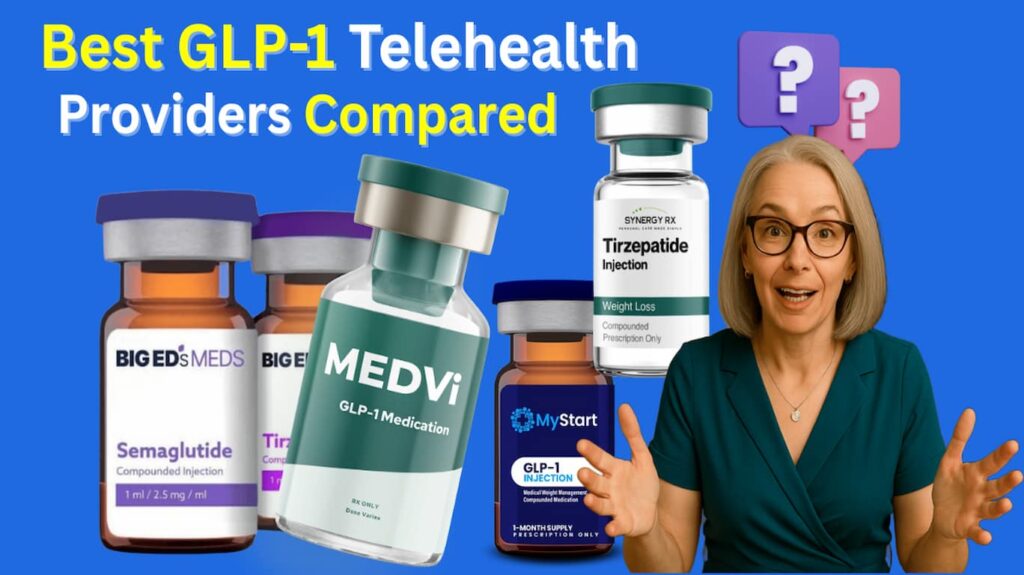
Finding the right GLP-1 weight loss program can feel overwhelming with dozens of telehealth providers promising rapid results and affordable pricing.
After reviewing over 20 platforms and analyzing thousands of patient experiences, we’ve identified the seven best affordable GLP-1 weight loss programs that truly deliver on safety, effectiveness, and value.
Whether you’re struggling with insurance coverage, comparing compounded versus brand-name options, or simply trying to understand which most affordable glp1 program fits your budget and lifestyle, this comprehensive guide breaks down everything you need to make an informed decision about your weight loss journey.
What Are GLP-1 Weight Loss Programs?
GLP-1 (glucagon-like peptide-1) weight loss programs combine prescription medications with medical supervision through digital telehealth platforms. These programs provide access to medications that mimic your body’s natural GLP-1 hormone, which regulates appetite, blood sugar, and digestion.
How GLP-1 Medications Work
GLP-1 receptor agonists transform weight loss by addressing the biological factors that traditional dieting cannot fix. When you take these medications, they:
Reduce hunger signals by interacting with receptors in your brain that control appetite, making you feel satisfied with smaller portions without the constant battle against cravings.
Slow gastric emptying so food stays in your stomach longer, creating sustained fullness that lasts for hours after meals instead of the typical hunger cycle that returns within an hour or two.
Regulate blood sugar levels by stimulating insulin production when blood glucose rises and suppressing glucagon release, which helps stabilize energy throughout the day and reduces the metabolic dysfunction that makes weight loss difficult.
Support cardiovascular health with research showing reduced risk of heart attack and stroke in patients with existing cardiovascular disease, making these medications valuable beyond weight management alone.
Clinical Weight Loss Results
The effectiveness of GLP-1 medications is backed by extensive clinical research. Semaglutide (Wegovy, Ozempic) produces average weight loss of 15% of body weight over 68 weeks in clinical trials. Tirzepatide (Zepbound, Mounjaro) demonstrates even more impressive results with up to 21% weight loss over 72 weeks at maximum doses.
Real-world data shows patients using tirzepatide are approximately three times more likely to achieve 15% or greater weight loss compared to semaglutide users. However, individual results vary significantly based on starting weight, adherence to lifestyle modifications, underlying health conditions, medication dosage, and the quality of medical supervision throughout treatment.
Who Qualifies for GLP-1 Programs
Telehealth providers generally approve patients who meet these criteria:
BMI requirements include a body mass index of 30 or higher, or BMI of 27 or higher with at least one weight-related health condition such as high blood pressure, type 2 diabetes, high cholesterol, sleep apnea, or polycystic ovary syndrome.
Age restrictions typically require patients to be 18 years or older, though some programs accept patients as young as 12 years old for specific medications like liraglutide when prescribed under close medical supervision.
Medical clearance means you cannot have a personal or family history of medullary thyroid cancer, multiple endocrine neoplasia syndrome type 2, severe gastrointestinal disease, active gallbladder disease, or current pregnancy or breastfeeding.
Top 8 Best Affordable GLP-1 Weight Loss Programs: Telehealth Providers Compared
After evaluating medical credentials, customer satisfaction, pricing transparency, and medication quality, these eight programs represent the best options available in 2026.
1. Ro Body Program – Best for Comprehensive Support
Pricing: $145/month membership + $900-$1,350/month for brand-name medications (medication not included)
Medications: FDA-approved Ozempic, Wegovy, Mounjaro, Zepbound
Ro Body Program stands out for patients who want a fully integrated weight management system combining medication with extensive educational resources. The platform provides unlimited messaging with healthcare providers, dedicated health coaches, progress tracking tools, and a library of nutritional content created by registered dietitians.
The program accepts insurance and offers insurance navigation assistance, helping patients maximize their benefits for the most cost-effective treatment. While the upfront membership fee seems high, patients with good insurance coverage often find Ro more affordable than alternatives once their insurance covers the medication costs.
Ro exclusively prescribes FDA-approved brand-name medications, ensuring the highest safety standards and consistent dosing. The comprehensive metabolic testing included in the program helps providers personalize treatment plans and monitor health markers beyond just weight loss.
Best for: Patients with insurance coverage who want extensive coaching, educational resources, and comprehensive health monitoring alongside their GLP-1 medication.
2. MEDVi – Best for Budget-Conscious Patients
Pricing: $179 first month, then $299/month (medication included)
Medications: Compounded semaglutide, compounded tirzepatide
MEDVi focuses on one thing and does it exceptionally well—providing affordable access to quality compounded GLP-1 medications. With over 50,000 patients treated and LegitScript certification, MEDVi has established credibility in the compounded medication space for both oral glp 1 and injections.
The platform includes unlimited messaging with board-certified physicians and 24/7 support for medication questions or side effect management. Free shipping and personalized dosing eliminate the hidden costs that plague other budget programs.
MEDVi doesn’t offer lifestyle coaching or nutritional counseling, which keeps costs low but means you’re responsible for developing healthy habits independently. For self-motivated patients who simply need medication access without paying for coaching they won’t use, MEDVi delivers exceptional value.
The pharmacy partners are FDA-registered and follow strict quality control protocols, addressing the primary safety concern with compounded medications. Patients receive the same therapeutic benefits as brand-name medications at approximately one-third the cost.
Best for: Self-motivated individuals seeking the most affordable GLP-1 access without paying for extensive coaching programs or lifestyle interventions.
3. SkinnyRx – Best for Flexible Payment Options
Pricing: Starting at $199/month for compounded medications; brand-name options available
Medications: Compounded and brand-name semaglutide, tirzepatide
SkinnyRx differentiates itself with Buy Now, Pay Later options that make GLP-1 medications accessible to patients who can’t afford large upfront payments. The platform has facilitated over 100,000 prescriptions with a 98% success rate for eligible patients.
Free overnight shipping ensures you receive medications quickly, and 24/7 doctor support provides peace of mind for first-time GLP-1 users concerned about potential side effects. Board-certified physicians conduct thorough medical evaluations before prescribing, with same-day approval for qualified patients.
The program offers both compounded and brand-name medications, allowing patients to choose based on budget and preferences. Transparent pricing with no hidden fees makes financial planning straightforward, and the platform accepts HSA and FSA payments.
Best for: Patients who need payment flexibility or want the option to choose between compounded and brand-name medications based on their current financial situation.
4. Eden Health – Best for Predictable Flat-Rate Pricing
Pricing: Flat monthly rate that never increases with dose escalation (specific pricing varies by plan)
Medications: Compounded semaglutide, tirzepatide
Eden Health eliminates the surprise costs that frustrate patients on other platforms. Your monthly fee covers medication, 24/7 coaching access, provider messaging, community support, and free shipping regardless of your current dose.
Most GLP-1 programs increase costs as you titrate to higher doses, but Eden maintains consistent pricing throughout your treatment. This predictability makes long-term financial planning possible and removes the stress of escalating expenses.
The included 24/7 coaching provides lifestyle guidance without additional charges, helping patients develop sustainable habits while taking medication. Fast approval within 24-48 hours means minimal waiting between consultation and medication delivery.
Eden’s community support features connect you with other patients navigating similar challenges, providing motivation and practical advice from people who understand the GLP-1 journey firsthand.
Best for: Patients who want predictable monthly costs without surprise fee increases and value included coaching support as part of their subscription.
5. Found – Best for Behavioral Coaching Integration
Pricing: $42.25/month membership + medication costs (varies)
Medications: Ozempic, Wegovy, Mounjaro, Zepbound
Found takes a comprehensive approach that addresses the psychological aspects of weight loss alongside medication. The program pairs GLP-1 prescriptions with dedicated health coaches, registered dietitians, and behavioral psychologists who collaborate to create truly personalized treatment plans.
Unlike programs that treat coaching as an add-on, Found integrates behavioral interventions from day one. You’ll work with coaches who help identify emotional eating triggers, develop stress management strategies, and build sustainable lifestyle changes that support long-term weight maintenance.
The platform provides cognitive behavioral therapy techniques specifically adapted for weight loss, helping patients address the mental and emotional factors that often sabotage traditional dieting efforts. Progress tracking tools monitor not just weight, but also mood, energy levels, and behavioral patterns.
Found accepts insurance for both membership fees and medications when applicable, making the comprehensive approach more accessible than the premium pricing might suggest.
Best for: Patients who struggle with emotional eating or want to address the psychological drivers of their weight gain alongside medication treatment.
6. Noom Med – Best for Habit-Based Lifestyle Change
Pricing: Starting at $25 first month, then $74/month for 12-month commitment (medication costs extra)
Medications: Wegovy, Zepbound, Mounjaro, Ozempic
Noom Med combines prescription GLP-1 medications with the company’s established psychology-based weight loss curriculum. The program teaches patients to understand the connections between thoughts, emotions, and eating behaviors while providing medication support for biological hunger regulation.
The platform includes structured nutrition education from registered dietitians, complete meal plans with recipes, and daily lessons covering topics from portion control to stress management. This educational foundation helps patients develop skills that support weight maintenance after discontinuing medication.
The 12-month commitment requirement reflects Noom’s philosophy that sustainable weight loss requires lasting behavioral change, not quick fixes. While this longer timeline doesn’t suit everyone, patients who complete the program report better long-term weight maintenance compared to medication-only approaches.
Noom’s database includes over 1 million foods with detailed nutritional information, making calorie and macro tracking straightforward. The psychology-based curriculum uses principles of cognitive behavioral therapy adapted specifically for weight management.
Best for: Patients who want extensive nutrition education and proven behavioral interventions to complement their GLP-1 medication and support long-term weight maintenance.
7. PlushCare – Best for Insurance Navigation
Pricing: $19.99/month + copay/visit fee + medication costs
Medications: Comprehensive selection including Ozempic, Wegovy, Zepbound, Mounjaro, Saxenda, Victoza, Rybelsus, Trulicity, Bydureon
PlushCare excels at helping patients with insurance coverage maximize their benefits. The platform accepts most major insurance plans and employs specialists who understand the complex prior authorization requirements that often block GLP-1 coverage.
The provider network includes physicians experienced in navigating insurance denials and appeals, significantly increasing your chances of securing coverage for weight loss indications. For patients whose insurance covers diabetes medications but not weight loss drugs, PlushCare physicians can work within appropriate prescribing guidelines to improve access.
The extensive medication formulary means physicians can prescribe the specific GLP-1 your insurance covers, rather than limiting you to one or two options. This flexibility often makes the difference between affordable treatment and unmanageable costs.
Regular provider check-ins ensure medication efficacy and safety monitoring, with dose adjustments made based on your individual response and side effect tolerance.
Best for: Patients with health insurance coverage who want expert help navigating prior authorizations and maximizing their benefits for the most affordable treatment.
8. WeightWatchers Clinic – Best for Established Support Community
Pricing: Varies by plan; typically includes membership + medication costs
Medications: Ozempic, Wegovy, Mounjaro, Zepbound
WeightWatchers brings decades of weight loss experience to the GLP-1 space, combining prescription medications with their proven Points system and extensive community support network. The integration allows patients to track both medication effects and dietary intake in a single platform.
The massive WeightWatchers community provides unmatched peer support, with local meetings, online forums, and social features connecting you with millions of members navigating similar challenges. This community aspect often makes the difference in long-term adherence and success.
Registered dietitians and wellness coaches with WeightWatchers training provide guidance that aligns medication treatment with the program’s nutritional philosophy. The Points system simplifies food tracking while teaching portion control and nutrient density principles.
WeightWatchers accepts insurance for medication costs when applicable and offers flexible payment plans for the membership portion. The brand recognition and established track record provide reassurance for patients hesitant about newer telehealth-only companies.
Best for: Patients who value community support and want to combine GLP-1 medication with an established weight loss program that has decades of proven results.
How to Choose the Right Program for Your Needs
Selecting the optimal GLP-1 program requires evaluating several personal factors beyond just comparing monthly costs.
Assess Your Support Requirements
Some patients succeed with medication alone, while others need extensive coaching and accountability. Consider your past weight loss attempts and what made you successful or caused you to regain weight.
If you’ve struggled with emotional eating, stress-related food choices, or lack of nutritional knowledge, programs like Found or Noom Med that integrate behavioral coaching may be essential. If you’re self-motivated with good eating habits who simply need to address biological hunger, streamlined programs like MEDVi or SkinnyRx provide medication access without paying for unused services.
Evaluate Your Insurance Situation
Insurance coverage dramatically impacts the true cost of GLP-1 programs. A program charging $145 monthly membership plus $1,200 for medication might cost you only $195 total if insurance covers the medication with a $50 copay. Meanwhile, a “cheap” $299 all-inclusive program actually costs more without insurance benefits.
Contact your insurance provider before committing to any program. Ask specifically about coverage for weight loss indications, not just diabetes treatment. Request information about prior authorization requirements, approved medication lists, and any step therapy protocols that might require trying less expensive medications first.
Programs like PlushCare and Ro Body Program specialize in insurance navigation and can often secure coverage that patients couldn’t obtain independently. Their expertise in prior authorization processes and appeals can turn an initial denial into an approval.
Consider Medication Preferences
The compounded versus brand-name decision involves trade-offs between cost, FDA approval status, and accessibility.
Brand-name medications undergo rigorous FDA approval processes with extensive clinical trials proving safety and efficacy. They come in standardized, pre-filled pens that minimize dosing errors, and have established track records with millions of users. However, costs range from $900 to $1,350 monthly without insurance, making them unaffordable for many patients.
Compounded medications contain the same active ingredients but are prepared by specialized pharmacies rather than pharmaceutical manufacturers. When sourced from FDA-registered, state-licensed compounding facilities following USP 797 sterile compounding standards, they provide equivalent therapeutic effects. Costs typically range from $179 to $599 monthly, making them accessible to patients without insurance coverage.
The FDA currently permits compounding of GLP-1 medications during drug shortages, though regulatory changes are ongoing. Patients using compounded medications should verify their pharmacy meets quality standards and provides certificates of analysis confirming medication potency and purity.
Determine Your Budget Reality
Calculate what you can sustainably afford for 12-24 months, not just the first few months. Most patients need to continue GLP-1 medications for at least a year to achieve significant weight loss and establish new eating patterns.
Consider using HSA or FSA funds if available, as most programs accept these pre-tax payment options. Some employers are adding weight loss medication coverage to benefits packages, so check with your HR department about any recent policy changes.
The cheapest program isn’t always the best value. A program costing $100 more monthly but including coaching that prevents medication discontinuation or weight regain may actually save money over time compared to a bare-bones option that leads to early dropout.
Review Communication Preferences
Different programs offer varying levels of provider interaction and communication methods.
Some platforms provide unlimited asynchronous messaging with physicians and health coaches, allowing you to ask questions anytime and receive responses within hours. Others schedule regular video appointments for more personal interaction and detailed discussions.
Consider whether you prefer the convenience of text-based communication or value face-to-face video consultations for building rapport with your healthcare team. Your comfort level with the communication style significantly impacts medication adherence and program satisfaction.
Cost Comparison: What You’ll Actually Pay
Understanding the true cost of GLP-1 programs requires looking beyond advertised monthly fees to calculate total out-of-pocket expenses.
Brand-Name Medication Costs
Without insurance, brand-name GLP-1 medications cost:
- Wegovy (semaglutide for weight loss): $1,200-$1,350/month
- Ozempic (semaglutide for diabetes, prescribed off-label for weight loss): $900-$1,000/month
- Zepbound (tirzepatide for weight loss): $1,050-$1,200/month
- Mounjaro (tirzepatide for diabetes): $1,000-$1,100/month
- Saxenda (liraglutide): $1,300-$1,400/month
These prices reflect manufacturer list prices before any discounts or patient assistance programs.
Manufacturer Savings Programs
Pharmaceutical companies offer discount programs that can substantially reduce costs for eligible patients:
Novo Nordisk savings cards for Wegovy and Ozempic can reduce copays to as low as $25 per month for insured patients, though significant restrictions apply based on insurance type and coverage.
Eli Lilly’s savings program for Zepbound vials reduces costs to $549 per month for cash-pay patients, while the Journey program for Mounjaro offers similar pricing for eligible individuals.
LillyDirect and NovoCare pharmacy programs ship medications directly to patients at reduced rates, though availability varies by location and insurance status.
Compounded Medication Pricing
Compounded GLP-1 costs vary by provider but generally range:
- Compounded semaglutide: $179-$399/month
- Compounded tirzepatide: $249-$599/month
These prices typically include medication, shipping, and basic medical supervision. Programs like MEDVi ($179 first month, $299 ongoing) and SkinnyRx ($199/month) represent the most affordable options for patients paying entirely out-of-pocket.
Hidden Costs to Consider In Best Affordable GLP-1 Weight Loss Programs
Calculate total program expenses by accounting for:
Initial consultation fees ranging from $0 to $99 depending on the provider, though many programs waive this charge or include it in the first month’s pricing.
Ongoing provider visits may be included in membership fees or charged separately at $25-$75 per appointment, with most programs requiring monthly check-ins during dose escalation.
Lab work requirements for comprehensive metabolic panels, kidney function tests, or thyroid screenings can add $50-$200 to initial costs, though some programs include baseline testing in membership fees.
Membership or subscription fees separate from medication costs range from $19.99 to $145 monthly and may include varying levels of coaching, educational content, and provider access.
Supplies and accessories like alcohol swabs, sharps containers, and cold storage packs for shipping typically cost $10-25 monthly unless included by the provider.
Insurance Coverage Reality Check
Insurance coverage for GLP-1 weight loss medications remains inconsistent in 2026. Most policies cover these medications for type 2 diabetes management but impose strict criteria for weight loss indications.
Medicare does not cover prescription drugs for weight loss under current regulations, though coverage exists when GLP-1 medications are prescribed for diabetes or cardiovascular risk reduction.
Private insurance coverage varies dramatically by plan. Some employers specifically exclude weight loss medications, while others cover them with prior authorization requiring documented BMI thresholds, previous weight loss attempts, and physician supervision.
Medicaid coverage differs by state, with some states covering GLP-1 medications for weight loss and others limiting coverage to diabetes indications only.
Contact your insurance provider directly to verify coverage before starting any program, as plan documents often don’t clearly specify weight loss medication benefits. Request written confirmation of coverage criteria to avoid unexpected denials after beginning treatment.
Safety Considerations and Accreditation
GLP-1 medications are generally safe when prescribed and monitored appropriately, but selecting a program with proper medical oversight is essential.
Medical Supervision Requirements
Legitimate GLP-1 programs include:
Board-certified physicians licensed in your state who conduct comprehensive medical evaluations before prescribing, review your complete health history including medications and conditions, and remain available for ongoing consultation throughout treatment.
Regular monitoring protocols with scheduled follow-up appointments during dose escalation, symptom assessments to identify adverse effects early, and weight and vital sign tracking to measure progress and detect concerning changes.
Clear escalation procedures for managing serious side effects, with 24/7 access to medical professionals for urgent concerns and established protocols for when to seek emergency care.
Programs offering instant prescriptions without physician consultation or minimal medical history review raise serious safety concerns and should be avoided regardless of pricing advantages.
Common Side Effects and Management
Most GLP-1 users experience some side effects, particularly during initial dosing and when increasing doses:
Gastrointestinal symptoms including nausea, vomiting, diarrhea, and constipation affect up to 40% of users, though severity typically decreases within 4-8 weeks as your body adjusts to the medication.
Management strategies include eating smaller, more frequent meals, avoiding high-fat and greasy foods, staying well-hydrated, and taking medication with food if permitted by your specific formulation.
Less common effects like fatigue, headaches, dizziness, and injection site reactions usually resolve spontaneously but should be reported to your provider if persistent or severe.
Rare but serious risks include pancreatitis, gallbladder disease, kidney problems, and severe allergic reactions. Seek immediate medical attention for severe abdominal pain, persistent vomiting, signs of kidney dysfunction, or allergic symptoms.
Red Flags to Avoid
Steer clear of programs that:
Promise guaranteed weight loss amounts or advertise “lose 30 pounds in 30 days” claims that are medically unrealistic and potentially dangerous.
Don’t require medical consultations or offer automatic prescriptions after brief questionnaires without physician review.
Source medications from uncertified pharmacies or can’t provide documentation of FDA registration and state licensing for their compounding facilities.
Lack licensed healthcare providers or employ coaches and nutritionists to make prescribing decisions that legally require physician oversight.
Pressure quick enrollment with limited-time discounts that rush you into decisions before proper medical evaluation and informed consent.
Verifying Provider Credentials
Before committing to any program:
Confirm pharmacy accreditation by verifying FDA registration numbers for compounding facilities and checking state board of pharmacy licensing databases.
Verify physician licenses through your state medical board’s public database to ensure providers are licensed, in good standing, and certified in relevant specialties.
Check for LegitScript certification, which indicates independent verification of legal compliance and appropriate medical oversight for telehealth medication providers.
Research company reputation through Better Business Bureau ratings, Trustpilot reviews, and complaint databases to identify patterns of poor service or safety concerns.
Compounded vs Brand-Name GLP-1 Options
The decision between compounded and brand-name medications involves understanding significant differences in manufacturing, regulation, and cost.
Manufacturing and Quality Control
Brand-name medications are produced by pharmaceutical manufacturers in facilities that undergo regular FDA inspections, follow current Good Manufacturing Practice (cGMP) regulations with rigorous quality controls at every production stage, and complete extensive stability testing to ensure potency throughout the medication’s shelf life.
Every batch of brand-name medication is tested for purity, potency, and sterility before release. Manufacturing processes are standardized across millions of doses, ensuring consistent active ingredient concentration and reliable therapeutic effects.
Compounded medications are prepared by individual pharmacies, typically in smaller batches customized for specific patient needs. Quality depends heavily on the individual pharmacy’s standards and practices, which can vary significantly even among licensed facilities.
Reputable compounding pharmacies registered with the FDA as outsourcing facilities follow USP 797 standards for sterile compounding, conduct regular potency testing through third-party laboratories, and provide certificates of analysis confirming medication strength and purity. However, these quality measures are less standardized than FDA-approved drug manufacturing.
Regulatory Status and FDA Oversight
The FDA has complicated regulations governing when compounding of patented medications is permissible:
Drug shortage exemptions allow compounding pharmacies to prepare versions of patented medications during official FDA-declared shortages, even though this would normally violate patent protections.
Current regulatory environment in 2026 includes ongoing legal disputes between pharmaceutical manufacturers and compounding pharmacies over whether GLP-1 shortages have truly ended and compounding should cease.
FDA enforcement actions have targeted some compounding pharmacies for producing GLP-1 medications with incorrect potency, contamination issues, or inadequate sterility controls, highlighting quality control concerns in the compounded medication space.
Patients considering compounded medications should understand these products lack the FDA approval process that brand-name drugs undergo. The FDA does not review compounded medications for safety or efficacy before they reach patients.
Safety and Efficacy Comparison
When properly manufactured, compounded GLP-1 medications contain the same active ingredients as brand-name versions and produce equivalent therapeutic effects. The molecular structure of semaglutide or tirzepatide is identical whether produced by Novo Nordisk, Eli Lilly, or a compounding pharmacy.
However, risks specific to compounded medications include:
Potency variability where the actual drug concentration may differ from the labeled amount due to compounding errors or ingredient sourcing problems.
Contamination risks from inadequate sterile preparation techniques, particularly concerning for injectable medications that bypass the body’s natural protective barriers.
Dosing errors because compounded medications often come in multi-dose vials requiring manual measurement, unlike brand-name pre-filled pens with fixed doses.
Recent FDA warnings note over 1,000 adverse events associated with compounded semaglutide and tirzepatide, including hospitalizations from dosing errors. Analysis revealed some patients accidentally administered 5-20 times their intended dose due to confusion about units of measurement.
Making the Best Choice for Your Situation
Choose brand-name medications if you:
- Have insurance coverage that makes brand-name options affordable
- Have complex medical conditions requiring maximum safety assurance
- Prefer the convenience of pre-filled pens with standardized dosing
- Want medications with extensive clinical trial data and FDA approval
Choose compounded medications if you:
- Are paying entirely out-of-pocket and need affordable access
- Have verified the pharmacy meets FDA registration and quality standards
- Are comfortable with the regulatory status and accept slightly higher risk
- Have worked with compounding pharmacies previously and trust their quality
If selecting a compounded option, rigorously verify the pharmacy’s credentials, request certificates of analysis for potency testing, ask about sterility protocols and inspection results, and start with conservative doses to assess response before escalating.
Insurance Coverage and Payment Options
Navigating insurance coverage for GLP-1 medications requires understanding your specific plan’s policies and exploring all available payment alternatives.
Checking Your Insurance Benefits
Before selecting a program, complete these steps:
Call your insurance company directly rather than relying solely on plan documents, which often contain vague or outdated information about weight loss medication coverage.
Ask specific questions including whether GLP-1 medications are covered for weight loss indications, what medical criteria must be met for approval, which specific medications are on the formulary, whether prior authorization is required, what the copay or coinsurance percentage will be, and whether step therapy requiring cheaper medications first is mandated.
Request written confirmation of coverage policies to reference if a claim is initially denied, as verbal information from call center representatives isn’t always accurate.
Verify in-network providers since some insurance plans only cover GLP-1 medications when prescribed by in-network physicians, potentially excluding some telehealth platforms.
Prior Authorization Process
Most insurance plans require prior authorization before covering GLP-1 medications for weight loss, involving:
Medical necessity documentation including current BMI measurements, documentation of weight-related health conditions like hypertension or diabetes, records of previous weight loss attempts with diet and exercise, and physician attestation that medication is medically appropriate.
Submission timelines typically taking 3-14 days for initial decisions, though urgent requests can sometimes be expedited to 72 hours.
Appeal options if initial authorization is denied, with most plans offering at least two levels of appeal where physicians can provide additional clinical justification.
Programs like PlushCare and Ro Body Program employ staff experienced in prior authorization submissions, significantly increasing approval rates compared to patients attempting the process independently.
Alternative Payment Methods
If insurance doesn’t cover GLP-1 medications or coverage requires unaffordable copays, several options exist:
Health Savings Accounts (HSA) allow you to use pre-tax dollars for weight loss medications prescribed by a physician, providing approximately 25-30% effective discount based on your tax bracket.
Flexible Spending Accounts (FSA) function similarly to HSAs but require using funds within the plan year rather than rolling over, making them suitable for patients certain they’ll maintain treatment for at least 12 months.
Manufacturer savings programs including Novo Nordisk’s savings card for Wegovy and Ozempic, Eli Lilly’s Journey program for Mounjaro and Zepbound savings offerings can reduce monthly costs to $25-$549 depending on insurance status and program eligibility.
Payment plans offered by providers like SkinnyRx with Buy Now, Pay Later options that split costs into smaller installments without interest charges.
Patient assistance programs from pharmaceutical manufacturers provide free or reduced-cost medications to qualifying low-income patients, though strict income limits apply and application processes can be lengthy.
Maximizing Cost Savings
Combine multiple strategies for optimal affordability:
Start by exhausting insurance benefits even if partial coverage exists, then apply manufacturer savings cards to reduce copays to minimum levels. Use HSA or FSA funds for any remaining out-of-pocket costs to gain tax advantages. For uninsured portions, investigate patient assistance programs before resorting to full cash-pay options.
Some patients find splitting treatment between covered and uncovered medications works well. For example, insurance might cover Ozempic for “diabetes prevention” in patients with prediabetes and elevated BMI, while you pay out-of-pocket for a lower-cost compounded medication during initial dose escalation before transitioning to the covered brand-name option at maintenance doses.
Getting Started: Step-by-Step Guide
Beginning GLP-1 treatment through a telehealth program involves several straightforward steps when you know what to expect.
Step 1: Research and Select a Program
Use the comparison information in this guide to identify 2-3 programs that match your priorities for cost, support level, medication type, and insurance compatibility.
Visit each program’s website to verify they serve your state, as telehealth licensing varies and some platforms cannot prescribe in all locations. Check current pricing since promotional rates and medication costs change frequently.
Read recent customer reviews from multiple sources to identify patterns in service quality, medication delivery times, provider responsiveness, and overall satisfaction.
Step 2: Complete Medical Intake
Most programs begin with an online health assessment covering:
Current health status including weight, height, blood pressure, existing medical conditions, and medications you’re currently taking.
Medical history documenting previous diagnoses, surgical procedures, family history of thyroid cancer or endocrine disorders, and any allergies or drug reactions.
Weight loss history detailing previous diet attempts, exercise programs, and any past use of weight loss medications with results achieved.
Lifestyle factors like typical diet patterns, physical activity levels, sleep quality, stress levels, and weight loss goals.
Complete this questionnaire thoroughly and honestly, as accurate medical information is essential for safe prescribing. Omitting relevant health conditions or medications can lead to dangerous drug interactions or contraindications being missed.
Step 3: Provider Consultation
After submitting your health assessment, you’ll have a consultation with a licensed physician or nurse practitioner, which may be conducted via video call, phone conversation, or asynchronous messaging depending on the program’s structure and your state’s telehealth regulations.
During this consultation, expect to discuss your weight loss goals and timeline, review your medical history in detail, address any contraindications or risk factors, discuss potential side effects and management strategies, and ask questions about the treatment process.
The provider will determine whether GLP-1 medication is appropriate for your situation, which specific medication best fits your needs and insurance coverage, and what starting dose is safest based on your health profile.
Some patients are declined for GLP-1 prescriptions during this consultation due to medical contraindications, insufficient BMI without qualifying conditions, or situations where alternative treatments are more appropriate. While disappointing, this medical judgment protects your safety.
Step 4: Prescription and Pharmacy Processing
Once approved, your prescription is sent to the program’s partner pharmacy, which may be an in-house compounding facility, a network of retail pharmacies, or the manufacturer’s direct-to-consumer pharmacy program.
Processing times vary from same-day shipping for compounded medications to 3-7 days for brand-name prescriptions requiring insurance processing and prior authorization.
Shipping logistics include temperature-controlled packaging with ice packs to maintain medication stability during transit, requiring someone to receive the package rather than leaving it on a porch, and overnight or two-day shipping to minimize time outside refrigeration.
Delivery confirmation with tracking numbers lets you monitor shipment progress and plan to be home for delivery.
Step 5: Medication Administration Training
Upon receiving your medication, review the included instructions carefully or watch the program’s educational videos covering proper injection technique, dose preparation if using vials and syringes rather than pre-filled pens, injection site rotation to prevent lipohypertrophy, and proper disposal of sharps in an approved container.
Most programs offer video tutorials walking through the first injection step-by-step. Some provide 24/7 support lines to call during your first injection if you have questions or concerns.
Starting doses are intentionally low to minimize side effects while your body adjusts to the medication. Expect to follow a titration schedule that gradually increases your dose every 4 weeks until reaching your optimal therapeutic level.
Step 6: Ongoing Monitoring and Adjustments
Successful GLP-1 treatment requires consistent communication with your medical team:
Weekly or bi-weekly check-ins during the first month help providers monitor your initial response, assess side effects and adjust doses if needed, and answer questions as you adapt to the medication.
Monthly follow-ups once you’ve reached stable dosing track weight loss progress, evaluate overall health markers, and determine when dose escalation is appropriate.
Lifestyle integration involves developing sustainable eating habits while medication reduces hunger, gradually increasing physical activity as energy improves, and tracking non-scale victories like better sleep, improved mood, and increased mobility.
Most patients see initial results within 4-6 weeks but achieve maximum benefits after 6-12 months of consistent treatment. Setting realistic expectations prevents frustration during the gradual weight loss process.
Real Patient Success Stories and Timelines
Understanding realistic expectations helps you stay motivated through the gradual process of GLP-1 treatment.
Typical Weight Loss Timeline
Weeks 1-4: Initial water weight loss of 2-5 pounds as medication begins working. Reduced appetite becomes noticeable. Most patients experience mild nausea that improves within 2-3 weeks.
Weeks 5-12: Consistent weight loss of 1-2 pounds weekly as your body adjusts to lower calorie intake. Hunger management becomes easier and food noise diminishes significantly.
Weeks 13-24: Continued steady progress with cumulative weight loss reaching 10-15% of starting body weight for most patients. Energy levels improve as physical activity becomes easier.
Weeks 25-52: Weight loss continues but may slow to 0.5-1 pound weekly. Focus shifts to maintaining healthy habits and developing sustainable lifestyle changes for long-term success.
Beyond 52 weeks: Many patients reach weight loss plateau and transition to maintenance dosing. The key becomes preserving results through continued medication and reinforced healthy behaviors.
Managing Plateaus and Setbacks
Weight loss rarely follows a perfect downward trajectory. Expect temporary plateaus where weight remains stable for 2-4 weeks despite medication adherence, minor regains during stressful periods or holidays, and fluctuations related to hormonal cycles, water retention, or muscle gain from increased activity.
Strategies to overcome plateaus include reviewing portion sizes and food quality with your provider or coach, increasing physical activity intensity or duration, ensuring adequate sleep and stress management, and potentially adjusting medication dosage if you’ve been stable for several months.
Never increase doses without provider approval, as this can cause severe side effects and doesn’t necessarily accelerate weight loss if behavioral factors are causing the plateau.
Long-Term Maintenance and Transitioning Off Medication
Most patients need to continue GLP-1 medications long-term to maintain weight loss, though some successfully transition to lower maintenance doses or discontinue treatment.
Maintenance Strategies
Once you’ve achieved your goal weight:
Maintain current dosing at the lowest effective level that controls hunger and prevents regain, which may be lower than the dose used during active weight loss.
Strengthen lifestyle habits because medication effects may diminish over time as your body adjusts, making behavioral interventions increasingly important.
Monitor weight weekly to catch small regains early before they become significant, with predetermined action plans if weight increases 3-5 pounds above target.
Continue medical supervision with quarterly check-ins to assess whether medication remains beneficial and monitor for any late-emerging side effects.
Discontinuation Considerations
Some patients successfully discontinue GLP-1 medications after achieving significant weight loss and establishing sustainable habits. Success factors include:
Gradual dose reduction over 2-3 months rather than abrupt discontinuation allows your body to readjust hunger hormones gradually.
Strong behavioral foundation with consistent exercise habits, mindful eating practices, and effective stress management strategies independent of medication effects.
Realistic expectations that some weight regain is likely, with 5-10% regain being typical even in successful cases.
Re-initiation plan if regain exceeds acceptable limits, knowing you can resume treatment prevents the psychological stress of viewing discontinuation as permanent.
Research shows approximately 50-70% of patients regain significant weight within a year of discontinuing GLP-1 medications, highlighting the chronic nature of obesity and the likely need for long-term pharmacological management in many cases.
Frequently Asked Questions
How quickly will I see results on GLP-1 medications?
Most patients notice reduced appetite within the first week of treatment, though weight loss becomes visible after 4-6 weeks. Significant results typically appear after 3-6 months of consistent use. Individual timelines vary based on starting weight, adherence to lifestyle modifications, medication type and dosage, and metabolic factors unique to each person.
Are GLP-1 medications safe for long-term use?
Clinical trials have followed patients using semaglutide and tirzepatide for up to four years with good safety profiles. Most side effects are mild and gastrointestinal in nature. However, these medications are relatively new for weight loss indications, so very long-term data beyond five years is still limited. Current evidence suggests continued benefits outweigh risks for most patients when properly monitored.
Can I use GLP-1 medications if I have diabetes?
Yes, GLP-1 medications were originally developed for type 2 diabetes management and improve blood sugar control while promoting weight loss. Many patients successfully use these medications for both conditions simultaneously. However, dose adjustments may be necessary if you’re taking other diabetes medications to prevent hypoglycemia as your blood sugar improves.
What happens if I miss a dose?
For weekly medications like Wegovy and Zepbound, take the missed dose as soon as you remember if it’s within five days of the scheduled time. If more than five days have passed, skip the missed dose and resume your regular schedule. Never double doses to make up for missed injections. Contact your provider if you’ve missed multiple doses, as dose re-escalation may be necessary.
Will insurance cover GLP-1 for weight loss?
Coverage varies significantly by insurance plan. Some private insurance companies cover GLP-1 medications for weight loss with prior authorization, while others exclude these medications entirely. Medicare does not cover prescription medications specifically for weight loss under current regulations. Medicaid coverage varies by state. Always verify coverage directly with your insurance provider before starting treatment.
Can I drink alcohol while taking GLP-1 medications?
Moderate alcohol consumption is generally safe while taking GLP-1 medications, though alcohol can increase nausea and gastrointestinal side effects. Some patients report feeling intoxicated more quickly with smaller amounts of alcohol while on these medications. Discuss your specific situation with your provider, especially if you have a history of alcohol use concerns.
Do I need to exercise while taking GLP-1 medications?
While GLP-1 medications produce weight loss without exercise through appetite suppression, physical activity significantly improves results and helps maintain muscle mass during weight loss. Exercise also provides cardiovascular benefits, improves insulin sensitivity, and supports long-term weight maintenance. Most providers recommend gradually building to 150 minutes of moderate activity weekly.
What if I experience severe side effects?
Contact your healthcare provider immediately if you experience severe abdominal pain that doesn’t resolve, persistent vomiting preventing fluid intake, signs of pancreatitis like pain radiating to your back, symptoms of gallbladder problems like jaundice or clay-colored stools, signs of kidney problems like reduced urination or swelling, or severe allergic reactions with difficulty breathing or swelling. For medical emergencies, call 911 or go to the emergency room rather than waiting for a provider callback.
Can I get pregnant while taking GLP-1 medications?
You should discontinue GLP-1 medications at least two months before attempting to conceive, as animal studies show potential risks to fetal development. These medications are not approved for use during pregnancy or breastfeeding. Discuss contraception plans with your provider if pregnancy is possible during treatment. Weight loss itself may increase fertility in women with PCOS or obesity-related reproductive issues.
How do I choose between semaglutide and tirzepatide?
Tirzepatide typically produces greater weight loss than semaglutide, with clinical trials showing approximately 21% vs 15% average weight loss respectively. However, tirzepatide may cause more gastrointestinal side effects and costs more both as brand-name and compounded options. Insurance coverage may differ between the medications, potentially making one more affordable than the other. Your provider can help determine which medication best suits your medical profile, tolerance for side effects, budget, and weight loss goals.
Are compounded GLP-1 medications as effective as brand-name?
When properly manufactured by reputable compounding pharmacies, compounded medications contain the same active ingredients and produce equivalent therapeutic effects. However, quality control varies between pharmacies, and compounded medications lack the FDA approval process and standardized manufacturing of brand-name options. Patients choosing compounded medications should verify pharmacy credentials and request certificates of analysis confirming potency and purity.
What’s the best diet to follow while on GLP-1 medications?
No specific diet is required, but high-protein, moderate-carbohydrate approaches often work well by preserving muscle mass during weight loss and providing sustained energy. Focus on nutrient-dense whole foods since reduced appetite means you’re eating smaller portions and need to maximize nutritional value. Avoid high-fat, greasy foods that may worsen nausea. Many programs provide nutrition guidance customized to your preferences and health goals.
Making Your Decision: Next Steps
Selecting the right GLP-1 program requires balancing multiple factors including your budget constraints and insurance coverage, desired level of support and coaching, medication preferences between compounded and brand-name, provider communication style and availability, and long-term maintenance plans.
The “best” program varies by individual circumstances. A busy professional with good insurance might thrive with PlushCare’s insurance navigation and minimal time commitment, while someone paying out-of-pocket who values community support might prefer WeightWatchers Clinic despite higher costs.
Recommended Action Plan
Week 1: Verify insurance coverage for GLP-1 medications by contacting your provider directly and requesting written confirmation of policies.
Week 2: Schedule consultations with 2-3 programs that match your priorities. Most offer free initial assessments where you can ask questions and evaluate the provider’s approach.
Week 3: Compare the consultation experiences, pricing transparency, provider communication quality, and your comfort level with each program’s approach.
Week 4: Commit to your chosen program and begin the medical intake process with realistic expectations about the gradual nature of weight loss.
Your Investment in Long-Term Health
GLP-1 medications represent a significant financial and time commitment, but for patients struggling with obesity despite traditional diet and exercise efforts, they offer a scientifically proven path to substantial weight loss and improved health outcomes.
Chosen Best Affordable GLP-1 Weight Loss Programs decision to begin treatment is deeply personal and should be made with full understanding of costs, benefits, risks, and the long-term nature of obesity management.
Armed with comprehensive information about your options, you can confidently select a program that supports your journey to better health.
Remember that sustainable weight loss extends beyond medication alone. The most successful patients combine GLP-1 treatment with behavioral changes, consistent physical activity, nutritional improvements, stress management, and adequate sleep to create a holistic approach that supports lasting transformation.
Medical References & Citations
- FDA Approval of Wegovy (Semaglutide) Oral Pill: “FDA Approves Semaglutide (Wegovy) Pill as First Oral GLP-1 for Weight Loss.” HCPLive News, December 23, 2025. This landmark approval established the 25 mg daily tablet as a clinically equivalent alternative to the weekly injection. URL: https://www.hcplive.com/view/fda-approves-semaglutide-wegovy-pill-as-first-oral-glp-1-for-weight-loss
- The OASIS 4 Clinical Trial (Oral Semaglutide Efficacy): Knop, F. K., et al. “Oral semaglutide 50 mg taken once per day in adults with overweight or obesity (OASIS 1): a randomised, double-blind, placebo-controlled, phase 3 trial.” The Lancet, 2023. This study provided the foundational data showing that high-dose oral semaglutide leads to an average body weight reduction of approximately 15.1%. URL: https://pubmed.ncbi.nlm.nih.gov/37385278/
- The SURMOUNT-1 Trial (Tirzepatide Long-Term Safety): Jastreboff, A. M., et al. “Tirzepatide for Obesity Treatment and Diabetes Prevention: 3-Year Outcomes.” The New England Journal of Medicine, March 2025. This study confirms that 3 years of Tirzepatide treatment resulted in sustained weight reduction and a 94% lower risk of progression to type 2 diabetes. URL: https://pubmed.ncbi.nlm.nih.gov/39536238/
- The SELECT Trial (Cardiovascular Benefits): Lincoff, A. M., et al. “Semaglutide and Cardiovascular Outcomes in Patients with Overweight or Obesity who do not have Diabetes.” The New England Journal of Medicine, 2024/2025. Data proves that GLP-1 therapy reduces the risk of major adverse cardiovascular events (MACE) by 20%, regardless of baseline age or BMI. URL: https://www.news-medical.net/news/20251026/Semaglutide-protects-the-heart-beyond-weight-loss-SELECT-trial-shows.aspx
- WHO Global Guidelines on GLP-1 Therapies: “WHO issues global guideline on the use of GLP-1 medicines in treating obesity.” World Health Organization, December 2025. This guideline marks the official inclusion of GLP-1s on the Essential Medicines List, advocating for improved manufacturing and global affordability. URL: https://www.who.int/news/item/01-12-2025-who-issues-global-guideline-on-the-use-of-glp-1-medicines-in-treating-obesity
Medical Disclaimer: This article is for informational purposes only and does not constitute medical advice. GLP-1 medications require a prescription and medical supervision. Consult with a licensed healthcare provider to determine whether these medications are appropriate for your individual health situation, medical history, and weight loss goals. Individual results vary, and not all patients qualify for or benefit from GLP-1 treatment.

With over 13 years of experience in holistic health blogging, I aim to help you navigate your wellness journey with honest insights, expert-backed advice, and a sprinkle of real-world practicality.
Certified Wellness Writer | Herbal Nutrition Advocate | Wellness Research Enthusiast


