GLP-1 Receptor Agonists for Weight Loss: [2026 Full Medical Guide]


If you’re researching GLP 1 receptor agonists for weight loss, you’re likely overwhelmed by conflicting information, miracle claims, and endless marketing hype.
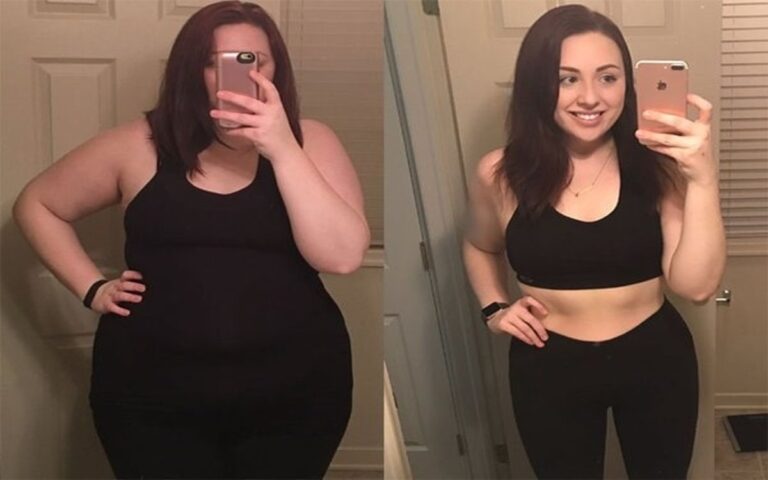
You’ve probably heard about “skinny shots,” seen dramatic before-and-after photos, and wondered if medications like Wegovy®, Mounjaro®, or Ozempic® could finally be the solution you’ve been searching for.
But here’s what most articles won’t tell you: Not all GLP-1 medications are created equal, not everyone qualifies, and understanding the science behind these medications is crucial before considering them.
This comprehensive guide cuts through the noise to give you evidence-based information about GLP 1 receptor agonists for weight loss—how they actually work, who they help, what results to realistically expect, and the critical differences between the options available today.
Whether you’re considering prescription medications, researching alternatives, or simply trying to understand why these medications have revolutionized obesity treatment, this guide provides the clarity you need to make informed decisions about your health.
✅ COMPLETE GLP-1 RECEPTOR AGONIST COMPARISON TABLE
| Medication | FDA Approved For | Average Weight Loss | Administration | Starting Price (Without Insurance) | Key Distinction |
|---|---|---|---|---|---|
| Semaglutide (Wegovy®) | Chronic Weight Management | 15-20% body weight | Weekly injection | $1,300-$1,600/month | Highest dose semaglutide specifically for weight loss |
| Tirzepatide (Zepbound®) | Chronic Weight Management | 18-25% body weight | Weekly injection | $1,000-$1,300/month | Dual GIP/GLP-1 receptor agonist |
| Semaglutide (Ozempic®) | Type 2 Diabetes* | 10-15% body weight | Weekly injection | $900-$1,200/month | Lower dose, prescribed off-label for weight loss |
| Liraglutide (Saxenda®) | Chronic Weight Management | 5-10% body weight | Daily injection | $1,300-$1,500/month | Daily vs. weekly administration |
| Tirzepatide (Mounjaro®) | Type 2 Diabetes* | 15-22% body weight | Weekly injection | $1,000-$1,200/month | Same as Zepbound but diabetes indication |
| Dulaglutide (Trulicity®) | Type 2 Diabetes | 3-5% body weight | Weekly injection | $900-$1,100/month | Modest weight loss with cardiovascular benefits |
| Compounded Semaglutide | Not FDA-approved | Varies widely | Weekly injection | $250-$500/month | Pharmacy-compounded alternative |
Note: While Ozempic® and Mounjaro® are FDA-approved for type 2 diabetes, they are frequently prescribed off-label for weight loss. Insurance coverage varies significantly based on diagnosis.
Spending money on products without proof adds up fast.
If you want real value for your weight-loss budget, see our comparison of the most affordable GLP-1 medications available today — even without insurance.
👉 View the full affordability guide
What Are GLP 1 Receptor Agonists and How Do They Work for Weight Loss?
GLP-1 (Glucagon-Like Peptide-1) receptor agonists are a class of medications that mimic the effects of the natural GLP-1 hormone your body produces after eating.
Understanding their mechanism is crucial to understanding why they’re so effective for weight loss.
The Four-Pronged Approach to Weight Loss
1. Appetite Suppression (The “Fullness” Signal)
GLP-1 receptor agonists act on receptors in your brain’s appetite centers, particularly the hypothalamus.
They enhance feelings of satiety and reduce hunger signals, effectively turning down your “food noise”—that constant thinking about food that drives overeating.
2. Slowed Gastric Emptying (The “Stay Full Longer” Effect)
These medications slow how quickly food leaves your stomach. This means you feel full longer after meals, naturally reducing between-meal snacking and overall calorie intake without constant hunger.
3. Reduced Cravings (The “Food Reward” Modulator)
GLP-1 receptors in your brain’s reward centers help regulate cravings, particularly for highly palatable, high-calorie foods. Many users report significantly reduced cravings for sweets, carbohydrates, and processed foods.
4. Improved Insulin Sensitivity (The Metabolic Benefit)
By enhancing your body’s response to insulin, GLP-1 receptor agonists help regulate blood sugar levels, which can reduce fat storage and improve how your body uses energy.
💡 Key Scientific Insight: Unlike stimulant-based weight loss medications that work primarily by increasing metabolism (and often cause jitters, anxiety, or cardiovascular strain), GLP-1 receptor agonists work by addressing the physiological and neurological drivers of overeating. They’re not “metabolism boosters”—they’re “appetite regulators” that help restore natural hunger and fullness signals that often become dysregulated in obesity.
Who Qualifies for GLP 1 Receptor Agonists for Weight Loss?
FDA-Approved Criteria for Weight Loss Medications
To be prescribed FDA-approved weight loss medications like Wegovy® or Zepbound®, you typically need to meet one of these criteria:
- Body Mass Index (BMI) of 30 or higher (classified as obesity)
- BMI of 27 or higher WITH at least one weight-related health condition, such as:
- Type 2 diabetes
- High blood pressure (hypertension)
- High cholesterol (dyslipidemia)
- Obstructive sleep apnea
- Cardiovascular disease
- Nonalcoholic fatty liver disease (NAFLD)
Additional Considerations Healthcare Providers Evaluate
Medical History Screening:
- History of medullary thyroid carcinoma or Multiple Endocrine Neoplasia syndrome type 2 (contraindication for all GLP-1 RAs)
- Personal or family history of pancreatitis
- Kidney function (eGFR typically checked)
- Gallbladder issues
- Depression or suicidal ideation (monitored closely)
Lifestyle Factors:
- Previous weight loss attempts through diet and exercise
- Realistic expectations about medication as a tool, not a cure
- Willingness to make concurrent lifestyle changes
- Understanding of long-term commitment (typically 6-12 months minimum)
Insurance Requirements (Varies Widely):
- Documented weight history
- Previous participation in structured weight management programs
- Step therapy requirements (trying other medications first)
- Regular follow-up and progress monitoring
Detailed Analysis of All GLP-1 Receptor Agonist Options
Semaglutide (Wegovy®) – The Current Gold Standard
Mechanism: Selective GLP-1 receptor agonist
Dosing: Weekly injection, titrated from 0.25mg to 2.4mg over 16-20 weeks
Clinical Results: STEP trials showed 14.9-17.4% weight loss at 68 weeks
Best For: Those needing maximum weight loss with once-weekly convenience
Considerations: Most studied for weight loss specifically, but ongoing shortages
Tirzepatide (Zepbound®/Mounjaro®) – The New Leader
Mechanism: Dual GIP and GLP-1 receptor agonist (“twincretin”)
Dosing: Weekly injection, titrated from 2.5mg to 15mg over 20 weeks
Clinical Results: SURMOUNT trials showed 15-22.5% weight loss at 72 weeks
Best For: Maximum efficacy, especially with insulin resistance or prediabetes
Considerations: May have superior weight loss but newer long-term data
Liraglutide (Saxenda®) – The Daily Option
Mechanism: GLP-1 receptor agonist with 97% similarity to human GLP-1
Dosing: Daily injection, titrated from 0.6mg to 3.0mg over 4 weeks
Clinical Results: SCALE trials showed 6-8% weight loss at 56 weeks
Best For: Those preferring daily routine or who can’t tolerate weekly medications
Considerations: Less weight loss than newer options, daily administration.

Compounded Semaglutide – The Affordable Alternative
Important Distinction: Not FDA-approved, prepared by compounding pharmacies
Legal Status: Available during drug shortages but regulatory gray area
Quality Concerns: Variable between pharmacies, no batch testing like FDA drugs
Cost Advantage: 60-80% cheaper than brand-name medications
Considerations: Should only be used with reputable pharmacies and full transparency
Realistic Results: What Science Says vs. Social Media Hype
Clinical Trial Results (The Evidence)
| Medication | Duration | Average Weight Loss | Maintained Weight Loss |
|---|---|---|---|
| Wegovy® | 68 weeks | 15-17% | 80% maintained at 2 years with continued use |
| Zepbound® | 72 weeks | 18-22% | Studies ongoing |
| Saxenda® | 56 weeks | 6-8% | ~50% maintained at 1 year off medication |
Real-World Results (What Patients Actually Experience)
- First Month: 2-5% body weight loss, primarily reduced cravings and portion sizes
- Months 2-3: 5-10% loss, noticeable clothing changes, improved energy
- Months 4-6: 10-15% loss, significant health metric improvements
- Plateaus: Common around months 3-4; often requires dose adjustment or lifestyle changes
Factors That Influence Individual Results
- Starting Weight: Higher starting BMI often correlates with greater absolute weight loss
- Lifestyle Changes: Medications work best with concurrent diet and exercise modifications
- Genetic Factors: Individual response varies based on genetics and metabolism
- Medication Adherence: Consistent use is critical for sustained results
- Side Effect Management: Those who tolerate medications better tend to stay on them longer
Side Effects: What to Really Expect
Common Side Effects (Usually Temporary)
- Nausea: 20-40% of users, most common during dose escalation
- Constipation: 15-30%, often manageable with hydration and fiber
- Diarrhea: 10-20%, typically resolves as body adjusts
- Fatigue: Especially during first few weeks of treatment
- Injection Site Reactions: Redness, itching at injection site
Strategies to Minimize Side Effects
- Slow Titration: Follow prescribed dose escalation schedule exactly
- Proper Injection Technique: Rotate sites, allow alcohol to dry, inject at room temperature
- Dietary Modifications: Eat smaller, bland meals initially; avoid high-fat foods
- Hydration: Increased water intake helps with gastrointestinal symptoms
- Timing: Some find taking medication at night reduces daytime side effects
When to Contact Your Healthcare Provider Immediately
- Severe abdominal pain (possible pancreatitis)
- Persistent vomiting or inability to keep liquids down
- Vision changes (rare but serious)
- Signs of allergic reaction (rash, swelling, difficulty breathing)
- Depression or suicidal thoughts (rare but monitored)
Cost, Insurance, and Affordability Strategies
Understanding the Price Landscape
Brand-Name Medications: $900-$1,600/month without insurance
Manufacturer Savings Cards: Can reduce to $25-$500/month for commercially insured patients
Compounded Versions: $250-$500/month, not typically covered by insurance
International Options: Varying legality and quality concerns
Insurance Navigation Tips
- Verify Coverage Before Starting: Call your insurance with specific medication names
- Understand Prior Authorization Requirements: Often requires documented BMI, comorbidities, previous weight loss attempts
- Appeal Denials: Most initial denials can be appealed with provider support
- Explore Patient Assistance Programs: Manufacturers offer programs for low-income, uninsured patients
- Consider Step Therapy: Some plans require trying cheaper alternatives first
Cost-Saving Strategies That Actually Work
- Manufacturer Savings Programs: Every major GLP-1 has a savings card (eligibility varies)
- 90-Day Mail Order: Often cheaper through insurance-required mail-order pharmacies
- Compounding Pharmacy Research: If considering this route, verify pharmacy accreditation
- Clinical Trials: Participate in research studies for free medication
- Combination with Lifestyle Programs: Some programs offer medication at reduced rates with coaching
Lifestyle Integration: Maximizing Your Results
Nutritional Strategies That Complement GLP-1 Therapy
- Prioritize Protein: Aim for 25-30g per meal to preserve muscle mass
- Increase Fiber Gradually: Helps with satiety and manages gastrointestinal side effects
- Hydration Focus: 64+ ounces daily, especially important with reduced food intake
- Mindful Eating: Use reduced appetite to rebuild healthy eating patterns
- Nutrient Timing: Smaller, more frequent meals often better tolerated
Exercise Recommendations
- Start Gentle: Walking, swimming, or light strength training initially
- Progressive Resistance: Crucial for preserving lean muscle during weight loss
- Consistency Over Intensity: Regular movement more important than intense workouts
- Listen to Your Body: Energy levels may fluctuate, especially initially
Behavioral Components Often Overlooked
- Sleep Optimization: Poor sleep undermines weight loss efforts
- Stress Management: Chronic stress increases cortisol and weight retention
- Support Systems: Accountability improves long-term success rates
- Non-Scale Victories: Track energy, clothing fit, lab improvements beyond weight
Maintenance Phase: What Happens After Weight Loss?
The Maintenance Reality
GLP-1 receptor agonists are typically considered long-term or chronic medications for obesity. Clinical evidence shows:
- 80-90% of lost weight is regained when medication is discontinued
- Maintenance doses (often slightly lower than maximum doses) are usually required
- Lifestyle habits established during active weight loss are crucial for maintenance
Transition Strategies
- Gradual Dose Reduction: Under medical supervision, not abrupt cessation
- Increased Focus on Behavior: As medication effect lessens, habits become primary
- Regular Monitoring: Weight, lab work, and adjustment of approach as needed
- Psychological Preparation: Expect some hunger return and weight fluctuations
Alternative Maintenance Approaches
- Intermittent Dosing: Some providers prescribe every-other-week dosing
- Combination Therapies: Adding other medications at lower doses
- Focus on Health Metrics: Shifting from weight loss to blood pressure, cholesterol, etc.
- Periodic Re-Treatment: Short courses if weight begins to creep back
Frequently Asked Questions (FAQ)
Are GLP 1 receptor agonists safe for long-term use?
Current data suggests they’re safe for long-term use, with some studies following patients for over 3 years. However, as relatively new medications (particularly the higher doses for weight loss), ongoing surveillance continues. Regular monitoring of pancreas, thyroid, and kidney function is recommended.
How do I choose between Wegovy, Zepbound, and other options?
Consider: 1) Maximum efficacy needed (Zepbound generally highest), 2) Insurance coverage (varies significantly), 3) Side effect profile (individual responses differ), 4) Injection frequency preference (weekly vs. daily), and 5) Cost considerations. A healthcare provider can help match you to the best option.
Can I get GLP-1 medications without a BMI over 30?
For FDA-approved weight loss indications, typically not. However, if you have a BMI over 27 with comorbidities, you may qualify. Some providers may prescribe off-label for lower BMIs, but insurance rarely covers this, and risks may outweigh benefits.
What happens if I stop taking the medication?
Most people experience return of appetite and gradual weight regain. These medications manage obesity as a chronic condition—similar to how blood pressure medications manage hypertension. Discontinuation typically leads to reversal of benefits unless significant lifestyle changes are permanently established.
Are compounded GLP-1 medications as effective as brand-name?
They contain the same active ingredient but lack FDA oversight for manufacturing consistency, purity, and sterility. Some patients report similar effectiveness, but without standardized manufacturing, results and safety profiles may vary between pharmacies and even between batches.
How long until I see results?
Most notice reduced “food noise” and cravings within the first week. Measurable weight loss typically begins in weeks 2-4, with steady loss through months 4-6. Maximum results usually require 9-12 months of consistent use alongside lifestyle modifications.
Can I drink alcohol while taking GLP-1 medications?
Alcohol is generally permitted but may be less appealing (many report reduced desire for alcohol) and may cause stronger effects. More importantly, alcohol provides empty calories that can hinder weight loss and may worsen gastrointestinal side effects.
Final Verdict & Professional Recommendations
Who Should Seriously Consider GLP 1 receptor agonists for weight Loss
- Individuals with BMI ≥30 or ≥27 with comorbidities who haven’t achieved sufficient weight loss with lifestyle changes alone
- Those with obesity-related health conditions that would significantly improve with weight loss
- Patients prepared for long-term medication commitment with regular medical monitoring
- Individuals with access to appropriate medical supervision and support systems
Realistic Success Predictors
Best Outcomes Are Associated With:
- Combined medication and comprehensive lifestyle intervention
- Regular follow-up and dose adjustment as needed
- Realistic expectations about pace and extent of weight loss
- Addressing psychological aspects of eating alongside physiological
- Strong social or professional support system
Red Flags to Watch For
- Providers prescribing without appropriate screening or monitoring
- Promises of “easy” or “effortless” weight loss without lifestyle changes
- Lack of discussion about long-term maintenance plans
- Pressure to start without full understanding of costs and commitments
- Claims that sound too good to be true (they usually are)
The Bottom Line
GLP-1 receptor agonists represent the most significant advancement in obesity medicine in decades.
For appropriate candidates, they can facilitate life-changing weight loss and health improvements. However, they are tools, not magic solutions—most effective when combined with comprehensive lifestyle changes, realistic expectations, and long-term commitment.
The decision to use these medications should be made in partnership with a knowledgeable healthcare provider who can help navigate the complexities of choosing the right medication, managing side effects, optimizing lifestyle integration, and planning for long-term success.
If you meet the criteria and are ready for the commitment, GLP-1 receptor agonists could potentially help you achieve weight loss and health improvements that have previously been unattainable. But like any powerful tool, they work best with proper guidance, realistic expectations, and a comprehensive approach to health.
Research/Studies
- Harvard Gazette – Is cost curbing use of weight-loss drugs?
Discusses how high costs are preventing many patients from filling GLP-1 prescriptions and the affordability barrier to access. (Harvard Gazette) - National Center for Biotechnology Information (PMC) – Affordable access to GLP-1 obesity medications
A research article on strategies and barriers related to cost and access for GLP-1 therapies across health plans. (PMC) - UChicago Medicine – Are GLP-1 drugs worth their current cost?
Analysis of GLP-1 drug pricing and cost-effectiveness from a medical institution’s perspective. (uchicagomedicine.org) - Mayo Clinic – Diabetes drugs and weight loss
Overview of GLP-1 agonists, how they work, and their role in weight management, including benefits and considerations. (Mayo Clinic) - FDA – FDA’s concerns with unapproved GLP-1 drugs used for weight loss
A safety communication from the FDA warning about unapproved GLP-1 products sold improperly—a critical link for safety context. (U.S. Food and Drug Administration)
Medical Disclaimer: This information is for educational purposes only and not medical advice. GLP-1 receptor agonists require prescription and medical supervision. Individual results vary. Consult with qualified healthcare providers for personalized medical advice. Never start or stop medications without medical guidance.

With over 13 years of experience in holistic health blogging, I aim to help you navigate your wellness journey with honest insights, expert-backed advice, and a sprinkle of real-world practicality.
Certified Wellness Writer | Herbal Nutrition Advocate | Wellness Research Enthusiast