NAD+ Injection Dosage and Frequency Guide – Complete Guide 2026

Last updated: November 24, 2026
Quick Answer
Most clinics dose NAD+ injections between 50 mg and 100 mg per session, given once or twice weekly during an initial phase, then tapered to weekly or biweekly maintenance shots. There’s no FDA-approved dosing standard, so every number below reflects common clinical practice, not a fixed medical rule. A licensed provider should set your actual dose based on your health history, goals, and how you respond.
Key Takeaways
Typical NAD+ injection doses range from 50 mg to 100 mg, far smaller than the 500 mg to 1,000 mg+ doses used in IV drips.
Our Top GLP-1 Providers7 Best GLP-1 Providers Ranked: Accreditation, Flexibility & Support Compared (2026 Update)
32,000+ Patients Can't All Be Wrong: See the Top-Rated GLP-1 Providers. We compared the leading online GLP-1 providers based on program features, clinical support, convenience, and overall value.
✓ Quick comparison: See which provider best fits your needs.★ Our Top Pick1 BMI MD
 GLP-1 Microdosing Plan
Best for: Microdosing & maintenance- Specialized microdosing options, including sublingual drops and low-dose injections
- Designed for people interested in maintaining weight or gradually adjusting treatment
- Bundled program structure without a separate monthly platform membership
- Online access makes the process convenient from home
Check BMI MDSee current program options2 DirectMEDs
DirectMeds Weight Loss Solutions
Best for: Straightforward online access- Online weight-loss program with a straightforward patient experience
- Compounded medication options through state-licensed compounding pharmacies
- Includes clinical consultation as part of the process
- Provides shipping updates to help patients track their orders
Explore DirectMEDsView current program details3 MEDVi
MEDVi Flat-Rate Telehealth
Best for: Predictable program structure- Flat-rate telehealth approach designed for easier budgeting
- No dosage-based pricing increases within the advertised program structure
- Offers injectable and oral thin-film delivery options
- Includes medical screening and asynchronous provider consultations
Explore MEDViSee current treatment options4 ShedRx GLP-1
Gala GLP-1 Care Program
Best for: Ongoing clinician messaging- Text-based access to state-licensed clinicians
- Cold-chain medication shipping included in the program
- Month-to-month program structure
- Designed for people who value convenient ongoing support
Start AssessmentSee if the program fits5 Measured
 GLP-1 Metabolic Health
Best for: Metabolic health tracking- Comprehensive metabolic health screening and intake analysis
- Designed around longer-term metabolic health management
- Responsive dashboard with integrated health tracking tools
- Useful option for patients who value a more data-focused experience
Explore MeasuredReview the complete program6 Gala GLP-1
Refills GLP-1 (TryRefills Plan)
Best for: Side-effect support- Clinical guidance designed to help patients manage common treatment concerns
- Includes foundational nutritional strategies alongside medication
- Designed around predictable ongoing treatment
- No hidden startup or processing fees according to the program information provided
Explore RefillsView current program details7 Refills GLP-1
AltRx GLP-1 Transactional Reorders
Best for: Experienced patients- Transactional reorder model without recurring auto-billing
- Designed for patients who already understand their treatment routine
- Fast text-to-order process for convenient reorders
- Offers injectable and fast-dissolving tablet variations
Explore RefillsSee current optionsMost protocols start with two sessions a week for two to four weeks, then drop to once weekly or every other week.
Human clinical evidence for injectable NAD+ is thin; most support for benefits comes from IV or oral precursor studies, not injections specifically.
Side effects are usually mild: injection-site soreness, flushing, nausea, or a brief energy jolt.
A single vial of NAD+ labeled “research use only” and bought online carries real safety and legal risk, it hasn’t been reviewed by the FDA for human injection.
Cost per injection session typically runs $75 to $200 [VERIFY], depending on region and dose.
Pregnant or breastfeeding people, and anyone with a serious untreated medical condition, should avoid NAD+ injections until cleared by a doctor.
NMN and NR (oral NAD+ precursors) are cheaper and needle-free alternatives with their own, separate evidence base.
What Is NAD+ and Why Are People Getting Injections
NAD+ (nicotinamide adenine dinucleotide) is not a peptide, it’s a coenzyme your cells use to convert food into usable energy and to support DNA repair. It gets marketed alongside real peptides like BPC-157, which is where a lot of the confusion online comes from.
Your body makes NAD+ naturally, but levels decline with age. That decline is the basis for the “healthy aging” pitch you’ll see at med spas and IV lounges. People seek out NAD+ injections hoping for:
More stable energy and less afternoon crash
Sharper focus and less brain fog
Support during withdrawal or addiction recovery (a common IV clinic claim)
General anti-aging and cellular “repair” benefits
Early research on NAD+ precursors in humans is encouraging for some biomarkers, but direct evidence that injections produce these outcomes in people is limited. Most published studies use oral precursors (NMN, NR) or IV infusions, not intramuscular or subcutaneous shots. If you’re the kind of reader who already uses BPC-157 or other real peptides, know that NAD+ sits in a different category, same delivery methods, different biology.
What’s the Standard NAD+ Injection Dose for Most People
Most providers use 50 mg to 100 mg per injection, delivered subcutaneously or intramuscularly. There is no government-approved dosing chart because NAD+ injections aren’t FDA-approved for this use, so “standard” here means common clinical practice, not regulatory guidance.
Use caseTypical single doseCommon total weekly doseEnergy/fatigue maintenance50 mg50-100 mgHealthy-aging protocols50-100 mg100-200 mgRecovery-support clinics100 mg100-200 mg
A provider will usually start you at the lower end and adjust based on how you tolerate it. Choose the lower dose if this is your first time, you’re over 60, or you have any liver or kidney concerns, your provider should confirm this applies to you.
{{IMG_SLOT_1}}
How Often Should You Get NAD+ Injections
Frequency usually follows a loading phase, then a maintenance phase. Most clinics start patients at two injections per week for two to four weeks, then move to one injection per week or one every two weeks.
A typical NAD+ Injection Dosage and Frequency Guide schedule looks like this:
Weeks 1-4 (loading): 2 injections per week, 50-100 mg each
Weeks 5-12 (adjustment): 1 injection per week
Ongoing maintenance: 1 injection every 1-2 weeks
Some people stop after the loading phase and only return if they notice energy dipping again. Others stay on a fixed biweekly schedule indefinitely. There’s no published long-term data confirming an ideal maintenance interval, so this is a decision to make with your provider, not a fixed rule from research.
NAD+ Injection Side Effects and Safety Concerns
Side effects are usually mild and short-lived, and the most common one is soreness at the injection site. A smaller number of people report flushing, nausea, headache, or a jittery feeling shortly after the shot.
Reported side effects include:
Redness, itching, or soreness where the needle went in
Flushing or warmth in the face and chest
Mild nausea or stomach cramping
Headache
Fatigue the day after, which some clinics describe as a “detox” reaction
Serious adverse events from NAD+ injections specifically are not well documented in published research, largely because rigorous human trials on the injectable form are scarce. That absence of data is not the same as proof of safety, it just means the risk profile isn’t fully mapped yet. If you notice swelling, difficulty breathing, or a rash spreading beyond the injection site, stop and call your provider immediately.
How Much Does NAD+ Injection Cost
A single NAD+ injection session typically costs $75 to $200 [VERIFY], while a package of multiple sessions often brings the per-visit price down. IV NAD+ infusions cost considerably more per visit, often $300 to $600 [VERIFY], because they require more NAD+ per dose and a longer appointment with IV supplies and staff time.
Three cost factors matter most:
Dose size: 100 mg costs more than 50 mg.
Delivery method: injections are cheaper than IV drips; oral supplements are cheaper still.
Package deals: many clinics discount monthly or quarterly bundles.
If cost is your main concern, ask your provider for the lowest effective maintenance dose rather than assuming more is better.
NAD+ Injection vs Oral Supplements: Which Works Better
Injections deliver NAD+ or its precursors directly into tissue, bypassing digestion, while oral supplements like NMN and NR rely on gut absorption that varies person to person. Neither route has a large body of head-to-head human trials proving one outperforms the other for meaningful health outcomes.
FactorNAD+ InjectionOral NAD+ Precursor (NMN/NR)Bypasses digestionYesNoNeeds a providerUsually yesNoTypical cost per monthHigherLowerConvenienceLower (clinic visits)Higher (take at home)Human evidence baseThinModerate, still developing
Choose injections if you want provider oversight and are comfortable with needles and clinic visits. Choose oral precursors if you want a lower-cost, at-home option and are willing to accept slower, less direct absorption.
{{IMG_SLOT_2}}
How Long Does It Take to Feel Results From NAD+ Injections
Many people report noticing an energy shift within a few hours to a few days after their first injection, though this is based on anecdotal reports rather than controlled studies. Lasting changes, if any, are usually described after several weeks of consistent dosing during the loading phase.
What to expect, based on common clinic reporting:
Same day: Some people feel a brief lift in alertness
1-2 weeks: Reports of steadier energy and less afternoon crash
4+ weeks: Clinics claim improved focus and recovery, though this isn’t confirmed by independent research
If you’ve completed a full loading phase and feel no difference at all, that’s a reasonable point to reassess with your provider rather than continuing indefinitely on faith.
Can You Overdose on NAD+ Injections
Taking more NAD+ than your prescribed dose can bring on stronger versions of the common side effects, flushing, nausea, chest tightness, or a racing heart, rather than a clean “more benefit” effect. There’s no well-defined lethal dose established in human research, but that’s a reason for caution, not reassurance.
Common mistakes that lead to problems:
Doubling up on a missed injection instead of skipping it
Buying unregulated “research use only” NAD+ online and guessing at the dose
Combining injections with high-dose oral NMN or NR without telling your provider
If you ever inject more than directed, don’t wait it out, call your provider or a poison control line and describe what happened.
Who Shouldn’t Get NAD+ Injections
People who are pregnant, breastfeeding, have active cancer, or have significant untreated heart or kidney disease should avoid NAD+ injections until a doctor clears them. Anyone currently in acute medical crisis, including active drug or alcohol withdrawal requiring medical supervision, needs a doctor managing that situation directly rather than a med spa injection.
Talk to your doctor first if you:
Are pregnant or trying to conceive
Have a history of arrhythmia or heart disease
Take blood thinners or other prescription medications regularly
Have a seizure disorder
Are currently detoxing from alcohol or opioids under medical care
Can You Take NAD+ Injections While Pregnant
No. There is no safety data on NAD+ injections during pregnancy or breastfeeding, so providers should not administer them to pregnant or nursing patients. This isn’t a theoretical caution, it’s standard practice when a substance hasn’t been studied in pregnant populations at all.
What Happens if You Miss Your NAD+ Injection
Missing one scheduled injection generally isn’t dangerous, just resume your normal schedule at the next appointment rather than doubling the next dose. If you’ve missed several weeks during a loading phase, tell your provider; they may restart you at a lower dose rather than jumping back to where you left off.
Edge case: if you miss doses for over a month during maintenance, most providers treat your next visit like a fresh start, checking in on symptoms before resuming the previous dose.
NAD+ Dosage for Fatigue vs Anti-Aging
Fatigue-focused protocols tend to use lower, more frequent doses aimed at steady energy, while anti-aging protocols often use higher total weekly doses aimed at longer-term cellular support. Neither use case has strong human trial data confirming the dose actually changes the outcome, so these patterns reflect clinic experience more than proven science.
Fatigue/recovery focus: 50 mg, 1-2 times weekly, often alongside B-vitamin injections, see how Mic B12 injections support energy and metabolism for a comparable low-dose energy approach.
Anti-aging/longevity focus: 100 mg, 1-2 times weekly for 8-12 weeks, then tapered to biweekly maintenance
Choose the fatigue-oriented schedule if your main complaint is afternoon crashes or brain fog. Choose the anti-aging schedule only if you understand the evidence is preliminary and you’re comfortable with the ongoing cost.
{{IMG_SLOT_3}}
Are There Alternatives to NAD+ Injections
Yes. Oral NAD+ precursors (NMN, NR), IV NAD+ infusions, and general wellness injections like B12 are the main alternatives, each with different cost, convenience, and evidence profiles. None of them currently has strong, large-scale human trial evidence proving significant clinical benefit, so “alternative” doesn’t mean “proven substitute.”
IV NAD+ infusions: higher doses, longer sessions, higher cost
Oral NMN/NR: lowest cost, no needles, slower absorption
B12/Mic B12 shots: cheaper, well-established for deficiency-related fatigue, different mechanism, compare with the MIC B12 injection guide
NAD+ vs NMN: Which Is Better
NAD+ injections raise NAD+ levels directly, while NMN is a precursor your body converts into NAD+ after oral absorption, neither has decisively outperformed the other in human outcome studies. The choice usually comes down to how you want to take it and what you’re willing to pay, not a clear winner backed by strong clinical evidence.
Decision rule: if you want direct, provider-monitored dosing and can afford clinic visits, choose NAD+ injections. If you want a lower-cost, self-administered daily option and don’t mind slower absorption, NMN is the more practical starting point.
7 Best GLP-1 Providers Ranked: Accreditation, Flexibility & Support Compared (2026 Update)
32,000+ Patients Can't All Be Wrong: See the Top-Rated GLP-1 Providers: Compared on accreditation, plan flexibility, and patient support — updated for 2026.
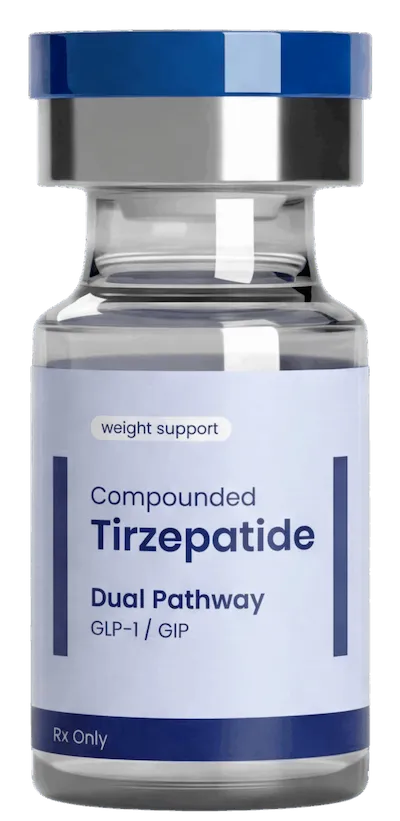
BMI MD GLP-1 Microdosing Plan
- Specialized microdosing options (sublingual drops or low-dose injections)
- Ideal for maintaining weight or tapering off higher doses safely
- Fully bundled plan with no hidden monthly platform memberships

DirectMeds Weight Loss Solutions
- Sourced from accredited, state-licensed 503A compounding pharmacies
- No-frills high-volume savings passed directly to the patient
- Includes clinical consultation and cold-chain shipping updates
MEDVi Flat-Rate Telehealth
- Flat monthly rate holds steady even at maximum maintenance doses
- No dosage upcharges or graduation fee penalties
- Offers both injectable and advanced oral thin-film delivery options
Gala GLP-1 Care Program
- All-inclusive plan with no standalone membership costs
- Continuous text-based messaging access with state-licensed clinicians
- Temperature-controlled, cold-chain medication shipping included
Measured GLP-1 Metabolic Health
- Comprehensive metabolic health screening and expert intake analysis
- Predictable long-term budgeting with stable plan pricing
- High-end responsive dashboard with integrated diagnostic support
Refills GLP-1 (TryRefills Plan)
- Flat rate holds steady as titration scales up
- Includes clinical guides for active side-effect management
- Bundles in foundational nutritional strategies alongside medication
AltRx GLP-1 Transactional Reorders
- Zero recurring auto-billing — pay entirely on a transactional basis
- Rapid text-to-order format saves time for experienced patients
- Provides both injectable forms and fast-dissolving tablet variations
Conclusion and Next Steps
NAD+ injections follow a fairly consistent pattern across clinics: 50-100 mg per dose, a loading phase of two sessions weekly, then tapering to weekly or biweekly maintenance. The evidence supporting that specific delivery method in humans is still thin, even though the underlying biology of NAD+ decline with age is well established.
Before you book a session, get clear answers from any provider about their exact dose, their loading schedule, and what they’ll do if you have side effects. Ask whether they’re a licensed medical provider, not just a wellness technician, since dosing adjustments should involve someone trained to evaluate your health history. If cost or needles are a barrier, start with an oral precursor and track how you feel for a month before considering the injectable route.
Medically reviewed by [Name, MD, placeholder]. This article is for informational purposes only and does not replace personalized medical advice. Talk to a licensed healthcare provider before starting any NAD+ protocol, especially if you are pregnant, nursing, or managing a chronic health condition.
FAQ
Is NAD+ actually a peptide?
No. NAD+ is a coenzyme, not a peptide. It gets grouped with peptides online because it’s sold through the same clinics and telehealth platforms, but its chemical structure and function are different.
Do I need a prescription for NAD+ injections?
In most US states, yes, a licensed provider needs to evaluate you and either administer or prescribe the injection. Buying raw NAD+ online labeled “research use only” and injecting it yourself skips this safety check entirely.
How many NAD+ injections do I need to see a difference?
Most clinics suggest completing a full loading phase, typically 4 to 8 sessions over two to four weeks, before judging whether it’s working for you.
Can NAD+ injections help with addiction recovery?
Some recovery clinics market NAD+ IV therapy for withdrawal symptoms, but controlled human trials supporting this use are limited. Anyone in active withdrawal needs medically supervised detox care, not a standalone NAD+ protocol.
Is NAD+ injection better than NAD+ IV therapy?
Injections are cheaper and faster but deliver a smaller total dose than an IV infusion. IV therapy delivers more NAD+ per session but costs more and takes longer, often an hour or more per visit.
What’s the maximum safe NAD+ dose?
There’s no officially established maximum dose for injectable NAD+ in humans. Providers typically cap single doses around 100 mg for injections specifically to limit side effects like flushing and nausea.
Can I combine NAD+ injections with oral NMN?
Some people do, but this should be discussed with your provider first, since combining routes increases total NAD+ precursor intake without established combined-dose safety data.
Internal link suggestions used:
MIC B12 Injection Guide
External link suggestions (for editor to add):
[External link: NIH/NCCIH overview of NAD+ research → supports statement on limited human evidence]
[External link: PubMed review on NAD+ precursors and aging → supports biology of NAD+ decline]
[VERIFY] items for editor:
Cost ranges for NAD+ injection sessions ($75,$200) and IV infusions ($300,$600)
Confirm current state-level prescription requirements for NAD+ injections