
calibrate glp 1 reviews
Last updated: September 25, 2026
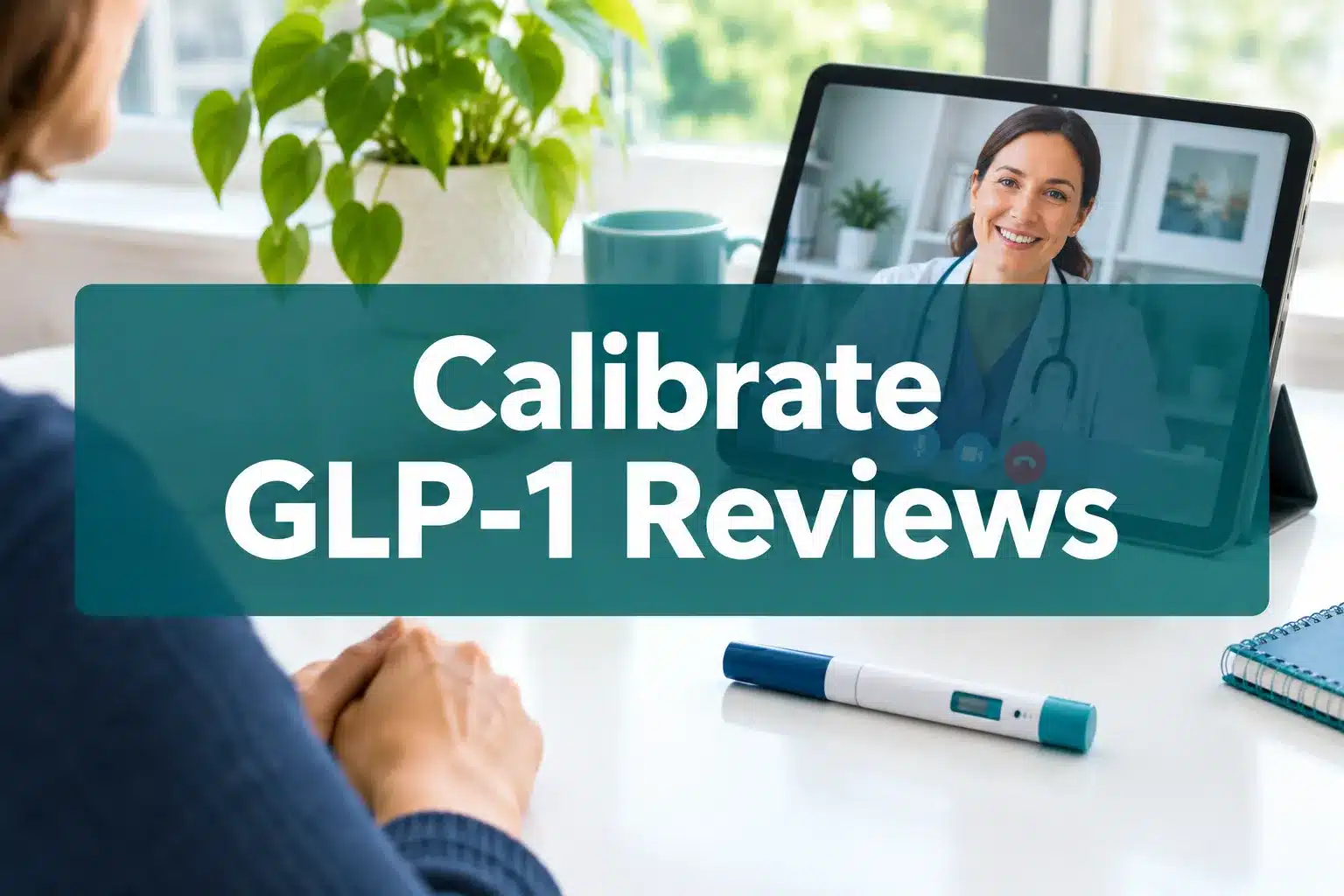
Quick Answer: Calibrate is a telehealth-based metabolic health program that prescribes GLP-1 receptor agonist medications (such as semaglutide or liraglutide) alongside one-on-one health coaching. Most calibrate glp 1 reviews from real users describe meaningful weight loss, often 10-15% of body weight over one year, but results vary significantly depending on medication adherence, lifestyle changes, and insurance coverage. It is best suited for adults with obesity or weight-related metabolic conditions who want medically supervised treatment, not a quick fix.
Key Takeaways
- Calibrate combines prescription GLP-1 medications with behavioral coaching, making it more than just a prescription service.
- Real user reviews are generally positive for weight loss outcomes, but complaints about cost and insurance navigation are common.
- The program typically costs $1,500,$2,000 per year out of pocket if insurance does not cover the medication.
- GLP-1 side effects (nausea, fatigue, constipation) are real and frequently mentioned in calibrate glp 1 reviews, but most users describe them as manageable.
- Calibrate is not ideal for people wanting a low-cost, medication-only solution, the coaching component is built in and reflected in the price.
- Results typically begin within 4-8 weeks, with the most significant weight loss occurring between months 3 and 12.
- Alternatives like Ro Body, Noom Med, and direct telehealth GLP-1 prescribers may offer lower upfront costs but less structured support.
- You do not need insurance to join Calibrate, but the medication cost without coverage can be substantial.
- The telehealth appointment process is straightforward: a short intake form, a video visit with a physician, and a prescription if you qualify.
- Calibrate is designed for weight loss, not diabetes management specifically, though GLP-1 medications are used for both.
What Is Calibrate and How Does It Work
Calibrate is a telehealth metabolic health company that prescribes FDA-approved GLP-1 receptor agonist medications, primarily semaglutide (Wegovy, Ozempic) or liraglutide (Saxenda), as part of a structured one-year program. The program pairs medication with video coaching sessions focused on food, sleep, exercise, and emotional health.
7 Best GLP-1 Providers Ranked: Accreditation, Flexibility & Support Compared (2026 Update)
32,000+ Patients Can't All Be Wrong: See the Top-Rated GLP-1 Providers. We compared the leading online GLP-1 providers based on program features, clinical support, convenience, and overall value.
BMI MD GLP-1 Microdosing Plan
- Specialized microdosing options, including sublingual drops and low-dose injections
- Designed for people interested in maintaining weight or gradually adjusting treatment
- Bundled program structure without a separate monthly platform membership
- Online access makes the process convenient from home

DirectMeds Weight Loss Solutions
- Online weight-loss program with a straightforward patient experience
- Compounded medication options through state-licensed compounding pharmacies
- Includes clinical consultation as part of the process
- Provides shipping updates to help patients track their orders
MEDVi Flat-Rate Telehealth
- Flat-rate telehealth approach designed for easier budgeting
- No dosage-based pricing increases within the advertised program structure
- Offers injectable and oral thin-film delivery options
- Includes medical screening and asynchronous provider consultations
Gala GLP-1 Care Program
- Text-based access to state-licensed clinicians
- Cold-chain medication shipping included in the program
- Month-to-month program structure
- Designed for people who value convenient ongoing support

Measured GLP-1 Metabolic Health
- Comprehensive metabolic health screening and intake analysis
- Designed around longer-term metabolic health management
- Responsive dashboard with integrated health tracking tools
- Useful option for patients who value a more data-focused experience

Refills GLP-1 (TryRefills Plan)
- Clinical guidance designed to help patients manage common treatment concerns
- Includes foundational nutritional strategies alongside medication
- Designed around predictable ongoing treatment
- No hidden startup or processing fees according to the program information provided

AltRx GLP-1 Transactional Reorders
- Transactional reorder model without recurring auto-billing
- Designed for patients who already understand their treatment routine
- Fast text-to-order process for convenient reorders
- Offers injectable and fast-dissolving tablet variations
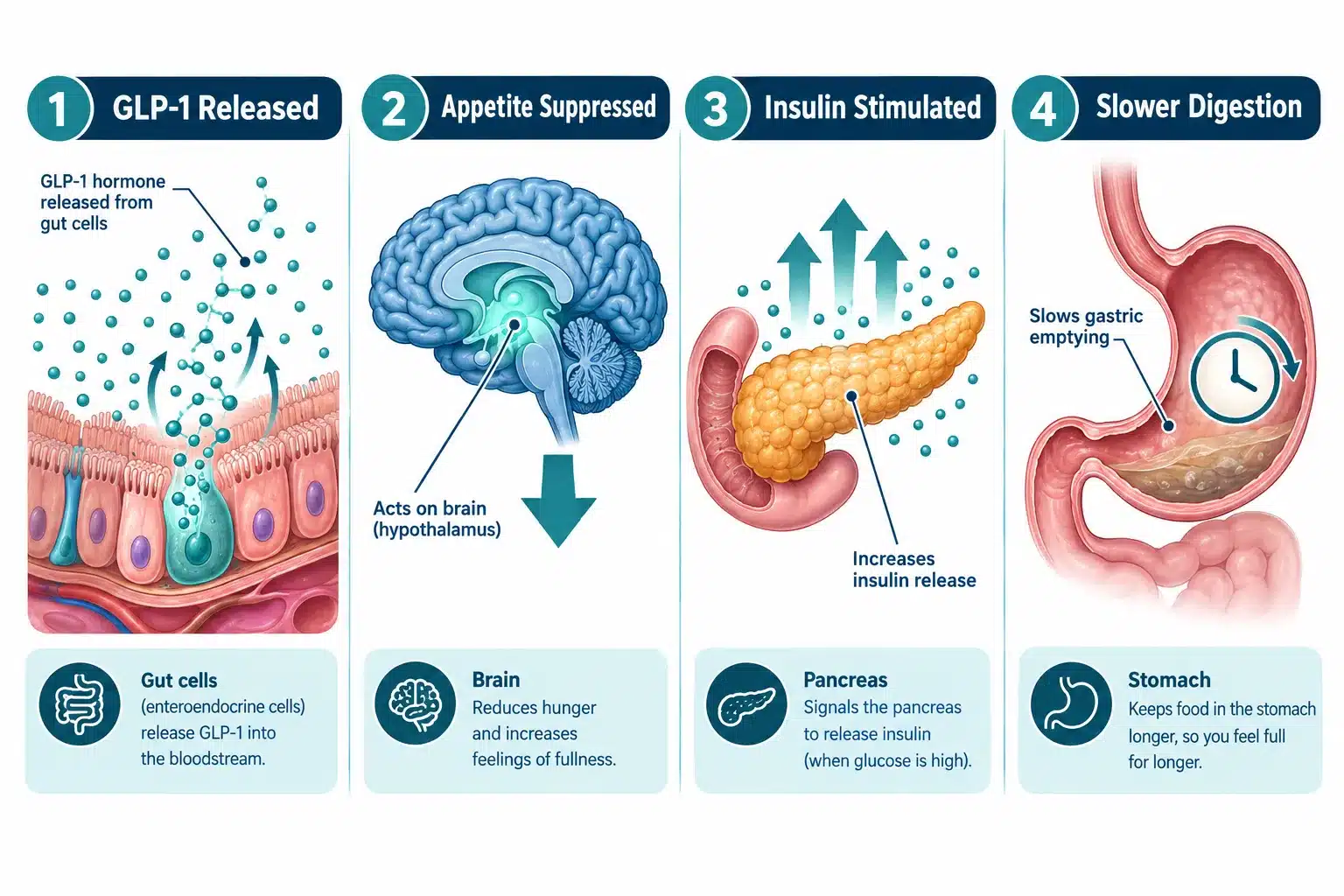
GLP-1 (glucagon-like peptide-1) is a hormone your gut naturally produces after eating. It signals your brain to reduce appetite, stimulates insulin release from the pancreas, and slows gastric emptying so you feel full longer. GLP-1 receptor agonists mimic this hormone at higher concentrations than your body produces naturally.
Here is how the Calibrate program is structured:
- Medication: A licensed physician prescribes a GLP-1 medication based on your health history. The dose is gradually increased over several weeks to reduce side effects.
- Coaching: Members receive regular video sessions with a health coach covering the four pillars Calibrate calls “food, sleep, exercise, and emotional health.”
- App tracking: A companion app lets you log meals, track weight, and message your care team.
- Duration: The program runs for one year, with the expectation that lifestyle habits are built alongside the medication.
The key distinction between Calibrate and simply getting a GLP-1 prescription from your regular doctor is the structured behavioral support. Whether that support justifies the added cost is one of the most debated points in calibrate glp 1 reviews online.
Calibrate GLP-1 Reviews From Real Users
Most real-world calibrate glp 1 reviews are cautiously positive on weight loss results but mixed on program value and customer service. The clearest pattern across review platforms and forums is this: users who engage with the coaching and stay consistent with medication tend to report strong outcomes; those who join primarily for the prescription and skip the coaching often feel the program is overpriced.
What positive reviewers commonly say:
- Lost 15-25 lbs within the first 3-6 months
- Appreciated having a dedicated health coach rather than just a prescription
- Found the app useful for accountability
- Described the telehealth doctor visit as thorough and professional
What critical reviewers commonly say:
- Insurance navigation was frustrating and time-consuming
- Customer service response times were slow
- Some users felt the coaching sessions were too brief or generic
- A portion of users reported the medication was difficult to obtain due to supply shortages (a broader semaglutide availability issue, not unique to Calibrate)
On Reddit, calibrate glp 1 reviews in communities like r/Semaglutide and r/antiobesitymedication show a split: members who had insurance coverage and engaged fully with the program tend to rate it highly, while those paying fully out of pocket frequently question whether the coaching premium is worth it compared to lower-cost alternatives.
“I lost 22 lbs in five months and my A1C dropped. The coaching wasn’t life-changing, but having accountability helped me stay on track.”, paraphrased from a common sentiment in user forums, 2025.
For a broader look at how real patients describe GLP-1 medication experiences, see these semaglutide reviews from real patients.
Calibrate GLP-1 vs Other GLP-1 Programs
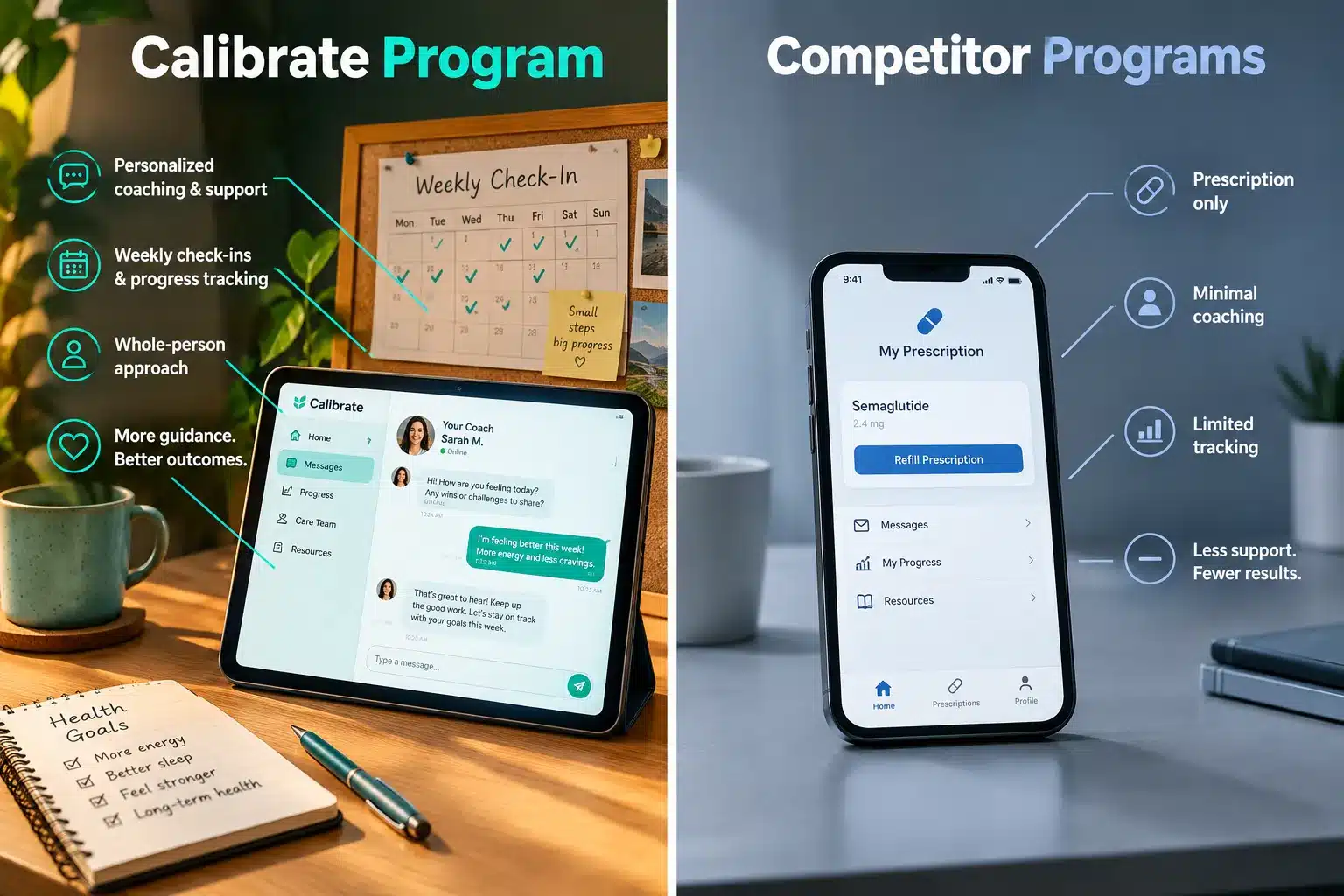
Calibrate is not the only telehealth platform offering GLP-1 prescriptions. The main competitors are Ro Body, Noom Med, Found, and direct-prescribing services. Here is how they compare on the features that matter most to most users.
| Feature | Calibrate | Ro Body | Noom Med |
|---|---|---|---|
| GLP-1 Medication | Semaglutide, liraglutide | Semaglutide (compounded) | Semaglutide |
| Coaching Included | Yes, dedicated 1:1 coach | Limited async support | App-based + coach access |
| Program Length | 12 months | Monthly subscription | Monthly subscription |
| Insurance Navigation Help | Yes | Limited | Limited |
| Best For | Structured, coached program | Lower-cost medication access | App-driven behavior change |
Choose Calibrate if you want a structured, year-long program with real coaching and help navigating insurance.
Choose Ro Body or a lower-cost alternative if your main goal is accessing GLP-1 medication at the lowest possible monthly cost and you are comfortable managing your own lifestyle changes. For more on alternative GLP-1 programs, see Shed GLP-1 reviews and DirectMeds GLP-1 reviews.
You may also want to compare compounded semaglutide reviews from real patients if cost is a primary concern.
How Much Does Calibrate GLP-1 Cost
Calibrate’s program fee is approximately $1,500 for a one-year membership as of 2026, which covers the telehealth visits, coaching sessions, and app access. This does not include the cost of the GLP-1 medication itself.
Medication cost breakdown:
- With insurance coverage: Some plans cover GLP-1 medications for obesity or diabetes, reducing out-of-pocket costs significantly. Calibrate’s team helps members pursue coverage.
- Without insurance: Brand-name semaglutide (Wegovy) can cost $1,000,$1,400 per month without coverage. Compounded semaglutide, where available, is significantly cheaper.
- Total annual estimate without insurance: $3,000,$5,000 or more, depending on medication type and dosage.
Can you get Calibrate GLP-1 without insurance? Yes. Calibrate does not require insurance to enroll. However, the medication cost without coverage is the biggest barrier for most users. Calibrate’s team will work with you to explore manufacturer savings programs and insurance appeals, but there is no guarantee of coverage. If cost is your primary concern, comparing options at the cheapest pharmacy for semaglutide may be worthwhile.
Calibrate GLP-1 Side Effects and Safety
GLP-1 receptor agonists have a well-documented safety profile from large clinical trials, and calibrate glp 1 reviews from users closely mirror what the research shows. The most common side effects are gastrointestinal and tend to peak during dose escalation.
Common side effects reported by Calibrate users:
- Nausea (most frequently mentioned, especially in the first 4-8 weeks)
- Constipation or diarrhea
- Fatigue
- Reduced appetite (this is also the intended effect)
- Mild headache
Less common but serious risks to know:
- Pancreatitis (rare; seek immediate care for severe abdominal pain)
- Gallbladder issues, including gallstones
- Elevated heart rate
- Thyroid C-cell tumors (seen in animal studies with some GLP-1 drugs; a contraindication for people with a personal or family history of medullary thyroid carcinoma)
Who should not use GLP-1 medications:
- People with a personal or family history of medullary thyroid carcinoma or MEN2 syndrome
- Those with a history of pancreatitis
- Pregnant or breastfeeding individuals
- Anyone with certain gastrointestinal conditions (discuss with your physician)
Calibrate’s physician intake process screens for these contraindications before prescribing. If you have any of the above conditions, you will likely not qualify. Always discuss your full medication list with the prescribing physician, as GLP-1 drugs can interact with insulin and other diabetes medications.
Calibrate GLP-1 Results Timeline: How Long Does It Take
Most users begin noticing appetite suppression within the first 1-2 weeks of starting a GLP-1 medication, but meaningful weight loss typically takes longer. Based on clinical trial data and patterns in user reviews, here is a realistic timeline.
- Weeks 1-4: Dose titration begins. Nausea is most common here. Appetite reduction starts. Weight loss may be 1-3 lbs.
- Months 1-3: Appetite suppression becomes more consistent. Weight loss of 5-8% of body weight is common for people who stay consistent.
- Months 3-6: This is typically when the most significant results appear. Many users in calibrate glp 1 reviews report losing 10-15 lbs in this window.
- Months 6-12: Weight loss may slow as the body adapts, but continued loss is common with dose adjustments and coaching support.
- Beyond 12 months: GLP-1 medications are intended for long-term use. Stopping the medication often leads to weight regain unless lifestyle changes are firmly in place.
Common mistake: Expecting rapid results in the first two weeks and stopping the medication due to side effects before the therapeutic dose is reached. Most side effects ease after the initial titration period.
Calibrate GLP-1 Telehealth Appointment Process
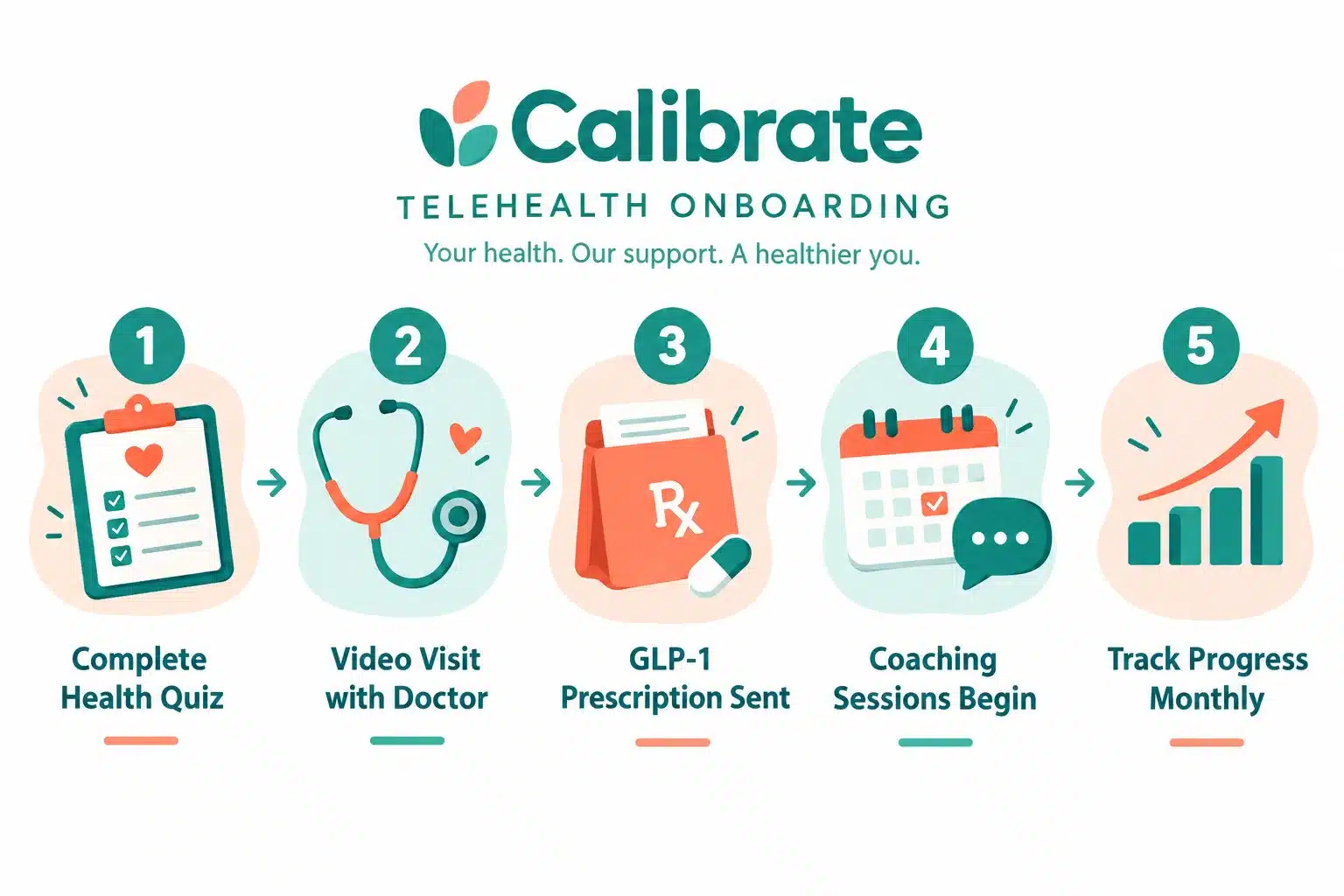
The Calibrate intake process is straightforward and fully remote. You do not need to visit a clinic in person at any stage.
Step-by-step process:
- Complete an online health assessment covering your weight history, current medications, and metabolic health conditions.
- Schedule a video visit with a Calibrate-affiliated physician, typically within a few days of enrollment.
- Physician review: The doctor reviews your health history, confirms eligibility, and discusses which GLP-1 medication is appropriate.
- Prescription sent to pharmacy: If approved, the prescription is sent to a pharmacy (or a specialty compounding pharmacy, depending on your plan and medication availability).
- Coaching begins: You are matched with a health coach and begin your first behavioral session, typically within the first week.
- Ongoing check-ins: Monthly video visits with your physician and regular coaching sessions continue throughout the year.
The whole onboarding process from sign-up to first prescription typically takes 5-10 days. For a comparison with another telehealth GLP-1 provider’s process, see this Evolve Telemed review.
Who Is Calibrate GLP-1 Right For
Calibrate is best suited for a specific type of patient. It is not the right fit for everyone, and being honest about that helps set realistic expectations.
Calibrate is a strong fit if you:
- Have a BMI of 30 or higher, or a BMI of 27 or higher with a weight-related condition (hypertension, type 2 diabetes, high cholesterol)
- Want medically supervised weight loss with behavioral support, not just a prescription
- Have insurance that may cover GLP-1 medications and want help navigating prior authorization
- Are prepared to commit to a 12-month program and engage with coaching
Calibrate is not ideal if you:
- Are primarily looking for the lowest-cost path to a GLP-1 prescription
- Have contraindications to GLP-1 medications (thyroid cancer history, pancreatitis, pregnancy)
- Want a month-to-month commitment rather than a year-long program
- Are managing type 2 diabetes and need a program specifically designed for diabetes care (Calibrate focuses on weight loss, not diabetes management, though the two often overlap)
On the diabetes vs. weight loss question: GLP-1 medications like semaglutide are FDA-approved for both type 2 diabetes (Ozempic) and chronic weight management (Wegovy). Calibrate’s program is structured around weight loss. If your primary goal is glycemic control, a program or physician specifically focused on diabetes management may be more appropriate, though Calibrate physicians can address metabolic health broadly.
Calibrate GLP-1 Common Mistakes to Avoid
Several patterns appear repeatedly in negative calibrate glp 1 reviews, and most of them are avoidable.
- Stopping medication too early due to nausea. Nausea during the first few weeks is expected and usually temporary. Most users who push through the titration phase report it resolves significantly by week 6-8.
- Skipping coaching sessions. The behavioral component is what separates Calibrate from a basic prescription service. Users who skip coaching consistently report lower satisfaction and slower results.
- Not tracking food or sleep. The Calibrate app is designed to surface patterns. Users who do not log consistently miss the feedback loop the program is built around.
- Expecting the medication to do all the work. GLP-1 medications reduce appetite and support weight loss, but they work best when paired with changes in food quality, sleep, and movement. Calibrate’s own data supports this.
- Not appealing insurance denials. Many users give up after a first insurance denial. Calibrate’s team is experienced with prior authorization appeals, and persistence often pays off.
- Comparing your timeline to others online. Weight loss on GLP-1 medications varies based on starting weight, dose, genetics, and lifestyle. Comparing your month-three results to someone else’s month-six results is a fast track to discouragement.
Calibrate GLP-1 Pros and Cons
| Pros | Cons |
|---|---|
| Structured 12-month program with real coaching | High cost without insurance coverage |
| Insurance navigation support included | Coaching quality varies by coach |
| FDA-approved medications prescribed by licensed physicians | Year-long commitment required upfront |
| Addresses food, sleep, exercise, and emotional health | Medication supply issues can cause delays |
| Fully remote, no clinic visits required | Not designed specifically for diabetes management |
Frequently Asked Questions
Is Calibrate GLP-1 safe?
Yes, when prescribed by a licensed physician after a proper health screening. The GLP-1 medications Calibrate prescribes are FDA-approved and have been studied extensively. Side effects are real but manageable for most users. People with certain thyroid conditions, a history of pancreatitis, or who are pregnant should not use these medications.
How long does Calibrate GLP-1 take to work?
Appetite suppression typically begins within the first 1-2 weeks. Noticeable weight loss usually appears by weeks 4-8. The most significant results in calibrate glp 1 reviews occur between months 3 and 6.
Can I use Calibrate without insurance?
Yes. Calibrate does not require insurance. However, the GLP-1 medication cost without coverage can be substantial. Calibrate’s team will help you explore manufacturer savings programs and insurance appeals.
What GLP-1 medications does Calibrate prescribe?
Calibrate physicians prescribe FDA-approved GLP-1 medications including semaglutide (Wegovy, Ozempic) and liraglutide (Saxenda), depending on your health profile and insurance situation.
Is Calibrate worth it compared to cheaper alternatives?
It depends on your needs. If you want structured coaching and insurance navigation support, Calibrate adds real value. If you primarily want a GLP-1 prescription at the lowest cost, lower-cost telehealth options or direct prescribers may be more appropriate.
What happens if I stop taking the GLP-1 medication?
Most people regain weight after stopping GLP-1 medications if lifestyle changes are not firmly in place. This is why Calibrate’s behavioral coaching component is designed to build habits that persist beyond the medication.
Does Calibrate work for type 2 diabetes?
Calibrate’s program is focused on weight loss, not diabetes management specifically. However, GLP-1 medications do improve blood sugar control, and many users with type 2 diabetes see metabolic improvements. If diabetes management is your primary goal, discuss this explicitly with the Calibrate physician during your intake visit.
Is Calibrate a scam?
No. Calibrate is a legitimate telehealth company that prescribes real, FDA-approved medications through licensed physicians. Complaints in reviews tend to center on cost, customer service, and insurance frustrations, not on the legitimacy of the program itself.
What is the refund policy?
Calibrate’s refund terms have varied over time. As of 2026, the program fee is generally non-refundable after the first physician visit. Review the current terms on Calibrate’s official site before enrolling.
How does Calibrate compare to just getting a prescription from my doctor?
Your primary care physician can prescribe GLP-1 medications, and that may be the most cost-effective path if you already have a good relationship with your doctor and insurance coverage. Calibrate adds structured behavioral coaching and insurance navigation support, which some users find valuable and others find unnecessary.
7 Best GLP-1 Providers Ranked: Accreditation, Flexibility & Support Compared (2026 Update)
32,000+ Patients Can't All Be Wrong: See the Top-Rated GLP-1 Providers: Compared on accreditation, plan flexibility, and patient support — updated for 2026.
BMI MD GLP-1 Microdosing Plan
- Specialized microdosing options (sublingual drops or low-dose injections)
- Ideal for maintaining weight or tapering off higher doses safely
- Fully bundled plan with no hidden monthly platform memberships
DirectMeds Weight Loss Solutions
- Sourced from accredited, state-licensed 503A compounding pharmacies
- No-frills high-volume savings passed directly to the patient
- Includes clinical consultation and cold-chain shipping updates
MEDVi Flat-Rate Telehealth
- Flat monthly rate holds steady even at maximum maintenance doses
- No dosage upcharges or graduation fee penalties
- Offers both injectable and advanced oral thin-film delivery options
Gala GLP-1 Care Program
- All-inclusive plan with no standalone membership costs
- Continuous text-based messaging access with state-licensed clinicians
- Temperature-controlled, cold-chain medication shipping included
Measured GLP-1 Metabolic Health
- Comprehensive metabolic health screening and expert intake analysis
- Predictable long-term budgeting with stable plan pricing
- High-end responsive dashboard with integrated diagnostic support
Refills GLP-1 (TryRefills Plan)
- Flat rate holds steady as titration scales up
- Includes clinical guides for active side-effect management
- Bundles in foundational nutritional strategies alongside medication
AltRx GLP-1 Transactional Reorders
- Zero recurring auto-billing — pay entirely on a transactional basis
- Rapid text-to-order format saves time for experienced patients
- Provides both injectable forms and fast-dissolving tablet variations
Conclusion
Calibrate is a legitimate, medically supervised program that pairs GLP-1 medications with behavioral coaching to support meaningful, sustained weight loss. The calibrate glp 1 reviews from real users paint a consistent picture: strong results for those who engage fully, frustration for those who encounter insurance barriers or feel the coaching is not worth the premium.
Actionable next steps:
- Check your insurance first. Before enrolling, call your insurer and ask whether GLP-1 medications for weight management are covered under your plan. This single step can dramatically change your cost calculation.
- Compare your options. Calibrate is not the only path to a GLP-1 prescription. Review alternatives like tirzepatide reviews by patients or semaglutide tablet reviews to understand the full range of options.
- Consult your physician. If you have any metabolic conditions, current medications, or concerns about GLP-1 side effects, discuss them with a healthcare provider before starting any new weight loss program.
- Set realistic expectations. GLP-1 medications are powerful tools, but they work best as part of a broader lifestyle change. The users who report the best outcomes in calibrate glp 1 reviews are those who treat the medication as a support, not a solution.
If you are seriously considering GLP-1 therapy and want a structured, coached approach with physician oversight, Calibrate is a credible option worth evaluating. If cost is your primary concern, explore lower-cost alternatives before committing.
References
- Wilding, J.P.H., et al. “Once-Weekly Semaglutide in Adults with Overweight or Obesity.” New England Journal of Medicine, 2021. https://www.nejm.org/doi/full/10.1056/NEJMoa2032183
- U.S. Food and Drug Administration. “FDA Approves New Drug Treatment for Chronic Weight Management.” FDA.gov, 2021. https://www.fda.gov/news-events/press-announcements/fda-approves-new-drug-treatment-chronic-weight-management-first-2014
- Nauck, M.A., and Meier, J.J. “Incretin hormones: Their role in health and disease.” Diabetes, Obesity and Metabolism, 2018. https://dom-pubs.onlinelibrary.wiley.com/doi/10.1111/dom.13129
- Calibrate Health. Official program information. https://www.joincalibrate.com (accessed 2026)


