
503A vs 503B Compounding Pharmacies: What’s the Difference?

Last updated: April 1, 2026
Quick Answer: 503A compounding pharmacies are state-regulated and require a patient-specific prescription for every medication they prepare in small batches. 503B outsourcing facilities are FDA-registered, operate under stricter federal manufacturing standards, and can produce large batches of compounded drugs without individual prescriptions for distribution to healthcare providers.
For people seeking affordable compounded GLP-1 medications 503A vs 503B Compounding Pharmacies like semaglutide or tirzepatide, both types are relevant — but they differ significantly in cost, access, quality oversight, and legal standing.
7 Best GLP-1 Providers Ranked: Accreditation, Flexibility & Support Compared (2026 Update)
32,000+ Patients Can't All Be Wrong: See the Top-Rated GLP-1 Providers. We compared the leading online GLP-1 providers based on program features, clinical support, convenience, and overall value.
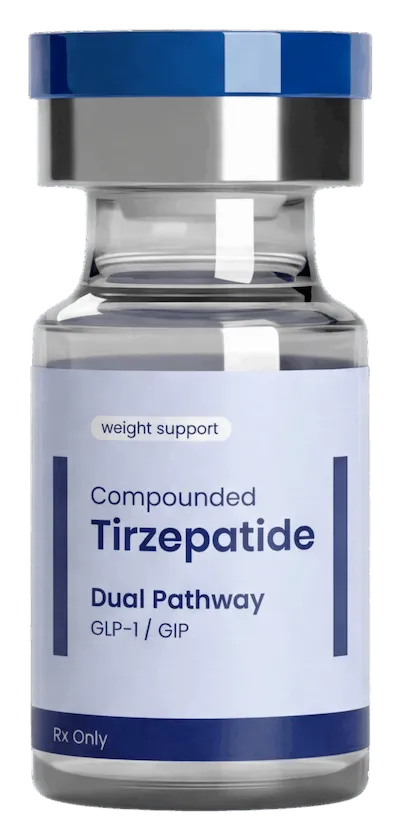
BMI MD GLP-1 Microdosing Plan
- Specialized microdosing options, including sublingual drops and low-dose injections
- Designed for people interested in maintaining weight or gradually adjusting treatment
- Bundled program structure without a separate monthly platform membership
- Online access makes the process convenient from home

DirectMeds Weight Loss Solutions
- Online weight-loss program with a straightforward patient experience
- Compounded medication options through state-licensed compounding pharmacies
- Includes clinical consultation as part of the process
- Provides shipping updates to help patients track their orders
MEDVi Flat-Rate Telehealth
- Flat-rate telehealth approach designed for easier budgeting
- No dosage-based pricing increases within the advertised program structure
- Offers injectable and oral thin-film delivery options
- Includes medical screening and asynchronous provider consultations
Gala GLP-1 Care Program
- Text-based access to state-licensed clinicians
- Cold-chain medication shipping included in the program
- Month-to-month program structure
- Designed for people who value convenient ongoing support
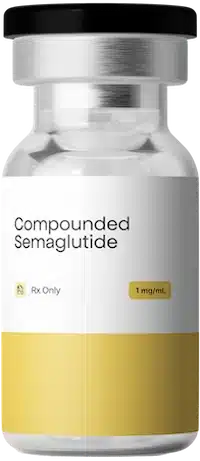
Measured GLP-1 Metabolic Health
- Comprehensive metabolic health screening and intake analysis
- Designed around longer-term metabolic health management
- Responsive dashboard with integrated health tracking tools
- Useful option for patients who value a more data-focused experience
Refills GLP-1 (TryRefills Plan)
- Clinical guidance designed to help patients manage common treatment concerns
- Includes foundational nutritional strategies alongside medication
- Designed around predictable ongoing treatment
- No hidden startup or processing fees according to the program information provided
AltRx GLP-1 Transactional Reorders
- Transactional reorder model without recurring auto-billing
- Designed for patients who already understand their treatment routine
- Fast text-to-order process for convenient reorders
- Offers injectable and fast-dissolving tablet variations
Key Takeaways
- The Drug Quality and Security Act (DQSA) of 2013 created the 503A and 503B distinction to improve compounding pharmacy oversight [1][4]
- 503A pharmacies require a valid, patient-specific prescription before compounding any medication
- 503B facilities can manufacture large batches without individual prescriptions and ship to healthcare providers across state lines [1]
- 503B outsourcing facilities must register with the FDA and follow Current Good Manufacturing Practice (cGMP) standards; 503A pharmacies do not [2][6]
- Medications from 503B facilities typically have longer beyond-use dates due to stricter stability testing [3]
- As of early 2026, the FDA and HHS have significantly increased pressure on compounders copying FDA-approved drugs, including GLP-1 medications [5]
- For weight loss patients, compounded semaglutide and tirzepatide from both 503A and 503B sources are available — but your legal access and safety protections differ depending on which type you use
- Cost differences exist: 503B batch efficiencies can lower per-unit costs, while 503A offers more personalized formulation flexibility
What Are 503A and 503B Compounding Pharmacies?
The terms “503A” and “503B” refer to two sections of the Federal Food, Drug, and Cosmetic Act as amended by the Drug Quality and Security Act (DQSA) of 2013. Congress passed this law after a deadly meningitis outbreak traced back to a compounding pharmacy, which made clear that the existing patchwork of state-level oversight wasn’t enough [4].
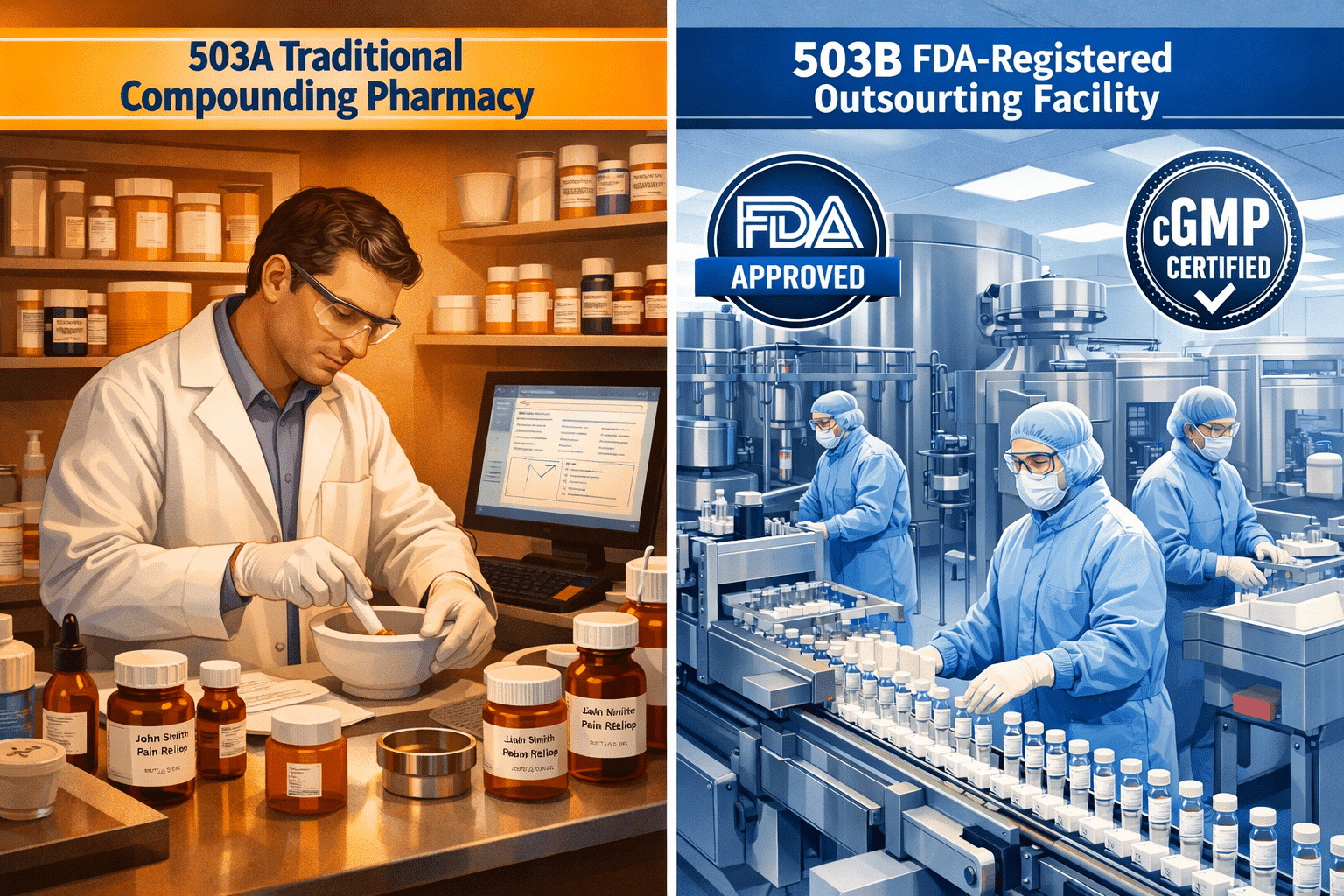
503A pharmacies are traditional compounding pharmacies — the kind your local pharmacist has operated for decades. They mix or alter medications based on a licensed prescriber’s order for a specific patient. They are primarily regulated by state boards of pharmacy, not the FDA [6].
503B outsourcing facilities are a newer category created by the DQSA. These are essentially pharmaceutical manufacturers that operate under FDA oversight and can produce large quantities of compounded drugs for healthcare facilities, clinics, and providers — without needing a prescription for each patient [2].
“The 503A vs 503B compounding pharmacies distinction isn’t just regulatory jargon — it directly affects the safety standards, cost, and legal availability of compounded GLP-1 drugs like semaglutide.”
How Do Prescription Requirements Differ Between 503A and 503B?
This is one of the most practical differences for patients seeking compounded weight loss medications.
503A pharmacies require a valid, patient-specific prescription for every medication they compound. Your prescriber must write an order for you specifically before the pharmacy can prepare your semaglutide or tirzepatide dose [2].
503B facilities have no such requirement at the individual patient level. They can manufacture standardized batches of compounded drugs and distribute them to physician offices, clinics, and telehealth providers who then dispense to patients. This is why many GLP-1 telehealth programs source their medications from 503B facilities [1].
Choose 503A if: You want a highly customized formulation (specific dose, added ingredients, unique delivery method) prescribed directly by your doctor.
Choose 503B-sourced medication if: You’re working through a telehealth weight loss program that pre-stocks compounded GLP-1 medications and you want faster access with potentially lower per-dose costs.
What Are the FDA Oversight and Inspection Differences?
503A and 503B pharmacies face very different levels of federal scrutiny — and that gap matters when you’re evaluating the safety of compounded medications.
503A pharmacies:
- Regulated primarily by state boards of pharmacy
- Do not register with the FDA
- Not subject to routine FDA inspections (though state boards are strengthening their own inspection standards) [1][7]
- Must follow USP <797> and <800> sterile compounding guidelines, which are being updated to increase rigor [4]
503B outsourcing facilities:
- Must register with the FDA and renew registration annually
- Subject to frequent FDA inspections for cGMP compliance [1]
- Must validate every manufacturing process and test every batch before release [3]
- Can ship across state lines to any state without needing individual state pharmacy licenses [1]
The practical implication: medications from a 503B facility have passed more rigorous pre-release testing. That doesn’t mean 503A pharmacies are unsafe — many operate to very high standards — but the federal verification layer is absent unless your state board is particularly active.
For people comparing affordable GLP-1 options without insurance, understanding this oversight gap helps you ask the right questions before ordering.
How Do Quality Standards and Beyond-Use Dates Compare?
Quality and shelf life are areas where 503B facilities hold a clear structural advantage.
503B batch testing requirements mean every lot of compounded medication is tested for potency, sterility, and stability before it ever leaves the facility. This process-level validation is mandatory [3][4].
503A pharmacies are not required to validate their compounding processes in the same way. Quality depends heavily on the individual pharmacy’s internal standards, equipment, and training. Some 503A pharmacies voluntarily pursue accreditation (through organizations like PCAB) to demonstrate higher quality, but it’s not federally mandated [9].
Beyond-use dates reflect how long a compounded medication remains safe and effective after preparation:
| Feature | 503A Pharmacy | 503B Outsourcing Facility |
|---|---|---|
| Beyond-use date | Shorter (days to weeks, typically) | Longer (months, due to stability testing) |
| Batch testing required | No federal requirement | Yes, every batch |
| Process validation | Not required | Mandatory |
| FDA registration | No | Yes |
| Prescription required | Yes, patient-specific | No |
| Interstate shipping | State-dependent | Yes, all states |
| Batch size | Small (individual patient) | Large (healthcare facility supply) |
| Formulation flexibility | High | Lower |
Shorter beyond-use dates from 503A pharmacies aren’t necessarily a safety problem — they just mean the medication must be used within a tighter window after preparation [3].
What Does the 2026 Regulatory Crackdown Mean for Compounded GLP-1 Access?
This is the question most weight loss patients aren’t asking — but should be.
In February 2026, the FDA and HHS issued clear warnings targeting compounders producing copies of commercially available drugs, specifically stating that 503A exemptions do not give pharmacies unlimited authority to compound drugs that are essentially copies of FDA-approved products [5]. This regulatory pressure was largely aimed at the flood of compounded semaglutide and tirzepatide products that entered the market when brand-name GLP-1 drugs (Ozempic, Wegovy, Mounjaro, Zepbound) faced shortage designations.
What changed: As brand-name GLP-1 shortages have resolved for some drugs, the FDA’s legal basis for allowing widespread compounding of those specific drugs has narrowed. Compounders — both 503A and 503B — now face stricter scrutiny about whether they can legally continue producing these formulations [5][7].
What this means for you in 2026:
- Compounded semaglutide and tirzepatide are still available from many providers, but the legal landscape is shifting
- 503B facilities face more immediate federal pressure because they operate under direct FDA jurisdiction
- 503A pharmacies face state-level enforcement, which varies significantly by state
- Telehealth programs sourcing compounded GLP-1s are adapting their supply chains in real time
For the most current picture of what’s available and affordable, see our complete guide to GLP-1 direct pay programs in 2026 and our breakdown of semaglutide costs without insurance.
Which Type of Compounding Pharmacy Is Better for Weight Loss Medications?
Neither 503A nor 503B is universally “better” — the right answer depends on what you need.

503A is a better fit if:
- Your doctor wants to customize your dose precisely (for example, a slower titration schedule or a combination formulation)
- You have a local compounding pharmacy with strong accreditation and your prescriber works directly with them
- You need a formulation that isn’t available through large-batch 503B production
503B-sourced medication is a better fit if:
- You’re using a telehealth weight loss platform that pre-sources compounded GLP-1 medications
- You want the assurance of batch-tested, federally inspected manufacturing
- You need longer beyond-use dates because you’re managing a multi-month supply
- Cost per dose is a primary concern and the telehealth program offers competitive pricing through 503B bulk purchasing
Many telehealth GLP-1 programs use 503B facilities as their compounding source precisely because of the interstate shipping advantage and batch consistency. When comparing programs, it’s worth asking which type of facility supplies their medications.
For a deeper comparison of the actual medications involved, our semaglutide vs tirzepatide guide walks through efficacy and cost differences between these two GLP-1 options.
Can 503A and 503B Pharmacies Work Together?
Yes — and this partnership model is increasingly common in the GLP-1 space.
A 503A pharmacy can partner with a 503B outsourcing facility to source bulk drug substances or pre-made sterile preparations, which the 503A pharmacy then dispenses to individual patients with prescriptions. This arrangement allows smaller compounding pharmacies to benefit from 503B-level manufacturing quality while maintaining their patient-specific dispensing model [9].
These partnerships are regulated, and the 503A pharmacy still bears responsibility for the final dispensed product. State boards are paying closer attention to these arrangements as part of broader compounding oversight updates in 2026 [7].
What Should You Ask Before Ordering Compounded GLP-1 Medications?
Before placing an order for compounded semaglutide or tirzepatide, get answers to these questions:
- Is the compounding pharmacy 503A or 503B? Both are legitimate, but your safety protections differ.
- Is the pharmacy accredited? Look for PCAB accreditation for 503A pharmacies. For 503B, confirm FDA registration.
- What are the beyond-use dates on the medication? Shorter dates require faster use.
- Has the batch been tested for potency and sterility? 503B facilities must do this; ask 503A pharmacies for their quality documentation.
- Is the telehealth provider licensed in your state? 503A pharmacies must comply with your state’s pharmacy laws.
- What’s the source of the active pharmaceutical ingredient (API)? Reputable compounders use USP-grade API from FDA-registered suppliers.
For a broader look at what compounded semaglutide programs actually cost and deliver, see our expert-vetted ranking of the best semaglutide for fat loss and our complete GLP-1 drugs list for 2026.
FAQ: 503A vs 503B Compounding Pharmacies
Q: Is compounded semaglutide from a 503B facility safer than from a 503A pharmacy? A: 503B facilities have mandatory batch testing and FDA inspections, which adds a verifiable quality layer. 503A pharmacies can be equally safe if accredited, but federal oversight is absent. Ask for quality documentation from any compounder.
Q: Do I need a prescription for compounded GLP-1 medications? A: Yes. Even if the medication comes from a 503B facility, you still need a valid prescription from a licensed prescriber to receive it as a patient. 503B facilities sell to healthcare providers, not directly to patients.
Q: Why are compounded GLP-1 drugs cheaper than brand-name versions? A: Compounded medications bypass the brand-name drug’s patent protection and marketing costs. Both 503A and 503B compounders source generic active pharmaceutical ingredients, which significantly reduces per-dose cost.
Q: Can a 503A pharmacy ship compounded medication to another state? A: It depends on state law. 503A pharmacies are primarily state-regulated and typically need licensure in the patient’s state to ship across state lines. 503B facilities can ship nationwide once FDA-registered [1].
Q: Are all compounded GLP-1 medications legal in 2026? A: The legal status is actively evolving. Compounded versions of drugs no longer on the FDA shortage list face stricter scrutiny. Check with your prescriber and the compounding pharmacy about current legal status for your specific medication [5].
Q: What is cGMP and why does it matter? A: Current Good Manufacturing Practice (cGMP) is the FDA’s set of quality standards for drug manufacturing. 503B facilities must follow cGMP; 503A pharmacies do not. cGMP compliance means documented processes, equipment calibration, and batch testing — all of which reduce the risk of contamination or incorrect potency.
Q: How do I find a legitimate 503B outsourcing facility? A: The FDA maintains a public list of registered 503B outsourcing facilities on its website. You can search by facility name or state to verify registration status before ordering through any telehealth program.
Q: Can my doctor prescribe compounded tirzepatide from either type of pharmacy? A: Yes, a licensed prescriber can write a prescription for compounded tirzepatide that a 503A pharmacy fills, or they can dispense medication sourced from a 503B facility. The prescriber’s order is required either way. For more on tirzepatide vs semaglutide options, see our difference between semaglutide and tirzepatide guide.
7 Best GLP-1 Providers Ranked: Accreditation, Flexibility & Support Compared (2026 Update)
32,000+ Patients Can't All Be Wrong: See the Top-Rated GLP-1 Providers: Compared on accreditation, plan flexibility, and patient support — updated for 2026.
BMI MD GLP-1 Microdosing Plan
- Specialized microdosing options (sublingual drops or low-dose injections)
- Ideal for maintaining weight or tapering off higher doses safely
- Fully bundled plan with no hidden monthly platform memberships
DirectMeds Weight Loss Solutions
- Sourced from accredited, state-licensed 503A compounding pharmacies
- No-frills high-volume savings passed directly to the patient
- Includes clinical consultation and cold-chain shipping updates
MEDVi Flat-Rate Telehealth
- Flat monthly rate holds steady even at maximum maintenance doses
- No dosage upcharges or graduation fee penalties
- Offers both injectable and advanced oral thin-film delivery options
Gala GLP-1 Care Program
- All-inclusive plan with no standalone membership costs
- Continuous text-based messaging access with state-licensed clinicians
- Temperature-controlled, cold-chain medication shipping included
Measured GLP-1 Metabolic Health
- Comprehensive metabolic health screening and expert intake analysis
- Predictable long-term budgeting with stable plan pricing
- High-end responsive dashboard with integrated diagnostic support
Refills GLP-1 (TryRefills Plan)
- Flat rate holds steady as titration scales up
- Includes clinical guides for active side-effect management
- Bundles in foundational nutritional strategies alongside medication
AltRx GLP-1 Transactional Reorders
- Zero recurring auto-billing — pay entirely on a transactional basis
- Rapid text-to-order format saves time for experienced patients
- Provides both injectable forms and fast-dissolving tablet variations
Conclusion: What the 503A vs 503B Difference Means for Your Weight Loss Journey
Understanding 503A vs 503B compounding pharmacies isn’t just a regulatory exercise — it’s a practical decision that affects your safety, your access, and your monthly cost for GLP-1 weight loss medications.
Here’s the bottom line: 503A pharmacies offer personalized, prescription-specific compounding with state-level oversight. They’re the right choice when your doctor needs to customize your formulation. 503B facilities offer batch-tested, FDA-inspected medications that telehealth programs can stock and distribute at scale — often at lower per-dose costs.
For most people pursuing compounded semaglutide or tirzepatide for weight loss in 2026, the medication will likely come from a 503B-sourced supply chain through a telehealth provider. That’s not a bad thing — it means more consistent quality and interstate access. But the regulatory environment is tightening, so staying informed matters.
Your next steps:
- Ask your telehealth provider whether their compounded GLP-1 comes from a 503A or 503B source
- Verify the pharmacy’s accreditation or FDA registration before your first order
- Compare total program costs, not just the per-vial price
- Stay current on FDA guidance as the shortage-based compounding exemptions continue to evolve
For the most affordable and vetted options currently available, explore our guides on cheapest GLP-1 options without insurance and the best semaglutide weight loss injections in 2026.
References
[1] 503a Vs 503b Compound Pharmacy – https://newtropin.com/503a-vs-503b-compound-pharmacy/
[2] 503a Vs 503b Compounding Pharmacies Differences – https://www.artixio.com/post/503a-vs-503b-compounding-pharmacies-differences
[3] Compounding 503a Vs 503b – https://www.olympiapharmacy.com/blog/compounding-503a-vs-503b/
[4] Differences Between 503a And 503b Pharmacies – https://www.gconbio.com/differences-between-503a-and-503b-pharmacies/
[5] The Governments Warning Shot Fda And Hhs Turn Up The Pressure On Compounding – https://www.thefdalawblog.com/2026/02/the-governments-warning-shot-fda-and-hhs-turn-up-the-pressure-on-compounding/
[6] Compounding Pharmacy 503a Vs 503b – https://www.stanthonyrx.com/blog/compounding-pharmacy-503a-vs-503b
[7] State Federal Legislative Developments Drug Compounding 2026 – https://www.frierlevitt.com/articles/state-federal-legislative-developments-drug-compounding-2026/
[8] Importance Understanding Differences Between 503a And 503b Compounding Pharmacies – https://pharmaphorum.com/rd/importance-understanding-differences-between-503a-and-503b-compounding-pharmacies
[9] Partnerships Between 503a Pharmacies And 503b Outsourcing Facilities – https://www.pccarx.com/Blog/partnerships-between-503a-pharmacies-and-503b-outsourcing-facilities

With over 13 years of experience in holistic health blogging, I aim to help you navigate your wellness journey with honest insights, expert-backed advice, and a sprinkle of real-world practicality.
Certified Wellness Writer | Herbal Nutrition Advocate | Wellness Research Enthusiast


