
glp 1 weight loss medication online
Last updated: October 1, 2026
Quick Answer
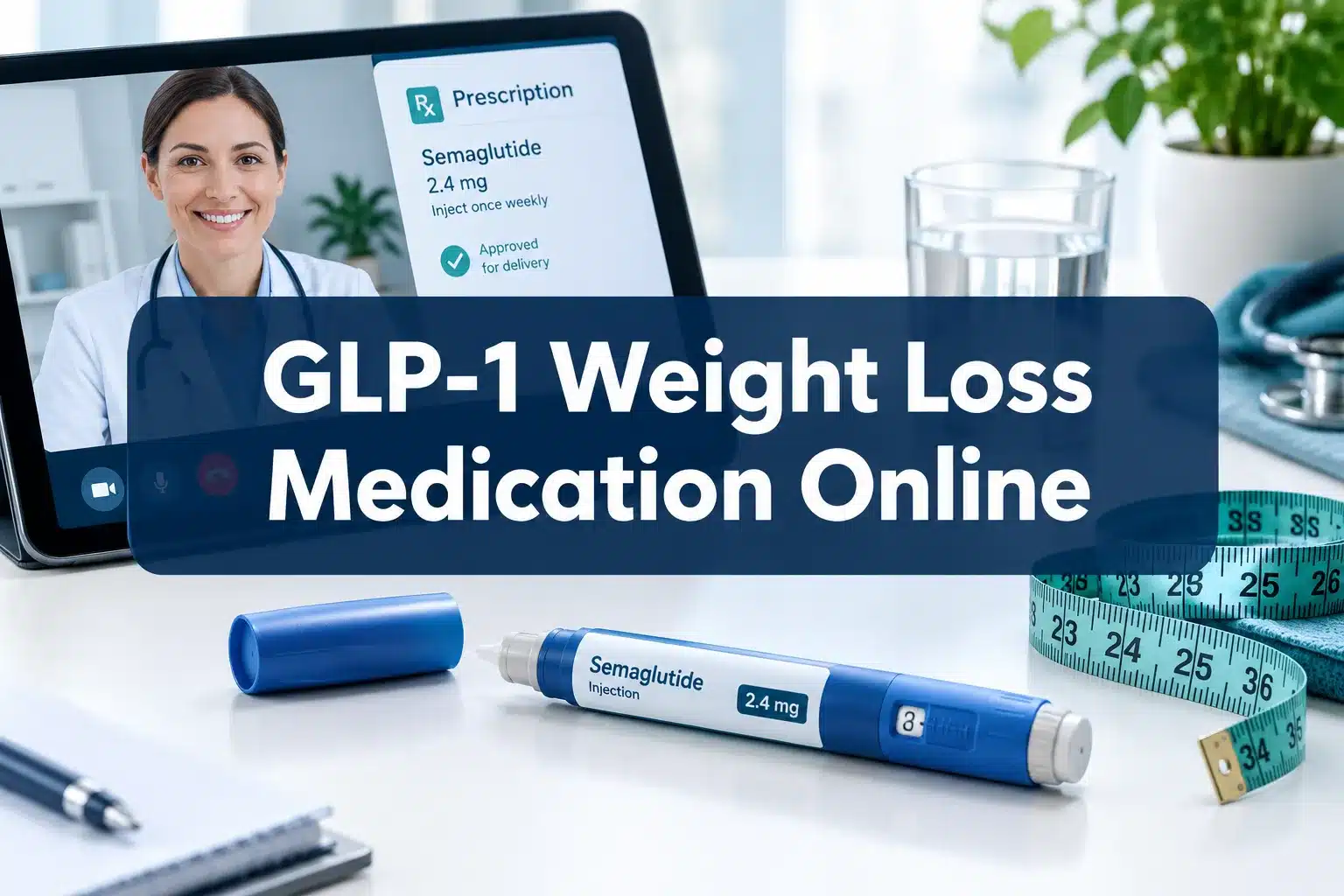
GLP-1 weight loss medication online is now accessible through licensed telehealth platforms that connect patients with prescribing clinicians, often without an in-person visit. FDA-approved options like semaglutide (Wegovy) and tirzepatide (Zepbound) are the safest routes, while compounded versions face tightening regulations and real safety concerns in 2026. Costs vary widely, but legitimate access starts with a proper medical evaluation.
Key Takeaways
- GLP-1 medications work by mimicking a gut hormone that reduces appetite, slows digestion, and improves blood sugar regulation.
- FDA-approved GLP-1 drugs for weight loss include semaglutide (Wegovy), tirzepatide (Zepbound), and liraglutide (Saxenda).
- Telehealth platforms can legally prescribe FDA-approved GLP-1 medications online after a clinical evaluation.
- Compounded GLP-1s face major regulatory crackdowns in 2026, the FDA has warned 30+ telehealth companies and issued enforcement actions against compounding pharmacies.
- Brand-name GLP-1 medications can cost $900 to $1,400 per month without insurance; compounded versions were cheaper but are increasingly restricted.
- Most people qualify if their BMI is 30 or above, or 27 or above with a weight-related condition.
- Weight loss typically begins within 4 to 8 weeks, with significant results appearing at 3 to 6 months.
- Side effects are mostly gastrointestinal and tend to ease as the body adjusts to the medication.
- Stopping GLP-1 medication often leads to weight regain without sustained lifestyle changes.
- Choosing a reputable, FDA-compliant telehealth platform is now the single most important decision when accessing GLP-1 treatment online.
What Is GLP-1 and How Does It Work for Weight Loss
GLP-1 stands for glucagon-like peptide-1, a hormone naturally produced in the gut after eating. GLP-1 medications mimic this hormone to reduce appetite, slow stomach emptying, and signal the brain that you are full, creating a calorie deficit without relying solely on willpower.
7 Best GLP-1 Providers Ranked: Accreditation, Flexibility & Support Compared (2026 Update)
32,000+ Patients Can't All Be Wrong: See the Top-Rated GLP-1 Providers. We compared the leading online GLP-1 providers based on program features, clinical support, convenience, and overall value.
BMI MD GLP-1 Microdosing Plan
- Specialized microdosing options, including sublingual drops and low-dose injections
- Designed for people interested in maintaining weight or gradually adjusting treatment
- Bundled program structure without a separate monthly platform membership
- Online access makes the process convenient from home

DirectMeds Weight Loss Solutions
- Online weight-loss program with a straightforward patient experience
- Compounded medication options through state-licensed compounding pharmacies
- Includes clinical consultation as part of the process
- Provides shipping updates to help patients track their orders
MEDVi Flat-Rate Telehealth
- Flat-rate telehealth approach designed for easier budgeting
- No dosage-based pricing increases within the advertised program structure
- Offers injectable and oral thin-film delivery options
- Includes medical screening and asynchronous provider consultations
Gala GLP-1 Care Program
- Text-based access to state-licensed clinicians
- Cold-chain medication shipping included in the program
- Month-to-month program structure
- Designed for people who value convenient ongoing support
Measured GLP-1 Metabolic Health
- Comprehensive metabolic health screening and intake analysis
- Designed around longer-term metabolic health management
- Responsive dashboard with integrated health tracking tools
- Useful option for patients who value a more data-focused experience
Refills GLP-1 (TryRefills Plan)
- Clinical guidance designed to help patients manage common treatment concerns
- Includes foundational nutritional strategies alongside medication
- Designed around predictable ongoing treatment
- No hidden startup or processing fees according to the program information provided
AltRx GLP-1 Transactional Reorders
- Transactional reorder model without recurring auto-billing
- Designed for patients who already understand their treatment routine
- Fast text-to-order process for convenient reorders
- Offers injectable and fast-dissolving tablet variations
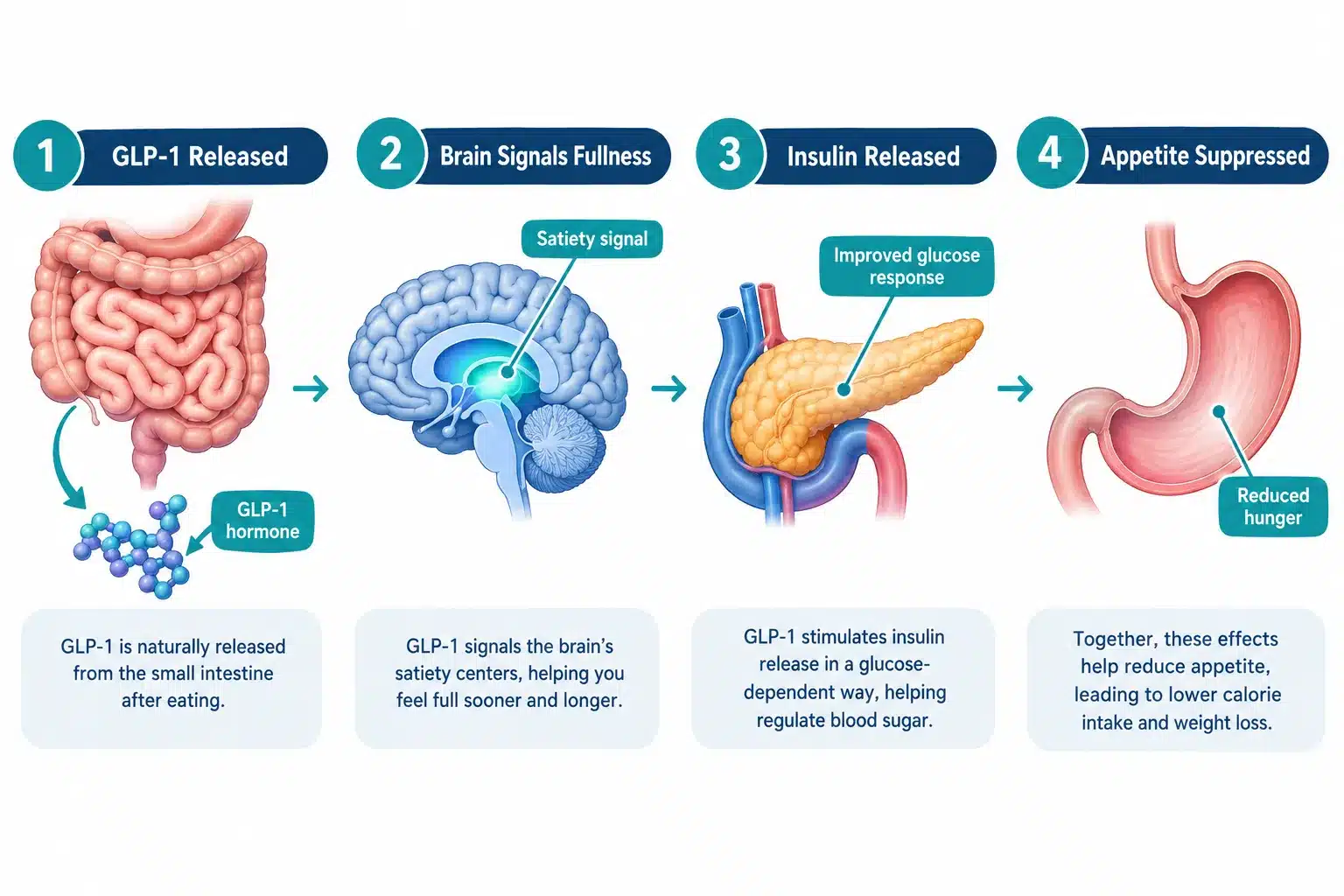
Here is what happens inside the body when you take a GLP-1 medication:
- Appetite suppression: The drug acts on receptors in the hypothalamus, reducing hunger signals.
- Slowed gastric emptying: Food stays in the stomach longer, so you feel full on less.
- Insulin regulation: GLP-1 stimulates insulin release in response to glucose, which helps stabilize blood sugar and reduces cravings.
- Reduced food reward: Some research suggests GLP-1 agonists dampen the brain’s dopamine response to high-calorie foods.
For a deeper look at the biology, see this guide on how GLP-1 medications work for weight loss and diabetes.
The result is a meaningful reduction in caloric intake that most people cannot achieve through diet alone. Clinical trials for semaglutide showed average body weight reductions of around 15%, and tirzepatide trials showed reductions closer to 20%, figures that were once only associated with bariatric surgery.
GLP-1 Medications List: Semaglutide, Ozempic, Wegovy, and More
Several FDA-approved GLP-1 receptor agonists are available, but not all are approved specifically for weight loss. Choosing the right one depends on your health history and prescriber guidance.
| Drug Name | Active Ingredient | FDA Approval | Dosing |
|---|---|---|---|
| Wegovy | Semaglutide | Weight loss (chronic) | Weekly injection |
| Ozempic | Semaglutide | Type 2 diabetes | Weekly injection |
| Zepbound | Tirzepatide | Weight loss (chronic) | Weekly injection |
| Mounjaro | Tirzepatide | Type 2 diabetes | Weekly injection |
| Saxenda | Liraglutide | Weight loss (chronic) | Daily injection |
| Rybelsus | Semaglutide | Type 2 diabetes | Daily oral tablet |
For a detailed breakdown of which option performs best, read which GLP-1 medication works best for weight loss.
Important note for 2026: Ozempic and Mounjaro are technically approved for diabetes, but are frequently prescribed off-label for weight loss. Wegovy and Zepbound are the on-label weight loss versions of the same active ingredients. Tirzepatide (Zepbound/Mounjaro) is a dual GIP/GLP-1 agonist, which may explain its stronger weight loss outcomes in head-to-head comparisons.
Who Qualifies for GLP-1 Weight Loss Treatment
Most adults with a BMI of 30 or higher, or a BMI of 27 or higher combined with at least one weight-related health condition, qualify for GLP-1 weight loss treatment. These conditions include type 2 diabetes, hypertension, high cholesterol, or sleep apnea.
You likely qualify if:
- BMI is 30 or above (obesity)
- BMI is 27 to 29.9 with a documented condition like high blood pressure or pre-diabetes
- You have tried lifestyle modifications without sufficient results
- You do not have a personal or family history of medullary thyroid carcinoma or MEN2 syndrome
You may not qualify if:
- You are pregnant or breastfeeding
- You have a history of pancreatitis
- You have certain gastrointestinal conditions
- You are under 18 (for most formulations)
Always disclose your full medication list. GLP-1 drugs can interact with insulin and other diabetes medications, requiring dose adjustments.
Can I Get GLP-1 Prescribed Online Through Telehealth
Yes, licensed telehealth platforms can legally prescribe FDA-approved GLP-1 medications online after a clinical evaluation. The process typically takes 24 to 72 hours from intake form to prescription, and medication is shipped directly to your door.
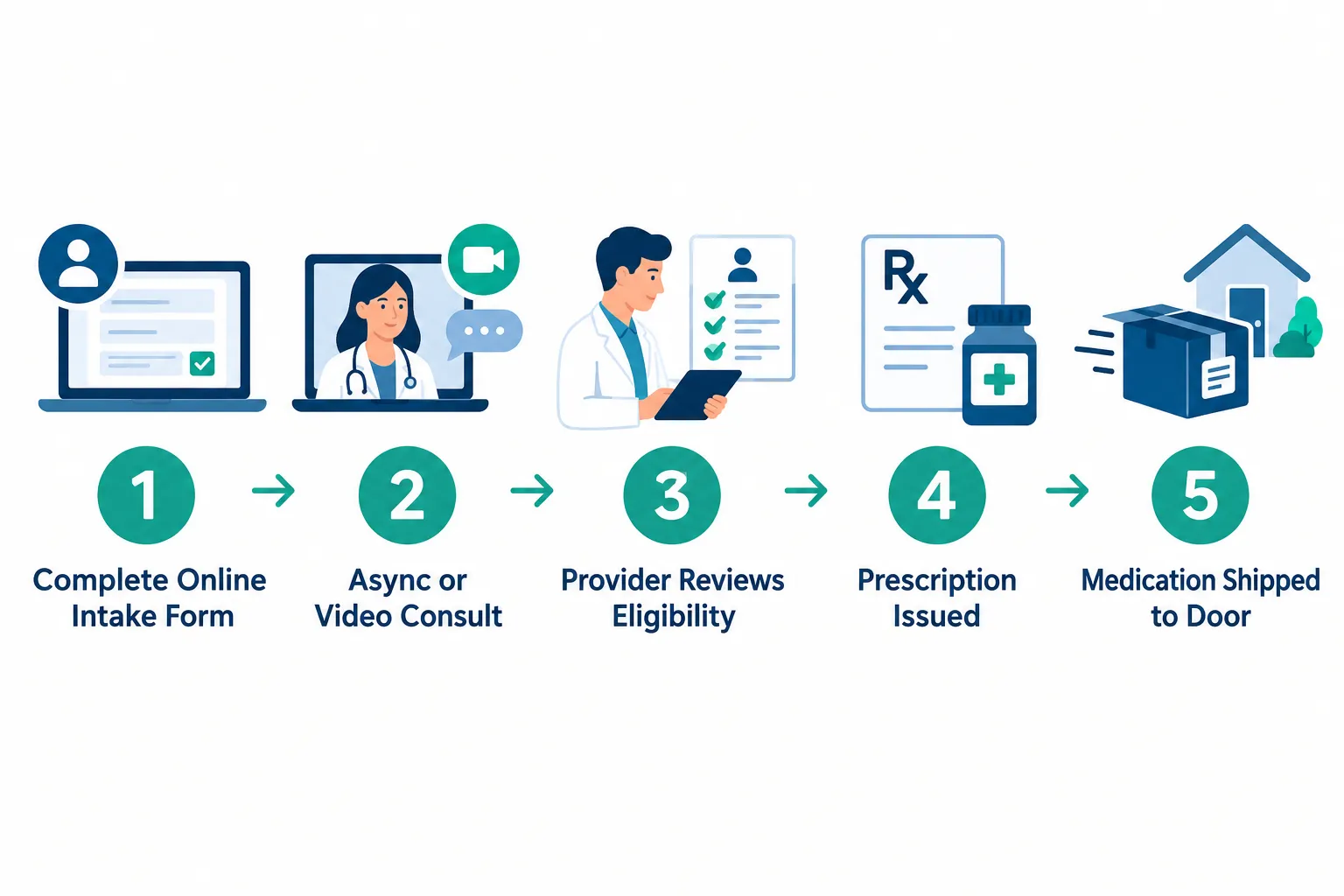
Here is what the typical online process looks like:
- Complete a health intake form covering your weight, medical history, and current medications.
- Asynchronous or video consultation with a licensed clinician (physician, NP, or PA).
- Eligibility review, the provider checks your BMI, labs (sometimes required), and contraindications.
- Prescription issued for an FDA-approved GLP-1 medication.
- Medication shipped to your home, often within 3 to 7 business days.
Well-known platforms operating in this space include Hims, Ro, Noom Med, and Found. For a detailed cost comparison, see this Hims weight loss cost breakdown.
“The shift toward reputable telehealth platforms dispensing only FDA-approved GLP-1 medications is the clearest trend of 2026, driven by both patient safety concerns and regulatory enforcement.”
How Much Does GLP-1 Medication Cost Online
Brand-name GLP-1 medications cost between $900 and $1,400 per month without insurance. Telehealth platforms offering compounded semaglutide were significantly cheaper, often $200 to $400 per month, but regulatory changes in 2026 have sharply reduced that option.
Cost breakdown by route:
- Brand-name Wegovy (semaglutide): Approximately $1,349/month list price without insurance
- Brand-name Zepbound (tirzepatide): Approximately $1,059/month list price without insurance
- Manufacturer savings programs: Eli Lilly’s Zepbound direct program has offered lower self-pay pricing; check current availability
- Compounded semaglutide (where still available): Was $200 to $400/month but faces severe legal restrictions
- Insurance coverage: Varies widely; Medicare Part D now covers some GLP-1s for obesity, but employer plans differ
For affordable access strategies, including coupon programs and compounding pharmacy options, see this guide on least expensive GLP-1 options for weight loss and this resource on GoodRx Mounjaro coupons and semaglutide prescriptions without insurance.
The 2026 Regulatory Crackdown on Compounded GLP-1s Online
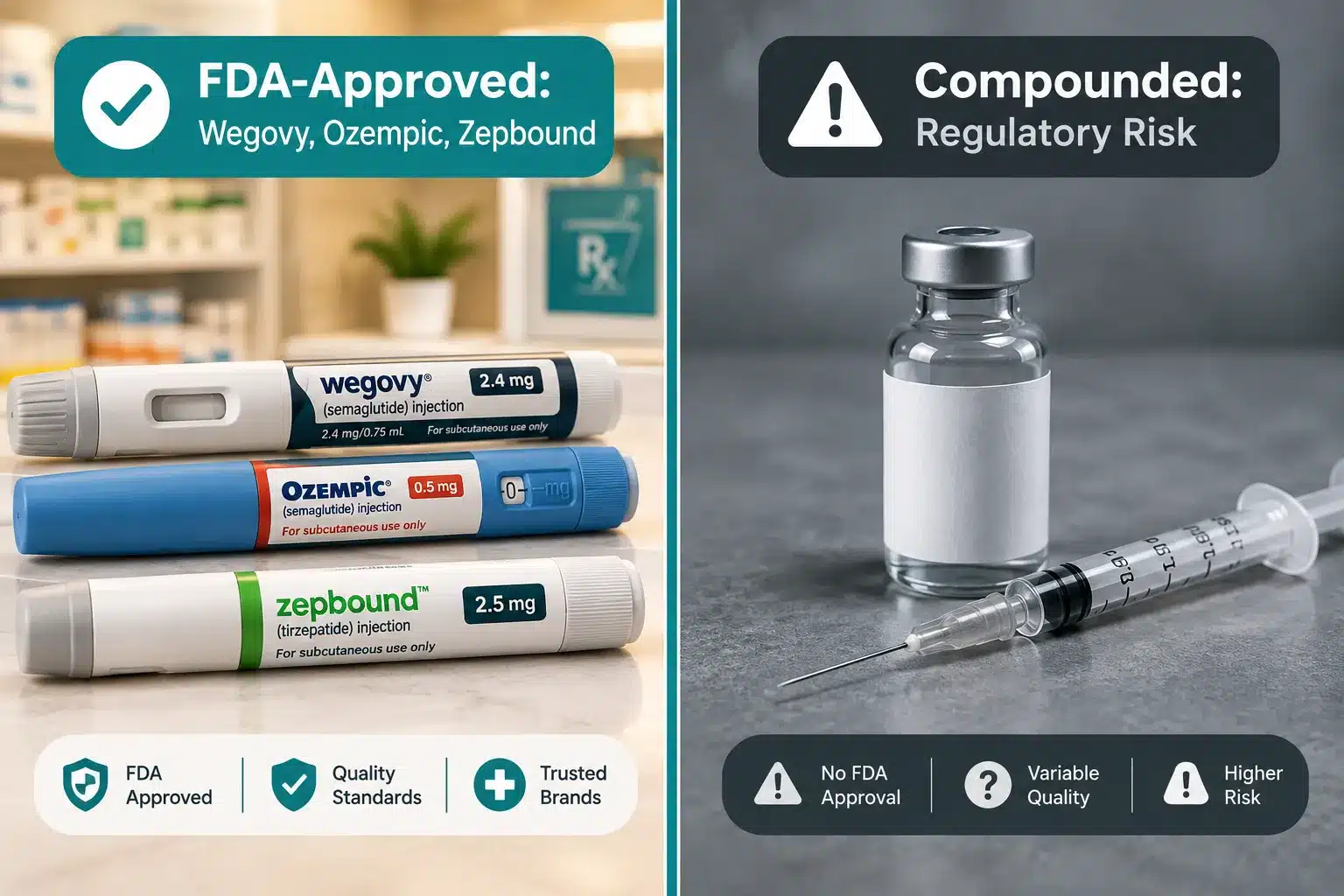
Compounded GLP-1 medications sold online are now under the most intense regulatory scrutiny in the history of the telehealth industry. The FDA has made it clear that compounded versions of semaglutide and tirzepatide are no longer legally justifiable now that the national drug shortage has resolved.
In June 2026, the FDA warned 30 telehealth companies against illegally marketing compounded GLP-1s, citing misleading claims about safety, efficacy, and equivalence to brand-name drugs [3]. Earlier in 2026, the FDA announced its intent to take action against non-FDA-approved GLP-1 drugs being sold for weight loss [4]. By September 2026, the agency issued a formal warning letter to at least one large compounding operation [1].
The FDA also published detailed guidance for telehealth platforms on what they can and cannot say when promoting compounded drugs [8]. Key rules include:
- Compounded drugs cannot be marketed as equivalent to FDA-approved products
- Claims about safety and effectiveness must be clearly distinguished from approved drugs
- Platforms cannot use before-and-after testimonials that imply the compounded product performs like Wegovy or Ozempic
Stanford Medicine clinicians have raised safety concerns about compounded GLP-1s, noting that dosing errors, contamination risks, and lack of standardized manufacturing are real clinical hazards [7]. Legal analysts at McDermott Law and DLA Piper have flagged that online advertising for unapproved GLP-1 treatments is now a primary enforcement target [5][10].
The FDA also clarified its policies for compounders as the national supply began to stabilize, signaling that the “shortage” justification for compounding is no longer valid [6]. Pharmacy Times reported that the combined FDA and Novo Nordisk pressure on telehealth compounding represents a structural shift in the industry [2].
Bottom line: If a platform is still offering “compounded semaglutide” at steep discounts in late 2026, verify its legal standing carefully before ordering. The risks, both to your health and your wallet, are significant.
For more on compounding pharmacy options and how to navigate them safely, see this compounding pharmacy for weight loss full guide.
GLP-1 Weight Loss Side Effects: What to Expect
The most common GLP-1 side effects are gastrointestinal and typically appear during the dose escalation phase. They include nausea, vomiting, diarrhea, constipation, and stomach discomfort. Most people find these symptoms improve significantly after the first 4 to 8 weeks.
Common side effects:
- Nausea (most frequent, especially in weeks 1 to 4)
- Vomiting or acid reflux
- Constipation or loose stools
- Fatigue during dose increases
- Reduced appetite (this is the intended effect, but can feel uncomfortable)
Less common but serious side effects:
- Pancreatitis (rare; stop medication and seek care if you have severe abdominal pain)
- Gallbladder issues, including gallstones
- Increased heart rate
- Potential thyroid C-cell effects (based on animal studies; avoid if you have thyroid cancer history)
Managing side effects:
- Start at the lowest dose and escalate slowly
- Eat smaller meals and avoid high-fat foods
- Stay hydrated
- Take the injection at the same time each week
For a detailed semaglutide dosing schedule designed to minimize side effects, see this semaglutide dosage guide for weight loss.
How Long Does It Take to Lose Weight on GLP-1
Most people notice reduced appetite within the first one to two weeks, but meaningful scale changes typically appear at 4 to 8 weeks. Significant weight loss, 10% or more of body weight, usually requires 3 to 6 months of consistent use at therapeutic doses.
General timeline:
- Weeks 1 to 4: Appetite reduction, possible 2 to 5 pounds lost
- Months 2 to 3: Dose escalation begins; weight loss accelerates
- Months 3 to 6: Most patients reach a steady loss rhythm of 1 to 2 pounds per week
- Month 6 and beyond: Plateau is common; dose adjustment or lifestyle changes may help
For realistic early expectations, see 6-week Ozempic weight loss results.
GLP-1 Weight Loss Stopped Working: What Now
A weight loss plateau on GLP-1 medication is common and does not mean the drug has failed. It usually means the body has adapted, and the approach needs adjustment.
Steps to take when progress stalls:
- Review your dose, are you at the maximum therapeutic dose for your medication?
- Audit your diet, caloric intake can creep up even with appetite suppression
- Add or intensify exercise, resistance training helps preserve muscle during weight loss
- Ask your provider about switching, tirzepatide often produces stronger results than semaglutide for some patients
- Check for medication adherence issues, missed doses or improper injection technique reduce effectiveness
A plateau after 3 to 6 months is not a reason to stop. It is a reason to reassess.
What Happens When You Stop Taking GLP-1
Stopping GLP-1 medication typically leads to weight regain within months, particularly if lifestyle habits have not changed. Clinical data shows that most patients regain a significant portion of lost weight within one year of discontinuation.
This does not mean GLP-1 medications are a lifetime requirement for everyone, but it does mean:
- Stopping abruptly without a plan is risky. Work with your provider on a tapering and maintenance strategy.
- Lifestyle anchors matter. Patients who built strong dietary and exercise habits during treatment tend to regain less.
- Metabolic changes may persist briefly, appetite suppression fades within days to weeks after stopping.
For some people, GLP-1 treatment is long-term, similar to how blood pressure medication is managed chronically. For others, a defined treatment course followed by maintenance is realistic. Your provider should help you plan this.
GLP-1 vs. Other Weight Loss Medications: How They Compare
GLP-1 medications outperform older weight loss drugs on both efficacy and safety profile, but they are not the only option.
| Medication Class | Example | Avg. Weight Loss | Key Limitation |
|---|---|---|---|
| GLP-1 agonist | Wegovy (semaglutide) | 15 to 17% | Cost, injection |
| GIP/GLP-1 dual agonist | Zepbound (tirzepatide) | 18 to 22% | Cost, injection |
| Phentermine/topiramate | Qsymia | 8 to 10% | CNS side effects |
| Naltrexone/bupropion | Contrave | 5 to 8% | Mood effects |
| Orlistat | Xenical | 3 to 5% | GI side effects |
GLP-1 medications currently represent the strongest non-surgical weight loss option available. For a full comparison, see this complete RX medications for weight loss guide.
GLP-1 Alternatives If You Cannot Afford It
If brand-name GLP-1 medication is out of reach financially, several legitimate options exist. Manufacturer patient assistance programs, insurance appeals, and carefully vetted compounding pharmacies (where still legally operating) can reduce costs.
Practical alternatives:
- Manufacturer savings cards: Novo Nordisk and Eli Lilly both offer savings programs for eligible patients
- GoodRx and pharmacy discount programs: Can reduce out-of-pocket costs on some formulations
- Metformin: An older, inexpensive diabetes drug with modest weight loss effects, not a GLP-1 but sometimes used as a stepping stone
- Phentermine: Low-cost short-term appetite suppressant, available generically
- Lifestyle-focused programs: Structured programs like intensive behavioral therapy, when covered by insurance, can produce meaningful results
For current pricing on compounded options and how to order safely, see cheapest online GLP-1 providers compared and cheap weight loss injection options.
Common Mistakes People Make on GLP-1 Medication
The biggest mistakes on GLP-1 treatment are not about the drug itself, they are about expectations, habits, and sourcing decisions.
- Buying from unverified online sources: With enforcement actions ramping up in 2026, purchasing from non-compliant platforms carries real health and legal risk.
- Skipping dose escalation: Jumping to higher doses too fast dramatically increases nausea and dropout rates.
- Treating it as a standalone solution: GLP-1 medications work best alongside dietary changes and movement. They are a powerful tool, not a complete plan.
- Stopping at the first plateau: Weight loss is not linear. A 4 to 6 week stall is normal and not a reason to quit.
- Not disclosing all medications: Drug interactions, especially with insulin and sulfonylureas, can be dangerous.
- Ignoring protein intake: Rapid weight loss on GLP-1s can cause muscle loss. Aim for adequate protein at every meal.
Does GLP-1 Work Without Diet and Exercise
GLP-1 medications do produce weight loss even without formal diet or exercise programs, but results are significantly better when combined with lifestyle changes. Clinical trials that showed 15 to 22% weight loss used structured dietary counseling alongside the medication.
That said, even without a formal program, the appetite suppression effect alone typically leads to reduced caloric intake. Most people naturally eat less, choose smaller portions, and feel less driven by food cravings. The drug does a portion of the behavioral work for you, but not all of it.
Realistic expectations without lifestyle changes: 8 to 12% weight loss is achievable for many people. With dietary adjustments and regular movement, that number climbs to 15 to 22%.
7 Best GLP-1 Providers Ranked: Accreditation, Flexibility & Support Compared (2026 Update)
32,000+ Patients Can't All Be Wrong: See the Top-Rated GLP-1 Providers: Compared on accreditation, plan flexibility, and patient support — updated for 2026.
BMI MD GLP-1 Microdosing Plan
- Specialized microdosing options (sublingual drops or low-dose injections)
- Ideal for maintaining weight or tapering off higher doses safely
- Fully bundled plan with no hidden monthly platform memberships
DirectMeds Weight Loss Solutions
- Sourced from accredited, state-licensed 503A compounding pharmacies
- No-frills high-volume savings passed directly to the patient
- Includes clinical consultation and cold-chain shipping updates
MEDVi Flat-Rate Telehealth
- Flat monthly rate holds steady even at maximum maintenance doses
- No dosage upcharges or graduation fee penalties
- Offers both injectable and advanced oral thin-film delivery options
Gala GLP-1 Care Program
- All-inclusive plan with no standalone membership costs
- Continuous text-based messaging access with state-licensed clinicians
- Temperature-controlled, cold-chain medication shipping included
Measured GLP-1 Metabolic Health
- Comprehensive metabolic health screening and expert intake analysis
- Predictable long-term budgeting with stable plan pricing
- High-end responsive dashboard with integrated diagnostic support
Refills GLP-1 (TryRefills Plan)
- Flat rate holds steady as titration scales up
- Includes clinical guides for active side-effect management
- Bundles in foundational nutritional strategies alongside medication
AltRx GLP-1 Transactional Reorders
- Zero recurring auto-billing — pay entirely on a transactional basis
- Rapid text-to-order format saves time for experienced patients
- Provides both injectable forms and fast-dissolving tablet variations
Conclusion: Your Next Steps for Accessing GLP-1 Weight Loss Medication Online
Accessing GLP-1 weight loss medication online in 2026 is both more streamlined and more regulated than ever before. The telehealth pathway is legitimate, efficient, and increasingly the standard of care for adults who qualify, but the compounding shortcut that many relied on is closing fast under FDA enforcement.
Here is what to do next:
- Check your eligibility. If your BMI is 27 or above with a health condition, or 30 or above, you likely qualify.
- Choose a reputable, FDA-compliant telehealth platform. Look for platforms that prescribe only FDA-approved medications and have licensed clinicians on staff.
- Understand the real cost. Explore manufacturer savings programs, insurance coverage, and GoodRx before assuming it is unaffordable.
- Set realistic expectations. Meaningful weight loss takes 3 to 6 months. Commit to the process.
- Build habits alongside the medication. The drug reduces appetite; you still decide what goes on your plate.
- Stay informed about regulations. The legal landscape for online GLP-1 access is shifting rapidly. Verify that any platform you use is operating within current FDA guidelines.
GLP-1 treatment is one of the most clinically significant advances in weight management in decades. Used correctly, through the right channels, it can be life-changing.
Frequently Asked Questions
How quickly will I lose weight on a GLP-1 medication?
Most people notice reduced appetite within one to two weeks. Visible scale changes typically appear at 4 to 8 weeks, and significant weight loss of 10% or more usually takes 3 to 6 months at therapeutic doses.
Can I get a GLP-1 prescription entirely online without an in-person visit?
Yes. Licensed telehealth platforms can legally prescribe FDA-approved GLP-1 medications after a remote clinical evaluation. Some states have specific requirements, but most allow fully online prescribing for these medications.
Is compounded semaglutide still legal to buy online in 2026?
It is increasingly restricted. The FDA has resolved the national shortage designation that justified compounding, issued warnings to 30+ telehealth companies, and taken enforcement action against compounding pharmacies [3][4]. Compounded GLP-1s are not FDA-approved and carry real safety risks [7].
What is the cheapest way to get GLP-1 medication legally?
Manufacturer savings programs, insurance coverage, and GoodRx coupons are the most reliable cost-reduction tools. Some telehealth platforms also offer bundled pricing. Avoid any platform offering prices that seem too good to be true, it is likely non-compliant.
Do I have to stay on GLP-1 medication forever?
Not necessarily, but stopping typically leads to weight regain without strong lifestyle habits in place. Work with your provider on a long-term plan, whether that is continued treatment or a structured tapering strategy.
What side effects should I expect in the first month?
Nausea is the most common, followed by constipation, fatigue, and occasional vomiting. These are most intense during dose escalation and usually improve significantly after 4 to 8 weeks.
Can GLP-1 medications interact with other drugs I take?
Yes. The most significant interactions are with insulin and sulfonylureas (diabetes medications), which may require dose adjustments. Always give your telehealth provider a complete medication list before starting.
How do I know if a telehealth GLP-1 platform is legitimate?
Look for platforms that prescribe only FDA-approved medications, employ licensed clinicians (not just wellness coaches), require a real medical intake process, and are transparent about their pharmacy partners. Avoid any platform that does not require a clinical evaluation.
Is tirzepatide (Zepbound) better than semaglutide (Wegovy) for weight loss?
Clinical trial data suggests tirzepatide produces greater average weight loss (18 to 22% vs. 15 to 17% for semaglutide), but individual responses vary. Both are highly effective. Your prescriber can help you decide based on your health history and cost considerations.
What happens if GLP-1 medication stops working for me?
A plateau is common and does not mean the medication has failed. Review your dose, dietary habits, and exercise routine with your provider. Switching medications or adjusting the dose often restores progress.
References
[1] GLP-1 Solution 715883 09092025 – https://www.fda.gov/inspections-compliance-enforcement-and-criminal-investigations/warning-letters/glp-1-solution-715883-09092025
[2] FDA and Novo Nordisk Warned of GLP-1 Telehealth Compounding Take Down: What’s Next – https://www.pharmacytimes.com/view/fda-and-novo-nordisk-warned-of-glp-1-telehealth-compounding-take-down-what-s-next-
[3] FDA Warns 30 Telehealth Companies Against Illegal Marketing Compounded GLP-1s – https://www.fda.gov/news-events/press-announcements/fda-warns-30-telehealth-companies-against-illegal-marketing-compounded-glp-1s
[4] FDA Intends to Take Action Against Non-FDA-Approved GLP-1 Drugs – https://www.fda.gov/news-events/press-announcements/fda-intends-take-action-against-non-fda-approved-glp-1-drugs
[5] FDA Takes Aim at Misleading Online Claims for Compounded GLP-1 Drugs – https://www.mcdermottlaw.com/insights/fda-takes-aim-at-misleading-online-claims-for-compounded-glp-1-drugs/
[6] FDA Clarifies Policies for Compounders as National GLP-1 Supply Begins to Stabilize – https://www.fda.gov/drugs/drug-alerts-and-statements/fda-clarifies-policies-compounders-national-glp-1-supply-begins-stabilize
[7] GLP-1s Compounded: Why Doctors Worry About Safety – https://med.stanford.edu/news/insights/2026/07/glp1s-compounded-why-doctors-worry-about-safety.html
[8] FDA to Telehealth Companies: What to Know When Promoting Compounded Drugs – https://www.fda.gov/drugs/human-drug-compounding/fda-telehealth-companies-what-know-when-promoting-compounded-drugs
[9] FDA GLP-1 Weight Loss Drugs Compounding Pharmacy – https://www.cbsnews.com/newyork/news/fda-glp-1-weight-loss-drugs-compounding-pharmacy/
[10] Online Advertisements for Non-FDA-Approved Treatments – https://www.dlapiper.com/en-us/insights/publications/2026/08/online-advertisements-for-non-fda-approved-treatments


