
Metformin + Naltrexone + Topiramate Rx Daily oral capsule · metabolic & appetite support
Last updated: August 10, 2026
Quick Answer: The Metformin + Naltrexone + Topiramate Rx Daily oral capsule is a compounded prescription combination used to support weight loss and metabolic health by targeting blood sugar regulation, appetite signaling, and food-reward pathways simultaneously. It is prescribed off-label through licensed telehealth providers and compounding pharmacies for adults with obesity or weight-related metabolic concerns. Results vary by individual, but most patients begin to notice meaningful changes within 4 to 12 weeks of consistent use under medical supervision.
Key Takeaways
- The Metformin + Naltrexone + Topiramate Rx Daily oral capsule combines three established medications into one convenient daily dose targeting metabolism and appetite from multiple angles.
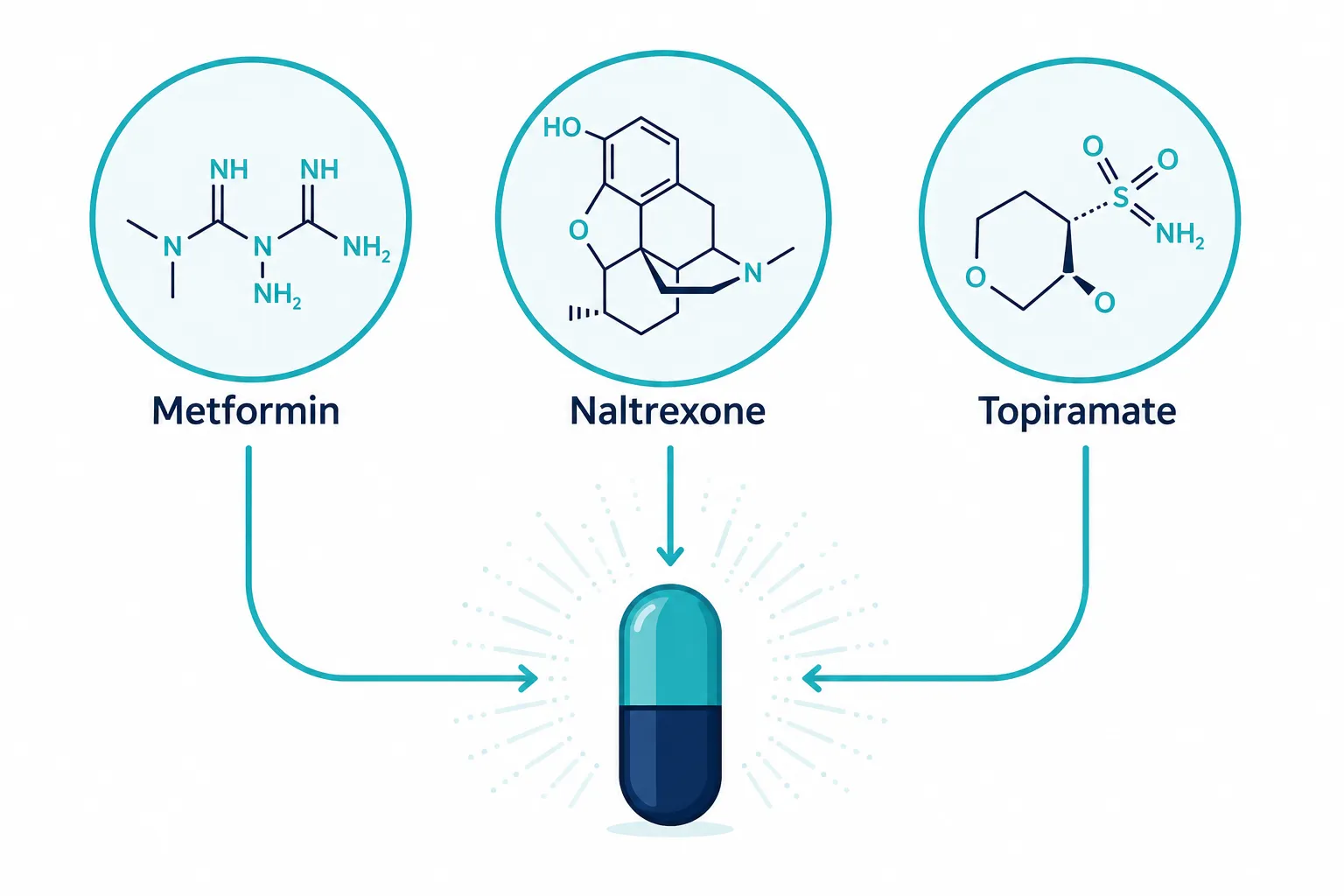
- Metformin reduces liver glucose output and improves insulin sensitivity; naltrexone modulates the brain’s reward response to food; topiramate suppresses appetite and may increase calorie burning.
- This combination is compounded, meaning it is not an FDA-approved fixed-dose product but is prepared by licensed compounding pharmacies under a physician’s prescription.
- Common side effects include nausea, fatigue, cognitive slowing, and tingling in the extremities, most of which ease after the first few weeks.
- Monthly costs typically range from roughly $80 to $200 depending on the pharmacy, dosage, and telehealth provider, making it more affordable than most branded GLP-1 injectables.
- People with a history of seizures, eating disorders, kidney disease, or opioid dependence should not take this combination without careful specialist review.
- Most clinical evidence for the individual components is strong; evidence for this exact three-drug combination is still emerging from real-world practice data.
- Long-term safety data beyond two years is limited; ongoing monitoring by a prescribing clinician is essential.
What Is the Metformin + Naltrexone + Topiramate Combination Used For?
The Metformin + Naltrexone + Topiramate Rx Daily oral capsule is used primarily for weight management and metabolic support in adults who have obesity or are overweight with at least one weight-related health condition such as type 2 diabetes, prediabetes, or insulin resistance. It is prescribed off-label as a compounded formulation, meaning a licensed pharmacy combines the three active ingredients into a single capsule based on a physician’s order.
Primary use cases include:
- Weight loss in adults with BMI of 30 or higher, or BMI of 27 or higher with a metabolic comorbidity
- Blood sugar management in patients with prediabetes or early type 2 diabetes who also need appetite support
- Reducing food cravings, particularly for highly palatable foods high in sugar and fat
- Supporting patients who have plateaued on single-agent therapy such as metformin alone
A colleague of mine who works in a telehealth weight-loss clinic described this combination as “hitting three different levers at once, the metabolic lever, the hunger lever, and the craving lever.” That framing captures why prescribers find it appealing for patients who have not responded adequately to a single medication.
For a broader view of how prescription medications fit into weight loss treatment, see this complete 2026 guide to RX medications for weight loss.
How Does the Metformin + Naltrexone + Topiramate Combination Work?
Each of the three medications in this combination targets a different biological pathway, and together they create a broader metabolic and appetite-suppressing effect than any single drug alone.
Metformin
Metformin is a biguanide that primarily works by reducing the liver’s glucose production and improving how muscle cells respond to insulin. It also appears to modestly reduce appetite in some patients and may influence gut hormones involved in satiety. It has decades of safety data behind it. If you want more background on its evolving role in medicine, this article on why doctors no longer prescribe metformin the same way offers useful context.
Naltrexone
Naltrexone is an opioid receptor antagonist originally approved for alcohol and opioid use disorder. At low doses, it modulates the brain’s reward circuitry, particularly the pathways that drive compulsive eating and cravings for high-calorie foods. It is already used in the FDA-approved combination drug Contrave (naltrexone + bupropion), which validates the appetite-suppression mechanism.
Topiramate
Topiramate is an anticonvulsant that has a well-documented side effect of weight loss and appetite reduction. It appears to work through multiple mechanisms including reducing the reward value of food, altering taste perception, and increasing energy expenditure. It is already approved for weight management in combination with phentermine (Qsymia).
Combined effect: Metformin handles insulin sensitivity and glucose regulation. Naltrexone dampens the brain’s drive to seek out rewarding foods. Topiramate reduces overall appetite and may boost calorie burning. Together, they address weight from the inside out.
Metformin + Naltrexone + Topiramate Side Effects
Side effects are real and worth knowing before you start. Most are manageable and tend to improve after the first two to four weeks as your body adjusts.
Common side effects (reported with individual components):
| Side Effect | Most Likely Source | Typical Onset |
|---|---|---|
| Nausea, upset stomach | Metformin | First 1-2 weeks |
| Fatigue, brain fog | Topiramate | First 2-4 weeks |
| Tingling in hands/feet | Topiramate | Variable |
| Dizziness, headache | Naltrexone or topiramate | Early weeks |
| Decreased appetite | All three (desired effect) | Ongoing |
| Taste changes | Topiramate | Variable |
| Insomnia or vivid dreams | Naltrexone | Early weeks |
Less common but serious side effects to report immediately:
- Kidney stones (topiramate increases risk, especially with low fluid intake)
- Lactic acidosis (rare with metformin, higher risk in kidney disease)
- Mood changes or depression (naltrexone, topiramate)
- Significant memory or word-finding difficulty (topiramate, sometimes called “dopamax” effect)
- Elevated liver enzymes
One patient I spoke with described the first two weeks as “feeling a little foggy and queasy,” but said both symptoms resolved by week three. That matches the general clinical pattern, early side effects are common, but most people who stick with it past the adjustment period tolerate it well.
Metformin + Naltrexone + Topiramate Dosage Instructions
Dosing is individualized and set by the prescribing physician. There is no single FDA-approved fixed dose for this combination because it is compounded.
Typical starting ranges (based on clinical practice patterns, always follow your prescriber’s specific instructions):
- Metformin: 500 mg to 1,000 mg per day, often titrated up over several weeks
- Naltrexone: 4.5 mg to 50 mg per day (low-dose naltrexone protocols start at 1.5-4.5 mg)
- Topiramate: 25 mg to 100 mg per day, typically started low and increased slowly
General dosing rules:
- Take the capsule with food to reduce nausea from metformin.
- Take it at the same time each day to maintain consistent blood levels.
- Drink plenty of water throughout the day, especially with topiramate, to reduce kidney stone risk.
- Do not crush or split compounded capsules unless your pharmacist confirms it is safe.
- Follow your prescriber’s titration schedule, do not increase your own dose.

Metformin + Naltrexone + Topiramate Cost and Insurance Coverage
This combination typically costs between $80 and $200 per month through compounding pharmacies, depending on the doses prescribed, the pharmacy used, and whether you pay through a telehealth provider’s membership model.
Key cost factors:
- Compounding pharmacy fees vary significantly. Some telehealth platforms negotiate lower rates for members.
- Insurance rarely covers compounded medications. Because this is not an FDA-approved fixed-dose product, most insurance plans will not reimburse it. [VERIFY: individual plan policies vary, check with your insurer directly.]
- HSA and FSA funds can generally be used for prescription compounded medications with a valid prescription.
- Telehealth consultation fees are separate and range from $0 to $99 per month depending on the platform.
Compared to branded GLP-1 injectables, which can run $900 to $1,300 per month without insurance, this combination is significantly more affordable. For a full cost comparison of weight-loss medications, see this GLP-1 price per month comparison covering Wegovy, Zepbound, and new oral options.
If you are exploring affordable telehealth routes, this guide to affordable semaglutide telehealth options also covers platforms that prescribe compounded metabolic medications.
Who Should Not Take Metformin + Naltrexone + Topiramate?
This combination is not appropriate for everyone. Your prescriber will screen for contraindications before writing a prescription.
Do not take this combination if you:
- Are currently taking opioid medications (naltrexone will block their effect and can trigger withdrawal)
- Have a history of seizures or epilepsy (topiramate changes seizure thresholds)
- Have significant kidney disease (metformin is contraindicated in eGFR below 30; topiramate increases kidney stone risk)
- Have a history of anorexia or bulimia nervosa (topiramate and naltrexone can worsen these conditions)
- Are pregnant or planning to become pregnant (topiramate is a known teratogen, Category D)
- Have severe liver disease
- Have a known allergy to any of the three active ingredients
- Are under 18 years of age (not established for pediatric use in this combination)
Use with caution if you have:
- Glaucoma (topiramate can raise intraocular pressure)
- Metabolic acidosis (both metformin and topiramate can contribute)
- A history of kidney stones
Metformin + Naltrexone + Topiramate vs. Other Weight Loss Medications
The Metformin + Naltrexone + Topiramate Rx Daily oral capsule occupies a distinct niche: it is oral, relatively affordable, and multi-mechanistic. Here is how it compares to the main alternatives.
| Medication | Route | Avg. Monthly Cost | Mechanism | FDA-Approved for Weight Loss |
|---|---|---|---|---|
| Metformin + Naltrexone + Topiramate | Oral capsule | $80,$200 | Metabolic + reward + appetite | No (compounded) |
| Semaglutide (Wegovy) | Weekly injection | $900,$1,300 | GLP-1 receptor agonist | Yes |
| Tirzepatide (Zepbound) | Weekly injection | $900,$1,200 | GLP-1 + GIP agonist | Yes |
| Naltrexone + Bupropion (Contrave) | Oral tablet | $200,$400 | Reward + appetite | Yes |
| Phentermine + Topiramate (Qsymia) | Oral capsule | $150,$300 | Stimulant + appetite | Yes |
| Metformin alone | Oral tablet | $5,$20 | Metabolic only | No (off-label) |
Choose this combination if: you want an oral option, cost is a priority, you have insulin resistance alongside obesity, and you are not a candidate for or prefer to avoid GLP-1 injectables.
Choose a GLP-1 injectable if: you need the strongest available weight-loss effect, have cardiovascular disease, or have type 2 diabetes with high cardiovascular risk. See this comparison of semaglutide pills vs. injections for more detail.
For a broader look at how GLP-1 medications work and compare, this guide to which GLP-1 medication works best for weight loss is worth reading.
How Long Does It Take to See Results From Metformin + Naltrexone + Topiramate?
Most patients notice reduced appetite and early weight changes within 4 to 8 weeks. Meaningful body weight reduction (5% or more of starting weight) typically occurs between 8 and 16 weeks with consistent use and dietary changes.
General timeline:
- Weeks 1-2: Adjustment period. Side effects most prominent. Appetite may begin to decrease.
- Weeks 3-6: Side effects usually ease. Most patients notice reduced cravings and smaller portion sizes.
- Weeks 6-12: Measurable weight loss typically begins. Blood sugar improvements often visible in this window for patients with insulin resistance.
- Months 3-6: Continued steady weight loss if adherence and lifestyle habits are maintained.
- Beyond 6 months: Rate of loss often slows; this is normal and expected with any weight-loss medication.
Results depend heavily on diet, physical activity, sleep, stress, and adherence to the medication. This is not a standalone solution, it works best as part of a structured metabolic health program.
Can You Take Metformin + Naltrexone + Topiramate With Other Medications?
Drug interactions are a real concern with this combination. Always give your prescriber and pharmacist a complete list of every medication, supplement, and herbal product you take.
Key interactions to know:
- Opioid pain medications: Naltrexone blocks opioid receptors completely. Taking opioids while on naltrexone is dangerous and ineffective.
- Carbonic anhydrase inhibitors (e.g., acetazolamide, zonisamide): Combined with topiramate, these increase the risk of metabolic acidosis and kidney stones.
- Valproate (Depakote): Combined with topiramate, this raises the risk of hyperammonemia (elevated ammonia in blood).
- Alcohol: Naltrexone reduces alcohol’s rewarding effects, but drinking while on this combination can still cause adverse reactions.
- Diuretics and blood pressure medications: Metformin combined with some diuretics can affect kidney function and electrolyte balance.
- Oral contraceptives: Topiramate may reduce the effectiveness of hormonal birth control at higher doses.
Always tell any emergency room physician or anesthesiologist that you are taking naltrexone, as it affects pain management options.
Metformin + Naltrexone + Topiramate for Diabetes vs. Weight Loss
This combination serves both goals, and for many patients those goals overlap. Metformin is a first-line diabetes medication, so patients with type 2 diabetes or prediabetes get direct blood sugar benefit alongside weight-loss support.
For diabetes management: Metformin reduces fasting glucose and HbA1c. Topiramate and naltrexone contribute indirectly by reducing caloric intake, which itself improves glycemic control.
For weight loss without diabetes: The combination still works through appetite suppression and metabolic support, but the metformin component provides less direct benefit in people with normal insulin sensitivity. In this case, the prescriber may weight the doses differently.
For prediabetes: This is arguably where the combination shines most. It addresses insulin resistance directly while simultaneously supporting the weight loss that is the most effective intervention for reversing prediabetes.
What Happens If You Miss a Dose?
Missing a single dose of the Metformin + Naltrexone + Topiramate Rx Daily oral capsule is generally not dangerous, but consistency matters for long-term effectiveness.
What to do:
- If you remember the same day, take it as soon as you remember.
- If it is close to the time of your next scheduled dose, skip the missed dose and resume your normal schedule.
- Never double up to compensate for a missed dose.
Missing doses frequently will reduce the effectiveness of all three components. Topiramate in particular requires steady blood levels for consistent appetite suppression. If you find yourself missing doses regularly, talk to your prescriber, it may be a sign the side effects are bothersome or the schedule needs adjustment.

Metformin + Naltrexone + Topiramate Reviews and Effectiveness
Real-world patient reports on this combination are generally positive for appetite control and modest weight loss, though results vary considerably. Because this is a compounded formulation, large-scale randomized controlled trial data specific to this exact three-drug combination does not yet exist. Evidence is drawn from studies on the individual components and from real-world clinical experience.
What patients commonly report:
- Reduced desire to snack between meals
- Smaller natural portion sizes without feeling deprived
- Improved energy after the initial adjustment period
- Modest but steady weight loss averaging 1 to 2 pounds per week in the first three months (based on clinical practice reports, individual results vary)
- Better fasting blood sugar readings in patients with insulin resistance
What patients commonly struggle with:
- The cognitive “foggy” feeling from topiramate, especially in the first month
- Nausea from metformin if taken without food
- The need for consistent hydration to avoid topiramate-related kidney stones
For comparison, branded combination oral medications like Contrave and Qsymia have published clinical trial data showing 5% to 10% body weight reduction over 12 months in trial populations. This compounded combination is expected to perform in a similar range, but individual prescriber experience and patient selection matter significantly.
Is Metformin + Naltrexone + Topiramate Safe Long Term?
Long-term safety data specific to this exact compounded combination is limited, but the individual components have substantial long-term safety records when used appropriately.
Metformin has been used safely for decades and is one of the most studied medications in the world. Long-term use is generally well tolerated, though B12 levels should be monitored annually.
Naltrexone has a good long-term safety profile at standard doses. Low-dose naltrexone (LDN) protocols have been used off-label for years with a favorable tolerability record.
Topiramate carries more long-term considerations: cognitive effects, kidney stone risk, metabolic acidosis, and bone density effects with prolonged use. Annual monitoring of kidney function, bicarbonate levels, and bone health markers is reasonable for long-term users.
Recommended monitoring for long-term users:
- Basic metabolic panel every 6 to 12 months (kidney function, electrolytes, bicarbonate)
- HbA1c and fasting glucose annually
- Vitamin B12 annually (metformin can deplete B12)
- Eye pressure check if any visual symptoms develop (topiramate)
- Bone density if used for more than two years (topiramate)
The bottom line: this combination can be used long term under medical supervision, but it is not a “set and forget” prescription. Regular follow-up with your prescribing clinician is not optional.
Frequently Asked Questions
Is this combination FDA-approved?
No. The Metformin + Naltrexone + Topiramate combination as a single capsule is not FDA-approved. Each ingredient individually is FDA-approved for other indications, and the combination is prepared by licensed compounding pharmacies under a physician’s prescription. This is legal and common in weight-management medicine.
Can I get this through telehealth?
Yes. Many licensed telehealth weight-loss platforms prescribe this combination after a clinical evaluation. You will need to complete a health history, and some platforms require lab work before prescribing. Check that the platform uses licensed physicians and state-licensed compounding pharmacies.
Will I regain weight if I stop taking it?
Weight regain after stopping any weight-loss medication is common if lifestyle habits have not changed. The medications support behavior change, they do not replace it. Gradual tapering under medical supervision is recommended rather than abrupt discontinuation.
Does topiramate cause permanent memory problems?
The cognitive effects of topiramate (word-finding difficulty, memory slowness) are generally reversible after stopping the medication. They are dose-dependent, meaning lower doses cause fewer cognitive effects. If cognitive symptoms are significantly affecting your daily life, discuss a dose reduction with your prescriber.
Can I drink alcohol while taking this combination?
Alcohol is not strictly prohibited, but it is strongly discouraged. Naltrexone reduces alcohol’s rewarding effects, which can lead some people to drink more to feel an effect. Alcohol also worsens metformin’s risk of lactic acidosis in certain situations and adds to topiramate’s CNS depressant effects.
Is this the same as Contrave or Qsymia?
No. Contrave combines naltrexone with bupropion (not metformin or topiramate). Qsymia combines topiramate with phentermine (not metformin or naltrexone). This compounded combination is distinct from both, though it shares some mechanistic overlap.
How do I find a provider who prescribes this?
Telehealth weight-loss platforms and obesity medicine specialists are the most common sources. Look for providers who are board-certified in obesity medicine or who have explicit experience with compounded weight-loss protocols. This guide to the best affordable GLP-1 weight loss programs lists several platforms that offer compounded oral options.
Can I take this if I have PCOS?
Metformin is frequently used in PCOS management, so this combination may be appropriate for some PCOS patients. However, topiramate’s teratogenic risk is a significant concern for women of reproductive age who may become pregnant. Discuss reliable contraception with your prescriber before starting.
What is the difference between standard-dose and low-dose naltrexone in this combination?
Standard naltrexone doses (50 mg) fully block opioid receptors. Low-dose naltrexone (1.5-4.5 mg) works through a different mechanism, transiently blocking receptors and triggering an upregulation response that may have anti-inflammatory and appetite-modulating effects. Some prescribers prefer LDN in this combination for a milder side-effect profile.
Conclusion
The Metformin + Naltrexone + Topiramate Rx Daily oral capsule represents a practical, multi-mechanistic approach to metabolic and appetite support for adults managing obesity, insulin resistance, or weight-related metabolic conditions. By targeting blood sugar regulation, the brain’s food-reward pathways, and appetite signaling simultaneously, it addresses weight management from angles that single-drug approaches often miss.
It is not a magic solution, and it is not right for everyone. The contraindications are real, the side-effect adjustment period requires patience, and long-term use demands regular medical monitoring. But for patients who need an affordable oral alternative to GLP-1 injectables, or who have not responded adequately to single-agent therapy, this combination is a clinically reasonable option.
Your next steps:
- Schedule a consultation with a telehealth obesity medicine provider or your primary care physician to discuss whether this combination fits your health profile.
- Get baseline labs (metabolic panel, HbA1c, kidney function) before starting.
- Ask your prescriber specifically about the naltrexone dose and whether low-dose or standard-dose is appropriate for you.
- Review the full landscape of prescription weight-loss options so you can make an informed comparison, this guide to the least expensive GLP-1 medications for weight loss is a good starting point.


