Sterile Compounding Pharmacy: Why It Matters for GLP-1

Last updated: June 2, 2026
Quick Answer: A sterile compounding pharmacy prepares injectable medications like semaglutide and tirzepatide in controlled, contamination-free environments under strict FDA oversight. For GLP-1 seekers who cannot afford brand-name Ozempic or Wegovy, these pharmacies offer a legal, significantly cheaper alternative, but only when sourced from a properly accredited facility.
Key Takeaways
- Sterile compounding pharmacies produce injectable GLP-1 medications like semaglutide in ISO-certified cleanrooms to prevent contamination.
- Compounded semaglutide can cost $150 to $400 per month compared to $900 to $1,300+ for brand-name Ozempic or Wegovy without insurance.
- The FDA regulates compounding pharmacies under Section 503A and 503B of the Federal Food, Drug, and Cosmetic Act.
- Not everyone qualifies: a licensed provider must write a valid prescription, and certain medical conditions may exclude you.
- Choosing a PCAB-accredited or state-licensed 503B outsourcing facility dramatically reduces your safety risk.
- Common mistakes include ordering from unverified online pharmacies and skipping required medical consultations.
- Insurance rarely covers compounded GLP-1 medications, but telehealth programs can make access affordable.
- DirectMeds GLP1 Semaglutide is one of the most affordable compounded semaglutide programs available in 2026.
What Exactly Is a Sterile Compounding Pharmacy?
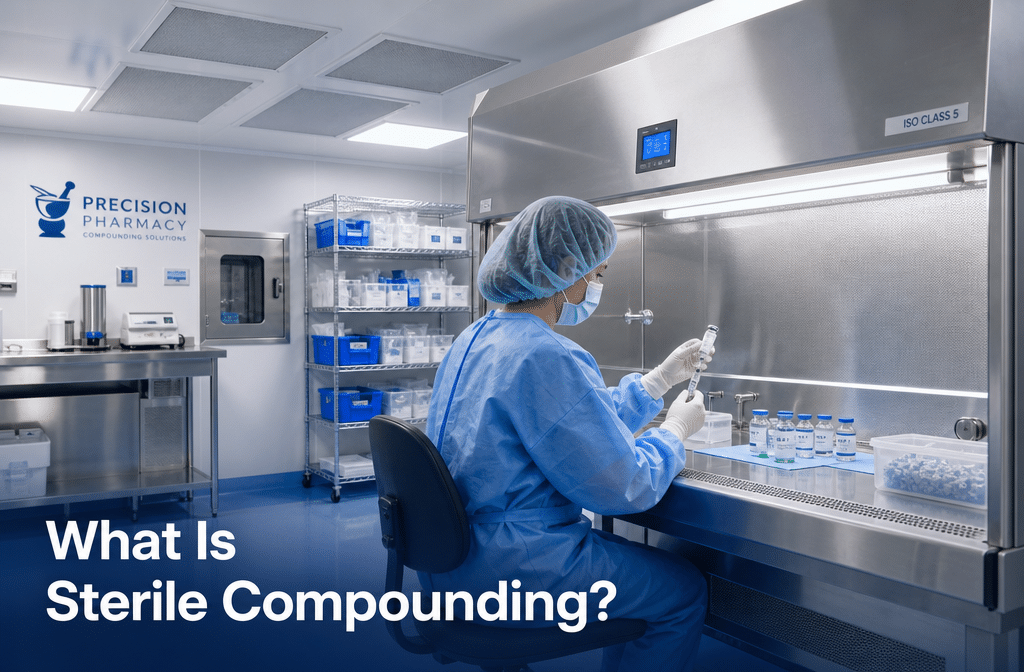
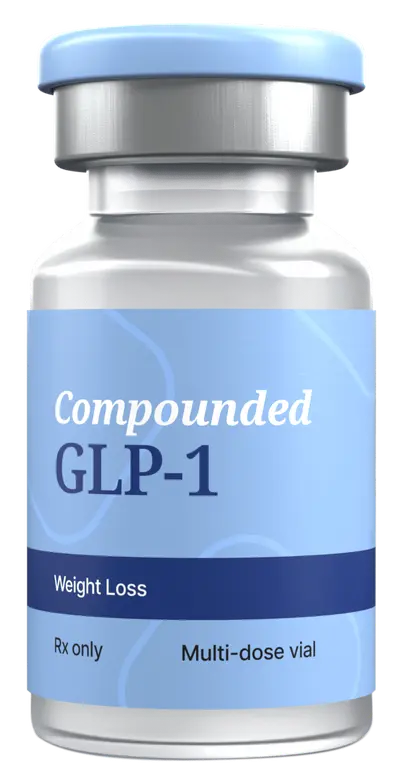
A sterile compounding pharmacy is a licensed facility that custom-prepares injectable or ophthalmic medications in a contamination-controlled environment. Unlike a standard retail pharmacy that dispenses pre-manufactured drugs, a compounding pharmacy builds medications from raw pharmaceutical-grade ingredients to meet a specific patient’s prescription.
7 Best GLP-1 Providers Ranked: Accreditation, Flexibility & Support Compared (2026 Update)
32,000+ Patients Can't All Be Wrong: See the Top-Rated GLP-1 Providers. We compared the leading online GLP-1 providers based on program features, clinical support, convenience, and overall value.
BMI MD GLP-1 Microdosing Plan
- Specialized microdosing options, including sublingual drops and low-dose injections
- Designed for people interested in maintaining weight or gradually adjusting treatment
- Bundled program structure without a separate monthly platform membership
- Online access makes the process convenient from home

DirectMeds Weight Loss Solutions
- Online weight-loss program with a straightforward patient experience
- Compounded medication options through state-licensed compounding pharmacies
- Includes clinical consultation as part of the process
- Provides shipping updates to help patients track their orders
MEDVi Flat-Rate Telehealth
- Flat-rate telehealth approach designed for easier budgeting
- No dosage-based pricing increases within the advertised program structure
- Offers injectable and oral thin-film delivery options
- Includes medical screening and asynchronous provider consultations
Gala GLP-1 Care Program
- Text-based access to state-licensed clinicians
- Cold-chain medication shipping included in the program
- Month-to-month program structure
- Designed for people who value convenient ongoing support
Measured GLP-1 Metabolic Health
- Comprehensive metabolic health screening and intake analysis
- Designed around longer-term metabolic health management
- Responsive dashboard with integrated health tracking tools
- Useful option for patients who value a more data-focused experience
Refills GLP-1 (TryRefills Plan)
- Clinical guidance designed to help patients manage common treatment concerns
- Includes foundational nutritional strategies alongside medication
- Designed around predictable ongoing treatment
- No hidden startup or processing fees according to the program information provided
AltRx GLP-1 Transactional Reorders
- Transactional reorder model without recurring auto-billing
- Designed for patients who already understand their treatment routine
- Fast text-to-order process for convenient reorders
- Offers injectable and fast-dissolving tablet variations
The word “sterile” is the critical distinction. Because GLP-1 medications like semaglutide are administered by injection, any microbial contamination in the product can cause serious infections. Sterile compounding pharmacies use:
- ISO Class 5 cleanrooms with HEPA-filtered air to remove 99.97% of airborne particles
- Laminar airflow workbenches that direct filtered air over the preparation area
- Positive and negative pressure rooms to prevent cross-contamination
- Autoclave sterilization for equipment and containers
- Sterility and endotoxin testing on finished batches before dispensing
These are not the same as regular compounding pharmacies that mix topical creams or oral capsules. The equipment, training, and regulatory requirements are in a different category entirely.
What Is the Difference Between Regular and Sterile Compounding?
Regular compounding (non-sterile) involves mixing oral medications, topical creams, or suppositories. Sterile compounding involves preparing products that enter the bloodstream or eyes directly, where contamination has no barrier to cause harm.
| Feature | Non-Sterile Compounding | Sterile Compounding |
|---|---|---|
| Product types | Creams, capsules, lozenges | Injectables, eye drops, IV fluids |
| Cleanroom required | No | Yes (ISO Class 5 minimum) |
| Endotoxin testing | Not required | Required |
| FDA oversight level | Lower | Higher (503A/503B) |
| Relevant for GLP-1 | No | Yes |
For GLP-1 medications, only sterile compounding applies. If a pharmacy offers compounded semaglutide without a certified cleanroom, that is a red flag.
Why Sterile Compounding Pharmacy Matters for GLP-1 Medications
The reason sterile compounding pharmacy matters for GLP-1 is simple: it is the only legal, affordable pathway to access compounded semaglutide or tirzepatide outside of brand-name products. Ozempic, Wegovy, and Zepbound are effective but cost over $1,000 per month without insurance for most Americans.
During FDA-declared shortage periods, licensed 503A and 503B compounding pharmacies were permitted to compound semaglutide legally. This opened access for millions of patients who were previously priced out. Even as shortage designations shift, compounded GLP-1 medications remain available through compliant pharmacies under valid prescriptions.
Key reasons this matters for GLP-1 patients specifically:
- Cost access: Compounded versions cost a fraction of brand-name pricing.
- Dosage flexibility: Compounders can prepare custom doses for titration schedules that standard pens do not offer.
- Supply reliability: When brand-name supply chains are disrupted, compounding pharmacies can fill gaps.
- Telehealth integration: Most compounding pharmacies work directly with telehealth platforms, making the entire process prescription-to-doorstep.
For a full breakdown of current pricing, see the Cost of GLP-1 Without Insurance: 2026 Full Price Guide.
How Much Cheaper Are Compounded GLP-1 Drugs Compared to Name Brands?
Compounded semaglutide typically costs $150 to $400 per month, compared to $900 to $1,300+ per month for brand-name Wegovy or Ozempic without insurance. That is a savings of 60% to 85% for most patients.
Here is a realistic cost comparison for 2026:
| Medication | Type | Monthly Cost (No Insurance) |
|---|---|---|
| Wegovy (2.4mg) | Brand-name | $1,100 – $1,350 |
| Ozempic (1mg) | Brand-name | $900 – $1,100 |
| Compounded Semaglutide | Compounded | $150 – $400 |
| Zepbound (tirzepatide) | Brand-name | $1,000 – $1,200 |
| Compounded Tirzepatide | Compounded | $250 – $500 |
DirectMeds GLP1 Semaglutide stands out as one of the most affordable options in 2026, combining telehealth consultation with pharmacy fulfillment at a price point that makes long-term treatment realistic for most budgets. If cost is your primary barrier to starting a GLP-1 program, get started with DirectMeds GLP1 here.
You can also compare options in our guide to the most affordable GLP-1 without insurance.

Are Compounded Weight Loss Medications Safe?
Compounded GLP-1 medications are generally safe when prepared by a properly licensed sterile compounding pharmacy following USP 797 and USP 800 standards. The risk is not in the active ingredient itself but in the preparation environment and the source of raw materials.
Safety depends on three factors:
- Pharmacy accreditation: Look for PCAB (Pharmacy Compounding Accreditation Board) accreditation or 503B outsourcing facility status.
- Raw ingredient sourcing: The active pharmaceutical ingredient (API) must come from an FDA-registered supplier, not an unverified overseas source.
- Testing protocols: Reputable pharmacies conduct sterility testing, potency testing, and endotoxin testing on every batch.
The FDA has issued warnings about compounded semaglutide from facilities that used salt forms of semaglutide (such as semaglutide sodium or acetate) rather than the base form used in approved drugs. Always confirm with your pharmacy which form they use.
For guidance on safe storage after receiving your medication, see our article on how to store compounded semaglutide at home.
What Risks Should I Know About Sterile Compounding?
The main risks with compounded GLP-1 medications are contamination from substandard facilities, incorrect dosing from poor formulation, and purchasing from unlicensed online sellers. These risks are avoidable but require due diligence.
Specific risks to know:
- Microbial contamination: Injectables prepared outside certified cleanrooms can carry bacteria or fungi that cause serious infections.
- Incorrect potency: Without proper testing, a vial labeled 1mg may contain significantly more or less active drug.
- Unapproved additives: Some compounders add B12 or other compounds without evidence of safety or efficacy in the combination.
- Counterfeit products: Online sellers without pharmacy licenses may ship products with no active ingredient at all.
The safest approach is to use a telehealth platform that partners with verified 503B facilities and provides lab testing documentation. DirectMeds GLP1 Semaglutide sources from compliant pharmacies and includes licensed provider oversight, which reduces these risks significantly. Check your eligibility with DirectMeds today.
What FDA Regulations Apply to Compounding Pharmacies?
The FDA regulates compounding pharmacies under two main frameworks established by the Drug Quality and Security Act (DQSA) of 2013. Section 503A covers traditional compounding pharmacies that fill individual patient prescriptions. Section 503B covers outsourcing facilities that can produce larger batches without individual prescriptions but are subject to more rigorous FDA inspection.
Key regulatory points:
- 503A pharmacies must have a valid patient-specific prescription before compounding.
- 503B outsourcing facilities register with the FDA, are subject to current Good Manufacturing Practice (cGMP) standards, and undergo regular FDA inspections.
- Both must follow USP 797 standards for sterile preparation.
- The FDA can place active pharmaceutical ingredients on a Difficult to Compound (DTC) list, which would prohibit compounding of that substance.
- During drug shortage periods, the FDA has historically allowed compounding of shortage drugs, including semaglutide.
For context on how FDA approvals affect your medication options, see our overview of FDA-approved liver disease treatments as a reference for how the agency evaluates drug access pathways.
Who Can Get Compounded GLP-1 Medications?
Most adults with a BMI of 30 or higher, or a BMI of 27 or higher with a weight-related condition such as type 2 diabetes or hypertension, qualify for a compounded GLP-1 prescription. A licensed healthcare provider must evaluate you and write the prescription.
You are a good candidate if:
- You cannot afford brand-name Ozempic, Wegovy, or Zepbound
- Your insurance denies coverage for GLP-1 medications
- You have been unable to access brand-name medications due to supply shortages
- You prefer the dosage flexibility that compounded formulations offer during titration
For a step-by-step guide to the dosing process, see our semaglutide injections dosage guide.
Which Patients Should Not Use Compounded Weight Loss Drugs?
Compounded GLP-1 medications are not appropriate for everyone. Patients with a personal or family history of medullary thyroid carcinoma (MTC) or Multiple Endocrine Neoplasia syndrome type 2 (MEN 2) should not use semaglutide or tirzepatide in any form.
Additional contraindications include:
- Active pancreatitis or a history of severe pancreatitis
- Severe gastrointestinal disease (gastroparesis)
- Pregnancy or breastfeeding
- Known hypersensitivity to semaglutide or tirzepatide
- Severe kidney disease (depending on dosage and formulation)
Even if you meet the weight criteria, a licensed provider must review your full medical history before prescribing. This is a non-negotiable step, and any platform that skips this evaluation is operating outside legal and ethical standards.
What Common Mistakes Do People Make with Compounded Medications?
The most common mistake is ordering compounded GLP-1 medications from online sellers that are not licensed pharmacies. These products may look legitimate but carry serious contamination and dosing risks.
Other frequent mistakes:
- Skipping the medical consultation to save time or money, resulting in no legitimate prescription
- Ignoring cold-chain storage requirements after delivery (compounded semaglutide must be refrigerated)
- Self-adjusting doses without provider guidance, increasing side effect risk
- Choosing the cheapest option without verifying accreditation, which often signals a substandard facility
- Not confirming the salt form of semaglutide used by the pharmacy (base form is required, not sodium or acetate)
Our guide on how to verify a legitimate compounding pharmacy walks through each verification step in detail.
How Do I Find a Reputable Sterile Compounding Pharmacy for GLP-1?
A reputable sterile compounding pharmacy for GLP-1 will hold PCAB accreditation or 503B outsourcing facility status, use FDA-registered API suppliers, and provide batch testing documentation on request. The easiest way to access one is through a licensed telehealth platform that has already vetted its pharmacy partners.
Steps to verify a pharmacy:
- Search the FDA’s 503B Outsourcing Facility database at fda.gov
- Check for PCAB accreditation at pcab.pharmacy
- Ask for a Certificate of Analysis (CoA) showing potency and sterility test results
- Confirm the pharmacy requires a valid prescription before dispensing
- Verify the pharmacy uses base semaglutide, not a salt form
DirectMeds GLP1 Semaglutide connects patients with verified compounding pharmacy partners, handles the telehealth consultation, and ships directly to your door, removing the guesswork from this process entirely. Start your GLP-1 journey with DirectMeds here.
Can Insurance Cover Compounded GLP-1 Prescriptions?
Insurance almost never covers compounded GLP-1 medications. Most insurers only reimburse FDA-approved brand-name drugs, and compounded medications are not FDA-approved products by definition.
However, there are a few workarounds worth exploring:
- HSA/FSA accounts can often be used to pay for compounded prescriptions with a valid medical prescription.
- Employer-sponsored plans occasionally cover compounded medications if a brand-name equivalent is unavailable or unaffordable.
- Medicare and Medicaid do not cover compounded GLP-1 medications as of 2026.
If you want to pursue brand-name coverage, our guide on how to get GLP-1 covered by insurance and how to appeal an insurance denial for semaglutide cover the appeal process in detail. For most people, the cost savings from compounded options make the insurance question less urgent.

FAQ
What is a sterile compounding pharmacy in simple terms?
A sterile compounding pharmacy is a licensed facility that prepares injectable medications in a contamination-free cleanroom. It custom-makes drugs like semaglutide from pharmaceutical-grade ingredients based on a patient’s prescription, under strict safety and regulatory standards.
Is compounded semaglutide the same as Ozempic or Wegovy?
Compounded semaglutide contains the same active ingredient as Ozempic and Wegovy but is not manufactured by Novo Nordisk and is not FDA-approved as a finished drug product. The quality depends entirely on the compounding pharmacy’s standards and testing protocols.
How do I know if a compounding pharmacy is legitimate?
Check the FDA’s 503B Outsourcing Facility database, look for PCAB accreditation, and request a Certificate of Analysis for the batch. Any pharmacy that ships without a prescription or refuses to provide testing documentation should be avoided.
What equipment do sterile compounding pharmacies use?
They use ISO Class 5 laminar airflow workbenches, HEPA filtration systems, autoclaves for sterilization, isolators, and analytical equipment for sterility, potency, and endotoxin testing. This equipment is what separates a legitimate sterile compounder from a general pharmacy.
Can I get compounded tirzepatide as well as semaglutide?
Yes. Compounded tirzepatide has been available through 503A and 503B pharmacies, though its regulatory status has shifted as Zepbound supply has improved. Always confirm current availability with your provider or pharmacy.
How long does it take to receive compounded GLP-1 medication?
Most telehealth platforms that partner with compounding pharmacies ship within 3 to 7 business days after your prescription is approved. Expedited shipping is available through many providers.
Do I need a prescription for compounded semaglutide?
Yes, always. Any source selling compounded semaglutide without a valid prescription from a licensed provider is operating illegally. This is a non-negotiable legal and safety requirement.
What is the difference between 503A and 503B compounding pharmacies?
503A pharmacies compound for individual patient prescriptions and are primarily regulated by state boards of pharmacy. 503B outsourcing facilities can produce larger batches, register with the FDA, and are subject to cGMP standards and regular FDA inspections, making them generally higher-risk-controlled for injectable medications.
Is DirectMeds a legitimate GLP-1 provider?
DirectMeds GLP1 Semaglutide connects patients with licensed providers and verified compounding pharmacies. It is among the most affordable and accessible telehealth GLP-1 programs available in 2026. Learn more and check your eligibility here.
7 Best GLP-1 Providers Ranked: Accreditation, Flexibility & Support Compared (2026 Update)
32,000+ Patients Can't All Be Wrong: See the Top-Rated GLP-1 Providers: Compared on accreditation, plan flexibility, and patient support — updated for 2026.
BMI MD GLP-1 Microdosing Plan
- Specialized microdosing options (sublingual drops or low-dose injections)
- Ideal for maintaining weight or tapering off higher doses safely
- Fully bundled plan with no hidden monthly platform memberships
DirectMeds Weight Loss Solutions
- Sourced from accredited, state-licensed 503A compounding pharmacies
- No-frills high-volume savings passed directly to the patient
- Includes clinical consultation and cold-chain shipping updates
MEDVi Flat-Rate Telehealth
- Flat monthly rate holds steady even at maximum maintenance doses
- No dosage upcharges or graduation fee penalties
- Offers both injectable and advanced oral thin-film delivery options
Gala GLP-1 Care Program
- All-inclusive plan with no standalone membership costs
- Continuous text-based messaging access with state-licensed clinicians
- Temperature-controlled, cold-chain medication shipping included
Measured GLP-1 Metabolic Health
- Comprehensive metabolic health screening and expert intake analysis
- Predictable long-term budgeting with stable plan pricing
- High-end responsive dashboard with integrated diagnostic support
Refills GLP-1 (TryRefills Plan)
- Flat rate holds steady as titration scales up
- Includes clinical guides for active side-effect management
- Bundles in foundational nutritional strategies alongside medication
AltRx GLP-1 Transactional Reorders
- Zero recurring auto-billing — pay entirely on a transactional basis
- Rapid text-to-order format saves time for experienced patients
- Provides both injectable forms and fast-dissolving tablet variations
Conclusion
Understanding sterile compounding pharmacy and why it matters for GLP-1 is not just an academic exercise. For millions of adults who need semaglutide or tirzepatide but cannot pay $1,000 or more per month, compounding pharmacies are the practical gateway to treatment that actually works.
The key is choosing the right source. A properly accredited 503B facility or PCAB-certified pharmacy, accessed through a licensed telehealth provider, gives you the safety standards of a regulated environment at a fraction of brand-name cost. Skip the verification steps, and you take on real risk with an injectable medication.
Your next steps:
- Confirm you meet the basic eligibility criteria (BMI 30+, or 27+ with a qualifying condition).
- Use a telehealth platform with verified pharmacy partnerships, not an unverified online seller.
- Ask for a Certificate of Analysis before your first injection.
- Store your medication correctly and follow your provider’s titration schedule.
- Start with DirectMeds GLP1 Semaglutide for one of the most affordable, provider-supervised compounded semaglutide programs in 2026.
If cost has been your barrier to starting a GLP-1 program, there is now a medically sound, legally compliant, and affordable path forward. Click here to get started with DirectMeds GLP1 today.
References
- The clinical pharmacology and safety profile of semaglutide is detailed in research published in the New England Journal of Medicine (Wilding et al., 2021).
- FDA guidance on compounding under the DQSA is available through the U.S. Food and Drug Administration’s compounding page.
- USP Chapter 797 sterile compounding standards are maintained by the United States Pharmacopeia.
- Tirzepatide clinical outcomes are documented in the SURMOUNT-1 trial published in the New England Journal of Medicine (Jastreboff et al., 2022).
- An overview of GLP-1 receptor agonist mechanisms and clinical applications is available via PubMed Central (Nauck & Meier, 2019).
Tags: sterile compounding pharmacy, GLP-1 medications, compounded semaglutide, compounded tirzepatide, semaglutide cost, weight loss injections, FDA compounding regulations, 503B pharmacy, Ozempic alternative, Wegovy alternative, telehealth GLP-1, affordable semaglutide