
Cost of GLP 1 Without Insurance (2026): Ozempic, Wegovy, and Zepbound Price List


If you don’t have insurance coverage, the cost of GLP-1 medications can feel completely out of reach.
Here’s the reality: Cost of GLP 1 Without Insurance coverage, medications like Ozempic, Wegovy, and Zepbound can still carry list prices exceeding $1,000 per month.
But that’s not what most people actually pay in 2026. Thanks to new self-pay programs and pricing models, real-world costs can drop dramatically—sometimes to $199–$449 per month depending on the drug and dose.
7 Best GLP-1 Providers Ranked: Accreditation, Flexibility & Support Compared (2026 Update)
32,000+ Patients Can't All Be Wrong: See the Top-Rated GLP-1 Providers. We compared the leading online GLP-1 providers based on program features, clinical support, convenience, and overall value.
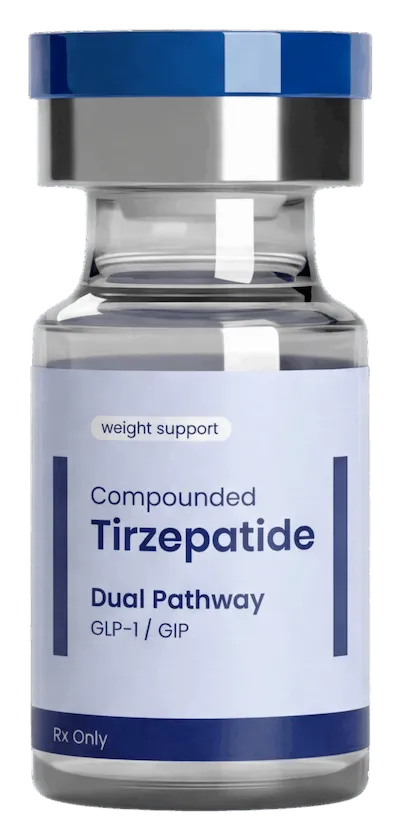
BMI MD GLP-1 Microdosing Plan
- Specialized microdosing options, including sublingual drops and low-dose injections
- Designed for people interested in maintaining weight or gradually adjusting treatment
- Bundled program structure without a separate monthly platform membership
- Online access makes the process convenient from home

DirectMeds Weight Loss Solutions
- Online weight-loss program with a straightforward patient experience
- Compounded medication options through state-licensed compounding pharmacies
- Includes clinical consultation as part of the process
- Provides shipping updates to help patients track their orders
MEDVi Flat-Rate Telehealth
- Flat-rate telehealth approach designed for easier budgeting
- No dosage-based pricing increases within the advertised program structure
- Offers injectable and oral thin-film delivery options
- Includes medical screening and asynchronous provider consultations
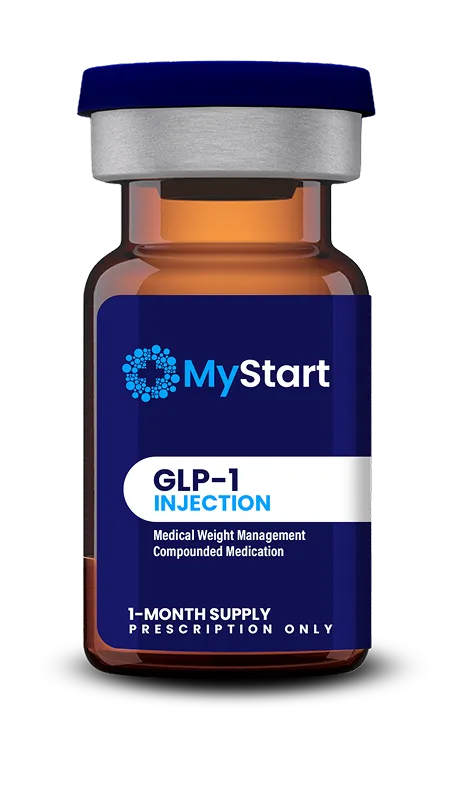
Gala GLP-1 Care Program
- Text-based access to state-licensed clinicians
- Cold-chain medication shipping included in the program
- Month-to-month program structure
- Designed for people who value convenient ongoing support
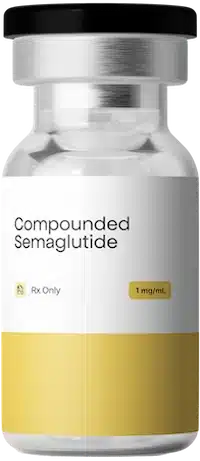
Measured GLP-1 Metabolic Health
- Comprehensive metabolic health screening and intake analysis
- Designed around longer-term metabolic health management
- Responsive dashboard with integrated health tracking tools
- Useful option for patients who value a more data-focused experience
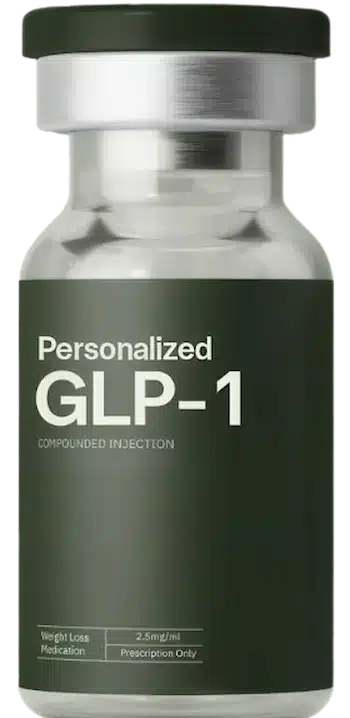
Refills GLP-1 (TryRefills Plan)
- Clinical guidance designed to help patients manage common treatment concerns
- Includes foundational nutritional strategies alongside medication
- Designed around predictable ongoing treatment
- No hidden startup or processing fees according to the program information provided
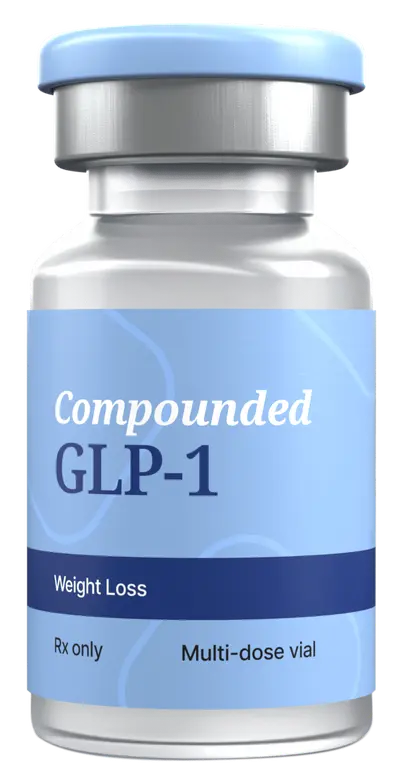
AltRx GLP-1 Transactional Reorders
- Transactional reorder model without recurring auto-billing
- Designed for patients who already understand their treatment routine
- Fast text-to-order process for convenient reorders
- Offers injectable and fast-dissolving tablet variations
The problem? These lower prices aren’t obvious—and most patients never find them.
Quick Answer: The cost of GLP-1 without insurance ranges from $149 to $1,349 per month in 2026, depending on the medication and whether you use a brand-name drug or a compounded alternative. Brand-name injectables like Ozempic and Wegovy run $935–$1,349/month, while compounded semaglutide from regulated pharmacies costs $200–$400/month, and the new Wegovy pill starts as low as $149/month. [1][2]

Quick Summary — Read This First
- Brand-name GLP-1 injectables cost $900–$1,349 per month without insurance, adding up to $10,800–$16,188 annually [1]
- Compounded semaglutide from FDA-regulated 503B pharmacies costs $200–$400/month, saving up to 70% vs. brand-name pricing [1]
- The new Wegovy pill starts at $149/month for the 1.5 mg dose, making it the most affordable branded GLP-1 option in 2026 [2]
- Manufacturer savings programs can cut costs to $25–$200/month for eligible patients with commercial insurance [1]
- Medicare Part D coverage for GLP-1s is expanding in 2026, with a bridge program offering $245/month pricing starting July 2026 [4]
- Telehealth platforms often offer the lowest prices for compounded GLP-1s, sometimes as low as $99–$199/month [2]
- Tirzepatide medications (Mounjaro, Zepbound) cost $1,023–$1,349/month uninsured, but manufacturer programs reduce Zepbound to $299–$449/month [3]
- If insurance denies your claim, you have options — including appeals, savings cards, and compounded alternatives
7 Best GLP-1 TrumpRx List Coupons — 2026 Comparison
Ranked by pricing transparency, clinician support, and verified customer reviews. Updated June 2026.
DirectMeds
Lowest all-in pricing, no subscription lock-in, and free clinician follow-ups for the full treatment period.
BmiMD
Strong telehealth platform with same-day clinician approval.
MEDVi
Good for first-time users with a free initial consult.
SHED GLP-1
Widest dosage flexibility across treatment plans.
Measured
Budget-friendly option with month-to-month billing.
Refills
Streamlined application setup with direct local compound pharmacy routing.
AltRx
Comprehensive entry tier program covering baseline insurance coordination options.
Advertising Disclosure: We may earn a commission if you sign up through links on this page, at no extra cost to you.
What Is the Actual Cost of GLP-1 Without Insurance in 2026?
The cost of GLP-1 without insurance in 2026 varies widely based on the drug, the form (injectable vs. pill), and where you get it. Brand-name options are expensive, but affordable alternatives exist if you know where to look.
Here’s a clear breakdown of current pricing:
| Medication | Type | Monthly Cost (No Insurance) |
|---|---|---|
| Ozempic (semaglutide) | Injectable | $935–$1,200 [1] |
| Wegovy (semaglutide) | Injectable | $1,200–$1,349 [1] |
| Wegovy (semaglutide) | Pill (1.5–4 mg) | $149–$199 [2] |
| Wegovy (semaglutide) | Pill (9–25 mg) | $299 [2] |
| Mounjaro (tirzepatide) | Injectable | $1,023–$1,349 [1] |
| Zepbound (tirzepatide) | Injectable | $299–$449 (via Lilly program) [3] |
| Compounded semaglutide | Injectable | $200–$400 [1] |
| Compounded semaglutide | Flat-rate telehealth | $99–$199 [2] |
Decision rule: If you’re paying full price with no assistance, compounded semaglutide or the new Wegovy pill are the most cost-effective starting points. If you have commercial insurance, always check manufacturer savings cards first.
For a deeper look at semaglutide-specific pricing, see this complete semaglutide cost breakdown for 2026.
At a Glance: Top 3 Affordable GLP-1 Providers
Use this table to find the program that fits your specific medical and financial needs.
We have listed the “🥇 Gold Standard“, ” 🥈 Silver Standard“, and lastly the ” 🥉Bronze Standard” GLP-1 products of 2026 in the united states.
| Service | Best For | Cost/(Mo.) | Key Feature | Medical Oversight |
|---|---|---|---|---|
| 🥇 DirectMeds (Henry Meds) | Premium results on a budget | $297+ | Most established telehealth provider | High-touch clinical support. Network of 600+ U.S. doctors |
| 🥈MyStart GLP-1 | Predictable flat-rate pricing | $254 (flat rate) | Price never increases with dosage | Includes physician & coaching |
| 🥉MEDVi GLP-1 | Absolute lowest cost | $99 – $399 | Price-match guarantee, broad access | U.S. licensed doctors |
The 3 Most Affordable GLP 1 Without Insurance (2026 Ranked)
🥇 #1 Best Overall: Zepbound (Triple-Action Option)
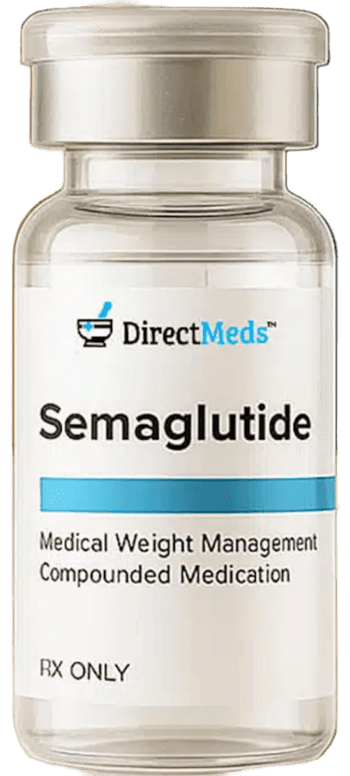
🥇 Best Overall (9.9/10)
DirectMeds GLP1 provides a budget-friendly alternative to Ozempic/Wegovy while maintaining strong appetite control and weekly fat loss results. Everything is included—from telehealth visits to medication shipping—making it ideal for people wanting premium results at the lowest cost.
DirectMeds is a LegitScript-certified telehealth platform that connects patients with licensed U.S. physicians who evaluate whether compounded GLP-1 medications are clinically appropriate.
It is one of the most established providers in this space and is particularly well-suited to patients who want high-touch clinical oversight without paying brand-name prices.
How it works: Complete a secure online health intake form. A licensed medical provider reviews your profile and determines eligibility. If approved, your prescription is sent to a certified U.S. compounding pharmacy and medication is shipped directly to your door. All-inclusive pricing covers medical consultation, medication, and 24/7 support — no surprise charges.
◉ Clinical Note: DirectMeds’ LegitScript certification is a meaningful differentiator in this market. It requires compliance with pharmacy laws, prescription standards, and advertising guidelines — reducing the risk of receiving substandard compounded medications. For patients new to telehealth GLP-1 programs, this certification provides a meaningful layer of accountability. — Dr. Sarah Jenkins, Co-Author
🎯 Ideal for: Patients who want an established, verified provider with strong clinical support and are comfortable paying slightly more than the absolute floor price for greater peace of mind.
🥈#2 Best for Long-Term Cost Certainty: MyStart GLP-1
🥈 Silver Standard — Best Flat-Rate Pricing
- Rating: ⭐️⭐️⭐️⭐️⭐️ – (9.9/10) High Potency GLP1
MyStart GLP-1 offers a smooth, beginner-friendly GLP-1 program using FDA-backed medications and simple weekly injections or tablets. Great for people wanting easy onboarding, rapid fat loss, and physician oversight—without the high price of traditional clinics.
MyStart GLP-1 uses a unique flat-rate membership model where your medication cost is fixed regardless of how high your therapeutic dose increases over time. For patients who will be on GLP-1 therapy for 12 months or more, this pricing structure can save $600 to $1,800 annually compared to platforms that charge progressively more as doses escalate.
How it works: Pay a monthly membership ($79) plus a flat medication fee (e.g., $175 for compounded semaglutide). The combined total stays fixed at $254 per month from starter dose through maximum maintenance dose. Medical consultation, all medication, dedicated care team access, and nutritional coaching are included.
◉ Clinical Note: The flat-rate model is financially sound for long-term GLP-1 use. GLP-1 therapy is most effective when sustained for 12+ months, and avoiding dose-related price increases removes a common reason patients discontinue treatment early. The included nutritional coaching adds meaningful clinical value, as sustainable weight loss requires both medication and lifestyle change. — Dr. Sarah Jenkins, Co-Author
🎯 Ideal for: Patients committed to long-term treatment (12+ months) who want price certainty as doses increase, and who value behavioral coaching as part of their program.
Best for: People who want a more advanced GLP-1 approach at a reduced price. 👉 SKIP THE WAITLIST. START FOR $199
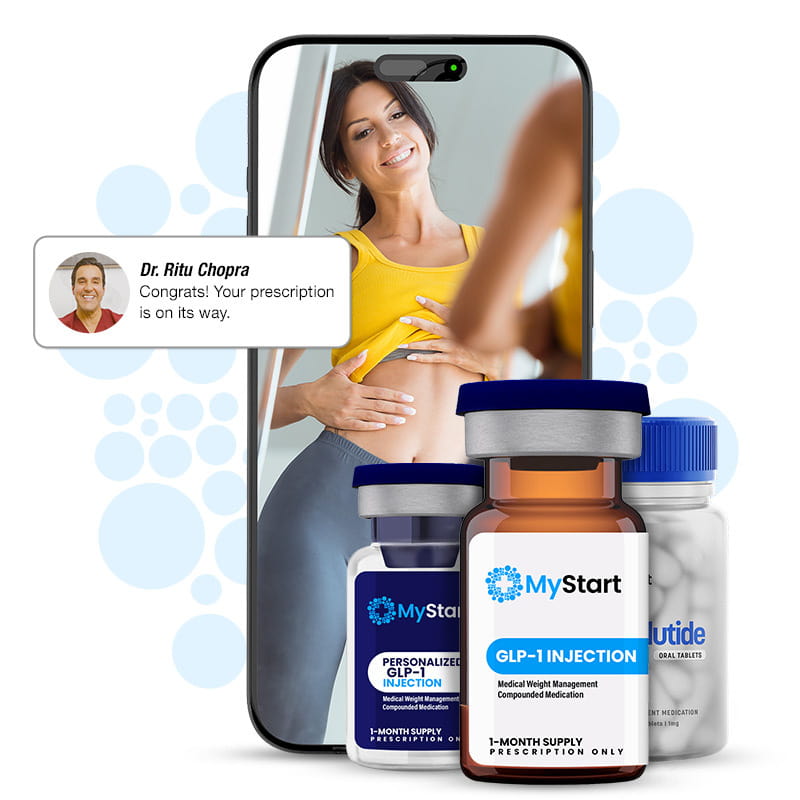
Thousands of people are losing weight with MyStart GLP-1 medications. People like you are transforming their lives, feeling better, and looking their best with the help of GLP-1 (Dual-Action Option) medications.
🥉 #3 Best for Absolute Lowest Entry Cost: MEDVi GLP-1
🥉 Bronze Standard — Lowest Entry Price
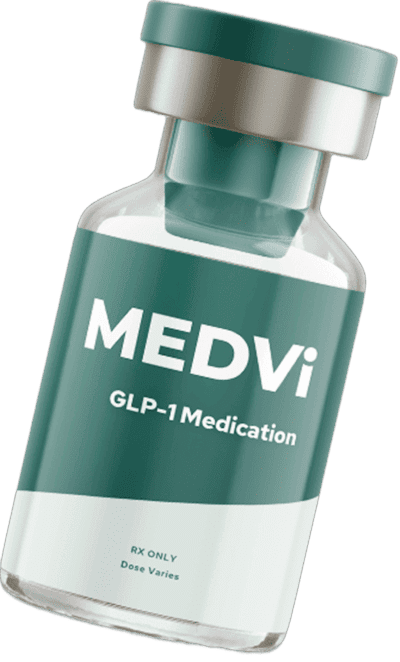
- Rating: ⭐️⭐️⭐️⭐️⭐️ – (9.9/10) Excellent
MEDVi GLP-1 delivers fast, medical-grade weight loss with doctor-guided dosing and personalized coaching. Patients report losing 1–3 lbs per week with steady appetite control and reduced cravings. Qualify in minutes and access 600+ U.S. doctors with no membership fees.
MEDVi offers the most accessible entry price point in the compounded GLP-1 market, with starter doses beginning as low as $99 per month and a published price-match guarantee.
The platform provides both injectable and oral compounded GLP-1 options, giving prescribers flexibility to match the medication form to the patient. Clinical follow-up is primarily quarterly rather than monthly, which keeps costs lower but means less frequent dose adjustment guidance than the two options above.
How it works: Complete an online consultation. If qualified, your prescription is sent to a partner compounding pharmacy and medication is shipped to you within 48 hours. Customer support is available, and clinical check-ins are typically quarterly. No membership fees are charged on top of medication pricing.
◉ Clinical Note: MEDVi is a legitimate, cost-effective option for budget-focused patients who have researched compounded medications and are comfortable with less frequent clinical contact. Always ask your provider which specific compounding pharmacy fulfills your prescription — a reputable 503A or 503B state-licensed pharmacy is non-negotiable for safety. — Dr. Sarah Jenkins, Co-Author
🎯 Ideal for: Budget-focused patients who have done their research on compounded GLP-1 medications, are comfortable managing more of their own care independently, and want the lowest possible entry price with a price-match guarantee.
Why Are Brand-Name GLP-1 Medications So Expensive Without Insurance?
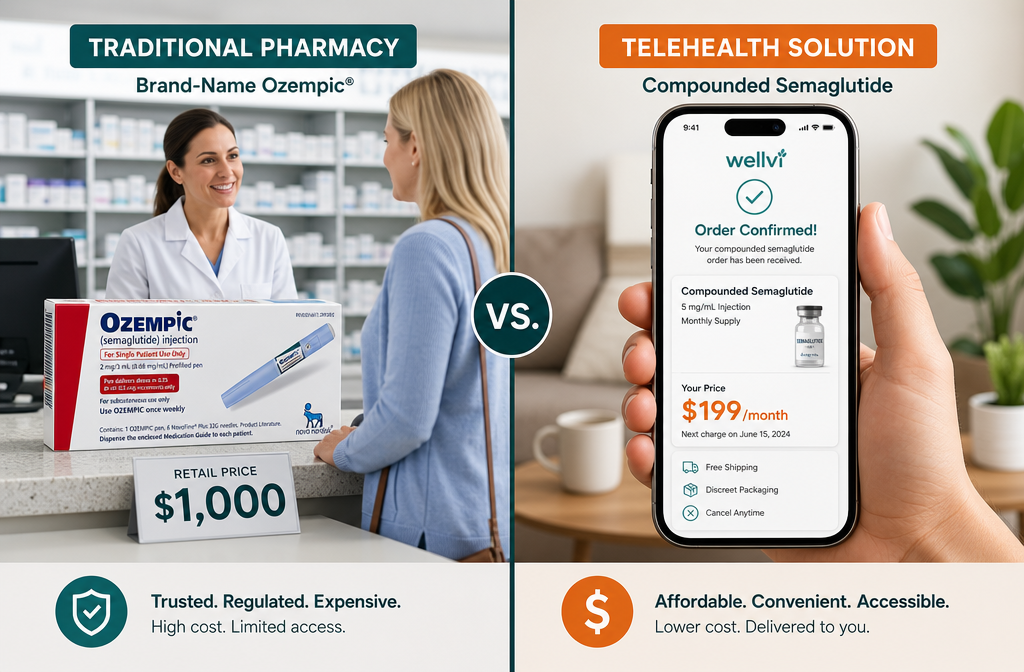
Brand-name GLP-1 drugs are expensive because of research and development costs, patent protections, and limited competition. Without insurance negotiating on your behalf, you pay the full list price, which manufacturers set based on market positioning rather than production cost.
Ozempic and Wegovy are made by Novo Nordisk. Mounjaro and Zepbound come from Eli Lilly. Both companies have recently adjusted pricing in response to public pressure and policy changes.
What’s changing in 2026:
- Novo Nordisk reduced Ozempic and Wegovy co-pay card pricing to $350/month (down from $499/month) for eligible patients [3]
- Eli Lilly now offers Zepbound multi-dose pens at $299–$449/month through transitional programs (down from $349–$499/month) [3]
- These reductions apply to specific programs, not automatically to all uninsured patients
Common mistake: Many people assume they can’t afford GLP-1s without insurance and give up without checking manufacturer programs. That’s leaving real money on the table.
Annual costs without any assistance can reach $10,800 to $16,188 depending on which medication you use [1]. That’s a number worth fighting to reduce.
Brand-Name vs. Compounded GLP-1: Which Costs Less Without Insurance?

Compounded semaglutide costs significantly less than brand-name GLP-1 medications without insurance. The savings can reach 70% or more compared to Ozempic or Wegovy injectables. [1]
Brand-name GLP-1s (no insurance):
- Ozempic: $935–$1,200/month
- Wegovy injectable: $1,200–$1,349/month
- Mounjaro: $1,023–$1,349/month
Compounded semaglutide options:
- 503B FDA-regulated pharmacy: $200–$400/month [1]
- Telehealth flat-rate services: $99–$199/month [2]
- Some services (like Kongo) offer semaglutide at a flat $99/month through NABP-accredited, LegitScript-verified U.S. pharmacies [2]
What is a 503B pharmacy? These are FDA-regulated outsourcing facilities that must meet strict safety and quality standards. They’re not the same as a random online pharmacy. Compounded medications from 503B facilities are a legitimate, regulated option — though they are not FDA-approved products in the same way brand-name drugs are.
Choose compounded if: You’re paying entirely out of pocket, you’ve been priced out of brand-name options, and you’re working with a licensed telehealth provider who can monitor your progress.
Choose brand-name if: You have commercial insurance with partial coverage, or you qualify for a manufacturer savings program that brings your cost below $200/month.
For a full comparison of your cheapest options, check out the most affordable GLP-1 medications without insurance.
What Savings Programs Exist for GLP-1 Costs Without Insurance?
Several manufacturer programs and third-party tools can significantly reduce GLP-1 costs, even without insurance. These aren’t well-advertised, but they’re real and worth pursuing.
Novo Nordisk programs (Ozempic and Wegovy):
- NovoCare savings card: Reduces cost to $25–$200/month for patients with commercial insurance or specific income criteria [1]
- Updated co-pay cards now cap monthly costs at $350/month for eligible uninsured patients [3]
- Note: These typically exclude Medicare and Medicaid patients
Eli Lilly programs (Mounjaro and Zepbound):
- Savings cards cap Mounjaro and Zepbound at $25–$150/month for commercially insured patients [1]
- Transitional programs offer Zepbound at $299–$449/month for uninsured patients [3]
- See our guide on the Mounjaro $25 coupon for uninsured patients to understand who actually qualifies
GoodRx and pharmacy discount programs:
- GoodRx coupons can reduce Wegovy costs by up to 70% at participating pharmacies
- Prices vary significantly between pharmacies — up to $200 difference for tirzepatide depending on location [1]
- See GoodRx Wegovy coupons for uninsured patients for current discount codes
Step-by-step to find the lowest price:
- Check the manufacturer’s official savings card (NovoCare or Lilly Cares)
- Run your medication through GoodRx and compare at 3–5 local pharmacies
- Ask your doctor about telehealth platforms with compounded semaglutide
- If denied by insurance, consider filing an appeal (more on that below)
How Does Medicare and Medicaid Coverage Affect GLP-1 Costs?

Medicare and Medicaid coverage for GLP-1 medications is expanding significantly in 2026 and 2027. If you’re on Medicare, you may have access to lower pricing sooner than you think.
Medicare GLP-1 Bridge Program: Starting July 2026, eligible Medicare Part D beneficiaries can access GLP-1 drugs through a short-term demonstration program at a net price of $245 per monthly supply [4]. This is a major development for seniors who’ve been priced out entirely.
BALANCE Model expansion:
- Medicaid access to GLP-1s for weight loss launches as early as May 2026 for participating states [4]
- Full Medicare Part D access expands in January 2027 [4]
- Eligible Medicare patients with a weight loss indication will pay a $50 copay [3]
Important caveat: Manufacturer savings cards (the $25–$150/month programs) typically exclude Medicare and Medicaid patients [1]. The new government programs are specifically designed to fill that gap.
If you’re on Medicare right now: Contact your Part D plan directly and ask about the GLP-1 Bridge Program. Coverage eligibility and enrollment details are available through CMS [4].
For patients whose insurance has denied coverage, our guide on how to appeal an insurance denial for semaglutide walks through the process step by step.
What Are the Cheapest Ways to Get GLP-1 Medications Without Insurance?
The cheapest ways to access GLP-1 medications without insurance in 2026 are telehealth platforms offering compounded semaglutide, the new Wegovy pill, and manufacturer transition programs for tirzepatide. Prices start as low as $99/month.
Ranked from lowest to highest monthly cost:
- Telehealth flat-rate compounded semaglutide — $99–$199/month [2]
- Wegovy pill (1.5 mg dose) — $149/month [2]
- Wegovy pill (4 mg dose) — $199/month [2]
- Compounded semaglutide (503B pharmacy) — $200–$400/month [1]
- Wegovy pill (9–25 mg dose) — $299/month [2]
- Zepbound via Lilly transitional program — $299–$449/month [3]
- Ozempic with NovoCare savings — $350/month [3]
- Brand-name Ozempic, full price — $935–$1,200/month [1]
Edge case to know: The Wegovy pill is a newer option and may not be appropriate for everyone. Dosing is different from the injectable, and your prescriber needs to assess which form is right for your situation.
For a side-by-side comparison of oral vs. injectable semaglutide costs, see semaglutide pills vs. injections cost comparison.
Also worth reviewing: the 7 cheapest GLP-1 options without insurance for a ranked breakdown with current pricing.
Is It Safe to Use Compounded GLP-1 Medications?
Compounded semaglutide from a licensed 503B facility can be a safe option when prescribed and monitored by a licensed healthcare provider. However, not all compounding pharmacies are equal, and the source matters significantly.
What makes a compounded GLP-1 safer:
- Sourced from an FDA-regulated 503B outsourcing facility
- Prescribed through a licensed telehealth provider or physician
- Pharmacy is NABP-accredited and LegitScript-verified [2]
- Regular follow-up and dosage monitoring included in the service
What to avoid:
- Unverified online pharmacies with no licensing information
- Services that don’t require a consultation or prescription
- “Peptide” sellers marketing semaglutide as a research chemical
FDA status note: Compounded semaglutide is not an FDA-approved product. It’s prepared under FDA oversight (for 503B facilities) but is distinct from brand-name Ozempic or Wegovy. This is worth discussing with your doctor.
Side effects for compounded semaglutide are generally similar to the brand-name version: nausea, vomiting, and GI discomfort are the most common, especially when starting or increasing doses.

Frequently Asked Questions About GLP-1 Costs Without Insurance
How much does GLP-1 cost per month without insurance?
Brand-name GLP-1 injectables cost $935–$1,349/month without insurance. Compounded semaglutide costs $200–$400/month, and the Wegovy pill starts at $149/month. [1][2]
What is the cheapest GLP-1 medication available in 2026?
The cheapest options are telehealth-based compounded semaglutide at $99–$199/month and the Wegovy pill at $149/month for the starting dose. [2]
Can I get GLP-1 medications for $25/month?
The $25/month savings cards from Novo Nordisk and Eli Lilly are primarily for patients with commercial insurance. Most uninsured patients do not qualify for the $25 tier. [1]
Does Medicare cover GLP-1 drugs for weight loss?
Starting July 2026, eligible Medicare Part D beneficiaries can access GLP-1s through the Medicare GLP-1 Bridge Program at $245/month. Full Part D coverage for weight loss expands in January 2027. [4]
Is compounded semaglutide legal?
Yes, compounded semaglutide from a licensed 503B pharmacy is legal when prescribed by a licensed provider. It is not FDA-approved as a finished product but is prepared under FDA oversight. [1]
What’s the difference between Ozempic and Wegovy costs?
Ozempic (approved for type 2 diabetes) costs $935–$1,200/month uninsured. Wegovy (approved for weight loss) costs $1,200–$1,349/month for the injectable. The new Wegovy pill starts at $149/month. [1][2]
How do I get GLP-1 covered by insurance?
You typically need a qualifying diagnosis (type 2 diabetes for Ozempic, obesity with BMI ≥30 or ≥27 with a comorbidity for Wegovy) and prior authorization. See our guide on how to get GLP-1 covered by insurance.
Are there state programs that help with GLP-1 costs?
Yes. Several states are expanding Medicaid coverage for GLP-1s as part of the BALANCE Model starting May 2026. Coverage varies by state. [4][5]
What happens if my insurance denies my GLP-1 claim?
You can file an appeal. Many denials are reversed with proper documentation from your doctor. The process typically takes 30–60 days.
Is tirzepatide cheaper than semaglutide without insurance?
No. Tirzepatide-based drugs (Mounjaro, Zepbound) cost $1,023–$1,349/month uninsured, similar to or slightly higher than semaglutide injectables. [1]
Can I use GoodRx for GLP-1 medications?
Yes. GoodRx can reduce costs at participating pharmacies. Savings vary, but discounts of 20–40% are common on some GLP-1 medications.
How do I find a telehealth provider for compounded semaglutide?
Several licensed telehealth platforms connect patients with prescribers and partner with regulated compounding pharmacies. Look for services that require a consultation, use 503B pharmacies, and include ongoing monitoring.
7 Best GLP-1 Providers Ranked: Accreditation, Flexibility & Support Compared (2026 Update)
32,000+ Patients Can't All Be Wrong: See the Top-Rated GLP-1 Providers: Compared on accreditation, plan flexibility, and patient support — updated for 2026.
BMI MD GLP-1 Microdosing Plan
- Specialized microdosing options (sublingual drops or low-dose injections)
- Ideal for maintaining weight or tapering off higher doses safely
- Fully bundled plan with no hidden monthly platform memberships
DirectMeds Weight Loss Solutions
- Sourced from accredited, state-licensed 503A compounding pharmacies
- No-frills high-volume savings passed directly to the patient
- Includes clinical consultation and cold-chain shipping updates
MEDVi Flat-Rate Telehealth
- Flat monthly rate holds steady even at maximum maintenance doses
- No dosage upcharges or graduation fee penalties
- Offers both injectable and advanced oral thin-film delivery options
Gala GLP-1 Care Program
- All-inclusive plan with no standalone membership costs
- Continuous text-based messaging access with state-licensed clinicians
- Temperature-controlled, cold-chain medication shipping included
Measured GLP-1 Metabolic Health
- Comprehensive metabolic health screening and expert intake analysis
- Predictable long-term budgeting with stable plan pricing
- High-end responsive dashboard with integrated diagnostic support
Refills GLP-1 (TryRefills Plan)
- Flat rate holds steady as titration scales up
- Includes clinical guides for active side-effect management
- Bundles in foundational nutritional strategies alongside medication
AltRx GLP-1 Transactional Reorders
- Zero recurring auto-billing — pay entirely on a transactional basis
- Rapid text-to-order format saves time for experienced patients
- Provides both injectable forms and fast-dissolving tablet variations
Conclusion: What Should You Do Next?
The cost of GLP-1 without insurance is high — but it’s not a dead end. In 2026, you have more options than ever to access these medications at a fraction of the brand-name price.
Here’s what to do based on your situation:
- No insurance, tight budget: Start with the Wegovy pill ($149/month) or a telehealth platform offering compounded semaglutide ($99–$199/month)
- Commercial insurance that doesn’t cover GLP-1s: Check manufacturer savings cards from Novo Nordisk and Eli Lilly — you may qualify for $25–$350/month pricing
- On Medicare: Ask your Part D plan about the GLP-1 Bridge Program starting July 2026 ($245/month net price)
- Insurance denied your claim: File an appeal with your doctor’s support — many denials are overturned
- Comparing tirzepatide vs. semaglutide: Both are similarly priced uninsured; your doctor should guide the clinical choice
Don’t let sticker shock stop you from exploring what’s actually available. The landscape has shifted significantly in 2026, and affordable paths to GLP-1 treatment exist for most people who look for them.
For a full comparison of your best options, start with the GLP-1s without insurance review for 2026 and the cheapest GLP-1 medications guide.
References
[1] GLP-1 Cost Without Insurance Price Comparison Chart – [1]
[2] How To Afford GLP-1s In 2026: What To Know About Insurance Coverage And Alternative Options – [2]
[3] GLP-1 Pricing Reform: What’s Changing And Why It Matters For Plan Sponsors – [3][4] Medicare GLP-1 Bridge – [4]
[5] GLP-1s: Cost, Coverage & State Policy Trends – [5]

With over 13 years of experience in holistic health blogging, I aim to help you navigate your wellness journey with honest insights, expert-backed advice, and a sprinkle of real-world practicality.
Certified Wellness Writer | Herbal Nutrition Advocate | Wellness Research Enthusiast


