
7 Cheapest Online GLP-1 Providers (2026): Compared by True Cost, Hidden Fees & Overall Value

Quick Answer: The cheapest online GLP-1 providers in 2026 offer compounded semaglutide starting at $99 to $149 per month all-in, with no mandatory membership fees at the best-value platforms.
Below is the seven most affordable telehealth options ranked by true monthly cost are DirectMeds ($139-$249), BMI MD ($99), MEDVi ($145), Refills GLP1 ($220), Gala GLP-1 ($149), Shed GLP-1 ($199), and Measured GLP-1 ($198 combined). Always calculate the total bundled cost, not just the advertised medication price, before committing to any provider.
The 7 Most Affordable Cheap Online GLP-1 Providers of 2026
BMI MD GLP-1 Microdosing Plan
- Absolute lowest starting price for online GLP-1 access
- Specialized microdosing options (Sublingual drops or low-dose injections)
- Ideal for maintaining weight or tapering off higher doses safely
- Fully bundled plan with no hidden monthly platform memberships

DirectMeds Weight Loss Solutions
- Highly affordable starter dose at just $139/mo
- Sourced from accredited, state-licensed 503A compounding pharmacies
- No-frills high-volume savings passed directly to the patient
- Includes clinical consultation and cold-chain shipping updates
MEDVi Flat-Rate Telehealth
- Completely flat rate: Price stays $149/month even at maximum maintenance doses
- No dosage upcharges or graduation fee penalties
- Offers both injectable and advanced oral thin-film delivery options
- Includes all medical screening and asynchronous provider consults
Gala GLP-1 Care Program
- All-inclusive $129 flat monthly fee with no standalone membership costs
- Continuous text-based messaging access with state-licensed clinicians
- Temperature-controlled, cold-chain medication shipping included
- Month-to-month plan flexibility with a secure, simple cancel button
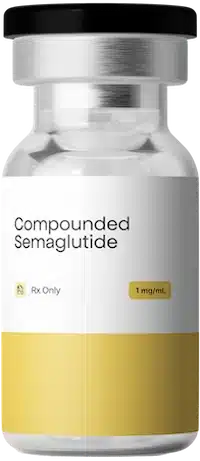
Measured GLP-1 Metabolic Health
- Comprehensive metabolic health screening and expert intake analysis
- Flat medication rates ($119/Month) secure stable long-term budgeting
- High-end responsive user dashboard with integrated diagnostic support
- Note: Requires a separate $49/mo platform subscription fee
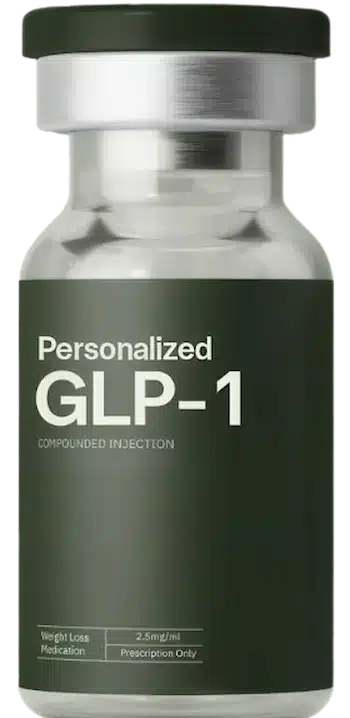
Refills GLP-1 (TryRefills Plan)
- Flat $159 rate ensures price predictability as titration scales up
- Includes clinical guides for active side-effect management
- Bundles in foundational nutritional strategies alongside medication
- No hidden startup costs, processing fees, or exit penalties
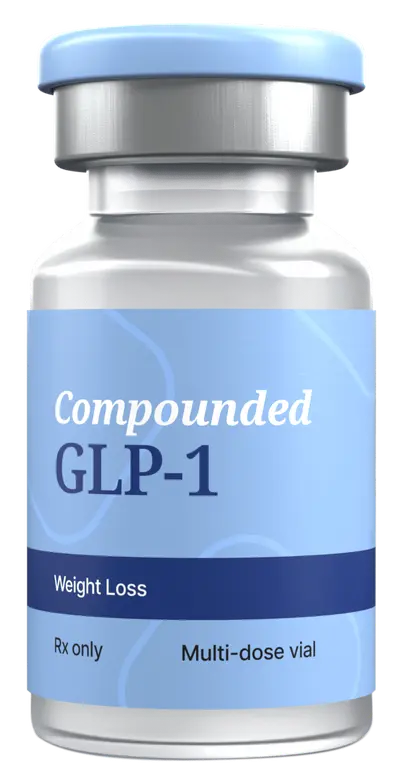
AltRx GLP1 Transactional Reorders
- Zero recurring auto-billing: Pay entirely on a transactional basis
- Flat $89/Month rate covers all therapeutic maintenance volumes
- Rapid text-to-order format saves time for experienced patients
- Provides both injectable forms and fast dissolving tablet variations
Key Takeaways
- Brand-name GLP-1 medications like Ozempic and Wegovy cost $1,000 to $1,400 per month without insurance; compounded online alternatives range from $99 to $220 per month.
- The true monthly cost always includes medication, consultation, platform/membership fees, and shipping combined. Never compare headline prices alone.
- BMI MD offers the lowest entry point at $99 per month, but only for microdose plans. Patients needing full therapeutic doses will pay more.
- MEDVi and Gala GLP-1 offer the most predictable flat-rate pricing at $145 and $149 per month regardless of dose level.
- Measured GLP-1 advertises $149 per month but requires a separate $49 monthly membership, bringing the true cost to $198.
- Compounded semaglutide is not FDA-approved as a finished product, but the active ingredient is FDA-approved. Always verify your pharmacy holds state licensure and follows USP <797> sterile compounding standards.
- HSA and FSA cards are accepted at most online GLP-1 providers, making pre-tax dollars a smart way to reduce out-of-pocket costs.
- Watch for dose-escalation pricing traps: some providers charge starter rates only for low doses, then double or triple prices at maintenance levels.

At-a-Glance: True Cost Comparison Table
The table below reflects verified pricing as of July 2026. “True Monthly Cost” combines medication, consultation, and platform fees. Shipping is included in all seven providers listed here unless noted.
7 Best GLP-1 Providers Ranked: Accreditation, Flexibility & Support Compared (2026 Update)
32,000+ Patients Can't All Be Wrong: See the Top-Rated GLP-1 Providers. We compared the leading online GLP-1 providers based on program features, clinical support, convenience, and overall value.
BMI MD GLP-1 Microdosing Plan
- Specialized microdosing options, including sublingual drops and low-dose injections
- Designed for people interested in maintaining weight or gradually adjusting treatment
- Bundled program structure without a separate monthly platform membership
- Online access makes the process convenient from home
DirectMeds Weight Loss Solutions
- Online weight-loss program with a straightforward patient experience
- Compounded medication options through state-licensed compounding pharmacies
- Includes clinical consultation as part of the process
- Provides shipping updates to help patients track their orders
MEDVi Flat-Rate Telehealth
- Flat-rate telehealth approach designed for easier budgeting
- No dosage-based pricing increases within the advertised program structure
- Offers injectable and oral thin-film delivery options
- Includes medical screening and asynchronous provider consultations
Gala GLP-1 Care Program
- Text-based access to state-licensed clinicians
- Cold-chain medication shipping included in the program
- Month-to-month program structure
- Designed for people who value convenient ongoing support
Measured GLP-1 Metabolic Health
- Comprehensive metabolic health screening and intake analysis
- Designed around longer-term metabolic health management
- Responsive dashboard with integrated health tracking tools
- Useful option for patients who value a more data-focused experience
Refills GLP-1 (TryRefills Plan)
- Clinical guidance designed to help patients manage common treatment concerns
- Includes foundational nutritional strategies alongside medication
- Designed around predictable ongoing treatment
- No hidden startup or processing fees according to the program information provided
AltRx GLP-1 Transactional Reorders
- Transactional reorder model without recurring auto-billing
- Designed for patients who already understand their treatment routine
- Fast text-to-order process for convenient reorders
- Offers injectable and fast-dissolving tablet variations
| Provider | Advertised Price | Membership Fee | Dose Escalation Cost? | True Monthly Cost | Best For |
|---|---|---|---|---|---|
| BMI MD (Microdose) | $99/mo | None | Yes, if upgrading | $99 | Low-dose titration |
| DirectMeds | $139/mo | None | Yes, up to $249 | $139-$249 | Entry-level buyers |
| MEDVi | $145/mo | None | No (flat rate) | $145 | Long-term predictability |
| Gala GLP-1 | $149/mo | None | No (flat rate) | $149 | All-inclusive budget care |
| Measured GLP-1 | $149 + $49 fee | $49/mo mandatory | No (flat medication) | $198 | Metabolic health tracking |
| Shed GLP-1 | $199/mo | None | No (flat rate) | $199 | Clinical support + value |
| Refills GLP1 | $220/mo | None | No (flat rate) | $220 | No-subscription refills |
What Is GLP-1 and How Does It Work for Weight Loss?
GLP-1 (glucagon-like peptide-1) is a hormone your gut naturally releases after eating. It signals your brain to feel full, slows stomach emptying, and tells your pancreas to release insulin. GLP-1 receptor agonist medications mimic this hormone at much higher concentrations than your body produces naturally, which is why they produce significant weight loss in clinical settings.
In practical terms, GLP-1 injections like semaglutide (the active ingredient in Ozempic and Wegovy) and tirzepatide (the active ingredient in Mounjaro and Zepbound) reduce appetite, lower caloric intake, and improve blood sugar regulation simultaneously. Clinical trials for semaglutide at the 2.4 mg maintenance dose showed average body weight reductions of roughly 15% over 68 weeks in adults with obesity, according to published research in the New England Journal of Medicine.
Who benefits most: Adults with a BMI of 30 or higher, or a BMI of 27 or higher with at least one weight-related condition such as type 2 diabetes, high blood pressure, or high cholesterol. GLP-1 medications are not appropriate for everyone. People with a personal or family history of medullary thyroid carcinoma or multiple endocrine neoplasia syndrome type 2 should not use them.
Why wait when you could be saving $1,000+ per month? Get your free cost analysis in minutes.
How Much Does GLP-1 Cost Without Insurance?
Without insurance, GLP-1 costs range from $99 per month for compounded online options to over $1,300 per month for brand-name retail prescriptions. The gap is significant and explains why compounded telehealth providers have grown so rapidly.
Here is a realistic cost breakdown by category as of mid-2026:
- Compounded semaglutide via telehealth: $99 to $220 per month all-in [1][8]
- Brand-name Wegovy (retail pharmacy): approximately $1,300 to $1,400 per month without insurance
- Brand-name Ozempic (retail pharmacy): approximately $900 to $1,100 per month without insurance
- LillyDirect Zepbound vials (cash pay): approximately $299 per month, currently the cheapest FDA-approved brand-name option [3]
- Compounded tirzepatide via telehealth: approximately $149 to $250 per month depending on dose and provider [4]
Independent pricing trackers now consistently show a floor of about $99 per month all-in for online compounded semaglutide, with several providers clustered between $99 and $149 per month [8][9]. For a deeper look at how these numbers break down, see our full guide on how much semaglutide costs online.
Is Compounded GLP-1 Cheaper Than Brand-Name?
Yes, compounded GLP-1 medications are dramatically cheaper than brand-name equivalents. The difference is not marginal. Compounded semaglutide from a licensed telehealth provider costs roughly 85 to 90 percent less than retail Wegovy.
Why the price difference exists:
Brand-name medications like Ozempic and Wegovy carry the cost of patent protection, large-scale clinical trials, FDA approval processes, and global marketing budgets. Compounded versions are prepared by state-licensed 503A or FDA-registered 503B compounding pharmacies using the same active pharmaceutical ingredient (semaglutide or tirzepatide), but without those overhead layers.
Under federal law, when a medication appears on the FDA’s official drug shortage list, licensed compounding pharmacies may legally source bulk active ingredients and prepare custom doses for individual patient prescriptions. Semaglutide remained on that shortage list through much of 2024 and 2025, fueling the telehealth compounding market.
The FDA has updated its enforcement posture on compounded semaglutide in 2026, so it is worth checking the current regulatory status before starting treatment. Our FDA rules on compounded semaglutide 2026 update covers the latest guidance in detail.
Important distinction: Compounded medications are not FDA-approved as finished drug products, even when prepared by licensed pharmacies. The active ingredient is FDA-approved, but the specific compounded formulation is not individually reviewed for safety, efficacy, or quality by the FDA. This is a meaningful difference that every buyer should understand.
| Medication | Type | Monthly Cost (No Insurance) | FDA-Approved Formulation? |
|---|---|---|---|
| Compounded Semaglutide | Compounded | $99 – $220 | No (ingredient is) |
| Wegovy (semaglutide) | Brand-name | $1,300 – $1,400 | Yes |
| Ozempic (semaglutide) | Brand-name | $900 – $1,100 | Yes (diabetes only) |
| Compounded Tirzepatide | Compounded | $149 – $250 | No (ingredient is) |
| Zepbound (tirzepatide) | Brand-name | $299 (LillyDirect) – $1,060+ | Yes |
For a detailed cost comparison of compounded tirzepatide options, see our cheapest tirzepatide online guide.
The 7 Cheapest Online GLP-1 Providers: Full Reviews
These seven providers represent the most affordable, verified telehealth options for compounded GLP-1 medications in 2026. Each review follows the same evaluation structure so you can compare fairly. Pricing was verified through direct checkout review and cross-referenced with independent pricing trackers [8][9].
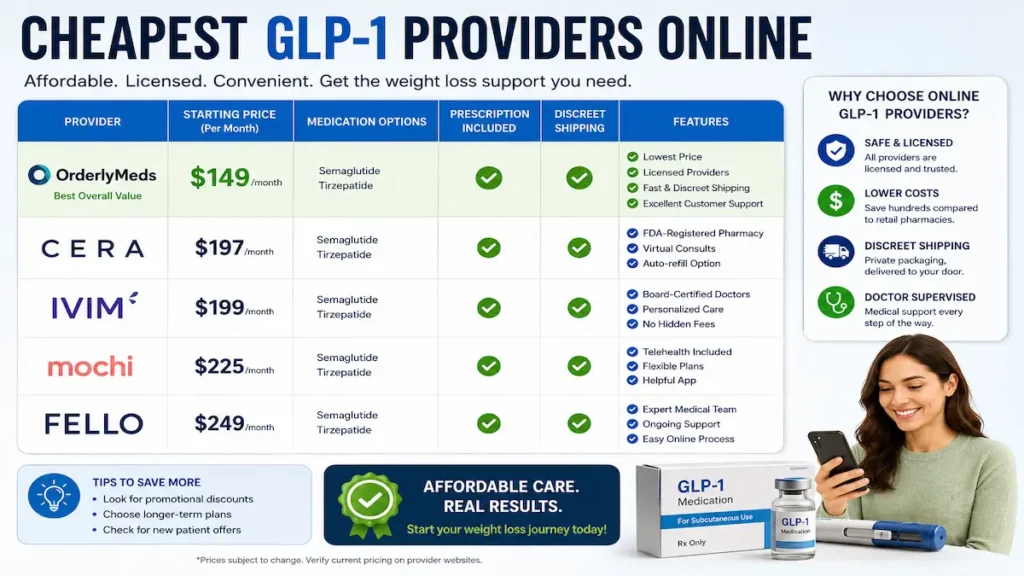
1. DirectMeds
True Monthly Cost: $139 to $249 Formulations: Compounded Semaglutide and Tirzepatide (injectable) Commitment: Month-to-month; 3-month prepay discounts available
DirectMeds operates as a high-volume, low-overhead model for GLP-1 access. By stripping out lifestyle coaching apps and live nutritional support, they pass administrative savings directly to patients. The starting price of $139 per month covers the initial 0.25 mg starter dose of compounded semaglutide, including consultation and shipping.
The key consideration here is dose-dependent pricing. As your clinician scales your prescription upward through the standard titration schedule toward maintenance doses of 1.7 mg or 2.5 mg, the monthly cost rises to as much as $249. This is transparent and disclosed upfront, but it means your long-term budget will be higher than the headline price suggests.
Pros:
- Highly competitive starter price
- No mandatory membership fee
- Transparent dose-escalation pricing schedule
- Fast shipping from accredited compounding pharmacies
Cons:
- Price increases significantly at higher maintenance doses
- Minimal lifestyle support or coaching resources
- Not ideal for patients who need intensive clinical guidance
Best for: First-time GLP-1 users who want an affordable entry point and are comfortable with a no-frills, medication-focused model.
Estimated 12-month cost (reaching maintenance dose by month 4): Approximately $2,200 to $2,600
2. BMI MD (GLP-1 Microdosing Plan)
True Monthly Cost: $99 Formulations: Compounded Semaglutide (sublingual drops or low-dose injectable) Commitment: Month-to-month; multi-month discounts available
BMI MD is the most affordable option on this list, but it serves a specific niche. Their $99 per month plan is built around microdosing, meaning patients are maintained on the lowest effective dose rather than pushed to maximum therapeutic milligrams. This approach works well for individuals who are highly sensitive to GLP-1 side effects, those in a maintenance phase after prior treatment, or patients tapering off higher doses.
The $99 price point is fully bundled with no hidden platform fees. However, if your body requires a higher therapeutic dose to achieve meaningful weight loss, you will need to transition to their standard plan, which costs more. The microdose plan will not produce the same weight loss results as full-dose protocols for most patients.
Pros:
- Lowest price on the market for an all-inclusive GLP-1 program
- No unexpected membership upcharges
- Ideal for maintenance, tapering, or side-effect-sensitive patients
- Sublingual option available for needle-averse patients
Cons:
- Dose limitations mean this plan will not work for patients needing maximum titration
- Not appropriate as a primary weight loss tool for most new patients
- Upgrading to the standard plan increases cost
Best for: Patients already at or near goal weight who want to maintain results, or individuals who cannot tolerate standard doses.
Estimated 12-month cost (microdose plan only): $1,188
3. MEDVi
True Monthly Cost: $145 Formulations: Compounded Semaglutide (injectable and oral thin film) Commitment: 3-month minimum to lock in the lowest rate
MEDVi’s core selling point is absolute pricing predictability. Whether you are on the introductory 0.25 mg starter dose or the highest therapeutic maintenance dose, you pay exactly $145 per month. No dose escalation surcharges, no platform fees, no consultation add-ons. The price is fully bundled.
The catch is a 3-month minimum commitment upfront. For patients who want to test the medication for a single month before committing, this is a real barrier. That said, for anyone planning a sustained treatment course, MEDVi delivers exceptional long-term value. They also offer an oral thin film formulation alongside the standard injectable, which is a meaningful differentiator for patients who prefer not to self-inject.
You can read real user experiences in our MEDVi prescriptions reviews and MEDVi compounded tirzepatide reviews for additional context before deciding.
Pros:
- Completely flat pricing regardless of dose level
- Oral thin film option at no additional cost
- All consultation and shipping fees included
- No surprise billing at maintenance doses
Cons:
- 3-month upfront commitment required for lowest rate
- Not ideal for patients who want a single-month trial
- Limited state availability in some regions
Best for: Patients committed to a 3-plus month treatment course who want total cost predictability and no billing surprises.
Estimated 12-month cost: $1,740
4. Refills GLP1
True Monthly Cost: $220 Formulations: Compounded Semaglutide and Tirzepatide (injectable and oral dissolving tablets) Commitment: Fully transactional, no ongoing subscription
Refills GLP1 is built for experienced patients who already know what they need and do not want to be locked into a recurring billing cycle. The model is entirely transactional: when you are running low on your current supply, you initiate an asynchronous reorder check-in, pay for your next batch, and it ships. No auto-renewing charges, no cancellation hoops, no platform membership.
At $220 per month flat across all dose levels, Refills GLP1 is the most expensive option on this list. But for self-motivated patients who value complete billing freedom over cost minimization, the model is genuinely different from every other provider here. The oral dissolving tablet option is also a notable feature for patients who prefer non-injectable administration.
Pros:
- Zero auto-renewing subscriptions or credit card charges
- Flat rate across all dose levels
- Oral dissolving tablet formulation available
- Simple, rapid asynchronous reorder process
Cons:
- Highest price on this list
- No lifestyle coaching or continuous clinical tracking
- Not ideal for patients who benefit from structured check-ins
Best for: Experienced GLP-1 users who want refill convenience without subscription lock-in.
Estimated 12-month cost: $2,640
5. Gala GLP-1
True Monthly Cost: $149 Formulations: Compounded Semaglutide (injectable) Commitment: Month-to-month, no forced annual contracts
Gala GLP-1 strikes a strong balance between affordability and patient support. Their $149 per month flat rate covers all standard doses of compounded semaglutide, cold-chain temperature-controlled shipping, all medical reviews by their clinician network, and continuous access to patient support through an asynchronous text-based messaging portal. There is no separate subscription or platform fee.
The month-to-month flexibility is a meaningful advantage. You can cancel at any time without penalty, which lowers the financial risk for first-time users. The primary downside is occasional onboarding queues due to high demand, and limited availability in select states due to pharmacy licensing constraints.
Pros:
- Very competitive flat-rate pricing with no dosage upcharges
- Month-to-month flexibility, cancel anytime
- Cold-chain shipping included
- Asynchronous clinical support included
Cons:
- Onboarding queues during high-demand periods
- Injectable only, no oral formulation
- Not available in all states
Best for: Budget-conscious patients who want flat-rate pricing, month-to-month flexibility, and reliable clinical oversight.
Estimated 12-month cost: $1,788
6. Shed GLP-1
True Monthly Cost: $199 Formulations: Compounded Semaglutide and Tirzepatide (injectable) Commitment: Month-to-month
Shed GLP-1 occupies a specific position in the market: budget-conscious pricing combined with a meaningfully higher level of patient support than rock-bottom alternatives. At $199 per month flat for semaglutide, the price does not escalate as your dose increases. What differentiates Shed from cheaper options is bundled access to basic nutritional guidance resources and responsive medical support teams who actively help manage common GLP-1 side effects like nausea, constipation, and fatigue.
For patients who are new to injectable medications or who have had side effect challenges with GLP-1 therapy in the past, the added support layer can make the $50 premium over Gala GLP-1 worth it.
Pros:
- Flat-rate pricing through maximum maintenance doses
- Side-effect counseling and nutritional guidance included
- No hidden platform fees
- Month-to-month flexibility
Cons:
- $50 more per month than Gala for comparable medication
- Not the cheapest option for patients who do not need coaching support
Best for: Patients who want affordable flat-rate pricing but also value responsive side-effect support and basic nutritional guidance.
Estimated 12-month cost: $2,388
7. Measured GLP-1
True Monthly Cost: $198 (medication $149 + mandatory membership $49) Formulations: Compounded Semaglutide and Tirzepatide (injectable) Commitment: Month-to-month membership subscription
Measured GLP-1 represents the most important case study in why calculating the true bundled cost matters. They frequently advertise their medication at $149 per month with flat dosing, which appears competitive. However, accessing their clinical network and receiving a prescription requires maintaining a separate mandatory platform membership fee of $49 per month.
When you add both line items, the true monthly cash outlay is $198. That is nearly identical to Shed GLP-1, but without the same level of side-effect support. Measured does offer a thorough medical screening process, a high-quality patient dashboard, and detailed metabolic health tracking, which may justify the structure for data-driven patients.
Pros:
- Thorough medical screening and intake process
- High-quality patient dashboard and metabolic tracking
- Flat medication pricing protects against high-dose cost inflation
- Both semaglutide and tirzepatide available
Cons:
- Split billing creates confusion for price-comparison shoppers
- True cost ($198) is not obvious from headline advertising
- Slightly more expensive overall than the advertised medication price implies
Best for: Patients who value detailed health data tracking and comprehensive metabolic monitoring alongside their GLP-1 treatment.
Estimated 12-month cost: $2,376
Hidden Fees Most Online GLP-1 Providers Don’t Advertise
The most common pricing trap in the online GLP-1 market is the gap between the advertised price and the true monthly cost. Here is a systematic breakdown of the fees to audit before entering your payment information on any platform [4][6].
The Split-Billing Strategy
Some platforms advertise a low medication price (say, $79 per month) while billing the platform access fee as a separate line item. The $79 covers only the clinical membership. The compounding pharmacy then charges your card an additional $150 to $250 when the medication ships. Always ask customer support for the single, fully bundled out-of-pocket price before completing checkout.
Dose-Escalation Pricing
GLP-1 therapy requires a slow titration schedule. You start on a low introductory dose (typically 0.25 mg for semaglutide) for the first four weeks, then step up incrementally every four weeks until reaching a therapeutic maintenance dose. Many providers offer cheap first-month rates because they are only shipping a small, low-concentration starter vial. By month three or four, when you need a higher concentration, their pricing may double. Always confirm the price you will pay at peak maintenance doses before starting.
Typical semaglutide titration schedule and what it means for cost:
- Weeks 1-4: 0.25 mg (starter dose, often cheapest tier)
- Weeks 5-8: 0.5 mg (step-up dose)
- Weeks 9-12: 1.0 mg (intermediate dose)
- Weeks 13+: 1.7 mg to 2.4 mg (maintenance dose, often highest cost tier)
Consultation and Cancellation Fees
Some platforms charge a telehealth consultation penalty if your intake form is processed but you decide not to order. These fees range from $50 to $99 and are buried in fine print. Additionally, check cancellation policies carefully. Platforms that require a phone call to a retention line or an email to a hidden support queue make cancellation deliberately difficult. The best providers allow cancellation directly through a button in your patient portal.
Shipping Surcharges
Most providers on this list include shipping in their advertised price, but some add $15 to $30 per shipment for cold-chain handling. Confirm whether shipping is included before comparing prices across platforms.
For a complete guide on how to order safely from a compounding pharmacy online, see our step-by-step ordering guide.
Can You Get GLP-1 Prescribed Online?
Yes, you can get a GLP-1 prescription entirely online through a licensed telehealth provider. The process typically takes 24 to 72 hours from initial intake form submission to prescription approval, with medication arriving within 5 to 10 business days of approval.
How the online prescription process works:
- Complete a health intake questionnaire covering your medical history, current medications, BMI, and weight loss goals.
- A licensed clinician (typically a physician or nurse practitioner) reviews your intake form asynchronously or via a brief video consultation.
- If you meet clinical criteria, the clinician issues a prescription to a partnered compounding pharmacy.
- The pharmacy prepares and ships your medication directly to your home.
- Follow-up check-ins occur monthly or at each dose adjustment.
Who qualifies: Most providers require a BMI of 27 or higher with at least one weight-related condition, or a BMI of 30 or higher without additional conditions. Disqualifying factors typically include pregnancy, certain thyroid conditions, pancreatitis history, and specific medication interactions.
For a full safety guide on buying GLP-1 online, our GLP-1 buy online safety guide covers what to verify before purchasing.
GLP-1 Side Effects and Who Shouldn’t Take It
GLP-1 receptor agonists are generally well-tolerated, but side effects are common, particularly during the titration phase. Knowing what to expect helps you evaluate which providers offer adequate side-effect support as part of their pricing.
Most common side effects:
- Nausea (most frequent, especially in weeks 1-8)
- Vomiting
- Constipation or diarrhea
- Fatigue
- Reduced appetite (this is also the therapeutic mechanism)
- Injection site reactions
Less common but serious side effects:
- Pancreatitis (seek immediate medical attention if you experience severe abdominal pain)
- Gallbladder problems
- Increased heart rate
- Kidney function changes
Who should not use GLP-1 medications:
- Individuals with a personal or family history of medullary thyroid carcinoma
- Individuals with multiple endocrine neoplasia syndrome type 2 (MEN 2)
- Pregnant or breastfeeding women
- Individuals with a history of severe pancreatitis
- Patients on certain diabetes medications without physician supervision
The side-effect management support offered by each provider varies significantly. Shed GLP-1 and Measured GLP-1 include active side-effect counseling in their pricing. BMI MD’s microdosing approach is specifically designed to minimize side effects by keeping doses low. DirectMeds and Refills GLP1 offer minimal support in this area.
How to Get GLP-1 Approved by Insurance
Getting GLP-1 medications approved by insurance is possible but requires persistence and documentation. Before turning to a cash-pay online provider, it is worth exhausting insurance options first, because coverage can reduce your cost to as little as $25 per month with manufacturer savings cards.
Steps to pursue insurance coverage:
Get a formal diagnosis documented. Insurance plans covering GLP-1 for weight management typically require a documented BMI of 30 or higher, or BMI of 27 or higher with a qualifying comorbidity (type 2 diabetes, hypertension, or sleep apnea). Make sure your physician documents this clearly in your medical record.
Request a prior authorization. Most insurers require prior authorization for Wegovy or Zepbound. Your prescribing physician submits clinical documentation supporting medical necessity.
Use manufacturer savings programs. Novo Nordisk’s NovoCare and Eli Lilly’s savings programs can reduce brand-name costs significantly for commercially insured patients. Wegovy’s savings card has offered as low as $0 per month for eligible patients.
Appeal denials. Initial denials are common. A formal appeal with additional clinical documentation from your physician succeeds in a meaningful portion of cases.
Check employer benefits. Some self-insured employer plans have added GLP-1 coverage for weight management in 2025 and 2026. Review your Summary of Benefits and Coverage or contact your HR department directly.
If insurance coverage is not achievable, HSA and FSA cards are accepted at all seven providers on this list, allowing you to use pre-tax dollars to reduce the effective out-of-pocket cost.
For more context on GLP-1 costs across different coverage scenarios, see our guide on cheapest GLP-1 without insurance.
The cost of inaction could be higher than the cost of treatment. Let’s find your best option together.
GLP-1 for Type 2 Diabetes vs. Weight Loss: Does Pricing Differ?
GLP-1 medications prescribed for type 2 diabetes (primarily Ozempic) are more likely to receive insurance coverage than those prescribed for weight loss (primarily Wegovy), even though both contain semaglutide. This creates a meaningful pricing difference depending on your diagnosis.
For type 2 diabetes patients with insurance, Ozempic may cost as little as $25 to $50 per month with coverage and manufacturer savings cards. For weight loss patients without diabetes, the same active ingredient in Wegovy often costs $1,300 or more per month without insurance.
Online compounded GLP-1 providers do not distinguish between these use cases in their pricing. Whether you are seeking treatment for weight management, blood sugar control, or both, the compounded semaglutide price from a telehealth provider is the same: $99 to $220 per month depending on the platform.
Practical implication: If you have type 2 diabetes, pursue insurance coverage for Ozempic before turning to a cash-pay compounded option. If you are seeking GLP-1 primarily for weight loss without a diabetes diagnosis, the telehealth compounded route is likely your most affordable path.
Is It Safe to Buy GLP-1 from Online Clinics?
Buying GLP-1 from a legitimate, licensed online clinic is generally safe when you verify the provider’s credentials before purchasing. The risks come from unlicensed or poorly regulated platforms, not from the telehealth model itself.
Provider Legitimacy Scorecard: What to verify before buying
- Licensed clinicians: Confirm the prescribing clinicians are licensed physicians, nurse practitioners, or physician assistants in your state. The provider’s website should list their clinical team and credentials.
- State-licensed compounding pharmacy: Your medication should come from a 503A sterile compounding pharmacy licensed in the state where it operates. You can verify state pharmacy board licensure through the National Association of Boards of Pharmacy (NABP) database.
- USP <797> compliance: Sterile compounded injectables must be prepared under USP <797> standards, which govern sterility, potency, and beyond-use dating.
- Third-party batch testing: Reputable compounding pharmacies conduct independent third-party testing for potency and sterility on each batch. Ask your provider if they can supply a certificate of analysis (COA) for your medication.
- NABP or PCAB accreditation: Pharmacy accreditation from NABP’s DMEPOS or PCAB (Pharmacy Compounding Accreditation Board) is a meaningful quality signal, though not all legitimate pharmacies hold formal accreditation.
- DEA registration: Providers handling controlled substances must hold current DEA registration. While semaglutide is not a controlled substance, a provider’s DEA registration status is a general indicator of regulatory compliance.
Red flags to avoid:
- No licensed clinician listed on the website
- No information about which pharmacy compounds the medication
- Prices dramatically below the market floor ($99) with no explanation
- No requirement for a health intake form or medical review
- Pressure to purchase without a consultation
- No clear cancellation or refund policy
How to Choose the Right Online GLP-1 Provider: A Decision Framework

Choosing the right provider depends on your specific situation. Use this framework to match your needs to the right platform.
Choose BMI MD if:
- You are highly sensitive to GLP-1 side effects and want to start at the lowest possible dose
- You are in a maintenance or tapering phase after prior treatment
- Your budget is under $100 per month
- You are comfortable with sublingual drops as an alternative to injections
Choose DirectMeds if:
- You are a first-time GLP-1 user with a tight starting budget
- You understand and accept that costs will increase as your dose rises
- You want a no-frills, medication-focused experience without coaching
Choose MEDVi if:
- You are committed to at least 3 months of treatment
- You want total pricing predictability regardless of dose level
- You prefer an oral formulation option alongside injectable
- Long-term cost stability matters more than a low first-month rate
Choose Gala GLP-1 if:
- You want flat-rate pricing with month-to-month flexibility
- You want to be able to cancel without penalty at any time
- You need a balance between affordability and clinical oversight
Choose Shed GLP-1 if:
- You have had side effect challenges with GLP-1 in the past
- You want nutritional guidance and active side-effect support included
- You are willing to pay $199 for a more supported experience
Choose Measured GLP-1 if:
- You are data-driven and want detailed metabolic health tracking
- You understand the true cost is $198, not $149
- Comprehensive health monitoring is a priority alongside medication
Choose Refills GLP1 if:
- You are an experienced GLP-1 user who knows your dose
- You strongly prefer no auto-renewing subscriptions
- Billing freedom matters more than minimizing monthly cost
Wondering if you qualify for the $25 savings card? Click here to find out—no obligation.
Common Mistakes When Ordering GLP-1 Online
Avoiding these mistakes can save you money and reduce health risks.
Mistake 1: Comparing only advertised prices. The headline price is rarely the true cost. Always calculate medication + membership + consultation + shipping combined before comparing providers.
Mistake 2: Not checking dose-escalation pricing. A $99 starter price can become $249 by month four. Ask specifically what you will pay at your maintenance dose before signing up.
Mistake 3: Skipping pharmacy verification. Not all compounding pharmacies meet the same quality standards. Always confirm your medication comes from a state-licensed, USP <797>-compliant sterile compounding facility.
Mistake 4: Ignoring the consultation requirement. Any provider that ships GLP-1 medication without a licensed clinician reviewing your health history first is operating outside legal and safety standards. This is a hard stop.
Mistake 5: Forgetting about HSA/FSA eligibility. Most patients do not realize they can use pre-tax HSA or FSA funds for both the telehealth consultation and the compounded medication. This can reduce your effective out-of-pocket cost by 20 to 37 percent depending on your tax bracket.
Mistake 6: Not reading the cancellation policy. Some platforms make cancellation intentionally difficult. Confirm you can cancel through your patient portal before entering payment information.
Long-Term Cost Analysis: 12-Month Total Spend Comparison
Most competitor articles show only monthly pricing. Here is a realistic 12-month total cost estimate for each provider, assuming a patient reaches and maintains a therapeutic dose by month four.
| Provider | Months 1-3 (Titration) | Months 4-12 (Maintenance) | Estimated 12-Month Total |
|---|---|---|---|
| BMI MD (microdose only) | $297 | $891 | $1,188 |
| DirectMeds (scales to $249) | $417 | $2,241 | $2,658 |
| MEDVi (flat $145) | $435 | $1,305 | $1,740 |
| Gala GLP-1 (flat $149) | $447 | $1,341 | $1,788 |
| Measured GLP-1 (true $198) | $594 | $1,782 | $2,376 |
| Shed GLP-1 (flat $199) | $597 | $1,791 | $2,388 |
| Refills GLP1 (flat $220) | $660 | $1,980 | $2,640 |
Key insight: DirectMeds has the lowest starting price but the highest 12-month cost among full-dose programs due to dose-escalation pricing. MEDVi and Gala GLP-1 offer the best long-term value for patients committed to a full year of treatment at maintenance doses.
Your healthier future is closer than you think. Take the first step and explore your tirzepatide options now.
Frequently Asked Questions
What is the cheapest GLP-1 provider in 2026? BMI MD offers the lowest all-in price at $99 per month, but only for their microdosing plan. For patients who need full therapeutic doses, MEDVi at $145 per month flat-rate is the most affordable option with no dose escalation costs. Independent pricing trackers confirm the market floor for compounded semaglutide sits at approximately $99 per month [8][9].
How much does compounded semaglutide cost per month? Compounded semaglutide from online telehealth providers ranges from $99 to $220 per month all-in as of mid-2026 [1][4]. The true cost includes medication, consultation, and shipping. Advertised prices may be lower but often exclude mandatory membership fees or dose-escalation charges.
What is the difference between compounded and brand-name semaglutide? Brand-name semaglutide (Wegovy, Ozempic) is an FDA-approved finished drug product manufactured by Novo Nordisk, costing $900 to $1,400 per month without insurance. Compounded semaglutide is prepared by state-licensed compounding pharmacies using the same active ingredient, costs $99 to $220 per month, but is not FDA-approved as a finished formulation. The active ingredient is identical; the regulatory oversight and quality assurance processes differ.
Which GLP-1 providers don’t charge membership fees? BMI MD, DirectMeds, MEDVi, Gala GLP-1, Shed GLP-1, and Refills GLP1 all include consultation and clinical oversight in their medication price with no separate membership fee. Measured GLP-1 is the exception on this list, charging a mandatory $49 per month platform membership on top of the medication cost.
Can I use insurance for online GLP-1 providers? Generally, no. The seven providers on this list operate on a direct cash-pay model and do not accept commercial insurance, Medicare, or Medicaid for compounded preparations. However, all are compatible with HSA and FSA cards, allowing you to use pre-tax health funds at checkout.
How do I verify if a GLP-1 provider is legitimate? Verify that the provider employs licensed clinicians (check state medical board listings), that your medication comes from a state-licensed sterile compounding pharmacy (verify through the NABP database), and that the pharmacy follows USP <797> standards. Ask for a certificate of analysis (COA) for your medication batch. Any provider that ships without a medical consultation is operating outside legal standards.
How long does it take to receive GLP-1 medication from online providers? Most providers on this list process prescriptions within 24 to 72 hours of intake form approval. Medication typically ships within 1 to 3 business days of prescription issuance and arrives within 5 to 10 business days total. Refills GLP1 is designed for fast asynchronous reorders and may have shorter turnaround for established patients. Gala GLP-1 occasionally has onboarding queues during high-demand periods.
What hidden fees should I watch for when buying GLP-1 online? The most common hidden fees are: mandatory platform membership fees billed separately from medication (as with Measured GLP-1), dose-escalation pricing where starter rates only apply to low doses (as with DirectMeds), separate consultation fees charged even if you do not complete a purchase, and shipping surcharges for cold-chain handling. Always ask for the fully bundled price at your expected maintenance dose before entering payment information.
Is tirzepatide cheaper or more expensive than semaglutide online? Compounded tirzepatide is generally $20 to $60 more per month than compounded semaglutide at comparable dose levels from the same providers. For a detailed comparison, see our guide on where to get tirzepatide online at the best price.
Can I switch providers later if I find a better price? Yes. Most providers on this list operate on month-to-month terms with no long-term contracts (MEDVi requires a 3-month initial commitment). You can cancel your current provider and enroll with a new one at any time. You will need to complete a new intake form with the new provider. Your prescription history from a prior provider does not automatically transfer.
What is the difference between Ozempic and a generic GLP-1? There is no FDA-approved generic version of Ozempic or Wegovy as of 2026. What online providers offer is compounded semaglutide, which uses the same active ingredient but is prepared by a compounding pharmacy rather than manufactured by Novo Nordisk. It is not a generic in the pharmaceutical regulatory sense; it is a custom-compounded preparation. The clinical effect of the active ingredient is the same, but the formulation, excipients, and quality assurance processes may differ.
Are there cheaper GLP-1 alternatives to semaglutide? Oral semaglutide (Rybelsus) is available for type 2 diabetes management and may be covered by insurance at lower cost. Some patients find older GLP-1 medications like liraglutide (Victoza, Saxenda) more accessible through insurance. Non-GLP-1 weight loss medications like phentermine/topiramate or bupropion/naltrexone are significantly cheaper but produce less weight loss on average. For a broader look at compounding pharmacy options, see our online compounding pharmacy for semaglutide top picks.
7 Best GLP-1 Providers Ranked: Accreditation, Flexibility & Support Compared (2026 Update)
32,000+ Patients Can't All Be Wrong: See the Top-Rated GLP-1 Providers: Compared on accreditation, plan flexibility, and patient support — updated for 2026.
BMI MD GLP-1 Microdosing Plan
- Specialized microdosing options (sublingual drops or low-dose injections)
- Ideal for maintaining weight or tapering off higher doses safely
- Fully bundled plan with no hidden monthly platform memberships
DirectMeds Weight Loss Solutions
- Sourced from accredited, state-licensed 503A compounding pharmacies
- No-frills high-volume savings passed directly to the patient
- Includes clinical consultation and cold-chain shipping updates
MEDVi Flat-Rate Telehealth
- Flat monthly rate holds steady even at maximum maintenance doses
- No dosage upcharges or graduation fee penalties
- Offers both injectable and advanced oral thin-film delivery options
Gala GLP-1 Care Program
- All-inclusive plan with no standalone membership costs
- Continuous text-based messaging access with state-licensed clinicians
- Temperature-controlled, cold-chain medication shipping included
Measured GLP-1 Metabolic Health
- Comprehensive metabolic health screening and expert intake analysis
- Predictable long-term budgeting with stable plan pricing
- High-end responsive dashboard with integrated diagnostic support
Refills GLP-1 (TryRefills Plan)
- Flat rate holds steady as titration scales up
- Includes clinical guides for active side-effect management
- Bundles in foundational nutritional strategies alongside medication
AltRx GLP-1 Transactional Reorders
- Zero recurring auto-billing — pay entirely on a transactional basis
- Rapid text-to-order format saves time for experienced patients
- Provides both injectable forms and fast-dissolving tablet variations
Conclusion: Which Cheapest Online GLP-1 Provider Is Right for You?
The online GLP-1 market has matured considerably in 2026, with a clear cluster of legitimate, affordable providers offering compounded semaglutide between $99 and $220 per month all-in [1][8]. The right choice depends less on finding the absolute lowest advertised price and more on calculating your true long-term cost given your expected dose, commitment level, and support needs.
Summary of winners by category:
- Cheapest overall (microdose): BMI MD at $99 per month
- Cheapest for full therapeutic dosing: MEDVi at $145 per month flat-rate
- Best month-to-month flexibility: Gala GLP-1 at $149 per month
- Best for side-effect support: Shed GLP-1 at $199 per month
- Best for no-subscription refills: Refills GLP1 at $220 per month
- Best for metabolic tracking: Measured GLP-1 at $198 per month true cost
- Best entry price (dose-dependent): DirectMeds starting at $139 per month
Your next steps:
- Determine your realistic monthly budget at maintenance dose, not just the starter price.
- Decide whether you need coaching and side-effect support, or prefer a bare-bones medication delivery model.
- Verify your chosen provider’s pharmacy credentials before purchasing.
- Check whether your HSA or FSA account can cover the cost with pre-tax dollars.
- If you have insurance, exhaust prior authorization options for brand-name coverage before committing to a cash-pay plan.
The cheapest online GLP-1 providers on this list are all legitimate, but the “cheapest” label only holds if you account for every fee across your full treatment timeline. MEDVi and Gala GLP-1 deliver the strongest combination of low true cost, flat-rate predictability, and clinical legitimacy for most patients seeking sustained weight loss treatment in 2026.
References & Sources
Medical Disclaimer: This article is for informational purposes only and does not constitute medical advice. Compounded GLP-1 medications are not FDA-approved finished drug products. Always consult a licensed healthcare provider before starting any prescription medication. Pricing information reflects publicly available data as of July 2026 and is subject to change.

With over 13 years of experience in holistic health blogging, I aim to help you navigate your wellness journey with honest insights, expert-backed advice, and a sprinkle of real-world practicality.
Certified Wellness Writer | Herbal Nutrition Advocate | Wellness Research Enthusiast


