FDA Rules on Compounded Semaglutide: 2026 Update

Last updated: June 2, 2026
Quick Answer: The FDA Rules on Compounded Semaglutide: 2026 Update mark a significant shift from 2024-2025 policies. After removing semaglutide from the drug shortage list in early 2025, the FDA set enforcement deadlines that effectively ended large-scale compounding of semaglutide for most pharmacies by mid-2025. However, certain 503A and 503B compounding pharmacies may still legally prepare semaglutide for specific patients under strict conditions. Knowing exactly what is still allowed, who qualifies, and where to get safe compounded GLP-1 medications is critical before you buy anything in 2026.
Key Takeaways
- The FDA removed semaglutide from its drug shortage list in February 2025, triggering a phase-out of mass compounding.
- As of 2026, only FDA-registered 503B outsourcing facilities and state-licensed 503A pharmacies filling individual prescriptions may compound semaglutide under specific conditions.
- Compounded semaglutide can cost $150 to $400 per month, compared to $900 to $1,400 per month for brand-name Ozempic or Wegovy without insurance.
- Telehealth providers partnered with compliant compounding pharmacies remain a legal, cost-effective option for many patients in 2026.
- Patients with a personal medical need that brand-name products cannot meet may still qualify for compounded semaglutide through a licensed prescriber.
- Not everyone qualifies: people with a history of medullary thyroid cancer, MEN2 syndrome, pancreatitis, or severe kidney disease face higher risks.
- Buying compounded semaglutide from unverified online sources is illegal and dangerous; always verify pharmacy credentials.
- DirectMeds GLP1 Semaglutide is currently one of the most affordable, compliant options available through telehealth in 2026.
What Exactly Changed in FDA Rules for Compounded Semaglutide in 2026
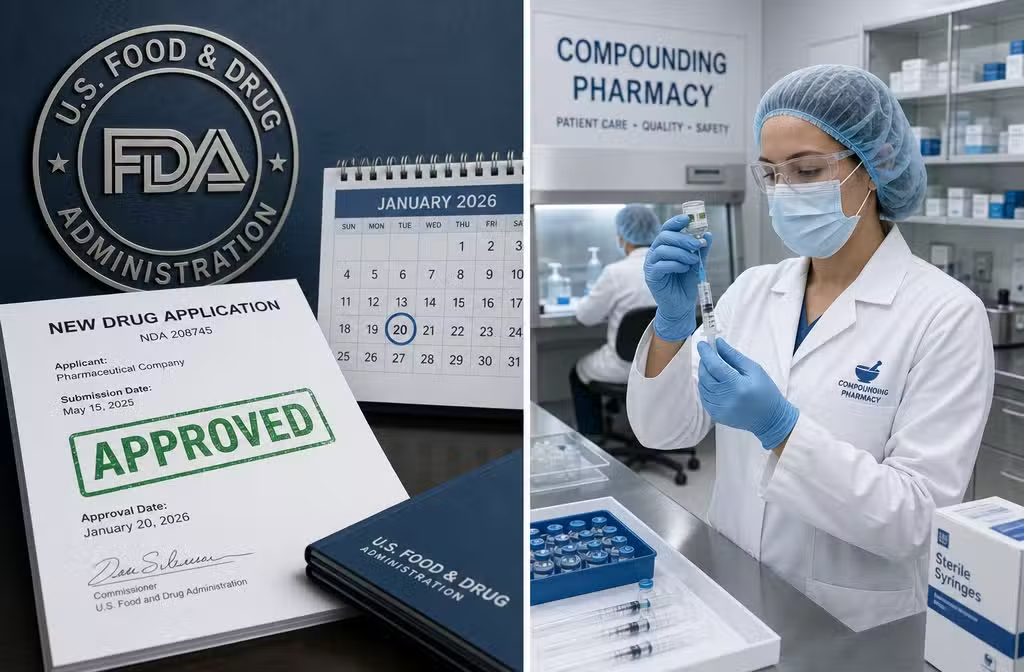
The most important change is that the FDA’s temporary allowance for widespread semaglutide compounding, which was granted during the drug shortage period, has ended. When the FDA removed semaglutide from the shortage list in February 2025, it gave compounders a grace period to wind down. By mid-2025, the FDA began active enforcement against pharmacies producing large batches of compounded semaglutide without meeting the legal exceptions.
7 Best GLP-1 Providers Ranked: Accreditation, Flexibility & Support Compared (2026 Update)
32,000+ Patients Can't All Be Wrong: See the Top-Rated GLP-1 Providers. We compared the leading online GLP-1 providers based on program features, clinical support, convenience, and overall value.
BMI MD GLP-1 Microdosing Plan
- Specialized microdosing options, including sublingual drops and low-dose injections
- Designed for people interested in maintaining weight or gradually adjusting treatment
- Bundled program structure without a separate monthly platform membership
- Online access makes the process convenient from home

DirectMeds Weight Loss Solutions
- Online weight-loss program with a straightforward patient experience
- Compounded medication options through state-licensed compounding pharmacies
- Includes clinical consultation as part of the process
- Provides shipping updates to help patients track their orders
MEDVi Flat-Rate Telehealth
- Flat-rate telehealth approach designed for easier budgeting
- No dosage-based pricing increases within the advertised program structure
- Offers injectable and oral thin-film delivery options
- Includes medical screening and asynchronous provider consultations
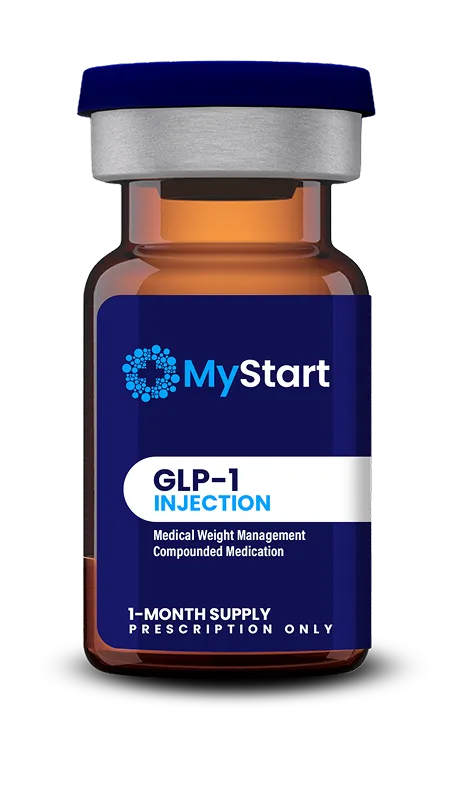
Gala GLP-1 Care Program
- Text-based access to state-licensed clinicians
- Cold-chain medication shipping included in the program
- Month-to-month program structure
- Designed for people who value convenient ongoing support
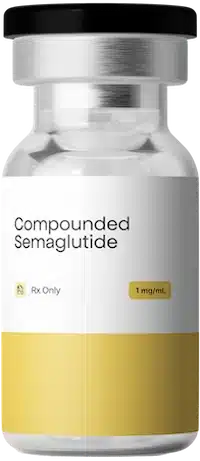
Measured GLP-1 Metabolic Health
- Comprehensive metabolic health screening and intake analysis
- Designed around longer-term metabolic health management
- Responsive dashboard with integrated health tracking tools
- Useful option for patients who value a more data-focused experience
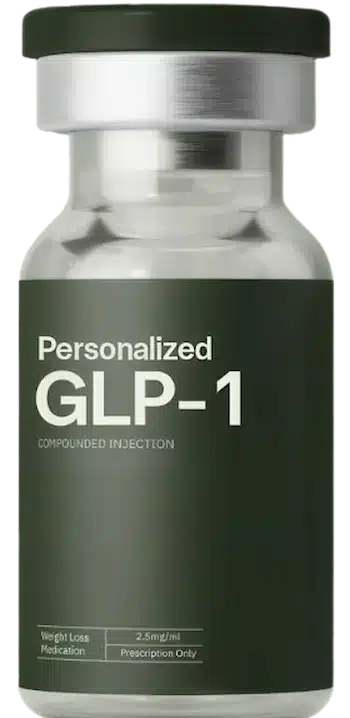
Refills GLP-1 (TryRefills Plan)
- Clinical guidance designed to help patients manage common treatment concerns
- Includes foundational nutritional strategies alongside medication
- Designed around predictable ongoing treatment
- No hidden startup or processing fees according to the program information provided
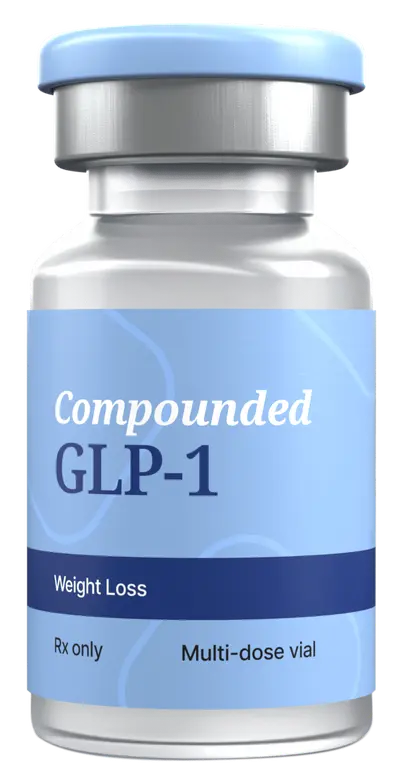
AltRx GLP-1 Transactional Reorders
- Transactional reorder model without recurring auto-billing
- Designed for patients who already understand their treatment routine
- Fast text-to-order process for convenient reorders
- Offers injectable and fast-dissolving tablet variations
In 2026, the current rules work like this:
- 503B outsourcing facilities (FDA-registered, subject to current Good Manufacturing Practice standards) can still compound semaglutide only if they meet specific criteria, such as producing it for office use or for patients with a documented clinical need that the branded product cannot address.
- 503A pharmacies (state-licensed, traditional compounders) can fill individual patient prescriptions for compounded semaglutide when a licensed prescriber identifies a specific patient need, such as a documented allergy to an inactive ingredient in Ozempic or Wegovy.
- Mass-produced, non-patient-specific compounded semaglutide is no longer permitted under FDA rules as of 2026.
The FDA has also issued warning letters to pharmacies selling compounded semaglutide without a valid prescription or patient-specific justification. This is a meaningful enforcement shift from 2023 and 2024, when the shortage gave compounders much broader latitude.
For a deeper breakdown of how compounded versions differ from the branded product, see our guide on how compounded semaglutide differs from Ozempic.
How Is Compounded Semaglutide Different from Brand-Name Ozempic
Compounded semaglutide contains the same active ingredient as Ozempic and Wegovy, but it is not FDA-approved as a finished drug product. Brand-name versions go through rigorous clinical trials, standardized manufacturing, and FDA review before reaching patients. Compounded versions are prepared by a pharmacy based on a prescription and are not evaluated by the FDA for safety, efficacy, or quality before dispensing.
Key differences include:
| Feature | Brand-Name (Ozempic/Wegovy) | Compounded Semaglutide |
|---|---|---|
| FDA approval | Yes | No |
| Manufacturing standard | FDA-inspected facilities | Varies by pharmacy type |
| Inactive ingredients | Fixed formulation | May vary |
| Cost (monthly, no insurance) | $900 to $1,400 | $150 to $400 |
| Availability | Pharmacy chains | Compounding pharmacies, telehealth |
| Dosing flexibility | Fixed pen doses | Custom doses possible |
Compounded versions also sometimes include additives like vitamin B12 or L-carnitine, which are not in the branded product and have not been studied in combination with semaglutide in large clinical trials.
How Much Cheaper Are Compounded Versions Compared to Name Brand
Compounded semaglutide is substantially cheaper, often 60 to 80 percent less than brand-name options. Without insurance, Ozempic and Wegovy can cost $900 to over $1,400 per month at retail pharmacies (GoodRx data, 2025). Compounded semaglutide through telehealth providers typically ranges from $150 to $400 per month depending on dose and provider.
For example, DirectMeds GLP1 Semaglutide offers one of the most competitive pricing structures in the telehealth market, making it a strong option for adults who need GLP-1 therapy but cannot afford or access branded medications.
For a full cost breakdown, see our semaglutide cost guide for 2026 and our cost of GLP-1 without insurance guide.
If you want to start saving on your GLP-1 medication today, check current pricing at DirectMeds GLP1 Semaglutide.

What Pharmacies Can Legally Make Compounded Semaglutide Now
In 2026, only two categories of pharmacies can legally compound semaglutide, and both have strict requirements.
503B Outsourcing Facilities:
- Registered with the FDA
- Subject to federal oversight and inspections
- Can produce larger batches but must meet CGMP standards
- Must document a valid clinical rationale for compounding
503A Traditional Compounding Pharmacies:
- Licensed by their state board of pharmacy
- Must compound based on a valid, patient-specific prescription
- Cannot produce large batches for general sale
- Subject to state oversight
To verify a pharmacy’s legitimacy, check the FDA’s list of registered 503B outsourcing facilities (available on FDA.gov) and your state’s board of pharmacy database for 503A pharmacies. Any pharmacy selling compounded semaglutide without requiring a prescription, or without verifiable credentials, is operating outside the law.
What States Have Banned Compounded Semaglutide in 2026
No U.S. state has issued a blanket ban specifically on compounded semaglutide as of mid-2026. However, some states have enacted tighter compounding pharmacy regulations that make it harder for 503A pharmacies to fill these prescriptions. States with historically stricter compounding oversight include Florida, Texas, and New York, where state pharmacy boards have issued additional guidance following the FDA’s 2025 enforcement actions.
Patients in all 50 states can still legally receive compounded semaglutide through a licensed prescriber and a compliant pharmacy, but the availability of local compounding pharmacies willing to fill these prescriptions varies by state.
Who Should Not Use Compounded Weight Loss Medications
Compounded semaglutide is not appropriate for everyone. Adults with certain medical histories face meaningful safety risks and should discuss alternatives with their doctor before starting any GLP-1 medication.
Conditions that disqualify or require extra caution:
- Personal or family history of medullary thyroid carcinoma (MTC)
- Multiple Endocrine Neoplasia syndrome type 2 (MEN2)
- History of acute pancreatitis or chronic pancreatitis
- Severe kidney disease or end-stage renal disease
- Diabetic retinopathy that is currently unstable
- Active gallbladder disease
- Pregnancy or plans to become pregnant
- Known hypersensitivity to semaglutide or any component of the formulation
People with type 1 diabetes should also avoid semaglutide unless under close specialist supervision, as it is not approved for that use.
Are There Risks With Using Compounded Versions of Semaglutide
Yes, compounded semaglutide carries risks that branded versions do not, primarily related to quality control and unknown additives. Because compounded products are not FDA-approved as finished drugs, there is no guarantee of potency, sterility, or consistency between batches unless the pharmacy follows strict standards.
Documented risks specific to compounded versions include:
- Incorrect dosing due to concentration errors in preparation
- Contamination from non-sterile compounding environments
- Adverse reactions to unlisted additives (e.g., B12, citric acid variations)
- Counterfeit products sold through unverified online channels
The FDA issued multiple safety alerts in 2024 and 2025 warning about adverse events linked to compounded semaglutide products, including hospitalizations from dosing errors (FDA MedWatch, 2024).
How to reduce risk: Only use pharmacies verified through FDA or state pharmacy board databases, always require a prescription, and use telehealth platforms with transparent pharmacy partnerships.
Can My Primary Care Doctor Prescribe Compounded Semaglutide
Yes, a primary care physician can prescribe compounded semaglutide in 2026, provided they document a valid clinical reason for the compounded version over the branded product. This is the standard legal pathway under 503A rules.
In practice, many patients access compounded semaglutide through telehealth providers rather than their primary care doctor, because telehealth platforms have established relationships with compliant compounding pharmacies and can streamline the process. Either pathway is legally valid as long as the prescription comes from a licensed provider.
For patients who want an affordable, straightforward option, DirectMeds GLP1 Semaglutide connects you with licensed providers and compliant pharmacies in one platform.
Also see our semaglutide injections dosage guide for details on how dosing is typically managed through telehealth.
What Are Common Side Effects of Compounded Weight Loss Injections
The side effect profile of compounded semaglutide mirrors that of branded semaglutide, since the active ingredient is the same. The most commonly reported side effects, based on clinical trial data for semaglutide (NEJM, STEP trials, 2021), include:
- Nausea (most common, especially during dose escalation)
- Vomiting
- Diarrhea or constipation
- Stomach pain or bloating
- Fatigue
- Headache
- Decreased appetite (this is also the intended effect)
Serious but less common side effects include pancreatitis, gallbladder disease, and rare thyroid tumors (seen in animal studies; human risk is not confirmed but carries a black-box warning).
Compounded versions with added ingredients may introduce additional side effects not seen in clinical trials. Always report new or worsening symptoms to your prescriber promptly.
How Do I Know If a Compounded Semaglutide Is Safe and Legitimate
A legitimate compounded semaglutide product comes from a pharmacy you can verify, requires a valid prescription, and is dispensed by a licensed pharmacist. Here is a practical checklist:
- Confirm the pharmacy is listed in the FDA’s 503B outsourcing facility database OR your state’s pharmacy board database
- Require a prescription from a licensed U.S. provider before purchase
- Check that the product label includes pharmacy name, lot number, expiration date, and concentration
- Avoid any product sold without a prescription or shipped from outside the U.S.
- Ask the telehealth provider which pharmacy fulfills their prescriptions and verify that pharmacy independently
Telehealth platforms like the one supporting DirectMeds GLP1 Semaglutide work exclusively with verified, compliant pharmacies, which removes much of the verification burden from the patient.
For safe storage after receiving your medication, see our guide to storing compounded semaglutide at home.
What Insurance Companies Cover Compounded Semaglutide
Most major insurance plans do not cover compounded semaglutide because it is not an FDA-approved drug product. Coverage for branded semaglutide (Ozempic, Wegovy) varies widely by plan, diagnosis, and formulary tier.
Some employer-sponsored plans cover Ozempic for type 2 diabetes but not Wegovy for weight loss. Medicare Part D covers Ozempic for diabetes but, as of 2026, coverage for weight-loss-specific GLP-1 medications under Medicare remains limited pending federal policy changes.
Because insurance rarely covers compounded versions, the cost advantage of compounded semaglutide is most relevant to people paying out of pocket. For patients who want to pursue insurance coverage for branded versions, our guide to appealing insurance denial for semaglutide walks through the process step by step.
Are There Alternative Weight Loss Medications If I Cannot Use Semaglutide
Yes, several alternatives exist for patients who cannot use semaglutide due to contraindications, cost, or availability.
GLP-1 and GIP alternatives:
- Tirzepatide (Zepbound, Mounjaro): A dual GLP-1/GIP receptor agonist with strong weight-loss data. Compounded tirzepatide is also available through compliant pharmacies. See our compounded tirzepatide guide for details.
- Liraglutide (Saxenda): An older GLP-1 medication with a longer track record, though generally less effective for weight loss than semaglutide.
Non-GLP-1 options:
- Phentermine-topiramate (Qsymia)
- Naltrexone-bupropion (Contrave)
- Orlistat (Alli, Xenical)
For a side-by-side comparison of GLP-1 options and their costs, see our least expensive GLP-1 guide and our semaglutide vs. tirzepatide comparison.
If you are ready to explore your options with a licensed provider, start with DirectMeds GLP1 Semaglutide for an affordable, medically supervised path to weight loss in 2026.

FAQ
Is compounded semaglutide still legal in 2026?
Yes, compounded semaglutide is still legal in 2026 under specific conditions. It must be prepared by a licensed 503A or 503B pharmacy, dispensed with a valid patient-specific prescription, and justified by a documented clinical need. Mass production without individual prescriptions is no longer permitted.
What is the difference between 503A and 503B compounding pharmacies?
A 503A pharmacy is a traditional state-licensed compounder that fills individual prescriptions. A 503B facility is FDA-registered, can produce larger batches, and is subject to federal CGMP oversight. Both can legally compound semaglutide in 2026 under the applicable rules.
Can I buy compounded semaglutide without a prescription?
No. Any pharmacy selling compounded semaglutide without a prescription is operating illegally in the United States. A valid prescription from a licensed U.S. provider is required by both federal and state law.
How do I find a legitimate compounding pharmacy for semaglutide?
Check the FDA’s online database of 503B outsourcing facilities or your state’s pharmacy board website for licensed 503A pharmacies. Telehealth platforms that partner with verified pharmacies, such as DirectMeds GLP1 Semaglutide, are another reliable option.
Why did the FDA end the shortage exemption for compounded semaglutide?
The FDA removed semaglutide from its drug shortage list in February 2025 after Novo Nordisk reported adequate supply of Ozempic and Wegovy. Under federal law, compounding is only broadly permitted during a shortage. Once the shortage ended, the legal basis for widespread compounding was removed.
Does compounded semaglutide work the same as Ozempic?
The active ingredient is the same, so the mechanism of action is identical. However, compounded versions are not FDA-tested for bioequivalence, and variations in concentration or inactive ingredients could affect how the medication works in practice.
What should I do if I experience side effects from compounded semaglutide?
Contact your prescribing provider immediately. For serious symptoms such as severe abdominal pain, vomiting that won’t stop, or signs of an allergic reaction, seek emergency care. You can also report adverse events to the FDA through MedWatch.
Is tirzepatide a better option than compounded semaglutide in 2026?
Tirzepatide (the active ingredient in Zepbound and Mounjaro) has shown greater average weight loss in clinical trials compared to semaglutide. Whether it is “better” depends on your individual health profile, cost tolerance, and prescriber recommendation. Both compounded versions are available through compliant telehealth providers.
How long does it take to see weight loss results with compounded semaglutide?
Most patients begin to see noticeable weight loss within 4 to 8 weeks of starting semaglutide at therapeutic doses, with more significant results appearing at 12 to 24 weeks. Individual results vary based on diet, activity level, and dose.
Can I switch from brand-name Ozempic to compounded semaglutide?
Yes, but only with your prescriber’s guidance. Your provider needs to document a clinical reason for the switch and ensure the compounded product comes from a compliant pharmacy. Do not switch on your own without medical supervision.
7 Best GLP-1 Providers Ranked: Accreditation, Flexibility & Support Compared (2026 Update)
32,000+ Patients Can't All Be Wrong: See the Top-Rated GLP-1 Providers: Compared on accreditation, plan flexibility, and patient support — updated for 2026.
BMI MD GLP-1 Microdosing Plan
- Specialized microdosing options (sublingual drops or low-dose injections)
- Ideal for maintaining weight or tapering off higher doses safely
- Fully bundled plan with no hidden monthly platform memberships
DirectMeds Weight Loss Solutions
- Sourced from accredited, state-licensed 503A compounding pharmacies
- No-frills high-volume savings passed directly to the patient
- Includes clinical consultation and cold-chain shipping updates
MEDVi Flat-Rate Telehealth
- Flat monthly rate holds steady even at maximum maintenance doses
- No dosage upcharges or graduation fee penalties
- Offers both injectable and advanced oral thin-film delivery options
Gala GLP-1 Care Program
- All-inclusive plan with no standalone membership costs
- Continuous text-based messaging access with state-licensed clinicians
- Temperature-controlled, cold-chain medication shipping included
Measured GLP-1 Metabolic Health
- Comprehensive metabolic health screening and expert intake analysis
- Predictable long-term budgeting with stable plan pricing
- High-end responsive dashboard with integrated diagnostic support
Refills GLP-1 (TryRefills Plan)
- Flat rate holds steady as titration scales up
- Includes clinical guides for active side-effect management
- Bundles in foundational nutritional strategies alongside medication
AltRx GLP-1 Transactional Reorders
- Zero recurring auto-billing — pay entirely on a transactional basis
- Rapid text-to-order format saves time for experienced patients
- Provides both injectable forms and fast-dissolving tablet variations
Conclusion
The FDA Rules on Compounded Semaglutide: 2026 Update represent a tighter regulatory environment than the past two years, but legal, affordable options still exist for patients who need them. The key points to act on are:
- Verify your pharmacy. Only use FDA-registered 503B facilities or state-licensed 503A pharmacies that require a prescription.
- Get a prescription from a licensed provider. Telehealth platforms make this faster and more affordable than ever.
- Understand your health history. Review the contraindications with your doctor before starting any GLP-1 medication.
- Compare costs carefully. Compounded semaglutide can save you $700 to $1,000 per month compared to brand-name options.
- Consider alternatives if needed. Tirzepatide and other GLP-1 options may be appropriate depending on your situation.
If you are ready to take the next step toward medically supervised, affordable weight loss, DirectMeds GLP1 Semaglutide offers a compliant, cost-effective path with licensed provider oversight. Do not wait for the rules to change again. Get started with a legitimate, affordable option today.
References
U.S. Food and Drug Administration. Compounding and the FDA: Questions and Answers. Available from the FDA official compounding guidance page.
Wilding JPH, et al. Once-Weekly Semaglutide in Adults with Overweight or Obesity (STEP 1 Trial). New England Journal of Medicine, 2021.
U.S. Food and Drug Administration. MedWatch Safety Alerts: Compounded Semaglutide Products. Available from the FDA MedWatch drug safety alerts database.
Jastreboff AM, et al. Tirzepatide Once Weekly for the Treatment of Obesity (SURMOUNT-1). New England Journal of Medicine, 2022.
National Academies of Sciences, Engineering, and Medicine. The Clinical Utility of Compounding Pharmaceuticals. Available from the National Academies Press.
Tags: compounded semaglutide, FDA rules 2026, semaglutide compounding, GLP-1 medications, Ozempic alternatives, weight loss injections, telehealth GLP-1, compounding pharmacy, semaglutide cost, FDA compounding regulations, tirzepatide alternatives, affordable semaglutide