
Does Ozempic Cause Cancer? Thyroid Risk & the Evidence

Last updated: October 23, 2026
Quick Answer
Does Ozempic cause cancer? The honest answer, based on current evidence, is: not proven in humans, but not fully ruled out either. Ozempic carries a boxed warning about thyroid C-cell tumors because of rodent studies, and human data through 2026 show a mixed, low-level signal for thyroid cancer while showing a reduced risk for several other obesity-related cancers [1][2].
Key Takeaways
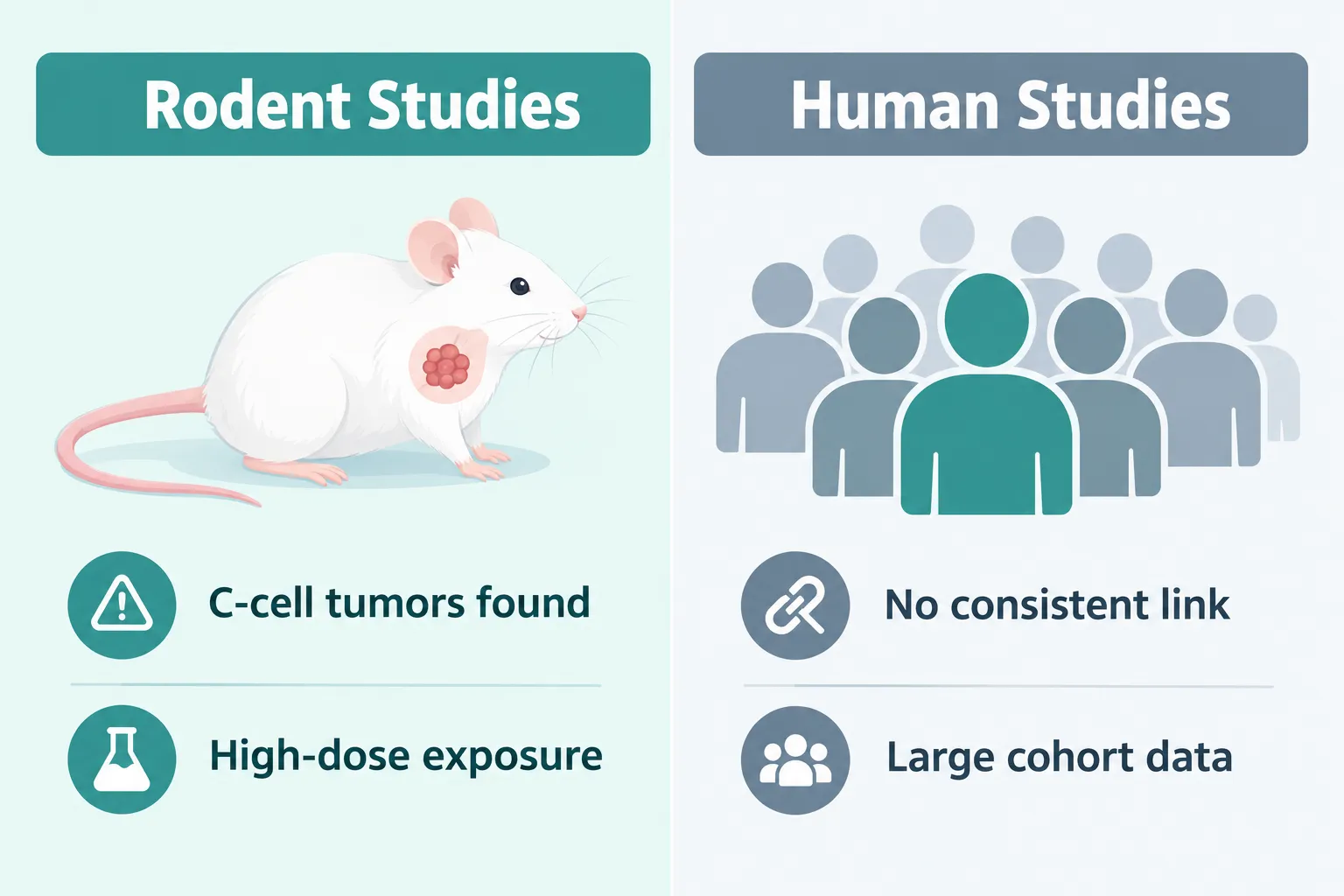
- The Ozempic boxed warning exists because of rodent studies, not confirmed human cancer cases [1].
- Large human cohort studies have not found a clear increase in medullary thyroid carcinoma among Ozempic users .
- Some meta-analyses show a small, statistically uncertain rise in thyroid cancer rates; others show none [3].
- Ozempic appears linked to lower rates of several obesity-related cancers, including liver, colorectal, and pancreatic cancer [2][4].
- People with a personal or family history of medullary thyroid carcinoma (MTC) or MEN2 should not take Ozempic [1].
- Thyroid cancer from GLP-1 drugs, if it occurs at all, appears rare, reported incidence stays under 1% in reviewed trials [5].
- If you notice a neck lump, hoarseness, or trouble swallowing while on Ozempic, contact your doctor right away [1].
What Are the Actual Thyroid Side Effects of Ozempic?
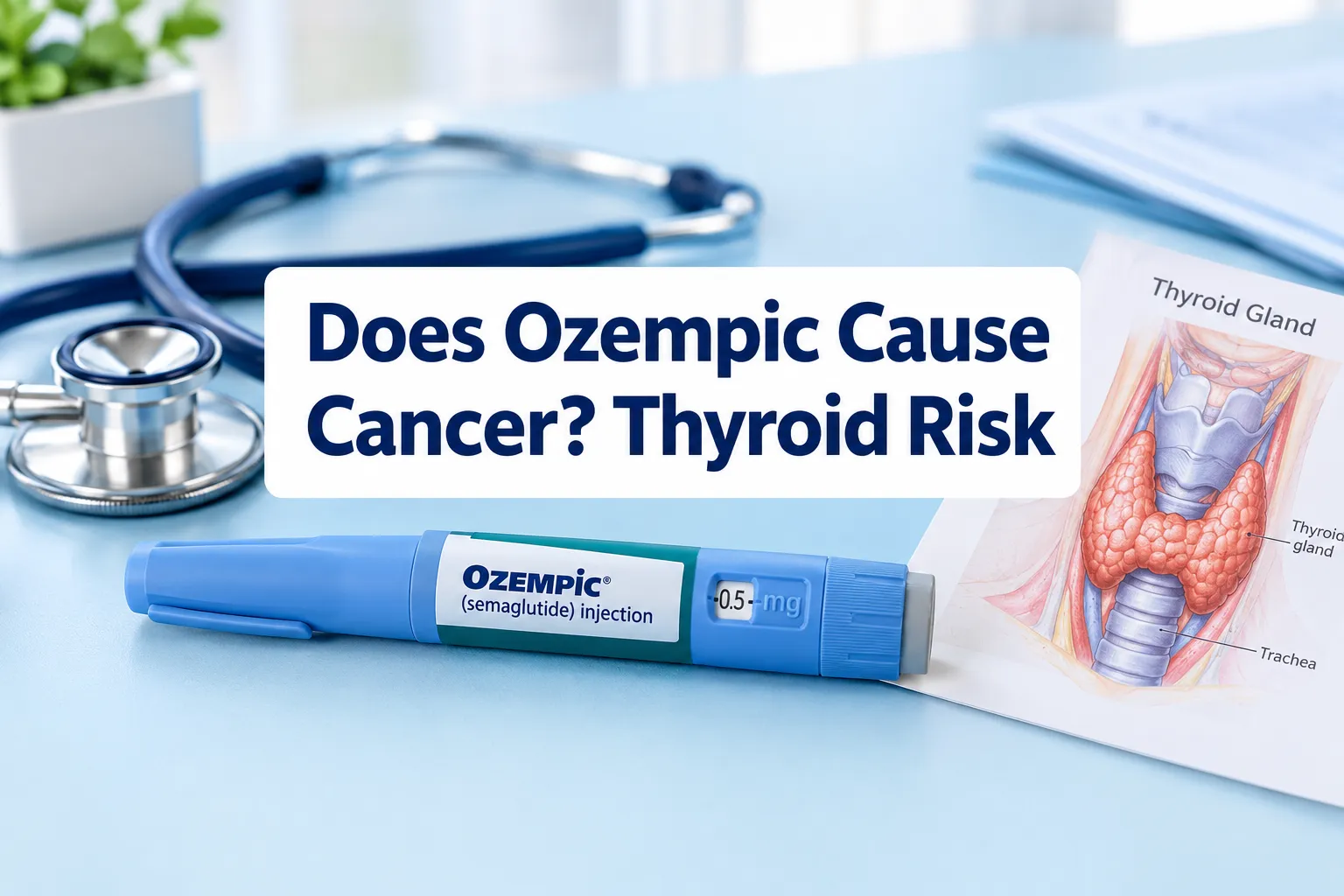
The documented thyroid-related side effects of Ozempic are a boxed warning for C-cell tumors and the label’s instruction to watch for specific symptoms. These effects are based mainly on animal data, with human relevance still unconfirmed [1].
7 Best GLP-1 Providers Ranked: Accreditation, Flexibility & Support Compared (2026 Update)
32,000+ Patients Can't All Be Wrong: See the Top-Rated GLP-1 Providers. We compared the leading online GLP-1 providers based on program features, clinical support, convenience, and overall value.
BMI MD GLP-1 Microdosing Plan
- Specialized microdosing options, including sublingual drops and low-dose injections
- Designed for people interested in maintaining weight or gradually adjusting treatment
- Bundled program structure without a separate monthly platform membership
- Online access makes the process convenient from home

DirectMeds Weight Loss Solutions
- Online weight-loss program with a straightforward patient experience
- Compounded medication options through state-licensed compounding pharmacies
- Includes clinical consultation as part of the process
- Provides shipping updates to help patients track their orders
MEDVi Flat-Rate Telehealth
- Flat-rate telehealth approach designed for easier budgeting
- No dosage-based pricing increases within the advertised program structure
- Offers injectable and oral thin-film delivery options
- Includes medical screening and asynchronous provider consultations
Gala GLP-1 Care Program
- Text-based access to state-licensed clinicians
- Cold-chain medication shipping included in the program
- Month-to-month program structure
- Designed for people who value convenient ongoing support
Measured GLP-1 Metabolic Health
- Comprehensive metabolic health screening and intake analysis
- Designed around longer-term metabolic health management
- Responsive dashboard with integrated health tracking tools
- Useful option for patients who value a more data-focused experience
Refills GLP-1 (TryRefills Plan)
- Clinical guidance designed to help patients manage common treatment concerns
- Includes foundational nutritional strategies alongside medication
- Designed around predictable ongoing treatment
- No hidden startup or processing fees according to the program information provided
AltRx GLP-1 Transactional Reorders
- Transactional reorder model without recurring auto-billing
- Designed for patients who already understand their treatment routine
- Fast text-to-order process for convenient reorders
- Offers injectable and fast-dissolving tablet variations
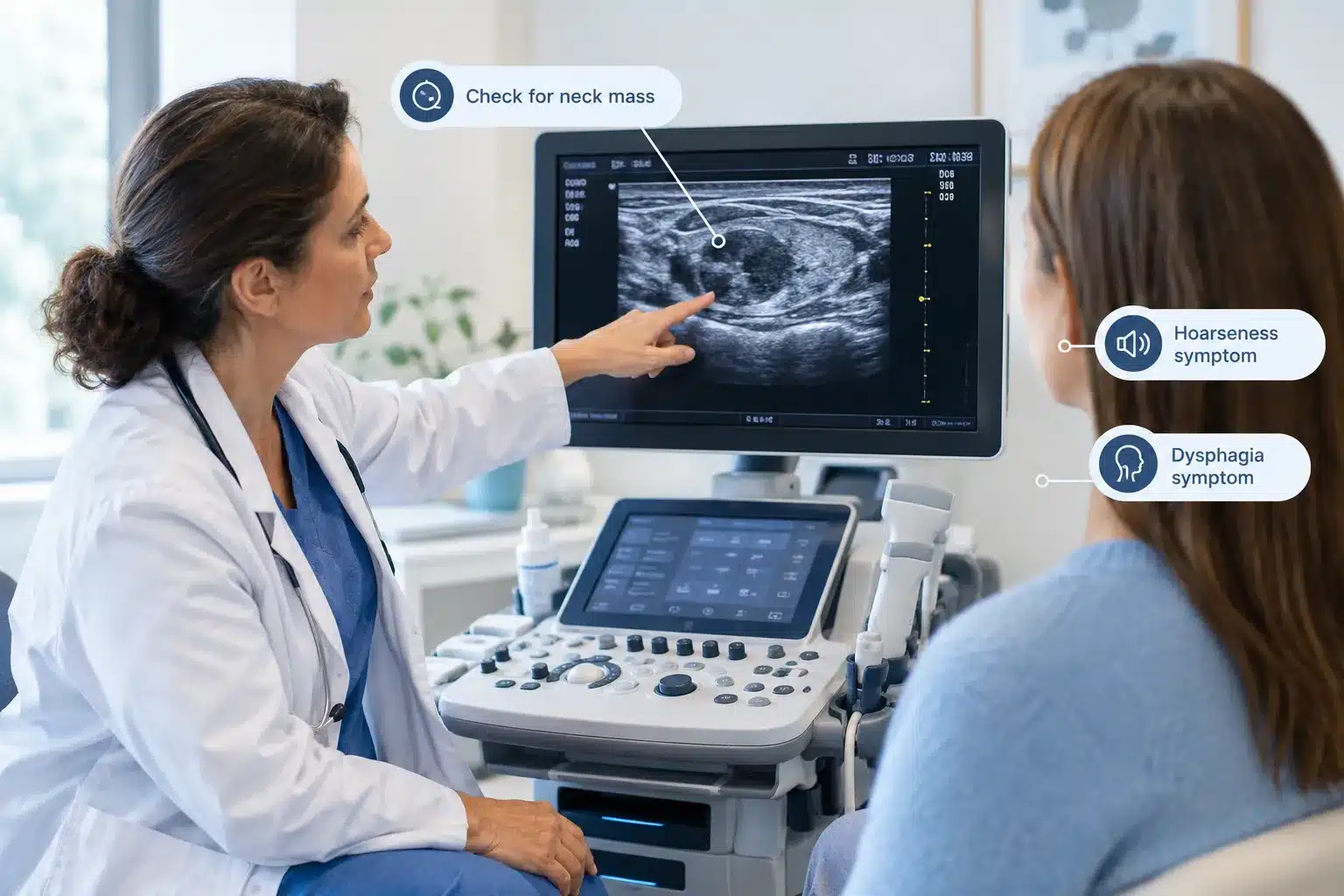
The FDA label for oral semaglutide (Rybelsus) states plainly that semaglutide caused thyroid C-cell tumors in rodents, and that researchers don’t yet know if this translates to people [1]. The label tells prescribers to monitor patients for:
- A new lump or mass in the neck
- Trouble swallowing (dysphagia)
- Shortness of breath (dyspnea)
- Hoarseness that doesn’t go away
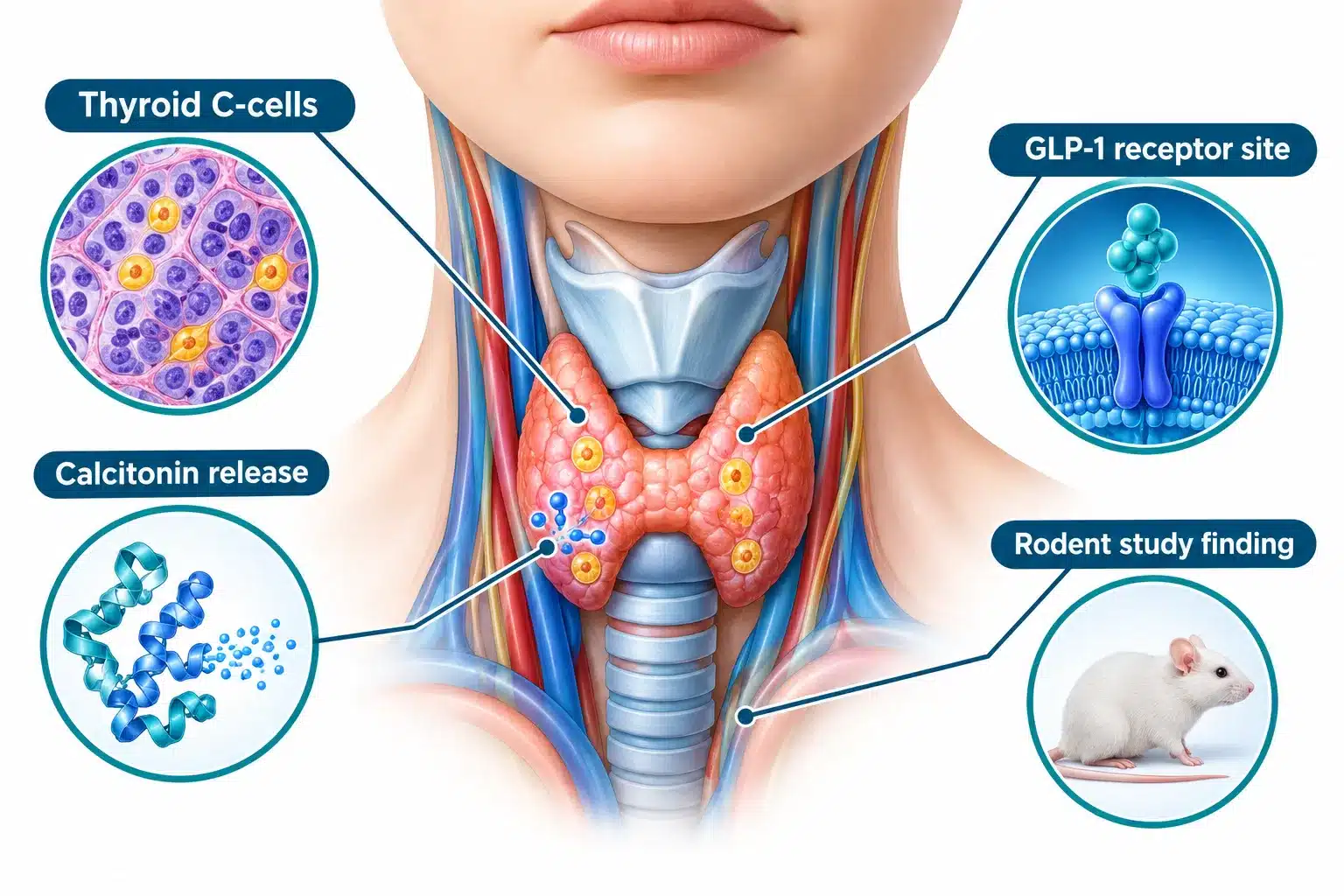
If any of these symptoms show up, your doctor should check your thyroid and may stop the medication while investigating [1]. This isn’t a “stop and panic” situation, it’s a precaution built into the drug’s safety monitoring.
Has Ozempic Been Linked to Cancer in Studies or Clinical Trials?
Clinical trial and observational data through 2026 show a mixed picture: no clear overall cancer increase, but an unresolved question specifically about thyroid cancer. Several large studies actually found lower cancer rates overall among GLP-1 users [2][4].
A review published online in October 2026 pooled multiple randomized trials and found a statistically significant thyroid cancer signal in one analysis (odds ratio 1.55) but a weaker, non-significant signal in a more recent pooled analysis (odds ratio 1.37) . The same review noted that large active-comparator cohort studies, generally considered stronger evidence than trial pooling, have not shown an increased risk of thyroid cancer or medullary thyroid carcinoma specifically .
Meanwhile, a 79-study systematic review in 2026 found GLP-1 receptor agonists were linked to significantly lower rates of 10 of 13 obesity-associated cancers, with thyroid cancer relative risk at 1.09 (95% CI 0.98-1.21), a small elevation that didn’t reach statistical significance [2][3].
Choose to take this signal seriously if you have a personal or family history of thyroid cancer. Treat it as low-priority if you have no such history, since current cohort data leans reassuring for most people .
Does Ozempic Cause More Cancer Risk Than Other Diabetes Medications?
No, the current evidence does not show Ozempic causing more overall cancer risk than other diabetes medications; in fact, several studies suggest the opposite for obesity-related cancers. Comparisons against other type 2 diabetes drugs generally favor GLP-1 agonists like Ozempic [2][3].
In the 79-study meta-analysis, GLP-1 receptor agonist users had significantly lower rates of multiple obesity-driven cancers compared with people on other diabetes medications [3]. A separate PubMed-indexed synthesis found a 10-year risk ratio of 0.70 for obesity-related cancers among GLP-1 users, covering cancers like:
| Cancer Type | Direction of Risk with GLP-1RA Use |
|---|---|
| Hepatocellular (liver) | Lower [2] |
| Colorectal | Lower [2] |
| Pancreatic | Lower [2] |
| Endometrial | Lower [2] |
| Esophageal | Lower [2] |
| Gallbladder | Lower [2] |
| Ovarian | Lower [2] |
| Multiple myeloma | Lower [2] |
| Thyroid | No significant association [2] |
A common mistake people make is assuming “cancer warning” means “cancer-causing.” The data here points more toward a protective pattern for obesity-related cancers generally, with thyroid cancer the one unresolved exception [2][6].
Why Does Ozempic Affect Thyroid Levels and Hormones?
Ozempic affects thyroid-related cells because semaglutide activates GLP-1 receptors, and rodent thyroid C-cells happen to carry a high density of these receptors. Human thyroid C-cells carry far fewer GLP-1 receptors, which is part of why the rodent findings may not translate directly to people [1].
In rats and mice, GLP-1 receptor activation on C-cells triggered calcitonin release and, over time, cell proliferation that led to tumors in long-term, high-dose studies [1]. The American Cancer Society notes this species difference as a key reason human risk remains uncertain rather than confirmed . Ozempic does not directly change thyroid hormone levels like T3 or T4 in typical clinical use, the concern is specifically about C-cell tumor growth, not hypothyroidism or hyperthyroidism [1].
Can You Take Ozempic If You Have a History of Cancer?
It depends on the cancer type: a personal or family history of medullary thyroid carcinoma or MEN2 syndrome means you should not take Ozempic, but most other cancer histories don’t automatically disqualify you. Always confirm with your oncologist and prescribing provider [1].
- Avoid Ozempic if you or a close family member has had medullary thyroid carcinoma or MEN2 [1].
- Discuss with your doctor if you’ve had any other thyroid condition, even unrelated to MTC.
- Generally acceptable with monitoring if you have a history of an obesity-related cancer now in remission, though your oncology team should weigh in given mixed individual data [2][4].
If you’re exploring GLP-1 options because of weight-related metabolic issues, it helps to understand how GLP-1 medications work for weight loss before deciding if the benefits outweigh your personal risk profile.
What Should I Do If I Develop Thyroid Problems While on Ozempic?
Stop and call your prescriber immediately if you notice a neck lump, persistent hoarseness, trouble swallowing, or breathing changes. Don’t wait for your next scheduled appointment [1].
Steps to take:
- Note the symptom and when it started.
- Contact your prescribing doctor the same day if possible.
- Ask for a physical thyroid exam and, if warranted, an ultrasound or calcitonin blood test.
- Pause the medication only on your doctor’s instruction, don’t self-discontinue without guidance, since stopping GLP-1 therapy abruptly can affect blood sugar control.
- Follow up on any referral to an endocrinologist.
Edge case: mild neck tightness without a mass or voice change is usually not diagnostic of a C-cell tumor, but it’s still worth mentioning at your next visit.
Is Ozempic Safe for Weight Loss, or Is the Cancer Risk Too High?
For most adults without a personal or family history of medullary thyroid carcinoma, Ozempic’s cancer risk profile does not outweigh its metabolic benefits, based on current evidence. The thyroid warning is a precaution, not a confirmed human cancer outcome [1].
Here’s a simple way to frame the decision:
- Low concern: no MTC/MEN2 history, normal thyroid exam, following up regularly with your provider.
- Moderate concern: unexplained neck symptoms, family history of general thyroid disease (not MTC).
- High concern / avoid: personal or family history of MTC or MEN2.
If you’re weighing cost and access alongside safety, our guide on whether Kaiser covers GLP-1 medications for weight loss and our breakdown of how long GLP-1 medications take to work can help you set realistic expectations before starting.
What Does the FDA Actually Say About Ozempic and Cancer?
The FDA’s position is that Ozempic and related semaglutide products carry a boxed warning for thyroid C-cell tumors based on animal data, with human risk unknown. The agency requires prescribers to screen for contraindications and watch for warning symptoms [1].
The FDA label states that it is “unknown whether [semaglutide] causes thyroid C-cell tumors, including medullary thyroid carcinoma (MTC), in humans” [1]. This is a carefully worded caution, not a confirmed finding. The label explicitly contraindicates use in patients with a personal or family history of MTC or MEN2 [1].
A common myth is that the FDA has “confirmed” Ozempic causes cancer. That’s not accurate, the FDA requires a precautionary warning while human causality remains unproven [1][5].
Are There Safer Alternatives to Ozempic for Diabetes or Weight Loss?
Yes, several alternatives exist, though each carries its own benefit-risk profile and some share the same class-wide thyroid warning. The “safest” choice depends on your personal and family medical history.
- Other GLP-1 drugs (Wegovy, Rybelsus, Trulicity), same thyroid warning applies since they share the GLP-1 mechanism [1].
- Tirzepatide-based drugs (Mounjaro, Zepbound), dual GIP/GLP-1 agonists, also carry thyroid tumor warnings in labeling.
- Older diabetes medications (metformin, SGLT2 inhibitors), no thyroid C-cell warning, though generally less effective for significant weight loss.
- Compounded semaglutide, chemically similar to Ozempic; see our explainer on how compounded semaglutide differs from Ozempic for sourcing and regulatory differences.
- Lower-dose or microdosing protocols, some patients explore these under medical supervision; our guide on microdosing Ozempic and what the science actually shows covers the current evidence base.
If MTC/MEN2 history rules out GLP-1 drugs entirely for you, metformin or SGLT2 inhibitors remain reasonable options to discuss with your physician.
Do People With Thyroid Disease Need to Avoid Ozempic Completely?
No, not all thyroid disease requires avoiding Ozempic, only a personal or family history of medullary thyroid carcinoma or MEN2 syndrome is an absolute contraindication. Other thyroid conditions, like Hashimoto’s or simple nodules, usually don’t rule out use, but require discussion with your doctor [1].
- Hypothyroidism or hyperthyroidism (non-MTC): generally not a contraindication, but monitor thyroid function during treatment.
- Benign thyroid nodules: usually fine, though your doctor may want a baseline ultrasound first.
- Papillary or follicular thyroid cancer (not medullary): not an FDA contraindication, but individual risk should be reviewed with your oncologist, since broader data on all thyroid cancer subtypes is still developing [2].
- Medullary thyroid carcinoma or MEN2: absolute contraindication, avoid Ozempic [1].
What Are the Most Common Myths About Ozempic Causing Cancer?
The biggest myth is that Ozempic has been proven to cause cancer in humans. In reality, the warning stems from rodent studies, and most human data trends toward either no increased risk or a reduced risk of several cancers [1][2].
Common myths, debunked:
- Myth: “Ozempic causes thyroid cancer in everyone who takes it.” Fact: reported thyroid cancer incidence among semaglutide users in reviewed trials stayed under 1%, similar to background population rates [5].
- Myth: “The FDA confirmed a cancer link.” Fact: the FDA warning is precautionary, based on animal studies, with human causality still unconfirmed [1].
- Myth: “Ozempic increases risk of all cancers.” Fact: multiple large studies show reduced risk of obesity-related cancers like liver, colorectal, and pancreatic cancer [2][4].
- Myth: “If you don’t have thyroid symptoms, you’re automatically safe.” Fact: screening and contraindication checks matter more than symptom absence alone, especially given family history [1].
When Should You Stop Taking Ozempic Because of Side Effects?
You should stop Ozempic and contact your doctor if you develop signs of a thyroid tumor, severe gastrointestinal symptoms, signs of pancreatitis, or an allergic reaction. Routine mild nausea usually doesn’t require stopping [1].
Warning signs that warrant stopping and calling your provider:
- Neck lump, persistent hoarseness, or swallowing difficulty [1]
- Severe, persistent abdominal pain (possible pancreatitis)
- Signs of a severe allergic reaction: swelling, difficulty breathing, rash
- Vision changes suggestive of diabetic retinopathy complications
- Signs of gallbladder problems: upper right abdominal pain, fever, yellowing skin
Most people tolerate Ozempic without needing to stop, but knowing these red flags helps you act quickly rather than waiting out a symptom that needs medical attention.
How Long Does It Take to Develop Thyroid Issues on Ozempic?
There’s no established human timeline for thyroid tumor development on Ozempic, because confirmed human cases are rare and the warning is based on long-term rodent exposure studies. Rodent studies used lifetime, high-dose exposure, which doesn’t map cleanly onto typical human treatment durations [1].
This means routine thyroid monitoring isn’t based on a specific “watch out at month six” rule. Instead, providers are advised to stay alert for symptoms throughout treatment, however long that lasts, whether it’s a 6-week Ozempic weight loss timeline or multi-year maintenance therapy.
Is the Cancer Risk From Ozempic Permanent or Reversible?
If a thyroid tumor signal exists at all, stopping Ozempic appears to remove the ongoing drug exposure, but any tumor that has already formed would need separate medical treatment, not simply discontinuation. This is based on the general pharmacology of GLP-1 receptor activation rather than confirmed reversal data in humans [1].
In practical terms:
- Discontinuing Ozempic stops further GLP-1 receptor-driven C-cell stimulation.
- It does not undo a tumor that has already developed, that requires standard oncology evaluation and treatment.
- Current data suggests the broader cancer-risk picture (excluding thyroid) may actually improve with GLP-1 use over time, given reduced obesity-related cancer rates in multi-year cohorts [4].
Ozempic Cancer Risk: Quick Comparison Table
| Question | Current Evidence (2026) |
|---|---|
| Does Ozempic cause cancer in humans? | Not proven; boxed warning is precautionary [1] |
| Thyroid cancer risk vs. other diabetics meds? | Mixed, low-level signal; not consistently significant [3] |
| Overall cancer risk vs. non-users? | Lower for several obesity-related cancers [2][4] |
| Who must avoid it? | Personal/family MTC or MEN2 history [1] |
| Monitoring needed? | Watch for neck mass, hoarseness, dysphagia [1] |
FAQ
Does Ozempic cause thyroid cancer?
Current human studies don’t confirm a causal link; the warning comes from rodent data, and large human cohorts show inconsistent or no significant increase in thyroid cancer [1].
What cancers does Ozempic reduce risk for?
Studies link GLP-1 use to lower rates of liver, colorectal, pancreatic, endometrial, esophageal, gallbladder, and ovarian cancers, plus multiple myeloma [2].
Who should never take Ozempic because of cancer risk?
Anyone with a personal or family history of medullary thyroid carcinoma or MEN2 syndrome should avoid it [1].
Can thyroid nodules get worse on Ozempic?
There’s no strong evidence that typical benign nodules worsen on Ozempic, but your doctor may want a baseline ultrasound before starting if you have existing nodules .
Is Wegovy safer than Ozempic for cancer risk?
No, Wegovy and Ozempic both contain semaglutide and carry the identical thyroid C-cell tumor warning [1].
Should I get thyroid testing before starting Ozempic?
If you have a family history of thyroid cancer or MEN2, yes, discuss baseline testing with your doctor before starting [1].
Does weight loss itself lower cancer risk, separate from the drug?
Yes, obesity is a known risk factor for several cancers, so weight loss through any safe method may reduce risk independent of the specific medication [2][4].
7 Best GLP-1 Providers Ranked: Accreditation, Flexibility & Support Compared (2026 Update)
32,000+ Patients Can't All Be Wrong: See the Top-Rated GLP-1 Providers: Compared on accreditation, plan flexibility, and patient support — updated for 2026.
BMI MD GLP-1 Microdosing Plan
- Specialized microdosing options (sublingual drops or low-dose injections)
- Ideal for maintaining weight or tapering off higher doses safely
- Fully bundled plan with no hidden monthly platform memberships
DirectMeds Weight Loss Solutions
- Sourced from accredited, state-licensed 503A compounding pharmacies
- No-frills high-volume savings passed directly to the patient
- Includes clinical consultation and cold-chain shipping updates
MEDVi Flat-Rate Telehealth
- Flat monthly rate holds steady even at maximum maintenance doses
- No dosage upcharges or graduation fee penalties
- Offers both injectable and advanced oral thin-film delivery options
Gala GLP-1 Care Program
- All-inclusive plan with no standalone membership costs
- Continuous text-based messaging access with state-licensed clinicians
- Temperature-controlled, cold-chain medication shipping included
Measured GLP-1 Metabolic Health
- Comprehensive metabolic health screening and expert intake analysis
- Predictable long-term budgeting with stable plan pricing
- High-end responsive dashboard with integrated diagnostic support
Refills GLP-1 (TryRefills Plan)
- Flat rate holds steady as titration scales up
- Includes clinical guides for active side-effect management
- Bundles in foundational nutritional strategies alongside medication
AltRx GLP-1 Transactional Reorders
- Zero recurring auto-billing — pay entirely on a transactional basis
- Rapid text-to-order format saves time for experienced patients
- Provides both injectable forms and fast-dissolving tablet variations
Conclusion
Here’s where the evidence lands as of late 2026: Ozempic carries a precautionary thyroid tumor warning rooted in rodent studies, and human data remain mixed but generally reassuring for most people without MTC or MEN2 in their family history [1]. At the same time, multiple large studies show GLP-1 drugs like Ozempic linked to lower rates of several obesity-related cancers, which matters if you’re weighing overall health risk, not just the thyroid question [2][4]. The clearest next step is simple: talk with your doctor about your personal and family thyroid history before starting, and report any neck symptoms immediately if you’re already on treatment. If you want to compare dosing options or understand what else is available in this drug class, our guide to semaglutide brand names Ozempic, Wegovy, and Rybelsus is a useful next read.
This article is for informational purposes only and is not medical advice. Talk to a licensed healthcare provider before starting or changing any medication.
References
- 213051s018lbl. accessdata.fda.gov.
- pubmed.ncbi.nlm.nih.gov. pubmed.ncbi.nlm.nih.gov.
- Modalpreview. iarc2026conf.iarc.who.int.
- Glp 1 Receptor Agonist Use and Cancer Risk in Obese Nondiabetic Adults. cancer.fr.
- Ozempic Cause Cancer 3578489. drugs.com.
- Pmc12929497. pmc.ncbi.nlm.nih.gov.


