Is Compounded GLP-1 as Effective as Brand Name?

Last updated: June 2, 2026
Quick Answer: Compounded GLP-1 medications contain the same active ingredient as brand-name drugs like Ozempic and Wegovy, but they are not FDA-approved and have not undergone the same clinical trials. For most healthy adults, a properly compounded semaglutide or tirzepatide from a licensed 503B pharmacy can produce comparable weight-loss results — but the quality, purity, and dosing accuracy vary by pharmacy, which makes provider selection critical.
Key Takeaways
- Compounded GLP-1 medications use the same active molecules (semaglutide or tirzepatide) as brand-name drugs but are mixed by compounding pharmacies, not manufactured by Novo Nordisk or Eli Lilly.
- The FDA does not approve compounded drugs individually, meaning no large-scale clinical trial has directly compared compounded versus brand-name GLP-1 head-to-head.
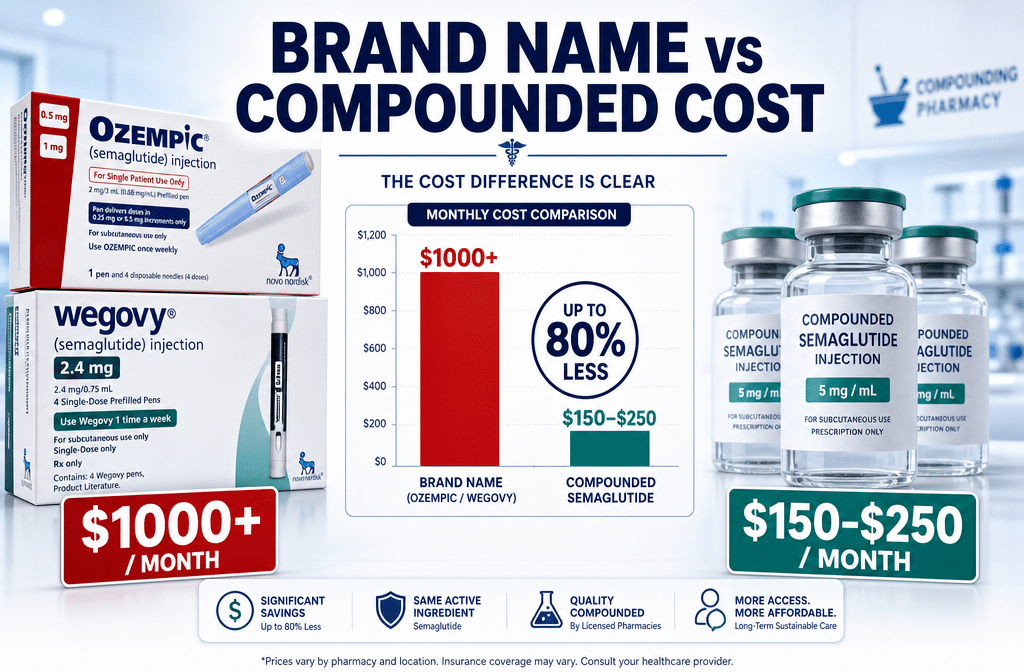
- Cost is the biggest practical difference: compounded semaglutide can cost 60-80% less than Wegovy or Ozempic per month, based on publicly available telehealth pricing in 2026.
- Legal compounding is only permitted through FDA-registered 503A or 503B pharmacies; buying from unregulated sources carries real safety risks.
- Side effects between compounded and brand-name versions are generally similar, but additives like B12 or L-carnitine in some compounded formulas may introduce additional variables.
- People with type 2 diabetes should work closely with their prescribing doctor before switching to or starting a compounded GLP-1.
- Insurance rarely covers compounded GLP-1 medications; most patients pay out of pocket.
- DirectMeds GLP1 Semaglutide is one of the most affordable and accessible compounded semaglutide options available through telehealth in 2026.

What Exactly Is a Compounded GLP-1 Medication?
A compounded GLP-1 medication is a custom-prepared version of a GLP-1 receptor agonist — most commonly semaglutide or tirzepatide — made by a licensed compounding pharmacy rather than a major drug manufacturer. These pharmacies mix the active pharmaceutical ingredient (API) with a carrier solution, often adding vitamins like B12, and package it in injectable vials or pens.
7 Best GLP-1 Providers Ranked: Accreditation, Flexibility & Support Compared (2026 Update)
32,000+ Patients Can't All Be Wrong: See the Top-Rated GLP-1 Providers. We compared the leading online GLP-1 providers based on program features, clinical support, convenience, and overall value.
BMI MD GLP-1 Microdosing Plan
- Specialized microdosing options, including sublingual drops and low-dose injections
- Designed for people interested in maintaining weight or gradually adjusting treatment
- Bundled program structure without a separate monthly platform membership
- Online access makes the process convenient from home

DirectMeds Weight Loss Solutions
- Online weight-loss program with a straightforward patient experience
- Compounded medication options through state-licensed compounding pharmacies
- Includes clinical consultation as part of the process
- Provides shipping updates to help patients track their orders
MEDVi Flat-Rate Telehealth
- Flat-rate telehealth approach designed for easier budgeting
- No dosage-based pricing increases within the advertised program structure
- Offers injectable and oral thin-film delivery options
- Includes medical screening and asynchronous provider consultations
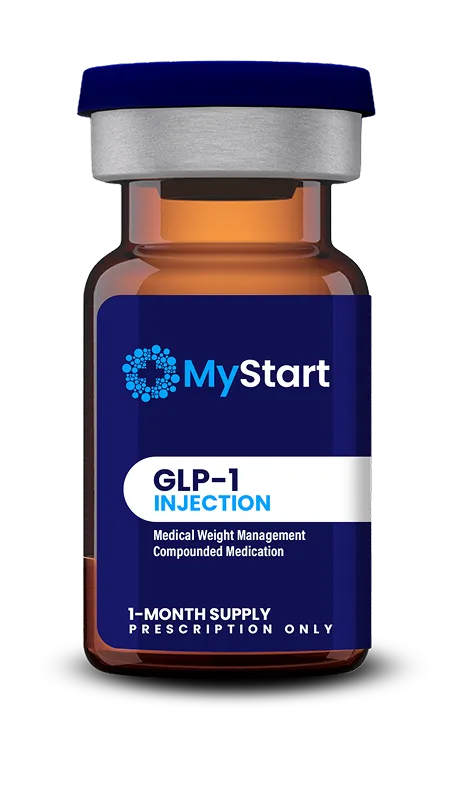
Gala GLP-1 Care Program
- Text-based access to state-licensed clinicians
- Cold-chain medication shipping included in the program
- Month-to-month program structure
- Designed for people who value convenient ongoing support
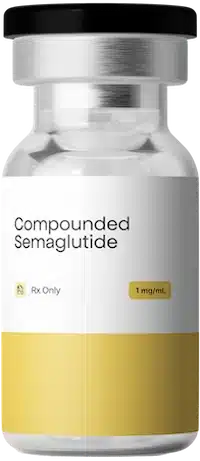
Measured GLP-1 Metabolic Health
- Comprehensive metabolic health screening and intake analysis
- Designed around longer-term metabolic health management
- Responsive dashboard with integrated health tracking tools
- Useful option for patients who value a more data-focused experience
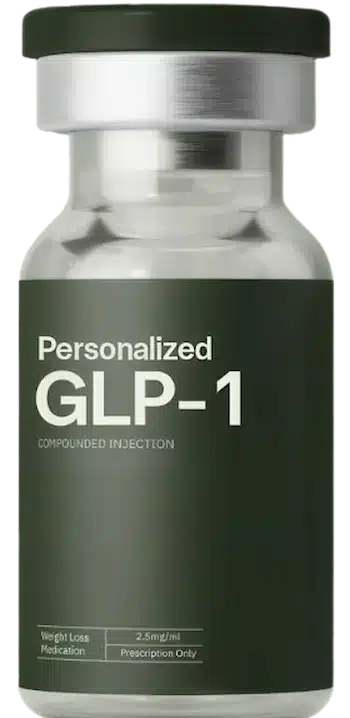
Refills GLP-1 (TryRefills Plan)
- Clinical guidance designed to help patients manage common treatment concerns
- Includes foundational nutritional strategies alongside medication
- Designed around predictable ongoing treatment
- No hidden startup or processing fees according to the program information provided
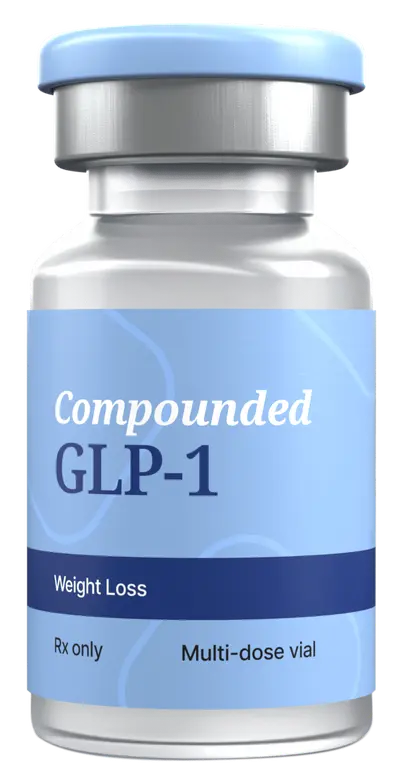
AltRx GLP-1 Transactional Reorders
- Transactional reorder model without recurring auto-billing
- Designed for patients who already understand their treatment routine
- Fast text-to-order process for convenient reorders
- Offers injectable and fast-dissolving tablet variations
The key distinction: brand-name drugs like Ozempic (semaglutide for diabetes), Wegovy (semaglutide for weight loss), and Zepbound (tirzepatide for weight loss) go through years of FDA clinical trials before approval. Compounded versions skip that process entirely. They are legal under specific conditions — primarily when a drug is on the FDA shortage list or when a patient has a documented medical need for a modified formulation.
For a deeper look at how the two differ at the molecular and formulation level, see this breakdown of how compounded semaglutide differs from Ozempic.
Common compounded GLP-1 forms:
- Semaglutide injection (most common, mirrors Wegovy/Ozempic dosing)
- Tirzepatide injection (mirrors Zepbound/Mounjaro)
- Oral troches or sublingual drops (less common, limited evidence on absorption)
Is Compounded GLP-1 as Effective as Brand Name? What the Clinical Evidence Shows
The honest answer is: probably yes for most people, but the evidence is indirect. No large randomized controlled trial has directly compared compounded semaglutide to Wegovy in a head-to-head study. What we do know comes from the extensive clinical trials on the brand-name drugs themselves.
The STEP trials for semaglutide (published in the New England Journal of Medicine, 2021) showed that 2.4 mg weekly semaglutide produced an average body weight reduction of about 14.9% over 68 weeks in adults with obesity. Tirzepatide’s SURMOUNT-1 trial (New England Journal of Medicine, 2022) showed up to 20.9% average weight loss at the highest dose.
If a compounded pharmacy accurately delivers the same dose of the same molecule, the pharmacological effect on GLP-1 receptors should be identical. The variables that could reduce effectiveness include:
- Inaccurate dosing due to poor compounding practices
- Degraded API from improper storage or low-quality sourcing
- Lower bioavailability from certain carrier solutions or added excipients
Bottom line for effectiveness: Compounded GLP-1 can match brand-name results when sourced from a reputable 503B pharmacy and dosed correctly. The risk of reduced effectiveness comes from pharmacy quality, not from the molecule itself.
How Much Cheaper Are Compounded Versions Compared to Ozempic or Wegovy?
Cost is where compounded GLP-1 medications pull far ahead. Brand-name Wegovy has a list price of approximately $1,349 per month in the U.S. as of 2026 without insurance. Ozempic runs similarly high. Compounded semaglutide through telehealth platforms typically ranges from $150 to $400 per month, depending on dose and provider.
For a full breakdown of pricing across providers, see this GLP-1 semaglutide and compounded tirzepatide cost guide.
| Medication | Avg. Monthly Cost (2026) | FDA Approved | Requires Prescription |
|---|---|---|---|
| Wegovy (brand) | ~$1,349 | Yes | Yes |
| Ozempic (brand) | ~$936 | Yes (diabetes) | Yes |
| Compounded Semaglutide | $150-$400 | No | Yes |
| Compounded Tirzepatide | $200-$500 | No | Yes |
DirectMeds GLP1 Semaglutide consistently ranks among the most affordable compounded semaglutide programs available through a legitimate telehealth provider. If cost is your primary barrier to starting GLP-1 therapy, this is worth exploring first.
Ready to start at a fraction of the brand-name price? Check DirectMeds GLP1 Semaglutide pricing here.
Are There Safety Risks With Compounded GLP-1 Drugs?
Yes, real safety risks exist, and they are worth understanding before you buy. The FDA has issued multiple warnings about compounded semaglutide and tirzepatide products, particularly those sold without a valid prescription or from pharmacies not registered under 503A/503B standards.
Documented risks include:
- Incorrect concentration: Some compounded products have been found to contain doses far higher or lower than labeled, increasing the risk of severe nausea, vomiting, or hypoglycemia.
- Contamination: Unregulated compounders may use non-sterile techniques, raising infection risk for injectable products.
- Unapproved salt forms: The FDA flagged semaglutide sodium and acetate salt forms as not equivalent to the base semaglutide used in approved drugs (FDA Drug Safety Communication, 2023).
- Unlisted additives: Some products contain undisclosed ingredients that may cause allergic reactions.
The safest path is to use a telehealth provider that sources exclusively from FDA-registered 503B outsourcing facilities and requires a licensed prescriber to review your health history before dispensing.
Which Pharmacies Can Legally Make Compounded GLP-1 Medications?
Only two categories of pharmacies can legally compound GLP-1 medications in the U.S.: 503A pharmacies (patient-specific, prescription-based) and 503B outsourcing facilities (larger-scale, FDA-registered, higher oversight standards).
503B facilities are generally considered the gold standard for compounded injectables because they follow Current Good Manufacturing Practice (CGMP) guidelines similar to commercial drug manufacturers. When evaluating a telehealth provider, ask directly which pharmacy they use and whether it holds 503B registration.
For a curated list of verified compounding pharmacy options, see our GLP-1 compounding pharmacy guide.
Red flags that suggest an unregulated source:
- No prescription required
- Ships internationally without customs documentation
- No licensed prescriber involved in the process
- Prices dramatically below $100/month with no explained sourcing
Do Insurance Companies Cover Compounded Weight Loss Medications?
Most insurance plans do not cover compounded GLP-1 medications. Because compounded drugs are not FDA-approved, they fall outside the formularies of most commercial insurers and Medicare Part D plans.
Some insurance plans cover brand-name Wegovy or Ozempic for specific indications (obesity with comorbidities, or type 2 diabetes), but coverage is inconsistent and often requires prior authorization. Medicaid coverage varies by state.
For most patients pursuing compounded GLP-1, out-of-pocket payment through a telehealth subscription is the standard model. This is actually one reason compounded versions have grown in popularity: they bypass the insurance approval process entirely, making access faster and more predictable.
What Side Effects Are Different Between Brand Name and Compounded Versions?
The core side effect profile of compounded semaglutide and tirzepatide mirrors the brand-name versions because the active molecule is the same. The most common side effects for both include nausea, vomiting, diarrhea, constipation, and reduced appetite, particularly during dose escalation.
Where compounded versions may differ:
- Added B12: Many compounded formulas include cyanocobalamin or methylcobalamin. This is generally safe but can occasionally cause mild injection site reactions.
- Added L-carnitine or other compounds: Some telehealth providers offer “enhanced” formulas with additional ingredients. These have not been studied in combination with semaglutide in clinical trials.
- Concentration differences: A higher-concentration vial requires smaller injection volumes, which some patients tolerate better; a lower-concentration formula may require larger volumes that cause more site discomfort.
For proper handling to preserve potency and reduce injection site issues, review this guide on how to store compounded semaglutide at home.
Can People With Diabetes Use Compounded GLP-1 the Same Way?
People with type 2 diabetes can use compounded semaglutide or tirzepatide, but they need closer medical supervision than someone using it purely for weight loss. GLP-1 receptor agonists lower blood glucose, and combining a compounded version with other diabetes medications (especially insulin or sulfonylureas) increases the risk of hypoglycemia.
The brand-name drugs Ozempic and Mounjaro are FDA-approved specifically for type 2 diabetes management and have robust dosing data from large trials. Compounded versions lack that same standardized dosing infrastructure, which means a prescribing doctor needs to monitor blood glucose more frequently during titration.
Choose compounded GLP-1 for diabetes if: You cannot afford brand-name costs, your doctor agrees to monitor you closely, and you are sourcing from a verified 503B pharmacy.
Stick with brand-name if: You have complex diabetes management needs, are on multiple glucose-lowering medications, or your insurer covers the brand-name drug.
What Medical Conditions Might Prevent Someone From Using Compounded GLP-1?
The contraindications for compounded GLP-1 are the same as for brand-name versions because the active ingredient is identical. A prescribing doctor should screen for these conditions before approving any GLP-1 therapy.
Absolute contraindications:
- Personal or family history of medullary thyroid carcinoma (MTC)
- Multiple Endocrine Neoplasia syndrome type 2 (MEN 2)
- Known hypersensitivity to semaglutide or tirzepatide
Conditions requiring caution:
- History of pancreatitis
- Severe gastrointestinal disease (gastroparesis, Crohn’s disease)
- Severe kidney or liver impairment
- Pregnancy or breastfeeding
Any reputable telehealth provider offering compounded GLP-1 will require a health intake form and prescriber review specifically to screen for these conditions. If a platform skips this step, that is a serious warning sign.
How Do Doctors Decide Between Prescribing Brand Name or Compounded GLP-1?
Prescribers weigh several factors: insurance coverage, patient cost burden, medical complexity, and the availability of the brand-name drug. During the 2022-2024 Ozempic and Wegovy shortage period, many physicians turned to compounded versions as a practical alternative. Even now that shortages have eased for some formulations, cost remains the dominant driver toward compounded options.
A doctor is more likely to prescribe a compounded version when:
- The patient has no insurance coverage for GLP-1 drugs
- The brand-name drug is unavailable or backordered
- The patient needs a specific dose not available in a commercial pen
- The patient has previously tolerated semaglutide well and wants a cost-effective maintenance option
For a comparison of how semaglutide and tirzepatide differ in mechanism and clinical use, see this difference between semaglutide and tirzepatide breakdown.
Want a licensed prescriber to evaluate whether compounded GLP-1 is right for you? Start your consultation with DirectMeds GLP1 Semaglutide today.
Are Compounded GLP-1 Medications as Clinically Proven as Ozempic and Wegovy?
No, not by the strict definition of clinical proof. Ozempic and Wegovy have FDA approval backed by multi-year Phase 3 trials involving thousands of participants. Compounded semaglutide has no equivalent trial record because compounded drugs are not required to undergo that process.
That said, the pharmacological logic is sound: if the active molecule is identical and dosed correctly, the mechanism of action is the same. Many clinicians and patients accept this reasoning as sufficient, especially given the cost differential.
The practical question is not whether the molecule works — it clearly does — but whether the specific compounded product you receive contains what it claims to contain, at the dose stated, in a sterile and stable form. That is entirely a function of pharmacy quality.
The clinical proof gap matters most for: patients with complex medical histories, those combining GLP-1 with other medications, and anyone who needs the assurance of a regulated manufacturing chain.
What Are the Most Common Mistakes People Make With Compounded Weight Loss Drugs?
Avoiding these mistakes can be the difference between real results and a wasted investment.
- Buying without a prescription from offshore or unverified websites. These products may contain no active ingredient at all, or dangerous concentrations.
- Skipping dose titration. Starting at a full therapeutic dose causes severe nausea. Both brand-name and compounded protocols start low and increase gradually over weeks.
- Improper storage. Compounded semaglutide vials must be refrigerated and protected from light. Failure to do so degrades the peptide and reduces effectiveness.
- Ignoring dietary changes. GLP-1 medications suppress appetite, but they work best alongside a caloric deficit and protein-focused diet.
- Choosing the cheapest option without verifying pharmacy credentials. A $79/month compounded semaglutide from an unverified source is not a deal — it is a risk.
- Stopping abruptly without a plan. Weight regain after stopping GLP-1 therapy is well-documented. Work with your provider on a tapering or maintenance strategy.
For those also exploring compounded tirzepatide as an alternative, see our compounded tirzepatide guide for a full breakdown of what to expect.

7 Best GLP-1 Providers Ranked: Accreditation, Flexibility & Support Compared (2026 Update)
32,000+ Patients Can't All Be Wrong: See the Top-Rated GLP-1 Providers: Compared on accreditation, plan flexibility, and patient support — updated for 2026.
BMI MD GLP-1 Microdosing Plan
- Specialized microdosing options (sublingual drops or low-dose injections)
- Ideal for maintaining weight or tapering off higher doses safely
- Fully bundled plan with no hidden monthly platform memberships
DirectMeds Weight Loss Solutions
- Sourced from accredited, state-licensed 503A compounding pharmacies
- No-frills high-volume savings passed directly to the patient
- Includes clinical consultation and cold-chain shipping updates
MEDVi Flat-Rate Telehealth
- Flat monthly rate holds steady even at maximum maintenance doses
- No dosage upcharges or graduation fee penalties
- Offers both injectable and advanced oral thin-film delivery options
Gala GLP-1 Care Program
- All-inclusive plan with no standalone membership costs
- Continuous text-based messaging access with state-licensed clinicians
- Temperature-controlled, cold-chain medication shipping included
Measured GLP-1 Metabolic Health
- Comprehensive metabolic health screening and expert intake analysis
- Predictable long-term budgeting with stable plan pricing
- High-end responsive dashboard with integrated diagnostic support
Refills GLP-1 (TryRefills Plan)
- Flat rate holds steady as titration scales up
- Includes clinical guides for active side-effect management
- Bundles in foundational nutritional strategies alongside medication
AltRx GLP-1 Transactional Reorders
- Zero recurring auto-billing — pay entirely on a transactional basis
- Rapid text-to-order format saves time for experienced patients
- Provides both injectable forms and fast-dissolving tablet variations
Conclusion: Is Compounded GLP-1 as Effective as Brand Name? Here Is What to Do Next
The weight of evidence suggests that compounded GLP-1 medications can be just as effective as brand-name Ozempic or Wegovy when three conditions are met: the active ingredient is pharmaceutical-grade semaglutide or tirzepatide, the pharmacy is a licensed 503A or 503B facility, and dosing follows the same titration protocol used in clinical trials.
The gaps are real but manageable. There is no head-to-head clinical trial. Pharmacy quality varies. Insurance won’t cover it. But for the millions of adults who cannot afford $1,000-plus per month for a brand-name GLP-1, a properly sourced compounded version represents a legitimate, medically supervised path to the same results.
Your next steps:
- Confirm you have no contraindications (thyroid cancer history, MEN 2, pancreatitis history) by speaking with a doctor.
- Choose a telehealth provider that uses a verified 503B compounding pharmacy and requires prescriber review.
- Start at the lowest titration dose and increase gradually based on tolerance.
- Store your medication correctly and follow the injection protocol your provider gives you.
- Pair the medication with a caloric deficit and regular physical activity for maximum results.
DirectMeds GLP1 Semaglutide is one of the most affordable and medically credible compounded semaglutide programs available in 2026. It includes prescriber oversight, pharmacy-grade sourcing, and a straightforward subscription model designed for people who want real results without the brand-name price tag.
Start your GLP-1 weight loss program with DirectMeds today — click here to get started.
Frequently Asked Questions
Is compounded semaglutide the same molecule as Wegovy?
Yes. Both contain semaglutide as the active ingredient. The difference is that Wegovy is manufactured by Novo Nordisk under FDA-approved conditions, while compounded semaglutide is prepared by a pharmacy. The molecule’s mechanism of action is identical when properly formulated.
Can I switch from Wegovy to compounded semaglutide mid-treatment?
Most patients can switch without restarting titration if they maintain the same dose. Consult your prescriber before switching to confirm the concentration and dosing schedule match your current regimen.
Is compounded GLP-1 legal in the United States?
Yes, under specific conditions. Compounding is legal when performed by a licensed 503A or 503B pharmacy with a valid prescription. It was also broadly permitted during the FDA shortage period for semaglutide. Always confirm your provider sources from a registered facility.
How long does it take for compounded semaglutide to work?
Most patients notice reduced appetite within the first 1-2 weeks. Meaningful weight loss (5% or more of body weight) typically occurs within 8-12 weeks, consistent with the brand-name clinical trial timelines.
Why is compounded GLP-1 so much cheaper than Ozempic?
Brand-name pricing includes the cost of FDA approval, clinical trials, marketing, and manufacturer margins. Compounding pharmacies bypass all of those costs and produce the medication at a fraction of the price using pharmaceutical-grade API.
Does compounded tirzepatide work as well as Zepbound?
The same logic applies as with semaglutide: if the active ingredient is pharmaceutical-grade tirzepatide dosed correctly, the pharmacological effect should mirror Zepbound. Pharmacy quality remains the key variable. See our compounded tirzepatide review for more detail.
What should I look for in a compounded GLP-1 provider?
Look for: a licensed prescriber review before dispensing, sourcing from a 503B-registered pharmacy, clear dosing and titration instructions, transparent pricing, and U.S.-based customer support. Avoid any platform that ships without a prescription.
Can compounded GLP-1 cause thyroid cancer?
GLP-1 receptor agonists carry an FDA black box warning about the risk of thyroid C-cell tumors based on rodent studies. This applies equally to brand-name and compounded versions. Anyone with a personal or family history of medullary thyroid carcinoma or MEN 2 should not use any GLP-1 medication.
Is it safe to buy compounded semaglutide online?
It can be safe if you use a legitimate U.S.-based telehealth platform that requires a prescription and uses a 503B pharmacy. Buying from overseas websites, social media sellers, or platforms that skip prescriber review is not safe and may be illegal.
Does DirectMeds offer compounded semaglutide?
Yes. DirectMeds GLP1 Semaglutide is a telehealth-based compounded semaglutide program that combines licensed prescriber oversight with affordable monthly pricing, making it one of the most accessible options for adults seeking GLP-1 therapy in 2026.
References
Wilding JPH, et al. “Once-Weekly Semaglutide in Adults with Overweight or Obesity.” New England Journal of Medicine STEP 1 Trial, 2021.
Jastreboff AM, et al. “Tirzepatide Once Weekly for the Treatment of Obesity.” New England Journal of Medicine SURMOUNT-1 Trial, 2022.
U.S. Food and Drug Administration. “FDA Alerts Health Care Providers and Patients of Risks Associated with Compounded GLP-1 Receptor Agonist Drugs.” FDA Drug Safety Communication, 2023.
Davies M, et al. “Semaglutide 2.4 mg once a week in adults with overweight or obesity, and type 2 diabetes (STEP 2).” The Lancet, 2021.
U.S. Pharmacopeia. “Compounding Standards and Beyond-Use Dating.” USP General Chapter 797 — Pharmaceutical Compounding: Sterile Preparations, 2023.
Tags: compounded GLP-1, semaglutide, compounded semaglutide, Ozempic alternative, Wegovy vs compounded, GLP-1 weight loss, tirzepatide compounded, compounding pharmacy, affordable GLP-1, weight loss medication, telehealth GLP-1, GLP-1 effectiveness