
glp 1 injections online
Last updated: October 1, 2026
Quick Answer
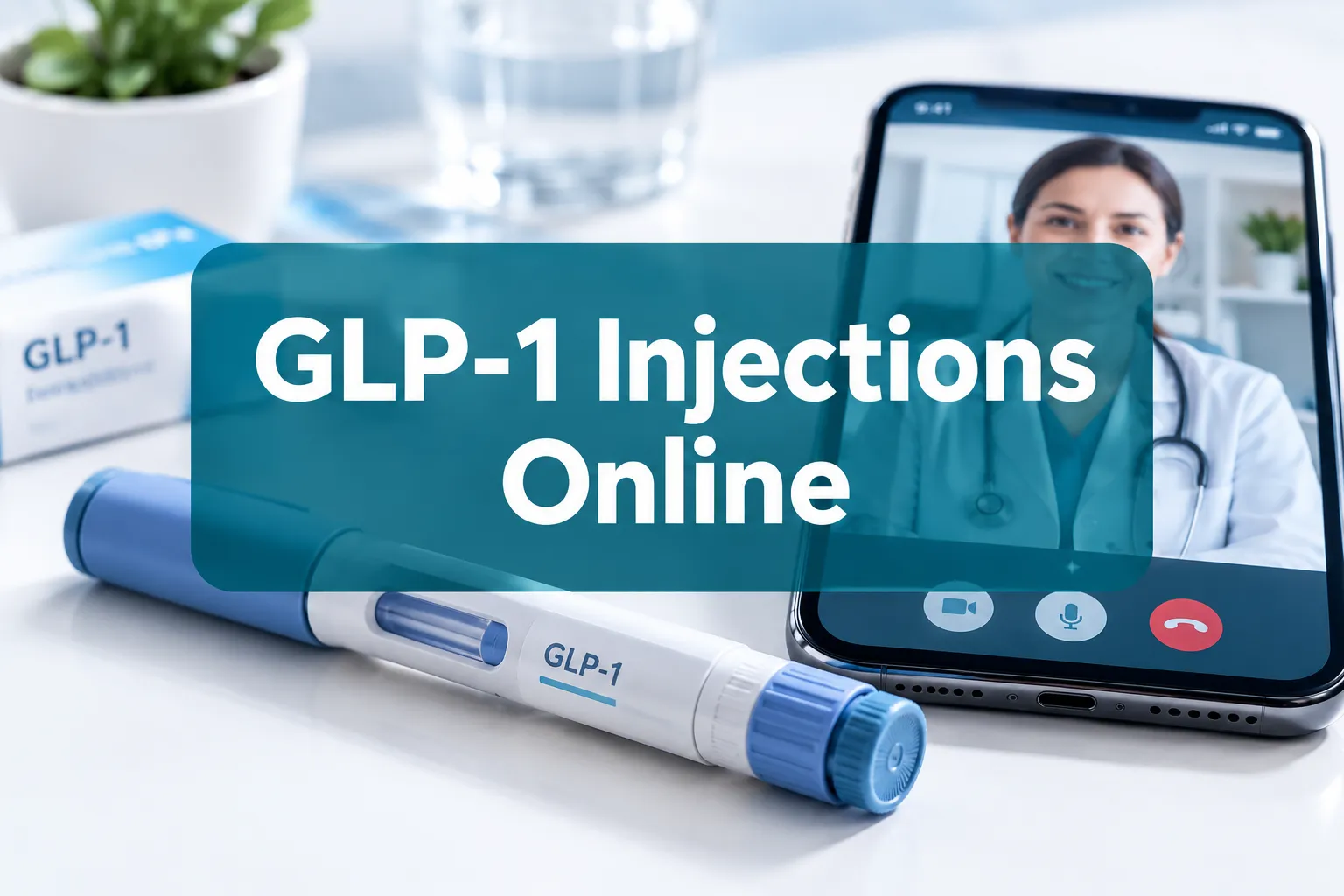
GLP-1 injections online are prescription weight-loss and diabetes medications, including semaglutide and tirzepatide, that licensed telehealth clinics can prescribe and ship to your door after a virtual consultation. They are legitimate when sourced through a licensed provider, but the FDA has issued over 110 warning letters to online sellers since late 2025 for selling unsafe, unapproved compounded versions. Always verify your provider is licensed and that your medication is either FDA-approved or compounded by a properly registered pharmacy.
Key Takeaways
- GLP-1 injections work by mimicking a gut hormone that reduces appetite, slows digestion, and improves blood sugar control.
- You can legally get GLP-1 injections prescribed online through telehealth platforms, no in-person doctor visit is required in most U.S. states.
- Brand-name GLP-1 injections (Wegovy, Ozempic, Zepbound) typically cost $900,$1,400/month without insurance; compounded versions run roughly $150,$300/month.
- The FDA has received more than 1,700 adverse event reports linked to compounded semaglutide and tirzepatide as of late May 2026, many tied to dosing errors and contamination [1].
- The FDA issued approximately 55 warning letters to online compounders in September 2025, 30 more to telehealth companies in March 2026, and another 25 in June 2026 [2].
- Not everyone qualifies, people with a personal or family history of medullary thyroid cancer or MEN2 syndrome should not use GLP-1 receptor agonists.
- Most GLP-1 injections are given once weekly; delivery from a licensed online pharmacy typically takes 3-7 business days.
- Stopping GLP-1 injections abruptly is generally safe medically, but weight regain is common without a tapering or maintenance plan.
What Are GLP-1 Injections and How Do They Work
GLP-1 (glucagon-like peptide-1) receptor agonists are a class of medications that mimic a hormone your gut naturally releases after eating. They bind to GLP-1 receptors in the pancreas, brain, and digestive tract, triggering insulin release, suppressing glucagon, slowing gastric emptying, and signaling the brain to reduce hunger.
7 Best GLP-1 Providers Ranked: Accreditation, Flexibility & Support Compared (2026 Update)
32,000+ Patients Can't All Be Wrong: See the Top-Rated GLP-1 Providers. We compared the leading online GLP-1 providers based on program features, clinical support, convenience, and overall value.
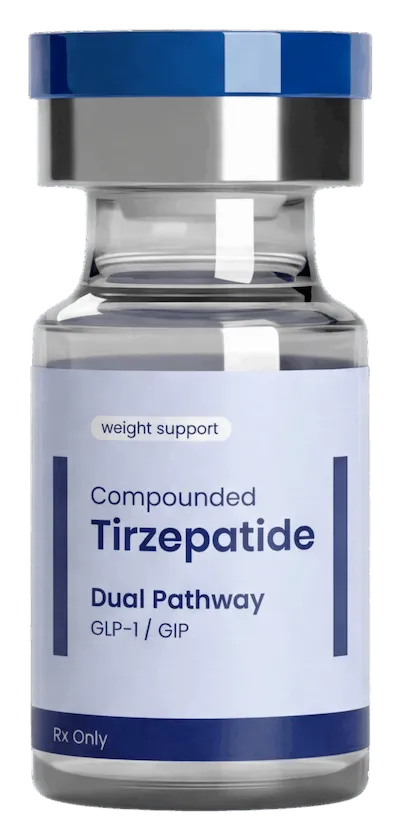
BMI MD GLP-1 Microdosing Plan
- Specialized microdosing options, including sublingual drops and low-dose injections
- Designed for people interested in maintaining weight or gradually adjusting treatment
- Bundled program structure without a separate monthly platform membership
- Online access makes the process convenient from home

DirectMeds Weight Loss Solutions
- Online weight-loss program with a straightforward patient experience
- Compounded medication options through state-licensed compounding pharmacies
- Includes clinical consultation as part of the process
- Provides shipping updates to help patients track their orders
MEDVi Flat-Rate Telehealth
- Flat-rate telehealth approach designed for easier budgeting
- No dosage-based pricing increases within the advertised program structure
- Offers injectable and oral thin-film delivery options
- Includes medical screening and asynchronous provider consultations
Gala GLP-1 Care Program
- Text-based access to state-licensed clinicians
- Cold-chain medication shipping included in the program
- Month-to-month program structure
- Designed for people who value convenient ongoing support
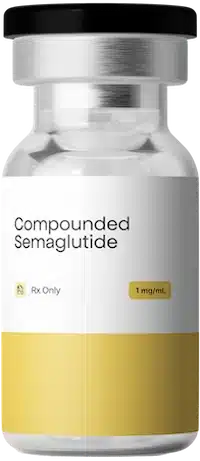
Measured GLP-1 Metabolic Health
- Comprehensive metabolic health screening and intake analysis
- Designed around longer-term metabolic health management
- Responsive dashboard with integrated health tracking tools
- Useful option for patients who value a more data-focused experience
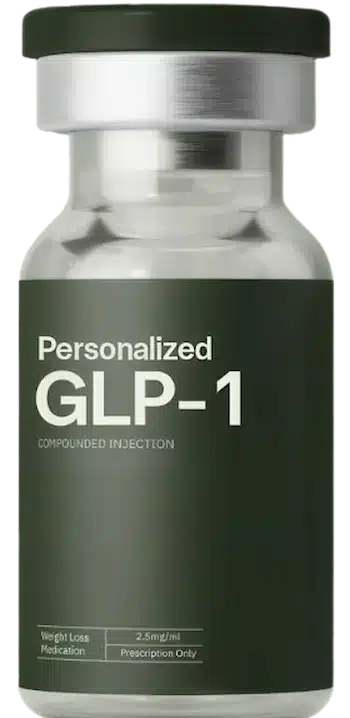
Refills GLP-1 (TryRefills Plan)
- Clinical guidance designed to help patients manage common treatment concerns
- Includes foundational nutritional strategies alongside medication
- Designed around predictable ongoing treatment
- No hidden startup or processing fees according to the program information provided
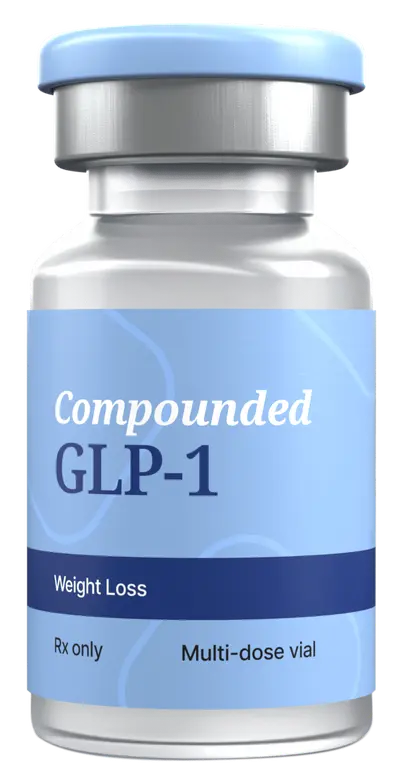
AltRx GLP-1 Transactional Reorders
- Transactional reorder model without recurring auto-billing
- Designed for patients who already understand their treatment routine
- Fast text-to-order process for convenient reorders
- Offers injectable and fast-dissolving tablet variations
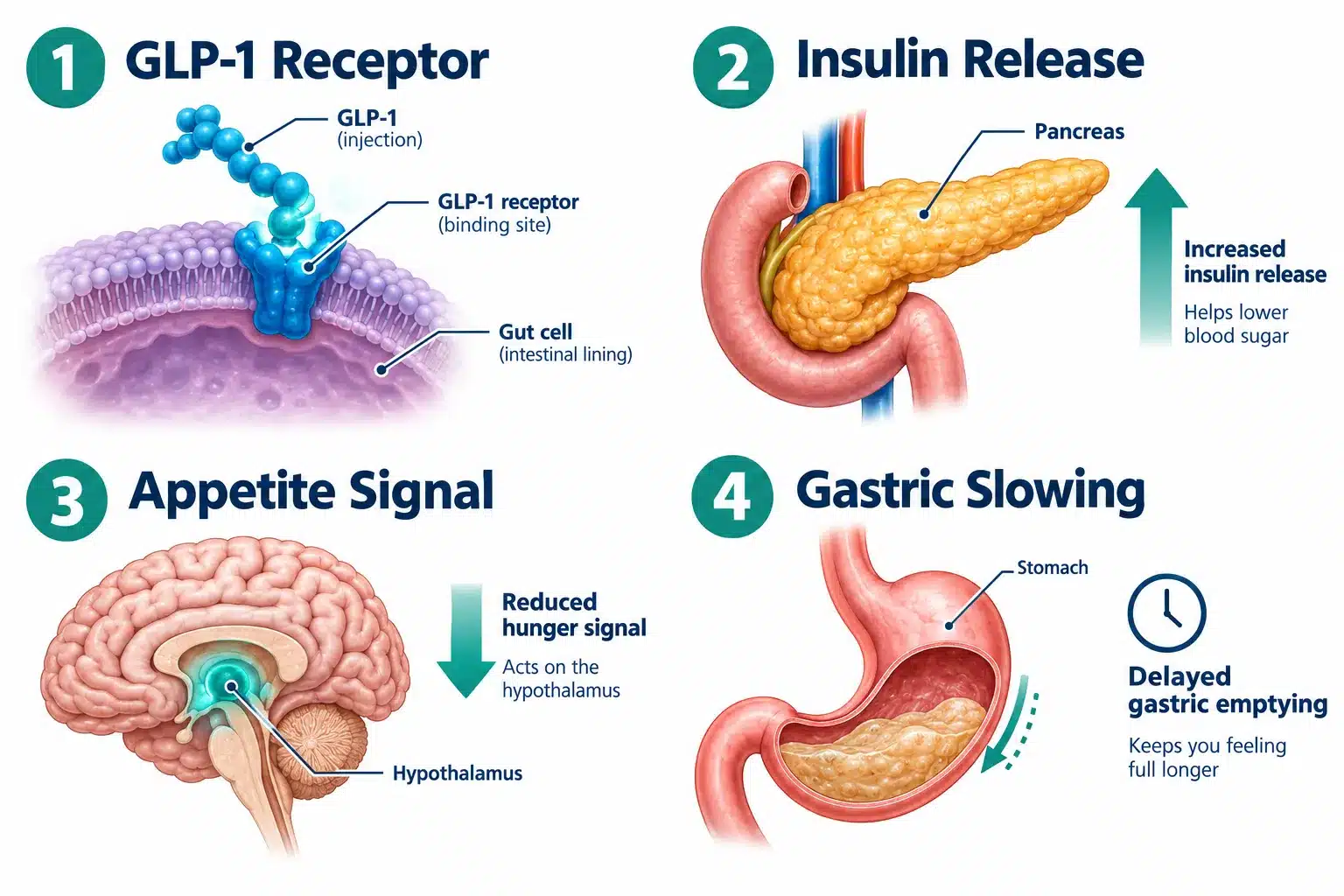
The practical result: people feel full faster, eat less, and, over weeks to months, lose meaningful body weight. The most widely prescribed GLP-1 injections in 2026 include:
- Semaglutide (brand names: Ozempic for diabetes, Wegovy for weight loss)
- Tirzepatide (brand names: Mounjaro for diabetes, Zepbound for weight loss), technically a dual GIP/GLP-1 agonist
- Liraglutide (brand name: Saxenda for weight loss, Victoza for diabetes)
Originally developed for type 2 diabetes, these medications gained widespread attention after large clinical trials showed significant weight loss in people without diabetes. The mechanism is the same regardless of the indication, the dosing and FDA approval status differ.
Is It Safe to Get GLP-1 Injections Prescribed Online
Getting GLP-1 injections prescribed online is safe when the platform requires a real clinician review, uses FDA-approved medications or a properly registered compounding pharmacy, and provides ongoing follow-up. The risk comes from platforms that skip genuine medical oversight or sell unapproved compounded products without proper quality controls [1].
The FDA’s safety communication, first posted January 9, 2026 and updated September 16, 2026, specifically warns consumers about unapproved GLP-1 drugs sold online, noting that such products may contain wrong ingredients, harmful contaminants, or incorrect doses [1]. As of late May 2026, the agency had received more than 1,700 adverse event reports tied to compounded semaglutide and tirzepatide, many involving dosing errors and contamination [1].
What separates a safe online GLP-1 provider from a risky one:
| Safe Provider | Red Flag Provider |
|---|---|
| Licensed physician, NP, or PA reviews your intake | Automated approval with no clinician contact |
| Prescribes FDA-approved brand or registered 503A/503B compounder | Ships unlabeled vials or “research peptides” |
| Offers follow-up check-ins | No ongoing medical support |
| Clear labeling, lot numbers, sterility assurance | No documentation of quality testing |
| Transparent about compounding vs. brand-name | Claims product is “equivalent” to FDA-approved drug |
The FDA explicitly warned that many online sellers obscure who is doing the compounding and falsely imply their product is equivalent to brand-name medications [2]. Enforcement actions in 2026 named specific companies, including Peptide Partners LLC for marketing unapproved injectable semaglutide and tirzepatide online [4], and ProRx LLC for a recall of injection lots due to lack of sterility assurance [6].
How to Get GLP-1 Injections Online: Step-by-Step
You can get GLP-1 injections online without an in-person doctor visit in most U.S. states. The process typically takes 24-72 hours from intake to prescription approval.
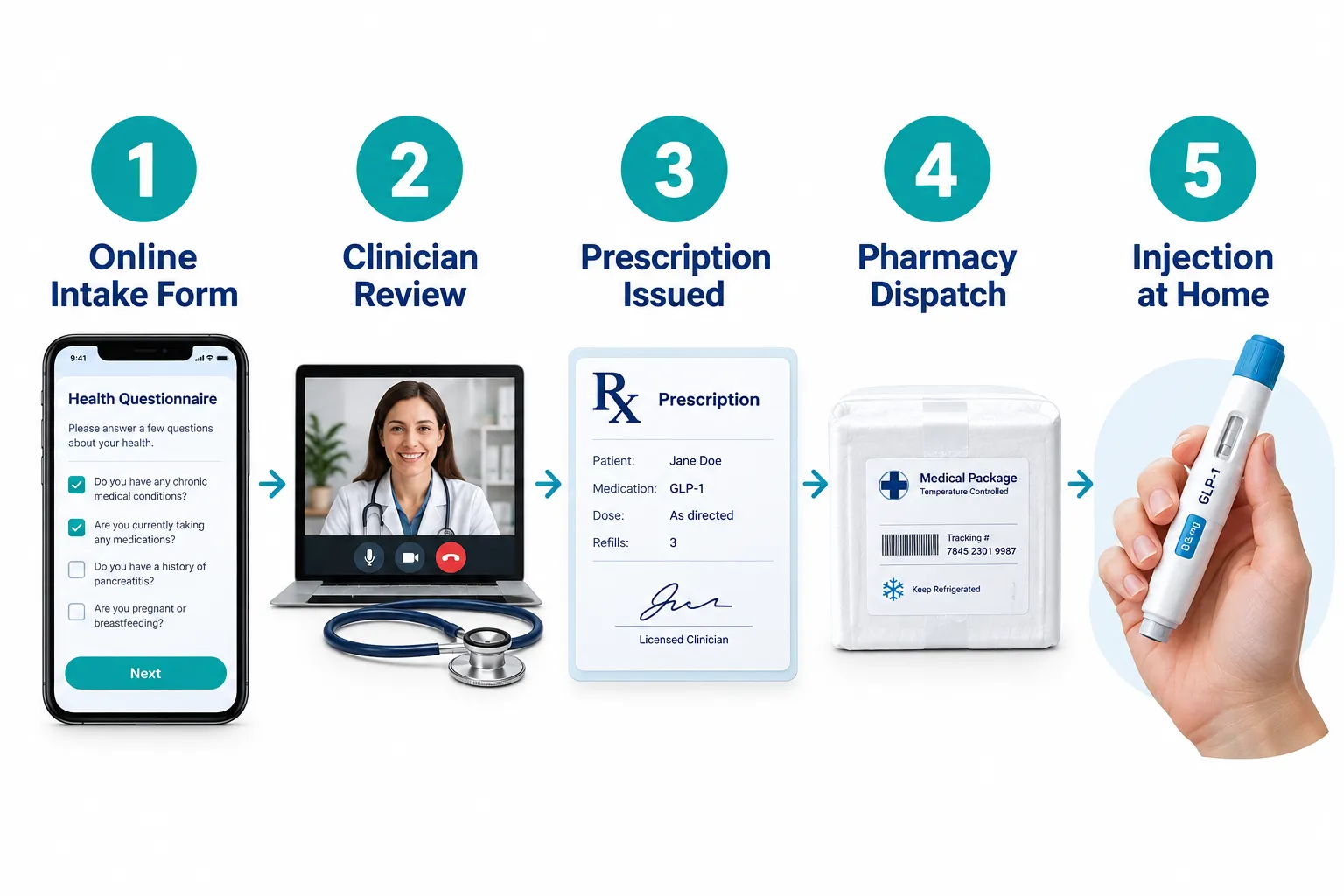
Here is how the process works at most reputable telehealth platforms:
- Complete an online health intake form, covering your weight, BMI, medical history, current medications, and weight-loss goals.
- Clinician review, a licensed physician, nurse practitioner, or physician assistant reviews your intake. Better platforms require a synchronous video visit; others use asynchronous review.
- Prescription issued, if you qualify, the clinician sends a prescription to a pharmacy partner.
- Pharmacy fills and ships, the medication ships directly to your home, usually in 3-7 business days.
- Ongoing check-ins, reputable programs schedule follow-up visits to adjust dosing and monitor for side effects.
For a detailed breakdown of dosing schedules, see this guide on semaglutide injections dosage.
Common mistake: Choosing a platform solely on price. Platforms that skip a real clinician review heighten the risk of inappropriate prescribing and overdose, particularly with multi-dose vials that require self-measurement [8].
Which Online Clinics Prescribe GLP-1 Injections
Several legitimate telehealth platforms now offer GLP-1 injections online as part of structured weight-loss programs. As of 2026, well-known options include Ro Body, Mochi Health, SkinnyRx, ShedRx, and Pallas Health, among others. Some prescribe FDA-approved brand-name products; others work with compounding pharmacies.
Choose a platform based on these criteria:
- Does it require a live video visit or only an async questionnaire?
- Does it offer brand-name GLP-1s (Wegovy, Zepbound) or compounded semaglutide/tirzepatide?
- What is the follow-up protocol, monthly check-ins, dose titration support?
- Is the compounding pharmacy a registered 503A or 503B facility?
For a side-by-side look at pricing across providers, the cheapest online GLP-1 providers compared resource is a useful starting point. If you are specifically evaluating semaglutide subscription programs, see this overview of semaglutide subscription online options.
Health policy reporting in July 2026 noted that some platforms rely on brief questionnaires and automated approvals, while others require video visits with physicians before prescribing, and experts argue that lack of robust clinical follow-up heightens overdose risk [8].
How Much Do GLP-1 Injections Cost Without Insurance
Without insurance, brand-name GLP-1 injections cost roughly $900,$1,400 per month in 2026. Compounded semaglutide or tirzepatide from online telehealth programs typically runs $150,$300 per month, making it significantly more accessible for people without coverage.
Here is a general cost breakdown:
- Wegovy (semaglutide, brand): approximately $1,300,$1,400/month, see current Wegovy online price data.
- Zepbound (tirzepatide, brand): approximately $900,$1,100/month, see Zepbound online price comparisons.
- Compounded semaglutide (telehealth programs): approximately $150,$300/month.
- Compounded tirzepatide: approximately $200,$350/month, see cheapest tirzepatide online options.
Important caveat: On April 30, 2026, the FDA proposed permanently excluding semaglutide, tirzepatide, and liraglutide from the “503B Bulks List,” which would bar large outsourcing facilities from routine sterile compounding of these drugs [7]. If finalized, this could significantly reduce the availability of low-cost compounded versions and push more patients toward brand-name pricing.
For a full breakdown of what semaglutide costs through different online channels, see how much does semaglutide cost online.
GLP-1 Injections Side Effects: What Should I Expect
The most common side effects of GLP-1 injections are gastrointestinal, nausea, vomiting, diarrhea, and constipation, and they are most pronounced during dose escalation. These typically improve after the first few weeks as your body adjusts.
Common side effects (usually temporary):
- Nausea (most frequent, especially early on)
- Vomiting
- Diarrhea or constipation
- Fatigue
- Injection site reactions (redness, mild swelling)
Less common but serious side effects:
- Pancreatitis (severe abdominal pain, seek immediate care)
- Gallbladder disease
- Increased heart rate
- Kidney problems (often secondary to dehydration from vomiting)
- Rare cases of vision changes
News coverage in May 2026 described cases of overdose and severe side effects when patients purchased multi-dose GLP-1 vials online without adequate instruction, a direct consequence of inadequate follow-up and unclear dosing [8]. This is why proper medical supervision matters, not just for the prescription but throughout treatment.
Who Should Not Take GLP-1 Injections
GLP-1 injections are not appropriate for everyone. People with certain medical histories should avoid them entirely, and others need careful evaluation before starting.
Do not use GLP-1 injections if you have:
- Personal or family history of medullary thyroid carcinoma (MTC)
- Multiple Endocrine Neoplasia syndrome type 2 (MEN2)
- Known hypersensitivity to the active ingredient
- Type 1 diabetes (GLP-1s are not approved for this use)
- Severe gastroparesis (these drugs further slow gastric emptying)
Use with caution and close monitoring if you have:
- History of pancreatitis
- Gallbladder disease
- Diabetic retinopathy (tirzepatide and semaglutide may worsen it temporarily)
- Kidney disease
- Are pregnant or breastfeeding (safety not established)
A real clinician review, not just an online questionnaire, is essential for catching these contraindications. This is one reason the FDA’s enforcement focus in 2026 has centered on platforms that minimize or bypass genuine clinician oversight [8].
GLP-1 Injections for Weight Loss vs. Diabetes: What’s the Difference
The medication is often the same molecule, the difference is the approved indication, dose, and how it is marketed. Ozempic (semaglutide 0.5-2 mg) is FDA-approved for type 2 diabetes; Wegovy (semaglutide 2.4 mg) is FDA-approved for chronic weight management in adults with obesity or overweight with a weight-related condition.
In practice:
- Diabetes indication: Lower doses, primary goal is blood sugar control, often covered by insurance for diabetic patients.
- Weight loss indication: Higher doses, primary goal is body weight reduction, insurance coverage is inconsistent.
- Off-label prescribing: Some clinicians prescribe Ozempic for weight loss in non-diabetic patients, legal but not FDA-approved for that use.
The clinical outcomes differ too. People using GLP-1s for weight loss (without diabetes) tend to see larger percentage weight reductions because they are often starting at higher body weights and using higher doses.
How Often Do You Need GLP-1 Injections
Most GLP-1 injections are administered once weekly by subcutaneous injection (under the skin, usually in the abdomen, thigh, or upper arm). Liraglutide (Saxenda) is an exception, it is injected daily.
Typical dosing schedule:
- Semaglutide (Wegovy/Ozempic): Once weekly, with a dose escalation over 16-20 weeks up to the maintenance dose.
- Tirzepatide (Zepbound/Mounjaro): Once weekly, with escalation over 20 weeks.
- Liraglutide (Saxenda): Once daily.
Dose escalation is important, starting at the full dose increases side effects significantly. Most programs start at the lowest dose and increase monthly. For a detailed schedule, see this guide on semaglutide injections dosage.
GLP-1 Injections Online: How Long Does Delivery Take
After a prescription is issued, most licensed online pharmacies ship GLP-1 injections within 1-3 business days, with delivery arriving in 3-7 business days total. Some platforms offer expedited shipping for an additional fee.
Factors that can delay delivery:
- High demand (shortages have affected brand-name products periodically)
- Insurance prior authorization (for brand-name products)
- Address verification or ID requirements
- Cold-chain shipping requirements for certain formulations
If you are ordering compounded GLP-1 through a telehealth platform that works with a 503A compounding pharmacy, timelines can vary. Always confirm the pharmacy’s shipping policy before committing to a program.
Is Getting GLP-1 Injections Online Legit or Is It a Scam
Legitimate GLP-1 injections online do exist, but the market also has a significant number of fraudulent or non-compliant sellers. The FDA is actively monitoring the internet for fraudulent GLP-1 offerings and has taken enforcement action against dozens of companies in 2026 [1].
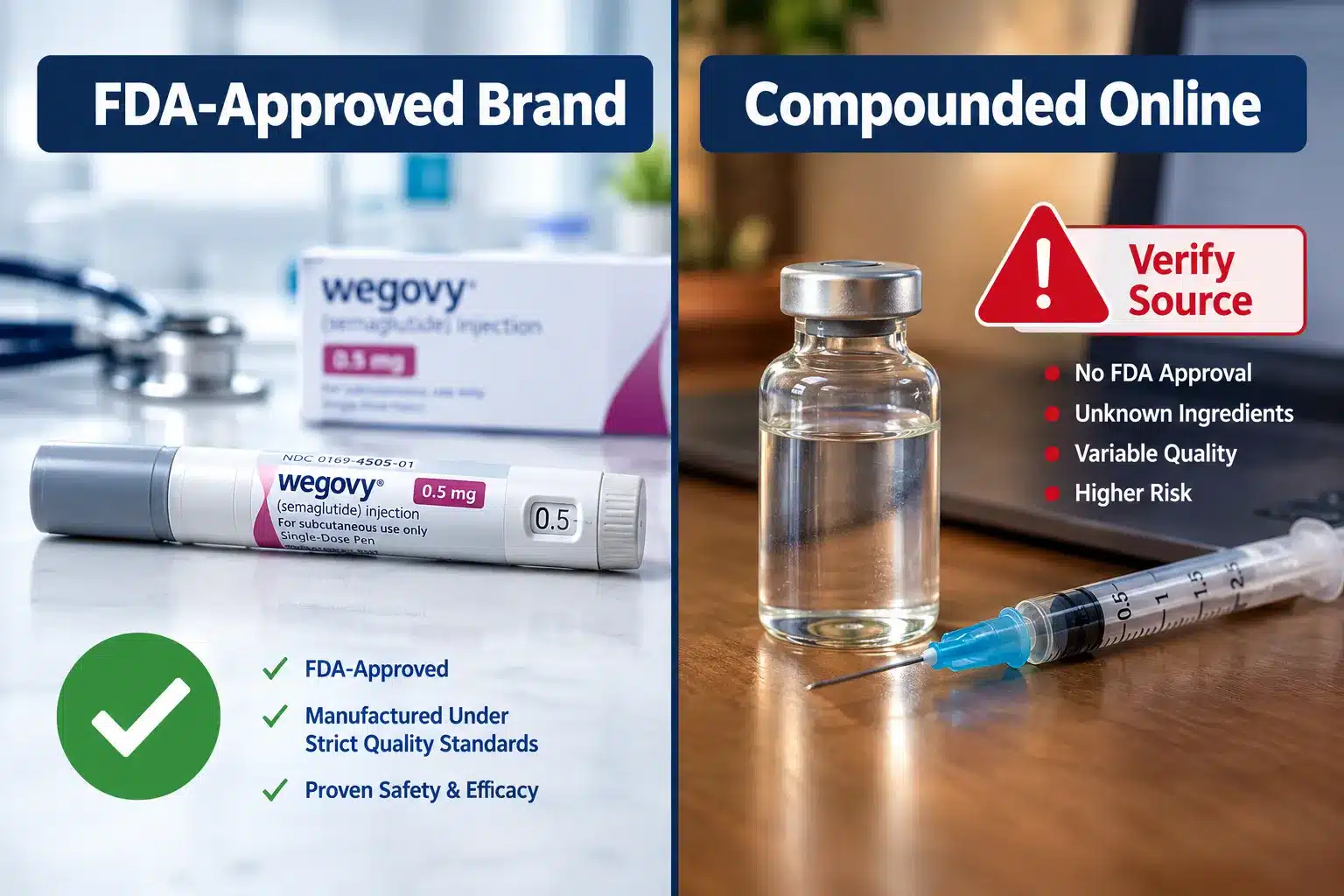
Signs a provider is legitimate:
- Requires a prescription from a licensed U.S. clinician
- Uses an FDA-approved product or a registered 503A/503B compounding pharmacy
- Provides clear labeling, lot numbers, and contact information
- Has a verifiable physical address and state pharmacy license
- Does not claim their compounded product is “the same as” Wegovy or Ozempic
Signs of a scam or non-compliant seller:
- Sells “research peptides” or “not for human use” semaglutide
- No prescription required
- Ships bacteriostatic water separately for you to reconstitute injectable drugs at home (a specific violation cited in the New Life Pharma LLC warning letter, April 2026) [3]
- Claims to be FDA-approved when it is not
- Uses private-label branding that obscures the compounder’s identity [2]
Legal analysts in mid-2026 framed GLP-1 enforcement as the “kickoff issue” in the FDA’s broader campaign against problematic telehealth drug marketing, with continued scrutiny expected through 2027 [10].
GLP-1 Injections Alternatives If I Can’t Afford Them
If brand-name or compounded GLP-1 injections are out of reach, several alternatives can support weight loss and metabolic health, though none currently match the clinical efficacy of GLP-1 receptor agonists.
Medical alternatives:
- Oral GLP-1 medications: Rybelsus (oral semaglutide) is FDA-approved for type 2 diabetes and sometimes prescribed off-label for weight management; some telehealth platforms now offer it.
- Bupropion/naltrexone (Contrave): An FDA-approved weight-loss medication, generally less expensive.
- Phentermine-topiramate (Qsymia): Another FDA-approved option, often more affordable.
Lifestyle approaches (evidence-based):
- Calorie-deficit dietary patterns (Mediterranean, low-carb)
- Resistance training combined with cardiovascular exercise
- Behavioral therapy and structured meal planning
Cost-reduction strategies for GLP-1s:
- Manufacturer savings cards (Novo Nordisk and Eli Lilly both offer programs)
- Patient assistance programs for qualifying low-income patients
- Checking if a compounding pharmacy option is available through a licensed telehealth platform
For people who want to explore the compounding pharmacy route carefully, this guide on how to order from a compounding pharmacy online covers what to verify before you order.
Common Mistakes People Make Starting GLP-1 Injections
The most common mistake is skipping dose escalation, either by starting too high to see faster results or by not following the titration schedule. This dramatically increases nausea and vomiting and is a leading cause of people quitting early.
Other frequent mistakes:
- Buying from unverified online sources, the FDA’s 2026 enforcement actions document real harms from contaminated and incorrectly dosed products [1][6].
- Not adjusting diet, GLP-1s reduce appetite but do not replace the need for adequate protein intake; muscle loss is a real risk without intentional dietary management.
- Stopping without a plan, weight regain after stopping is well-documented; having a maintenance strategy matters.
- Ignoring early warning signs, persistent severe abdominal pain, vision changes, or significant heart rate increases warrant immediate medical attention.
- Self-reconstituting injectable vials at home, purchasing lyophilized powder and mixing it yourself introduces serious sterility risks, as noted in the New Life Pharma LLC enforcement action [3].
Can You Stop GLP-1 Injections Anytime or Do You Need to Taper
You can stop GLP-1 injections at any time without a medical taper, there is no physiological dependence or withdrawal syndrome. However, stopping abruptly typically leads to a return of appetite and gradual weight regain, often within weeks to months.
Most clinicians recommend:
- Discussing a stopping plan with your prescriber before discontinuing
- Having a dietary and exercise strategy in place to maintain progress
- Considering a lower maintenance dose rather than full discontinuation if cost is the issue
The decision to stop should involve your prescriber, especially if you were using the medication for blood sugar management alongside weight loss.
FAQ
Q: Can I get GLP-1 injections online without seeing a doctor in person?
Yes. In most U.S. states, telehealth laws allow a licensed clinician to prescribe GLP-1 injections after a virtual consultation, no in-person visit required. Some platforms use video visits; others use asynchronous questionnaire review.
Q: Are compounded GLP-1 injections safe?
Compounded GLP-1 injections from a properly registered 503A or 503B pharmacy can be safe, but the FDA has documented contamination, dosing errors, and sterility failures in products from non-compliant compounders. Always verify your pharmacy’s registration status [1].
Q: How long before I see results from GLP-1 injections?
Most people notice reduced appetite within the first 1-2 weeks. Meaningful weight loss (5% or more of body weight) typically occurs within 3-6 months, with maximum effects seen at 12-18 months of consistent use.
Q: Do I need a BMI over 30 to qualify for GLP-1 injections online?
For FDA-approved weight-loss indications (Wegovy, Zepbound), the label criteria are BMI 30 or higher, or BMI 27 or higher with at least one weight-related condition (hypertension, type 2 diabetes, high cholesterol). Individual telehealth platforms may have slightly different criteria.
Q: What happens if I miss a weekly injection?
If you miss a dose and your next scheduled dose is more than 2 days away, take the missed dose as soon as you remember. If your next dose is within 2 days, skip the missed dose and resume your regular schedule. Do not double up.
Q: Can I take GLP-1 injections if I have type 2 diabetes and am also on insulin?
Yes, but this requires careful medical supervision. Combining GLP-1 agonists with insulin can lower blood sugar significantly; your insulin dose may need to be reduced. This is not a combination to manage without a prescriber’s guidance.
Q: Is the online Ozempic prescription process the same as for Wegovy?
The telehealth intake process is similar, but the approved indication differs, Ozempic is for type 2 diabetes, Wegovy is for weight management. Some clinicians prescribe Ozempic off-label for weight loss. For cost comparison, see online Ozempic prescription cost data.
Q: How do I know if an online GLP-1 seller is legitimate?
Check that the platform requires a prescription, uses a licensed U.S. pharmacy, provides lot numbers and labeling, and does not sell “research peptides” or claim their compounded product is FDA-approved. The FDA’s active enforcement list and warning letter database are publicly searchable [1][2].
Q: Will I regain weight after stopping GLP-1 injections?
Most people regain a significant portion of lost weight within 6-12 months of stopping, based on clinical trial follow-up data. Maintaining dietary changes and physical activity can slow regain but rarely prevents it entirely without a maintenance medication strategy.
7 Best GLP-1 Providers Ranked: Accreditation, Flexibility & Support Compared (2026 Update)
32,000+ Patients Can't All Be Wrong: See the Top-Rated GLP-1 Providers: Compared on accreditation, plan flexibility, and patient support — updated for 2026.
BMI MD GLP-1 Microdosing Plan
- Specialized microdosing options (sublingual drops or low-dose injections)
- Ideal for maintaining weight or tapering off higher doses safely
- Fully bundled plan with no hidden monthly platform memberships
DirectMeds Weight Loss Solutions
- Sourced from accredited, state-licensed 503A compounding pharmacies
- No-frills high-volume savings passed directly to the patient
- Includes clinical consultation and cold-chain shipping updates
MEDVi Flat-Rate Telehealth
- Flat monthly rate holds steady even at maximum maintenance doses
- No dosage upcharges or graduation fee penalties
- Offers both injectable and advanced oral thin-film delivery options
Gala GLP-1 Care Program
- All-inclusive plan with no standalone membership costs
- Continuous text-based messaging access with state-licensed clinicians
- Temperature-controlled, cold-chain medication shipping included
Measured GLP-1 Metabolic Health
- Comprehensive metabolic health screening and expert intake analysis
- Predictable long-term budgeting with stable plan pricing
- High-end responsive dashboard with integrated diagnostic support
Refills GLP-1 (TryRefills Plan)
- Flat rate holds steady as titration scales up
- Includes clinical guides for active side-effect management
- Bundles in foundational nutritional strategies alongside medication
AltRx GLP-1 Transactional Reorders
- Zero recurring auto-billing — pay entirely on a transactional basis
- Rapid text-to-order format saves time for experienced patients
- Provides both injectable forms and fast-dissolving tablet variations
Conclusion
Getting GLP-1 injections online in 2026 is a real, accessible option for adults struggling with weight loss and metabolic health, but the market requires careful navigation. The core principle is straightforward: a legitimate telehealth platform, a licensed clinician, and a verified pharmacy are non-negotiable. The FDA’s aggressive enforcement campaign throughout 2025 and 2026, more than 110 warning letters issued to online sellers, exists because the risks of unverified compounded injectables are real and documented [1][2][10].
Your next steps:
- Confirm you meet the clinical criteria (BMI, health history) before starting any intake process.
- Choose a telehealth platform that requires a live clinician review, not just an automated questionnaire.
- Ask specifically whether the medication is FDA-approved or compounded, and if compounded, which registered pharmacy is filling it.
- Review the cheapest online GLP-1 providers compared to find a cost-effective option that does not cut corners on safety.
- Build a dietary and activity plan from day one, GLP-1 injections work best as part of a broader lifestyle strategy, not as a standalone fix.
The access is there. The medications work. The key is making sure what you receive is what it claims to be.
References
[1] FDA’s Concerns About Unapproved GLP-1 Drugs Used for Weight Loss – https://www.fda.gov/drugs/drug-alerts-and-statements/fdas-concerns-unapproved-glp-1-drugs-used-weight-loss
[2] FDA Takes Aim at Misleading Online Claims for Compounded GLP-1 Drugs – https://www.mcdermottlaw.com/insights/fda-takes-aim-at-misleading-online-claims-for-compounded-glp-1-drugs/
[3] New Life Pharma LLC Warning Letter (April 14, 2026) – https://www.fda.gov/inspections-compliance-enforcement-and-criminal-investigations/warning-letters/new-life-pharma-llc-725661-04142026
[4] Peptide Partners LLC FDA Warning Letter, Unapproved Injectable Peptides 2026 – https://www.pharmanow.live/latest-news/peptide-partners-llc-fda-warning-letter-unapproved-injectable-peptides-2026
[5] FDA and Novo Nordisk Warned of GLP-1 Telehealth Compounding Take Down, What’s Next – https://www.pharmacytimes.com/view/fda-and-novo-nordisk-warned-of-glp-1-telehealth-compounding-take-down-what-s-next-
[6] ProRx LLC Warning Letter (April 7, 2026) – https://www.fda.gov/inspections-compliance-enforcement-and-criminal-investigations/warning-letters/prorx-llc-723704-04072026
[7] GLP-1s Compounded: Why Doctors Worry About Safety, Stanford Medicine (July 2026) – https://med.stanford.edu/news/insights/2026/07/glp1s-compounded-why-doctors-worry-about-safety.html
[8] GLP-1 Weight Loss Drugs Online: Safety Risks and Overdose, NBC News – https://www.nbcnews.com/health/health-news/glp1-weight-loss-drugs-online-safety-risks-overdose-rcna347187
[10] At the Half: No Free Kicks in FDA’s 2026 Enforcement – https://www.ebglaw.com/health-law-advisor/at-the-half-no-free-kicks-in-fdas-2026-enforcement


