
glp 1 patches reviews
Last updated: September 25, 2026
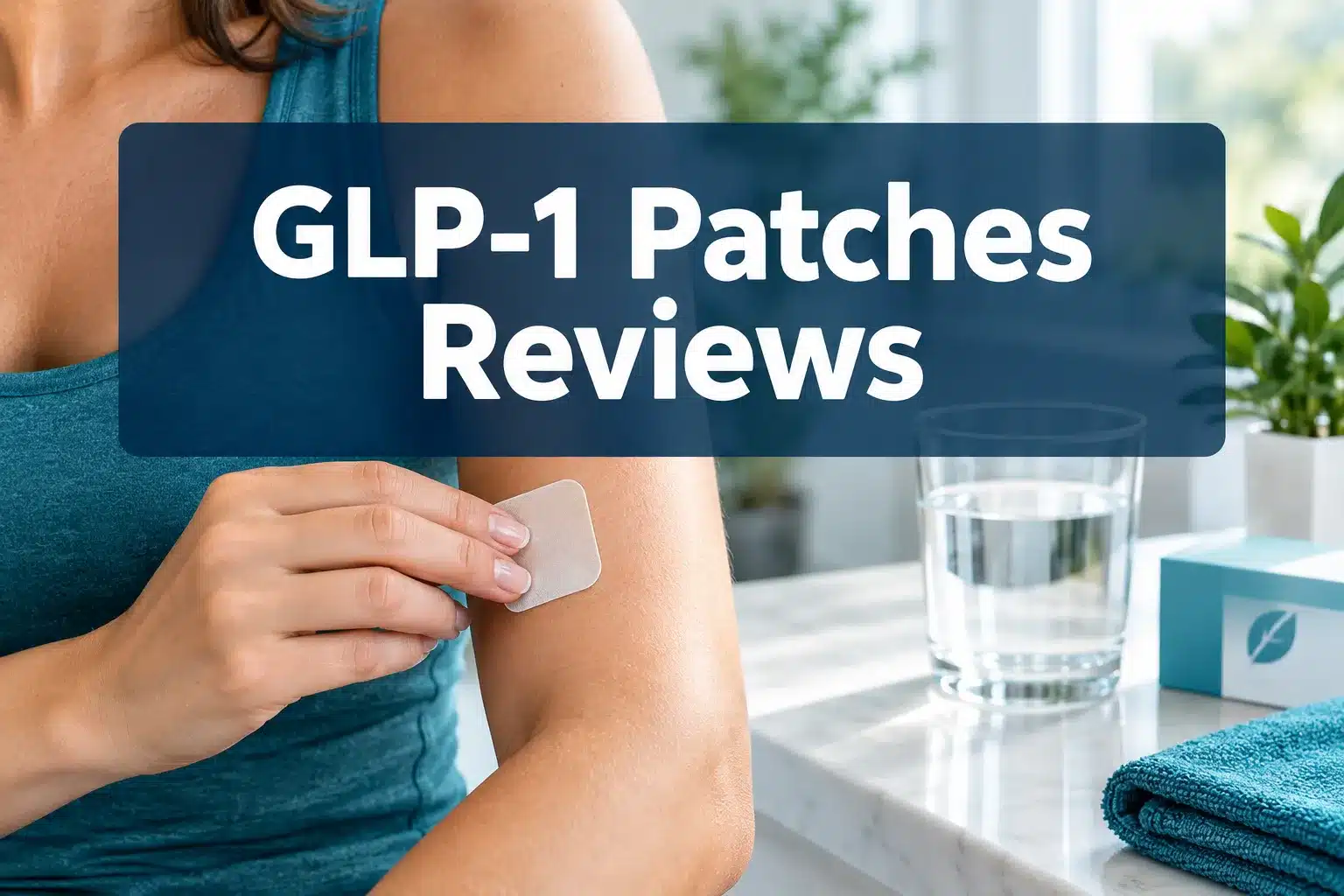
Quick Answer: GLP-1 patches are transdermal products marketed to support appetite control and weight loss by delivering GLP-1-related compounds through the skin. As of 2026, no transdermal GLP-1 patch has received FDA approval for weight management or diabetes treatment. Most products sold as “GLP-1 patches” contain herbal or peptide-adjacent ingredients, not pharmaceutical semaglutide or liraglutide. If you are researching GLP-1 patches reviews to decide whether they are worth buying, the short answer is: evidence for the patch format is limited, and FDA-approved injectable GLP-1 medications remain the gold standard.
Key Takeaways
- No GLP-1 patch is currently FDA-approved for weight loss or blood sugar control; approved GLP-1 medications are injectable or oral.
- Most consumer patches labeled “GLP-1” contain botanical or amino acid ingredients, not actual GLP-1 receptor agonists like semaglutide.
- Clinical evidence for transdermal delivery of GLP-1 compounds is early-stage and not yet sufficient to support strong efficacy claims.
- Common ingredients in these patches include berberine, bitter melon extract, and chromium, which have moderate-to-limited evidence for metabolic support.
- Side effects are generally mild for supplement-based patches but can include skin irritation, redness, and itching at the application site.
- Costs range from roughly $30 to $80 per month depending on the brand, with no insurance coverage for supplement patches.
- FDA-approved GLP-1 injections (semaglutide, tirzepatide) have far stronger clinical backing for weight loss than any patch currently on the market.
- People who cannot tolerate injections may find patches a lower-risk supplement option, but should not expect medication-level results.
- Always consult a healthcare provider before starting any GLP-1-related product, especially if you take diabetes medications or blood pressure drugs.
- Buying from reputable, transparent brands with clear ingredient labels and a return policy reduces risk significantly.
What Is a GLP-1 Patch and How Does It Work
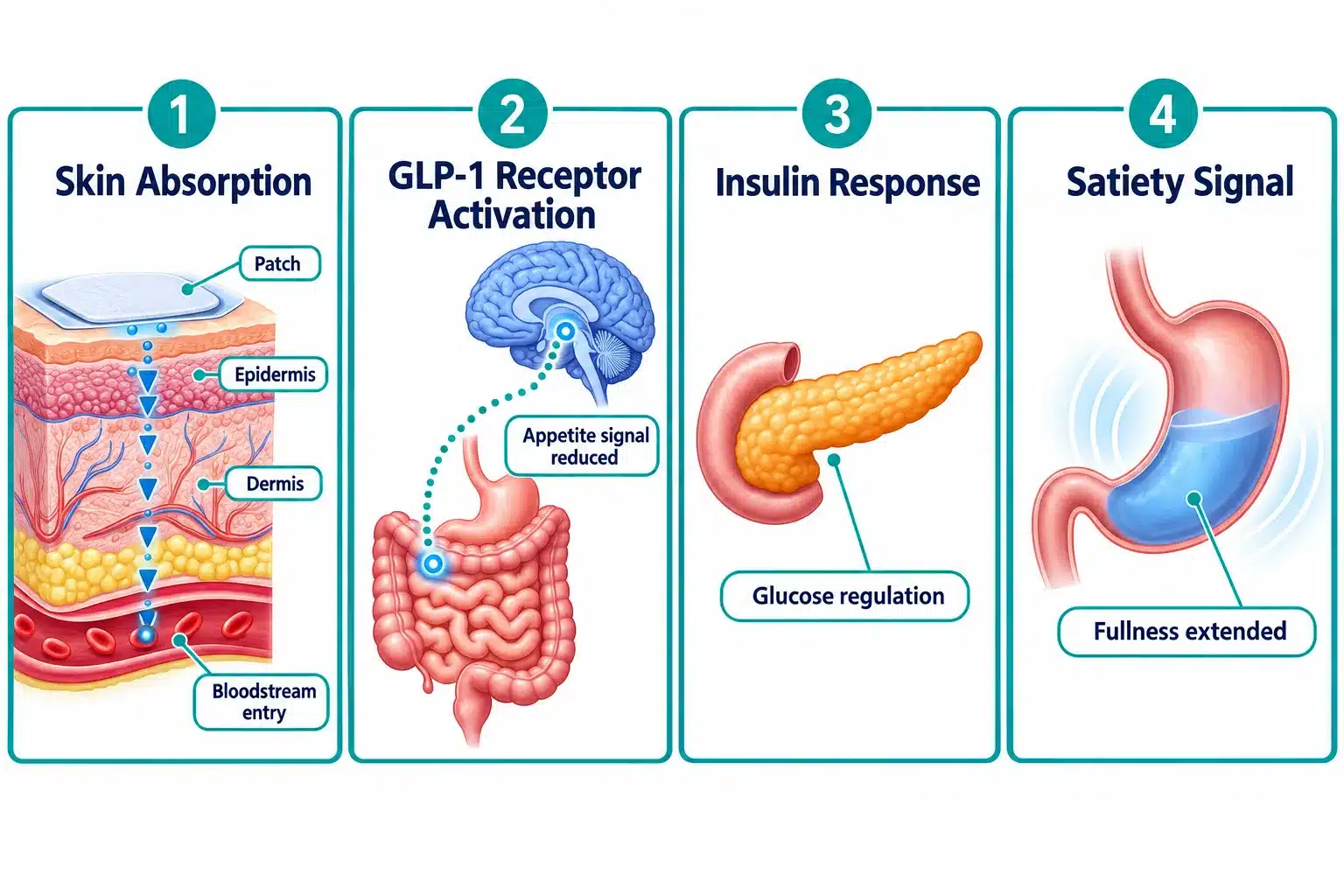
A GLP-1 patch is a transdermal adhesive product designed to deliver compounds that may support GLP-1 activity through the skin. GLP-1 (glucagon-like peptide-1) is a naturally occurring hormone released in the gut after eating. It signals the brain to reduce appetite, slows gastric emptying, and helps regulate blood sugar. Pharmaceutical GLP-1 receptor agonists like semaglutide mimic this hormone, but they require injection or oral formulation because the peptide molecule is too large and fragile to survive standard skin absorption.
7 Best GLP-1 Providers Ranked: Accreditation, Flexibility & Support Compared (2026 Update)
32,000+ Patients Can't All Be Wrong: See the Top-Rated GLP-1 Providers. We compared the leading online GLP-1 providers based on program features, clinical support, convenience, and overall value.
BMI MD GLP-1 Microdosing Plan
- Specialized microdosing options, including sublingual drops and low-dose injections
- Designed for people interested in maintaining weight or gradually adjusting treatment
- Bundled program structure without a separate monthly platform membership
- Online access makes the process convenient from home

DirectMeds Weight Loss Solutions
- Online weight-loss program with a straightforward patient experience
- Compounded medication options through state-licensed compounding pharmacies
- Includes clinical consultation as part of the process
- Provides shipping updates to help patients track their orders
MEDVi Flat-Rate Telehealth
- Flat-rate telehealth approach designed for easier budgeting
- No dosage-based pricing increases within the advertised program structure
- Offers injectable and oral thin-film delivery options
- Includes medical screening and asynchronous provider consultations
Gala GLP-1 Care Program
- Text-based access to state-licensed clinicians
- Cold-chain medication shipping included in the program
- Month-to-month program structure
- Designed for people who value convenient ongoing support
Measured GLP-1 Metabolic Health
- Comprehensive metabolic health screening and intake analysis
- Designed around longer-term metabolic health management
- Responsive dashboard with integrated health tracking tools
- Useful option for patients who value a more data-focused experience
Refills GLP-1 (TryRefills Plan)
- Clinical guidance designed to help patients manage common treatment concerns
- Includes foundational nutritional strategies alongside medication
- Designed around predictable ongoing treatment
- No hidden startup or processing fees according to the program information provided
AltRx GLP-1 Transactional Reorders
- Transactional reorder model without recurring auto-billing
- Designed for patients who already understand their treatment routine
- Fast text-to-order process for convenient reorders
- Offers injectable and fast-dissolving tablet variations
Consumer GLP-1 patches on the market today take one of two approaches:
- Botanical/supplement patches: Contain ingredients like berberine, bitter melon, chromium, or cinnamon extract that may indirectly support GLP-1 secretion or insulin sensitivity. These are dietary supplements, not drugs.
- Peptide-adjacent patches: Some brands claim to use GLP-1 “precursors” or “activators.” These claims are largely unverified and should be read with healthy skepticism.
How the delivery mechanism works: A transdermal patch uses a pressure-sensitive adhesive layer to hold active ingredients against the skin. Smaller, lipid-soluble molecules can cross the skin barrier into the bloodstream. The challenge with GLP-1 peptides is their molecular weight, which is roughly 3,300 daltons. Most drug molecules that cross skin effectively are under 500 daltons. This is why pharmaceutical researchers have not yet produced a commercially viable GLP-1 transdermal drug, though research is ongoing as of 2026.
Bottom line: Supplement patches may deliver their botanical ingredients transdermally with some effectiveness, but they are not delivering semaglutide or any other approved GLP-1 drug through your skin.
Are GLP-1 Patches FDA Approved
No GLP-1 patch is FDA-approved for weight loss, appetite control, or diabetes management as of 2026. This is one of the most important facts to understand before purchasing any product in this category.
FDA-approved GLP-1 medications include:
- Semaglutide (Ozempic, Wegovy): Weekly subcutaneous injection; Wegovy is approved specifically for chronic weight management.
- Liraglutide (Saxenda, Victoza): Daily subcutaneous injection.
- Tirzepatide (Mounjaro, Zepbound): Weekly injection targeting both GLP-1 and GIP receptors.
- Oral semaglutide (Rybelsus): FDA-approved tablet for type 2 diabetes.
Supplement-based patches are regulated as dietary supplements under DSHEA, which means they do not require FDA approval before being sold. Brands cannot legally claim their patches treat, cure, or prevent any disease. If a patch product makes those claims, that is a regulatory red flag.
For readers exploring oral alternatives to injections, our semaglutide tablets reviews and Medvi oral tirzepatide reviews cover FDA-regulated options in more detail.
GLP-1 Patch vs Injection: Which Is Better
For clinically meaningful weight loss, FDA-approved GLP-1 injections are significantly more effective than any supplement patch currently available. This is not a close comparison when it comes to evidence.
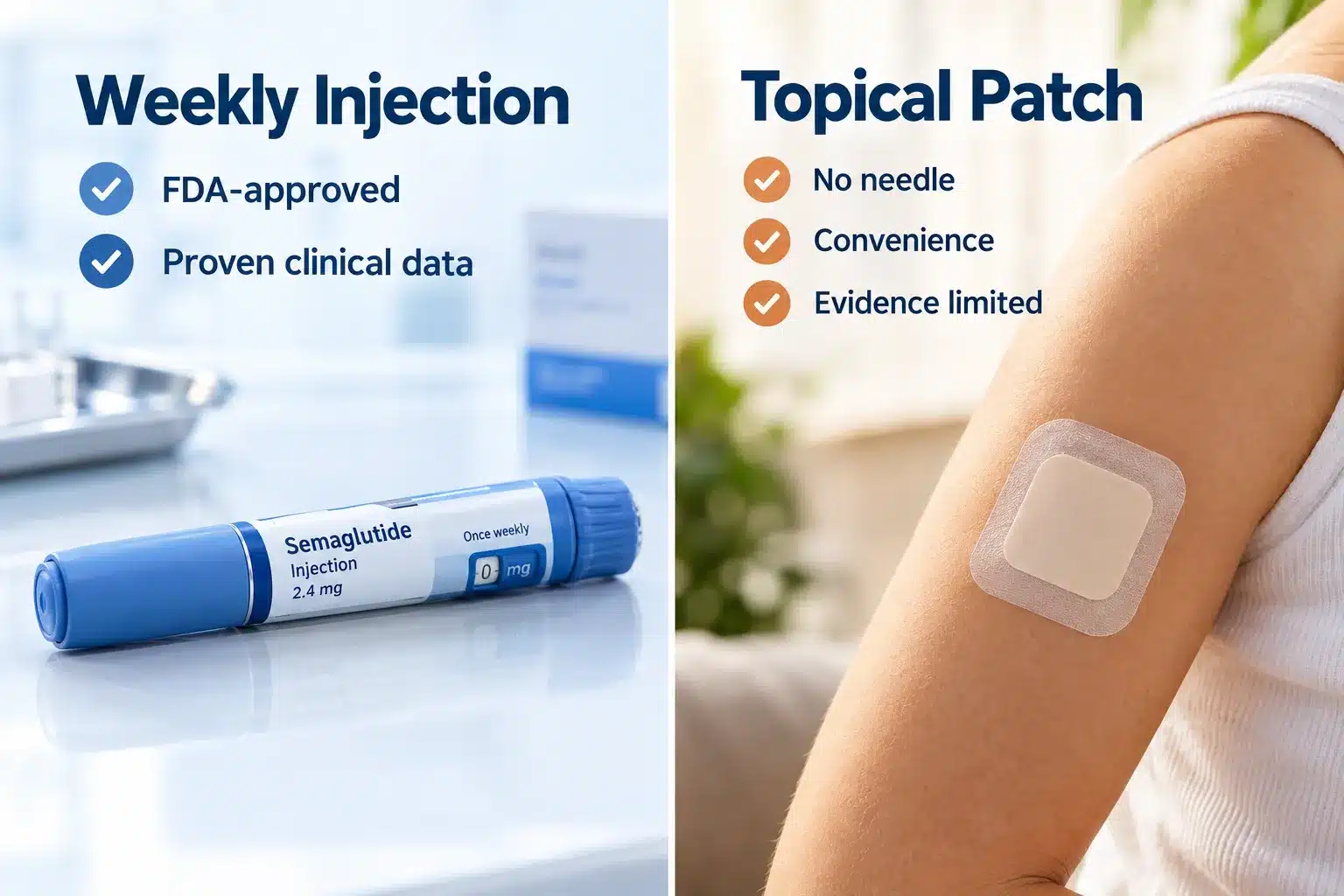
| Feature | GLP-1 Patch (Supplement) | GLP-1 Injection (Rx) |
|---|---|---|
| FDA Approved | No | Yes |
| Active GLP-1 Compound | No (botanical support) | Yes (semaglutide, etc.) |
| Clinical Weight Loss Evidence | Limited | Strong |
| Needle Required | No | Yes |
| Monthly Cost (est.) | $30,$80 | $900,$1,400 without insurance |
| Prescription Required | No | Yes |
| Side Effect Profile | Mild (skin irritation) | Moderate (nausea, GI effects) |
Choose a GLP-1 injection if: You have a BMI over 30 (or over 27 with a weight-related condition), you want clinically validated results, and you are willing to work with a prescribing provider.
Choose a supplement patch if: You want a low-cost, needle-free option for general metabolic support, understand the evidence is limited, and have no contraindications to the botanical ingredients.
For those interested in the injectable route at lower cost, our compounded semaglutide reviews and cheapest pharmacy for semaglutide rankings are worth reading.
Do GLP-1 Patches Actually Work for Weight Loss
The honest answer: supplement-based GLP-1 patches may provide modest metabolic support, but they are unlikely to produce the dramatic weight loss seen with pharmaceutical GLP-1 medications. Evidence for the patch format specifically is limited.
Here is what the ingredient-level evidence shows:
- Berberine: Multiple randomized controlled trials suggest berberine can modestly improve insulin sensitivity and fasting blood glucose. A 2012 meta-analysis in the journal Metabolism found berberine reduced fasting blood glucose and HbA1c comparably to metformin in some populations. Weight loss effects are modest, typically 2-5 lbs over 12 weeks.
- Bitter melon extract: Some animal and small human studies suggest blood sugar-lowering effects, but evidence in humans is inconsistent. Evidence level: limited.
- Chromium picolinate: May improve insulin receptor sensitivity. A 2003 review in Diabetes Technology & Therapeutics found small but statistically significant reductions in fasting glucose. Weight loss effects are minor.
- Cinnamon extract: Limited human evidence for meaningful weight loss.
The transdermal delivery question: Even if these ingredients work orally, it is not confirmed that all of them absorb effectively through skin in the doses a patch can deliver. This is a real limitation that most GLP-1 patch brands do not address transparently.
Realistic expectation: If a GLP-1 patch works at all for weight loss, expect modest support (perhaps 2-4 lbs over 8-12 weeks) when combined with diet and exercise changes, not a standalone solution.
Best GLP-1 Patches 2026: Reviews of Popular Products
Several brands dominate the GLP-1 patch space in 2026. Here is an honest breakdown based on ingredient transparency, customer feedback patterns, and available evidence.
Kind Patches (GLP-1 Weight Loss Patch)
Kind Patches is one of the more transparent brands, listing berberine, chromium, and green tea extract on their label. Customer reviews are mixed: some users report reduced appetite within two weeks, while others notice no effect. Our detailed Kind Patches review covers the formula in depth.
Purisaki Berberine Patches
Purisaki focuses on berberine as the primary active ingredient delivered transdermally. The berberine evidence base is the strongest of any ingredient in this category. See our Purisaki berberine patches review for a full breakdown.
General patterns from GLP-1 patches reviews across brands:
- Users who combine patches with calorie reduction report better outcomes than those using patches alone.
- Skin irritation is the most common complaint, affecting an estimated 10-20% of users based on review aggregation.
- Brands with proprietary blends (undisclosed dosages) score lower for transparency and trustworthiness.
- Most positive reviews mention appetite reduction as the primary benefit, not significant scale weight loss.
Red flags to watch for in any GLP-1 patch brand:
- Claims of containing “pharmaceutical semaglutide” in a patch (not currently possible at scale)
- No ingredient label or proprietary blend with zero disclosed amounts
- Aggressive auto-renewal subscription with difficult cancellation
GLP-1 Patch Side Effects: What to Expect
Supplement-based GLP-1 patches are generally well-tolerated, but side effects do occur. Knowing what to expect helps you distinguish a normal reaction from a reason to stop.
Common side effects (mild, usually resolve within days):
- Skin redness or rash at the application site
- Itching or mild burning under the patch
- Adhesive residue irritation after removal
Less common but worth monitoring:
- Digestive changes if berberine absorbs systemically (loose stools, mild cramping)
- Headache during the first week, possibly related to blood sugar fluctuations if you have pre-diabetes
Who should avoid GLP-1 supplement patches:
- People taking metformin or other diabetes medications (berberine can compound blood sugar-lowering effects)
- Anyone on blood thinners (some botanical ingredients affect coagulation)
- Pregnant or breastfeeding individuals
- People with known adhesive or latex allergies
Medical disclaimer: If you have type 2 diabetes, are on prescription medications, or have a cardiovascular condition, speak with your doctor or pharmacist before starting any GLP-1 patch product. This article does not constitute medical advice.
GLP-1 Patch Cost and Insurance Coverage
Supplement GLP-1 patches are not covered by insurance because they are dietary supplements, not prescription medications. This is both a limitation and an advantage depending on your situation.
Typical pricing in 2026:
- Single-month supply: $35,$80
- Three-month bundles: $25,$55 per month equivalent
- Subscription pricing: Often 15-25% cheaper than one-time purchase
What you will not get with patches:
- Insurance reimbursement
- FSA/HSA eligibility (varies by product; some metabolic supplements qualify, check with your plan)
- Manufacturer coupons tied to a prescription program
Comparison context: FDA-approved semaglutide injections cost $900,$1,400 per month without insurance. Compounded semaglutide through telehealth platforms runs $150,$400 per month. Supplement patches are far cheaper but deliver a fundamentally different (and less proven) product.
If cost is a primary concern and you want actual GLP-1 medication, our Medvi semaglutide reviews and DirectMeds GLP-1 reviews cover affordable telehealth-based prescription options.
Where Can I Buy GLP-1 Patches
GLP-1 supplement patches are available through several channels. The safest purchases come from brands with transparent labeling, verifiable contact information, and a clear return policy.
Where to buy:
- Brand websites directly: Best for return policy protection and authenticity
- Amazon: Convenient but verify the seller is the brand itself, not a third party
- Health supplement retailers (iHerb, Vitacost): Generally reliable for legitimate products
- Telehealth platforms: Some now offer supplement-adjacent patches alongside prescription GLP-1 programs
Where to be cautious:
- Social media ads linking to unfamiliar checkout pages
- Websites with no physical address, no phone number, or no refund policy
- Products claiming to contain pharmaceutical semaglutide without a prescription requirement
How Often Do You Change a GLP-1 Patch
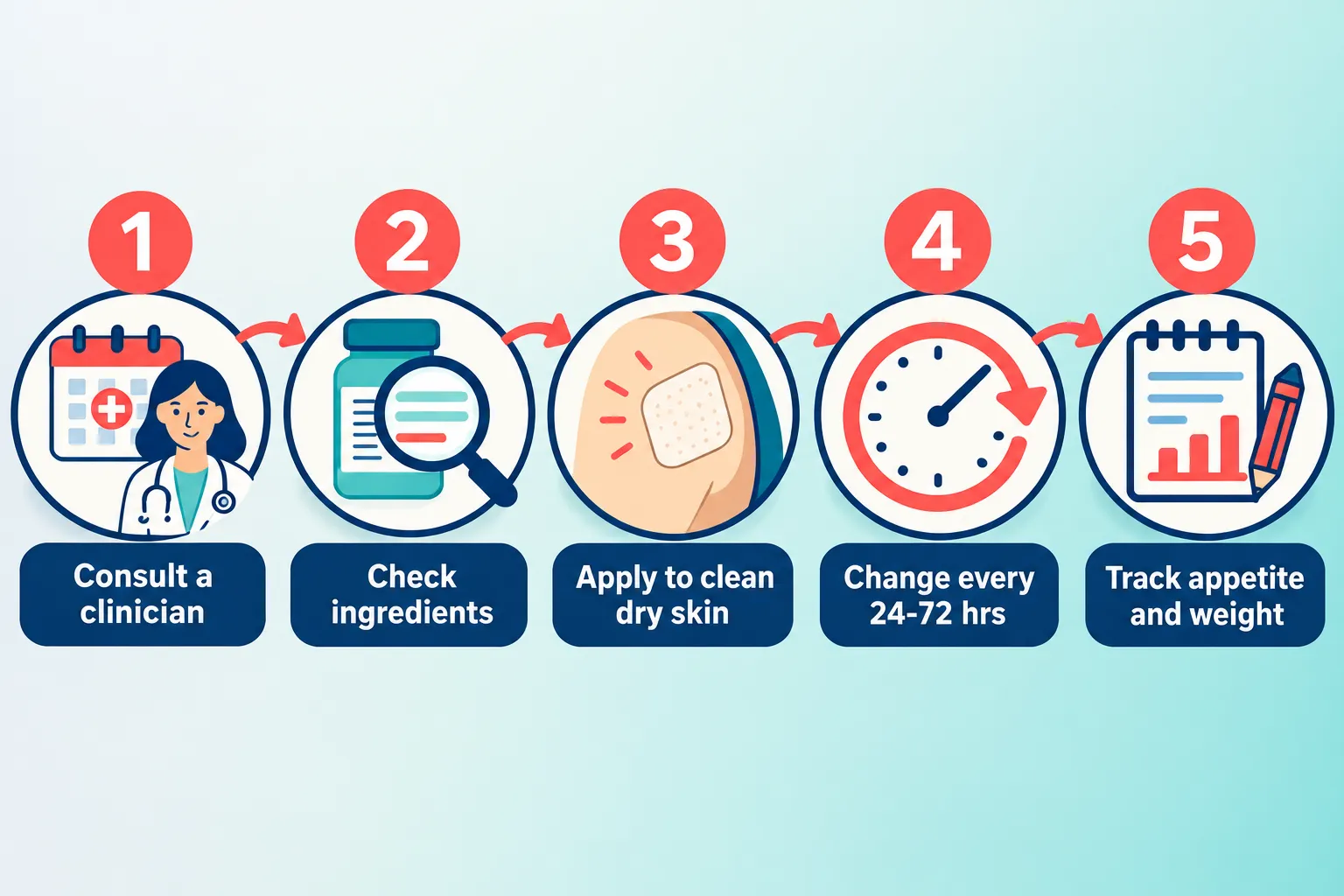
Most GLP-1 supplement patches are designed to be changed every 24 to 72 hours, depending on the brand’s formulation. Always follow the specific instructions on the product label.
General application guidelines:
- Clean and dry the skin area before applying (inner arm, upper back, or abdomen are common sites).
- Press firmly for 30 seconds to ensure full adhesion.
- Rotate application sites with each new patch to prevent skin irritation.
- Remove the old patch completely before applying a new one.
- Dispose of used patches safely, folded sticky-side in, away from children and pets.
Common mistake: Applying a patch to oily, lotioned, or recently shaved skin reduces adhesion and may impair ingredient absorption. Always apply to clean, dry, unbroken skin.
GLP-1 Patch Not Working: What Am I Doing Wrong
If a GLP-1 patch is not producing any noticeable effect after three to four weeks, several factors may explain why.
Most common reasons patches underperform:
- Diet unchanged: Patches are not designed to override a high-calorie diet. Without a modest calorie deficit, even strong metabolic support will not produce visible weight loss.
- Poor adhesion: Patches applied to oily or damp skin may not deliver ingredients effectively.
- Unrealistic expectations: Expecting pharmaceutical-level results from a supplement patch will always lead to disappointment.
- Wrong product: Some “GLP-1 patches” are more marketing than substance. If the ingredient label is vague or entirely proprietary, the product may not contain meaningful doses of anything.
- Insufficient time: Berberine and similar ingredients typically require 6-12 weeks of consistent use to show measurable metabolic effects.
What to do: Re-read the label, confirm you are applying correctly, pair the patch with a structured eating plan, and give it a full 8-week trial before concluding it does not work for you.
Who Should Use GLP-1 Patches
GLP-1 supplement patches are best suited for a specific type of person. They are not the right tool for everyone.
Good candidates:
- Adults with mild appetite control challenges who want a low-cost, low-risk supplement option
- People who are needle-phobic and not yet ready for injectable GLP-1 medications
- Individuals who want metabolic support alongside diet and exercise changes, not instead of them
- Those who have already tried and tolerated berberine orally and want a more convenient delivery format
Not ideal for:
- People with a BMI over 35 who need clinically significant weight loss (injectable GLP-1 medications are more appropriate)
- Anyone with type 2 diabetes currently on medication (consult a doctor first)
- Individuals expecting results comparable to Ozempic or Wegovy
- People with adhesive allergies or sensitive skin conditions
7 Best GLP-1 Providers Ranked: Accreditation, Flexibility & Support Compared (2026 Update)
32,000+ Patients Can't All Be Wrong: See the Top-Rated GLP-1 Providers: Compared on accreditation, plan flexibility, and patient support — updated for 2026.
BMI MD GLP-1 Microdosing Plan
- Specialized microdosing options (sublingual drops or low-dose injections)
- Ideal for maintaining weight or tapering off higher doses safely
- Fully bundled plan with no hidden monthly platform memberships
DirectMeds Weight Loss Solutions
- Sourced from accredited, state-licensed 503A compounding pharmacies
- No-frills high-volume savings passed directly to the patient
- Includes clinical consultation and cold-chain shipping updates
MEDVi Flat-Rate Telehealth
- Flat monthly rate holds steady even at maximum maintenance doses
- No dosage upcharges or graduation fee penalties
- Offers both injectable and advanced oral thin-film delivery options
Gala GLP-1 Care Program
- All-inclusive plan with no standalone membership costs
- Continuous text-based messaging access with state-licensed clinicians
- Temperature-controlled, cold-chain medication shipping included
Measured GLP-1 Metabolic Health
- Comprehensive metabolic health screening and expert intake analysis
- Predictable long-term budgeting with stable plan pricing
- High-end responsive dashboard with integrated diagnostic support
Refills GLP-1 (TryRefills Plan)
- Flat rate holds steady as titration scales up
- Includes clinical guides for active side-effect management
- Bundles in foundational nutritional strategies alongside medication
AltRx GLP-1 Transactional Reorders
- Zero recurring auto-billing — pay entirely on a transactional basis
- Rapid text-to-order format saves time for experienced patients
- Provides both injectable forms and fast-dissolving tablet variations
Conclusion
The GLP-1 patches reviews landscape in 2026 is crowded with products that range from reasonably formulated supplement patches to outright misleading marketing. Here is what I want you to take away from this guide.
The core facts are clear: No transdermal GLP-1 patch is FDA-approved. The best-formulated patches contain ingredients like berberine and chromium that have moderate evidence for metabolic support, but they cannot replicate the clinical results of semaglutide or tirzepatide injections.
That does not make them worthless. For someone who wants a low-cost, needle-free metabolic support tool and understands the limitations, a well-formulated supplement patch from a transparent brand may be a reasonable addition to a healthy lifestyle.
Actionable next steps:
- If you want a supplement patch, choose a brand with a fully disclosed ingredient label, no auto-renewal traps, and a money-back guarantee. Review our Kind Patches review and Purisaki berberine patches review as starting points.
- If you want actual GLP-1 medication results, explore telehealth-based prescription options. Our semaglutide reviews and tirzepatide reviews by patients cover real patient experiences.
- If you take any prescription medications, talk to your doctor or pharmacist before starting any patch product containing berberine or botanical extracts.
The right choice depends on your health status, budget, and how much weight you need to lose. Use this guide as a starting point, not a substitute for personalized medical advice.
Frequently Asked Questions
Are GLP-1 patches the same as Ozempic or Wegovy in patch form?
No. Ozempic and Wegovy contain pharmaceutical semaglutide, which cannot be delivered through a skin patch at therapeutic doses with current technology. GLP-1 supplement patches contain botanical ingredients, not semaglutide.
How long does it take for a GLP-1 patch to work?
Most users who report any benefit notice reduced appetite within two to four weeks. Measurable weight loss, if it occurs, typically takes six to twelve weeks of consistent use combined with dietary changes.
Is a GLP-1 patch safe to use with metformin?
Potentially not without medical supervision. Berberine, a common patch ingredient, can lower blood sugar similarly to metformin. Combining them may cause hypoglycemia. Always consult your doctor before combining.
Do GLP-1 patches require a prescription?
No. Supplement-based GLP-1 patches are sold over the counter as dietary supplements and do not require a prescription.
What is the best placement for a GLP-1 patch?
Most brands recommend the inner upper arm, upper back, or lower abdomen. Rotate sites with each application to reduce skin irritation.
Can I wear a GLP-1 patch while exercising or showering?
Most patches are water-resistant but not fully waterproof. Brief showers are generally fine, but prolonged water exposure or heavy sweating may reduce adhesion. Check the specific product instructions.
Are GLP-1 patches a scam?
Not necessarily, but the category has significant quality variation. Products with transparent ingredient labels and realistic claims can provide modest metabolic support. Products claiming to deliver pharmaceutical semaglutide transdermally are making unverifiable claims and should be avoided.
Does insurance cover GLP-1 patches?
No. Because they are dietary supplements, not prescription drugs, insurance plans do not cover them. FSA/HSA eligibility varies by plan and product.
What happens if I stop using a GLP-1 patch?
Unlike pharmaceutical GLP-1 medications, where stopping can lead to weight regain, supplement patches have milder effects. Stopping should not cause significant withdrawal, but any appetite-suppressing benefit will gradually fade.
Can teenagers use GLP-1 patches?
Most brands specify their products are for adults 18 and over. Adolescents with weight concerns should work with a pediatric healthcare provider rather than using over-the-counter supplements.
References
- Yin, J., Xing, H., & Ye, J. (2008). Efficacy of berberine in patients with type 2 diabetes mellitus. Metabolism, 57(5), 712-717. https://doi.org/10.1016/j.metabol.2008.01.013
- Anderson, R. A. (2003). Chromium and insulin resistance. Diabetes Technology & Therapeutics, 5(3), 175-177.
- Nauck, M. A., & Meier, J. J. (2016). The incretin effect in healthy individuals and those with type 2 diabetes: physiology, pathophysiology, and response to therapeutic interventions. The Lancet Diabetes & Endocrinology, 4(6), 525-536.
- U.S. Food and Drug Administration. (2023). FDA-approved GLP-1 receptor agonists. https://www.fda.gov
- Prausnitz, M. R., & Langer, R. (2008). Transdermal drug delivery. Nature Biotechnology, 26(11), 1261-1268. https://doi.org/10.1038/nbt.1504


