
glp 1 reviews
Last updated: September 25, 2026
Quick Answer: GLP-1 receptor agonist medications like semaglutide (Ozempic, Wegovy) and tirzepatide (Mounjaro, Zepbound) are among the most clinically validated weight loss and blood sugar management tools available today. Most adults using them for weight loss can expect to lose between 10% and 22% of their body weight over 12 to 18 months, depending on the medication and dose. They require a prescription, carry real side effects, and are not right for everyone, but the evidence supporting them is stronger than for any previous weight loss drug class.
Key Takeaways
- GLP-1 medications work by mimicking a natural gut hormone that reduces hunger, slows digestion, and regulates blood sugar.
- Semaglutide (Wegovy) and tirzepatide (Zepbound) are FDA-approved specifically for chronic weight management in adults with obesity or overweight plus a related condition.
- Clinical trials show average weight loss of 15% to 22% of body weight, far exceeding older weight loss medications.
- Common side effects include nausea, vomiting, and constipation, which are usually worst in the first 4 to 8 weeks and improve over time.
- Brand-name GLP-1 medications can cost $900 to $1,400 per month without insurance; compounded versions are significantly cheaper.
- People with a personal or family history of medullary thyroid carcinoma or MEN2 syndrome should not take these medications.
- Weight often returns after stopping GLP-1 therapy unless lifestyle changes are maintained, which is a critical point most reviews gloss over.
- Getting a prescription is now possible through telehealth platforms, making access easier than ever in 2026.
- GLP-1 medications for diabetes and for weight loss differ primarily in dose, not mechanism.
- If GLP-1 stops working, dose adjustment or switching agents are both legitimate options worth discussing with a prescriber.
What Is GLP-1 and How Does It Work
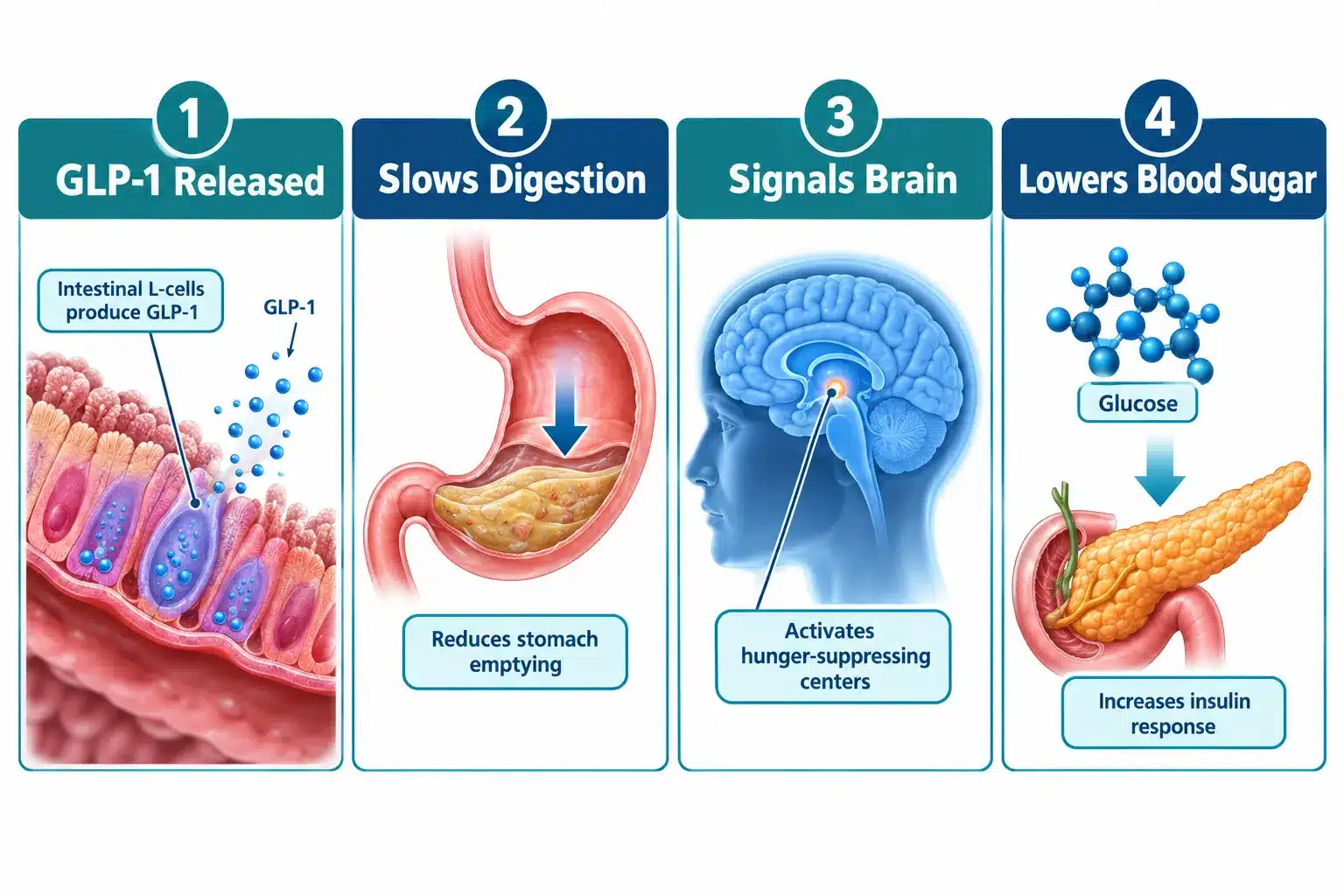
GLP-1 stands for glucagon-like peptide-1, a hormone your small intestine naturally releases after you eat. It signals your pancreas to produce insulin, tells your brain you’re full, and slows the rate at which your stomach empties. GLP-1 receptor agonist medications mimic this hormone and amplify its effects.
7 Best GLP-1 Providers Ranked: Accreditation, Flexibility & Support Compared (2026 Update)
32,000+ Patients Can't All Be Wrong: See the Top-Rated GLP-1 Providers. We compared the leading online GLP-1 providers based on program features, clinical support, convenience, and overall value.
BMI MD GLP-1 Microdosing Plan
- Specialized microdosing options, including sublingual drops and low-dose injections
- Designed for people interested in maintaining weight or gradually adjusting treatment
- Bundled program structure without a separate monthly platform membership
- Online access makes the process convenient from home

DirectMeds Weight Loss Solutions
- Online weight-loss program with a straightforward patient experience
- Compounded medication options through state-licensed compounding pharmacies
- Includes clinical consultation as part of the process
- Provides shipping updates to help patients track their orders
MEDVi Flat-Rate Telehealth
- Flat-rate telehealth approach designed for easier budgeting
- No dosage-based pricing increases within the advertised program structure
- Offers injectable and oral thin-film delivery options
- Includes medical screening and asynchronous provider consultations
Gala GLP-1 Care Program
- Text-based access to state-licensed clinicians
- Cold-chain medication shipping included in the program
- Month-to-month program structure
- Designed for people who value convenient ongoing support
Measured GLP-1 Metabolic Health
- Comprehensive metabolic health screening and intake analysis
- Designed around longer-term metabolic health management
- Responsive dashboard with integrated health tracking tools
- Useful option for patients who value a more data-focused experience
Refills GLP-1 (TryRefills Plan)
- Clinical guidance designed to help patients manage common treatment concerns
- Includes foundational nutritional strategies alongside medication
- Designed around predictable ongoing treatment
- No hidden startup or processing fees according to the program information provided
AltRx GLP-1 Transactional Reorders
- Transactional reorder model without recurring auto-billing
- Designed for patients who already understand their treatment routine
- Fast text-to-order process for convenient reorders
- Offers injectable and fast-dissolving tablet variations
Here’s why that matters for weight loss: most people with obesity have a blunted GLP-1 response after meals, meaning the “I’m full” signal arrives late or weakly. These medications essentially correct that signaling deficit.
How the mechanism breaks down:
- Appetite suppression: GLP-1 receptors in the hypothalamus receive stronger satiety signals, so you feel full faster and stay full longer.
- Slowed gastric emptying: Food moves more slowly from your stomach to your intestines, which extends the feeling of fullness.
- Insulin regulation: The pancreas releases insulin in response to meals more efficiently, reducing blood sugar spikes.
- Reduced glucagon: GLP-1 agonists suppress glucagon, the hormone that tells your liver to release stored glucose.
The result is a significant, sustained reduction in calorie intake without the willpower battle most dieters know all too well.
Best GLP-1 Medications for Weight Loss: GLP-1 Reviews by Drug
The four GLP-1 or dual GLP-1/GIP medications most commonly prescribed in 2026 are semaglutide (Ozempic, Wegovy), tirzepatide (Mounjaro, Zepbound), liraglutide (Victoza, Saxenda), and dulaglutide (Trulicity). For weight loss specifically, semaglutide and tirzepatide are the clear frontrunners based on clinical trial data.
| Medication | Brand Name(s) | FDA Approval | Avg. Weight Loss | Dosing |
|---|---|---|---|---|
| Semaglutide | Ozempic (T2D), Wegovy (obesity) | Yes (both) | ~15% body weight | Weekly injection |
| Tirzepatide | Mounjaro (T2D), Zepbound (obesity) | Yes (both) | ~20-22% body weight | Weekly injection |
| Liraglutide | Victoza (T2D), Saxenda (obesity) | Yes (both) | ~5-8% body weight | Daily injection |
| Dulaglutide | Trulicity | T2D only | ~3-5% body weight | Weekly injection |
Choose semaglutide (Wegovy) if: you want strong clinical evidence, once-weekly dosing, and a well-established safety profile. For deeper dives, see our semaglutide reviews covering real results and side effects.
Choose tirzepatide (Zepbound) if: you want the highest average weight loss numbers currently available and are comfortable with a newer agent. Patient-level data is covered in our tirzepatide reviews by patients.
Ozempic vs Wegovy vs Mounjaro: Which Is Best
These three names dominate GLP-1 reviews online, and the confusion is understandable because Ozempic and Wegovy contain the same molecule. Ozempic is semaglutide approved for type 2 diabetes (max 2 mg dose). Wegovy is semaglutide approved for obesity (max 2.4 mg dose). Mounjaro is tirzepatide approved for type 2 diabetes, while its obesity-approved version is Zepbound.
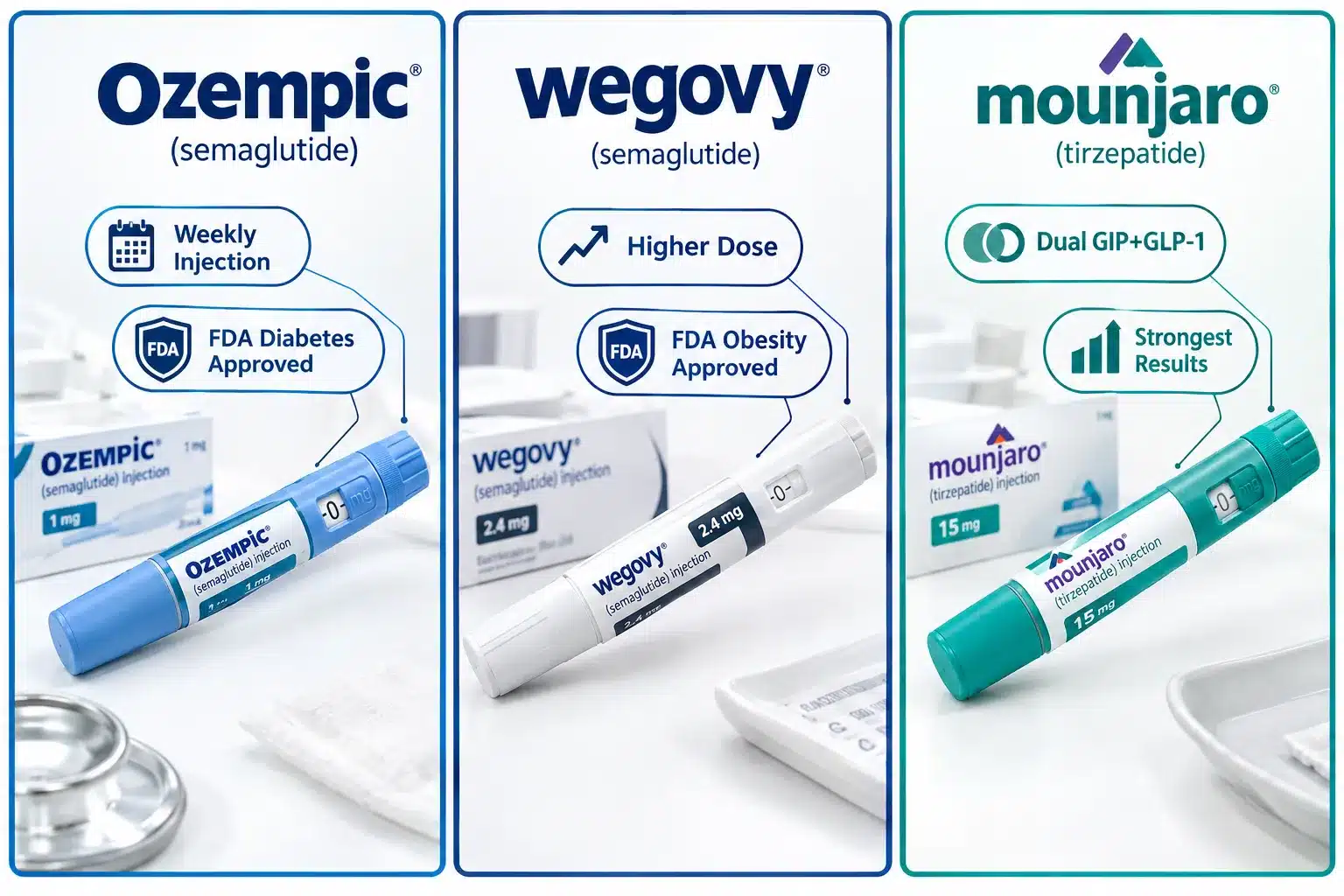
Key differences:
- Mechanism: Ozempic and Wegovy target only GLP-1 receptors. Mounjaro and Zepbound target both GLP-1 and GIP receptors, which may explain their superior weight loss results.
- Weight loss: The SURMOUNT-1 trial (Jastreboff et al., 2022, NEJM) showed tirzepatide at 15 mg produced 22.5% average body weight reduction. The STEP-1 trial (Wilding et al., 2021, NEJM) showed semaglutide 2.4 mg produced 14.9% average reduction.
- Availability: All three are widely available through telehealth and traditional prescribers in 2026, including compounded versions.
Bottom line: If maximum weight loss is the priority and you have no contraindications, tirzepatide (Mounjaro/Zepbound) currently shows the strongest results. If you prefer a longer track record, semaglutide is the better-studied option.
GLP-1 Results: How Much Weight Can You Lose
Most adults using GLP-1 medications for weight loss can expect to lose 10% to 22% of their starting body weight over 12 to 18 months, provided they stay on the medication and make some dietary adjustments. Results vary significantly based on dose, adherence, diet quality, and individual metabolism.
Realistic timeline:
- Weeks 1 to 4: Appetite noticeably decreases; weight loss of 1 to 3 lbs is common as dose is titrated up slowly.
- Months 2 to 6: Most people see the fastest rate of loss, averaging 1 to 2 lbs per week.
- Months 6 to 18: Loss slows but continues; a plateau is normal and doesn’t mean the medication stopped working.
- Beyond 18 months: Maintenance phase; some weight regain is common if doses are reduced.
For real patient stories and before-and-after accounts, our compounded semaglutide reviews from real patients offer first-hand perspective that clinical trial summaries can’t replicate.
GLP-1 Side Effects and How Long They Last
The most common GLP-1 side effects are gastrointestinal: nausea, vomiting, diarrhea, constipation, and stomach discomfort. These are most intense during the dose escalation phase (roughly the first 4 to 12 weeks) and improve significantly for most people once they reach a stable dose.
Side effect overview:
| Side Effect | How Common | When It Peaks | When It Typically Resolves |
|---|---|---|---|
| Nausea | Very common (40-50%) | Weeks 1-8 | Usually by month 3 |
| Vomiting | Common (20-30%) | Weeks 1-8 | Improves with dose stability |
| Constipation | Common (20-30%) | Ongoing | Manageable with hydration/fiber |
| Diarrhea | Less common (10-15%) | Variable | Usually resolves in weeks |
| Fatigue | Occasional | Early weeks | Temporary |
| Injection site reaction | Occasional | Any time | Usually mild |
Serious but rare risks include:
- Pancreatitis (discontinue if severe abdominal pain occurs)
- Gallbladder disease (cholelithiasis risk increases with rapid weight loss)
- Increased heart rate
- Rare cases of vision changes (discussed in 2024 FDA communications)
Practical tip: Eating smaller meals, avoiding high-fat foods, and not lying down immediately after eating significantly reduces nausea for most users.
GLP-1 Cost and Insurance Coverage
Brand-name GLP-1 medications cost between $900 and $1,400 per month without insurance in 2026. Insurance coverage remains inconsistent: Medicare covers Ozempic for diabetes but, as of 2026, coverage for obesity-specific versions varies by plan. Many commercial insurers cover Wegovy or Zepbound with prior authorization.
Cost-reduction options:
- Manufacturer savings cards: Novo Nordisk and Eli Lilly offer savings programs that can reduce out-of-pocket costs to $25 to $99/month for eligible commercially insured patients.
- Compounded semaglutide or tirzepatide: Available through licensed compounding pharmacies at $150 to $400/month. For platform-specific pricing, our cheapest pharmacy for semaglutide rankings breaks down current options.
- Telehealth platforms: Services like those reviewed in our Medvi meds reviews and complaints and DirectMeds GLP-1 reviews often bundle prescriptions with monitoring at lower total costs.
- Generic semaglutide: Not yet available in the US as of 2026, but oral semaglutide tablets are gaining traction. See our semaglutide tablets reviews for current options.
Who Shouldn’t Take GLP-1 Medications
GLP-1 medications are not appropriate for everyone. Certain medical histories make them contraindicated, and others require careful monitoring.
Absolute contraindications:
- Personal or family history of medullary thyroid carcinoma (MTC)
- Multiple endocrine neoplasia syndrome type 2 (MEN2)
- Known hypersensitivity to the active ingredient
Use with caution or discuss with a doctor:
- History of pancreatitis
- Severe gastrointestinal disease (gastroparesis)
- Pregnancy or breastfeeding (not recommended)
- Severe kidney or liver disease
- History of eating disorders
- Type 1 diabetes (not approved; insulin management differs)
Common mistake: Some people assume that because GLP-1 medications are “natural” hormone mimics, they’re safe for everyone. That’s not accurate. The thyroid cancer signal in animal studies is the reason the FDA requires a black box warning on all GLP-1 medications, and that warning should be taken seriously.
GLP-1 for Diabetes vs Weight Loss: What’s the Difference
The core mechanism is identical: GLP-1 agonists lower blood sugar and reduce appetite regardless of why they’re prescribed. The primary difference is dose. Diabetes-approved versions (Ozempic, Mounjaro) are typically prescribed at lower doses where blood sugar control is the primary goal. Obesity-approved versions (Wegovy, Zepbound) use higher doses to maximize weight loss.
Practical implications:
- A person with type 2 diabetes prescribed Ozempic may still lose meaningful weight, but the dose may be lower than Wegovy.
- Insurance coverage often differs: diabetes indications are more consistently covered than obesity indications.
- Prescribers sometimes use diabetes-approved versions “off-label” for weight loss when the obesity-approved version is unavailable or unaffordable.
How to Get GLP-1 Prescribed
Getting a GLP-1 prescription in 2026 is more accessible than ever, largely due to telehealth. You do not need to see an endocrinologist. A primary care physician, internal medicine doctor, or licensed telehealth prescriber can evaluate you.
Step-by-step process:
- Check eligibility criteria: FDA-approved for adults with BMI 30 or higher, or BMI 27 or higher with at least one weight-related condition (hypertension, type 2 diabetes, sleep apnea, etc.).
- Schedule a consultation: In-person or via telehealth. Many platforms complete the evaluation within 24 to 48 hours.
- Provide medical history: Disclose all medications, conditions, and family history (especially thyroid cancer).
- Lab work: Some prescribers require basic metabolic panel or HbA1c before prescribing.
- Receive prescription: Sent to a pharmacy of your choice or fulfilled directly by the telehealth platform.
- Titration schedule: Doses start low and increase every 4 weeks to minimize side effects.
For platform-specific experiences, the Shed GLP-1 reviews and Medvi oral tirzepatide reviews are worth reading before choosing a provider.
GLP-1 Stopped Working: What to Do
If weight loss stalls after a period of progress, it doesn’t always mean the medication has failed. A plateau after 6 to 12 months is physiologically normal as the body adapts to a lower weight.
Troubleshooting steps:
- Assess adherence: Missing doses or inconsistent injection timing reduces effectiveness.
- Review diet: Calorie intake often creeps back up as appetite suppression becomes familiar. A food diary for two weeks can reveal this.
- Request a dose increase: If you’re not at the maximum approved dose, your prescriber may increase it.
- Consider switching agents: Moving from semaglutide to tirzepatide has helped some patients break through plateaus, given tirzepatide’s dual mechanism.
- Add structured exercise: Resistance training in particular helps preserve muscle mass and maintain metabolic rate during weight loss.
- Rule out thyroid issues: Hypothyroidism can blunt weight loss and is worth checking if other factors are optimized.
GLP-1 Rebound Weight Gain After Stopping
Stopping GLP-1 medications typically results in weight regain, often significant. The STEP-4 trial (Rubino et al., 2021, JAMA) found that participants who stopped semaglutide regained two-thirds of their lost weight within one year. This is not a personal failure; it reflects the chronic nature of obesity as a metabolic condition.
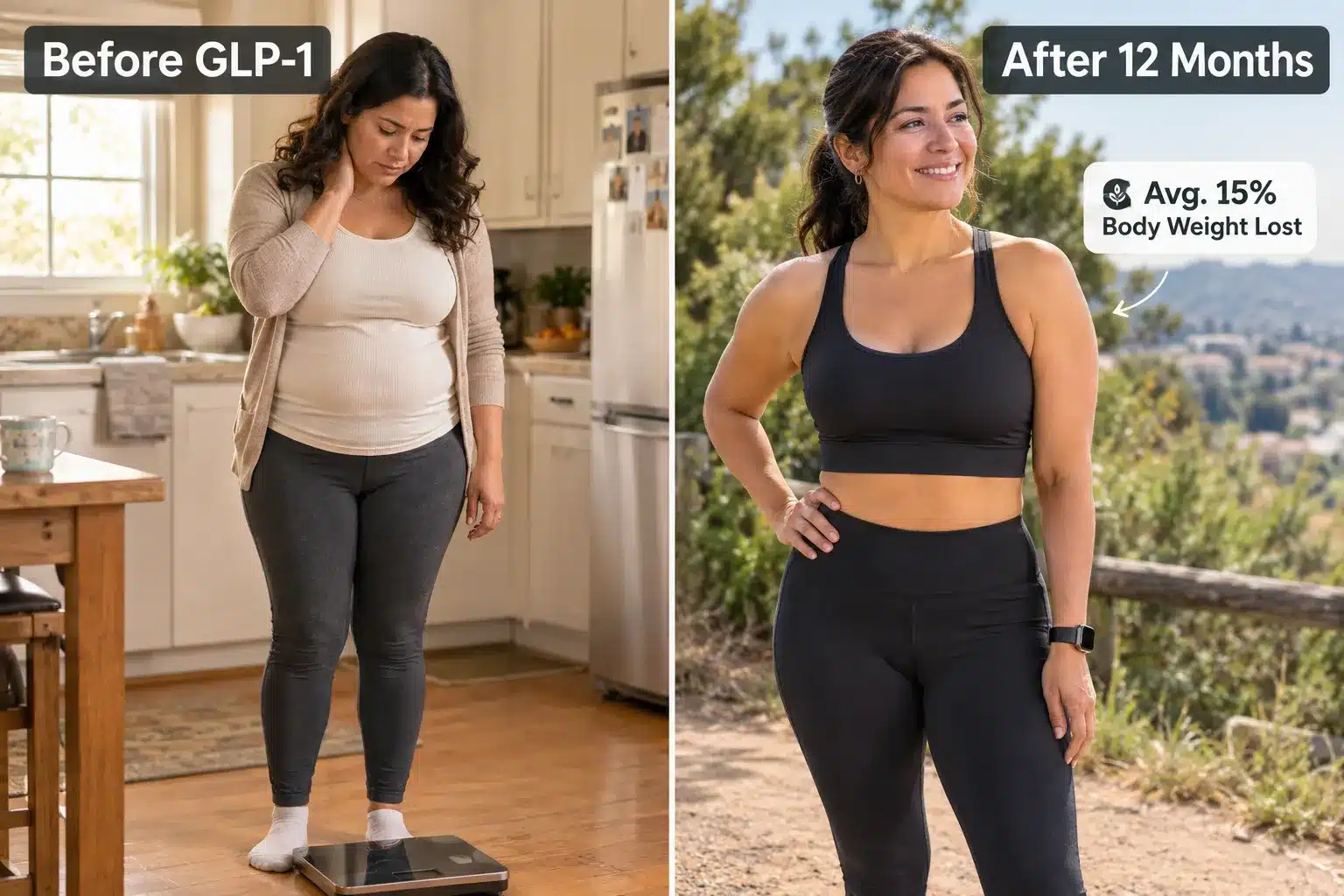
What this means practically:
- GLP-1 medications are most effective as long-term or indefinite treatments, not short-term interventions.
- If cost or side effects make long-term use difficult, work with your prescriber to find the lowest effective maintenance dose rather than stopping entirely.
- Lifestyle changes made during treatment (eating habits, activity levels) are the best buffer against rebound.
- Some patients successfully maintain results with intermittent dosing, though this is not formally studied and requires medical supervision.
Real User GLP-1 Before and After Stories
Clinical trials tell us averages. Real user GLP-1 reviews fill in what the averages miss.
Maria, 47, started Wegovy in early 2025: “The first three weeks were rough. I felt nauseous after almost every meal. By week six, it settled down and I genuinely stopped thinking about food constantly. I lost 38 pounds in nine months. The biggest surprise was how much my relationship with food changed, not just my weight.”
David, 55, switched from Ozempic to Mounjaro: “I was on Ozempic for a year and lost about 20 pounds, then hit a wall. My doctor switched me to Mounjaro and I lost another 25 pounds over the next eight months. The side effects were similar but the results were clearly stronger.”
Sandra, 39, stopped after six months due to cost: “I lost 22 pounds and felt great. When I stopped because my insurance denied coverage, I regained about 14 pounds over the next four months even though I was trying hard. I wish someone had told me upfront that stopping means the weight comes back.”
These stories reflect patterns seen consistently across GLP-1 reviews: strong results, manageable side effects for most, and a real risk of regain after stopping.
GLP-1 Alternatives If It Doesn’t Work for You
If GLP-1 medications cause intolerable side effects, are too expensive, or simply don’t produce adequate results, there are alternatives worth discussing with a prescriber.
Medication alternatives:
- Naltrexone/bupropion (Contrave): Acts on brain reward pathways; average weight loss around 5% to 9%.
- Phentermine/topiramate (Qsymia): Stimulant-based; effective but not suitable for people with cardiovascular risk.
- Orlistat (Alli, Xenical): Blocks fat absorption; modest results with significant GI side effects.
- Metformin: Not approved for weight loss but used off-label; modest effect, very affordable.
Non-medication approaches:
- Structured behavioral weight loss programs with caloric tracking
- Bariatric surgery for BMI 40 or higher, or 35 with comorbidities
- Intensive dietary interventions (low-carbohydrate, Mediterranean, intermittent fasting)
Frequently Asked Questions
Are GLP-1 medications safe long-term?
Based on current evidence, yes for most adults. Semaglutide has been studied for up to 4 years in clinical trials with an acceptable safety profile. Long-term thyroid and pancreatic risks remain under surveillance, but no definitive causal link has been established in humans as of 2026.
How long does it take to see results on GLP-1?
Most people notice appetite suppression within the first 1 to 2 weeks. Meaningful weight loss (5% or more of body weight) typically occurs by months 3 to 6. Maximum results are usually seen at 12 to 18 months.
Can I take GLP-1 medications with other prescriptions?
GLP-1 medications can slow gastric emptying, which may affect how other oral medications are absorbed. Discuss all current medications with your prescriber, especially oral contraceptives, thyroid medications, and antibiotics.
Is compounded semaglutide as effective as brand-name Wegovy?
Compounded semaglutide contains the same active molecule, but quality and dosing accuracy vary by compounding pharmacy. The FDA does not approve compounded medications, so sourcing from a licensed, accredited compounding pharmacy is critical.
What happens to muscle mass on GLP-1 medications?
Rapid weight loss from any cause can include muscle loss. Studies suggest 25% to 40% of weight lost on GLP-1 medications may come from lean mass. Resistance exercise and adequate protein intake (at least 1.2 g/kg body weight) can significantly reduce this.
Can I drink alcohol while on GLP-1 medications?
Alcohol is not contraindicated, but GLP-1 medications can increase alcohol sensitivity and may amplify nausea. Many users report reduced interest in alcohol as a secondary effect of the medication.
Is there an oral GLP-1 option?
Yes. Oral semaglutide (Rybelsus) is FDA-approved for type 2 diabetes. Oral tirzepatide options are emerging through telehealth platforms. See our Medvi oral tirzepatide reviews for current real-world experiences.
Do GLP-1 medications cause hair loss?
Temporary hair shedding (telogen effluvium) has been reported and is likely related to rapid weight loss rather than the medication itself. It typically resolves within 3 to 6 months.
What is the difference between Ozempic and Wegovy?
Both contain semaglutide. Ozempic is FDA-approved for type 2 diabetes at doses up to 2 mg. Wegovy is FDA-approved for chronic weight management at 2.4 mg. The higher dose in Wegovy drives greater weight loss outcomes.
Can teenagers use GLP-1 medications?
Wegovy is FDA-approved for adolescents aged 12 and older with obesity. Zepbound is approved for adults only as of 2026. Pediatric use requires specialist oversight.
7 Best GLP-1 Providers Ranked: Accreditation, Flexibility & Support Compared (2026 Update)
32,000+ Patients Can't All Be Wrong: See the Top-Rated GLP-1 Providers: Compared on accreditation, plan flexibility, and patient support — updated for 2026.
BMI MD GLP-1 Microdosing Plan
- Specialized microdosing options (sublingual drops or low-dose injections)
- Ideal for maintaining weight or tapering off higher doses safely
- Fully bundled plan with no hidden monthly platform memberships
DirectMeds Weight Loss Solutions
- Sourced from accredited, state-licensed 503A compounding pharmacies
- No-frills high-volume savings passed directly to the patient
- Includes clinical consultation and cold-chain shipping updates
MEDVi Flat-Rate Telehealth
- Flat monthly rate holds steady even at maximum maintenance doses
- No dosage upcharges or graduation fee penalties
- Offers both injectable and advanced oral thin-film delivery options
Gala GLP-1 Care Program
- All-inclusive plan with no standalone membership costs
- Continuous text-based messaging access with state-licensed clinicians
- Temperature-controlled, cold-chain medication shipping included
Measured GLP-1 Metabolic Health
- Comprehensive metabolic health screening and expert intake analysis
- Predictable long-term budgeting with stable plan pricing
- High-end responsive dashboard with integrated diagnostic support
Refills GLP-1 (TryRefills Plan)
- Flat rate holds steady as titration scales up
- Includes clinical guides for active side-effect management
- Bundles in foundational nutritional strategies alongside medication
AltRx GLP-1 Transactional Reorders
- Zero recurring auto-billing — pay entirely on a transactional basis
- Rapid text-to-order format saves time for experienced patients
- Provides both injectable forms and fast-dissolving tablet variations
Conclusion
GLP-1 medications represent a genuine shift in how obesity and metabolic disease are treated. The clinical evidence is strong, the real-world GLP-1 reviews are largely consistent with trial data, and access has improved dramatically through telehealth and compounding options.
Actionable next steps:
- Check your eligibility: BMI 30 or higher, or BMI 27 or higher with a related condition, qualifies most adults for a prescription.
- Compare your options: Review semaglutide versus tirzepatide based on your weight loss goals, budget, and tolerance for a newer agent.
- Explore cost options: Check manufacturer savings programs, telehealth platforms, and compounding pharmacies before assuming these medications are out of reach.
- Plan for the long term: Discuss with your prescriber upfront that stopping the medication typically means weight returns. Build a maintenance strategy before you need one.
- Consult a clinician: If you have thyroid disease, pancreatitis history, or take multiple medications, a prescriber review is not optional.
GLP-1 therapy works best when it’s part of a broader commitment to metabolic health, not a standalone fix. For most eligible adults, the evidence strongly supports trying it.
References
- Wilding, J.P.H., et al. (2021). Once-weekly semaglutide in adults with overweight or obesity. New England Journal of Medicine, 384, 989-1002. https://www.nejm.org/doi/full/10.1056/NEJMoa2032183
- Jastreboff, A.M., et al. (2022). Tirzepatide once weekly for the treatment of obesity. New England Journal of Medicine, 387, 205-216. https://www.nejm.org/doi/full/10.1056/NEJMoa2206038
- Rubino, D., et al. (2021). Effect of continued weekly subcutaneous semaglutide vs placebo on weight loss maintenance in adults with overweight or obesity. JAMA, 325(14), 1414-1425. https://jamanetwork.com/journals/jama/fullarticle/2777886
- U.S. Food and Drug Administration. (2021). FDA approves new drug treatment for chronic weight management. https://www.fda.gov/news-events/press-announcements/fda-approves-new-drug-treatment-chronic-weight-management-first-2014


