
GLP-1 Transformation: What It Really Does to Your Body, Weight, and Metabolism (2026 Guide)
Last updated: May 21, 2026
Quick Answer: A GLP-1 transformation refers to the significant physical, metabolic, and behavioral changes that occur when someone uses GLP-1 receptor agonist medications — such as semaglutide (Ozempic, Wegovy) or tirzepatide (Mounjaro, Zepbound) — as part of a medically supervised weight-loss program. These drugs mimic a natural gut hormone to reduce appetite, slow digestion, and improve blood sugar control, producing average weight loss of 10–22% of body weight in clinical trials. Results vary by drug, dose, lifestyle factors, and individual biology.
Key Takeaways
7 Best GLP-1 Providers Ranked: Accreditation, Flexibility & Support Compared (2026 Update)
32,000+ Patients Can't All Be Wrong: See the Top-Rated GLP-1 Providers. We compared the leading online GLP-1 providers based on program features, clinical support, convenience, and overall value.
BMI MD GLP-1 Microdosing Plan
- Specialized microdosing options, including sublingual drops and low-dose injections
- Designed for people interested in maintaining weight or gradually adjusting treatment
- Bundled program structure without a separate monthly platform membership
- Online access makes the process convenient from home

DirectMeds Weight Loss Solutions
- Online weight-loss program with a straightforward patient experience
- Compounded medication options through state-licensed compounding pharmacies
- Includes clinical consultation as part of the process
- Provides shipping updates to help patients track their orders
MEDVi Flat-Rate Telehealth
- Flat-rate telehealth approach designed for easier budgeting
- No dosage-based pricing increases within the advertised program structure
- Offers injectable and oral thin-film delivery options
- Includes medical screening and asynchronous provider consultations
Gala GLP-1 Care Program
- Text-based access to state-licensed clinicians
- Cold-chain medication shipping included in the program
- Month-to-month program structure
- Designed for people who value convenient ongoing support
Measured GLP-1 Metabolic Health
- Comprehensive metabolic health screening and intake analysis
- Designed around longer-term metabolic health management
- Responsive dashboard with integrated health tracking tools
- Useful option for patients who value a more data-focused experience
Refills GLP-1 (TryRefills Plan)
- Clinical guidance designed to help patients manage common treatment concerns
- Includes foundational nutritional strategies alongside medication
- Designed around predictable ongoing treatment
- No hidden startup or processing fees according to the program information provided
AltRx GLP-1 Transactional Reorders
- Transactional reorder model without recurring auto-billing
- Designed for patients who already understand their treatment routine
- Fast text-to-order process for convenient reorders
- Offers injectable and fast-dissolving tablet variations
- GLP-1 receptor agonists work by mimicking the hormone GLP-1, reducing hunger signals in the brain and slowing gastric emptying
- Semaglutide (Wegovy) and tirzepatide (Zepbound) are the two leading FDA-approved options for chronic weight management in 2026
- The FDA approved a new 7.2 mg high-dose Wegovy in March 2026 and the first oral GLP-1 pill (orforglipron/Foundayo) in April 2026, dramatically expanding access [1]
- Most people see meaningful weight loss within 4–12 weeks; full results typically emerge over 12–18 months
- Common side effects are gastrointestinal (nausea, constipation) and are manageable with dose titration
- GLP-1 therapy is not appropriate for everyone — people with a personal or family history of medullary thyroid cancer or MEN2 should not use it
- Combining GLP-1 medication with diet and exercise consistently produces better outcomes than medication alone
- Costs range from roughly $900–$1,400/month for brand-name drugs without insurance; compounded and telehealth options can cost significantly less
- The GLP-1 field is expanding beyond weight loss into cardiovascular, kidney, and liver disease management [2]
What Exactly Is a GLP-1 Transformation and How Does It Work?
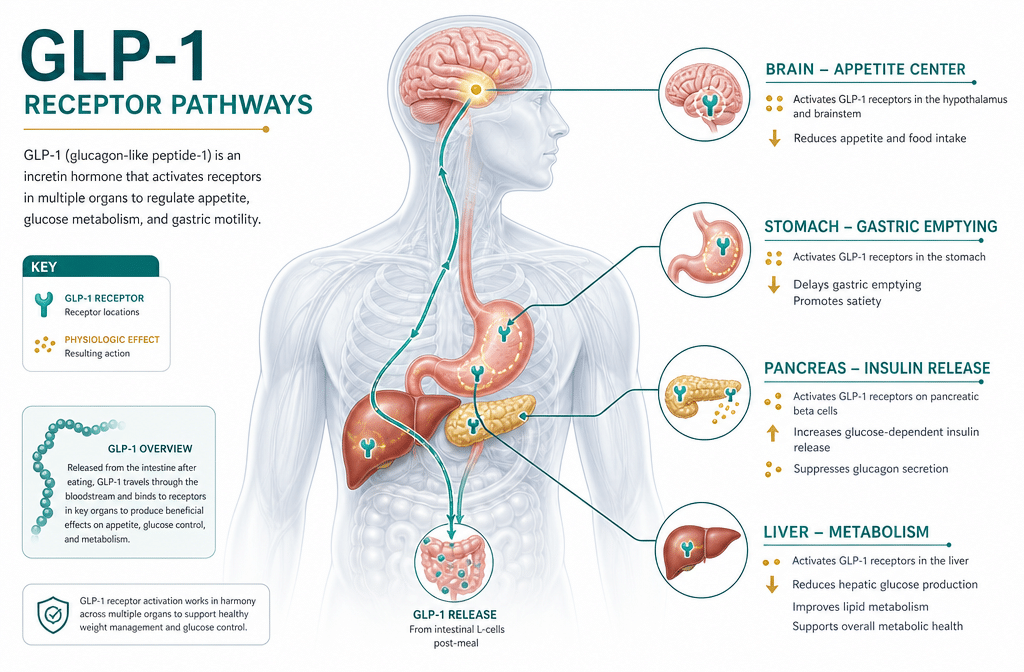
A GLP-1 transformation describes the measurable changes in body weight, metabolism, and overall health that result from sustained use of GLP-1 receptor agonist medications. These drugs bind to GLP-1 receptors throughout the body — particularly in the brain, gut, and pancreas — to reduce appetite, slow the rate at which food leaves the stomach, and trigger insulin release in response to meals.
Here’s what’s happening at a biological level:
- Brain: GLP-1 agonists act on the hypothalamus to reduce hunger and increase feelings of fullness, so you naturally eat less without feeling deprived
- Stomach: Gastric emptying slows, meaning food stays in the stomach longer, extending satiety after meals
- Pancreas: Insulin secretion increases in a glucose-dependent way (only when blood sugar is elevated), reducing the risk of hypoglycemia
- Liver: Glucose production is suppressed, improving fasting blood sugar levels
For a deeper look at the science, see our GLP-1 mechanism of action guide for patients.
The result is a sustained caloric deficit that most people struggle to achieve through willpower alone. This is why clinical trials show weight loss far beyond what diet and exercise typically produce on their own.
How Is a GLP-1 Transformation Different From Other Weight-Loss Methods?
GLP-1 therapy addresses the hormonal and neurological drivers of hunger — something that dieting and exercise cannot directly change. Traditional weight-loss methods reduce calories coming in or increase calories going out, but they don’t alter the brain’s hunger set point. GLP-1 medications do.
| Method | Average Weight Loss | Addresses Hunger Hormones | Long-Term Maintenance |
|---|---|---|---|
| Diet alone | 3–5% body weight | No | Difficult |
| Diet + exercise | 5–8% body weight | Partially | Moderate |
| Bariatric surgery | 25–35% body weight | Yes (mechanically) | Good with support |
| Semaglutide (Wegovy) | ~15% body weight | Yes (pharmacologically) | Requires continuation |
| Tirzepatide (Zepbound) | ~20–22% body weight | Yes (dual GIP+GLP-1) | Requires continuation |
Key distinction: Unlike bariatric surgery, GLP-1 therapy is reversible, non-invasive, and increasingly available through telehealth — but weight often returns if the medication is stopped without lifestyle changes in place.
Tirzepatide adds a second mechanism by also activating GIP receptors, which may explain its stronger average weight-loss results. You can compare both options in detail in our semaglutide vs. tirzepatide head-to-head comparison.
How Long Does It Take to See Results From a GLP-1 Transformation?
Most people notice reduced appetite within the first 1–2 weeks of starting a GLP-1 medication. Visible weight loss typically begins by weeks 4–8, with more significant changes appearing at the 3–6 month mark.
Typical GLP-1 result timeline:
- Weeks 1–4: Appetite suppression begins; minor weight loss (1–4 lbs on average)
- Weeks 4–12: Consistent weekly loss as dose titrates upward; 5–8% body weight loss common
- Months 3–6: Accelerated loss phase; most people reach 10–15% body weight reduction
- Months 6–18: Plateau and maintenance phase; full transformation results visible
For a detailed breakdown by drug and dose, see our complete GLP-1 timeline guide.
Common mistake: Stopping the medication after 4–6 weeks because results feel slow. Dose titration takes time, and the strongest effects come after reaching the therapeutic dose — which can take 16–20 weeks depending on the protocol.
How Much Does a GLP-1 Transformation Cost?
Cost is one of the biggest barriers to GLP-1 transformation for most people. Brand-name injectable GLP-1 drugs without insurance typically run $900–$1,400 per month in the U.S. in 2026.
Cost breakdown by option:
- Wegovy (semaglutide 2.4 mg): ~$1,350/month without insurance
- Zepbound (tirzepatide): ~$1,060/month without insurance
- Compounded semaglutide (telehealth): $150–$400/month depending on provider
- Orforglipron/Foundayo (new oral GLP-1, 2026): Pricing still being established post-approval [1]
- Medicare BALANCE Model: $50 copay for eligible beneficiaries [5]
If cost is a concern, telehealth platforms offering compounded semaglutide can make GLP-1 transformation significantly more accessible. One option worth knowing about is DirectMeds GLP-1 Semaglutide — currently one of the most affordable compounded semaglutide programs available, with medical oversight included.
👉 Check DirectMeds GLP-1 Semaglutide pricing and start your transformation today
For a broader look at affordable options, see our guide to the most affordable GLP-1 medications without insurance.
Can Anyone Do a GLP-1 Transformation, or Are There Specific Health Requirements?
GLP-1 medications are FDA-approved for adults who meet specific criteria. Not everyone qualifies, and a licensed provider must evaluate you before prescribing.
Standard eligibility criteria (FDA-approved indications):
- BMI ≥ 30 (obesity), OR
- BMI ≥ 27 with at least one weight-related condition (type 2 diabetes, high blood pressure, high cholesterol, sleep apnea, or cardiovascular disease)
You may also qualify if you have:
- Type 2 diabetes (Ozempic, Mounjaro, Rybelsus)
- Established cardiovascular disease with obesity (Wegovy)
For a full eligibility breakdown, see our GLP-1 qualification guide.
Who Should Definitely Not Try a GLP-1 Transformation?
GLP-1 therapy carries real contraindications. Certain people should not use these medications regardless of their weight or health goals.
Absolute contraindications:
- Personal or family history of medullary thyroid carcinoma (MTC)
- Multiple Endocrine Neoplasia syndrome type 2 (MEN2)
- Known hypersensitivity to semaglutide or tirzepatide
- Pregnancy (GLP-1s are not approved for use during pregnancy)
Use with caution (discuss with your doctor):
- History of pancreatitis
- Severe gastrointestinal disease (e.g., gastroparesis)
- Gallbladder disease
- Kidney impairment
- History of eating disorders
If you’re unsure whether you qualify, a telehealth consultation is a low-barrier first step. Providers like those featured on our weight loss programs and providers page can assess your eligibility quickly.
What Are the Common Side Effects of a GLP-1 Transformation?
Most side effects from GLP-1 medications are gastrointestinal and tend to be worst during dose escalation. They typically improve as your body adjusts.
Most common side effects:
- Nausea (most frequent, especially in the first 4–8 weeks)
- Constipation or diarrhea
- Vomiting
- Stomach discomfort or bloating
- Reduced appetite (sometimes more than desired)
Less common but serious:
- Pancreatitis (rare; stop medication and seek care if severe abdominal pain occurs)
- Gallstones (increased risk with rapid weight loss)
- Injection site reactions (for injectable forms)
- Heart rate increase (mild, generally not clinically significant)
Managing side effects: Slow dose titration, eating smaller meals, avoiding high-fat foods, and staying hydrated all reduce GI symptoms significantly. The new 7.2 mg Wegovy HD approved in March 2026 uses the same titration approach to manage tolerability at higher doses [1].
For a comprehensive safety overview, see our GLP-1 safety profile research summary.
How Does a GLP-1 Transformation Impact Metabolism?
GLP-1 medications do more than reduce calories — they actively change how the body processes energy, stores fat, and regulates blood sugar. This metabolic shift is a core part of what makes GLP-1 transformation different from simple calorie restriction.
Key metabolic effects:
- Improved insulin sensitivity: Cells respond better to insulin, reducing blood sugar spikes
- Reduced liver fat: Studies show meaningful reductions in hepatic fat content, relevant for NAFLD/NASH
- Lower fasting glucose: Especially significant for people with prediabetes or type 2 diabetes
- Modest improvements in blood pressure and lipid panels with sustained weight loss
- Preserved lean muscle mass (more so than diet-only approaches, though resistance training helps further)
In 2026, GLP-1s are increasingly recognized as cardiorenal-metabolic drugs, not just weight-loss tools. Semaglutide is under FDA review for heart failure with preserved ejection fraction (HFpEF) and peripheral artery disease (PAD) — conditions where metabolic improvement drives the benefit [2].
This expanding role is why the Institute for the Future describes GLP-1 access as potentially one of the most significant public health shifts of the decade [4].
Can I Combine a GLP-1 Transformation With Diet and Exercise?
Yes — and you should. GLP-1 medications work best as part of a broader lifestyle program, not as a standalone fix.
Clinical trial participants who combined GLP-1 therapy with structured diet and activity changes consistently lost more weight and maintained results longer than those relying on medication alone.
Practical combination approach:
- Protein priority: Aim for 0.7–1g of protein per pound of lean body mass to preserve muscle during weight loss
- Resistance training: 2–3 sessions per week helps maintain muscle mass as fat decreases
- Caloric awareness: You don’t need to count every calorie, but being mindful of portion sizes amplifies results
- Hydration: GLP-1s can cause constipation; adequate water intake is essential
- Sleep: Poor sleep elevates hunger hormones and can blunt GLP-1 effectiveness
For specific dietary guidance, see our GLP-1 diet guide for semaglutide and tirzepatide users.
What Happens If a GLP-1 Transformation Doesn’t Work for Me?
A small percentage of people are non-responders to GLP-1 medications — meaning they experience minimal weight loss even at therapeutic doses. If you’ve been on a stable dose for 12–16 weeks without meaningful progress, it’s worth reassessing with your provider.
Steps if GLP-1 therapy isn’t working:
- Confirm dose: Are you at or near the target therapeutic dose? Under-dosing is a common reason for poor results
- Review adherence: Missed doses or improper injection technique can reduce effectiveness (see our semaglutide injection guide)
- Switch agents: If semaglutide isn’t working, tirzepatide (dual GIP+GLP-1 agonist) may produce better results due to its additional mechanism
- Consider pipeline options: Newer agents like CagriSema (FDA decision expected in 2026) may offer stronger efficacy for people who don’t respond adequately to current drugs [1]
- Evaluate underlying factors: Thyroid conditions, sleep apnea, or certain medications can blunt weight-loss response
Are There Natural Alternatives to a GLP-1 Transformation?
No supplement or food currently replicates the clinical weight-loss outcomes of GLP-1 medications. However, some lifestyle strategies do naturally support GLP-1 activity in the body.
Natural GLP-1 support strategies:
- High-fiber foods (oats, legumes, vegetables): Fermentation in the gut stimulates natural GLP-1 release
- Protein-rich meals: Protein is a potent stimulator of endogenous GLP-1 secretion
- Regular exercise: Both aerobic and resistance training increase GLP-1 receptor sensitivity
- Adequate sleep: Sleep deprivation suppresses GLP-1 and elevates ghrelin (hunger hormone)
- Berberine: Some small studies suggest modest GLP-1 pathway activation, but effects are far smaller than medication
Bottom line: Natural strategies are valuable additions to any health plan, but they produce 2–5% weight loss at best for most people — not the 15–22% seen with pharmaceutical GLP-1 therapy. If you have obesity or a weight-related health condition, natural alternatives alone are unlikely to be sufficient.
What Do Doctors Really Think About GLP-1 Transformation?
Medical opinion on GLP-1 therapy has shifted dramatically in the past three years. Most obesity medicine specialists now view GLP-1 receptor agonists as first-line treatment for obesity — comparable to how statins are viewed for high cholesterol.
Where the medical consensus stands in 2026:
- Major medical organizations (including the American Diabetes Association and the Obesity Society) support GLP-1 use for qualifying patients
- Cardiologists are increasingly prescribing semaglutide for cardiovascular risk reduction, not just weight loss
- Some bariatric surgeons acknowledge that high-efficacy GLP-1 drugs may reduce the volume of surgical candidates over time [1]
- Primary care physicians are the most common prescribers, often via telehealth platforms
Where doctors still urge caution:
- Long-term safety data beyond 5 years is still accumulating
- Muscle mass loss with rapid weight loss remains a concern without adequate protein and resistance training
- Stopping medication without lifestyle infrastructure in place leads to weight regain in most patients
The expanding approval landscape — including the new oral GLP-1 Foundayo approved in April 2026 — reflects regulatory confidence in the drug class’s benefit-risk profile [1].
What Are the Risks of Long-Term GLP-1 Transformation?
Long-term GLP-1 use is generally considered safe based on available data, but it’s not without considerations. Most people who benefit from GLP-1 transformation will need to continue medication indefinitely to maintain results — similar to blood pressure or cholesterol medications.
Known long-term considerations:
- Weight regain on discontinuation: Studies show most people regain a significant portion of lost weight within 1–2 years of stopping [2]
- Muscle mass: Prolonged caloric restriction without resistance training can reduce lean mass over time
- Gallstones: Rapid weight loss increases gallstone risk; gradual titration and dietary fat inclusion help mitigate this
- Thyroid monitoring: Rodent studies showed thyroid C-cell tumors at high doses; human relevance is considered low but monitoring is standard practice
- Bone density: Emerging data suggests monitoring may be warranted for long-term users with significant weight loss
For ongoing maintenance strategies, see our GLP-1 weight loss maintenance guide.

The 2026 GLP-1 Landscape: What’s New
The GLP-1 transformation story is still being written. Three major developments in early 2026 have changed what’s possible:
- Wegovy HD (7.2 mg semaglutide): FDA-approved March 19, 2026 — triple the previous max dose, targeting people who need more aggressive weight reduction [1]
- Foundayo (orforglipron): FDA-approved April 1, 2026 — the first non-peptide oral GLP-1 pill, removing the injection barrier for millions of patients [1]
- Oral Ozempic tablets: Approved February 2026 with cardiovascular risk-reduction indication for type 2 diabetes, now available as of May 4, 2026 [1]
Pipeline drugs like CagriSema (cagrilintide + semaglutide) and retatrutide could push average weight loss beyond 25% in future approvals [1][2].
FAQ
What is a GLP-1 transformation?
A GLP-1 transformation refers to the physical and metabolic changes — primarily significant weight loss and improved blood sugar control — that occur when a person uses GLP-1 receptor agonist medications like semaglutide or tirzepatide as part of a medically supervised program.
How much weight can I lose with GLP-1 medications?
Clinical trials show average weight loss of approximately 15% of body weight with semaglutide (Wegovy) and 20–22% with tirzepatide (Zepbound) over 68–72 weeks. Individual results vary based on starting weight, dose, diet, and activity level.
Is a GLP-1 transformation permanent?
No. Most people regain weight after stopping GLP-1 medications unless they have built strong dietary and exercise habits. GLP-1 therapy is most effective as a long-term or indefinite treatment, similar to medications for blood pressure or cholesterol.
What is the cheapest way to access GLP-1 medications?
Compounded semaglutide through telehealth providers is currently the most affordable route, often ranging from $150–$400/month. DirectMeds GLP-1 Semaglutide is one of the most cost-effective options available with medical oversight included.
Can I take GLP-1 medications if I don’t have diabetes?
Yes. Wegovy (semaglutide 2.4 mg) and Zepbound (tirzepatide) are FDA-approved specifically for weight management in adults with obesity or overweight plus a weight-related health condition — no diabetes diagnosis required.
Are oral GLP-1 pills as effective as injections?
Early data on orforglipron (Foundayo), approved in April 2026, shows meaningful weight loss comparable to injectable options, though direct head-to-head comparisons are still emerging. Our oral vs. injectable GLP-1 comparison covers this in detail.
How quickly does GLP-1 therapy start working?
Appetite suppression typically begins within 1–2 weeks. Noticeable weight loss usually appears by weeks 4–8, with the most significant changes occurring between months 3 and 12.
Do I need a prescription for GLP-1 medications?
Yes. All FDA-approved GLP-1 medications require a valid prescription from a licensed provider. Telehealth platforms can provide this through an online consultation, often within 24–48 hours.
What happens to my metabolism after stopping GLP-1 therapy?
Metabolic improvements (insulin sensitivity, blood sugar control, blood pressure) tend to partially reverse as weight is regained after stopping. This is why most providers recommend a long-term maintenance plan before discontinuing.
Is tirzepatide better than semaglutide for GLP-1 transformation?
On average, tirzepatide produces greater weight loss than semaglutide in clinical trials. However, individual response varies, and semaglutide has a longer safety track record. The best choice depends on your health profile, cost tolerance, and provider recommendation.
7 Best GLP-1 Providers Ranked: Accreditation, Flexibility & Support Compared (2026 Update)
32,000+ Patients Can't All Be Wrong: See the Top-Rated GLP-1 Providers: Compared on accreditation, plan flexibility, and patient support — updated for 2026.
BMI MD GLP-1 Microdosing Plan
- Specialized microdosing options (sublingual drops or low-dose injections)
- Ideal for maintaining weight or tapering off higher doses safely
- Fully bundled plan with no hidden monthly platform memberships
DirectMeds Weight Loss Solutions
- Sourced from accredited, state-licensed 503A compounding pharmacies
- No-frills high-volume savings passed directly to the patient
- Includes clinical consultation and cold-chain shipping updates
MEDVi Flat-Rate Telehealth
- Flat monthly rate holds steady even at maximum maintenance doses
- No dosage upcharges or graduation fee penalties
- Offers both injectable and advanced oral thin-film delivery options
Gala GLP-1 Care Program
- All-inclusive plan with no standalone membership costs
- Continuous text-based messaging access with state-licensed clinicians
- Temperature-controlled, cold-chain medication shipping included
Measured GLP-1 Metabolic Health
- Comprehensive metabolic health screening and expert intake analysis
- Predictable long-term budgeting with stable plan pricing
- High-end responsive dashboard with integrated diagnostic support
Refills GLP-1 (TryRefills Plan)
- Flat rate holds steady as titration scales up
- Includes clinical guides for active side-effect management
- Bundles in foundational nutritional strategies alongside medication
AltRx GLP-1 Transactional Reorders
- Zero recurring auto-billing — pay entirely on a transactional basis
- Rapid text-to-order format saves time for experienced patients
- Provides both injectable forms and fast-dissolving tablet variations
Conclusion: Is a GLP-1 Transformation Right for You?
A GLP-1 transformation is one of the most clinically validated approaches to significant, sustained weight loss available in 2026. For adults with obesity or weight-related health conditions, these medications address the hormonal root causes of weight gain — not just the symptoms.
The field is moving fast. New options like high-dose Wegovy HD, the oral pill Foundayo, and next-generation pipeline drugs are making GLP-1 transformation more accessible and more effective than ever before [1][2].
Your next steps:
- Check your eligibility: BMI ≥ 30, or BMI ≥ 27 with a weight-related condition
- Compare your options: Injectable vs. oral, brand-name vs. compounded, telehealth vs. in-person
- Consider cost: Telehealth compounded options like DirectMeds GLP-1 Semaglutide offer significant savings without sacrificing medical oversight
- Build your lifestyle foundation: Start thinking about protein intake and resistance training before your first dose
- Plan for the long term: GLP-1 therapy works best as part of a sustainable health strategy, not a short-term fix
For more evidence-based guidance, explore our full GLP-1 medications resource library.
References
[1] GLP-1 Pipeline Update May 2026 – https://www.primetherapeutics.com/glp-1-pipeline-update-may-2026
[2] GLP-1 Trends – https://www.goodrx.com/classes/glp-1-agonists/glp-1-trends
[4] IFTF Urgent Future Forecast: Expanded GLP-1 Access Will Radically Transform Human Life – https://www.iftf.org/projects/iftf-urgent-future-forecast-perspective-expanded-glp-1-access-will-radically-transform-human-life/
[5] Medicare GLP-1 Bridge – https://www.cms.gov/medicare/coverage/prescription-drug-coverage/medicare-glp-1-bridge
[10] New Year’s Resolutions: GLP-1 Weight Loss for Body Transformation – https://drjohnburns.com/blogs/news/new-year-s-resolutions-glp-1-weight-loss-for-body-transformation


