
glp 1 weight loss injections online

Last updated: October 1, 2026
Quick Answer
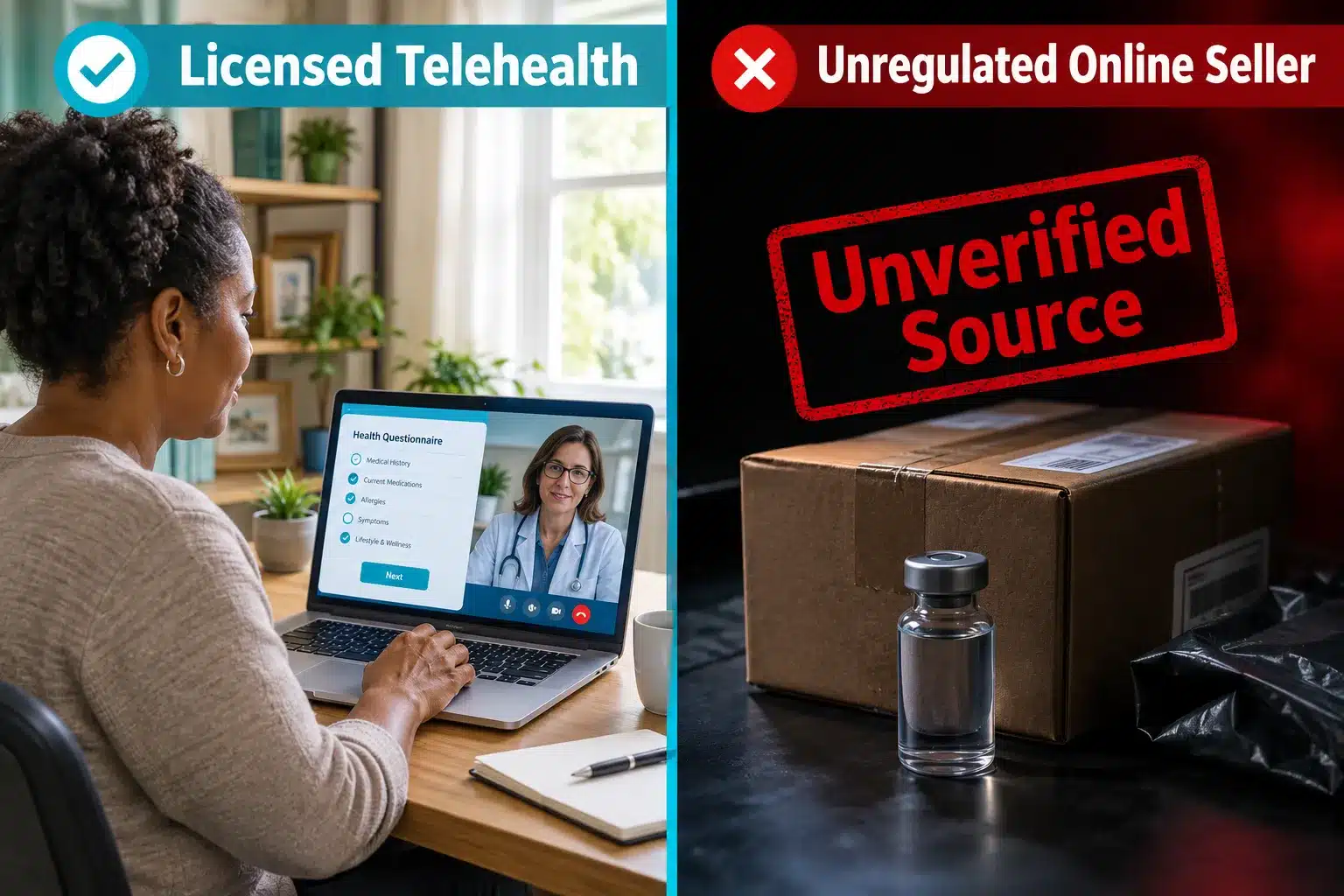
GLP-1 weight loss injections online are legally accessible through licensed telehealth platforms that connect you with a real physician who can prescribe FDA-approved medications like semaglutide (Wegovy, Ozempic) or tirzepatide (Mounjaro, Zepbound). You must have a valid prescription, and the medication must be dispensed by a state-licensed pharmacy. Buying compounded GLP-1 injections from unverified online sellers is risky and increasingly illegal under active FDA enforcement.
Key Takeaways
- GLP-1 receptor agonists reduce appetite, slow digestion, and improve blood sugar control, making them among the most effective weight loss medications available in 2026.
- You can legally get GLP-1 weight loss injections online through telehealth platforms, but a licensed provider must prescribe them and a state-licensed pharmacy must fill them.
- The FDA issued more than 55 warning letters to online sellers of compounded GLP-1 drugs in September 2025, with enforcement intensifying through 2026 [5][8].
- Compounded semaglutide and tirzepatide are not FDA-approved, have caused overdoses and hospitalizations from dosing errors, and should be avoided when approved products are available [4][9].
- Without insurance, branded GLP-1 injections typically cost $900 to $1,400 per month; compounded versions through legitimate telehealth programs may run $200 to $500 per month, though availability is narrowing.
- Most telehealth platforms require a BMI of 30 or higher, or 27 or higher with a weight-related condition, to qualify for a GLP-1 prescription.
- Side effects are common, especially in the first few weeks, and include nausea, vomiting, and constipation, most improve with gradual dose increases.
- Weight loss typically begins within 4 to 8 weeks, with significant results (10% or more of body weight) seen at 3 to 6 months for most users.
- Stopping GLP-1 injections usually leads to weight regain, so these medications are generally considered long-term treatments.
- Insurance coverage for online GLP-1 prescriptions varies widely; employer plans and Medicare Part D may cover some medications, but prior authorization is almost always required.
What Are GLP-1 Injections and How Do They Work for Weight Loss
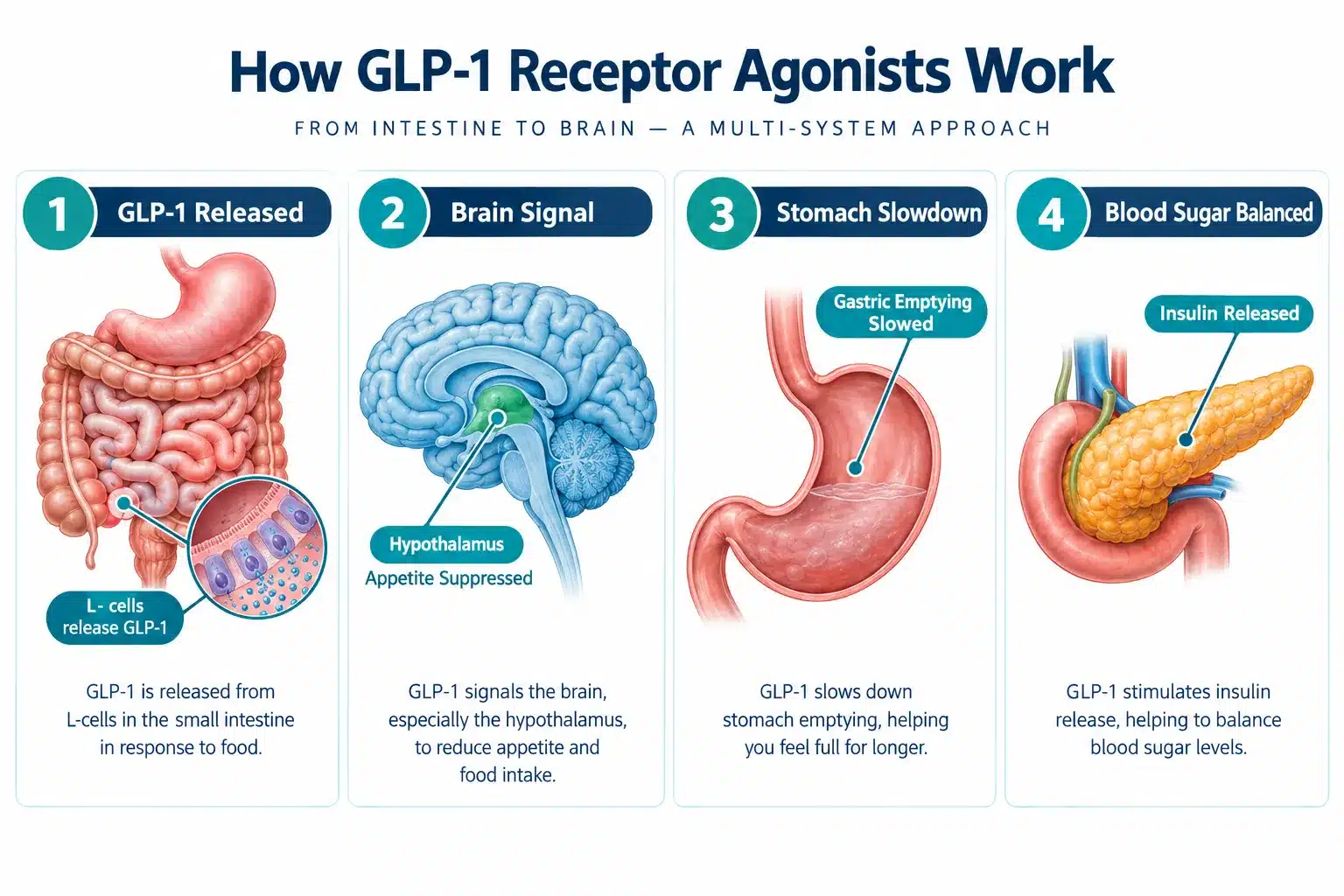
GLP-1 receptor agonists are a class of medications that mimic a naturally occurring gut hormone called glucagon-like peptide-1. This hormone is released after eating and signals the brain to reduce appetite, slows the rate at which food leaves the stomach, and stimulates the pancreas to release insulin when blood sugar rises.
7 Best GLP-1 Providers Ranked: Accreditation, Flexibility & Support Compared (2026 Update)
32,000+ Patients Can't All Be Wrong: See the Top-Rated GLP-1 Providers. We compared the leading online GLP-1 providers based on program features, clinical support, convenience, and overall value.
BMI MD GLP-1 Microdosing Plan
- Specialized microdosing options, including sublingual drops and low-dose injections
- Designed for people interested in maintaining weight or gradually adjusting treatment
- Bundled program structure without a separate monthly platform membership
- Online access makes the process convenient from home

DirectMeds Weight Loss Solutions
- Online weight-loss program with a straightforward patient experience
- Compounded medication options through state-licensed compounding pharmacies
- Includes clinical consultation as part of the process
- Provides shipping updates to help patients track their orders
MEDVi Flat-Rate Telehealth
- Flat-rate telehealth approach designed for easier budgeting
- No dosage-based pricing increases within the advertised program structure
- Offers injectable and oral thin-film delivery options
- Includes medical screening and asynchronous provider consultations
Gala GLP-1 Care Program
- Text-based access to state-licensed clinicians
- Cold-chain medication shipping included in the program
- Month-to-month program structure
- Designed for people who value convenient ongoing support
Measured GLP-1 Metabolic Health
- Comprehensive metabolic health screening and intake analysis
- Designed around longer-term metabolic health management
- Responsive dashboard with integrated health tracking tools
- Useful option for patients who value a more data-focused experience
Refills GLP-1 (TryRefills Plan)
- Clinical guidance designed to help patients manage common treatment concerns
- Includes foundational nutritional strategies alongside medication
- Designed around predictable ongoing treatment
- No hidden startup or processing fees according to the program information provided
AltRx GLP-1 Transactional Reorders
- Transactional reorder model without recurring auto-billing
- Designed for patients who already understand their treatment routine
- Fast text-to-order process for convenient reorders
- Offers injectable and fast-dissolving tablet variations
For weight loss, this combination of effects is significant. When you inject a GLP-1 medication once weekly, your brain receives a sustained signal that you are full, even when you have eaten less than usual. Many people report that food “noise”, the constant mental preoccupation with eating, quiets considerably. Gastric emptying slows, so meals feel more satisfying for longer.
The result is a meaningful calorie deficit without the willpower battle that makes traditional dieting so difficult. Clinical trials for semaglutide (the active ingredient in Wegovy) showed average weight loss of around 15% of body weight over 68 weeks, while tirzepatide (the active ingredient in Zepbound) showed up to 20% in some trial arms. For a deeper breakdown of the biology, see this guide on GLP-1: what it is and how it works for weight loss and diabetes.
Key mechanisms at a glance:
- Suppresses appetite by acting on the hypothalamus
- Slows gastric emptying, increasing satiety after meals
- Stimulates insulin release in response to blood sugar
- Reduces glucagon secretion, lowering fasting glucose
For a comparison of which specific medication may work best for your situation, the guide on which GLP-1 medication works best for weight loss is a useful next read.
Is It Safe to Get GLP-1 Injections Prescribed Online
Yes, getting a GLP-1 prescription through a legitimate telehealth platform is safe, provided the platform employs licensed physicians and uses state-licensed pharmacies to dispense medication. The risk is not the online format itself, it is the source of the medication.
The FDA has made the distinction clear: obtaining a prescription via video visit is fine; buying unverified compounded injections from an online storefront is not [4]. Mainstream telehealth programs operated by licensed providers follow the same clinical protocols as in-person visits. A physician reviews your health history, checks for contraindications, and determines the appropriate starting dose.
What makes an online GLP-1 program legitimate:
- A licensed physician or NP conducts a real consultation (not just a checkbox questionnaire)
- The pharmacy filling your prescription is state-licensed
- The medication dispensed is an FDA-approved brand or a compounded version from an FDA-registered outsourcing facility
- The platform does not claim its compounded product is “the same as” a branded drug
Red flags to avoid:
- No real provider consultation required
- Medication ships from an overseas address
- The site claims its product is FDA-approved when it is not
- Pricing is dramatically lower than any legitimate program
Can You Buy GLP-1 Injections Online Legally
You can legally access GLP-1 weight loss injections online, but only through a licensed prescriber and a state-licensed pharmacy. You cannot legally purchase them without a prescription, and selling compounded GLP-1 drugs without proper authorization violates federal law.
The FDA issued warning letters in September 2025 to multiple online sellers, including GLP1Solution.store, JulyMD, and DirectMeds, for selling unapproved and misbranded compounded GLP-1 drugs, including semaglutide, tirzepatide, and the investigational agent retatrutide [1][2][3]. These actions were part of a broader campaign involving more than 55 warning letters and explicit threats of seizure or injunction for continued violations [5][8].
A February 2026 FDA policy communication further signaled restrictions on the active pharmaceutical ingredients used in non-approved compounded products and targeted misleading direct-to-consumer advertising by telehealth and wellness clinics [5][6].
The legal path:
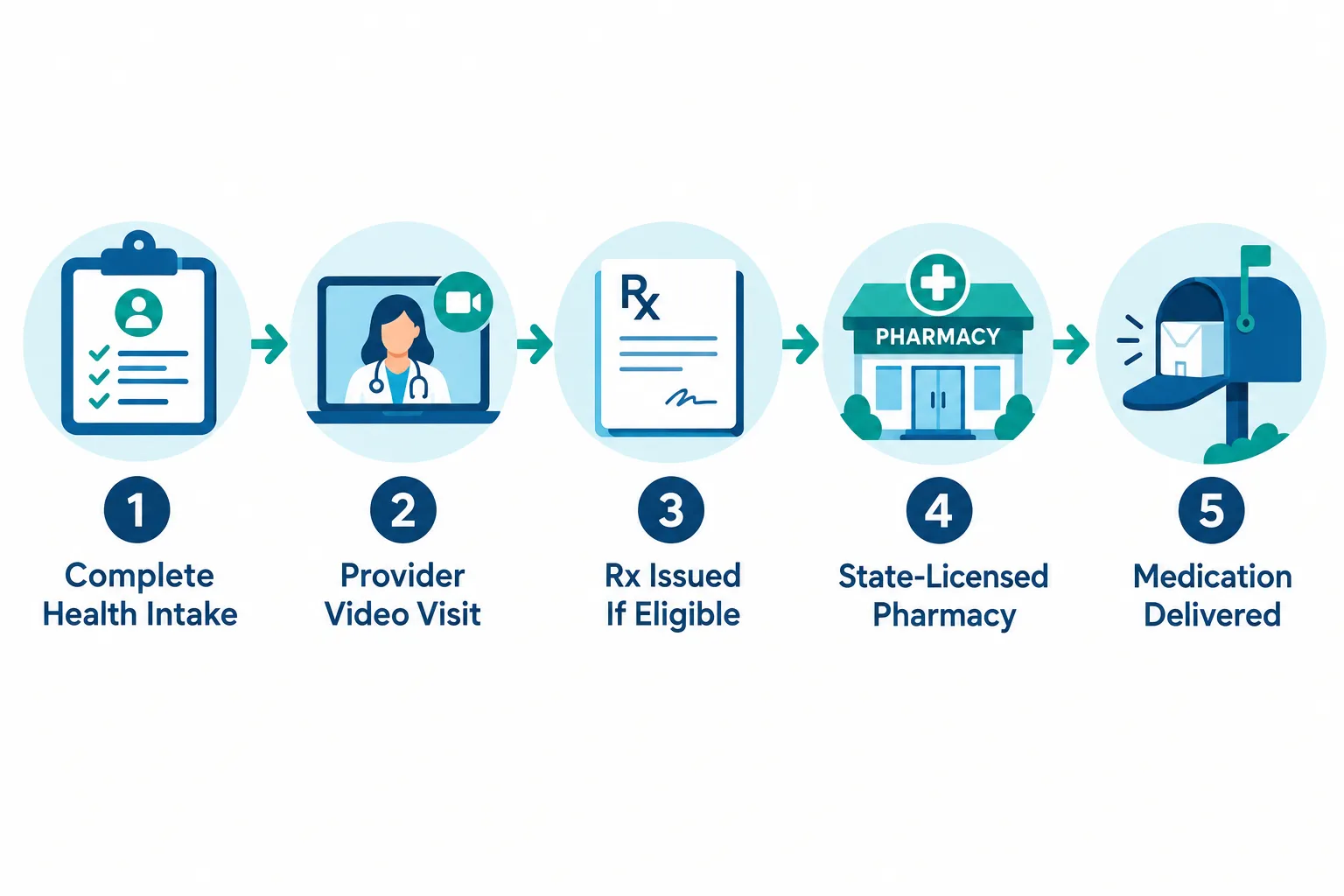
- Complete an online health intake with a licensed telehealth provider
- Attend a video consultation with a physician or nurse practitioner
- Receive a prescription if you qualify
- Fill the prescription at a state-licensed pharmacy
For guidance on ordering through a legitimate compounding pharmacy, see this complete guide to compounding pharmacies for weight loss.
GLP-1 Injections vs. Ozempic vs. Wegovy: What Is the Difference
“GLP-1 injections” is the umbrella term for the entire drug class. Ozempic and Wegovy are both brand-name versions of semaglutide, the same active ingredient at different approved doses and for different FDA-approved indications.
| Medication | Active Ingredient | FDA-Approved Use | Typical Dose |
|---|---|---|---|
| Ozempic | Semaglutide | Type 2 diabetes | 0.5-2 mg weekly |
| Wegovy | Semaglutide | Chronic weight management | 2.4 mg weekly |
| Mounjaro | Tirzepatide | Type 2 diabetes | 5-15 mg weekly |
| Zepbound | Tirzepatide | Chronic weight management | 5-15 mg weekly |
| Rybelsus | Semaglutide | Type 2 diabetes (oral) | 3-14 mg daily |
Ozempic is frequently prescribed off-label for weight loss because it contains the same molecule as Wegovy, though at a lower approved dose. Tirzepatide (Mounjaro/Zepbound) is a dual GIP/GLP-1 receptor agonist and tends to produce slightly greater weight loss in clinical trials. For a detailed look at Mounjaro specifically, see the Mounjaro shot for weight loss guide.
How Much Do GLP-1 Weight Loss Injections Cost Without Insurance
Without insurance, branded GLP-1 injections cost roughly $900 to $1,400 per month at retail pharmacies in 2026. Compounded semaglutide through telehealth programs has ranged from $150 to $500 per month, though availability has narrowed significantly following FDA enforcement actions.
Approximate monthly costs in 2026 (without insurance):
- Wegovy (semaglutide 2.4 mg): approximately $1,300,$1,400
- Zepbound (tirzepatide): approximately $1,050,$1,200
- Ozempic (semaglutide, off-label for weight loss): approximately $900,$1,000
- Compounded semaglutide (where still legally available): approximately $200,$500
Manufacturer savings programs can reduce branded drug costs significantly for commercially insured patients. Novo Nordisk’s Wegovy savings card, for example, has offered eligible patients as little as $25 per month, though eligibility requirements apply. For a full breakdown of cost-saving strategies, the guide on semaglutide medication prescription for weight loss with no insurance covers GoodRx options and manufacturer coupons. You can also compare providers directly in this cheapest online GLP-1 providers comparison.
Do You Need a Prescription for GLP-1 Injections Online
Yes, every FDA-approved GLP-1 injection requires a valid prescription from a licensed provider. There are no legal over-the-counter GLP-1 injections in the United States, and any website claiming to sell them without a prescription is operating illegally.
The FDA’s dedicated page on unapproved GLP-1 drugs explicitly instructs patients to obtain prescriptions from licensed clinicians and fill them only at state-licensed pharmacies [4]. The agency is actively monitoring the internet and has already issued warning letters against illegally marketed semaglutide and tirzepatide products [1][2][3].
Best online telehealth platforms for GLP-1 prescriptions (2026):
Legitimate platforms that connect patients with licensed providers include:
- Hims & Hers, offers semaglutide-based programs; received an FDA warning letter in 2025 over advertising language but has since updated its claims. See the Hims weight loss cost breakdown for current pricing.
- Walgreens Health, requires a BMI of 30 or higher (or 27 with comorbidities), an online health questionnaire, and an on-demand video visit with a licensed provider.
- Ro Body, monthly subscription model with provider oversight and pharmacy fulfillment.
- Noom Med, combines behavioral coaching with GLP-1 prescriptions.
When evaluating any platform, confirm that a real licensed provider reviews your case and that the pharmacy is state-licensed before submitting payment.
Who Should Not Take GLP-1 Injections for Weight Loss
GLP-1 injections are not appropriate for everyone. A licensed provider will screen for contraindications before prescribing, but it helps to know the main exclusions in advance.
Do not use GLP-1 injections if you have:
- A personal or family history of medullary thyroid carcinoma (MTC)
- Multiple Endocrine Neoplasia syndrome type 2 (MEN 2)
- A history of pancreatitis (discuss carefully with your provider)
- Severe gastrointestinal conditions like gastroparesis
- Type 1 diabetes (these medications are not approved for this use)
Use with caution if you:
- Are pregnant or breastfeeding (GLP-1 medications should be discontinued before conception)
- Have a history of eating disorders
- Take insulin or sulfonylureas (dose adjustments may be needed)
- Have severe kidney or liver disease
Who typically qualifies:
- Adults with a BMI of 30 or higher
- Adults with a BMI of 27 or higher plus at least one weight-related condition (hypertension, type 2 diabetes, sleep apnea)
What Are the Side Effects of GLP-1 Weight Loss Injections
The most common side effects are gastrointestinal: nausea, vomiting, diarrhea, and constipation. These are most intense during dose escalation and typically improve after the first 4 to 8 weeks.
Common side effects (reported in clinical trials):
- Nausea (30-44% of users, most common early on)
- Diarrhea or constipation
- Vomiting
- Abdominal discomfort or bloating
- Fatigue, especially in the first few weeks
- Injection site reactions (redness, bruising)
Less common but serious side effects:
- Pancreatitis (seek medical attention for severe abdominal pain)
- Gallbladder disease (gallstones are more common with rapid weight loss)
- Heart rate increase
- Rare: thyroid tumors (seen in animal studies; human risk is not confirmed but is a labeled warning)
The FDA has also reported overdoses and hospitalizations linked specifically to dosing errors with compounded GLP-1 products, which often come in higher-concentration vials that require precise calculation [4][9]. This is one of the strongest arguments for using FDA-approved formulations dispensed by licensed pharmacies.
How Long Does It Take to Lose Weight on GLP-1 Injections
Most people notice appetite suppression within the first 1 to 2 weeks. Measurable weight loss typically begins by weeks 4 to 8, with more significant results building over 3 to 6 months as doses increase.
General timeline:
- Weeks 1-4: Appetite reduction, early weight loss of 1-3% of body weight
- Months 2-3: Dose escalation begins; weight loss accelerates
- Months 3-6: Most users reach 5-10% body weight reduction
- Months 6-12: Clinical trial averages show 10-20% body weight reduction depending on the medication and dose
- Beyond 12 months: Continued loss or maintenance with sustained use
Individual results vary based on starting weight, diet, physical activity, dose achieved, and adherence. For a realistic look at early results, the 6-week Ozempic weight loss results guide offers a useful reference point.
GLP-1 Injections Stopped Working: What Should You Do
A plateau on GLP-1 therapy is common and does not necessarily mean the medication has failed. The most frequent reasons are that the dose needs adjustment, dietary habits have shifted, or the body has adapted to the medication’s appetite-suppressing effects.
Steps to take if progress has stalled:
- Contact your prescribing provider, a dose increase may be appropriate
- Review your diet: calorie creep is the most common culprit
- Add or increase physical activity, particularly resistance training
- Check for medication adherence issues (missed doses, improper storage)
- Ask your provider about switching medications (for example, from semaglutide to tirzepatide)
If you have been on the maximum dose for 12 or more weeks without meaningful weight loss, your provider may consider this a non-response and discuss alternatives. Do not increase your dose on your own, this is a common and dangerous mistake with compounded products that come in unlabeled concentrations.
What Happens When You Stop Taking GLP-1 Injections
Weight regain after stopping GLP-1 injections is common and well-documented. Clinical trial data shows that most patients regain a significant portion of lost weight within 12 months of discontinuation if lifestyle changes have not been firmly established.
This is not a personal failure, it reflects the underlying biology. GLP-1 medications address a hormonal deficit in appetite regulation, and stopping them removes that correction. For many people, these are long-term or indefinite medications, similar to how blood pressure medication works.
What to expect after stopping:
- Appetite typically returns to pre-treatment levels within weeks
- Weight regain often begins within 1 to 3 months
- Metabolic improvements (blood sugar, blood pressure) may also reverse
If cost is the reason for stopping, explore manufacturer savings programs, GoodRx discounts, or ask your provider about a lower maintenance dose. The least expensive GLP-1 for weight loss guide covers options for staying on therapy affordably.
Are Online GLP-1 Prescriptions Covered by Insurance
Insurance coverage for GLP-1 medications prescribed online follows the same rules as in-person prescriptions, the delivery method does not affect coverage. However, coverage itself is inconsistent and often requires prior authorization.
Coverage landscape in 2026:
- Employer-sponsored plans: Many cover Ozempic for diabetes; fewer cover Wegovy or Zepbound for weight loss alone. Coverage is expanding but not universal.
- Medicare Part D: Covers GLP-1 drugs for type 2 diabetes; the Inflation Reduction Act created pathways for obesity coverage, but implementation varies by plan.
- Medicaid: Coverage varies by state; some states cover weight management indications, others do not.
- No insurance: Manufacturer savings cards (Novo Nordisk, Eli Lilly) can reduce costs significantly for commercially insured patients; GoodRx and similar tools help uninsured patients.
Always verify your specific plan’s formulary before starting a telehealth program. Some telehealth platforms will handle prior authorization on your behalf, which can save significant time.
Can You Get GLP-1 Injections If You Have Diabetes
Yes, and in many cases diabetes is the primary indication for which GLP-1 medications were originally approved. Ozempic (semaglutide) and Mounjaro (tirzepatide) are both FDA-approved for type 2 diabetes management and are among the most effective options in that category.
For people with type 2 diabetes who also need to lose weight, GLP-1 medications offer a dual benefit: improved blood sugar control and meaningful weight reduction. Insurance coverage is also generally stronger for the diabetes indication than for weight loss alone.
Important considerations for people with diabetes:
- If you take insulin or sulfonylureas, your provider will likely reduce those doses as your blood sugar improves
- Monitor blood sugar more closely during the first few weeks
- GLP-1 medications are not approved for type 1 diabetes
- Kidney function should be monitored, as some GLP-1 drugs require dose adjustment in renal impairment
For a comprehensive look at GLP-1 options across both conditions, the GLP-1 shots explained for weight loss and diabetes guide is a strong resource.
7 Best GLP-1 Providers Ranked: Accreditation, Flexibility & Support Compared (2026 Update)
32,000+ Patients Can't All Be Wrong: See the Top-Rated GLP-1 Providers: Compared on accreditation, plan flexibility, and patient support — updated for 2026.
BMI MD GLP-1 Microdosing Plan
- Specialized microdosing options (sublingual drops or low-dose injections)
- Ideal for maintaining weight or tapering off higher doses safely
- Fully bundled plan with no hidden monthly platform memberships
DirectMeds Weight Loss Solutions
- Sourced from accredited, state-licensed 503A compounding pharmacies
- No-frills high-volume savings passed directly to the patient
- Includes clinical consultation and cold-chain shipping updates
MEDVi Flat-Rate Telehealth
- Flat monthly rate holds steady even at maximum maintenance doses
- No dosage upcharges or graduation fee penalties
- Offers both injectable and advanced oral thin-film delivery options
Gala GLP-1 Care Program
- All-inclusive plan with no standalone membership costs
- Continuous text-based messaging access with state-licensed clinicians
- Temperature-controlled, cold-chain medication shipping included
Measured GLP-1 Metabolic Health
- Comprehensive metabolic health screening and expert intake analysis
- Predictable long-term budgeting with stable plan pricing
- High-end responsive dashboard with integrated diagnostic support
Refills GLP-1 (TryRefills Plan)
- Flat rate holds steady as titration scales up
- Includes clinical guides for active side-effect management
- Bundles in foundational nutritional strategies alongside medication
AltRx GLP-1 Transactional Reorders
- Zero recurring auto-billing — pay entirely on a transactional basis
- Rapid text-to-order format saves time for experienced patients
- Provides both injectable forms and fast-dissolving tablet variations
Conclusion
Getting GLP-1 weight loss injections online is a legitimate, effective option in 2026, but only when done through a licensed telehealth provider and a state-licensed pharmacy. The medications themselves are among the most clinically supported weight loss tools available, capable of producing 10 to 20% body weight reduction when used consistently and at therapeutic doses.
The landscape has changed significantly since 2024. The FDA’s enforcement campaign against compounded GLP-1 sellers has removed many of the cheapest online options, and the agency has made clear that buying from unverified sources carries real health risks, including dosing errors that have led to hospitalizations [4][5][9].
Your next steps:
- Confirm your BMI and any weight-related conditions to assess whether you qualify.
- Choose a telehealth platform that employs licensed providers and uses state-licensed pharmacies.
- Ask directly whether the medication offered is an FDA-approved brand or a compounded product, and from which pharmacy.
- Check your insurance coverage and explore manufacturer savings programs before assuming you cannot afford treatment.
- Set realistic expectations: meaningful weight loss builds over months, not weeks, and the medication works best alongside consistent dietary habits.
For a broader overview of prescription weight loss options beyond GLP-1 injections, the complete guide to RX medications for weight loss is a useful companion resource.
Frequently Asked Questions
How long before I see results on GLP-1 injections?
Most people notice reduced appetite within the first 1 to 2 weeks. Visible weight loss typically begins by weeks 4 to 8, with more significant results building over 3 to 6 months as doses increase toward the therapeutic target.
Can I take GLP-1 injections with other supplements or medications?
GLP-1 medications can interact with insulin, sulfonylureas, and oral medications that require consistent absorption timing (since gastric emptying slows). Always disclose all medications and supplements to your prescribing provider before starting.
Are there side effects I should prepare for?
Yes. Nausea is the most common, affecting roughly one-third of users, especially during dose escalation. Eating smaller meals, avoiding high-fat foods, and staying hydrated helps. Most gastrointestinal side effects improve after the first 4 to 8 weeks.
Is it safe to use GLP-1 injections long-term?
Current evidence from multi-year clinical trials suggests these medications are safe for long-term use under medical supervision. Annual check-ins for thyroid function, kidney function, and gallbladder health are generally recommended.
How do Wegovy and Ozempic compare for weight loss?
Both contain semaglutide. Wegovy is FDA-approved specifically for weight management at a higher dose (2.4 mg weekly) and consistently produces greater weight loss than the lower doses used in Ozempic. If weight loss is your primary goal, Wegovy is the indicated choice.
What if the medication stops working?
Plateaus are common. Contact your provider about a dose adjustment, review your dietary habits, or discuss switching to tirzepatide, which acts on an additional hormone pathway and may produce greater results for some patients.
Can I get GLP-1 injections online if I only need to lose 20 pounds?
Most platforms require a BMI of 30 or higher, or 27 or higher with a weight-related health condition. If you fall below these thresholds, a licensed provider is unlikely to prescribe a GLP-1 medication for weight loss.
How do I know if an online GLP-1 seller is legitimate?
Legitimate sellers require a real provider consultation, use state-licensed pharmacies, and do not claim their compounded products are FDA-approved or equivalent to branded drugs. If a site ships medication without a consultation or from an overseas address, avoid it.
What is the difference between compounded and FDA-approved GLP-1 injections?
FDA-approved medications (Wegovy, Zepbound, Ozempic, Mounjaro) have been reviewed for safety, efficacy, and manufacturing quality. Compounded versions have not gone through this review process, may vary in concentration, and carry higher risk of dosing errors [4][9].
Are online GLP-1 prescriptions covered by insurance?
Coverage depends on your specific plan and the indication. GLP-1 drugs for type 2 diabetes are more widely covered than those prescribed for weight loss alone. Prior authorization is almost always required. Contact your insurer directly to confirm formulary status.
References
[1] GLP-1 Solution Warning Letter (September 9, 2025) – https://www.fda.gov/inspections-compliance-enforcement-and-criminal-investigations/warning-letters/glp-1-solution-715883-09092025
[2] JulyMD Warning Letter (September 9, 2025) – https://www.fda.gov/inspections-compliance-enforcement-and-criminal-investigations/warning-letters/julymd-716828-09092025
[3] DirectMeds Warning Letter (September 9, 2025) – https://www.fda.gov/inspections-compliance-enforcement-and-criminal-investigations/warning-letters/directmedscom-inc-dba-directmeds-716822-09092025
[4] FDA’s Concerns with Unapproved GLP-1 Drugs Used for Weight Loss – https://www.fda.gov/drugs/drug-alerts-and-statements/fdas-concerns-unapproved-glp-1-drugs-used-weight-loss
[5] FDA Compounding Risk Alerts – https://www.fda.gov/drugs/human-drug-compounding/compounding-risk-alerts
[6] FDA and Novo Nordisk Warned of GLP-1 Telehealth Compounding Take Down: What’s Next – https://www.pharmacytimes.com/view/fda-and-novo-nordisk-warned-of-glp-1-telehealth-compounding-take-down-what-s-next-
[7] FDA Obesity Semaglutide Tirzepatide Telehealth Warning Compounding GLP-1 – https://www.statnews.com/2025/09/19/fda-obesity-semaglutide-tirzepatide-telehealth-warning-compounding-glp1/
[8] FDA Cracks Down on Online Advertising of Compounded GLP-1 Drugs – https://www.techtarget.com/pharmalifesciences/news/366631512/FDA-cracks-down-on-online-advertising-of-compounded-GLP-1-drugs
[9] FDA Alert on Compounded Semaglutide – https://www.drugs.com/fda-alerts/3878-0.html
[10] Beyond the Headlines: FDA Warning Letters to GLP-1 Compounders – https://www.spencerfane.com/insight/beyond-the-headlines-fda-warning-letters-to-glp-1-compounders/


