
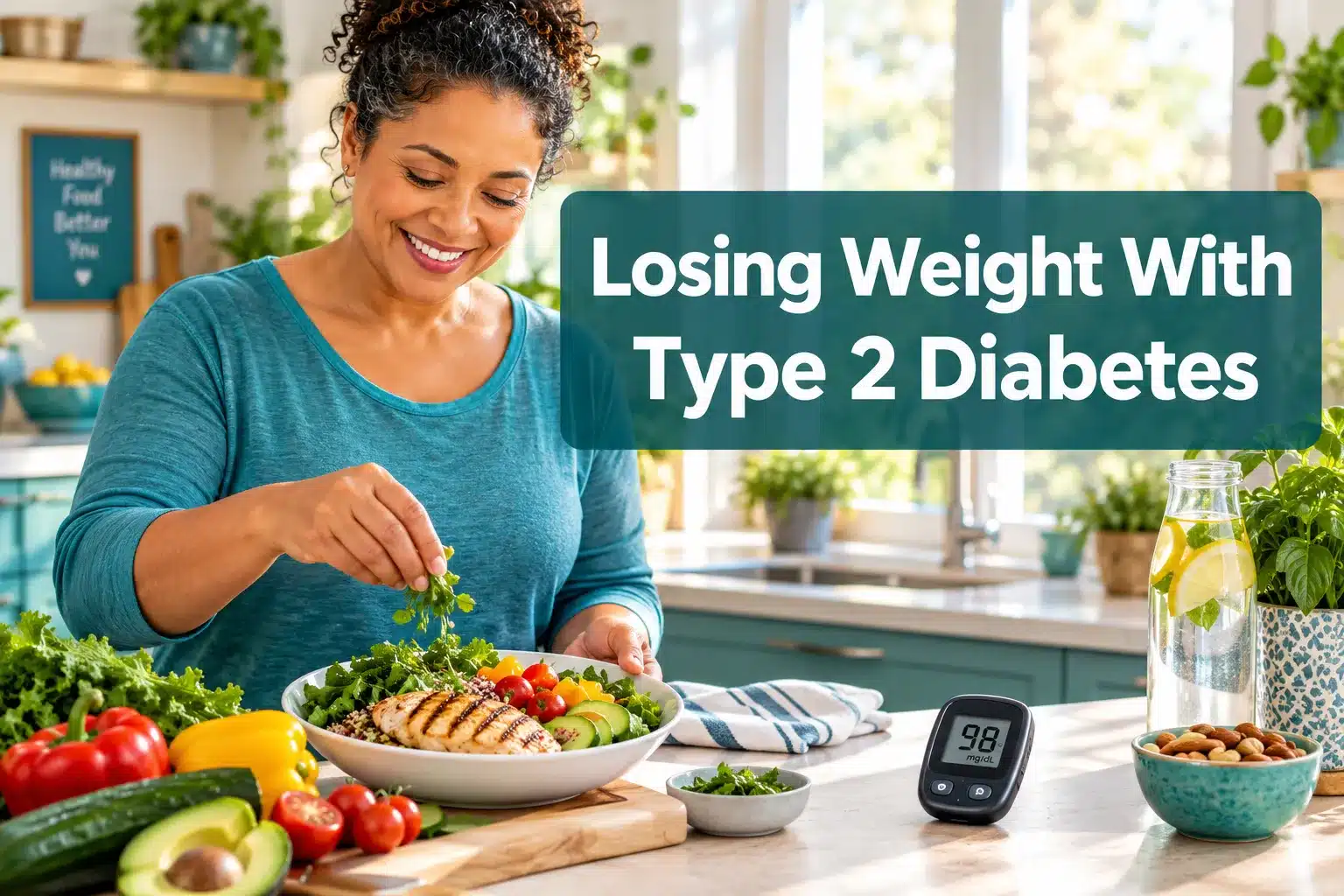
Losing weight with type 2 diabetes
Last updated: October 1, 2026
Quick Answer: Losing weight with type 2 diabetes is harder than standard weight loss but absolutely achievable. A combination of low-carbohydrate eating, regular movement, and, for many people, GLP-1 receptor agonist medications produces the most consistent results. Even modest weight loss of 5-10% of body weight can meaningfully improve blood sugar control, and larger losses of 10-15% or more may push some people into remission.
Key Takeaways
- Losing 5-10% of body weight can lower HbA1c, reduce blood pressure, and improve insulin sensitivity in adults with type 2 diabetes.
- Insulin resistance, certain diabetes medications, and hormonal disruption make weight loss harder, but not impossible, for people with type 2 diabetes.
- Low-carbohydrate diets and intermittent fasting both show strong evidence for blood sugar improvement; the best choice depends on your lifestyle and medications.
- GLP-1 receptor agonists (semaglutide, tirzepatide) are now recommended by the ADA and WHO as first-line tools for weight management in type 2 diabetes.
- Metformin is weight-neutral or mildly weight-reducing and does not prevent you from losing weight.
- Significant weight loss (15% or more) can lead to type 2 diabetes remission in some people, though response varies by individual.
- Always consult your doctor before starting a new diet or exercise plan, because blood sugar medications may need adjustment as you lose weight.
- New medications in late-stage trials, including retatrutide and combination therapies, are showing up to 23% weight loss in people with type 2 diabetes.
Why Is It Harder to Lose Weight With Type 2 Diabetes?
Losing weight with type 2 diabetes is more difficult than standard weight loss because the condition itself disrupts the hormones and metabolic processes that regulate body weight. Three main factors are at work.
7 Best GLP-1 Providers Ranked: Accreditation, Flexibility & Support Compared (2026 Update)
32,000+ Patients Can't All Be Wrong: See the Top-Rated GLP-1 Providers. We compared the leading online GLP-1 providers based on program features, clinical support, convenience, and overall value.
BMI MD GLP-1 Microdosing Plan
- Specialized microdosing options, including sublingual drops and low-dose injections
- Designed for people interested in maintaining weight or gradually adjusting treatment
- Bundled program structure without a separate monthly platform membership
- Online access makes the process convenient from home

DirectMeds Weight Loss Solutions
- Online weight-loss program with a straightforward patient experience
- Compounded medication options through state-licensed compounding pharmacies
- Includes clinical consultation as part of the process
- Provides shipping updates to help patients track their orders
MEDVi Flat-Rate Telehealth
- Flat-rate telehealth approach designed for easier budgeting
- No dosage-based pricing increases within the advertised program structure
- Offers injectable and oral thin-film delivery options
- Includes medical screening and asynchronous provider consultations
Gala GLP-1 Care Program
- Text-based access to state-licensed clinicians
- Cold-chain medication shipping included in the program
- Month-to-month program structure
- Designed for people who value convenient ongoing support
Measured GLP-1 Metabolic Health
- Comprehensive metabolic health screening and intake analysis
- Designed around longer-term metabolic health management
- Responsive dashboard with integrated health tracking tools
- Useful option for patients who value a more data-focused experience
Refills GLP-1 (TryRefills Plan)
- Clinical guidance designed to help patients manage common treatment concerns
- Includes foundational nutritional strategies alongside medication
- Designed around predictable ongoing treatment
- No hidden startup or processing fees according to the program information provided
AltRx GLP-1 Transactional Reorders
- Transactional reorder model without recurring auto-billing
- Designed for patients who already understand their treatment routine
- Fast text-to-order process for convenient reorders
- Offers injectable and fast-dissolving tablet variations
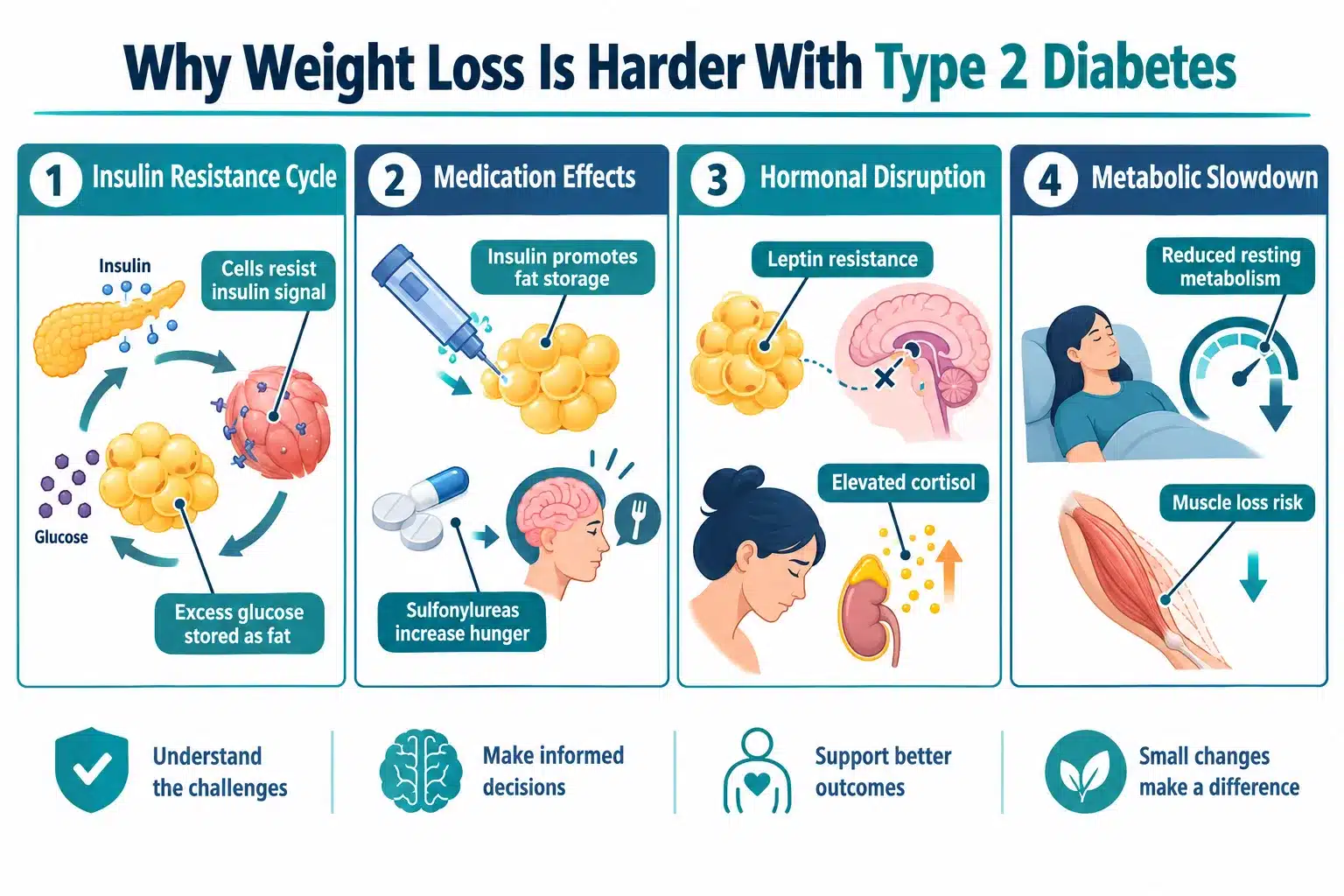
Insulin resistance is the core problem. When your cells resist insulin’s signal, your pancreas pumps out more insulin to compensate. High circulating insulin actively promotes fat storage, particularly around the abdomen, and makes it harder for your body to burn stored fat for energy.
Certain medications compound the problem. Insulin injections and sulfonylureas (like glipizide or glyburide) can increase appetite and cause weight gain. If you’re on these medications, weight loss requires working around their effects, not just eating less.
Hormonal disruption is the third factor. Many people with type 2 diabetes also have elevated cortisol, leptin resistance, and impaired satiety signaling. This means hunger cues stay high even after a reasonable meal, making calorie control genuinely harder than it is for people without the condition.
The good news: these obstacles are manageable. Understanding them helps you choose strategies that work with your biology rather than against it.
What’s the Best Way to Lose Weight When You Have Type 2 Diabetes?
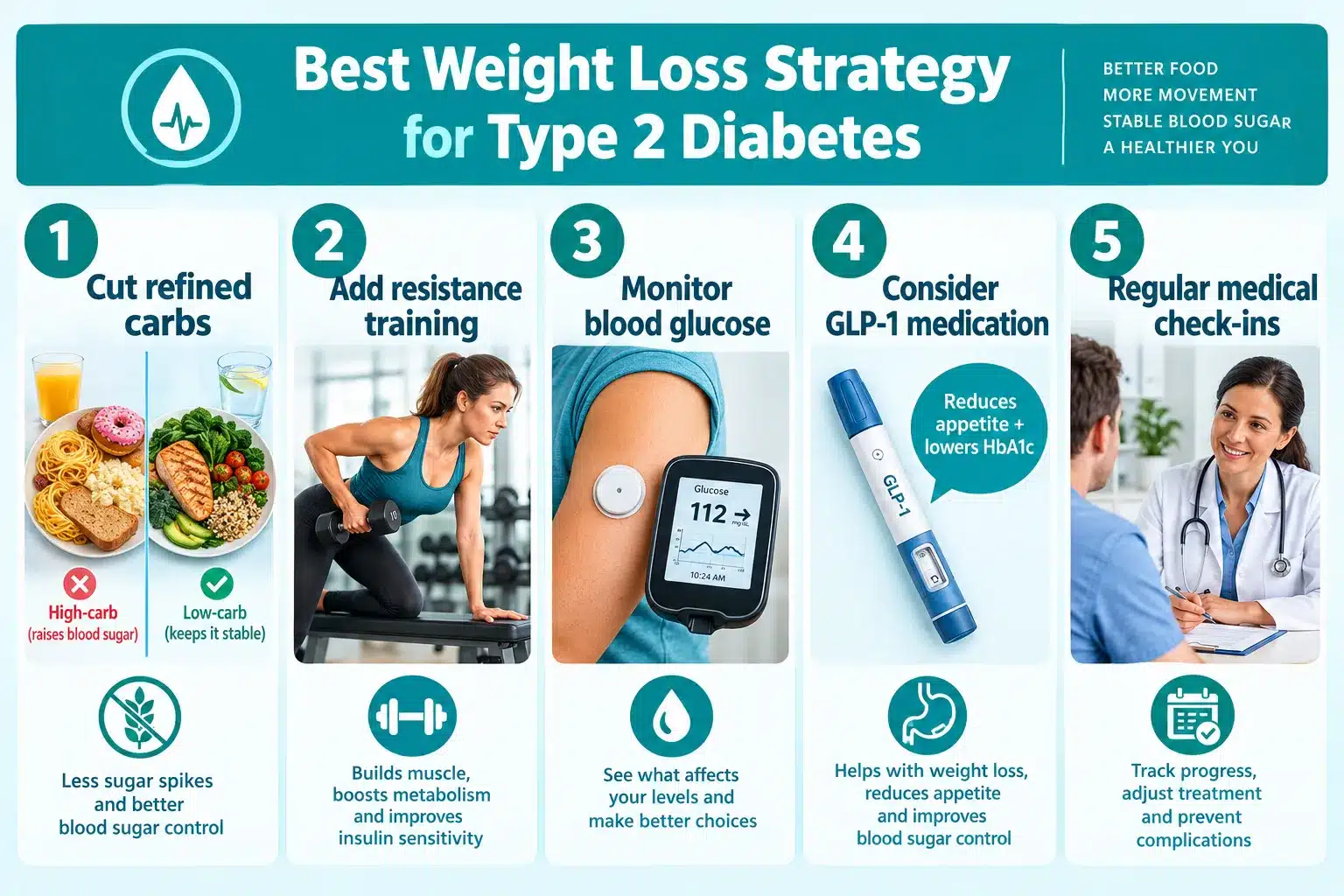
The most effective approach combines dietary changes that lower blood sugar, physical activity that improves insulin sensitivity, and, where appropriate, medical support. There is no single “best” diet, but the evidence consistently points to reducing refined carbohydrates as the highest-leverage dietary change for people with type 2 diabetes.
The core strategy:
- Reduce refined carbohydrates and added sugars. This lowers blood glucose directly and reduces insulin spikes that drive fat storage.
- Eat adequate protein. Protein (roughly 25-30% of calories) preserves muscle mass during weight loss and improves satiety.
- Prioritize fiber-rich vegetables. Non-starchy vegetables fill your plate without spiking blood sugar.
- Move consistently. Even 150 minutes of moderate walking per week improves insulin sensitivity measurably.
- Consider medical options. GLP-1 receptor agonists are now a first-line recommendation from both the American Diabetes Association (ADA) and the World Health Organization for people with type 2 diabetes who need to lose weight [4].
Choose this approach if you want a framework that addresses blood sugar and body weight simultaneously, rather than treating them as separate problems.
What Foods Should You Eat to Lose Weight With Type 2 Diabetes?
Focus on foods that keep blood sugar stable while creating a moderate calorie deficit. The goal is not starvation, it is replacing blood-sugar-spiking foods with nutrient-dense alternatives.
Eat more of:
- Non-starchy vegetables (leafy greens, broccoli, cauliflower, zucchini, peppers)
- Lean proteins (chicken, turkey, fish, eggs, Greek yogurt, legumes)
- Healthy fats (avocado, olive oil, nuts, seeds)
- High-fiber whole grains in small portions (oats, barley, quinoa)
- Berries (lower glycemic index than most fruits)
Eat less of:
- White bread, white rice, and pasta
- Sugary drinks, including fruit juice
- Processed snack foods and packaged cereals
- High-sugar condiments and sauces
Common mistake: Switching to “diet” or “sugar-free” products that are still high in refined starch. Many sugar-free cookies and bars raise blood sugar almost as much as their regular counterparts. Read total carbohydrate counts, not just sugar grams.
A practical plate model: fill half your plate with non-starchy vegetables, one quarter with lean protein, and one quarter with a small portion of complex carbohydrate. This simple framework works without counting every calorie.
Low-Carb vs. Intermittent Fasting for Type 2 Diabetes Weight Loss
Both low-carbohydrate diets and intermittent fasting (IF) are effective for losing weight with type 2 diabetes, and both improve blood sugar control. The best choice depends on your medications, lifestyle, and personal preference.
Low-carb diets (typically under 130g of carbohydrates per day, or a ketogenic approach under 50g) produce rapid early reductions in blood glucose and often allow medication doses to be reduced within weeks. They work particularly well for people who prefer eating regular meals and find fasting difficult.
Intermittent fasting (such as a 16:8 eating window or 5:2 approach) reduces total calorie intake by limiting eating hours. It also improves insulin sensitivity and can lower fasting glucose. However, IF carries a real risk of hypoglycemia (low blood sugar) for people on insulin or sulfonylureas, making medical supervision essential before starting.
| Approach | Best For | Main Caution |
|---|---|---|
| Low-carb diet | People who prefer regular meals; those on metformin | Medication adjustment needed as glucose drops |
| Intermittent fasting | People who find calorie counting difficult | Hypoglycemia risk on insulin or sulfonylureas |
| Calorie deficit (balanced) | People who want flexibility and no food restrictions | Slower blood sugar improvements than low-carb |
| GLP-1 medication + diet | People needing significant weight loss (>10%) | Cost; requires prescription and medical oversight |
Can Losing Weight Reverse Type 2 Diabetes?
Yes, for some people, significant weight loss can push type 2 diabetes into remission, meaning blood sugar returns to normal without medication. The landmark DiRECT trial found that around 46% of participants who lost an average of 10 kg (22 lbs) through an intensive dietary program achieved remission at one year [7].
However, remission is not guaranteed. Research published in 2026 using cluster-based patient analysis shows that response to weight loss varies considerably depending on how long someone has had diabetes, their beta-cell function, and their genetic profile. People diagnosed more recently and with better remaining insulin-producing capacity tend to respond best.
What the evidence suggests:
- Losing 5-10% of body weight reliably improves HbA1c and reduces cardiovascular risk.
- Losing 10-15% or more can lead to partial or full remission in a meaningful subset of people.
- Remission is more likely when diabetes is caught early and weight loss is sustained.
Remission does not mean diabetes is “cured.” Blood sugar should continue to be monitored, and weight regain typically brings blood sugar back up. If you are interested in reversing prediabetes before it progresses, see our guide on how to reverse prediabetes in 3 months.
How Much Weight Do You Need to Lose to Improve Blood Sugar?
Even small amounts of weight loss produce measurable blood sugar improvements. A 5% reduction in body weight, that’s 10 lbs for a 200-lb person, is enough to lower HbA1c, reduce fasting glucose, and improve insulin sensitivity in most people with type 2 diabetes.
General benchmarks (based on clinical evidence):
- 5% body weight lost: Noticeable improvement in HbA1c and fasting glucose; often allows medication dose reduction.
- 10% lost: Significant metabolic improvement; some people achieve partial remission.
- 15% or more: Associated with full remission in eligible patients; the threshold targeted by GLP-1 clinical trials [1][9].
The key is that any weight loss helps. You do not need to reach a “normal” BMI to see real benefits.
How Fast Can You Safely Lose Weight With Diabetes?
A safe rate of weight loss for most adults with type 2 diabetes is 0.5 to 1 kg (1-2 lbs) per week, achieved through a moderate calorie deficit of 500-750 calories per day. Faster loss is possible with medical supervision, particularly with GLP-1 medications, but requires more frequent blood sugar monitoring.
Why pace matters for people with diabetes specifically:
- Rapid weight loss on insulin or sulfonylureas increases hypoglycemia risk.
- Muscle loss is more likely with very aggressive calorie restriction, and preserving muscle is critical for long-term insulin sensitivity.
- Blood glucose medications often need to be reduced as you lose weight, something that must be done with a doctor, not independently.
Very low-calorie diets (under 800 calories per day) have been used in supervised clinical settings to induce rapid remission, but they are not appropriate for self-directed use.
Is It Safe to Diet With Type 2 Diabetes?
Dieting with type 2 diabetes is safe when done with appropriate medical oversight. The main risk is hypoglycemia, if you eat significantly less while still taking the same doses of insulin or sulfonylureas, blood sugar can drop dangerously low.
Safety checklist before starting a new diet:
- Tell your doctor or diabetes care team what dietary changes you plan to make.
- Ask whether your current medication doses need adjustment.
- Know the symptoms of hypoglycemia (shakiness, sweating, confusion, rapid heartbeat).
- Monitor blood glucose more frequently during the first few weeks of dietary changes.
- If you use a continuous glucose monitor (CGM), use it actively during the transition.
Metformin, SGLT-2 inhibitors, and GLP-1 medications carry a low hypoglycemia risk on their own, so dietary changes are generally safer for people on these medications.
Should You Talk to Your Doctor Before Starting a Diet With Type 2 Diabetes?
Yes, always. This is not just standard medical advice, it is practically necessary because your medications may need to be adjusted as your diet changes and your blood sugar improves. Starting a strict low-carb diet while on full doses of insulin, for example, can cause dangerous hypoglycemia within days.
Beyond medication safety, your doctor can help you:
- Set a realistic weight loss target based on your health history.
- Identify whether a GLP-1 medication might accelerate your progress.
- Order baseline labs (HbA1c, kidney function, lipids) to track your progress objectively.
- Refer you to a registered dietitian who specializes in diabetes nutrition.
Can You Lose Weight While on Metformin?
Yes. Metformin does not cause weight gain and is considered weight-neutral or mildly weight-reducing in most people. Some research suggests metformin modestly reduces appetite and may support a small amount of additional weight loss compared to no medication, though the effect is modest.
Metformin does not block fat burning, does not increase insulin levels, and does not cause hypoglycemia on its own. It is one of the most weight-friendly diabetes medications available and is a first-line choice precisely because it does not complicate weight management efforts.
Can Weight Loss Reduce or Eliminate Diabetes Medications?
Yes, and this is one of the most motivating reasons to pursue weight loss with type 2 diabetes. As blood sugar improves with weight loss, many people are able to reduce or stop one or more diabetes medications under their doctor’s guidance.
The medications most commonly reduced or stopped with weight loss include:
- Sulfonylureas (often reduced first due to hypoglycemia risk)
- Insulin (doses typically reduced as insulin sensitivity improves)
- DPP-4 inhibitors (often discontinued when glucose normalizes)
Metformin is often continued even after significant weight loss because of its cardiovascular and metabolic benefits beyond glucose control.
Important: Never reduce or stop diabetes medications on your own. Work with your care team to adjust doses safely as your weight and blood sugar improve.
GLP-1 Medications: A Major Tool for Losing Weight With Type 2 Diabetes
GLP-1 receptor agonists are now the most powerful medical tool available for losing weight with type 2 diabetes. They work by mimicking a gut hormone that reduces appetite, slows gastric emptying, and directly lowers blood sugar, addressing both problems at once.
The WHO issued a global guideline in late 2025 formally recommending GLP-1 medicines for obesity treatment, including in people with type 2 diabetes [4]. The ADA’s 2025 Standards of Care similarly prioritize GLP-1 and dual GIP/GLP-1 agonists (like tirzepatide) for weight management in type 2 diabetes.
Current GLP-1 options relevant to type 2 diabetes:
- Semaglutide (Ozempic/Wegovy): Weekly injection; produces 10-15% average weight loss in clinical trials. Learn more in our semaglutide for type 2 diabetes overview.
- Tirzepatide (Mounjaro/Zepbound): Dual GIP/GLP-1 agonist; produces 15-22% average weight loss. See our Mounjaro shot for weight loss guide for more detail.
- Retatrutide (investigational): A triple agonist (GLP-1/GIP/glucagon) showing up to approximately 23% weight loss in late-stage trials for people with type 2 diabetes [1][9].
New combination therapies presented at EASD 2026, including the EloraTZP combination, showed up to 23.3% weight loss alongside large HbA1c reductions [10]. Roche’s mid-stage obesity drug also showed approximately 15.5% weight loss in overweight and obese people with type 2 diabetes [8]. An oral GLP-1 pill called orforglipron is also showing strong results in type 2 diabetes trials, outperforming oral semaglutide [2].
For a broader overview of how these medications work, see our GLP-1 shots explained: weight loss and diabetes guide. If cost is a concern, our least expensive GLP-1 for weight loss guide covers affordable options.
“GLP-1-based drugs can produce substantial weight loss if taken as prescribed, and for people with type 2 diabetes, they address the underlying metabolic dysfunction, not just the number on the scale.”, Expert commentary cited across multiple 2026 clinical presentations.
Do You Need to Exercise to Lose Weight With Type 2 Diabetes?
Exercise is not strictly required to lose weight, but it is strongly recommended for people with type 2 diabetes because it improves insulin sensitivity independently of weight loss. Even without losing a single pound, regular physical activity lowers blood sugar and reduces cardiovascular risk.
What the evidence supports:
- Resistance training (weights, resistance bands) is particularly effective for improving insulin sensitivity and preserving muscle during weight loss.
- Aerobic exercise (walking, cycling, swimming) lowers blood glucose acutely and improves cardiovascular health.
- Combined training (both aerobic and resistance) produces the best metabolic outcomes.
The ADA recommends at least 150 minutes of moderate-intensity aerobic activity per week, plus two or more resistance training sessions. If that feels overwhelming, start with 10-minute walks after meals, post-meal walking is one of the most effective single habits for reducing blood sugar spikes.
Common mistake: Doing only cardio and skipping resistance training. Muscle tissue is metabolically active and acts as a glucose “sink”, more muscle means better blood sugar control at rest.
What Are Common Mistakes People Make Losing Weight With Type 2 Diabetes?
The most common mistakes involve misunderstanding how diabetes medications interact with diet, underestimating the role of carbohydrates, and expecting the same timeline as someone without diabetes.
Mistakes to avoid:
- Not adjusting medications as diet improves. Eating much less while on the same insulin dose is a recipe for hypoglycemia. Always loop in your doctor.
- Relying on “diabetic” or “sugar-free” packaged foods. These are often still high in total carbohydrates and calories.
- Skipping meals to cut calories. Skipping meals on certain medications raises hypoglycemia risk and often leads to overeating later.
- Ignoring liquid calories. Juice, sweetened coffee drinks, and sports drinks raise blood sugar rapidly and are easy to overlook.
- Expecting fast results. Weight loss with type 2 diabetes is often slower than in people without the condition. A realistic expectation is 0.5-1 kg per week with consistent effort.
- Going it alone. People who work with a diabetes care team, including a dietitian and their prescribing physician, consistently achieve better outcomes than those who self-manage entirely.
What’s the Difference Between Weight Loss for Diabetes vs. Regular Weight Loss?
Weight loss for type 2 diabetes has the same calorie-deficit foundation as any weight loss, but it requires additional attention to blood sugar management, medication safety, and metabolic health markers beyond just the scale.
Key differences:
- Blood sugar monitoring is essential. As you lose weight and eat differently, blood glucose levels change, sometimes dramatically. Regular monitoring prevents dangerous highs and lows.
- Carbohydrate quality matters more. For people without diabetes, a calorie deficit is the primary goal. For people with type 2 diabetes, reducing blood sugar spikes is an equally important goal, which means carbohydrate composition matters, not just total calories.
- Medication interaction is a real factor. Standard weight loss advice does not account for the hypoglycemia risk created by diabetes medications.
- The metabolic goal is broader. Success is not just weight lost, it’s also HbA1c reduction, improved lipids, lower blood pressure, and potentially medication reduction.
Frequently Asked Questions
How long does it take to see blood sugar improvements after starting to lose weight?
Most people see measurable improvements in fasting blood glucose within two to four weeks of consistent dietary changes, even before significant weight loss occurs. HbA1c, which reflects a three-month average, typically improves noticeably at the first lab check after sustained changes.
Can I use GLP-1 medications if I already take insulin?
Yes, GLP-1 medications are frequently used alongside insulin in people with type 2 diabetes. However, insulin doses typically need to be reduced when starting a GLP-1 to avoid hypoglycemia. This adjustment must be made with your prescribing physician.
Is a ketogenic diet safe for type 2 diabetes?
A ketogenic diet (under 50g of carbohydrates per day) can be effective and safe for many people with type 2 diabetes, but it requires close medical supervision because it can lower blood sugar rapidly and necessitate quick medication adjustments. It is not appropriate for everyone, particularly those with kidney disease.
Will I regain weight if I stop a GLP-1 medication?
Clinical evidence consistently shows that stopping GLP-1 medications leads to weight regain in most people, because the medication is addressing an ongoing hormonal and metabolic condition. Lifestyle changes made during treatment can slow regain, but the medication typically needs to be continued for sustained results.
Does losing weight with type 2 diabetes improve heart health?
Yes. Weight loss in type 2 diabetes reduces blood pressure, improves cholesterol levels, and lowers cardiovascular risk. GLP-1 medications have also demonstrated direct cardiovascular benefits in large clinical trials, independent of weight loss.
What if my blood sugar goes too low when I start dieting?
Mild hypoglycemia (blood sugar around 70 mg/dL with symptoms) should be treated with 15g of fast-acting carbohydrates (glucose tablets, juice) and then reassessed. If hypoglycemic episodes become frequent after dietary changes, contact your doctor promptly, your medication dose almost certainly needs to be reduced.
Is bariatric surgery an option for type 2 diabetes weight loss?
Bariatric surgery is a proven and highly effective option for people with type 2 diabetes and significant obesity (typically BMI over 35). It produces the highest rates of diabetes remission of any intervention. It is a major surgical procedure with its own risks and requires long-term follow-up.
Can I lose weight with type 2 diabetes without medication?
Yes. Many people successfully lose weight through dietary changes and exercise alone. However, for those who need to lose 10% or more of body weight, or who have not succeeded with lifestyle changes alone, GLP-1 medications significantly improve outcomes and are now medically recommended for this population.
How do I find affordable GLP-1 medications for diabetes weight loss?
Options include manufacturer savings programs, compounding pharmacies (with appropriate caution about quality), and telehealth platforms. See our GLP-1 without insurance guide for a full breakdown of cost-saving strategies.
7 Best GLP-1 Providers Ranked: Accreditation, Flexibility & Support Compared (2026 Update)
32,000+ Patients Can't All Be Wrong: See the Top-Rated GLP-1 Providers: Compared on accreditation, plan flexibility, and patient support — updated for 2026.
BMI MD GLP-1 Microdosing Plan
- Specialized microdosing options (sublingual drops or low-dose injections)
- Ideal for maintaining weight or tapering off higher doses safely
- Fully bundled plan with no hidden monthly platform memberships
DirectMeds Weight Loss Solutions
- Sourced from accredited, state-licensed 503A compounding pharmacies
- No-frills high-volume savings passed directly to the patient
- Includes clinical consultation and cold-chain shipping updates
MEDVi Flat-Rate Telehealth
- Flat monthly rate holds steady even at maximum maintenance doses
- No dosage upcharges or graduation fee penalties
- Offers both injectable and advanced oral thin-film delivery options
Gala GLP-1 Care Program
- All-inclusive plan with no standalone membership costs
- Continuous text-based messaging access with state-licensed clinicians
- Temperature-controlled, cold-chain medication shipping included
Measured GLP-1 Metabolic Health
- Comprehensive metabolic health screening and expert intake analysis
- Predictable long-term budgeting with stable plan pricing
- High-end responsive dashboard with integrated diagnostic support
Refills GLP-1 (TryRefills Plan)
- Flat rate holds steady as titration scales up
- Includes clinical guides for active side-effect management
- Bundles in foundational nutritional strategies alongside medication
AltRx GLP-1 Transactional Reorders
- Zero recurring auto-billing — pay entirely on a transactional basis
- Rapid text-to-order format saves time for experienced patients
- Provides both injectable forms and fast-dissolving tablet variations
Conclusion
Losing weight with type 2 diabetes is genuinely harder than standard weight loss, but the rewards go far beyond the scale. Even modest weight loss of 5-10% can lower your HbA1c, reduce your medication burden, and meaningfully cut your risk of heart disease and diabetes complications. Larger losses of 10-15% or more can push some people into full remission.
Actionable next steps:
- Talk to your doctor before making major dietary changes, especially if you take insulin or sulfonylureas. Medication adjustment is often needed.
- Start with carbohydrate reduction. Cutting refined carbs and sugary drinks is the single most impactful dietary change for blood sugar and weight.
- Add movement you will actually sustain. Post-meal walks and two resistance sessions per week are a practical, evidence-backed starting point.
- Ask about GLP-1 medications. If lifestyle changes alone have not produced results, these medications are now a first-line medical recommendation for people with type 2 diabetes who need to lose weight.
- Monitor and adjust. Track blood glucose, HbA1c, and weight together, not just one in isolation.
For more on the medications available, see our GLP-1 agonists for weight loss overview and our complete RX medications for weight loss guide.
References
[1] Retatrutide Type 2 Diabetes Lilly Weight Loss Drug – https://www.nbcnews.com/health/health-news/retatrutide-type-2-diabetes-lilly-weight-loss-drug-rcna600536
[2] ScienceDaily – https://www.sciencedaily.com/releases/2026/07/260707054111.htm
[3] Drug Weight Loss People Obesity – https://medicalxpress.com/news/2026-09-drug-weight-loss-people-obesity.html
[4] WHO Issues Global Guideline On The Use Of GLP-1 Medicines In Treating Obesity – https://www.who.int/news/item/01-12-2025-who-issues-global-guideline-on-the-use-of-glp-1-medicines-in-treating-obesity
[7] PMC11635056 – https://pmc.ncbi.nlm.nih.gov/articles/PMC11635056/
[8] Roche’s Obesity Drug Boosts Blood Sugar Control, Drives 15.5% Weight Loss Mid-Stage 2026 – https://www.reuters.com/business/healthcare-pharmaceuticals/roches-obesity-drug-boosts-blood-sugar-control-drives-155-weight-loss-mid-stage-2026-09-22/
[9] Lilly’s Triple Agonist Retatrutide Successful Two Additional – https://investor.lilly.com/news-releases/news-release-details/lillys-triple-agonist-retatrutide-successful-two-additional
[10] EASD Statements and Guidelines – https://www.easd.org/guidelines/statements-guidelines/


