
How Does Ozempic Help You Lose Weight? The Science Explained

Last updated: October 23, 2026
Quick Answer
Ozempic helps you lose weight by mimicking a gut hormone called GLP-1, which slows digestion, reduces hunger signals in the brain, and helps you feel full on less food. The result, backed by clinical trials, is meaningfully reduced calorie intake and steady weight loss over months, though results vary by dose, individual biology, and consistency of use.
Key Takeaways
- Ozempic’s active ingredient, semaglutide, mimics GLP-1, a natural hormone that controls hunger and digestion.
- Weight loss results depend heavily on dose: standard doses produce moderate loss, while higher doses studied in trials push results well past 20% of body weight.
- Most people see noticeable appetite changes within the first few weeks, with bigger results building over 6 to 12 months.
- Nausea and other GI side effects are common early on and usually fade as your body adjusts.
- Ozempic is FDA-approved for type 2 diabetes; Wegovy is the same drug approved specifically for weight loss.
- Weight tends to return after stopping the medication because the underlying hunger signals return too.
- Tirzepatide (Zepbound) has outperformed semaglutide in head-to-head weight loss trials, though semaglutide remains highly effective.
What is semaglutide and how does it work in your body
Semaglutide is a lab-made version of GLP-1 (glucagon-like peptide-1), a hormone your gut releases naturally after eating. It attaches to GLP-1 receptors in your brain, stomach, and pancreas to slow digestion and reduce appetite.
7 Best GLP-1 Providers Ranked: Accreditation, Flexibility & Support Compared (2026 Update)
32,000+ Patients Can't All Be Wrong: See the Top-Rated GLP-1 Providers. We compared the leading online GLP-1 providers based on program features, clinical support, convenience, and overall value.

BMI MD GLP-1 Microdosing Plan
- Specialized microdosing options, including sublingual drops and low-dose injections
- Designed for people interested in maintaining weight or gradually adjusting treatment
- Bundled program structure without a separate monthly platform membership
- Online access makes the process convenient from home

DirectMeds Weight Loss Solutions
- Online weight-loss program with a straightforward patient experience
- Compounded medication options through state-licensed compounding pharmacies
- Includes clinical consultation as part of the process
- Provides shipping updates to help patients track their orders

MEDVi Flat-Rate Telehealth
- Flat-rate telehealth approach designed for easier budgeting
- No dosage-based pricing increases within the advertised program structure
- Offers injectable and oral thin-film delivery options
- Includes medical screening and asynchronous provider consultations

Gala GLP-1 Care Program
- Text-based access to state-licensed clinicians
- Cold-chain medication shipping included in the program
- Month-to-month program structure
- Designed for people who value convenient ongoing support

Measured GLP-1 Metabolic Health
- Comprehensive metabolic health screening and intake analysis
- Designed around longer-term metabolic health management
- Responsive dashboard with integrated health tracking tools
- Useful option for patients who value a more data-focused experience

Refills GLP-1 (TryRefills Plan)
- Clinical guidance designed to help patients manage common treatment concerns
- Includes foundational nutritional strategies alongside medication
- Designed around predictable ongoing treatment
- No hidden startup or processing fees according to the program information provided

AltRx GLP-1 Transactional Reorders
- Transactional reorder model without recurring auto-billing
- Designed for patients who already understand their treatment routine
- Fast text-to-order process for convenient reorders
- Offers injectable and fast-dissolving tablet variations
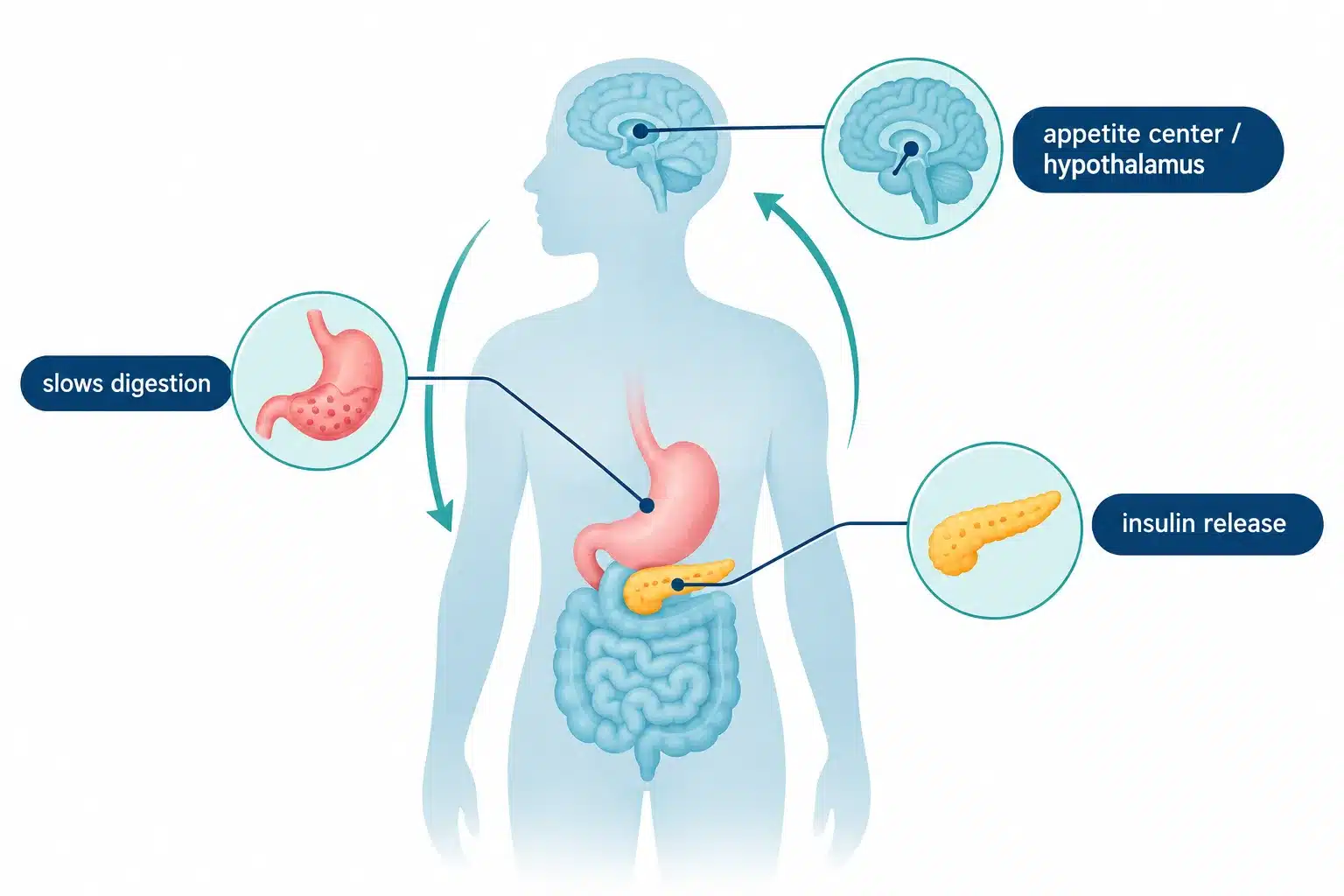
When you eat, your intestines normally release GLP-1 for a short burst. Semaglutide stays active in your body far longer, which means its appetite-suppressing and digestion-slowing effects last all day instead of fading in minutes. This is the core of how does Ozempic help you lose weight: it extends a natural fullness signal that your body already uses, just for much longer.
Three things happen at once:
- Stomach emptying slows down, so food sits longer and you feel full sooner.
- Brain appetite centers quiet down, particularly in the hypothalamus, reducing cravings and the urge to snack.
- Insulin release improves after meals, which helps stabilize blood sugar and reduces some of the energy crashes that drive overeating.
Choose to think of Ozempic as working with your biology rather than against it. Mistake many people make: assuming it’s an appetite “switch” that turns hunger off completely. In reality, it turns the volume down on hunger signals, which still requires some effort around food choices.
How much weight can you actually lose on Ozempic
Most people on standard obesity-level dosing (semaglutide 2.4 mg, the Wegovy dose) lose around 15 percent of body weight over roughly 68 weeks in clinical trials [Source: obesity-abstracts.org, 2025]. Higher investigational doses pushed results even further.
In the STEP UP trial, a higher 7.2 mg dose of semaglutide produced average weight loss above 20 percent of body weight, a meaningful jump over the standard 2.4 mg dose [Source: NEJM, 2025]. That’s a notable detail most older articles miss: dose matters enormously, and the “standard” Ozempic dose used for diabetes is often lower than the doses studied for maximum weight loss.
Individual results vary based on:
- Starting body weight and metabolic health
- Diet quality and protein intake during treatment
- Physical activity levels
- How your body tolerates dose increases
- Whether you combine it with structured lifestyle support
For a closer look at what a shorter timeline can realistically deliver, see this 6-week ozempic weight loss results breakdown.
What are the main side effects of Ozempic
The most common Ozempic side effects are nausea, diarrhea, constipation, and vomiting, especially during the first few weeks or after a dose increase. These happen because the drug slows digestion, and your gut needs time to adjust to that new pace.
GI symptoms are usually transient, meaning they ease up within days to a few weeks as your body adapts. Doctors typically start patients on a low dose and increase it gradually specifically to reduce these effects.
Less common but more serious risks include:
- Gallbladder problems
- Pancreatitis (inflammation of the pancreas)
- Kidney issues tied to severe dehydration from vomiting or diarrhea
- A boxed warning regarding thyroid C-cell tumors seen in animal studies
If side effects are severe, persistent, or include intense abdominal pain, contact your healthcare provider right away rather than waiting it out.
Is Ozempic the same as Wegovy
No, Ozempic and Wegovy contain the same active drug, semaglutide, but they are approved for different uses and come in different dose ranges. Ozempic is approved for type 2 diabetes management; Wegovy is approved specifically for chronic weight management.
Wegovy’s dosing schedule reaches a maintenance dose of 2.4 mg, the level studied extensively for obesity. Ozempic’s highest approved maintenance dose for diabetes is lower. Many people using Ozempic “off-label” for weight loss end up on doses below what clinical obesity trials actually tested, which can mean smaller results than headlines promise.
For a full naming breakdown across the semaglutide family, including Rybelsus, see this guide to semaglutide brand names.
How long does it take to see weight loss results on Ozempic
Most people notice reduced appetite within the first one to two weeks, but visible weight loss usually takes 4 to 8 weeks to become noticeable on the scale. Significant results, the kind reflected in clinical trial averages, typically build over 6 to 12 months of consistent use.
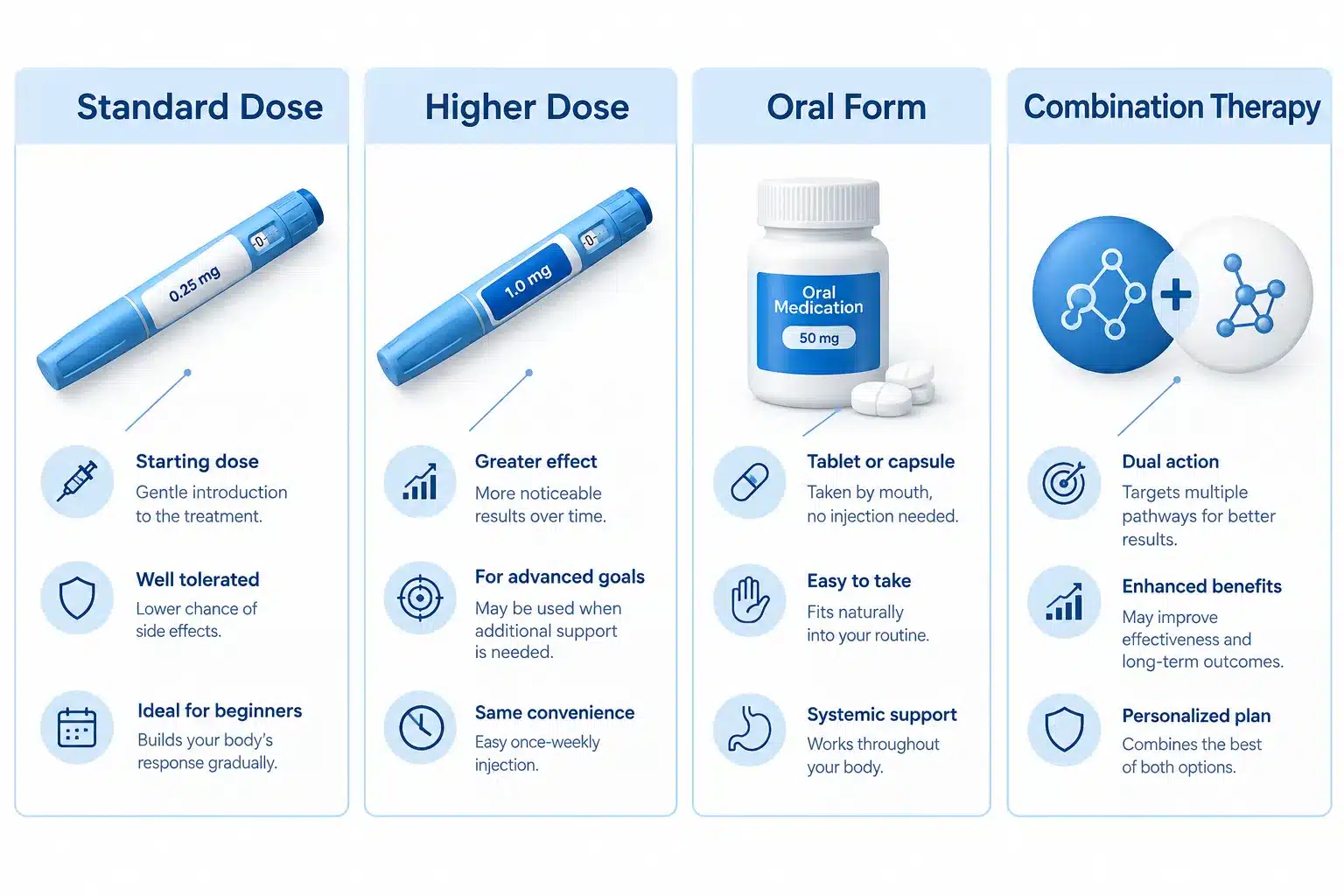
This is a gradual process by design. Doses start low and increase slowly, often over several months, to minimize side effects. That means the first month is more about appetite recalibration than dramatic weight change.
Decision rule: if you’re not seeing any appetite shift after 4 weeks at a stable dose, talk to your prescriber about dose timing rather than assuming the medication “isn’t working.” For a broader look at typical GLP-1 timelines, see how long GLP-1 medications take to work.
Can you get Ozempic if you don’t have diabetes
Ozempic itself is FDA-approved only for type 2 diabetes, but many providers prescribe it off-label for weight loss, while Wegovy is the version specifically approved for that purpose. Off-label prescribing is legal and common, but it means insurance coverage is far less likely for Ozempic when diabetes isn’t present.
If you don’t have diabetes, your provider may instead recommend Wegovy or discuss telehealth options built around semaglutide for weight management. Explore GLP-1 weight loss options for non-diabetics to understand how access typically works outside a diabetes diagnosis.
What happens to your weight when you stop taking Ozempic
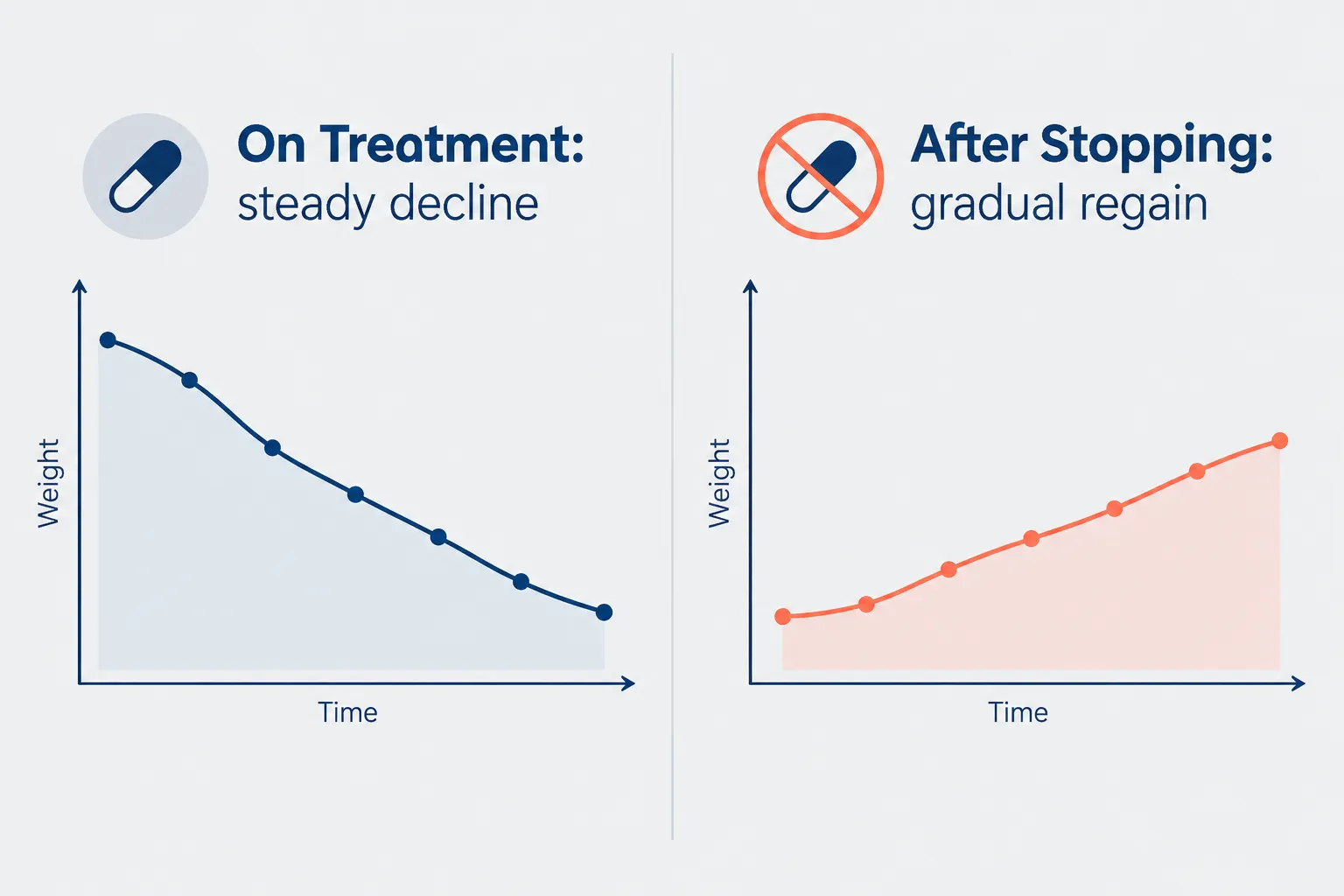
Weight regain is common after stopping Ozempic because the biological hunger signals the drug was suppressing come back once the medication clears your system. This isn’t a personal failure; it reflects the underlying mechanism rather than a lack of willpower.
Since semaglutide works by keeping GLP-1 receptor activity elevated, stopping it removes that extended fullness signal. Appetite tends to rise back toward pre-treatment levels within weeks to a few months, and weight often follows.
- Some regain is common but not universal.
- People who built strong habits around protein, fiber, and movement during treatment tend to regain less.
- Tapering under medical guidance, rather than stopping abruptly, is often recommended.
How does Ozempic compare to other weight loss drugs
Ozempic (semaglutide) remains one of the most effective GLP-1 medications for weight loss, but tirzepatide (Zepbound) has outperformed it in direct comparison. A 2025 Cornell-reported head-to-head trial found tirzepatide produced greater average weight loss than semaglutide [Source: Cornell, 2025], a finding echoed in a NEJM clinical trial summary comparing the two drugs directly [Source: NEJM Journal Watch, 2025].
Tirzepatide works on two gut hormone receptors (GLP-1 and GIP) instead of one, which may explain the stronger results for many patients. That said, semaglutide still produces strong, clinically meaningful weight loss and has a longer track record.
For a direct breakdown of the two, read semaglutide vs. tirzepatide compared for weight loss. There’s also an oral option worth knowing about: oral semaglutide produced weight loss results similar to the injectable form in the OASIS 4 trial, without requiring injections [Source: ACC, 2025]. See injection vs. oral semaglutide dosing compared for more detail.
| Medication | Mechanism | Typical Trial Result |
|---|---|---|
| Ozempic / Wegovy (semaglutide) | GLP-1 receptor agonist | ~15% body weight loss at standard dose; over 20% at higher investigational dose |
| Zepbound (tirzepatide) | Dual GLP-1/GIP receptor agonist | Outperformed semaglutide in head-to-head trial |
| Oral semaglutide | GLP-1 receptor agonist, pill form | Comparable weight loss to injectable form |
How much does Ozempic cost without insurance
Ozempic without insurance is expensive, and exact pricing changes often, so current numbers should be verified directly with a pharmacy or manufacturer savings program [VERIFY: current list price]. Many patients instead explore telehealth providers or compounded alternatives to manage cost.
Cost factors that change your out-of-pocket total:
- Whether your insurance covers GLP-1 drugs for weight loss (coverage is inconsistent)
- Manufacturer savings cards, which have changing eligibility rules [VERIFY]
- Telehealth subscription models bundling medication with provider visits
- Compounded semaglutide, which differs legally and chemically from brand-name Ozempic
Compare current options in this guide to affordable GLP-1 weight loss injections and learn how compounded semaglutide differs from Ozempic before choosing a source.
Why do people hit a weight loss plateau on Ozempic
Plateaus happen because your body adapts to a stable dose over time, and metabolism naturally slows as you lose weight, a biological response called metabolic adaptation. This is not unique to Ozempic; it happens with most sustained weight loss approaches.
Common contributors to a plateau:
- Staying on the same dose for many months without a clinically appropriate increase
- Reduced activity levels as weight drops (lower body weight burns fewer calories at rest)
- Inconsistent protein intake, leading to muscle loss alongside fat loss
- Unintentional calorie creep as appetite partially adjusts to the medication
Edge case: if you plateau early, within the first 8 to 12 weeks, it’s often a dosing issue rather than a true metabolic plateau. Talk to your provider about whether a dose adjustment fits your treatment plan.
Who shouldn’t take Ozempic
People with a personal or family history of medullary thyroid carcinoma or Multiple Endocrine Neoplasia syndrome type 2 should not take Ozempic, per its boxed warning. Pregnant or breastfeeding individuals, and people with a history of pancreatitis, also need to discuss alternatives with their provider.
Additional groups who need extra caution:
- People with severe gastrointestinal disease, since slowed digestion can worsen symptoms
- People with a history of diabetic retinopathy, which may need monitoring
- Anyone with a known allergy to semaglutide or its formulation ingredients
This list is not exhaustive. A full medical history review with a licensed provider is the only reliable way to confirm eligibility.
Does Ozempic work for PCOS
Semaglutide can help with PCOS-related weight loss because reducing body weight often improves insulin resistance, a core driver of PCOS symptoms. Ozempic is not FDA-approved specifically for PCOS, but the metabolic improvements from weight loss can indirectly ease symptoms like irregular cycles and elevated androgen levels for some patients.
This should be framed carefully: semaglutide treats weight and blood sugar regulation, not PCOS directly. Any use for PCOS symptom management should go through a provider familiar with both GLP-1 medications and reproductive endocrinology.
Common mistakes people make with Ozempic for weight loss
The biggest mistake is expecting the medication alone to produce lasting results without any changes to eating patterns or activity. Semaglutide reduces hunger, but food quality and movement still shape long-term outcomes.
Other frequent mistakes:
- Skipping protein during meals, which accelerates muscle loss alongside fat loss.
- Rushing dose increases instead of following the gradual titration schedule, which increases side effects.
- Stopping abruptly without a plan for managing appetite rebound.
- Ignoring hydration, which worsens nausea and constipation.
- Comparing your results to someone on a different dose or a different drug entirely, like tirzepatide.
If you’re exploring how different GLP-1 options stack up before starting, this comparison of GLP-1 receptor agonists for weight loss is a useful starting point.
Can Ozempic stop working over time
Yes, some people experience reduced effectiveness over time, often tied to the body partially adapting to a stable dose or to inconsistent use. This is sometimes mistaken for the drug “failing,” when it may actually reflect normal metabolic adaptation or a dose that no longer matches your current body weight.
Looking beyond Ozempic alone, research is already moving toward combination approaches. CagriSema, which pairs semaglutide with a second hormone-based compound called cagrilintide, has shown promise as a next step beyond single-hormone GLP-1 therapy [Source: PubMed, 2025]. This signals where the field is heading: not replacing semaglutide, but combining it with complementary mechanisms for stronger, more durable results.
Separately, the SELECT cardiovascular outcomes trial found that semaglutide reduced major cardiovascular events in people with existing heart disease and overweight or obesity, reinforcing that Ozempic’s benefits extend beyond the scale [Source: Novo Nordisk, 2025]. This safety and cardiovascular data has shaped how doctors frame the drug: not just a weight loss tool, but a metabolic therapy with broader health implications.
7 Best GLP-1 Providers Ranked: Accreditation, Flexibility & Support Compared (2026 Update)
32,000+ Patients Can't All Be Wrong: See the Top-Rated GLP-1 Providers: Compared on accreditation, plan flexibility, and patient support — updated for 2026.
BMI MD GLP-1 Microdosing Plan
- Specialized microdosing options (sublingual drops or low-dose injections)
- Ideal for maintaining weight or tapering off higher doses safely
- Fully bundled plan with no hidden monthly platform memberships
DirectMeds Weight Loss Solutions
- Sourced from accredited, state-licensed 503A compounding pharmacies
- No-frills high-volume savings passed directly to the patient
- Includes clinical consultation and cold-chain shipping updates
MEDVi Flat-Rate Telehealth
- Flat monthly rate holds steady even at maximum maintenance doses
- No dosage upcharges or graduation fee penalties
- Offers both injectable and advanced oral thin-film delivery options
Gala GLP-1 Care Program
- All-inclusive plan with no standalone membership costs
- Continuous text-based messaging access with state-licensed clinicians
- Temperature-controlled, cold-chain medication shipping included
Measured GLP-1 Metabolic Health
- Comprehensive metabolic health screening and expert intake analysis
- Predictable long-term budgeting with stable plan pricing
- High-end responsive dashboard with integrated diagnostic support
Refills GLP-1 (TryRefills Plan)
- Flat rate holds steady as titration scales up
- Includes clinical guides for active side-effect management
- Bundles in foundational nutritional strategies alongside medication
AltRx GLP-1 Transactional Reorders
- Zero recurring auto-billing — pay entirely on a transactional basis
- Rapid text-to-order format saves time for experienced patients
- Provides both injectable forms and fast-dissolving tablet variations
Conclusion
Ozempic helps you lose weight by extending a natural gut hormone signal that slows digestion and reduces appetite, and the clinical evidence behind it, from standard dosing to higher investigational doses, is substantial. Results depend on dose, consistency, and what you do around the medication, including protein intake and activity. Side effects are usually manageable and temporary, but the drug isn’t risk-free, and weight regain after stopping is a real possibility tied directly to how the mechanism works. If you’re weighing Ozempic against alternatives like tirzepatide or oral semaglutide, talk through your specific health history with a licensed provider before deciding. For a deeper comparison of current GLP-1 options, explore our guide to which GLP-1 medication works best for weight loss.
This article is for informational purposes only and is not medical advice. Talk to a licensed healthcare provider before starting or changing any medication.
FAQ
Does Ozempic really help you lose weight, or is it mostly water weight?
Ozempic produces real fat loss, not just water weight, by reducing appetite and calorie intake over time, as shown in clinical trials measuring body composition changes alongside weight loss.
How fast can you lose weight on Ozempic?
Most noticeable weight loss builds over several months, with appetite changes starting within the first one to two weeks and significant results typically appearing between 3 and 12 months.
Is Ozempic safe for long-term use?
Long-term safety data, including cardiovascular outcome research, supports continued use under medical supervision, though individual risk factors like thyroid history can change that answer.
Can you drink alcohol while on Ozempic?
Alcohol can worsen GI side effects like nausea and may affect blood sugar; many providers recommend limiting intake while on the medication.
Does Ozempic cause muscle loss?
Weight loss from any method, including Ozempic, can include some muscle loss if protein intake and resistance activity aren’t prioritized during treatment.
Is Wegovy stronger than Ozempic for weight loss?
Wegovy typically reaches a higher maintenance dose than Ozempic, since it’s specifically approved and dosed for weight management rather than diabetes.
What’s the difference between Ozempic and tirzepatide-based drugs like Zepbound?
Tirzepatide targets two gut hormone receptors instead of one and has shown greater average weight loss in head-to-head trials against semaglutide.
Will my insurance cover Ozempic for weight loss?
Coverage for weight loss use specifically is inconsistent and often requires a diabetes diagnosis for Ozempic; Wegovy coverage rules differ by plan [VERIFY with your insurer].
References
- News Details. novonordisk.com.
- Nejmoa2416394. nejm.org.
- Ob0005p3. obesity-abstracts.org.
- pubmed.ncbi.nlm.nih.gov. pubmed.ncbi.nlm.nih.gov.
- Zepbound Outduels Wegovy Weight Loss Clinical Trial. news.cornell.edu.
- Oasis 4. acc.org.
- Tirzepatide vs. Semaglutide Patients Obesity Head Head Trial Nejm Jw. clinician.nejm.org.
SEO Meta Title: How Does Ozempic Help You Lose Weight? The Science


