
glp 1 weight loss non diabetic

Last updated: September 25, 2026
Quick Answer
GLP-1 weight loss for non-diabetic adults is not only possible but clinically supported. Medications like semaglutide (Wegovy) and tirzepatide (Zepbound) are FDA-approved specifically for obesity, not just diabetes, and clinical trials show non-diabetic adults can lose 15-21% of their body weight on these drugs. Eligibility typically requires a BMI of 30 or higher, or 27 or higher with a weight-related health condition.
Key Takeaways
- GLP-1 receptor agonists work by suppressing appetite, slowing digestion, and signaling fullness to the brain, making them effective for non-diabetic adults with obesity.
- Wegovy (semaglutide 2.4 mg) and Zepbound (tirzepatide) are FDA-approved for weight loss in people without diabetes who meet BMI criteria.
- Average weight loss in non-diabetic adults is 15% with semaglutide and up to 20.9% with tirzepatide at the highest dose, based on randomized trial data. [3][7]
- A 2026 systematic review found that 78.54% of patients on GLP-1 agents achieved clinically meaningful weight loss, compared with 26.53% on placebo. [6]
- About 10-15% of patients are non-responders, even at maximum doses, so results vary significantly. [1]
- Insurance coverage for GLP-1 weight loss in non-diabetic adults is inconsistent; compounded semaglutide is a lower-cost option but comes with regulatory caveats.
- Weight regain after stopping is real: one 2026 analysis found people regained nearly 2 pounds per month after discontinuation. [2]
- Side effects are mostly gastrointestinal (nausea, vomiting, constipation) and are manageable with slow dose titration.
- GLP-1 therapy is especially promising for non-diabetic adults with PCOS, pre-diabetes, or metabolic syndrome.
- New agents like survodutide and oral GLP-1s are in late-stage trials and may expand options further by 2027-2028. [8]
What Is GLP-1 and How Does It Work for Weight Loss
GLP-1 (glucagon-like peptide-1) is a hormone your gut releases after you eat. It signals your brain to reduce hunger, slows how fast your stomach empties, and reduces the drive to keep eating. Injectable GLP-1 receptor agonists mimic this hormone at much higher concentrations than the body produces naturally, which is why they produce meaningful weight loss.
7 Best GLP-1 Providers Ranked: Accreditation, Flexibility & Support Compared (2026 Update)
32,000+ Patients Can't All Be Wrong: See the Top-Rated GLP-1 Providers. We compared the leading online GLP-1 providers based on program features, clinical support, convenience, and overall value.
BMI MD GLP-1 Microdosing Plan
- Specialized microdosing options, including sublingual drops and low-dose injections
- Designed for people interested in maintaining weight or gradually adjusting treatment
- Bundled program structure without a separate monthly platform membership
- Online access makes the process convenient from home

DirectMeds Weight Loss Solutions
- Online weight-loss program with a straightforward patient experience
- Compounded medication options through state-licensed compounding pharmacies
- Includes clinical consultation as part of the process
- Provides shipping updates to help patients track their orders
MEDVi Flat-Rate Telehealth
- Flat-rate telehealth approach designed for easier budgeting
- No dosage-based pricing increases within the advertised program structure
- Offers injectable and oral thin-film delivery options
- Includes medical screening and asynchronous provider consultations
Gala GLP-1 Care Program
- Text-based access to state-licensed clinicians
- Cold-chain medication shipping included in the program
- Month-to-month program structure
- Designed for people who value convenient ongoing support
Measured GLP-1 Metabolic Health
- Comprehensive metabolic health screening and intake analysis
- Designed around longer-term metabolic health management
- Responsive dashboard with integrated health tracking tools
- Useful option for patients who value a more data-focused experience
Refills GLP-1 (TryRefills Plan)
- Clinical guidance designed to help patients manage common treatment concerns
- Includes foundational nutritional strategies alongside medication
- Designed around predictable ongoing treatment
- No hidden startup or processing fees according to the program information provided
AltRx GLP-1 Transactional Reorders
- Transactional reorder model without recurring auto-billing
- Designed for patients who already understand their treatment routine
- Fast text-to-order process for convenient reorders
- Offers injectable and fast-dissolving tablet variations
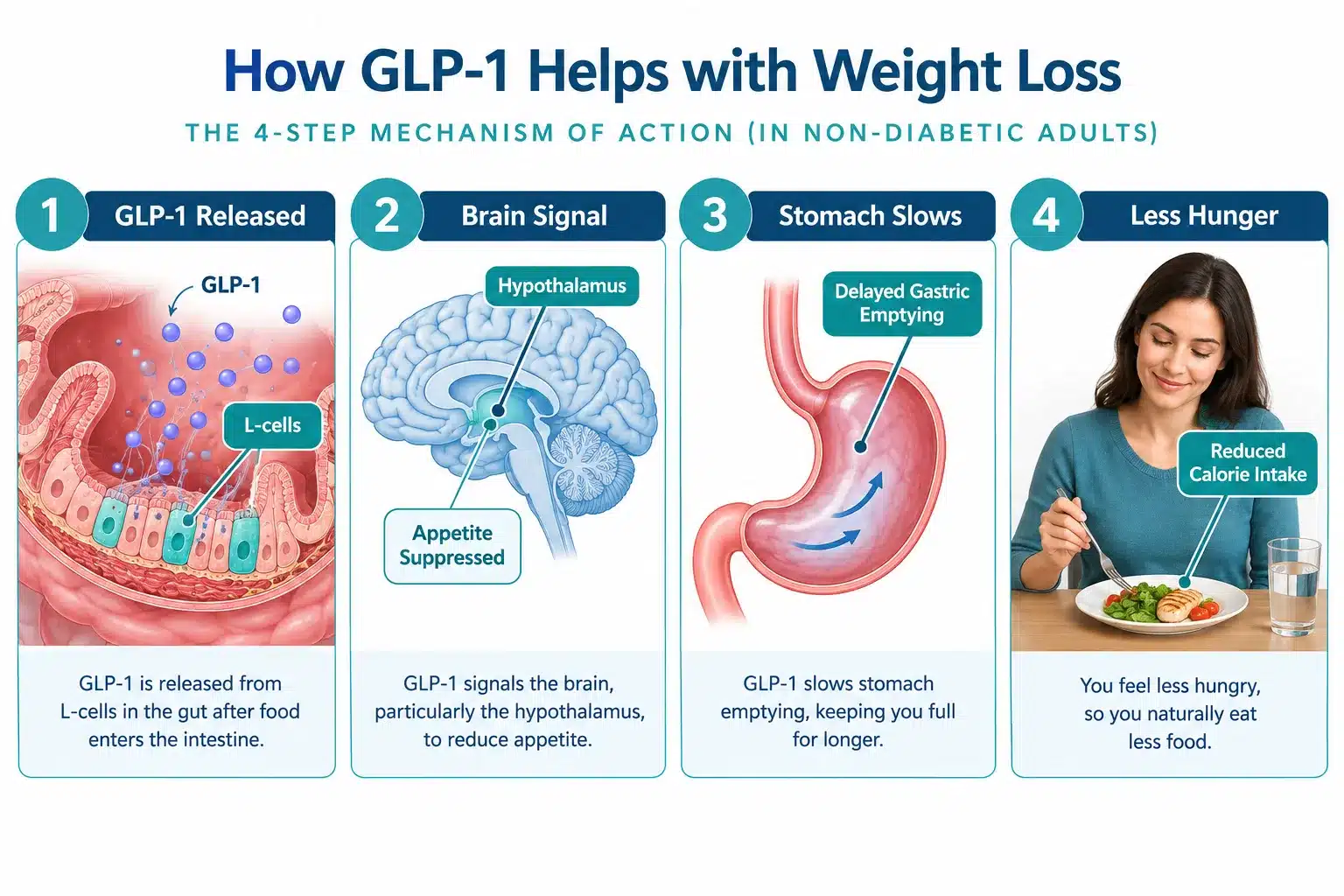
Here is what happens in your body when you take a GLP-1 medication:
- Appetite suppression: GLP-1 acts on the hypothalamus, the brain’s hunger-control center, reducing cravings and overall calorie intake.
- Delayed gastric emptying: Food moves more slowly from your stomach to your intestines, so you feel full longer after smaller meals.
- Reduced reward-driven eating: Some research suggests GLP-1 drugs dampen the pleasure response to food, which helps with emotional or habitual overeating.
- Insulin regulation: In non-diabetic users, GLP-1 drugs do not cause dangerous drops in blood sugar because their insulin-stimulating effect is glucose-dependent.
For a deeper look at how these drugs reshape body composition, see this guide on GLP-1 transformation and what it does to your body weight and metabolism.
Can You Take GLP-1 If You Don’t Have Diabetes
Yes. Several GLP-1 medications are specifically approved for weight management in non-diabetic adults. You do not need a diabetes diagnosis to qualify. [10]
The key distinction is which drug formulation you use:
| Medication | Brand | Approved For |
|---|---|---|
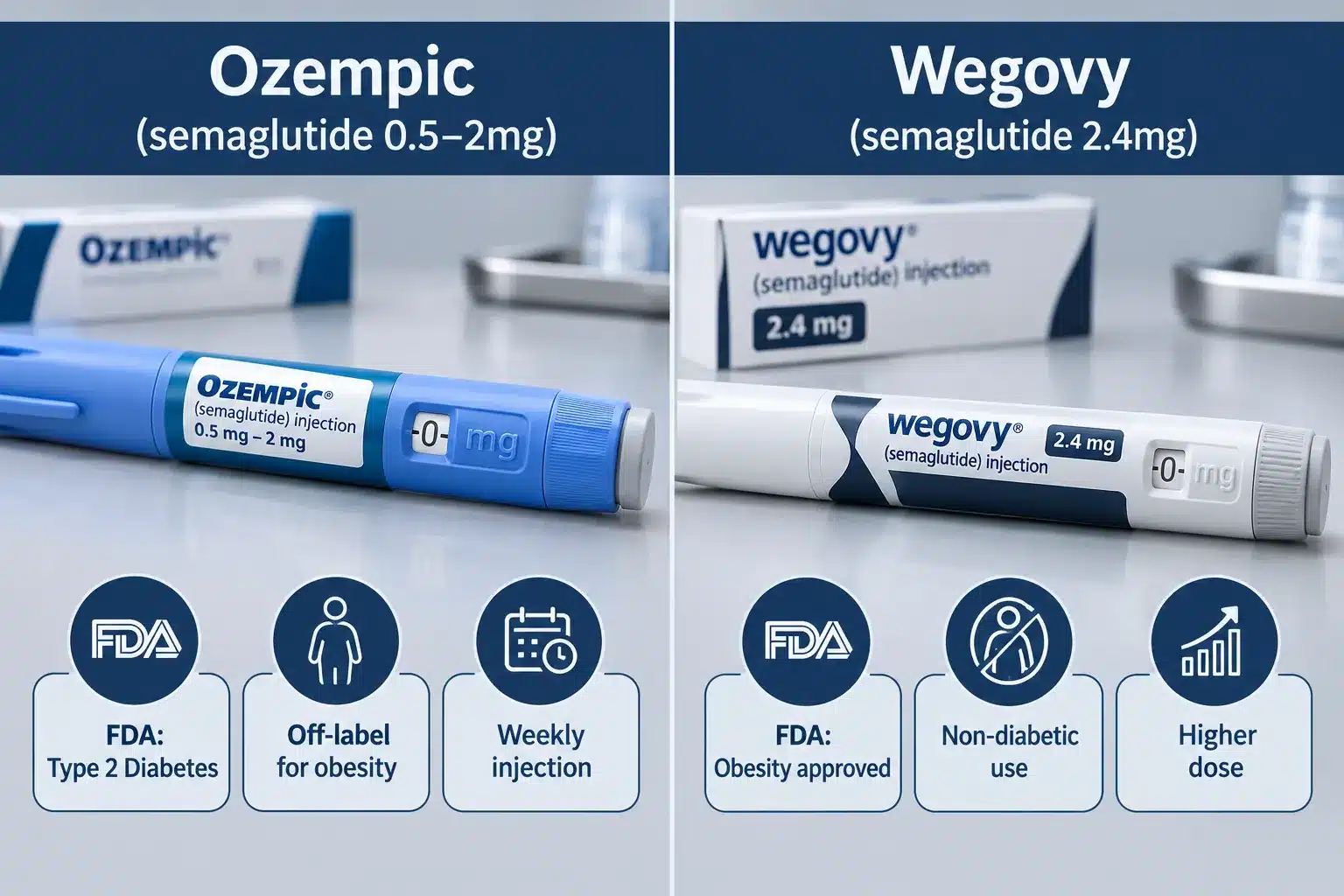
| Semaglutide 2.4 mg weekly | Wegovy | Obesity/overweight (non-diabetic) |
| Tirzepatide 5-15 mg weekly | Zepbound | Obesity/overweight (non-diabetic) |
| Liraglutide 3 mg daily | Saxenda | Obesity/overweight (non-diabetic) |
| Semaglutide 0.5-2 mg weekly | Ozempic | Type 2 diabetes only |
| Tirzepatide 5-15 mg weekly | Mounjaro | Type 2 diabetes only |
Ozempic and Mounjaro are sometimes prescribed off-label for weight loss in non-diabetic adults, but their weight-loss branded counterparts (Wegovy and Zepbound) are the formally approved options. UK medicines guidance explicitly states that GLP-1 drugs should be used within licensed indications and not for aesthetic weight loss in people who are not overweight. [10]
Who Is a Good Candidate for GLP-1 Weight Loss
Non-diabetic adults with a BMI of 30 or higher, or a BMI of 27 or higher plus at least one weight-related health condition, are the primary candidates for GLP-1 weight loss therapy. [4]
Weight-related conditions that may qualify you at BMI 27+ include:
- High blood pressure
- High cholesterol or triglycerides
- Obstructive sleep apnea
- Pre-diabetes (HbA1c 42-47 mmol/mol or fasting glucose 5.5-6.9 mmol/L) [11]
- PCOS (polycystic ovary syndrome)
- Cardiovascular disease
Who should not use GLP-1 drugs:
- People with a personal or family history of medullary thyroid carcinoma
- Those with multiple endocrine neoplasia syndrome type 2
- Pregnant or breastfeeding women
- Normal-weight individuals seeking cosmetic weight loss (safety and effectiveness in this group have not been assessed) [1][10]
A healthcare provider will also review your full medication list, since GLP-1 drugs can interact with other treatments.
How Much Weight Can You Lose on GLP-1 as a Non-Diabetic
Non-diabetic adults tend to lose more weight on GLP-1 drugs than people with type 2 diabetes, likely because diabetes itself affects metabolic response. Clinical trial results in non-diabetic adults show: [3][7]
- Semaglutide 2.4 mg (Wegovy): Average loss of approximately 14.9-15% of baseline body weight
- Tirzepatide (Zepbound): Average losses of 15.0%, 19.5%, and 20.9% at 5 mg, 10 mg, and 15 mg doses respectively, versus 3.1% with placebo (SURMOUNT-1 trial)
- Liraglutide 3 mg (Saxenda): Approximately 8% average weight loss
- Top responders: Some individuals lose 30% or more of their body weight
- Non-responders: About 10-15% of patients lose little or no weight even at maximum doses [1]
A 2026 systematic review of 21 randomized trials covering 7,024 participants found that 78.54% of patients on GLP-1 agents achieved clinically meaningful weight loss, compared with 26.53% on placebo, with a pooled odds ratio of 11.37. [6] That means you are dramatically more likely to lose significant weight on these drugs than with lifestyle changes alone.
For a detailed comparison of which agent performs best, see which GLP-1 medication works best for weight loss.
GLP-1 Weight Loss Results Timeline: How Long Does It Take
Most non-diabetic adults start seeing measurable weight loss within the first 4-8 weeks, but the most significant results come between months 3 and 12. Full weight loss potential typically takes 12-18 months to achieve.
A general timeline:
- Weeks 1-4: Reduced appetite and smaller portion sizes; modest weight loss of 1-3 lbs
- Months 1-3: Consistent weekly losses as dose titration progresses
- Months 3-6: Accelerated loss as you reach therapeutic dose; most patients see 5-10% body weight reduction
- Months 6-12: Continued loss; most clinical trials measure peak results at 68-72 weeks
- Year 2: Epic Research data from 2026 shows that non-diabetic adults who continue GLP-1 therapy generally maintain their weight loss into the second year, with gradual regain beginning after the one-year mark [2]
The titration schedule matters. Starting at a low dose and increasing gradually over 16-20 weeks reduces side effects and improves long-term adherence. For a detailed breakdown of dosing schedules, see this semaglutide dosage guide for weight loss.
Ozempic vs Wegovy for Weight Loss: Which Is Better for Non-Diabetics
For non-diabetic adults, Wegovy is the better choice over Ozempic because it is specifically approved for obesity and delivers a higher dose of semaglutide (2.4 mg vs. a maximum of 2 mg). Both contain the same active ingredient, but Wegovy’s approval means clearer insurance pathways and a dosing protocol designed for weight loss. [10]
That said, tirzepatide (Zepbound) now outperforms semaglutide on average weight loss in head-to-head and network meta-analysis data, with placebo-adjusted reductions up to 20.9% at 15 mg versus roughly 14.9% for semaglutide 2.4 mg. [3][7] Higher tirzepatide doses also carry more gastrointestinal side effects and higher discontinuation rates, so the tradeoff between efficacy and tolerability is real.
Choose Wegovy if: You want a well-established, FDA-approved weight loss option with a strong tolerability profile.
Choose Zepbound if: Maximum weight loss is the priority and you can tolerate a more aggressive titration schedule.
Consider Mounjaro (off-label): If Zepbound is unavailable or unaffordable, some providers prescribe Mounjaro off-label for non-diabetic weight loss. See more on the Mounjaro shot for weight loss.
GLP-1 Side Effects and How to Manage Them
The most common side effects in non-diabetic patients are gastrointestinal and are usually temporary. They include nausea, vomiting, diarrhea, constipation, and acid reflux. [1]
Management strategies that actually help:
- Start low, go slow: The standard titration schedule exists for a reason. Rushing to a higher dose dramatically increases nausea.
- Eat smaller meals: Large meals amplify the gastric-emptying effect and worsen nausea.
- Avoid high-fat, high-sugar foods: These are the most common nausea triggers on GLP-1 therapy.
- Stay hydrated: Vomiting and diarrhea can cause dehydration quickly.
- Time your injection: Some people tolerate injections better in the evening so peak side effects occur during sleep.
Less common but more serious risks include gallbladder problems (cholelithiasis), pancreatitis (rare), and a theoretical thyroid cancer risk based on rodent studies, which has not been confirmed in human data. [1] Report any severe abdominal pain, jaundice, or rapid heart rate to your provider immediately.
GLP-1 Weight Loss Cost and Insurance Coverage
Brand-name GLP-1 drugs for weight loss are expensive without insurance, often running $900,$1,400 per month for Wegovy or Zepbound. Insurance coverage for non-diabetic weight loss remains inconsistent in 2026, with many plans requiring prior authorization or step therapy. [9]
Ways to reduce costs:
- Manufacturer savings cards: Novo Nordisk and Eli Lilly offer savings programs that can reduce out-of-pocket costs for eligible commercially insured patients.
- Compounded semaglutide: Compounding pharmacies can produce semaglutide at significantly lower prices. See our compounding pharmacy weight loss guide for how this works and what to watch for.
- Telehealth platforms: Services like Hims offer GLP-1 prescriptions at lower total costs. Read a detailed Hims weight loss review to see if it fits your situation.
- Generic or biosimilar options: These are not yet widely available for semaglutide in the US, but the pipeline is developing.
For a full breakdown of affordable options, see this guide to cheap weight loss injections and the least expensive GLP-1 options for weight loss.
Do You Regain Weight After Stopping GLP-1
Yes, weight regain after stopping GLP-1 therapy is well-documented and significant. A 2026 real-world analysis of more than 9,000 patients found that people regained an average of nearly 2 pounds (approximately 0.9 kg) per month after stopping semaglutide or tirzepatide. [2]
This happens because GLP-1 drugs manage appetite and metabolism while you take them, but they do not permanently reprogram your biology. When you stop, hunger hormones return to baseline.
What this means practically:
- GLP-1 therapy is most effective when treated as a long-term or indefinite intervention, similar to blood pressure medication.
- Lifestyle changes (diet quality, exercise, sleep) during treatment help preserve more weight loss after stopping.
- Some patients successfully taper to a lower maintenance dose rather than stopping entirely.
- Researchers are actively studying optimal treatment duration and strategies to minimize regain.
GLP-1 Weight Loss for PCOS and Metabolic Issues
GLP-1 therapy is particularly promising for non-diabetic adults with PCOS, pre-diabetes, or metabolic syndrome because these conditions involve insulin resistance, which GLP-1 drugs directly address.
In women with PCOS, GLP-1 receptor agonists have shown benefits beyond weight loss, including improved menstrual regularity, reduced androgen levels, and better insulin sensitivity. Pre-diabetic adults (HbA1c 42-47 mmol/mol) are explicitly included in NICE’s 2026 prescribing guidance as a high-risk group for whom GLP-1-based medications are relevant. [11][4]
For adults with metabolic syndrome, the combination of weight loss, improved fasting glucose, and reduced blood pressure from GLP-1 therapy can meaningfully lower cardiovascular risk, even without a diabetes diagnosis.
Common Mistakes People Make with GLP-1 Dosing
The most common dosing mistake is escalating too fast. Patients who push to the highest dose within the first month experience far more side effects and are more likely to quit.
Other frequent errors:
- Skipping injections: Missing doses disrupts the steady-state concentration that drives appetite suppression.
- Not adjusting diet: GLP-1 drugs reduce hunger but do not replace the need for a nutrient-dense diet. Eating mostly ultra-processed food blunts results.
- Stopping at the first plateau: Weight loss often stalls temporarily before resuming. Many patients quit during this window.
- Ignoring protein intake: Rapid weight loss on GLP-1 drugs can include muscle loss. Adequate protein (0.7-1g per pound of goal body weight) and resistance training help preserve lean mass.
- Self-sourcing without medical oversight: Buying compounded or gray-market GLP-1 products without a prescription or monitoring increases safety risks.
Can You Drink Alcohol While Taking GLP-1
Moderate alcohol use is generally not contraindicated with GLP-1 medications, but there are practical reasons to be cautious. GLP-1 drugs slow gastric emptying, which can alter how quickly alcohol is absorbed and may intensify its effects.
More relevant for many users: GLP-1 therapy appears to reduce alcohol cravings in some patients, a phenomenon researchers are actively studying. If you do drink:
- Avoid drinking on an empty stomach, which is more likely when GLP-1 is suppressing appetite.
- Be aware that alcohol adds empty calories that can offset weight loss progress.
- Alcohol can worsen nausea, especially in the early weeks of treatment.
- If you have a history of pancreatitis, avoid alcohol entirely while on GLP-1 therapy.
Where to Get a GLP-1 Prescription for Weight Loss
Non-diabetic adults can access GLP-1 prescriptions through primary care physicians, obesity medicine specialists, endocrinologists, and telehealth platforms. Telehealth has made access significantly easier and faster in 2026.
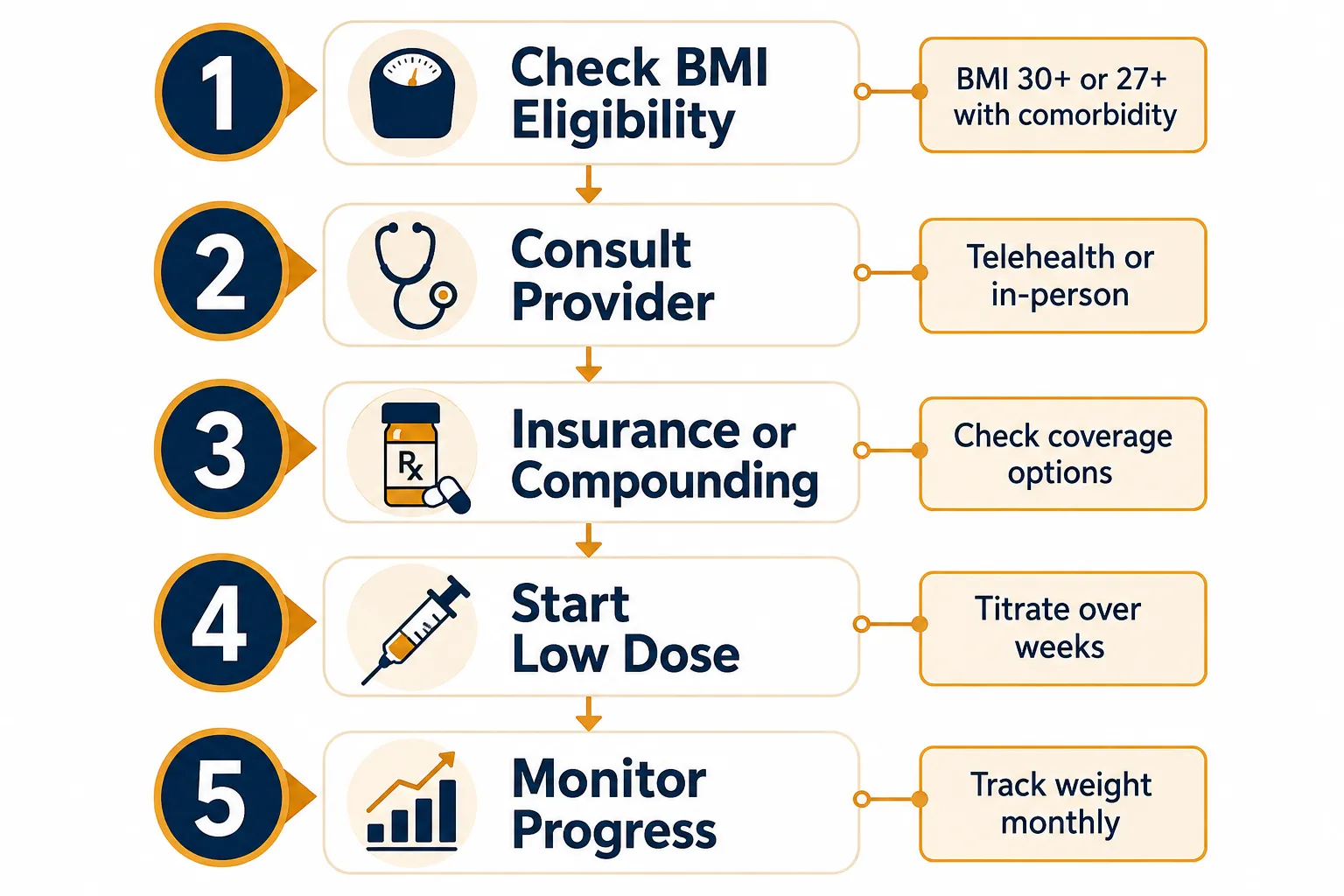
Your options:
- Primary care provider: The most straightforward route if you have an established relationship and meet BMI criteria.
- Obesity medicine specialist: Best for complex cases or if you have been denied coverage elsewhere.
- Telehealth platforms: Services like Hims, Ro, and others offer online consultations and prescription management. See Hims weight loss cost for a cost comparison.
- Compounding pharmacy route: Some telehealth providers prescribe compounded semaglutide at lower cost. Understand the regulatory landscape before going this route.
What to bring to your appointment:
- Recent weight and height measurements
- Any relevant labs (fasting glucose, HbA1c, lipid panel)
- List of current medications
- Documentation of prior weight loss attempts
GLP-1 Alternatives for Weight Loss Without Medication
If GLP-1 drugs are not accessible or appropriate for you, several evidence-backed alternatives can produce meaningful weight loss, though typically less than GLP-1 therapy.
- Structured calorie-deficit diets: Mediterranean, low-carb, or low-fat approaches all work when consistently followed.
- Behavioral weight loss programs: Structured programs combining diet, exercise, and coaching produce 5-10% weight loss on average.
- Bariatric surgery: For adults with BMI 40+ or 35+ with comorbidities, surgery remains the most effective long-term intervention.
- Other medications: Phentermine-topiramate (Qsymia) and naltrexone-bupropion (Contrave) are FDA-approved alternatives with more modest efficacy.
- Emerging non-injectable options: Oral GLP-1 agents are in late-stage trials. At ADA 2026, the oral GLP-1 aleniglipron produced 11.3% weight loss over 38 weeks without a plateau, suggesting oral options may become viable soon. [8]
7 Best GLP-1 Providers Ranked: Accreditation, Flexibility & Support Compared (2026 Update)
32,000+ Patients Can't All Be Wrong: See the Top-Rated GLP-1 Providers: Compared on accreditation, plan flexibility, and patient support — updated for 2026.
BMI MD GLP-1 Microdosing Plan
- Specialized microdosing options (sublingual drops or low-dose injections)
- Ideal for maintaining weight or tapering off higher doses safely
- Fully bundled plan with no hidden monthly platform memberships
DirectMeds Weight Loss Solutions
- Sourced from accredited, state-licensed 503A compounding pharmacies
- No-frills high-volume savings passed directly to the patient
- Includes clinical consultation and cold-chain shipping updates
MEDVi Flat-Rate Telehealth
- Flat monthly rate holds steady even at maximum maintenance doses
- No dosage upcharges or graduation fee penalties
- Offers both injectable and advanced oral thin-film delivery options
Gala GLP-1 Care Program
- All-inclusive plan with no standalone membership costs
- Continuous text-based messaging access with state-licensed clinicians
- Temperature-controlled, cold-chain medication shipping included
Measured GLP-1 Metabolic Health
- Comprehensive metabolic health screening and expert intake analysis
- Predictable long-term budgeting with stable plan pricing
- High-end responsive dashboard with integrated diagnostic support
Refills GLP-1 (TryRefills Plan)
- Flat rate holds steady as titration scales up
- Includes clinical guides for active side-effect management
- Bundles in foundational nutritional strategies alongside medication
AltRx GLP-1 Transactional Reorders
- Zero recurring auto-billing — pay entirely on a transactional basis
- Rapid text-to-order format saves time for experienced patients
- Provides both injectable forms and fast-dissolving tablet variations
Conclusion
GLP-1 weight loss for non-diabetic adults is one of the most significant developments in obesity medicine in decades. The evidence is clear: medications like Wegovy and Zepbound produce substantial, sustained weight loss in people without diabetes who meet clinical criteria, with average reductions of 15-21% of body weight in trials. [3][6][7]
The practical steps are straightforward. If your BMI is 30 or higher, or 27 or higher with a weight-related health condition, you are likely eligible. Talk to your primary care provider or use a telehealth platform to get a formal evaluation. Bring your labs, be honest about your history, and ask specifically about Wegovy or Zepbound rather than Ozempic, which is not approved for weight loss in non-diabetic adults.
Go in with realistic expectations. Most people see meaningful results, but 10-15% do not respond well, and weight regain after stopping is real. The best outcomes come from treating GLP-1 therapy as a long-term tool alongside genuine lifestyle changes, not a short-term fix.
The pipeline for 2027 and beyond looks promising, with oral agents and more potent multi-agonists advancing through trials. [8] But the drugs available right now are already highly effective for the right candidates. If you have been struggling with weight loss despite consistent effort, GLP-1 therapy is worth a serious conversation with your doctor.
FAQ
Can a non-diabetic person get a prescription for GLP-1 weight loss?
Yes. Wegovy (semaglutide 2.4 mg) and Zepbound (tirzepatide) are FDA-approved for weight management in non-diabetic adults with a BMI of 30 or higher, or 27 or higher with a weight-related health condition.
Is Ozempic the same as Wegovy for weight loss?
Both contain semaglutide, but Ozempic is approved only for type 2 diabetes, while Wegovy delivers a higher dose (2.4 mg) and is specifically approved for obesity. Non-diabetic adults should use Wegovy, not Ozempic, for on-label weight loss.
How quickly do GLP-1 drugs work for non-diabetic weight loss?
Most people notice reduced appetite within the first 1-2 weeks. Measurable weight loss typically begins by weeks 4-8, with peak results at 12-18 months of continuous treatment.
What happens if you stop taking GLP-1 medication?
Weight regain is common. A 2026 real-world study found people regained approximately 2 pounds per month after stopping semaglutide or tirzepatide. [2] Continuing therapy or maintaining strong lifestyle habits helps slow regain.
Does insurance cover GLP-1 for non-diabetic weight loss?
Coverage varies widely. Many commercial plans require prior authorization. Medicare Part D does not currently cover weight loss drugs. Manufacturer savings cards and compounded options can reduce costs significantly.
What is the best GLP-1 drug for weight loss without diabetes?
Tirzepatide (Zepbound) produces the highest average weight loss in trials (up to 20.9% at 15 mg), followed by semaglutide (Wegovy) at approximately 15%. Tirzepatide’s higher doses carry more gastrointestinal side effects. [3][7]
Are GLP-1 drugs safe for non-diabetic adults?
They are generally considered safe within licensed indications. Common side effects are gastrointestinal and usually temporary. Rare but serious risks include pancreatitis and gallbladder disease. Safety data for normal-weight individuals using GLP-1 for cosmetic purposes has not been assessed. [1][10]
Can GLP-1 help with PCOS?
Yes. GLP-1 receptor agonists address insulin resistance, which underlies PCOS, and have shown improvements in menstrual regularity, androgen levels, and metabolic markers in women with PCOS, beyond weight loss alone.
Do GLP-1 drugs cause muscle loss?
Rapid weight loss on any intervention can include some muscle loss. Adequate protein intake and resistance training during GLP-1 therapy significantly reduce this risk.
Is there an oral GLP-1 option for non-diabetic weight loss?
Not yet approved as of 2026, but oral GLP-1 agents are in late-stage trials. Aleniglipron produced 11.3% weight loss over 38 weeks at ADA 2026. [8] Oral options may reach the market within the next few years.
References
[1] GLP-1s 101: Weight Loss, Wegovy, Ozempic, Zepbound, Side Effects, Safe Use – https://med.stanford.edu/news/insights/2026/06/glp1s-101-weight-loss-wegovy-ozempic-zepbound-side-effects-safe-use.html
[2] Most Adults Without Diabetes Maintain Their GLP-1 Weight Loss Through a Second Year, Though Gradual Regain Begins After the One-Year Mark – https://www.epicresearch.org/articles/most-adults-without-diabetes-maintain-their-glp-1-weight-loss-through-a-second-year-though-gradual-regain-begins-after-the-one-year-mark/
[3] PMC13343302 – https://pmc.ncbi.nlm.nih.gov/articles/PMC13343302/
[4] PMC12923076 – https://pmc.ncbi.nlm.nih.gov/articles/PMC12923076/
[5] PMC12857648 – https://pmc.ncbi.nlm.nih.gov/articles/PMC12857648/
[6] PubMed 41824845 – https://pubmed.ncbi.nlm.nih.gov/41824845/
[7] Obesity Journal (Wiley) – https://onlinelibrary.wiley.com/doi/10.1002/oby.70169
[8] ADA 2026 – https://diabetesonthenet.com/diabetes-primary-care/ada-2026/
[9] J.P. Morgan: Obesity Drugs – https://www.jpmorgan.com/insights/global-research/current-events/obesity-drugs
[10] UK Government: GLP-1 Medicines for Weight Loss and Diabetes – What You Need to Know – https://www.gov.uk/government/publications/glp-1-medicines-for-weight-loss-and-diabetes-what-you-need-to-know/glp-1-medicines-for-weight-loss-and-diabetes-what-you-need-to-know


