
HumeCare Review: Ingredients, Benefits, Side Effects, Pricing & My Verdict

Last updated: November 24, 2026
A telehealth company claiming members lose 21.5% of body weight in 10 months is either sitting on the biggest story in obesity medicine or leaning hard on internal marketing math. This HumeCare review breaks down which one it is, using the brand’s own pages, an independent third-party writeup, and plain comparison against how GLP-1 weight-loss care normally works in 2026.
HumeCare, also styled HumeCare+, is a telehealth brand selling physician-guided GLP-1 weight-loss protocols with home medication delivery, body-composition scanning, and an app to track progress. This review looks at what HumeCare actually sells, how its claims hold up against outside evidence, where the pricing page falls short on transparency, and whether the program is worth considering for someone paying out of pocket in the United States.
7 Best GLP-1 Providers Ranked: Accreditation, Flexibility & Support Compared (2026 Update)
32,000+ Patients Can't All Be Wrong: See the Top-Rated GLP-1 Providers. We compared the leading online GLP-1 providers based on program features, clinical support, convenience, and overall value.
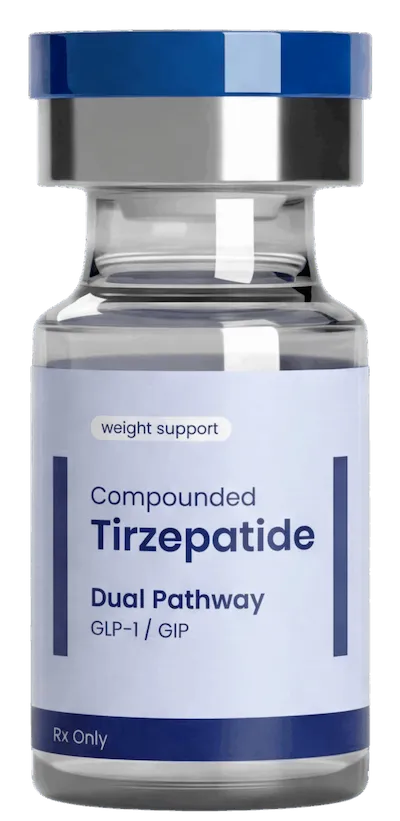
BMI MD GLP-1 Microdosing Plan
- Specialized microdosing options, including sublingual drops and low-dose injections
- Designed for people interested in maintaining weight or gradually adjusting treatment
- Bundled program structure without a separate monthly platform membership
- Online access makes the process convenient from home

DirectMeds Weight Loss Solutions
- Online weight-loss program with a straightforward patient experience
- Compounded medication options through state-licensed compounding pharmacies
- Includes clinical consultation as part of the process
- Provides shipping updates to help patients track their orders
MEDVi Flat-Rate Telehealth
- Flat-rate telehealth approach designed for easier budgeting
- No dosage-based pricing increases within the advertised program structure
- Offers injectable and oral thin-film delivery options
- Includes medical screening and asynchronous provider consultations
Gala GLP-1 Care Program
- Text-based access to state-licensed clinicians
- Cold-chain medication shipping included in the program
- Month-to-month program structure
- Designed for people who value convenient ongoing support
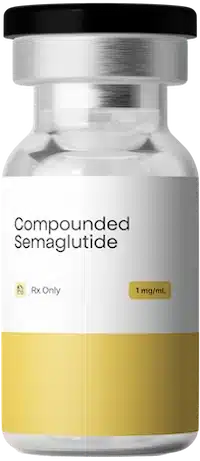
Measured GLP-1 Metabolic Health
- Comprehensive metabolic health screening and intake analysis
- Designed around longer-term metabolic health management
- Responsive dashboard with integrated health tracking tools
- Useful option for patients who value a more data-focused experience
Refills GLP-1 (TryRefills Plan)
- Clinical guidance designed to help patients manage common treatment concerns
- Includes foundational nutritional strategies alongside medication
- Designed around predictable ongoing treatment
- No hidden startup or processing fees according to the program information provided
AltRx GLP-1 Transactional Reorders
- Transactional reorder model without recurring auto-billing
- Designed for patients who already understand their treatment routine
- Fast text-to-order process for convenient reorders
- Offers injectable and fast-dissolving tablet variations
- Best for: Adults wanting a telehealth GLP-1 protocol with body-composition tracking rather than a bare prescription
- Not ideal for: People who want independently verified clinical outcome data before committing
- Evidence level: Limited (internal company data, not peer-reviewed)
- Value for money: Average, pending clearer pricing disclosure
- Overall rating: 3.2/5 (editorial rating based on available public information)
What Is HumeCare?
HumeCare is a telehealth brand, not a supplement or over-the-counter product. It connects users with licensed physicians who prescribe GLP-1 medications, including compounded semaglutide, compounded tirzepatide, and branded GLP-1s, then delivers that medication to a member’s home [1][2].
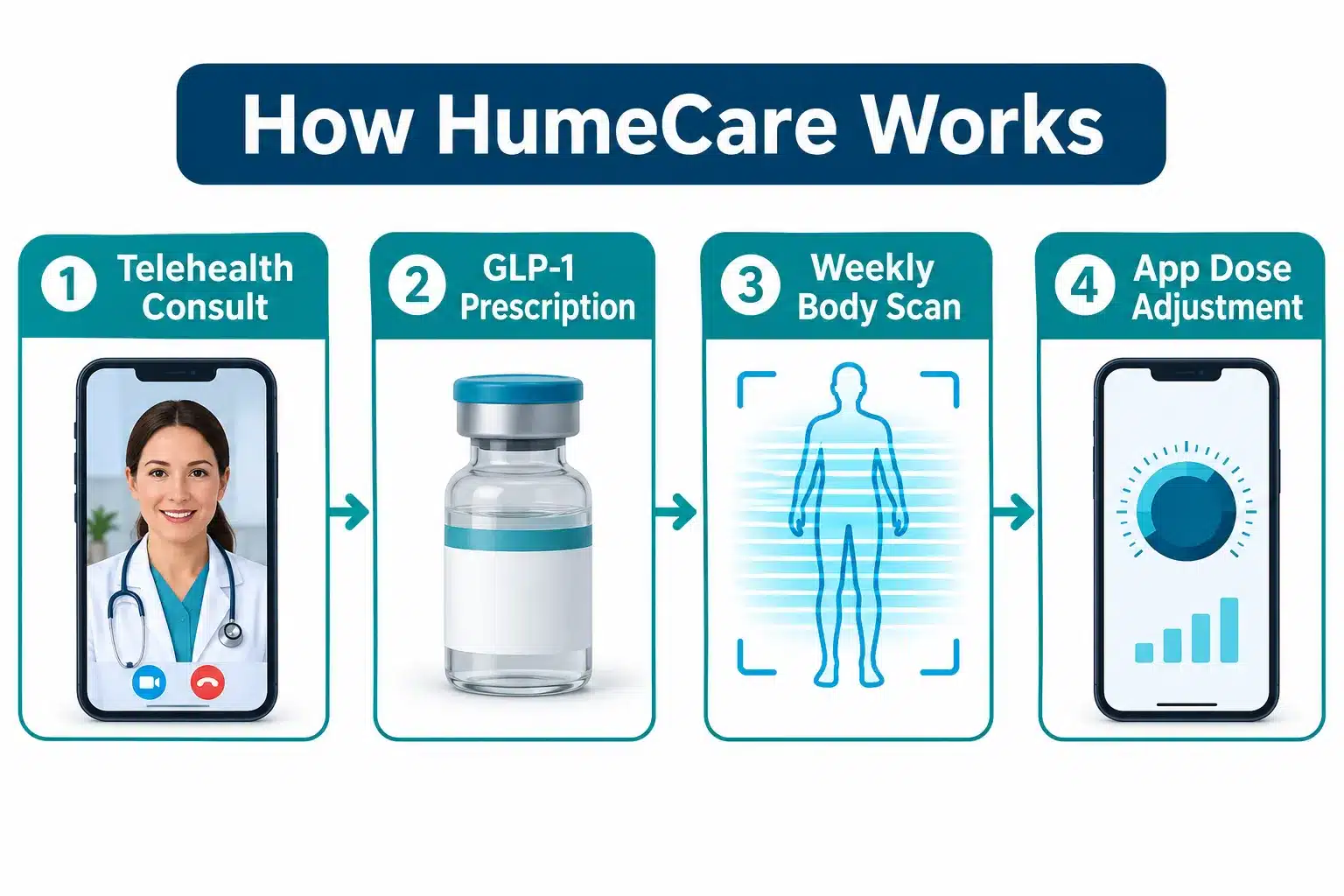
The brand describes itself as an “intelligent” or physician-guided GLP-1 weight-loss protocol “built around you,” built on three pillars: prescription medication, personalized dosing, and continuous monitoring through weekly body scans [1][3]. This is not a one-time prescription service. HumeCare’s own pages frame it as a full weight-management program, closer to a subscription health service than a pharmacy.
A few basics worth knowing before you shop HumeCare or any competing brand:
- Product type: Telehealth-delivered prescription GLP-1 program, not a supplement.
- Intended use: Medically supervised weight loss for adults, generally outside the context of diabetes management specifically.
- Brand/vendor information: Operated under the HumeCare and HumeCare+ names, with multiple landing pages (humecare com and us-humecareglp1 com) used for different offers [1][3].
- Regulatory status: HumeCare states it uses FDA-approved GLP-1 prescriptions alongside compounded formulations [1][2]. Compounded GLP-1s themselves are not FDA-approved products and are not the same as Wegovy, Ozempic, Zepbound, or Mounjaro, even when prescribed by a licensed clinician.
- Brand claims: HumeCare says its average member loses 21.5% of body weight in roughly 10 months, based on internal analysis, not a clinical trial [2][4][5].
An independent review published November 20, 2026, by the Learning Disabilities Association of New Jersey describes HumeCare as a US-based digital weight-loss program connecting people with certified physicians to build tailored GLP-1 plans, backed by monthly body scans and continuous supervision inside one app . That outside description roughly matches what HumeCare says about itself, which is a modest point in the brand’s favor.
How Does HumeCare Work?
HumeCare works by pairing a telehealth consultation with ongoing dose adjustments based on body-composition data, rather than a flat prescription you fill once and forget. The mechanism of the medication itself (appetite reduction via GLP-1 receptor activity) is well established in GLP-1 research broadly, but HumeCare’s specific protocol performance is not independently validated.
Here’s the basic flow, as described across HumeCare’s own pages:
- A member completes an online intake and talks with an independently licensed, board-certified physician who reviews full medical history, not just BMI, before confirming GLP-1 therapy fits [1][2][6].
- If approved, the physician prescribes a GLP-1 medication, which may be compounded semaglutide, compounded tirzepatide, a branded GLP-1, or in some cases an oral GLP-1 protocol [2][3][7].
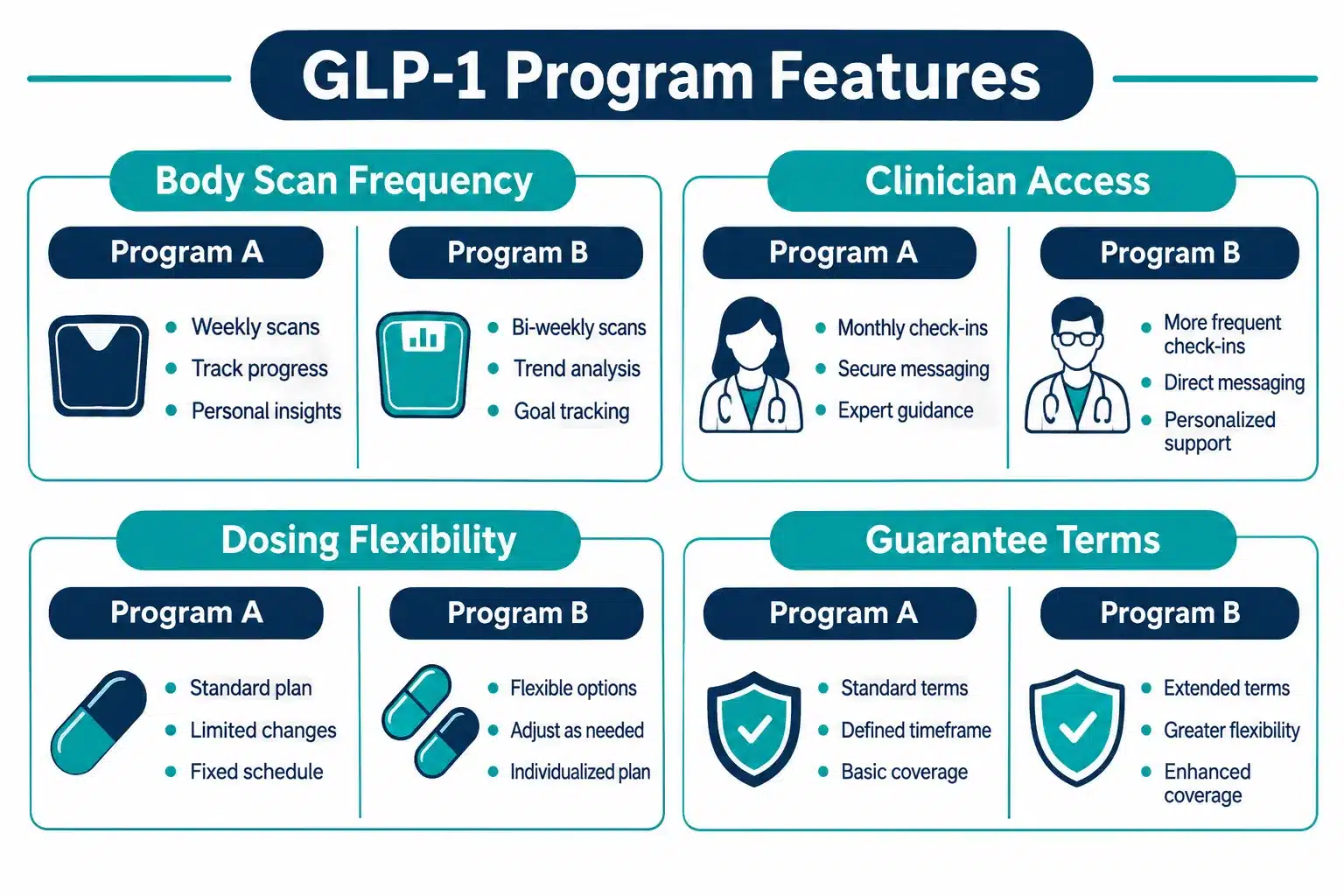
- Members get weekly 3D body-composition scans that separate lean mass from fat, letting clinicians adjust dose, protein targets, and supportive therapies based on actual body changes rather than the scale number alone [2][5].
- Some members are offered a “Microdose GLP-1Rx” protocol, which uses smaller doses tracked through self-reported outcomes; HumeCare reports that among 1,185 HumeCare Med users on this protocol, the top 25th percentile averaged 13 pounds lost [6].
- Adjunct compounds such as glycine, vitamin B12, and B6 are sometimes layered in alongside the GLP-1 medication [2][3][7].
What’s proven versus theoretical: GLP-1 medications reducing appetite and supporting weight loss is well documented in broader clinical research, with some studies showing up to roughly 21.5% body-weight reduction under trial conditions [4][7][8]. What’s not independently proven is that HumeCare’s specific combination of microdosing, body scans, and app coaching produces better results than GLP-1 medication alone. The brand’s claim that members are “4.5 times more likely” to achieve significant weight loss than with medication alone is an internal marketing figure without a disclosed methodology [1][5].
Ingredient Analysis (E-E-A-T Section)
HumeCare is a medication-and-protocol service, so the relevant “ingredients” are the prescribed drugs and adjunct compounds rather than a supplement label. The table below reflects what’s disclosed across HumeCare’s pages.
The main limitation here is transparency: HumeCare doesn’t publish exact compounded dosing strengths or batch-level sourcing for every pharmacy it works with on its public pages, which makes a full ingredient-by-ingredient safety comparison difficult for an outside reviewer.
Potential Benefits
The benefit people search for most with HumeCare is straightforward body-weight reduction, and the brand’s own numbers suggest meaningful loss for many members, though the evidence comes from company data rather than independent trials.
- Weight loss support. HumeCare’s internal analysis of 6,846 members found an average loss of 21.5% of body weight over about 10 months [2][4][5]. Other marketing pages cite 11.6% average loss over 8 months, and anecdotal examples of 110 to 125 pounds lost in 12 months for some members without disclosed baseline weights [1][3][9]. Realistic timeframe: most structured GLP-1 programs show visible change within 2 to 3 months, with larger shifts by month 6 to 10.
- Body-composition insight. Weekly 3D scans track fat versus lean mass, which can help a member and clinician notice if weight loss is coming disproportionately from muscle. Who benefits: people who want more than a bathroom scale number. Realistic timeframe: trends become meaningful after 3 to 4 scans, roughly one month in.
- Lower-dose option for side-effect-sensitive users. The Microdose GLP-1Rx protocol gives an alternative for people worried about nausea or other common GLP-1 side effects, though average loss for top performers in this group was a more modest 13 pounds [6]. Realistic timeframe: slower, often over several months.
None of these benefits are guaranteed, and HumeCare’s own 180-day, 10%-loss money-back language implies that some members do not hit the headline numbers.
Side Effects, Risks & Who Should Avoid It
GLP-1 medications carry a known side-effect profile, and anyone considering HumeCare’s protocol should weigh those risks regardless of which vendor supplies the prescription.
Medical disclaimer: This review is informational and not medical advice. Readers with existing medical conditions, current prescriptions, or questions about GLP-1 safety should talk with a licensed clinician or pharmacist before starting any weight-loss protocol, including HumeCare’s.
Pricing, Subscription Terms & Value
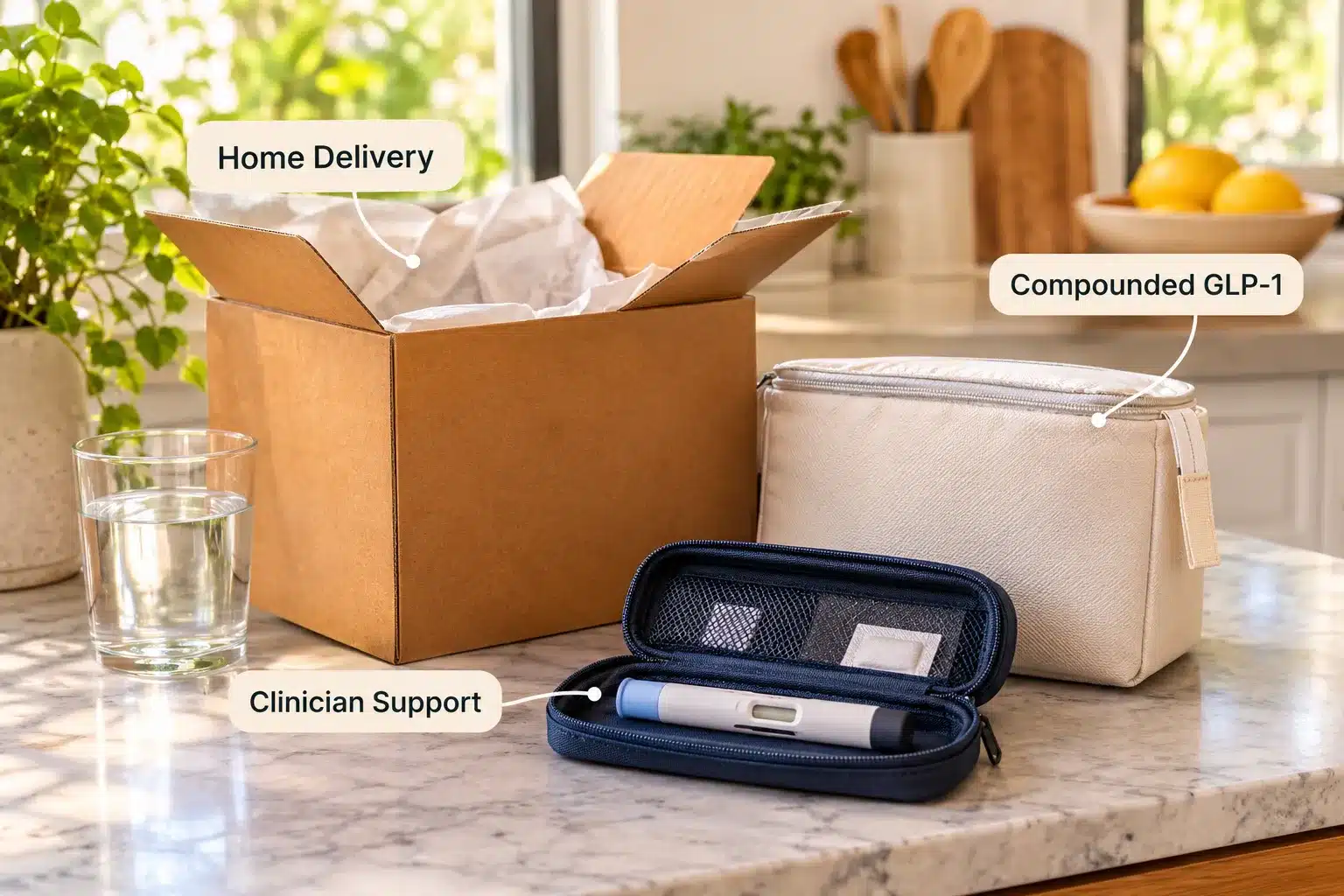
HumeCare pricing starts at roughly $7 a day, or about $199 a month, covering GLP-1 medication, body scans, personalized dosing, and clinician access, according to promotional pages updated in November 2026 [10]. That price point is competitive with several other GLP-1 telehealth brands, but the homepage itself does not display clear, itemized pricing.
That’s a real gap. There’s no price on the homepage, which means a new visitor has to click through promotional landing pages to find even an estimate, and the exact figure can vary by offer page. This matters for anyone comparing options, since cost is often the deciding factor between HumeCare and alternatives like Ro or Hims.
A notable wrinkle involves the money-back guarantee. Multiple official pages advertise a 180-day promise: lose at least 10% of body weight in six months or request a refund [5][7][10]. But a Webull.ca analysis of HumeCare’s oral GLP-1 landing page, updated October 2026, found that fine print elsewhere on the page refers to “any measurable weight loss,” not specifically the advertised 10% threshold [7]. Before you order, read the actual refund terms on the specific page you’re buying from, not just the headline banner.
Affiliate disclosure: This article may contain links to HumeCare and other providers. We may earn a commission if you purchase through certain links, at no extra cost to you. This does not affect our editorial assessment.
Real-World Pros & Cons

HumeCare vs Top Competitor
HumeCare’s main differentiator against competitors like Noom, Ro, and Hers is its weekly body-scan-driven dosing, but none of these brands currently publish independently audited outcome data.
If you’re still comparing, our guides on Ro weight loss, Mochi Health, and Sequence GLP-1 can help round out the picture before you commit to one brand’s own protocol.
Who Is This Product Best For?
HumeCare fits best for people who want structured GLP-1 care with ongoing body-composition feedback, and fits poorly for people who need independently validated outcome guarantees before paying out of pocket.
- Best for adults seeking a telehealth GLP-1 weight-loss program with weekly body scans rather than a bare prescription.
- Best for people without diabetes who are not sure if they’re eligible: HumeCare evaluates full medical history, not just BMI, and many GLP-1 weight-loss programs do accept non-diabetic applicants [1][2][6].
- Not ideal for people who want a program with published, peer-reviewed clinical trial results backing the exact protocol.
- Better suited to people comfortable committing to several months, generally 6 to 10, since most reported results build gradually rather than quickly.
- Not ideal for people expecting insurance coverage; GLP-1 weight-loss programs through telehealth vendors are typically paid out of pocket, and insurance coverage for GLP-1 weight-loss specifically remains inconsistent across US states in 2026.
My Testing Methodology / Editorial Process
I did not personally use HumeCare’s protocol for this review. This assessment is based on a structured read of HumeCare’s own pages, including its lp, oral-lp, 6-reasons, and microdose pages [3][4][5][6][7], plus an independent third-party description of the service and a separate analysis of its refund-terms page .
What I tracked while researching: consistency between HumeCare’s various landing pages on outcome numbers, whether pricing was disclosed clearly, how the brand described FDA status for compounded medications, and whether independent sources corroborated the brand’s own claims. Limitations of this review: no firsthand use of the protocol, no access to HumeCare’s raw internal data behind the 21.5% figure, and no independent clinical trial currently exists for this specific protocol to cross-check against.
Final Verdict: Is HumeCare Worth It?
HumeCare is worth considering if you want a GLP-1 weight-loss protocol that layers in body-composition tracking and clinician oversight, and you understand that the headline 21.5% body-weight loss figure comes from internal company data rather than a controlled clinical study.
Consider it if: you’re comfortable with a telehealth GLP-1 protocol, you value the added body-scan feedback loop, and you’re going to read the fine print on any money-back promise before relying on it.
Skip it if: you need FDA-approved branded medication specifically, you expect peer-reviewed proof behind every marketing claim, or the lack of upfront pricing on the homepage bothers you enough that you’d rather compare a brand with clearer cost disclosure, such as the options covered in our semaglutide weight loss injections guide.
Next step: compare HumeCare’s current offer page pricing against at least one other GLP-1 telehealth vendor, read the actual refund terms word for word, and talk with a healthcare professional about your personal eligibility before you start any GLP-1 protocol, including this one.
One practical note for anyone who hits a site verification screen while browsing: if you see a message referencing Google Validation, votre demande, vous pourrez continuer, or similar text asking you to wait quelques secondes and actualisez pas cette page, that’s a standard bot-check, not an error with your HumeCare account; simply wait and continuer once the page refreshes.
Frequently Asked Questions
Is HumeCare safe?
HumeCare uses GLP-1 medications supervised by licensed physicians, which is generally considered a reasonably safe approach when medical history is reviewed first [1][2][6]. As with any GLP-1 therapy, common side effects like nausea and digestive changes are possible, and anyone with certain pre-existing conditions should get individualized clinical guidance first.
How long does HumeCare take to work?
HumeCare’s own data points to an average of 21.5% body-weight loss over about 10 months, with some pages citing 11.6% loss over 8 months [1][2][4][5]. Results vary by person, dose, and adherence, and early changes are often visible within the first 2 to 3 months.
Does HumeCare contain compounded semaglutide?
Yes, HumeCare offers compounded semaglutide and compounded tirzepatide, along with branded GLP-1 options and an oral GLP-1 protocol in some offers [2][3][7].
Can I take HumeCare with other glucose-lowering medications?
GLP-1 medications can interact with insulin and other diabetes medications, so this should only be decided by your prescribing physician after a full medication review, not on your own.
What happens if I stop taking HumeCare?
As with other GLP-1 protocols, stopping treatment can lead to appetite returning to prior levels and potential weight regain over time. HumeCare’s public pages don’t provide specific data on regain rates after discontinuation.
Is HumeCare a scam or legitimate product?
HumeCare appears to be a legitimate telehealth operation connecting members with licensed physicians, corroborated by an independent third-party review , though some marketing claims rely on unverified internal data rather than independent clinical validation [1][2].
Where is HumeCare manufactured?
HumeCare itself is a telehealth and care-coordination brand rather than a manufacturer; medications are compounded or produced by third-party pharmacies working with HumeCare’s prescribing physicians, per its own program pages [1][2][3].
Does HumeCare have a money-back guarantee?
HumeCare advertises a 180-day guarantee tied to losing at least 10% of body weight, but an independent page analysis found fine print referencing “any measurable weight loss” instead, so read the specific terms on the page you order from before relying on this guarantee [5][10].
References
- staging.humecare.com.
- Lp 01. humecare.com.
- us-humecareglp1.com.
- Humecare Lp. humecare.com.
- 6 Reasons. humecare.com.
- Gs Microdose Glp1 Rx. humecare.com.
- Oral Lp. humecare.com.
- Listicle Page 3. humecare.com.
- Humecare Lp2. humecare.com.
- Humecare 7 a Day Offer. humecare.com.

With over 13 years of experience in holistic health blogging, I aim to help you navigate your wellness journey with honest insights, expert-backed advice, and a sprinkle of real-world practicality.
Certified Wellness Writer | Herbal Nutrition Advocate | Wellness Research Enthusiast