
Is Ozempic a Peptide? How Semaglutide Works

Last updated: October 23, 2026
Quick Answer
Yes, Ozempic is a peptide drug. Its active ingredient, semaglutide, is a chain of amino acids engineered to mimic the human hormone GLP-1. Clinicians usually call it a “GLP-1 receptor agonist” rather than just a peptide because that term describes what it does, not just what it’s made of. Understanding this distinction explains why semaglutide lowers blood sugar, slows digestion, and reduces appetite all at once.
Key Takeaways
- Semaglutide is a peptide, a 31-amino-acid chain built to resemble human GLP-1, with 94% structural overlap [1][2].
- Ozempic works by activating GLP-1 receptors in the pancreas, stomach, liver, and brain [3][4].
- Peptide engineering (fatty acid chain, albumin binding) is why semaglutide lasts a full week instead of minutes [5].
- Common side effects are mostly digestive: nausea, vomiting, diarrhea, and constipation [6][7].
- Ozempic is FDA-approved for type 2 diabetes, not weight loss specifically, though its sister drug Wegovy shares the same molecule [7].
- You cannot legally buy semaglutide over the counter in the U.S., it requires a prescription [7].
- Stopping semaglutide typically leads to appetite returning and weight regain over time, based on how GLP-1 signaling fades [4].
Is Semaglutide Actually a Peptide Hormone?
Semaglutide is a peptide, but it is not a naturally occurring hormone, it’s a lab-engineered analogue of one. The real hormone it copies, GLP-1 (glucagon-like peptide-1), is produced naturally in your gut after you eat [3].
7 Best GLP-1 Providers Ranked: Accreditation, Flexibility & Support Compared (2026 Update)
32,000+ Patients Can't All Be Wrong: See the Top-Rated GLP-1 Providers. We compared the leading online GLP-1 providers based on program features, clinical support, convenience, and overall value.

BMI MD GLP-1 Microdosing Plan
- Specialized microdosing options, including sublingual drops and low-dose injections
- Designed for people interested in maintaining weight or gradually adjusting treatment
- Bundled program structure without a separate monthly platform membership
- Online access makes the process convenient from home

DirectMeds Weight Loss Solutions
- Online weight-loss program with a straightforward patient experience
- Compounded medication options through state-licensed compounding pharmacies
- Includes clinical consultation as part of the process
- Provides shipping updates to help patients track their orders

MEDVi Flat-Rate Telehealth
- Flat-rate telehealth approach designed for easier budgeting
- No dosage-based pricing increases within the advertised program structure
- Offers injectable and oral thin-film delivery options
- Includes medical screening and asynchronous provider consultations

Gala GLP-1 Care Program
- Text-based access to state-licensed clinicians
- Cold-chain medication shipping included in the program
- Month-to-month program structure
- Designed for people who value convenient ongoing support

Measured GLP-1 Metabolic Health
- Comprehensive metabolic health screening and intake analysis
- Designed around longer-term metabolic health management
- Responsive dashboard with integrated health tracking tools
- Useful option for patients who value a more data-focused experience

Refills GLP-1 (TryRefills Plan)
- Clinical guidance designed to help patients manage common treatment concerns
- Includes foundational nutritional strategies alongside medication
- Designed around predictable ongoing treatment
- No hidden startup or processing fees according to the program information provided

AltRx GLP-1 Transactional Reorders
- Transactional reorder model without recurring auto-billing
- Designed for patients who already understand their treatment routine
- Fast text-to-order process for convenient reorders
- Offers injectable and fast-dissolving tablet variations
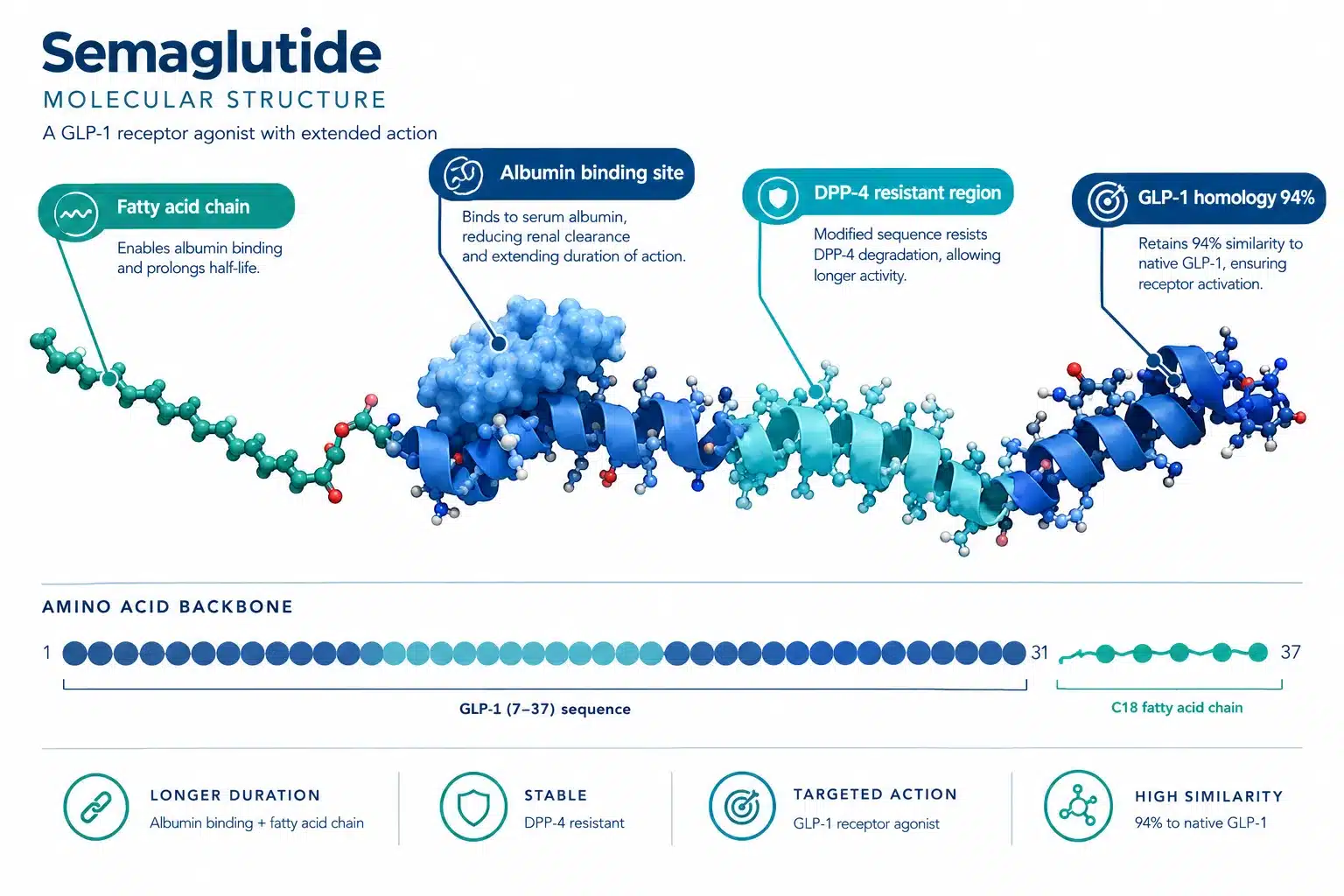
Semaglutide was built to share about 94% of its amino acid sequence with native human GLP-1 [1][2]. That close match lets it lock onto the same receptors GLP-1 normally activates. The 6% difference is not a flaw, it’s intentional. Scientists changed a few amino acids specifically so the body’s enzymes couldn’t break the molecule down quickly [5].
Decision rule: If you’re asking whether Ozempic falls into the “peptide” chemical class, the answer is yes. If you’re asking whether it’s a naturally produced hormone, the answer is no, it’s synthetic.
How Does Semaglutide Work in Your Body?
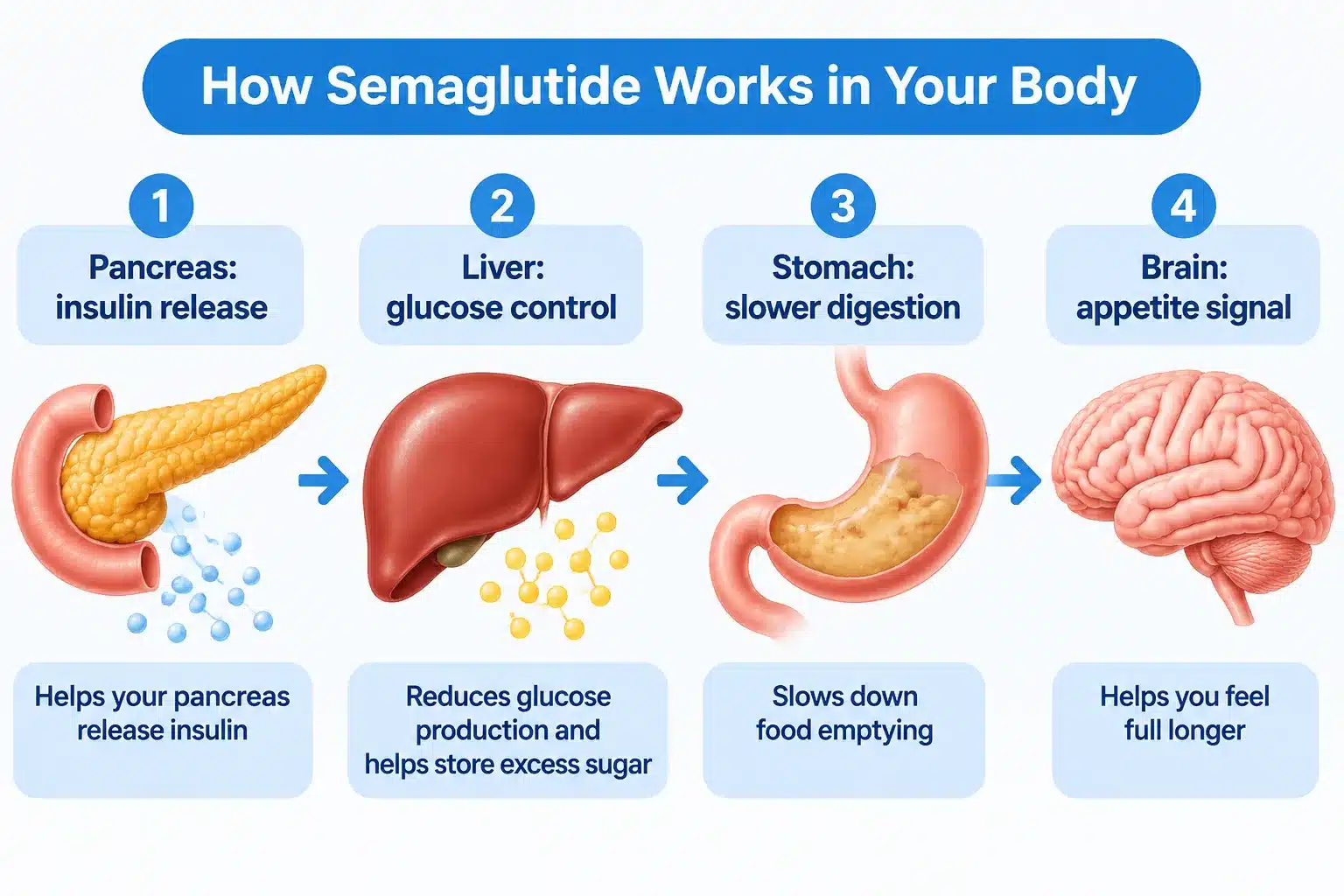
Semaglutide works by binding to GLP-1 receptors found in several organs, triggering a cascade of effects that lower blood sugar and reduce hunger. This single mechanism explains nearly every effect the drug produces [4][8].
Here’s what happens after an injection or oral dose:
- Pancreas, stimulates insulin release only when blood sugar is elevated, and suppresses excess glucagon [3][4].
- Liver, reduces glucose production, helping lower fasting blood sugar levels [4].
- Stomach, slows gastric emptying, so food stays in the stomach longer and you feel full sooner [8].
- Brain, acts on appetite centers in the hypothalamus, reducing hunger signals and food cravings [8][9].
This multi-organ approach is why semaglutide affects both blood sugar and body weight, even though it was first approved for diabetes. If you want a deeper breakdown of dosing schedules, our semaglutide injections guide walks through typical titration steps.
What Makes Ozempic Different From Regular Medications?
Ozempic differs from typical small-molecule pills because it’s a large peptide molecule that must survive in the bloodstream for days, not hours. Most oral medications are small chemical compounds absorbed quickly and cleared within hours.
Peptides like semaglutide are fragile by nature, stomach acid and enzymes normally destroy them fast. Novo Nordisk’s drug design solved two problems:
- DPP-4 resistance: a modified amino acid at position 2 prevents the enzyme DPP-4 from chopping up the peptide [5].
- Albumin binding: a fatty acid side chain attaches semaglutide to albumin, a blood protein, which shields it and slows its release [5].
Together, these tweaks stretch semaglutide’s half-life to about a week, allowing once-weekly injections instead of daily shots [6]. This is a major reason semaglutide-based drugs stand apart from older diabetes pills that needed multiple daily doses.
Why Do People Call Ozempic a Peptide Drug?
People call Ozempic a peptide drug because its active ingredient is chemically a short protein chain, a polypeptide, not a traditional synthetic chemical. This label reflects its physical structure.
At the same time, doctors and FDA materials tend to use the functional term “GLP-1 receptor agonist” because that phrase tells you what the drug does clinically, not just what it’s built from [7]. Both terms are accurate; they just answer different questions.
- Chemistry answer: Ozempic is a peptide (a chain of amino acids) [1][2].
- Pharmacology answer: Ozempic is a GLP-1 receptor agonist (it activates a specific receptor) [3][4].
Common mistake: Assuming “peptide” and “hormone” mean the same thing. Semaglutide is a peptide drug modeled on a hormone, but it’s manufactured, not secreted by your body.
What Are the Side Effects of Taking Semaglutide?
The most common side effects of semaglutide are gastrointestinal: nausea, vomiting, diarrhea, constipation, and stomach pain, especially during dose increases [6][7]. These tend to ease as your body adjusts.
Less common but more serious risks include:
- Pancreatitis (inflammation of the pancreas)
- Gallbladder problems
- Kidney issues tied to dehydration from vomiting or diarrhea
- Possible thyroid C-cell tumors, seen in rodent studies, the drug carries a boxed warning for this [7]
- Vision changes in people with existing diabetic retinopathy [7]
Edge case: If you have a personal or family history of medullary thyroid carcinoma or Multiple Endocrine Neoplasia syndrome type 2, semaglutide is contraindicated [7]. Always review your full medical history with a prescriber. For firsthand accounts of what side effects feel like in practice, see our semaglutide reviews of real results and experiences.
How Much Does Ozempic Cost Without Insurance?
Ozempic without insurance typically runs several hundred dollars to over a thousand dollars per month, though exact pricing changes often and varies by pharmacy [VERIFY: current pricing]. Many patients turn to manufacturer savings cards, compounded alternatives, or telehealth programs to cut costs.
Factors that affect your out-of-pocket price:
- Pharmacy chain and location
- Dose strength (higher doses cost more)
- Whether you qualify for a manufacturer coupon
- Insurance formulary status (diabetes vs. weight-loss indication)
For a full cost breakdown with savings strategies, check our guide on semaglutide without insurance costs and savings strategies, or compare current pricing in our semaglutide price guide.
Who Is Ozempic Actually Prescribed For?
Ozempic is FDA-approved to improve blood sugar control in adults with type 2 diabetes, and it also carries an approval for reducing cardiovascular risk in diabetic patients with heart disease [7]. It is not FDA-approved specifically as a weight-loss drug, that role belongs to its sister medication, Wegovy, which uses the same active ingredient at different doses.
Choose Ozempic if: you have type 2 diabetes and your doctor determines you’d benefit from a GLP-1 receptor agonist alongside diet and exercise. People using semaglutide off-label purely for weight loss should understand they’re outside the drug’s approved indication, even though many providers prescribe it that way. Learn more about how the branding works in our comparison of semaglutide brand names Ozempic Wegovy and Rybelsus and read about diabetes-specific use in our semaglutide for type 2 diabetes guide.
Can You Buy Semaglutide Over the Counter?
No, semaglutide is not available over the counter in the United States, it requires a prescription from a licensed provider. Any product claiming to be “OTC semaglutide” should raise immediate red flags about legitimacy and safety.
Legitimate paths to access semaglutide include:
- A prescription from your primary care doctor or endocrinologist
- Telehealth platforms that connect you with licensed prescribers
- Compounding pharmacies, which operate under different rules than brand-name manufacturers
If you’re exploring telehealth routes, our article on how to get a semaglutide prescription and provider access walks through the process step by step.
How Long Before You See Results From Ozempic?
Most people notice reduced appetite within the first few weeks, while meaningful blood sugar improvements and weight loss build gradually over months as the dose increases. Semaglutide is typically started at a low dose and titrated upward over 4-8 weeks to reduce side effects [6].
Rough timeline based on typical dosing schedules:
| Timeframe | What to expect |
|---|---|
| Weeks 1-4 | Appetite reduction begins, mild GI symptoms common |
| Weeks 4-12 | Dose increases, more noticeable weight and blood sugar changes |
| Months 3-6 | Continued gradual weight loss, improved A1C in diabetic patients |
| 6+ months | Results plateau at maintenance dose, ongoing use needed to sustain effects |
For a structured look at early progress, see our 6-week plan Ozempic weight loss results breakdown.
What Are Alternatives to Ozempic for Weight Loss?
Several other GLP-1 and dual-agonist medications offer similar or stronger weight-loss effects than Ozempic, including Wegovy, Mounjaro, Zepbound, and oral options like Rybelsus. Each has different dosing, approval status, and cost structures.
- Wegovy, same molecule as Ozempic, higher doses, FDA-approved for weight loss
- Zepbound/Mounjaro (tirzepatide), dual GLP-1/GIP agonist, often shows greater average weight loss
- Rybelsus, oral semaglutide tablet, same mechanism, different absorption method
See our detailed comparison in semaglutide vs tirzepatide: which is better for weight loss and our broader roundup of which GLP-1 medication works best for weight loss.
Does Semaglutide Work the Same Way as Other GLP-1 Drugs?
Semaglutide shares its core mechanism with other GLP-1 receptor agonists like liraglutide and dulaglutide, but differs in potency, dosing frequency, and peptide engineering. All drugs in this class activate the same receptor, but their structural modifications change how long they last and how strongly they bind.
The “incretin effect”, the way gut hormones amplify insulin release after eating, is the shared biological principle behind the entire class [3][4]. Newer entries like tirzepatide add a second receptor target (GIP), which is why they sometimes outperform semaglutide alone on weight loss. Our overview of types of GLP-1 medications: semaglutide and tirzepatide covers these distinctions in more depth.
What Happens If You Stop Taking Semaglutide?
If you stop taking semaglutide, GLP-1 receptor activation fades within days to weeks, and appetite, blood sugar control, and weight often trend back toward pre-treatment levels. This happens because the drug doesn’t permanently change your biology, it works only while active in your system.
Emerging research is also looking at broader immune and metabolic effects of GLP-1 receptor agonists that may extend beyond appetite and glucose control, though this area is still developing [5]. For now, the practical takeaway is that semaglutide generally requires ongoing use to maintain results, similar to other chronic disease medications like blood pressure drugs.
Is Ozempic Safe for Everyone, or Are There Contraindications?
Ozempic is not safe for everyone, it carries specific contraindications including a personal or family history of medullary thyroid carcinoma, Multiple Endocrine Neoplasia syndrome type 2, and known hypersensitivity to semaglutide or its ingredients [7]. Pregnant individuals and those with severe gastrointestinal disease should also discuss risks carefully with a provider.
Who should use extra caution:
- People with a history of pancreatitis
- Those with diabetic retinopathy (risk of vision complication)
- Patients with kidney impairment, due to dehydration risk from GI side effects
Always disclose your full medical history before starting treatment, and never adjust your dose without medical guidance.
Why Is Ozempic So Expensive Compared to Other Medications?
Ozempic costs more than many older medications because it’s a complex peptide requiring specialized manufacturing, patent protection, and ongoing research investment. Peptide drugs are inherently more expensive to produce than simple chemical pills, the synthesis process is more intricate and requires tighter quality control [1][2].
Brand-name exclusivity also plays a role: until patents expire and generic or biosimilar competition arrives, manufacturers set prices without direct market pressure [VERIFY: current patent status]. This is part of why compounded versions have become popular alternatives, our guide on how compounded semaglutide differs from Ozempic explains the tradeoffs in detail, and our semaglutide cost breakdown monthly with and without insurance shows real pricing scenarios.
FAQ
Is Ozempic technically a peptide?
Yes. Semaglutide, the active ingredient in Ozempic, is a 31-amino-acid peptide engineered to resemble human GLP-1 [1][2].
Is semaglutide a hormone or a drug?
It’s a drug, specifically a synthetic peptide analogue modeled on the natural hormone GLP-1, not the hormone itself [3].
What class of drug is Ozempic?
Ozempic belongs to the GLP-1 receptor agonist class, a group of medications that activate GLP-1 receptors to control blood sugar and appetite [4][7].
Does Ozempic work instantly?
No. Appetite changes may start within weeks, but full blood sugar and weight effects build gradually over months as doses increase [6].
Can I take semaglutide without a prescription?
No. Semaglutide requires a prescription in the U.S., and legitimate access comes through licensed providers or telehealth platforms [7].
What’s the difference between Ozempic and the Ozempic pill?
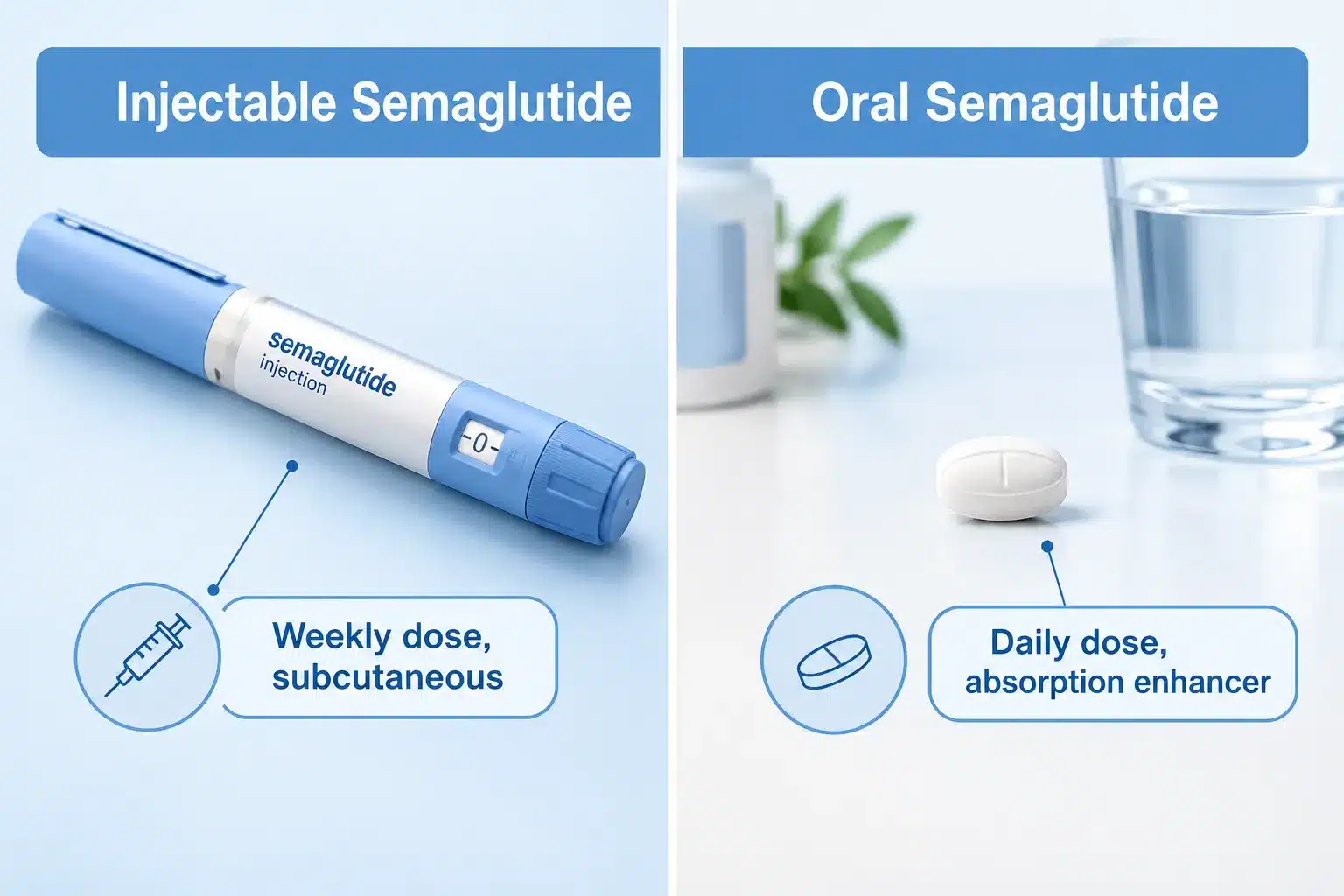
Ozempic is an injectable pen; the oral version (branded as Rybelsus or sometimes marketed as an “Ozempic pill”) uses the same semaglutide peptide but with an absorption enhancer to survive the digestive tract [8][9].
Will I regain weight after stopping semaglutide?
Many people experience appetite and weight trending back toward baseline once GLP-1 receptor activation fades, since the drug’s effects aren’t permanent [4].
Is Ozempic the same as Wegovy?
They share the same active ingredient, semaglutide, but are approved for different uses and dosed differently, Ozempic for diabetes, Wegovy for weight management [7].
7 Best GLP-1 Providers Ranked: Accreditation, Flexibility & Support Compared (2026 Update)
32,000+ Patients Can't All Be Wrong: See the Top-Rated GLP-1 Providers: Compared on accreditation, plan flexibility, and patient support — updated for 2026.
BMI MD GLP-1 Microdosing Plan
- Specialized microdosing options (sublingual drops or low-dose injections)
- Ideal for maintaining weight or tapering off higher doses safely
- Fully bundled plan with no hidden monthly platform memberships
DirectMeds Weight Loss Solutions
- Sourced from accredited, state-licensed 503A compounding pharmacies
- No-frills high-volume savings passed directly to the patient
- Includes clinical consultation and cold-chain shipping updates
MEDVi Flat-Rate Telehealth
- Flat monthly rate holds steady even at maximum maintenance doses
- No dosage upcharges or graduation fee penalties
- Offers both injectable and advanced oral thin-film delivery options
Gala GLP-1 Care Program
- All-inclusive plan with no standalone membership costs
- Continuous text-based messaging access with state-licensed clinicians
- Temperature-controlled, cold-chain medication shipping included
Measured GLP-1 Metabolic Health
- Comprehensive metabolic health screening and expert intake analysis
- Predictable long-term budgeting with stable plan pricing
- High-end responsive dashboard with integrated diagnostic support
Refills GLP-1 (TryRefills Plan)
- Flat rate holds steady as titration scales up
- Includes clinical guides for active side-effect management
- Bundles in foundational nutritional strategies alongside medication
AltRx GLP-1 Transactional Reorders
- Zero recurring auto-billing — pay entirely on a transactional basis
- Rapid text-to-order format saves time for experienced patients
- Provides both injectable forms and fast-dissolving tablet variations
Conclusion
Ozempic is, chemically speaking, a peptide drug, a manufactured analogue of the natural hormone GLP-1 that activates receptors in your pancreas, liver, stomach, and brain. That single mechanism explains why it lowers blood sugar, slows digestion, and curbs appetite all at once. Knowing this helps you understand why doctors prescribe it, why side effects cluster around digestion, and why stopping the drug tends to reverse its benefits over time.
If you’re considering semaglutide for diabetes or weight management, your next step is a conversation with a licensed provider who can review your medical history and determine if it’s appropriate for you. For a closer look at how to access treatment affordably, explore our guide on semaglutide weight loss injections.
This article is for informational purposes only and is not medical advice. Talk to a licensed healthcare provider before starting or changing any medication.
References
- Sp Cat 033. jpt.com.
- Semaglutide. pubchem.ncbi.nlm.nih.gov.
- Glp1 Function. cas.org.
- Nbk551568. ncbi.nlm.nih.gov.
- Pmc9772276. pmc.ncbi.nlm.nih.gov.
- Drg 20406730. mayoclinic.org.
- 209637s025lbl. accessdata.fda.gov.
- How Ozempic Pen Works. ozempic.com.
- How Ozempic Pill Works. ozempic.com.




