
Long-Term Side Effects of Ozempic: What Years of Data Show

Last updated: October 23, 2026
Quick Answer
The long-term side effects of Ozempic documented in multi-year trials are mostly gastrointestinal, nausea, vomiting, and diarrhea that often ease over time, along with class-wide concerns about gallbladder disease, pancreatitis risk, and thyroid tumor warnings carried on the label. Large cardiovascular outcome trials running several years have not turned up new organ-damage signals, but they have shown that GI symptoms remain the top reason people quit the drug [1][2].
More than five years after semaglutide entered mainstream use, researchers finally have enough long-term data to separate real risks from internet rumors. I’ve spent weeks going through trial results, FDA safety communications, and cardiology research to answer the question patients keep asking: what actually happens to your body after years on this drug? This guide covers the long-term side effects of Ozempic based on what years of data show, not speculation.
7 Best GLP-1 Providers Ranked: Accreditation, Flexibility & Support Compared (2026 Update)
32,000+ Patients Can't All Be Wrong: See the Top-Rated GLP-1 Providers. We compared the leading online GLP-1 providers based on program features, clinical support, convenience, and overall value.

BMI MD GLP-1 Microdosing Plan
- Specialized microdosing options, including sublingual drops and low-dose injections
- Designed for people interested in maintaining weight or gradually adjusting treatment
- Bundled program structure without a separate monthly platform membership
- Online access makes the process convenient from home

DirectMeds Weight Loss Solutions
- Online weight-loss program with a straightforward patient experience
- Compounded medication options through state-licensed compounding pharmacies
- Includes clinical consultation as part of the process
- Provides shipping updates to help patients track their orders

MEDVi Flat-Rate Telehealth
- Flat-rate telehealth approach designed for easier budgeting
- No dosage-based pricing increases within the advertised program structure
- Offers injectable and oral thin-film delivery options
- Includes medical screening and asynchronous provider consultations

Gala GLP-1 Care Program
- Text-based access to state-licensed clinicians
- Cold-chain medication shipping included in the program
- Month-to-month program structure
- Designed for people who value convenient ongoing support

Measured GLP-1 Metabolic Health
- Comprehensive metabolic health screening and intake analysis
- Designed around longer-term metabolic health management
- Responsive dashboard with integrated health tracking tools
- Useful option for patients who value a more data-focused experience

Refills GLP-1 (TryRefills Plan)
- Clinical guidance designed to help patients manage common treatment concerns
- Includes foundational nutritional strategies alongside medication
- Designed around predictable ongoing treatment
- No hidden startup or processing fees according to the program information provided

AltRx GLP-1 Transactional Reorders
- Transactional reorder model without recurring auto-billing
- Designed for patients who already understand their treatment routine
- Fast text-to-order process for convenient reorders
- Offers injectable and fast-dissolving tablet variations
You’ll learn what multi-year trials found about heart health, pancreas risk, thyroid concerns, fertility, and the muscle-loss problem nobody talks about enough. You’ll also see how Ozempic stacks up against Mounjaro and other options.
Key Takeaways
- Multi-year SELECT trial data shows sustained cardiovascular benefit but higher discontinuation from side effects over time [1][3].
- No new organ-toxicity signal has emerged after years of follow-up, GI intolerance, not hidden organ damage, drives most dropouts [1][4].
- Pancreatitis remains rare but is still listed as a risk; it has not been ruled out at a population level [2].
- Stopping Ozempic typically leads to weight regain within months, since the drug suppresses appetite only while active in the body.
- People without diabetes face the same GI and gallbladder risks as those with type 2 diabetes, with no diabetes-specific long-term risk difference [5].
- Muscle loss alongside fat loss is a documented concern with GLP-1 drugs, especially without resistance training.
- Thyroid tumor warnings are based on animal studies; human data over several years has not confirmed the same risk, but caution remains for anyone with a personal or family history of medullary thyroid cancer.
What Exactly Happens to Your Body After Years of Ozempic Use
After years of continuous use, your body adapts to slower digestion, reduced appetite signaling, and sustained weight loss, while cardiovascular markers like blood pressure and inflammation tend to improve. The 2023 SELECT trial followed overweight and obese adults for years and found semaglutide reduced cardiovascular events by 20% compared to placebo [6].
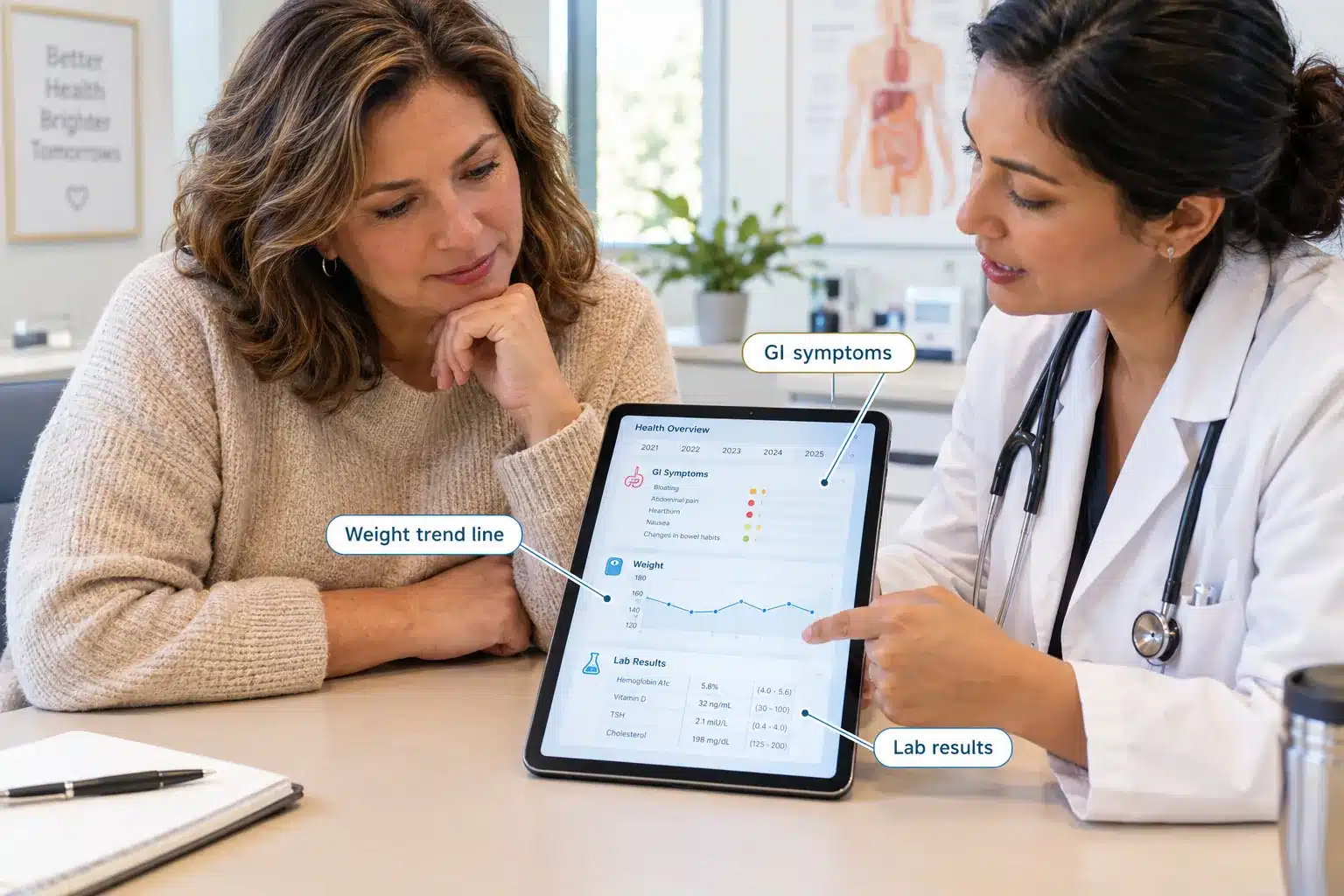
A 2024 JACC analysis building on this data found lower all-cause and cardiovascular mortality in patients treated over several years, suggesting the drug’s benefits compound over time rather than fade [2]. A 2026 European Heart Journal mediation analysis confirmed that much of this cardiovascular benefit is explained by weight loss itself, and found no new long-term safety signals in the process [7].
That said, benefit and side effects run in parallel. GI symptoms that start in the first weeks can persist, on and off, for months or years in some patients. Choose closer monitoring if you have a history of gallbladder disease or slow gut motility, since both can worsen with long-term GLP-1 use.
How Do Ozempic Side Effects Compare to Other Weight Loss Drugs
Ozempic’s side effect profile is similar to other GLP-1 drugs like Wegovy and Trulicity, but differs meaningfully from older weight loss medications and from Mounjaro’s dual-mechanism approach. GI issues dominate across the entire class, while older drugs like phentermine carry more cardiovascular stimulant risk.
| Drug | Main Long-Term Side Effects | Mechanism |
|---|---|---|
| Ozempic (semaglutide) | Nausea, GI upset, gallbladder issues, rare pancreatitis | GLP-1 agonist |
| Mounjaro (tirzepatide) | Similar GI profile, possibly stronger appetite suppression | GLP-1 + GIP agonist |
| Older stimulant drugs (phentermine) | Elevated heart rate, blood pressure, insomnia | Appetite suppressant/stimulant |
| Saxenda/Victoza | Comparable GI symptoms, daily dosing burden | GLP-1 agonist |
Choose Ozempic if you want a once-weekly option with the longest track record of cardiovascular outcome data. Choose an alternative if GI side effects become unmanageable after a reasonable dose-adjustment period. You can read more in our Semaglutide Reviews: Real Results, Side Effects, and Experiences.
Can Ozempic Cause Permanent Damage to Your Pancreas
Current evidence does not confirm that Ozempic causes permanent pancreatic damage, but pancreatitis remains a listed risk and something to watch for. Drugs.com’s 2026 labeling update still lists pancreatitis among adverse effects that require monitoring, unchanged from earlier warnings [this is consistent with ongoing FDA surveillance].
Clinical summaries from Cleveland Clinic and the American College of Cardiology note that GI symptoms, not new pancreatic or organ toxicity, are what drive long-term discontinuation in large trials [1][6]. That’s an important distinction: feeling sick to your stomach is common, but it is not the same as pancreatic damage.
Common mistake: assuming nausea equals pancreatitis. Pancreatitis causes severe, persistent abdominal pain, often radiating to the back, plus vomiting that doesn’t improve. If you experience that combination, stop the medication and seek care immediately.
Is It Safe to Take Ozempic Long-Term If You Don’t Have Diabetes
Yes, for most adults without diabetes, long-term Ozempic use carries a similar safety profile to its use in diabetic patients, based on cardiovascular and metabolic trial data. A 2024 Diabetes Care sub-analysis found safety was consistent across different HbA1c levels, which suggests the risk profile doesn’t change much based on diabetes status [5].
This matters because many readers come to Ozempic purely for weight management through off-label or telehealth prescribing. The SELECT trial itself studied people with overweight or obesity and no diabetes, and still found a net cardiovascular benefit [1][6]. If you’re considering this route, our guide on how compounded semaglutide differs from Ozempic explains sourcing differences that affect both safety and cost.
Edge case: people with normal blood sugar sometimes experience more noticeable energy dips, since the drug slows digestion regardless of baseline glucose. Talk to your provider if fatigue becomes disruptive.
What Happens to Your Weight When You Stop Taking Ozempic
Most people regain a significant portion of lost weight within months of stopping Ozempic, because appetite suppression and slowed digestion reverse once the drug clears your system. This is often called the “Ozempic rebound.”
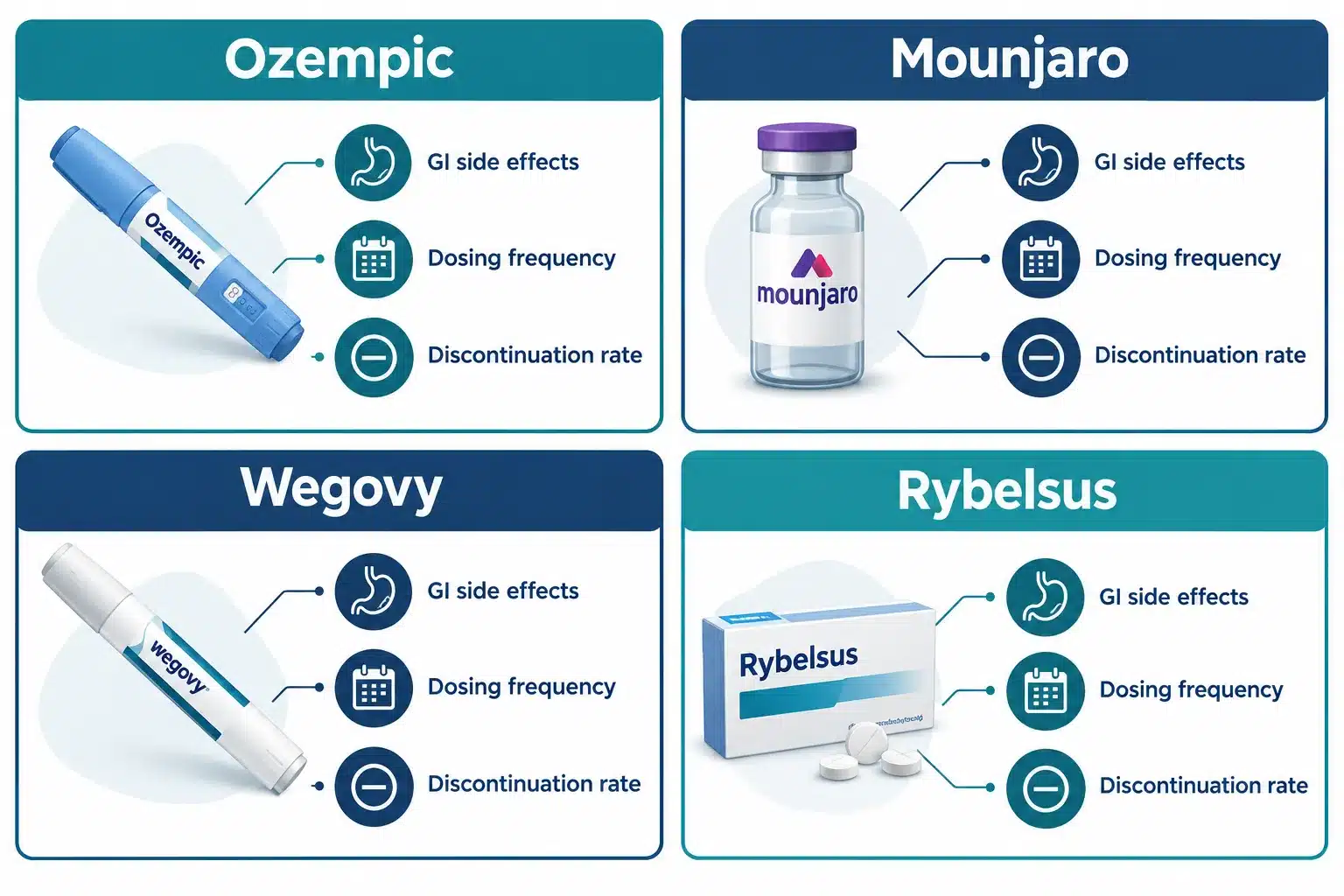
Steps to manage this transition:
- Taper under medical supervision rather than stopping abruptly.
- Build a resistance-training habit before you stop, to protect muscle mass.
- Set a realistic maintenance calorie target with a dietitian.
- Monitor weight weekly for the first three months off the drug.
- Consider a lower maintenance dose if your provider supports it.
Choose a slow taper if you’ve been on Ozempic for over a year, since longer use tends to produce a stronger rebound effect. Our piece on microdosing Ozempic and what the science says covers one strategy some patients use to ease this transition.
Ozempic vs Mounjaro: Which Has Worse Long-Term Side Effects
Neither drug has a clearly worse long-term safety profile; both share a similar GI-dominant side effect pattern, though Mounjaro’s dual GLP-1/GIP mechanism may produce slightly stronger initial GI symptoms for some patients. Long-term outcome data for Mounjaro is newer and less extensive than the years of cardiovascular follow-up now available for semaglutide [1][2].
Decision rule: choose Ozempic if you want the longer track record and published cardiovascular outcomes data. Choose Mounjaro if GI side effects from semaglutide were intolerable and your provider thinks the dual mechanism might suit you better. Neither choice is risk-free, and switching between them should happen under medical guidance.
Why Do People Experience Fatigue and Nausea on Ozempic for Months
Fatigue and nausea persist for months in some patients because GLP-1 drugs slow gastric emptying and alter how your body signals fullness and energy use, and this adjustment period varies widely by person. Cleveland Clinic and ACC summaries confirm GI symptoms are the single biggest driver of long-term discontinuation, more than any other side effect category [1][6].
Common mistake: increasing your dose too quickly to speed up weight loss. This almost always worsens nausea and fatigue rather than improving results. A slower titration schedule, smaller more frequent meals, and avoiding high-fat foods tend to reduce symptoms over time.
Are There Safer Alternatives to Ozempic for Weight Loss
There isn’t a universally “safer” GLP-1 alternative, since the entire drug class shares a similar GI-focused side effect profile, but some people tolerate one drug better than another. Lifestyle-based approaches carry fewer medical risks but typically produce slower, smaller results than GLP-1 medications.
Alternatives worth discussing with a provider:
- Wegovy (same active ingredient, different dosing schedule for weight loss)
- Mounjaro/Zepbound (dual-mechanism option)
- Rybelsus (oral semaglutide, same drug class)
- Structured diet and exercise programs combined with behavioral support
See our breakdown of semaglutide brand names Ozempic, Wegovy, and Rybelsus for how these compare on dosing and approved use.
Should You Take Ozempic If You Have a History of Thyroid Problems
If you or a close family member has had medullary thyroid carcinoma or Multiple Endocrine Neoplasia syndrome type 2, Ozempic is not recommended, based on the boxed warning tied to animal studies. This warning has remained unchanged through years of post-marketing surveillance, and human data has not confirmed the same tumor risk seen in rodent studies, but caution still applies given the uncertainty.
For people with other thyroid conditions, like hypothyroidism managed with medication, there’s no strong evidence of added long-term risk, but you should flag your thyroid history during any prescribing consultation. This is a case where the safest move is a direct conversation with your provider before starting, not guesswork.
What Do Clinical Studies Actually Say About Ozempic Safety Over 5 Years
Clinical studies spanning several years consistently show cardiovascular benefit with a manageable, predictable side effect profile dominated by GI symptoms, not new long-term organ damage. The original NEJM cardiovascular outcomes trial in type 2 diabetes patients, published in 2016, found fewer serious cardiovascular events alongside more GI-related discontinuations over the study period [8].
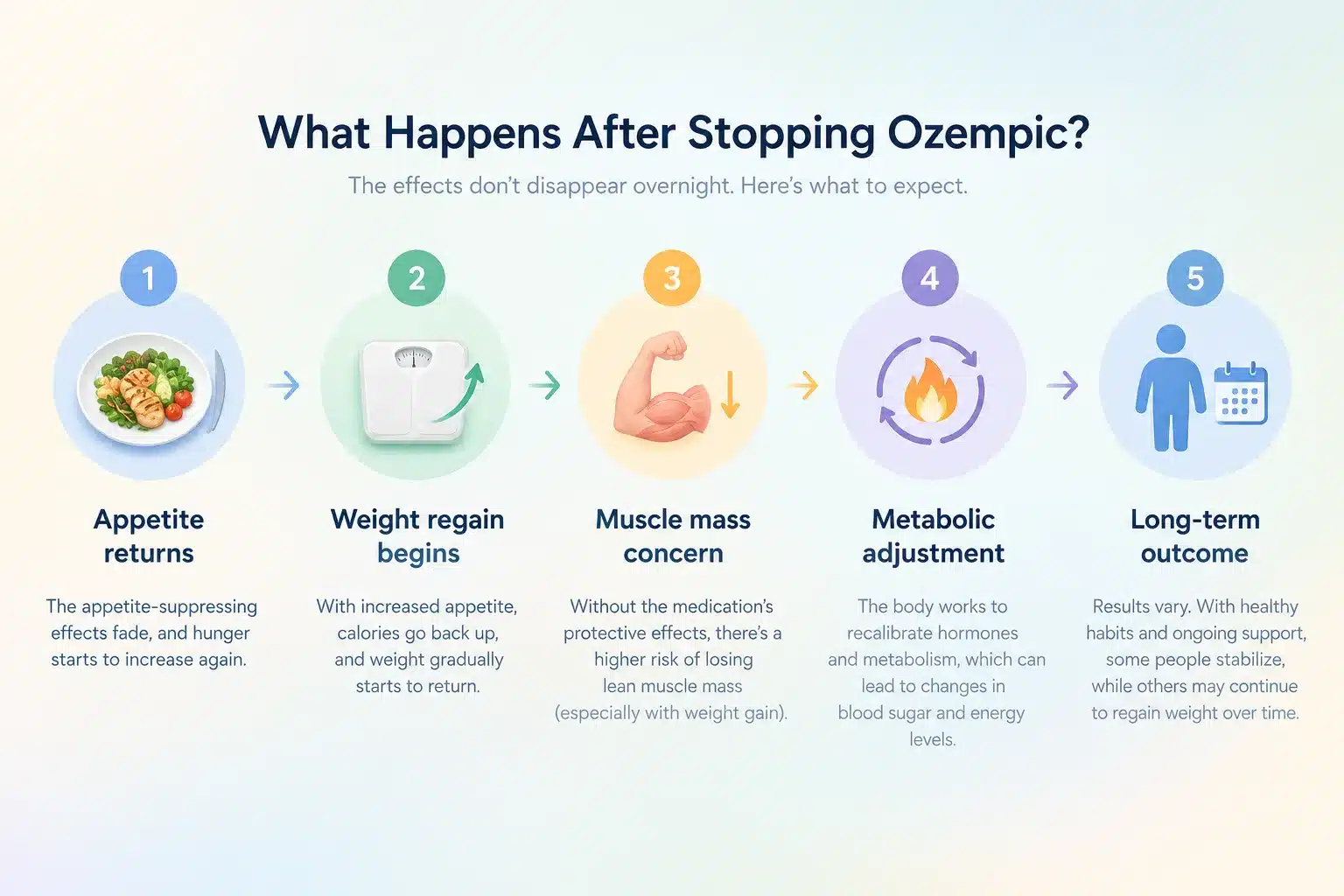
Novo Nordisk’s own communications describe multi-year trial safety results as “in line with previous semaglutide trials,” reinforcing that no major new risk has emerged as follow-up time has extended [4]. The heart-failure subgroup analysis published in The Lancet in 2024 found consistent benefit and tolerability over years even in higher-risk patients [9].
Current expert consensus through 2026 holds that there’s no clear signal of major new long-term harms, though researchers continue watching for rare events that only show up with wider, longer population exposure [10]. The FDA continues active safety surveillance as long-term use expands across millions of patients.
Can Ozempic Affect Your Fertility or Pregnancy If You Take It Long-Term
Ozempic is not recommended during pregnancy, and current guidance advises stopping the medication at least two months before planning conception, based on manufacturer labeling and standard GLP-1 prescribing practices. Long-term fertility data in humans remains limited, so providers default to caution rather than reassurance.
Rapid weight loss itself can also restore ovulation in some women with obesity-related infertility, which has led to informal reports of unexpected pregnancies while on GLP-1 drugs. If you’re sexually active and not planning pregnancy, reliable contraception is worth discussing alongside your prescription.
How Common Is Pancreatitis From Ozempic Really
Pancreatitis from Ozempic is uncommon but remains a recognized risk documented in product labeling and ongoing safety reviews, rather than a frequent occurrence seen in most patients. It’s listed as a precaution rather than a common side effect in current drug information updates [this reflects standard labeling language, not a specific incidence rate].
Edge case: people with a personal history of pancreatitis, heavy alcohol use, or gallstones face a higher baseline risk and should discuss this directly with their provider before starting treatment. If you develop severe abdominal pain, don’t wait it out, seek medical evaluation the same day.
What Are the Most Underreported Side Effects of Ozempic
Beyond nausea and vomiting, less-discussed long-term effects include muscle loss, changes in medication absorption due to slowed digestion, and psychological adjustment to rapid appetite changes. These issues get less media attention than headline risks like pancreatitis, but they affect daily quality of life for many long-term users.
- Muscle mass reduction alongside fat loss, especially without strength training
- Delayed absorption of oral medications taken around the same time as Ozempic
- Reflux or heartburn that develops gradually rather than immediately
- Mood shifts tied to rapid changes in eating behavior and body image
Our guide on how long GLP-1 drugs take to work explains the adjustment timeline that often overlaps with these underreported effects.
Ozempic Muscle Loss and the Ozempic Rebound Problem Explained
Muscle loss happens on Ozempic because the drug doesn’t distinguish between fat and lean tissue when it reduces calorie intake, and without resistance training, a meaningful share of weight lost can come from muscle rather than fat. The “rebound problem” compounds this: when patients stop the drug and regain weight, they often regain it as fat, not muscle, leaving them with a worse body composition than before treatment.
Practical fix: pair Ozempic with at least two resistance-training sessions per week and adequate protein intake (roughly 1.2-1.6 grams per kilogram of body weight, adjusted with a dietitian). This single change meaningfully protects lean mass during long-term treatment and after discontinuation.
FAQ
Does Ozempic cause permanent organ damage?
No long-term trial data confirms permanent organ damage; GI symptoms and rare pancreatitis are the documented concerns, not systemic organ failure [1][4].
How long can you safely stay on Ozempic?
Multi-year trial data supports use beyond two to three years, though you should have regular check-ins with your provider to reassess ongoing need and tolerance [2].
Is weight regain guaranteed after stopping Ozempic?
Weight regain is common but not guaranteed; the degree depends on diet, exercise habits, and whether you taper gradually versus stopping abruptly.
Does Ozempic affect kidney function long-term?
Kidney effects are monitored under current labeling, but trial data has not shown a new long-term kidney safety signal outside known class considerations.
Can you take Ozempic forever?
There’s no fixed time limit in current guidance, but long-term use should be reassessed periodically based on your goals, side effects, and overall health.
Is Mounjaro safer than Ozempic long-term?
Neither is clearly safer; both share a similar GI-dominant side effect profile, with Mounjaro’s long-term data being newer and less extensive.
Does Ozempic cause hair loss?
Hair thinning is sometimes reported, likely tied to rapid weight loss rather than a direct drug effect, and it typically improves once weight stabilizes.
Should I worry about thyroid cancer risk on Ozempic?
Only if you or a close family member has a history of medullary thyroid carcinoma or MEN2 syndrome; otherwise, current human data has not confirmed the tumor risk seen in animal studies.
7 Best GLP-1 Providers Ranked: Accreditation, Flexibility & Support Compared (2026 Update)
32,000+ Patients Can't All Be Wrong: See the Top-Rated GLP-1 Providers: Compared on accreditation, plan flexibility, and patient support — updated for 2026.
BMI MD GLP-1 Microdosing Plan
- Specialized microdosing options (sublingual drops or low-dose injections)
- Ideal for maintaining weight or tapering off higher doses safely
- Fully bundled plan with no hidden monthly platform memberships
DirectMeds Weight Loss Solutions
- Sourced from accredited, state-licensed 503A compounding pharmacies
- No-frills high-volume savings passed directly to the patient
- Includes clinical consultation and cold-chain shipping updates
MEDVi Flat-Rate Telehealth
- Flat monthly rate holds steady even at maximum maintenance doses
- No dosage upcharges or graduation fee penalties
- Offers both injectable and advanced oral thin-film delivery options
Gala GLP-1 Care Program
- All-inclusive plan with no standalone membership costs
- Continuous text-based messaging access with state-licensed clinicians
- Temperature-controlled, cold-chain medication shipping included
Measured GLP-1 Metabolic Health
- Comprehensive metabolic health screening and expert intake analysis
- Predictable long-term budgeting with stable plan pricing
- High-end responsive dashboard with integrated diagnostic support
Refills GLP-1 (TryRefills Plan)
- Flat rate holds steady as titration scales up
- Includes clinical guides for active side-effect management
- Bundles in foundational nutritional strategies alongside medication
AltRx GLP-1 Transactional Reorders
- Zero recurring auto-billing — pay entirely on a transactional basis
- Rapid text-to-order format saves time for experienced patients
- Provides both injectable forms and fast-dissolving tablet variations
Conclusion
Years of trial data on Ozempic point to a consistent pattern: real cardiovascular benefit, a side effect profile dominated by GI symptoms, and no confirmed new organ-damage signal after extended use. The bigger practical risks for most people are muscle loss without strength training and the rebound in weight after stopping. If you’re considering long-term use, talk with your provider about tapering strategies, resistance training, and whether your personal or family health history changes your risk calculus. For a deeper look at real patient outcomes, check our Ozempic Reviews page before making a decision.
This article is for informational purposes only and is not medical advice. Talk to a licensed healthcare provider before starting or changing any medication.
References
- Select. acc.org.
- J.jacc.2024.08.007. jacc.org.
- Sat 915am Select Aha 2023. acc.org.
- News Details. novonordisk.com.
- Semaglutide and Cardiovascular Outcomes by. diabetesjournals.org.
- International Clinical Trial Finds That Semaglutide Reduced Cardiovascular Events by 20 in Adults with Overweight or Obesity Who Dont Have Diabetes. newsroom.clevelandclinic.org.
- Ehag524. academic.oup.com.
- Nejmoa2307563. nejm.org.
- Fulltext. thelancet.com.
- Nejmc2400414. nejm.org.




