mounjaro long-term side effects
Last updated: October 21, 2026
More than three years of clinical trial follow-up now exist for tirzepatide, the active ingredient in Mounjaro, and the data tells a more nuanced story than either the hype or the fear-mongering suggests [1]. Mounjaro long-term side effects range from mild digestive discomfort that fades within months to rare but serious risks like pancreatitis, gallbladder disease, and a boxed warning about thyroid tumors seen in animal studies. This guide walks through what happens to your body over months and years on this medication, what doctors watch for, and how it compares to alternatives.
Quick Answer
Mounjaro’s long-term side effects are mostly gastrointestinal (nausea, diarrhea, constipation) and tend to ease after the first few months. Serious but less common risks include pancreatitis, gallbladder problems, kidney injury from dehydration, and a boxed warning for thyroid C-cell tumors based on rodent studies [2][3]. Multi-year trial data through roughly 3 to 3.7 years shows a generally favorable safety profile, though researchers still don’t have decades of data to rule out rare long-term events [1].
7 Best GLP-1 Providers Ranked: Accreditation, Flexibility & Support Compared (2026 Update)
32,000+ Patients Can't All Be Wrong: See the Top-Rated GLP-1 Providers. We compared the leading online GLP-1 providers based on program features, clinical support, convenience, and overall value.

BMI MD GLP-1 Microdosing Plan
- Specialized microdosing options, including sublingual drops and low-dose injections
- Designed for people interested in maintaining weight or gradually adjusting treatment
- Bundled program structure without a separate monthly platform membership
- Online access makes the process convenient from home

DirectMeds Weight Loss Solutions
- Online weight-loss program with a straightforward patient experience
- Compounded medication options through state-licensed compounding pharmacies
- Includes clinical consultation as part of the process
- Provides shipping updates to help patients track their orders

MEDVi Flat-Rate Telehealth
- Flat-rate telehealth approach designed for easier budgeting
- No dosage-based pricing increases within the advertised program structure
- Offers injectable and oral thin-film delivery options
- Includes medical screening and asynchronous provider consultations

Gala GLP-1 Care Program
- Text-based access to state-licensed clinicians
- Cold-chain medication shipping included in the program
- Month-to-month program structure
- Designed for people who value convenient ongoing support

Measured GLP-1 Metabolic Health
- Comprehensive metabolic health screening and intake analysis
- Designed around longer-term metabolic health management
- Responsive dashboard with integrated health tracking tools
- Useful option for patients who value a more data-focused experience

Refills GLP-1 (TryRefills Plan)
- Clinical guidance designed to help patients manage common treatment concerns
- Includes foundational nutritional strategies alongside medication
- Designed around predictable ongoing treatment
- No hidden startup or processing fees according to the program information provided

AltRx GLP-1 Transactional Reorders
- Transactional reorder model without recurring auto-billing
- Designed for patients who already understand their treatment routine
- Fast text-to-order process for convenient reorders
- Offers injectable and fast-dissolving tablet variations
Key Takeaways
- Gastrointestinal side effects are the most common long-term complaint, but they typically improve after dose stabilization.
- Mounjaro carries a boxed warning about thyroid tumors found in rodent studies; people with a personal or family history of medullary thyroid cancer or MEN 2 syndrome should not take it [2][3].
- Pancreatitis and gallbladder disease are recognized serious risks that require medical monitoring over time.
- Stopping Mounjaro usually leads to appetite return and weight regain within months unless lifestyle changes are maintained.
- Long-term trial data covers about 3 to 3.7 years; truly decades-long safety data does not yet exist [1].
- Compounded tirzepatide products carry separate, often unverified, safety risks compared to FDA-approved Mounjaro.
- Costs for long-term treatment can be a major barrier, making coupons and insurance navigation important parts of the decision.
What are the long-term side effects of Mounjaro
The most common long-term side effects are gastrointestinal: nausea, vomiting, diarrhea, constipation, and reduced appetite. These usually peak during dose increases and settle down over weeks to months [4].
Beyond digestion, long-term users and prescribing information point to several other categories of concern:
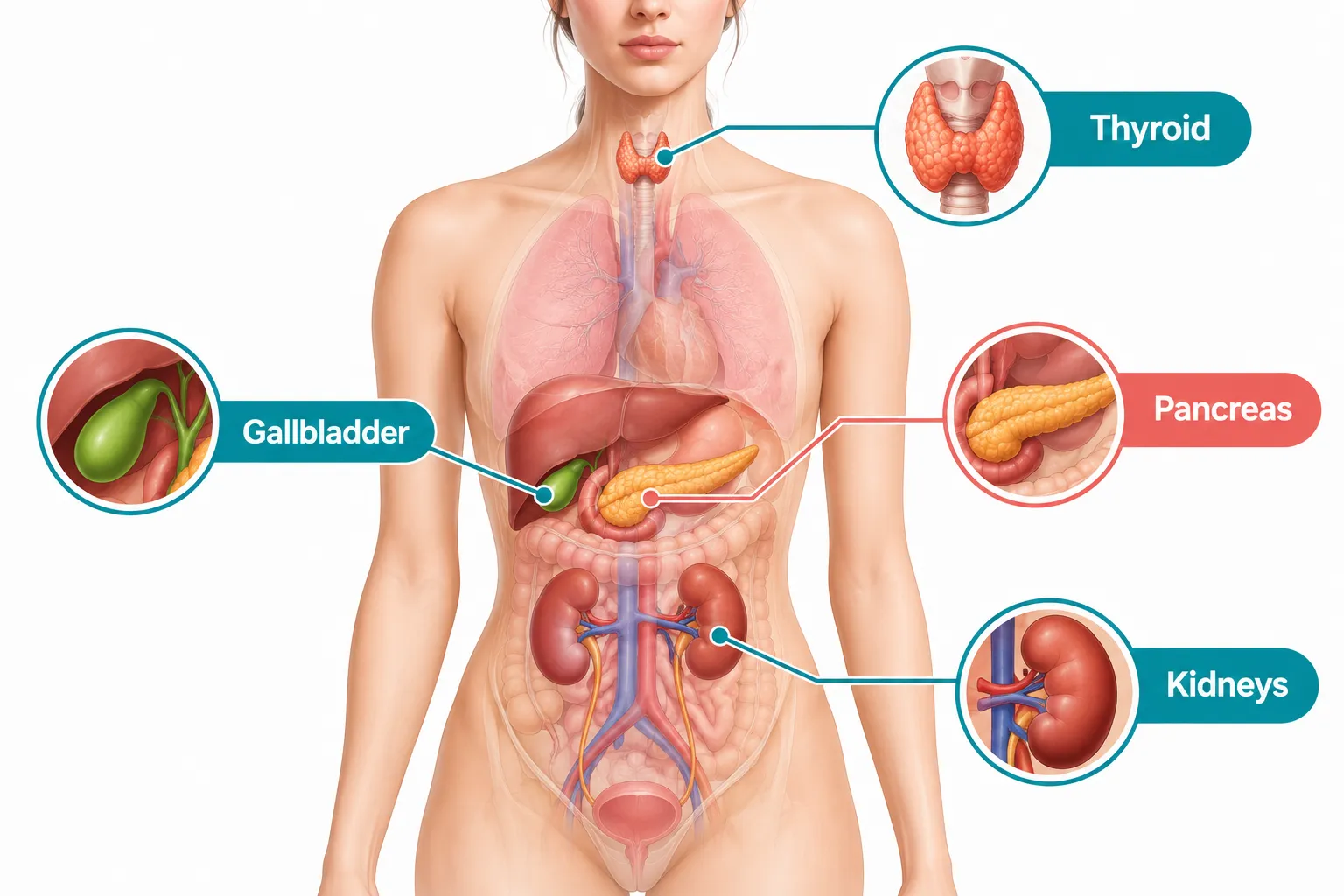
- Gallbladder disease, including gallstones, which can develop as the body loses weight quickly [2]
- Pancreatitis, a painful and potentially serious inflammation of the pancreas [5]
- Kidney injury, often linked to dehydration from persistent vomiting or diarrhea [6]
- Hypoglycemia, especially in people with type 2 diabetes who combine Mounjaro with insulin or sulfonylureas [3]
- Injection site reactions, which are usually mild and local
- Hair thinning, reported anecdotally and often tied to rapid weight loss rather than the drug itself
A common mistake is assuming all side effects are temporary. Most GI symptoms fade, but gallbladder and pancreas risks can appear at any point during treatment, not just early on.
Is Mounjaro safe to use long-term
Based on current data, Mounjaro appears reasonably safe for long-term use in appropriate patients, but “reasonably safe” comes with real caveats. Clinical trials following patients for roughly 3 to 3.7 years found generally favorable safety outcomes, yet researchers caution that rare events and truly long-horizon risks (beyond 5 years) remain less understood [1].
Choose Mounjaro for long-term use if:
- You don’t have a personal or family history of medullary thyroid cancer or MEN 2 syndrome
- You can tolerate GI side effects during dose titration
- You have regular access to a prescribing doctor for monitoring
- You don’t have a history of pancreatitis or severe gallbladder disease
Avoid or discuss carefully with your doctor if you have a history of these conditions, are pregnant, or are planning anesthesia-related procedures soon, since GLP-1/GIP drugs can slow stomach emptying and raise aspiration risk during sedation [3].
Does Mounjaro cause permanent damage to your body
There is no confirmed evidence that Mounjaro causes irreversible organ damage in humans when used as prescribed and monitored. The boxed warning about thyroid C-cell tumors comes from rodent studies; it has not been confirmed in human trials, but it remains a serious enough signal that the FDA requires the warning on the label [2][3].
Where permanent effects are a legitimate concern:
- Muscle loss: rapid, significant weight loss can include lean muscle mass, not just fat, which is why strength training and adequate protein intake matter during treatment
- Severe pancreatitis episodes: in rare cases, these can cause lasting pancreatic damage
- Kidney injury from severe dehydration: usually reversible if caught early, but repeated episodes raise risk
Edge case: someone who develops severe, persistent vomiting without adjusting their dose or hydration habits is at higher risk of kidney injury that could become harder to reverse. This is why regular check-ins with a prescriber matter more than people expect.
What happens when you stop taking Mounjaro
Appetite typically returns within weeks of stopping, and many people regain a meaningful portion of lost weight within 6 to 12 months without continued lifestyle support. This happens because tirzepatide works by mimicking GIP and GLP-1 hormones that suppress appetite and slow digestion; once the drug clears your system, those effects fade [1].
What to expect after stopping:
- Weeks 1-4: Appetite gradually increases as drug levels drop
- Months 2-6: Hunger cues often return to pre-treatment levels
- Months 6-12: Weight regain is common without continued diet and exercise habits
Decision rule: if you’re planning to stop Mounjaro, build a maintenance plan (protein-focused diet, resistance training, regular movement) before you taper off, not after.
How does Mounjaro compare to Ozempic for side effects
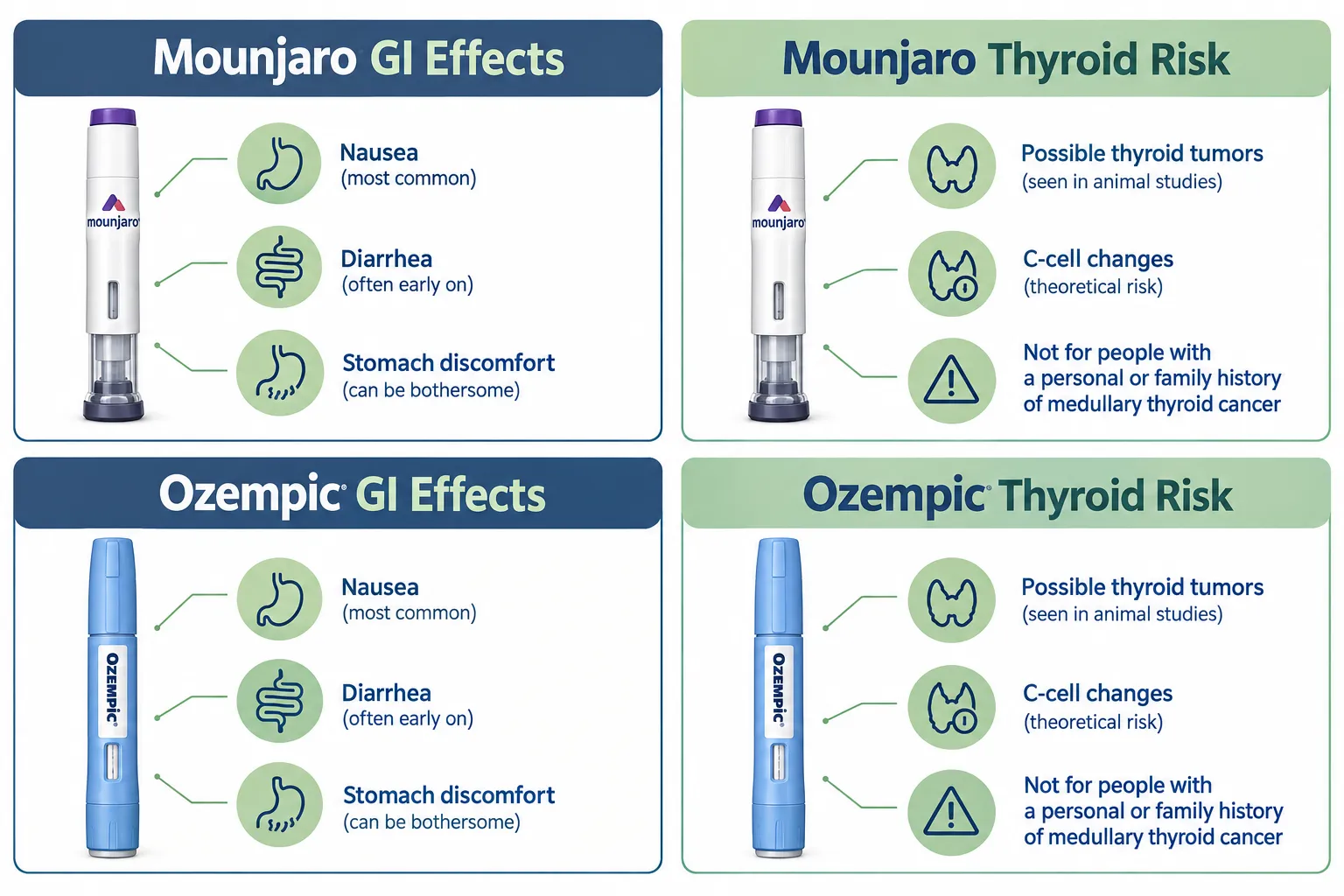
Mounjaro and Ozempic share overlapping gastrointestinal side effects, but Mounjaro’s dual GIP/GLP-1 mechanism may produce a slightly different tolerability profile for some patients. Both carry similar boxed warnings about thyroid tumors based on animal data [3].
| Factor | Mounjaro (tirzepatide) | Ozempic (semaglutide) |
|---|---|---|
| Mechanism | Dual GIP/GLP-1 agonist | GLP-1 agonist only |
| Common GI effects | Nausea, diarrhea, constipation | Nausea, diarrhea, constipation |
| Thyroid tumor warning | Yes [3] | Yes |
| Weight loss results | Generally higher in trials [1] | Strong, slightly lower on average |
| Gallbladder risk | Present | Present |
If you’ve struggled with nausea on Ozempic, Mounjaro isn’t guaranteed to be gentler. Some patients tolerate one better than the other, and switching should always happen under medical supervision. For a deeper look at how semaglutide performs in real-world use, see this breakdown of semaglutide reviews and real patient experiences.
Can Mounjaro cause kidney or thyroid problems
Mounjaro can contribute to kidney injury primarily through dehydration caused by severe vomiting or diarrhea, and it carries a boxed warning for thyroid C-cell tumors based on rodent studies, not confirmed human cases [3][6]. These are two separate risk categories that require different kinds of monitoring.
- Kidney concerns: Stay hydrated, especially during dose increases. Report persistent vomiting or diarrhea to your doctor promptly.
- Thyroid concerns: People with a personal or family history of medullary thyroid cancer or MEN 2 syndrome should not take Mounjaro. Report any neck lump, hoarseness, or difficulty swallowing to your doctor right away.
Common mistake: assuming thyroid risk only matters for people with existing thyroid disease. The warning is specifically about a rare tumor type, not general thyroid dysfunction like hypothyroidism.
Why does Mounjaro cause nausea and how long does it last
Nausea happens because Mounjaro slows stomach emptying and affects appetite-regulating hormones in the brain, which can make normal amounts of food feel like too much, too fast [4]. For most people, nausea is worst during the first few weeks of a new dose and improves within 4 to 8 weeks.
Tips that help:
- Eat smaller, more frequent meals instead of large ones
- Avoid greasy or very rich foods during dose increases
- Stay upright for 30 minutes after eating
- Talk to your doctor about slowing your dose titration schedule if nausea is severe
Quick example: a patient moving from 2.5 mg to 5 mg often feels the strongest nausea in week one or two after the increase, then adjusts by week four.
What are alternatives to Mounjaro with fewer side effects
No GLP-1 or GIP medication is free of gastrointestinal side effects, but some people tolerate certain drugs better than others based on individual response. Options to discuss with a doctor include semaglutide (Ozempic, Wegovy), liraglutide (Saxenda, Victoza), and extended-release exenatide (Bydureon).
- Semaglutide: Similar GI profile, often dosed weekly, well-studied over several years
- Liraglutide: Daily injection, sometimes gentler onset but requires more frequent dosing
- Bydureon: Older GLP-1 option with a different side effect pattern worth reviewing in this Bydureon reviews guide covering uses and side effects
If cost is a barrier to staying on brand-name Mounjaro long-term, it’s worth comparing Mounjaro savings card options for uninsured patients before switching medications entirely.
Who shouldn’t take Mounjaro long-term
Mounjaro is not appropriate for long-term use in people with a personal or family history of medullary thyroid cancer, MEN 2 syndrome, known hypersensitivity to tirzepatide, or a history of severe pancreatitis [2][3]. Pregnant or breastfeeding individuals should also avoid it.
Additional caution is warranted for people with:
- A history of diabetic retinopathy, since rapid blood sugar improvement can temporarily worsen eye complications
- Severe gastrointestinal disease, including gastroparesis
- Upcoming surgery requiring anesthesia, due to aspiration risk from delayed stomach emptying [3]
Edge case: someone with well-controlled type 2 diabetes and diabetic retinopathy should have an eye exam before starting and periodically during long-term treatment, since worsening retinopathy has been observed in some GLP-1 trials.
Does Mounjaro cause pancreatitis or gallbladder issues
Yes, pancreatitis and gallbladder disease, including gallstones, are recognized serious risks associated with Mounjaro and remain under close regulatory scrutiny [2][5]. These risks don’t appear in most users, but they are serious enough that sudden, severe abdominal pain should never be ignored.
Warning signs to report immediately:
- Severe, persistent abdominal pain that may radiate to the back
- Pain accompanied by nausea and vomiting that doesn’t match typical GI side effects
- Yellowing of the skin or eyes (a sign of gallbladder blockage)
Rapid weight loss itself raises gallstone risk independent of the medication, which is one reason gradual, supervised weight loss is safer than extreme calorie restriction while on Mounjaro.
How much does Mounjaro cost for long-term treatment
Mounjaro’s list price without insurance runs into the hundreds of dollars per month, making long-term treatment a significant financial commitment for many patients [VERIFY: current pricing and savings card terms, as these change frequently]. Insurance coverage varies widely depending on whether the prescription is for type 2 diabetes versus weight management.
Cost factors to consider:
- Manufacturer savings cards can reduce out-of-pocket costs for eligible insured patients
- Uninsured patients often pay full list price unless they qualify for patient assistance programs
- Compounded tirzepatide is sometimes marketed as a cheaper alternative, but it carries separate safety concerns since it isn’t FDA-approved in the same way [7][8][9]
Decision rule: before committing to long-term Mounjaro use, calculate your realistic monthly cost including insurance changes, since many plans adjust GLP-1 coverage annually.
Can you stay on Mounjaro forever
Some patients do stay on Mounjaro indefinitely under medical supervision, particularly those using it for type 2 diabetes management, while others cycle on and off based on cost, side effects, or personal goals. There’s currently no fixed “maximum duration” in the prescribing information, but long-term use should always involve periodic check-ins with your doctor [3].
Things to reassess every 6 to 12 months:
- Whether side effects have changed or worsened
- Kidney and thyroid function based on your doctor’s recommendations
- Whether the cost and benefit still make sense for your goals
- Blood sugar control if you have diabetes
What do doctors say about Mounjaro’s long-term safety
Most physicians describe Mounjaro’s long-term safety profile as favorable based on available trial data, while emphasizing that true long-term data (10+ years) doesn’t exist yet. Regulatory bodies and researchers generally agree the benefits outweigh risks for appropriately selected patients, but they stress ongoing monitoring [1][10].
What this means practically:
- Doctors tend to support long-term use for patients who tolerate the drug well and have no contraindications
- Many recommend periodic labs to monitor kidney function and blood sugar
- Cardiovascular outcome data is still being studied, with some research suggesting metabolic benefits beyond weight loss [10]
Does Mounjaro cause hair loss or other delayed side effects
Hair thinning is a reported but not officially listed side effect, and it’s more commonly linked to rapid weight loss itself rather than a direct drug effect. Significant, fast weight loss can push hair follicles into a resting phase (telogen effluvium), which often resolves within 6 to 12 months once weight stabilizes.
Other delayed effects worth watching for:
- Changes in body composition, including muscle loss alongside fat loss, which is why resistance training and protein intake matter during extended treatment
- Mood or psychiatric changes, an emerging area of caution being studied for suicidal ideation signals across GLP-1 drugs
- Hypersensitivity reactions, including rare cases of anaphylaxis or angioedema, which can occur at any point during treatment, not just at the start
If you’re exploring how quickly any GLP-1 medication produces noticeable changes, this guide on how long it takes for GLP-1 medications to work breaks down realistic timelines.

FAQ
Does Mounjaro cause cancer long-term?
Mounjaro carries a boxed warning about thyroid C-cell tumors based on rodent studies, but this has not been confirmed in human long-term data. People with a family history of medullary thyroid cancer should avoid the drug entirely [3].
How long do Mounjaro side effects last?
Most gastrointestinal side effects improve within 4 to 8 weeks of starting or increasing a dose. Serious risks like pancreatitis or gallbladder disease can occur at any point during treatment, not just early on.
Is it safe to take Mounjaro for 5 years or more?
Current trial data covers roughly 3 to 3.7 years, so true 5-plus-year safety data is still limited. Doctors generally consider it reasonably safe for appropriate patients but recommend ongoing monitoring [1].
Can Mounjaro damage your liver?
There’s no strong evidence that Mounjaro causes direct liver damage in typical use, though anyone with existing liver conditions should discuss this with their doctor before starting.
What’s the most serious long-term risk of Mounjaro?
The thyroid tumor boxed warning and the risk of pancreatitis are considered the most serious long-term concerns, even though both remain relatively rare in human patients [2][3].
Does stopping Mounjaro cause withdrawal symptoms?
There’s no classic withdrawal syndrome, but appetite typically returns within weeks, and many people experience some weight regain without continued lifestyle changes.
Is compounded tirzepatide as safe as Mounjaro long-term?
No. Compounded tirzepatide isn’t FDA-approved in the same way as Mounjaro and has raised separate safety concerns, including manufacturing quality issues flagged in FDA warning letters [7][8][9].
Can Mounjaro affect fertility or pregnancy long-term?
Mounjaro isn’t recommended during pregnancy, and there isn’t enough long-term human data on fertility effects. Anyone planning pregnancy should discuss stopping the medication with their doctor well in advance.
7 Best GLP-1 Providers Ranked: Accreditation, Flexibility & Support Compared (2026 Update)
32,000+ Patients Can't All Be Wrong: See the Top-Rated GLP-1 Providers: Compared on accreditation, plan flexibility, and patient support — updated for 2026.
BMI MD GLP-1 Microdosing Plan
- Specialized microdosing options (sublingual drops or low-dose injections)
- Ideal for maintaining weight or tapering off higher doses safely
- Fully bundled plan with no hidden monthly platform memberships
DirectMeds Weight Loss Solutions
- Sourced from accredited, state-licensed 503A compounding pharmacies
- No-frills high-volume savings passed directly to the patient
- Includes clinical consultation and cold-chain shipping updates
MEDVi Flat-Rate Telehealth
- Flat monthly rate holds steady even at maximum maintenance doses
- No dosage upcharges or graduation fee penalties
- Offers both injectable and advanced oral thin-film delivery options
Gala GLP-1 Care Program
- All-inclusive plan with no standalone membership costs
- Continuous text-based messaging access with state-licensed clinicians
- Temperature-controlled, cold-chain medication shipping included
Measured GLP-1 Metabolic Health
- Comprehensive metabolic health screening and expert intake analysis
- Predictable long-term budgeting with stable plan pricing
- High-end responsive dashboard with integrated diagnostic support
Refills GLP-1 (TryRefills Plan)
- Flat rate holds steady as titration scales up
- Includes clinical guides for active side-effect management
- Bundles in foundational nutritional strategies alongside medication
AltRx GLP-1 Transactional Reorders
- Zero recurring auto-billing — pay entirely on a transactional basis
- Rapid text-to-order format saves time for experienced patients
- Provides both injectable forms and fast-dissolving tablet variations
Conclusion
Mounjaro’s long-term side effects are mostly manageable gastrointestinal symptoms, but the serious risks, thyroid tumors, pancreatitis, and gallbladder disease, deserve real respect and regular medical monitoring. The honest answer is that multi-year data looks reassuring so far, but nobody has decades of evidence yet, so ongoing check-ins with your doctor matter more than a one-time decision to start. If you’re weighing Mounjaro against other options, start by reading real patient experiences in this Mounjaro reviews roundup and bring your specific health history to a licensed provider before making a decision.
This article is for informational purposes only and is not medical advice. Talk to a licensed healthcare provider before starting or changing any medication.
References
- Lillys Mounjaro Tirzepatide Gipglp 1 Dual Agonist Demonstrated. investor.lilly.com.
- 215866s031lbl. accessdata.fda.gov.
- 215866s039lbl. accessdata.fda.gov.
- Tirzepatide Side Effects. drugs.com.
- 217806s031lbl. accessdata.fda.gov.
- 217806orig1s020lbl. accessdata.fda.gov.
- Eli Lilly and Company 716485 09092025. fda.gov.
- Eli Lilly and Company 716475 09092025. fda.gov.
- Eli Lilly and Company 716462 09092025. fda.gov.
- Article. academic.oup.com.