
Native Path Liver Clogging Foods Review: What You Need to Know

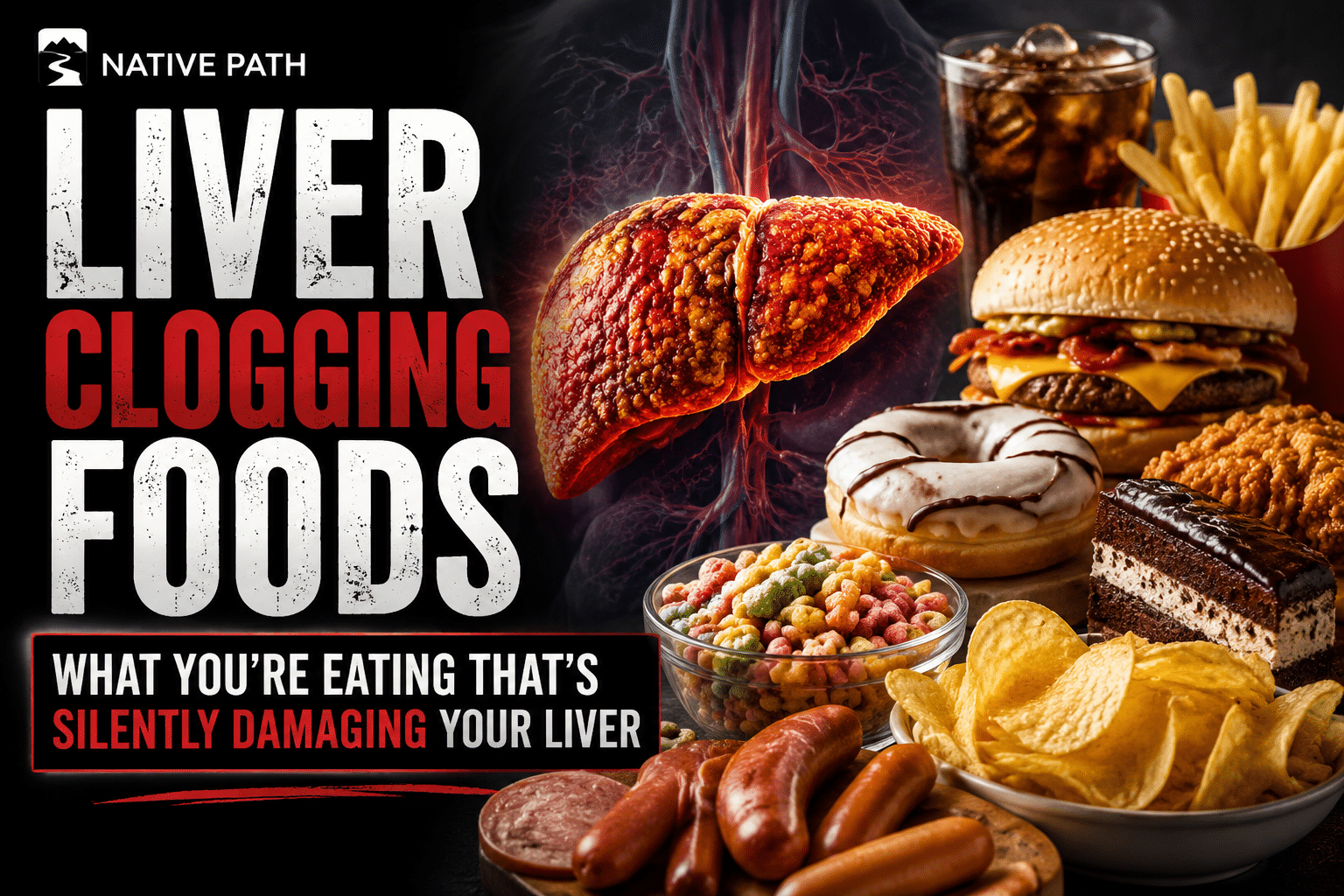
Quick Answer: Native Path liver clogging foods are specific dietary items — including high-fructose corn syrup, refined seed oils, alcohol, processed grains, and certain oxalate-rich foods — that overwhelm the liver’s detoxification capacity, leading to fat accumulation, inflammation, and sluggish metabolic function. Removing or reducing these foods is one of the most direct ways to support liver health and reverse early-stage fatty liver.
Key Takeaways
- The liver performs over 500 functions, and what you eat directly determines how well it can do its job [7]
- High-fructose corn syrup and sugary drinks trigger rapid fat production (lipogenesis) in the liver, faster than almost any other food [1]
- Refined seed oils, processed grains, and alcohol are among the most common Native Path liver clogging foods identified in current dietary research
- Oxalate-rich foods like spinach, almonds, and chocolate can contribute to liver congestion in sensitive individuals [3]
- Signs that your liver is under stress include chronic fatigue, skin breakouts, bloating, and persistent brain fog [1]
- Intermittent fasting supports liver autophagy — the process of clearing damaged cells — and can help reverse early fatty liver deposits [1]
- Proper hydration with trace minerals like magnesium and potassium supports the metabolic enzyme activity the liver depends on [1]
- Popular “liver flush” protocols using olive oil and lemon juice lack scientific backing; the liver detoxifies itself when given the right dietary environment [4]
- Glutathione, the body’s master antioxidant, is critical for liver detox — and nutrients like NAC and Alpha-Lipoic Acid help maintain it [2]
- Swapping liver-clogging foods for antioxidant-rich vegetables, berries, and whole foods produces measurable improvements in liver function [5][6]

What Are Native Path Liver Clogging Foods and Why Do They Matter?
Native Path liver clogging foods are dietary items that place excessive burden on the liver’s filtration and detoxification systems, causing fat to accumulate and metabolic processes to slow down. The liver is not a passive organ — it processes every molecule that enters your bloodstream, including nutrients, toxins, medications, and alcohol [7]. When it’s overwhelmed by the wrong foods, the downstream effects touch nearly every system in your body.
The liver performs over 500 distinct functions, from metabolizing fats and filtering blood to producing bile and regulating blood sugar [7]. That’s a significant workload. When you consistently eat foods that stress this organ, you don’t just risk liver disease — you risk fatigue, hormonal imbalance, poor digestion, and cognitive decline.
Why this matters in 2026: Non-alcoholic fatty liver disease (NAFLD) has become one of the most common chronic conditions in Western countries, and diet is the primary driver. Understanding which specific foods clog the liver gives you direct, actionable control over your risk.
The Top Native Path Liver Clogging Foods to Eliminate First
The most damaging liver clogging foods share a common trait: they either flood the liver with substances it cannot process quickly, or they deplete the antioxidants the liver needs to function.
1. High-Fructose Corn Syrup and Sugary Drinks
Sodas and high-sugar fruit juices cause immediate spikes in hepatic fat production (lipogenesis) [1]. Unlike glucose, fructose is metabolized almost exclusively in the liver, and when it arrives in large quantities, the liver converts the excess directly into fat. This is the fastest dietary route to fatty liver.
2. Refined Seed Oils
Vegetable oils like soybean, canola, and corn oil are high in omega-6 fatty acids. When consumed in excess, they promote systemic inflammation that directly impairs liver cell function. These oils are found in nearly every processed and packaged food.
3. Alcohol
Even moderate alcohol consumption forces the liver to prioritize ethanol metabolism over everything else, stalling fat oxidation and nutrient processing. Chronic intake leads to alcoholic fatty liver, hepatitis, and eventually fibrosis.
4. Refined and Processed Grains
White bread, pasta, crackers, and breakfast cereals spike blood sugar rapidly. The liver converts excess glucose into triglycerides, which accumulate as liver fat over time.
5. Processed Meats and Deli Foods
High in sodium, nitrates, and saturated fats, processed meats add a chemical burden the liver must filter while simultaneously contributing to fat accumulation.
6. Oxalate-Rich Foods (in sensitive individuals)
Foods high in oxalates — including spinach, almonds, and chocolate — can contribute to liver congestion and may lead to kidney stones and joint pain in people with compromised detox pathways [3]. This doesn’t mean eliminating them for everyone, but it’s worth noting for those with existing liver stress.
7. Excessive Dietary Fat (without balance)
Excessive fat intake, particularly from fried foods, can overwhelm a sluggish liver, causing bloating, fatigue, and skin issues [3]. The liver produces bile to break down fats — when it’s already congested, high fat meals compound the problem.
How Do You Know If These Foods Are Affecting Your Liver?
The liver rarely sends obvious distress signals until damage is advanced. That said, several early warning signs suggest the liver is struggling under the load of liver clogging foods [1].
Common signs of liver overload:
- Persistent fatigue that doesn’t resolve with sleep
- Skin problems including acne, eczema, or dull complexion
- Bloating or digestive discomfort after fatty meals
- Brain fog or difficulty concentrating
- Unexplained weight gain, especially around the midsection
- Sensitivity to strong smells or chemical odors
“The liver is one of the few organs that can regenerate — but only if you stop feeding it the foods that caused the damage in the first place.”
If you recognize three or more of these symptoms, your diet is worth examining closely. A blood panel checking ALT, AST, and GGT liver enzymes can give you a clearer picture. For more on what happens when liver damage progresses, see this guide on whether liver fibrosis can be reversed.

What Foods Actually Support Liver Detoxification?
Replacing Native Path liver clogging foods with liver-supportive alternatives is not complicated, but it does require intention. The liver responds well to antioxidant-rich, whole foods that reduce inflammation and supply the cofactors needed for detoxification [5][6].
Best foods for liver health:
| Food | Key Benefit |
|---|---|
| Dark leafy greens | Chlorophyll binds toxins; supports bile production |
| Beets | Betalains reduce oxidative stress in liver cells |
| Garlic and onions | Sulfur compounds activate liver detox enzymes |
| Berries | Antioxidants reduce hepatic inflammation |
| Avocado | Healthy fats support glutathione production |
| Artichokes | Cynarin stimulates bile flow |
| Apples | Pectin binds toxins in the gut before they reach the liver |
Glutathione — often called the “master antioxidant” — is the liver’s primary detox molecule [2]. Nutrients that support glutathione production include N-Acetyl Cysteine (NAC) and Alpha-Lipoic Acid. These are available through diet and supplementation.
For those exploring supplementation alongside dietary changes, a review of the best liver aid supplements to support liver function can help you evaluate evidence-based options.
Does Intermittent Fasting Help Clear Liver Clogging Foods?
Yes. Intermittent fasting gives the liver a recovery window that it rarely gets with standard three-meal-plus-snack eating patterns. During fasting periods, the liver shifts from energy storage mode to fat-burning mode and activates autophagy — the cellular cleanup process that removes damaged cells and metabolic debris [1].
Practical approach:
- A 16:8 fasting window (eating within an 8-hour period) is the most studied and accessible starting point
- Avoid breaking a fast with high-sugar or high-fat foods, as this immediately reloads the liver
- Hydration during fasting matters: adding a pinch of sea salt or mineral drops to water supports the trace minerals (magnesium, potassium) that activate liver enzymes [1]
Choose intermittent fasting if: You have early-stage fatty liver, metabolic syndrome, or consistently eat from the list of liver clogging foods above and want a structured reset without a complex elimination diet.
Are Sulfur-Rich “Healthy” Foods Sometimes Liver Clogging Foods?
This is one of the more nuanced points in liver nutrition. Foods like kale, broccoli, onions, garlic, and egg yolks are generally considered beneficial — and they are, for most people. However, in individuals with compromised sulfur detoxification pathways, these same foods can clog detox channels and potentially contribute to inflammatory conditions including Crohn’s disease, ulcerative colitis, and arthritis [3].
This doesn’t mean avoiding these foods broadly. It means that if you’ve cleaned up your diet, removed obvious liver clogging foods, and still feel unwell, sulfur sensitivity may be worth investigating with a functional medicine practitioner.
Edge case: People with CBS (cystathionine beta-synthase) enzyme mutations or SIBO (small intestinal bacterial overgrowth) are more likely to react poorly to high-sulfur foods.
Do Liver Flushes Remove Liver Clogging Foods Effectively?
No. Popular liver flush protocols — typically involving fasting followed by large amounts of olive oil and lemon juice — lack scientific support [4]. The “stones” people report passing are usually saponified fat globules formed from the olive oil itself, not actual gallstones or liver deposits.
The liver detoxifies itself continuously through enzymatic processes. What it needs is not a dramatic one-day flush but a consistent reduction in the foods that burden it and an increase in the nutrients that support its natural function [4][5].
What actually works instead of a flush:
- Removing processed sugars and refined oils from daily eating
- Increasing vegetable intake, especially bitter greens that stimulate bile
- Staying hydrated with mineral-rich water
- Reducing alcohol to minimal or zero intake
- Getting consistent sleep (the liver does most of its repair work between 1–3 AM)
If you’re concerned about liver health beyond dietary changes, reviewing medication options for liver disease with a physician is a reasonable next step.

How to Build a 30-Day Plan to Eliminate Liver Clogging Foods
A structured 30-day approach gives the liver enough time to show measurable improvement. Here’s a practical framework:
Week 1: Remove the obvious offenders
- Eliminate sodas, fruit juices, and sweetened beverages
- Cut out fried foods and packaged snacks made with seed oils
- Stop or significantly reduce alcohol
Week 2: Replace refined grains
- Swap white bread, pasta, and cereals for whole grains or grain-free alternatives
- Increase vegetable intake to at least half your plate at each meal
Week 3: Add liver-supportive foods actively
- Include beets, artichokes, and dark leafy greens daily
- Add garlic and onions to cooking regularly
- Consider a quality liver support supplement after reviewing your options
Week 4: Optimize hydration and fasting
- Implement a 14–16 hour fasting window three to four days per week
- Add mineral drops or a pinch of sea salt to your water
- Track energy, digestion, and skin clarity to measure progress
For people managing blood sugar alongside liver health, the diabetic healthy food list offers compatible dietary guidance.
👉 [See if NativePath Liver Support is right for you — Visit the Official Website Now.]
FAQ: Native Path Liver Clogging Foods
What exactly are Native Path liver clogging foods?
They are foods that overburden the liver’s detoxification and fat metabolism systems — primarily high-fructose corn syrup, refined seed oils, alcohol, processed grains, and excessive dietary fat. The term reflects a dietary philosophy focused on ancestral, whole-food eating patterns.
Can eating liver clogging foods cause permanent damage?
Early-stage fatty liver caused by diet is generally reversible with dietary changes. Advanced fibrosis or cirrhosis is harder to reverse. The sooner you remove liver clogging foods, the better the outcome. See our full guide on whether liver fibrosis can be reversed for stage-specific information.
How quickly does the liver respond to dietary changes?
The liver can begin showing improvement in enzyme levels within four to eight weeks of removing major liver clogging foods. Full recovery from fatty liver can take three to six months depending on severity.
Are all fats bad for the liver?
No. Healthy fats from avocados, olive oil, and fatty fish support liver function. The problem is excessive intake of refined seed oils and trans fats, not dietary fat as a category.
Is spinach a liver clogging food?
For most people, spinach is beneficial. However, its high oxalate content can contribute to liver congestion and kidney stone formation in individuals with specific metabolic vulnerabilities [3]. Context and individual biology matter here.
Does coffee protect the liver from clogging foods?
Research consistently associates moderate coffee consumption with lower liver enzyme levels and reduced risk of fatty liver. It doesn’t cancel out a poor diet, but it does appear to provide some hepatoprotective benefit.
What supplements support liver detox alongside dietary changes?
NAC (N-Acetyl Cysteine), Alpha-Lipoic Acid, milk thistle (silymarin), and glutathione precursors are among the most studied [2]. Review the best liver aid supplements for a full breakdown.
Can children be affected by liver clogging foods?
Yes. Pediatric NAFLD is rising in parallel with increased consumption of sugary drinks and processed foods among children. The same dietary principles apply.
Is a liver flush a good way to start removing liver clogging foods?
No. Liver flushes are not scientifically supported and can cause digestive distress [4]. A gradual dietary shift is safer and more effective.
How do I know if my liver is recovering?
Improved energy, clearer skin, reduced bloating, and better mental clarity are common early signs. Blood tests measuring ALT, AST, and GGT provide objective confirmation.
Conclusion: Actionable Next Steps for Liver Health in 2026
The evidence is clear: Native Path liver clogging foods — sugar-laden beverages, refined seed oils, alcohol, processed grains, and excessive dietary fat — are the primary dietary drivers of liver stress and fatty liver disease. The good news is that the liver is resilient. Given the right conditions, it can recover.
Your immediate action steps:
- Audit your current diet and identify which liver clogging foods appear most frequently
- Remove the top three offenders from your daily routine this week — start with sugary drinks and seed oils
- Add one liver-supportive food (beets, artichokes, or dark leafy greens) to each day’s meals
- Consider a 14–16 hour intermittent fasting window three days per week to activate liver autophagy
- Get a baseline liver enzyme panel (ALT, AST, GGT) so you can measure progress in 60–90 days
- If symptoms are significant, consult a physician and explore evidence-based liver support supplements
The liver doesn’t need a dramatic cleanse. It needs you to stop feeding it the foods that caused the problem and start giving it the nutrients that allow it to do its job.
References
[1] Native Path Liver Product Information Updated As Consumer Interest In Gut Health Supplement Options Grows In 2026 – https://www.azbhhs.org/wp-content/uploads/event-manager-uploads/event_banner/2026/03/native-path-liver-product-information-updated-as-consumer-interest-in-gut-health-supplement-options-grows-in-2026.pdf
[2] Native Path Leaky Bladder Product Information Updated As Consumer Interest In Gut Health Supplement Options Grows In 2026 – https://www.azbhhs.org/wp-content/uploads/event-manager-uploads/event_banner/2026/03/native-path-leaky-bladder-product-information-updated-as-consumer-interest-in-gut-health-supplement-options-grows-in-2026.pdf
[3] Signs Liver Is Struggling – https://sarabantahealth.com/signs-liver-is-struggling/
[4] How To Flush Out Your Liver Fact Vs Fiction – https://scienceinsights.org/how-to-flush-out-your-liver-fact-vs-fiction/
[5] Diet For Liver Cleansing – https://www.botanical-online.com/en/diet/diet-for-liver-cleansing
[6] Foods To Eat For Liver Health – https://www.mindbodygreen.com/articles/foods-to-eat-for-liver-health
[7] Liver Detox – https://www.lifeextension.com/wellness/lifestyle/liver-detox
Tags: native path liver clogging foods, liver health, fatty liver diet, liver detox foods, foods that damage liver, liver cleansing diet, liver support supplements, oxalate foods liver, intermittent fasting liver, liver clogging foods list, non-alcoholic fatty liver disease, liver enzyme levels

With over 13 years of experience in holistic health blogging, I aim to help you navigate your wellness journey with honest insights, expert-backed advice, and a sprinkle of real-world practicality.
Certified Wellness Writer | Herbal Nutrition Advocate | Wellness Research Enthusiast


