
GLP-1 Nutrition Guide: The Complete Guide to Eating Well While Taking GLP-1 Medications (2026)

Last updated: July 26, 2026
Quick Answer
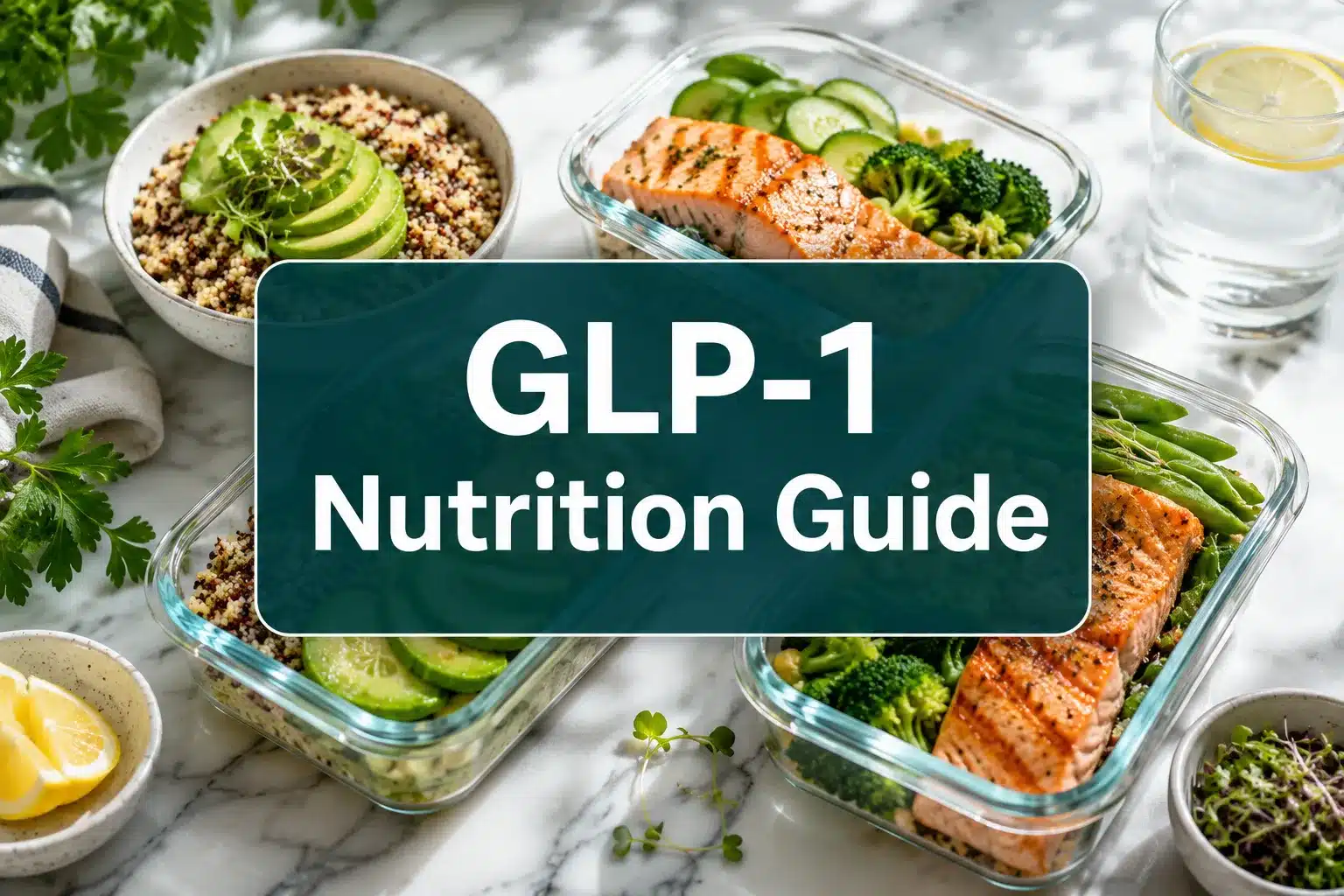
A GLP-1 nutrition guide helps people taking GLP-1 receptor agonist medications (such as semaglutide or tirzepatide) eat in a way that supports weight loss, preserves muscle, and reduces side effects. Because these medications significantly reduce appetite and slow digestion, the foods you choose matter more than ever. Prioritizing protein, fiber, and hydration while limiting alcohol, high-fat foods, and refined carbohydrates gives you the best results.
Key Takeaways
- GLP-1 medications dramatically reduce appetite, making every bite count for nutrition quality
- Protein intake should be at least 1.2 grams per kilogram of body weight daily to preserve muscle mass
- Fiber-rich foods support digestion and help manage the constipation that many GLP-1 users experience
- Nausea is most common in the first few weeks; small, bland, low-fat meals eaten slowly can reduce it significantly
- Carbohydrates are not banned on GLP-1 medications, but choosing complex carbs over refined ones improves outcomes
- Alcohol interacts poorly with GLP-1 drugs and should be minimized or avoided
- Nutrition goals differ slightly between people using GLP-1 medications for diabetes management versus weight loss
- Micronutrient deficiencies (especially B12, iron, and vitamin D) are a real risk when calorie intake drops sharply
- The dietary changes that support GLP-1 therapy are most effective when maintained long-term, not just during treatment
- Working with a registered dietitian is the single most evidence-supported step you can take alongside this guide
What Is GLP-1 and How Does It Affect Nutrition
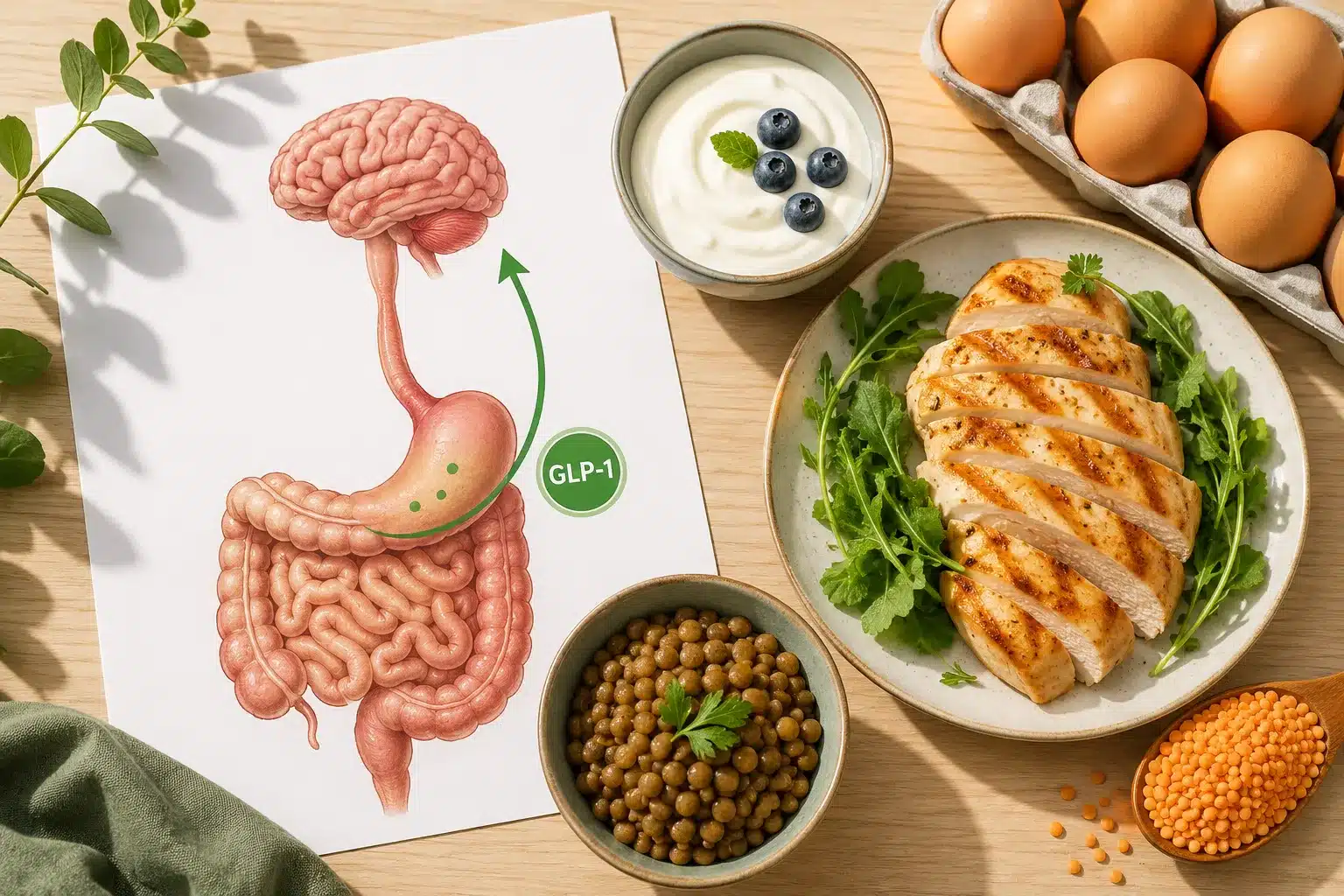
GLP-1 (glucagon-like peptide-1) is a hormone produced naturally in the gut after eating. It signals the pancreas to release insulin, tells the brain you are full, and slows the rate at which the stomach empties food into the small intestine. GLP-1 receptor agonist medications mimic and amplify these effects, which is why people taking them eat less, feel full faster, and experience slower digestion.
7 Best GLP-1 Providers Ranked: Accreditation, Flexibility & Support Compared (2026 Update)
32,000+ Patients Can't All Be Wrong: See the Top-Rated GLP-1 Providers. We compared the leading online GLP-1 providers based on program features, clinical support, convenience, and overall value.
BMI MD GLP-1 Microdosing Plan
- Specialized microdosing options, including sublingual drops and low-dose injections
- Designed for people interested in maintaining weight or gradually adjusting treatment
- Bundled program structure without a separate monthly platform membership
- Online access makes the process convenient from home

DirectMeds Weight Loss Solutions
- Online weight-loss program with a straightforward patient experience
- Compounded medication options through state-licensed compounding pharmacies
- Includes clinical consultation as part of the process
- Provides shipping updates to help patients track their orders
MEDVi Flat-Rate Telehealth
- Flat-rate telehealth approach designed for easier budgeting
- No dosage-based pricing increases within the advertised program structure
- Offers injectable and oral thin-film delivery options
- Includes medical screening and asynchronous provider consultations
Gala GLP-1 Care Program
- Text-based access to state-licensed clinicians
- Cold-chain medication shipping included in the program
- Month-to-month program structure
- Designed for people who value convenient ongoing support
Measured GLP-1 Metabolic Health
- Comprehensive metabolic health screening and intake analysis
- Designed around longer-term metabolic health management
- Responsive dashboard with integrated health tracking tools
- Useful option for patients who value a more data-focused experience
Refills GLP-1 (TryRefills Plan)
- Clinical guidance designed to help patients manage common treatment concerns
- Includes foundational nutritional strategies alongside medication
- Designed around predictable ongoing treatment
- No hidden startup or processing fees according to the program information provided
AltRx GLP-1 Transactional Reorders
- Transactional reorder model without recurring auto-billing
- Designed for patients who already understand their treatment routine
- Fast text-to-order process for convenient reorders
- Offers injectable and fast-dissolving tablet variations
These physiological changes have direct nutrition consequences:
- Reduced appetite means total calorie intake often drops by 30 to 50 percent, raising the risk of nutrient deficiencies
- Delayed gastric emptying means fatty, greasy, or very large meals are more likely to cause nausea and vomiting
- Altered food preferences are reported by many users, with cravings for high-fat and high-sugar foods decreasing noticeably
Because the medication does so much of the appetite-suppression work, the quality of what you eat becomes the primary lever you control. A well-structured GLP-1 nutrition guide addresses this directly by focusing on nutrient density rather than calorie counting alone.
For a deeper look at how these medications change your body beyond appetite, see our GLP-1 transformation guide covering metabolism and body composition.
GLP-1 Deficiency Symptoms and Natural Food Sources
Your body produces GLP-1 naturally, and certain foods stimulate its release more than others. Low natural GLP-1 activity is associated with poor blood sugar regulation, increased hunger shortly after meals, and difficulty feeling satisfied. While medication replaces or amplifies GLP-1 signaling, supporting natural production through diet is still worthwhile.
Foods that stimulate natural GLP-1 release include:
- Fermented foods (yogurt, kefir, kimchi) due to their effect on gut bacteria
- High-fiber vegetables (broccoli, Brussels sprouts, artichokes)
- Lean proteins (chicken, fish, eggs, legumes)
- Healthy fats (avocado, olive oil, nuts)
- Whole grains (oats, barley, quinoa)
Research published in the journal Nutrients (2019) found that dietary fiber, particularly fermentable fiber, consistently stimulates GLP-1 secretion in the gut. This is one reason fiber intake is emphasized throughout every credible GLP-1 nutrition guide.
Best Foods to Eat on GLP-1 Medication
The best foods on GLP-1 medication are those that deliver maximum nutrition in small portions, digest comfortably given the slowed gastric emptying, and support muscle preservation during weight loss.
Top food categories to prioritize:
| Food Category | Best Examples | Why It Matters |
|---|---|---|
| Lean protein | Chicken breast, salmon, eggs, Greek yogurt, tofu | Preserves muscle mass during calorie deficit |
| Non-starchy vegetables | Spinach, zucchini, cucumber, bell peppers | High volume, low calories, rich in micronutrients |
| Legumes | Lentils, black beans, chickpeas | Protein plus fiber in one food |
| Whole grains | Oats, quinoa, barley | Slow-digesting carbs that support energy |
| Healthy fats | Avocado, olive oil, walnuts | Nutrient-dense, support hormone function |
| Fermented dairy | Greek yogurt, kefir | Protein, calcium, and gut health support |
Foods to limit or avoid:
- Fried and greasy foods (worsen nausea and delay digestion further)
- High-sugar beverages and sweets (empty calories with no satiety benefit)
- Very large portions of any food (the stomach empties slowly; overeating causes discomfort)
- Carbonated drinks (can cause bloating and gas)
- Processed snack foods (low nutrient density, easy to overeat even with reduced appetite)
A practical rule: if a food would make you feel uncomfortable on a long car ride, it will likely cause problems on GLP-1 medication.
How Much Protein Should I Eat on GLP-1
Most adults on GLP-1 medications should aim for at least 1.2 grams of protein per kilogram of body weight per day, and some experts recommend up to 1.6 g/kg for those doing resistance training. This is higher than the general population recommendation because rapid weight loss increases the risk of losing lean muscle mass alongside fat.
Why protein matters so much on GLP-1:
When you eat significantly less food, your body can break down muscle tissue for energy if protein intake is inadequate. Muscle loss slows metabolism and makes it harder to maintain weight loss long-term. Protein also has the highest satiety value per calorie, which matters when total intake is low.
Practical protein targets by body weight:
- 60 kg (132 lbs): aim for 72 to 96 grams of protein daily
- 80 kg (176 lbs): aim for 96 to 128 grams of protein daily
- 100 kg (220 lbs): aim for 120 to 160 grams of protein daily
High-protein meal ideas that work well on GLP-1:
- Scrambled eggs with spinach (2 eggs = approximately 12 g protein)
- Greek yogurt with berries (170 g serving = approximately 17 g protein)
- Grilled salmon with roasted vegetables (100 g salmon = approximately 25 g protein)
- Lentil soup (1 cup cooked = approximately 18 g protein)
If hitting protein targets through food alone is difficult due to reduced appetite, a high-quality protein powder mixed into yogurt or a smoothie is a practical solution many GLP-1 users rely on.
GLP-1 Diet Plan for Weight Loss
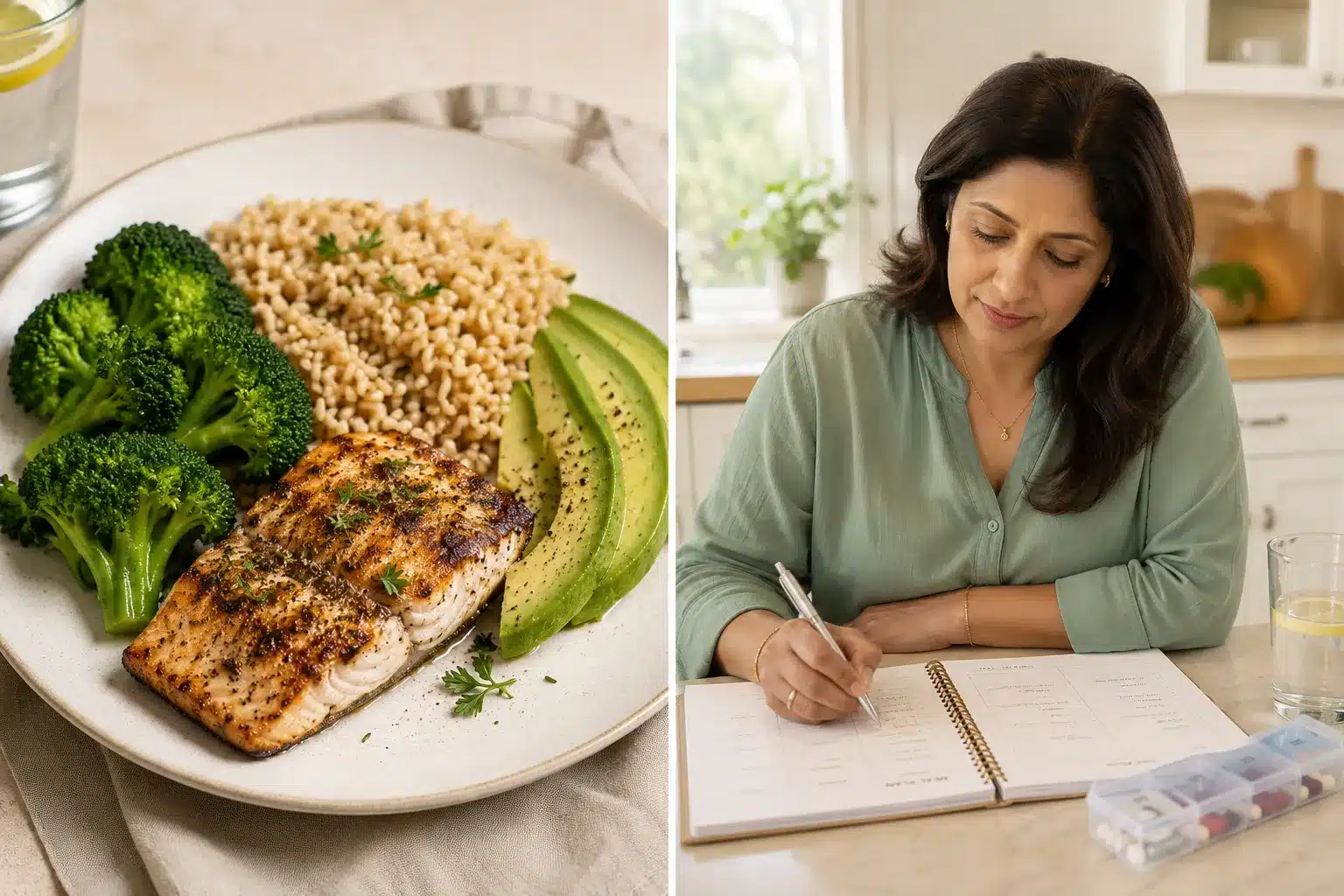
A GLP-1 diet plan for weight loss centers on three principles: protein first at every meal, fiber to support digestion and fullness, and small frequent meals to avoid overwhelming a stomach that empties slowly. This GLP-1 nutrition guide approach is designed to maximize fat loss while protecting muscle and preventing deficiencies.
Sample one-day meal plan:
Breakfast
- 2 scrambled eggs with sauteed spinach and half an avocado
- Small serving of Greek yogurt with berries
- Water or herbal tea
Lunch
- 100 g grilled chicken breast over a large mixed green salad
- Olive oil and lemon dressing
- Small portion of quinoa (approximately 1/3 cup cooked)
Afternoon snack (if hungry)
- A small handful of walnuts or a hard-boiled egg
Dinner
- 100 g baked salmon or firm tofu
- Steamed broccoli and zucchini
- Small serving of lentils or brown rice
Key meal planning rules for GLP-1 users:
- Eat protein before carbohydrates at each meal
- Keep portions to about two-thirds of what you would normally serve yourself
- Eat slowly (at least 20 minutes per meal) to avoid nausea
- Stop eating at the first sign of fullness, not when the plate is empty
- Drink fluids between meals, not during, to avoid feeling overly full
For a structured 6-week progression, the Ozempic weight loss results and 6-week plan guide provides a practical timeline with realistic expectations.
Can You Eat Carbs on GLP-1
Yes, you can eat carbohydrates on GLP-1 medication. The key distinction is between complex carbohydrates (which are beneficial) and refined carbohydrates (which offer little nutritional value and can spike blood sugar).
GLP-1 medications improve insulin sensitivity and reduce post-meal blood sugar spikes. This means the body handles carbohydrates more efficiently than before treatment. However, eating refined carbs like white bread, pastries, and sugary drinks still provides empty calories that displace more nutritious foods.
Choose these carbs:
- Oats, barley, and quinoa (high fiber, slow-digesting)
- Sweet potatoes and legumes (nutrient-dense)
- Fruit in moderate portions (natural sugars plus fiber and vitamins)
- Whole grain bread or wraps (in small amounts)
Limit these carbs:
- White rice, white bread, and pasta in large portions
- Sugary cereals and granola bars
- Fruit juice (removes fiber, concentrates sugar)
- Candy, cookies, and pastries
A reasonable carbohydrate target for most GLP-1 users is 100 to 150 grams per day, though this varies based on individual health goals, activity level, and whether the medication is being used for diabetes or weight loss.
GLP-1 Nausea: What Foods Help
Nausea is the most commonly reported side effect of GLP-1 medications, particularly in the first 4 to 8 weeks or after a dose increase. The right food choices can meaningfully reduce nausea episodes. The core strategy is to eat small amounts of bland, low-fat foods and avoid anything that slows digestion further.
Foods that help with GLP-1 nausea:
- Plain crackers or dry toast (absorb stomach acid)
- Plain rice or plain oatmeal (gentle on the stomach)
- Bananas (easy to digest, provides potassium)
- Ginger tea or ginger chews (evidence supports ginger for nausea relief)
- Broth-based soups (hydrating and low in fat)
- Applesauce (smooth texture, easy to digest)
Foods that worsen nausea on GLP-1:
- Greasy, fried, or high-fat foods
- Spicy foods
- Very sweet or rich desserts
- Large meals eaten quickly
- Carbonated beverages
Practical nausea management tips:
- Eat 4 to 5 very small meals rather than 2 to 3 large ones
- Sit upright for at least 30 minutes after eating
- Avoid lying down immediately after meals
- Sip water slowly throughout the day rather than drinking large amounts at once
- If nausea is severe or persistent, contact your prescribing provider, as a dose adjustment may be appropriate
Difference Between Ozempic and Other GLP-1 Drugs: Nutrition Considerations
From a nutrition standpoint, all GLP-1 receptor agonists share the same core dietary principles. However, there are meaningful differences between medications that affect how strict you need to be with food choices.
GLP-1 medication comparison for nutrition purposes:
| Medication | Active Ingredient | Dual Action | Nausea Risk | Key Nutrition Note |
|---|---|---|---|---|
| Ozempic / Wegovy | Semaglutide | GLP-1 only | Moderate | Standard GLP-1 nutrition guide applies |
| Mounjaro / Zepbound | Tirzepatide | GLP-1 + GIP | Moderate-High | Stronger appetite suppression; protein intake especially critical |
| Victoza / Saxenda | Liraglutide | GLP-1 only | Moderate | Daily injection; similar dietary approach |
| Trulicity | Dulaglutide | GLP-1 only | Lower | Weekly injection; generally better tolerated |
Tirzepatide (Mounjaro/Zepbound) combines GLP-1 and GIP receptor agonism, producing stronger appetite suppression than semaglutide alone. This means calorie intake can drop more sharply, making protein and micronutrient density even more critical for tirzepatide users.
For people considering medication options, our complete guide to prescription weight loss medications covers how each drug works and what to expect.
GLP-1 Nutrition Guide for Vegetarians
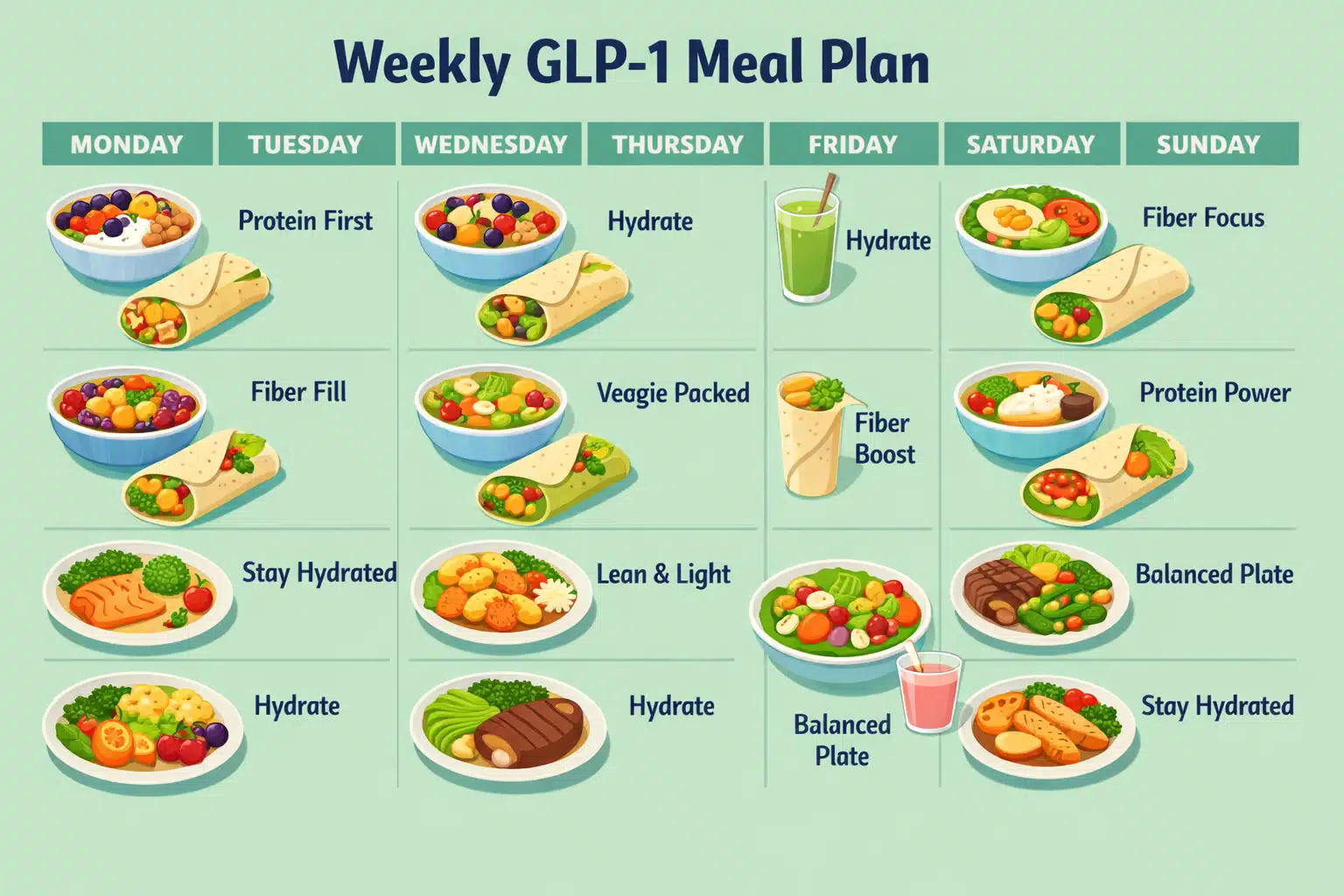
Vegetarians and vegans can absolutely follow a GLP-1 nutrition guide effectively, but they need to plan more carefully to meet protein targets without relying on meat or fish. The main challenge is that many plant proteins come packaged with significant carbohydrates, which requires balancing macronutrients more deliberately.
Best plant-based protein sources for GLP-1 users:
- Tofu and tempeh (20 to 25 g protein per 100 g serving)
- Edamame (17 g protein per cup)
- Lentils (18 g protein per cooked cup)
- Chickpeas and black beans (15 g protein per cooked cup)
- Greek yogurt or cottage cheese (for lacto-vegetarians)
- Eggs (for ovo-vegetarians)
- Hemp seeds (10 g protein per 3 tablespoons)
- Nutritional yeast (8 g protein per 2 tablespoons, plus B12)
Micronutrients vegetarians on GLP-1 must monitor:
- Vitamin B12: Found almost exclusively in animal products; supplementation is essential for vegans and important for vegetarians
- Iron: Plant-based iron (non-heme) is less bioavailable; pair with vitamin C-rich foods to improve absorption
- Zinc: Found in legumes and seeds, but absorption is lower than from meat
- Omega-3 fatty acids: Consider algae-based DHA/EPA supplements if not eating fish
- Calcium: Critical for bone health, especially when calorie intake is reduced
A vegan protein powder (pea, rice, or hemp protein) can help vegetarian GLP-1 users hit daily protein targets without adding large volumes of food that might trigger nausea.
How to Get Enough Calories on GLP-1
Getting enough calories on GLP-1 medication is a genuine challenge that many users underestimate. While a calorie deficit is the goal for weight loss, dropping below 1,000 to 1,200 calories daily for extended periods can cause muscle loss, nutrient deficiencies, fatigue, and hair thinning.
Signs you may not be eating enough:
- Persistent fatigue or weakness
- Hair loss (telogen effluvium is common after rapid weight loss)
- Feeling cold all the time
- Difficulty concentrating
- Loss of strength during exercise
Strategies to increase calorie intake without triggering nausea:
- Add calorie-dense but small-volume foods: nut butters, avocado, olive oil, nuts, seeds
- Use full-fat Greek yogurt instead of low-fat versions
- Add a protein shake or smoothie between meals
- Include a small portion of whole grains at each meal
- Eat every 3 to 4 hours even if not hungry, rather than skipping meals
A reasonable minimum calorie target for most adults on GLP-1 medications is 1,200 calories for women and 1,500 calories for men, though individual needs vary based on height, activity level, and starting weight. Consulting a registered dietitian for a personalized calorie target is strongly recommended.
Common Nutrition Mistakes on GLP-1
The most common nutrition mistakes on GLP-1 medications fall into two categories: eating too little of the right things, and eating too much of the wrong things. Both undermine results and increase side effects.
Mistake 1: Skipping meals because you are not hungry Not feeling hungry does not mean your body does not need nutrients. Skipping meals leads to muscle loss and micronutrient deficiencies. Eat small, planned meals on a schedule.
Mistake 2: Prioritizing low-calorie foods over nutrient-dense foods A 100-calorie rice cake and a 100-calorie serving of Greek yogurt are not equivalent. Every calorie should carry nutritional value when total intake is reduced.
Mistake 3: Neglecting protein This is the single most common and consequential mistake. Many users focus on eating less without ensuring adequate protein, which accelerates muscle loss.
Mistake 4: Drinking calories Juice, soda, and alcohol provide calories with no satiety benefit and can worsen nausea or blood sugar control.
Mistake 5: Eating large meals to “make up” for skipped ones Large meals overwhelm a stomach that empties slowly, causing significant nausea and discomfort.
Mistake 6: Stopping all supplements Reduced food intake often means reduced micronutrient intake. A quality multivitamin, vitamin D, and B12 are commonly recommended for GLP-1 users.
Mistake 7: Ignoring hydration Nausea can reduce the desire to drink fluids, but dehydration worsens nausea and can cause constipation. Aim for at least 8 cups of water daily.
Mistake 8: Not adjusting nutrition as the dose increases As GLP-1 doses increase over the first few months, appetite suppression intensifies. Nutrition planning should be revisited at each dose change.
GLP-1 and Alcohol: What Should I Know
Alcohol and GLP-1 medications interact in several important ways, and most healthcare providers recommend minimizing or eliminating alcohol during treatment. The combination is not outright dangerous for most people, but it significantly undermines treatment goals.
Key concerns with alcohol on GLP-1:
- Blood sugar effects: Alcohol can cause unpredictable blood sugar drops, particularly in people using GLP-1 medications for diabetes management
- Nausea amplification: Alcohol irritates the stomach lining and slows gastric emptying further, worsening GLP-1-related nausea
- Empty calories: Alcohol provides 7 calories per gram with no nutritional value, which is counterproductive when total calorie intake is already limited
- Reduced inhibition: Alcohol lowers dietary discipline, increasing the likelihood of making poor food choices
- Dehydration: Alcohol is a diuretic and worsens the dehydration risk that GLP-1 users already face
If you choose to drink:
- Limit to one standard drink on any occasion
- Choose dry wine or spirits over beer or sugary cocktails
- Eat a protein-containing snack before drinking
- Drink water alongside any alcoholic beverage
- Avoid alcohol entirely in the first 4 to 8 weeks when nausea is most likely
Is GLP-1 Nutrition Different for Diabetes vs. Weight Loss
The core GLP-1 nutrition guide principles apply to both groups, but there are meaningful differences in priorities and constraints depending on why the medication is prescribed.
For people using GLP-1 for type 2 diabetes:
- Carbohydrate management is more critical; consistent carb intake at each meal helps stabilize blood sugar
- Hypoglycemia risk (low blood sugar) is real, especially if also taking insulin or sulfonylureas
- Monitoring blood sugar before and after meals is important when changing eating patterns
- Calorie restriction goals may be less aggressive than for weight-loss-only users
- Kidney function may affect protein recommendations (high protein can stress damaged kidneys)
For people using GLP-1 for weight loss only:
- The primary focus is maximizing fat loss while preserving muscle
- Calorie deficit is a central goal, but must stay above minimum thresholds
- Carbohydrate flexibility is somewhat greater since blood sugar regulation is less of a concern
- Protein targets are typically at the higher end of the recommended range
Shared priorities for both groups:
- Adequate protein intake
- Fiber for digestive health
- Hydration
- Micronutrient monitoring
- Avoiding nausea-triggering foods
If you are managing diabetes alongside weight loss, work with both your endocrinologist and a registered dietitian to create a plan that addresses both goals simultaneously.
How Long Do GLP-1 Nutrition Changes Last
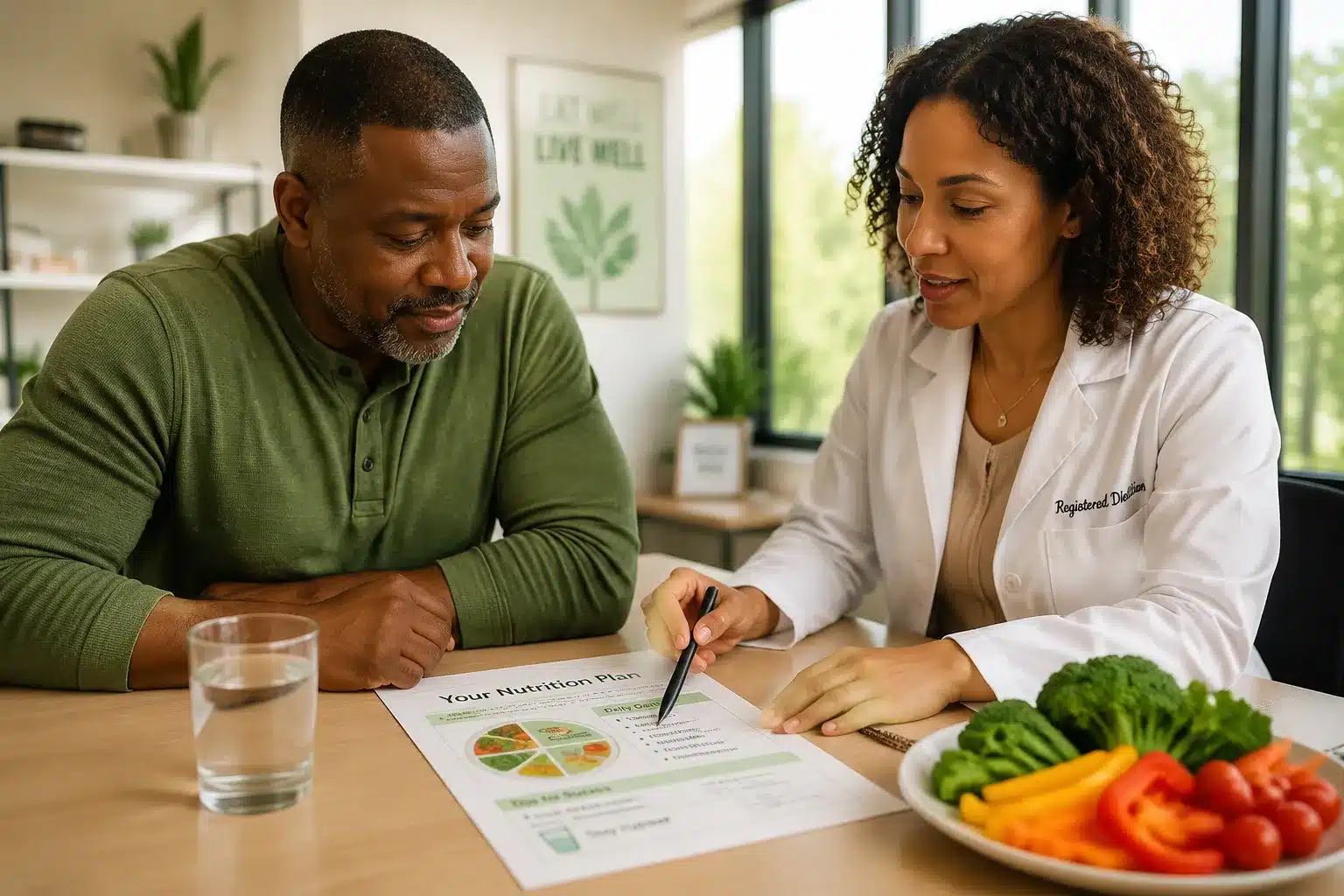
The dietary habits you build while on GLP-1 medication should ideally last a lifetime, not just during treatment. Research shows that weight regain after stopping GLP-1 medications is common and often significant if eating habits have not changed.
A 2022 study published in Diabetes, Obesity and Metabolism found that participants who stopped semaglutide regained approximately two-thirds of their lost weight within one year if lifestyle changes were not maintained. This makes the nutrition habits you build during treatment critically important for long-term success.
What changes should become permanent:
- Eating protein first at every meal
- Choosing whole foods over processed ones
- Eating slowly and stopping at fullness
- Limiting alcohol and sugary beverages
- Maintaining regular meal timing
- Staying hydrated throughout the day
What may naturally evolve after stopping medication:
- Appetite will return, so portion awareness becomes more important
- Cravings for high-fat and high-sugar foods may return
- The structure of a meal plan becomes more important without the medication’s appetite-suppressing effect
The goal of any good GLP-1 nutrition guide is not just to help you eat well while on the medication, but to build habits that outlast it. Think of the medication as a tool that gives you time and appetite control to establish those habits, not as a permanent substitute for them.
For people exploring medication options and costs, our guides on GLP-1 medications for weight loss and diabetes and semaglutide weight loss injections provide useful context.
FAQ
Q: What should I eat first on GLP-1 medication? Eat protein first at every meal. Starting with protein (chicken, eggs, fish, tofu, Greek yogurt) maximizes muscle preservation and keeps you full longer on smaller portions. Vegetables come second, carbohydrates last.
Q: How many meals a day should I eat on GLP-1? Most GLP-1 users do best with 3 small meals and 1 to 2 small snacks daily, rather than 2 large meals. Smaller, more frequent eating reduces nausea and ensures consistent nutrient intake even when appetite is low.
Q: Can I drink coffee on GLP-1 medication? Yes, black coffee is generally well tolerated. However, large amounts of caffeine can worsen nausea in some users. Avoid adding high-sugar syrups or heavy cream, which can trigger GLP-1-related digestive discomfort.
Q: Do I need to take vitamins on GLP-1? Most healthcare providers recommend a daily multivitamin, vitamin D (1,000 to 2,000 IU), and vitamin B12 for GLP-1 users who are eating significantly less food. Calcium is also important, particularly for women. Get bloodwork done every 3 to 6 months to identify any deficiencies.
Q: Is intermittent fasting safe on GLP-1 medication? Intermittent fasting can be combined with GLP-1 medication, but it is not necessary and may make it harder to meet protein and calorie minimums. If you choose to try it, ensure your eating window includes adequate protein across all meals.
Q: What foods cause the most nausea on GLP-1? Greasy, fried, or very fatty foods cause the most nausea. High-sugar foods, spicy dishes, and large portions are also common triggers. Eating slowly and keeping portions small is as important as food choice.
Q: Can I eat fast food on GLP-1? Occasionally and in small portions, yes. Most fast food is high in fat and refined carbohydrates, which worsen nausea and undermine weight loss. If eating fast food, choose grilled options, skip fries, and eat only a portion of what is served.
Q: How much water should I drink on GLP-1? Aim for at least 8 cups (64 ounces) of water daily. Dehydration is a real risk because nausea can reduce the desire to drink, and some users experience vomiting or diarrhea. Electrolyte drinks (low-sugar varieties) can help if you are losing fluids.
Q: Will I lose muscle on GLP-1? You can lose muscle if protein intake is inadequate or if you are not doing any resistance exercise. Meeting daily protein targets (1.2 to 1.6 g/kg body weight) and including strength training 2 to 3 times per week significantly reduces muscle loss during GLP-1 treatment.
Q: Is a GLP-1 nutrition guide different for older adults? Yes. Adults over 65 are at higher risk of muscle loss (sarcopenia) and bone density reduction during rapid weight loss. Protein targets should be at the higher end of the range, calcium and vitamin D intake is especially important, and resistance exercise is strongly recommended.
Q: Where can I find affordable GLP-1 medications to pair with this nutrition plan? Our guides on the least expensive GLP-1 options for weight loss and GLP-1 options without insurance cover current pricing and access options in 2026.
Q: Can diet alone replace GLP-1 medication? Diet alone cannot replicate the hormonal effects of GLP-1 medication. However, certain foods (high-fiber, fermented, protein-rich) do stimulate natural GLP-1 release and improve insulin sensitivity. For people with obesity or type 2 diabetes, medication combined with dietary changes consistently outperforms diet alone in clinical trials.
Key Takeaway
Following a structured GLP-1 nutrition guide is not optional, it is the difference between getting strong, lasting results from your medication and experiencing side effects, muscle loss, and weight regain. The medication suppresses appetite and slows digestion; your job is to make every smaller meal count by prioritizing protein, fiber, and nutrient-dense whole foods. Build these habits during treatment and they will serve you long after the medication ends.
7 Best GLP-1 Providers Ranked: Accreditation, Flexibility & Support Compared (2026 Update)
32,000+ Patients Can't All Be Wrong: See the Top-Rated GLP-1 Providers: Compared on accreditation, plan flexibility, and patient support — updated for 2026.
BMI MD GLP-1 Microdosing Plan
- Specialized microdosing options (sublingual drops or low-dose injections)
- Ideal for maintaining weight or tapering off higher doses safely
- Fully bundled plan with no hidden monthly platform memberships
DirectMeds Weight Loss Solutions
- Sourced from accredited, state-licensed 503A compounding pharmacies
- No-frills high-volume savings passed directly to the patient
- Includes clinical consultation and cold-chain shipping updates
MEDVi Flat-Rate Telehealth
- Flat monthly rate holds steady even at maximum maintenance doses
- No dosage upcharges or graduation fee penalties
- Offers both injectable and advanced oral thin-film delivery options
Gala GLP-1 Care Program
- All-inclusive plan with no standalone membership costs
- Continuous text-based messaging access with state-licensed clinicians
- Temperature-controlled, cold-chain medication shipping included
Measured GLP-1 Metabolic Health
- Comprehensive metabolic health screening and expert intake analysis
- Predictable long-term budgeting with stable plan pricing
- High-end responsive dashboard with integrated diagnostic support
Refills GLP-1 (TryRefills Plan)
- Flat rate holds steady as titration scales up
- Includes clinical guides for active side-effect management
- Bundles in foundational nutritional strategies alongside medication
AltRx GLP-1 Transactional Reorders
- Zero recurring auto-billing — pay entirely on a transactional basis
- Rapid text-to-order format saves time for experienced patients
- Provides both injectable forms and fast-dissolving tablet variations
Conclusion
A GLP-1 nutrition guide is the practical companion to your medication, not a separate effort. The most important steps are straightforward: eat protein at every meal, choose whole foods over processed ones, stay hydrated, manage nausea with small and bland meals in the early weeks, and monitor your micronutrient intake through regular bloodwork.
Actionable next steps:
- Calculate your daily protein target (body weight in kg multiplied by 1.2 to 1.6) and track it for the first two weeks until it becomes intuitive
- Plan 3 small meals and 1 to 2 snacks for the week ahead, placing protein at the center of each
- Book a blood panel with your doctor to establish baseline levels of B12, vitamin D, iron, and zinc
- Consider working with a registered dietitian, even for 2 to 3 sessions, to personalize this framework
- Reduce or eliminate alcohol for the first 8 weeks of treatment
- Add resistance training 2 to 3 times per week to protect muscle mass
The nutrition habits you build during GLP-1 treatment are the foundation of long-term success. The medication gives you a window of reduced appetite and improved metabolic function, and this GLP-1 nutrition guide gives you the framework to use that window as effectively as possible.
For more on accessing medications and understanding your options, explore our resources on compounding pharmacy options for GLP-1 and which GLP-1 medication works best for weight loss.
References
- Drucker DJ. “Mechanisms of Action and Therapeutic Application of Glucagon-like Peptide-1.” Cell Metabolism, 2018. https://www.cell.com/cell-metabolism/fulltext/S1550-4131(18)30119-X
- Wilding JPH, et al. “Once-Weekly Semaglutide in Adults with Overweight or Obesity.” New England Journal of Medicine, 2021. https://www.nejm.org/doi/full/10.1056/NEJMoa2032183
- Wadden TA, et al. “Effect of Subcutaneous Semaglutide vs Placebo as an Adjunct to Intensive Behavioral Therapy on Body Weight in Adults With Overweight.” JAMA, 2021. https://jamanetwork.com/journals/jama/fullarticle/2777886
- Rubino DM, et al. “Effect of Continued Weekly Subcutaneous Semaglutide vs Placebo on Weight Loss Maintenance in Adults With Overweight or Obesity.” JAMA, 2022. https://jamanetwork.com/journals/jama/fullarticle/2789916
- Holst JJ. “The Physiology of Glucagon-like Peptide 1.” Physiological Reviews, 2007. https://journals.physiology.org/doi/full/10.1152/physrev.00034.2006
- Chambers ES, et al. “Effects of Targeted Delivery of Propionate to the Human Colon on Appetite Regulation, Body Weight Maintenance and Adiposity in Overweight Adults.” Gut, 2015. https://gut.bmj.com/content/64/11/1744
- Tremblay A, et al. “Dietary Fiber and GLP-1 Secretion.” Nutrients, 2019. https://www.mdpi.com/2072-6643/11/5/1065
Tags: GLP-1 nutrition guide, GLP-1 diet, protein intake on GLP-1, semaglutide nutrition, GLP-1 meal plan, GLP-1 nausea foods, GLP-1 weight loss, tirzepatide diet, GLP-1 side effects, vegetarian GLP-1 diet, GLP-1 foods to eat, GLP-1 and alcohol

With over 13 years of experience in holistic health blogging, I aim to help you navigate your wellness journey with honest insights, expert-backed advice, and a sprinkle of real-world practicality.
Certified Wellness Writer | Herbal Nutrition Advocate | Wellness Research Enthusiast