
ozempic reviews
Last updated: September 25, 2026
Quick Answer: Ozempic (semaglutide) is a weekly injectable GLP-1 medication approved by the FDA for type 2 diabetes management that has also become widely used off-label for weight loss. Most ozempic reviews from real users report meaningful appetite reduction and gradual weight loss, but also note early nausea, cost barriers, and supply shortages. It works best for adults with obesity or metabolic conditions who use it alongside dietary changes and medical supervision.
Key Takeaways
- Ozempic contains semaglutide, a GLP-1 receptor agonist that reduces appetite and slows gastric emptying
- Most users report 5-15% body weight loss over 3-6 months, though individual results vary significantly
- The most common side effects are nausea, vomiting, and constipation, especially during dose escalation
- Brand-name Ozempic can cost $800-$1,000 per month without insurance; many patients pay far less with coverage or compounded alternatives
- Ozempic is FDA-approved for type 2 diabetes, not obesity (Wegovy, the higher-dose version, carries the obesity indication)
- Supply shortages have eased somewhat in 2026, but access remains inconsistent in some regions
- Weight regain after stopping is common and well-documented in clinical data
- People with a personal or family history of medullary thyroid carcinoma or MEN2 should not use Ozempic
What Is Ozempic and How Does It Work?
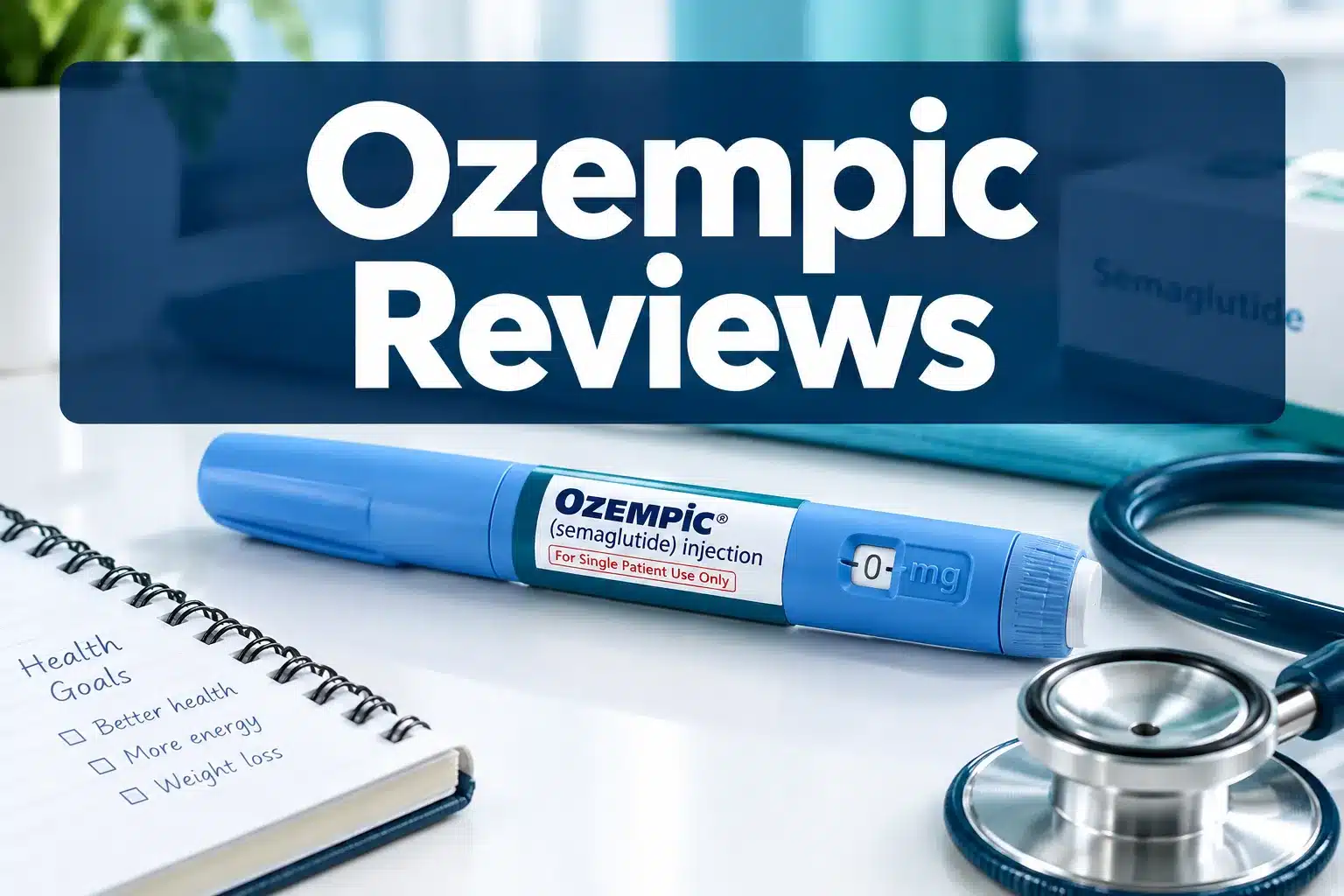
Ozempic is a brand-name injectable medication manufactured by Novo Nordisk. Its active ingredient is semaglutide, a glucagon-like peptide-1 (GLP-1) receptor agonist. It was FDA-approved in 2017 for improving blood sugar control in adults with type 2 diabetes, and it also reduces the risk of major cardiovascular events in that population.
7 Best GLP-1 Providers Ranked: Accreditation, Flexibility & Support Compared (2026 Update)
32,000+ Patients Can't All Be Wrong: See the Top-Rated GLP-1 Providers. We compared the leading online GLP-1 providers based on program features, clinical support, convenience, and overall value.
BMI MD GLP-1 Microdosing Plan
- Specialized microdosing options, including sublingual drops and low-dose injections
- Designed for people interested in maintaining weight or gradually adjusting treatment
- Bundled program structure without a separate monthly platform membership
- Online access makes the process convenient from home

DirectMeds Weight Loss Solutions
- Online weight-loss program with a straightforward patient experience
- Compounded medication options through state-licensed compounding pharmacies
- Includes clinical consultation as part of the process
- Provides shipping updates to help patients track their orders
MEDVi Flat-Rate Telehealth
- Flat-rate telehealth approach designed for easier budgeting
- No dosage-based pricing increases within the advertised program structure
- Offers injectable and oral thin-film delivery options
- Includes medical screening and asynchronous provider consultations
Gala GLP-1 Care Program
- Text-based access to state-licensed clinicians
- Cold-chain medication shipping included in the program
- Month-to-month program structure
- Designed for people who value convenient ongoing support
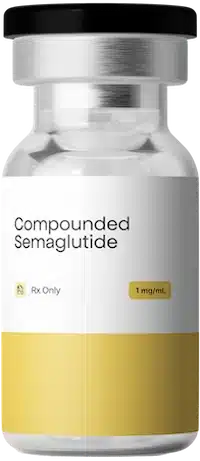
Measured GLP-1 Metabolic Health
- Comprehensive metabolic health screening and intake analysis
- Designed around longer-term metabolic health management
- Responsive dashboard with integrated health tracking tools
- Useful option for patients who value a more data-focused experience
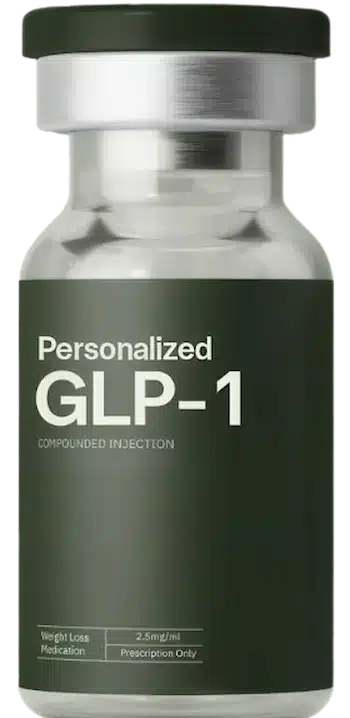
Refills GLP-1 (TryRefills Plan)
- Clinical guidance designed to help patients manage common treatment concerns
- Includes foundational nutritional strategies alongside medication
- Designed around predictable ongoing treatment
- No hidden startup or processing fees according to the program information provided
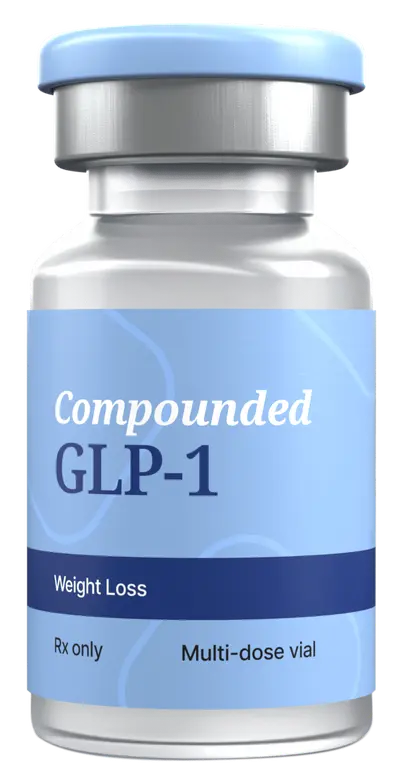
AltRx GLP-1 Transactional Reorders
- Transactional reorder model without recurring auto-billing
- Designed for patients who already understand their treatment routine
- Fast text-to-order process for convenient reorders
- Offers injectable and fast-dissolving tablet variations
The mechanism is straightforward: semaglutide mimics a natural gut hormone called GLP-1, which signals the brain to reduce hunger, slows how quickly food leaves the stomach, and helps the pancreas release insulin in response to meals. The result is that most people eat less without feeling deprived, and blood sugar levels stabilize.
Ozempic is injected once weekly using a pre-filled pen, starting at 0.25 mg and typically titrating up to 0.5 mg or 1 mg. A 2 mg dose was approved in 2022 for patients needing additional glycemic control. For context on how semaglutide appears under different brand names, see this overview of semaglutide brand names including Ozempic, Wegovy, and Rybelsus.
What Do People Say About Ozempic Side Effects?
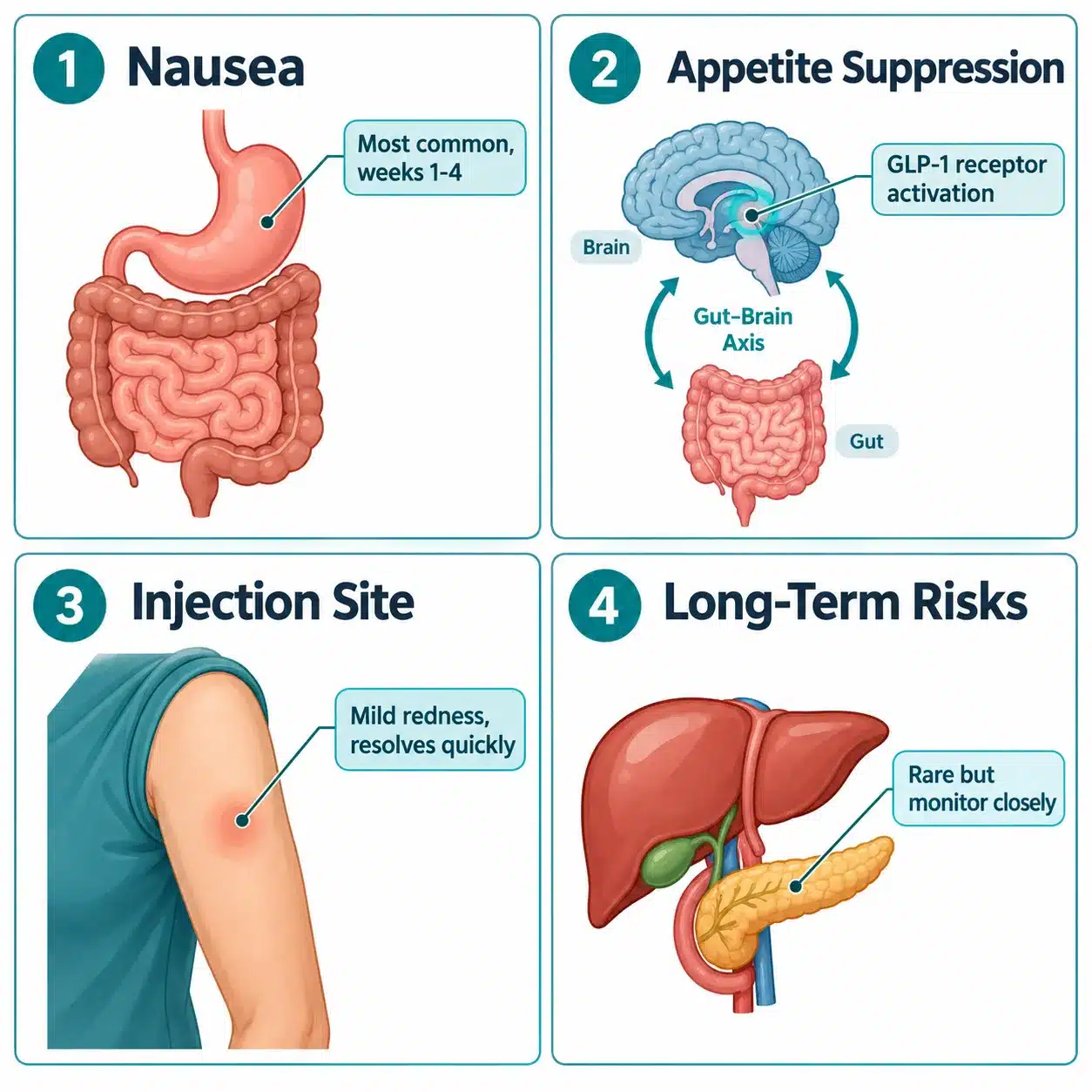
The most consistent theme across ozempic reviews is that side effects are real but manageable for most people. Nausea is reported by a large majority of new users, particularly in the first four to eight weeks as the dose increases.
Common side effects reported by users:
- Nausea (most frequently mentioned, especially at dose increases)
- Vomiting and diarrhea or constipation
- Fatigue, particularly in the first few weeks
- Injection site reactions (mild redness or itching that resolves quickly)
- “Ozempic face” (facial volume loss from rapid weight loss, not a direct drug effect)
- Reduced interest in alcohol, reported anecdotally by many users
Less common but serious risks:
- Pancreatitis (rare; seek medical attention for severe abdominal pain)
- Gallbladder disease, including gallstones
- Diabetic retinopathy complications in patients with pre-existing eye disease
- Kidney problems, often linked to dehydration from vomiting or diarrhea
Can Ozempic cause permanent damage? Current evidence does not confirm permanent organ damage from Ozempic in the general population. The FDA requires a boxed warning about thyroid C-cell tumors based on animal studies, though this has not been confirmed in humans at therapeutic doses. Pancreatitis and gallbladder disease are the most clinically significant risks that have been documented in humans. Anyone with severe or persistent abdominal pain should stop the medication and contact a doctor immediately.
Ozempic Reviews from Real Users: What Reddit and Patient Forums Say
Real-world ozempic reviews from Reddit communities like r/Ozempic and r/loseit reveal a consistent pattern. Most users describe the first two to four weeks as the hardest, with nausea peaking around dose escalation days. After that, many report a dramatic shift in their relationship with food.
A recurring theme is what users call “food noise” going quiet. People describe no longer thinking about food constantly, feeling satisfied with smaller portions, and losing interest in previously craved foods. One common post type: “I used to think about my next meal while eating my current one. That stopped completely on week three.”
Critical reviews tend to focus on three areas: cost and insurance denials, difficulty getting refills during shortages, and frustration with weight regain after stopping. A smaller subset of users report no meaningful weight loss or side effects so severe they discontinued.
For non-diabetic users specifically, ozempic for non-diabetics reviews are mixed. Many report excellent results, but they also face greater insurance hurdles since the drug is not FDA-approved for obesity (Wegovy is). This pushes some toward compounded semaglutide as a lower-cost path. For a deeper look at patient stories with compounded versions, see compounded semaglutide reviews from real patients.
Is Ozempic Worth It for Weight Loss?
For most adults with obesity or type 2 diabetes who have not succeeded with diet and exercise alone, Ozempic is worth considering, with important caveats about cost, access, and long-term commitment.
Clinical trial data (the SUSTAIN program) showed average weight loss of 4-6 kg (roughly 9-13 lbs) over 30-40 weeks at the 1 mg dose in diabetic patients. Real-world results in non-diabetic users using it off-label tend to be higher, partly because those patients often start at higher body weights. For a detailed look at what early results look like, the 6-week Ozempic weight loss results breakdown is worth reading.
Ozempic results: how long to see weight loss?
- Weeks 1-4: Appetite reduction begins; scale may not move much yet
- Weeks 4-8: Most users see 2-5 lbs of loss as eating habits shift
- Months 2-4: Steady loss of 0.5-1.5 lbs per week is typical
- Months 4-6+: Plateau is common; some require dose increase
Choose Ozempic if: You have type 2 diabetes or obesity with a related condition, your doctor has cleared you, and you’re prepared for a multi-month commitment with dietary changes.
Skip it if: You’re looking for rapid results without lifestyle changes, have a history of pancreatitis or thyroid cancer, or cannot manage the cost.
Ozempic vs Wegovy: Which Is Better?
Ozempic and Wegovy contain the same active ingredient (semaglutide), but they are not interchangeable. Wegovy is FDA-approved specifically for chronic weight management in adults with obesity or overweight plus a weight-related condition. Ozempic is approved for type 2 diabetes.
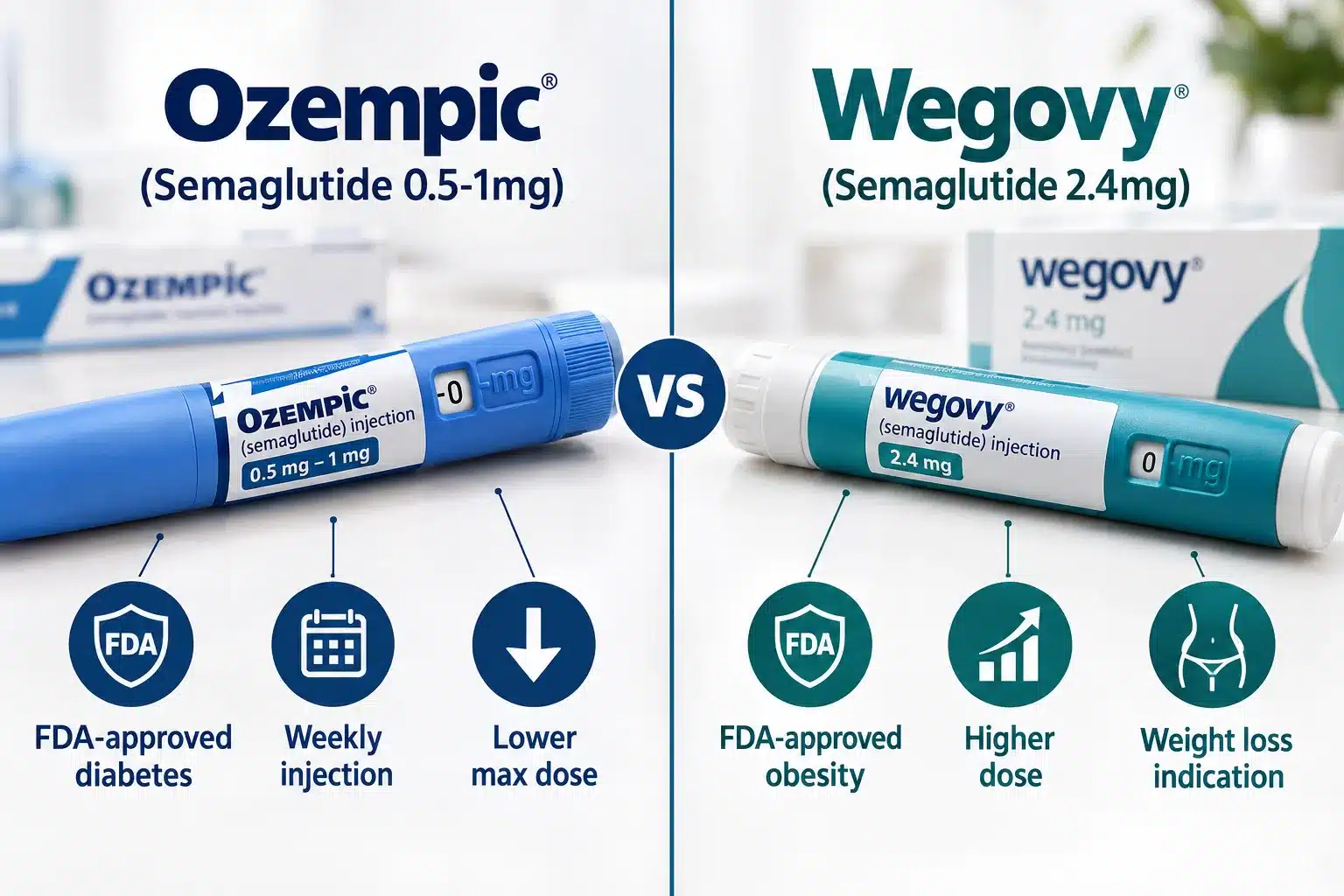
| Feature | Ozempic | Wegovy |
|---|---|---|
| Active ingredient | Semaglutide | Semaglutide |
| Max approved dose | 2 mg (diabetes) | 2.4 mg (obesity) |
| FDA indication | Type 2 diabetes | Chronic weight management |
| Insurance coverage | Better for diabetics | Better for obesity Dx |
| Average weight loss | ~5-10% body weight | ~15% body weight (STEP trials) |
What’s the difference between Ozempic and Mounjaro? Mounjaro (tirzepatide) targets two receptors, GIP and GLP-1, while Ozempic targets GLP-1 only. Clinical data suggests tirzepatide produces greater average weight loss (up to 20-22% in the SURMOUNT trials). For a detailed patient-perspective comparison, see tirzepatide reviews by patients.
How Much Does Ozempic Cost With Insurance?
Without insurance, brand-name Ozempic costs approximately $800-$1,000 per month at U.S. retail pharmacies as of 2026. With insurance, out-of-pocket costs vary widely.
- With commercial insurance (diabetes diagnosis): Many patients pay $25-$150/month with manufacturer savings cards
- With Medicare Part D: Coverage exists but varies by plan; the $2,000 annual out-of-pocket cap under the Inflation Reduction Act has helped many seniors
- Without insurance or with coverage denials: GoodRx and similar discount programs can reduce costs; for current pricing details, the GoodRx Ozempic price guide has updated figures
- Compounded semaglutide: Often $150-$400/month through telehealth providers, though the FDA has raised quality and safety concerns about some compounders
For a broader comparison of where to find affordable semaglutide, the cheapest pharmacy for semaglutide rankings is a useful resource.
Who Shouldn’t Take Ozempic?
Ozempic is not appropriate for everyone. Several groups should avoid it entirely or use it only with close medical supervision.
Do not use Ozempic if you have:
- Personal or family history of medullary thyroid carcinoma (MTC)
- Multiple Endocrine Neoplasia syndrome type 2 (MEN2)
- History of serious hypersensitivity reaction to semaglutide
- Type 1 diabetes (not approved for this use)
- Severe gastrointestinal disease (e.g., gastroparesis)
Use with caution if you have:
- History of pancreatitis
- Diabetic retinopathy (may worsen initially)
- Kidney disease (dehydration risk from GI side effects)
- Are pregnant or breastfeeding (discontinue at least two months before planned pregnancy)
Ozempic injection pain and side effects reviews from users with needle anxiety are generally reassuring. The pen needle is very fine (typically 32 gauge), and most users describe the injection as nearly painless once they find a comfortable site. Rotating between the abdomen, thigh, and upper arm helps minimize localized reactions.
Why Is Ozempic So Hard to Get Right Now?
Demand for semaglutide products surged dramatically after 2021, driven by social media attention and broader awareness of GLP-1 medications for weight loss. Supply has improved in 2026 compared to the peak shortage years, but inconsistencies remain.
Key reasons access is still challenging in some areas:
- Manufacturing capacity has not fully caught up with global demand
- Insurance prior authorization requirements create delays of weeks to months
- Pharmacy stock varies significantly by region and chain
- The FDA’s removal of Ozempic from the shortage list in late 2024 affected compounded alternatives, adding complexity for patients who had switched to compounded versions
If your pharmacy is out of stock, asking them to check nearby locations or contacting your prescriber about a 90-day supply can help. Some telehealth platforms that specialize in GLP-1 access have better supply chains. For one option worth evaluating, see DirectMeds GLP-1 reviews.
Do You Gain Weight Back After Stopping Ozempic?
Yes, weight regain after stopping Ozempic is well-documented and expected by most clinicians. A 2022 study published in Diabetes, Obesity and Metabolism (Wilding et al., 2022) found that participants regained approximately two-thirds of their lost weight within one year of stopping semaglutide.
This is not a failure of willpower. GLP-1 medications work by altering appetite signaling, and when the drug is removed, those signals return to baseline. The body also adapts metabolically during weight loss, making maintenance harder.
Practical implications:
- Ozempic should be considered a long-term or indefinite treatment for most patients, similar to blood pressure medication
- Stopping abruptly without a maintenance plan leads to faster regain
- Some patients successfully maintain loss through diet and exercise after stopping, but this requires significant lifestyle infrastructure built during the medication period
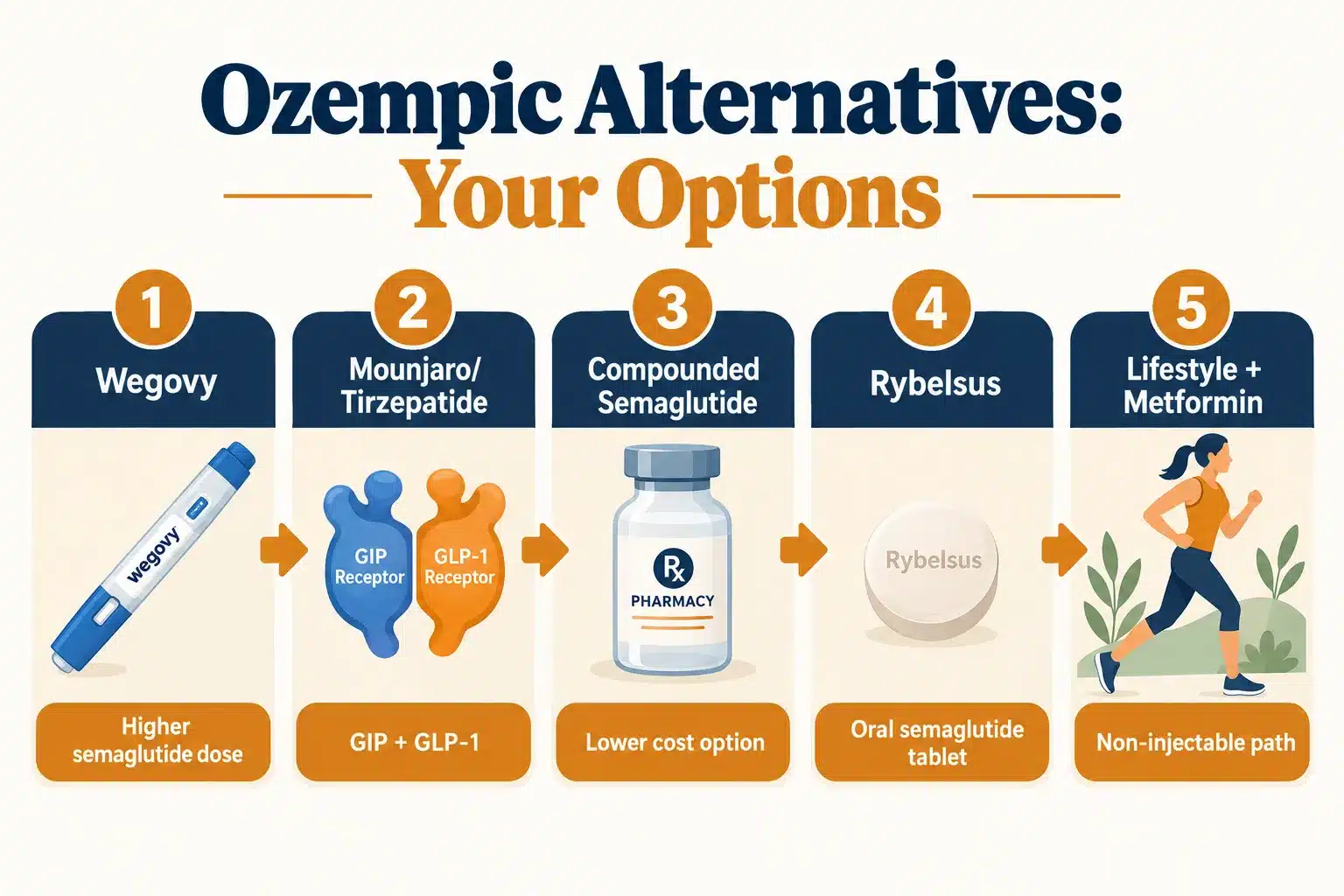
Ozempic Alternatives for Diabetes and Weight Loss
Several alternatives exist depending on your primary goal, budget, and medical history.
GLP-1 and GIP/GLP-1 alternatives:
- Wegovy (semaglutide 2.4 mg): Same drug, higher dose, obesity indication
- Mounjaro / Zepbound (tirzepatide): Dual GIP+GLP-1 agonist, stronger average weight loss
- Victoza / Saxenda (liraglutide): Daily injection, older GLP-1, less effective than semaglutide on average
- Rybelsus (oral semaglutide): Pill form of semaglutide, lower bioavailability; see semaglutide tablets reviews for patient perspectives
Non-GLP-1 options:
- Metformin: First-line diabetes drug, modest weight effect, very low cost
- Qsymia / Contrave: Older weight loss medications, less effective than GLP-1s
- Compounded semaglutide: Lower cost but requires careful vetting of the pharmacy
For a broader look at real patient experiences with semaglutide across formulations, the semaglutide reviews with real results and side effects article covers multiple user accounts.
Ozempic Reviews: Pros, Cons, and My Honest Assessment
Pros:
- Strong clinical evidence for blood sugar control and cardiovascular risk reduction
- Meaningful appetite suppression that most users describe as life-changing
- Once-weekly dosing improves adherence compared to daily medications
- Cardiovascular benefits documented in the SUSTAIN-6 trial (Marso et al., 2016)
- Growing body of real-world data supporting long-term safety
Cons:
- High cost without insurance or diabetes diagnosis
- Nausea and GI side effects can be significant, especially early on
- Weight regain is likely after stopping
- Not FDA-approved for weight loss (Wegovy is), which creates insurance barriers for non-diabetics
- Requires ongoing prescription and medical oversight
My overall assessment: Ozempic is one of the most clinically supported medications available for people managing type 2 diabetes with weight concerns. For non-diabetics seeking weight loss, it works, but Wegovy or Mounjaro may be more appropriate prescriptions depending on your situation. The cost and access barriers are real, and they deserve honest acknowledgment in any review.
7 Best GLP-1 Providers Ranked: Accreditation, Flexibility & Support Compared (2026 Update)
32,000+ Patients Can't All Be Wrong: See the Top-Rated GLP-1 Providers: Compared on accreditation, plan flexibility, and patient support — updated for 2026.
BMI MD GLP-1 Microdosing Plan
- Specialized microdosing options (sublingual drops or low-dose injections)
- Ideal for maintaining weight or tapering off higher doses safely
- Fully bundled plan with no hidden monthly platform memberships
DirectMeds Weight Loss Solutions
- Sourced from accredited, state-licensed 503A compounding pharmacies
- No-frills high-volume savings passed directly to the patient
- Includes clinical consultation and cold-chain shipping updates
MEDVi Flat-Rate Telehealth
- Flat monthly rate holds steady even at maximum maintenance doses
- No dosage upcharges or graduation fee penalties
- Offers both injectable and advanced oral thin-film delivery options
Gala GLP-1 Care Program
- All-inclusive plan with no standalone membership costs
- Continuous text-based messaging access with state-licensed clinicians
- Temperature-controlled, cold-chain medication shipping included
Measured GLP-1 Metabolic Health
- Comprehensive metabolic health screening and expert intake analysis
- Predictable long-term budgeting with stable plan pricing
- High-end responsive dashboard with integrated diagnostic support
Refills GLP-1 (TryRefills Plan)
- Flat rate holds steady as titration scales up
- Includes clinical guides for active side-effect management
- Bundles in foundational nutritional strategies alongside medication
AltRx GLP-1 Transactional Reorders
- Zero recurring auto-billing — pay entirely on a transactional basis
- Rapid text-to-order format saves time for experienced patients
- Provides both injectable forms and fast-dissolving tablet variations
Conclusion: What to Do Next Based on Ozempic Reviews
The weight of both clinical evidence and real-world ozempic reviews points in the same direction: this medication works for the right person, but it is not a simple fix, and it is not right for everyone.
If you’re considering Ozempic, here are concrete next steps:
- Talk to your doctor or a telehealth provider who specializes in metabolic health. Bring your weight history, any diabetes or prediabetes diagnosis, and a list of current medications.
- Check your insurance coverage before filling a prescription. Ask specifically whether your plan covers Ozempic for your diagnosis code, and whether Wegovy or Mounjaro might be better covered for your situation.
- Explore cost-reduction options including manufacturer savings cards, GoodRx, and compounded semaglutide through a verified telehealth provider if brand-name cost is prohibitive.
- Set realistic expectations. Most users see meaningful appetite changes within two to four weeks, but significant weight loss takes three to six months of consistent use.
- Plan for the long term. If Ozempic works for you, discuss with your doctor what a sustainable maintenance plan looks like, because stopping without a plan typically leads to regain.
The best ozempic reviews are not the ones that promise miracles. They’re the ones that help you make an informed decision with your eyes open.
Frequently Asked Questions
Is Ozempic safe for long-term use?
Current evidence supports long-term use in adults with type 2 diabetes or obesity. The SUSTAIN and STEP trial extensions showed no new safety signals over two-plus years. Annual monitoring of thyroid function and kidney health is standard practice.
How long does Ozempic take to work for weight loss?
Most users notice appetite suppression within the first one to two weeks. Visible weight loss typically begins by weeks four to eight, with meaningful results (5%+ body weight) appearing around months three to six.
Can I take Ozempic if I don’t have diabetes?
Doctors can prescribe Ozempic off-label for weight loss in non-diabetics, but insurance coverage is much harder to obtain. Wegovy (same drug, higher dose) has the FDA obesity indication and may be a better-covered option.
What happens if I miss a dose?
If you miss a dose and your next scheduled dose is more than two days away, inject it as soon as you remember. If it’s within two days of your next dose, skip the missed one. Never double up.
Is Ozempic a scam or a legitimate medication?
Ozempic is a fully FDA-approved medication with extensive clinical trial data. It is not a scam. However, many products marketed as “Ozempic alternatives” online are unregulated supplements with no comparable evidence.
Does Ozempic interact with other medications?
Ozempic slows gastric emptying, which can affect absorption of oral medications. It also increases the risk of hypoglycemia when combined with insulin or sulfonylureas. Always disclose all medications to your prescriber.
Where is Ozempic manufactured?
Ozempic is manufactured by Novo Nordisk at facilities in Denmark and the United States. It is not available as a generic in the U.S. as of 2026.
Does Ozempic have a money-back guarantee?
No. As a prescription medication, Ozempic does not come with a consumer refund policy. Novo Nordisk does offer a patient assistance program for eligible uninsured or underinsured patients.
What is “Ozempic face”?
“Ozempic face” is a colloquial term for facial volume loss that can occur with rapid weight loss on GLP-1 medications. It is not a direct drug side effect but a consequence of losing fat throughout the body, including the face.
Can I drink alcohol while taking Ozempic?
Moderate alcohol consumption is not contraindicated, but many users report reduced alcohol tolerance and decreased desire to drink. Heavy alcohol use increases the risk of pancreatitis and should be avoided.
References
- Marso, S.P., et al. (2016). Semaglutide and Cardiovascular Outcomes in Patients with Type 2 Diabetes. New England Journal of Medicine, 375(19), 1834-1844. https://www.nejm.org/doi/10.1056/NEJMoa1607141
- Wilding, J.P.H., et al. (2022). Weight regain and cardiometabolic effects after withdrawal of semaglutide. Diabetes, Obesity and Metabolism, 24(8), 1553-1564. https://doi.org/10.1111/dom.14725
- U.S. Food and Drug Administration. (2017). Ozempic (semaglutide) Prescribing Information. https://www.accessdata.fda.gov/drugsatfda_docs/label/2017/209637lbl.pdf
- Novo Nordisk. (2022). SUSTAIN clinical trial program overview. https://www.novonordisk.com
- Davies, M., et al. (2021). Semaglutide 2·4 mg once a week in adults with overweight or obesity, and type 2 diabetes (STEP 2). The Lancet, 397(10278), 971-984. https://doi.org/10.1016/S0140-6736(21)00213-0


