
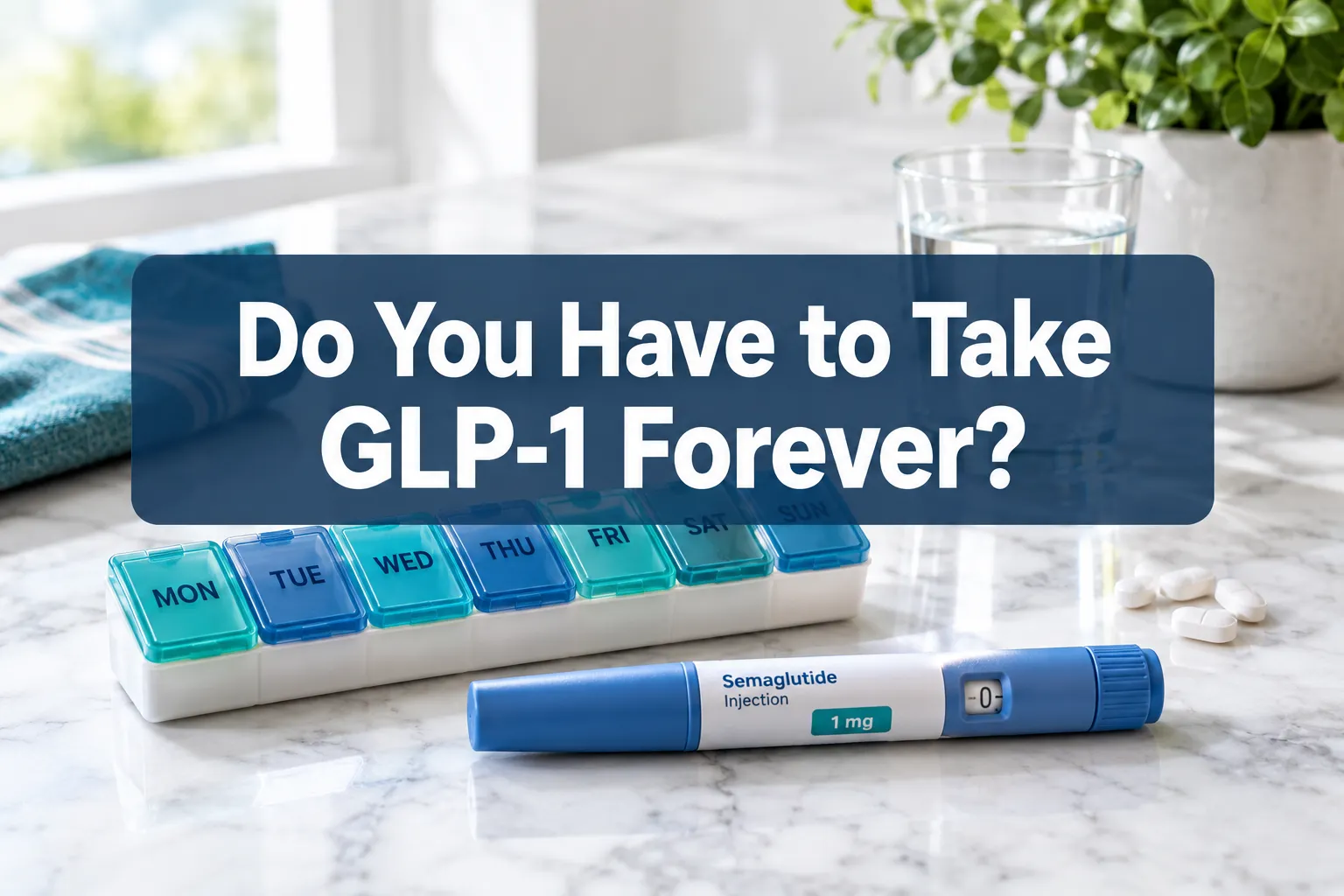
do you have to take glp 1 forever

Last updated: October 4, 2026
Quick Answer
Most people who stop taking GLP-1 medications regain a significant portion of their lost weight, often within one to two years. Clinical trials show that roughly 50 to 66 percent of weight lost during treatment returns after stopping [3][7]. Whether you need to take a GLP-1 long term depends on your health goals, your underlying biology, and whether you can sustain results through lifestyle changes alone.
Key Takeaways
- GLP-1 medications were designed to treat obesity as a chronic condition, similar to how blood pressure medications treat hypertension
- Stopping GLP-1 therapy typically causes appetite to return and “food noise” to increase, which drives weight regain [1][2]
- A 2026 Cleveland Clinic real-world study found mixed outcomes after stopping: roughly half of patients maintained some weight loss, but a meaningful minority fully regained within two years [4]
- Cardiometabolic benefits, including improved blood sugar and blood pressure, also fade after stopping [3][5]
- Some patients can maintain results with intensive lifestyle changes, but this is the exception rather than the rule
- There is no single “right” duration; clinicians increasingly personalize treatment length based on goals, side effects, and cost
- Abrupt stopping is generally not dangerous, but tapering may reduce side effects and slow the return of appetite [1][6]
- GLP-1 medications are not recommended during breastfeeding; postpartum patients should discuss timing with their doctor before starting
- Affordable access through telehealth and compounding pharmacies is making long-term use more financially realistic for many patients
Is GLP-1 a Permanent Treatment or a Temporary Fix?
GLP-1 medications are designed for long-term use, not as a short-term course. The FDA approved semaglutide (Wegovy) and tirzepatide (Zepbound) for chronic weight management, meaning the clinical evidence supports ongoing treatment, not a finite prescription period [5].
7 Best GLP-1 Providers Ranked: Accreditation, Flexibility & Support Compared (2026 Update)
32,000+ Patients Can't All Be Wrong: See the Top-Rated GLP-1 Providers. We compared the leading online GLP-1 providers based on program features, clinical support, convenience, and overall value.
BMI MD GLP-1 Microdosing Plan
- Specialized microdosing options, including sublingual drops and low-dose injections
- Designed for people interested in maintaining weight or gradually adjusting treatment
- Bundled program structure without a separate monthly platform membership
- Online access makes the process convenient from home

DirectMeds Weight Loss Solutions
- Online weight-loss program with a straightforward patient experience
- Compounded medication options through state-licensed compounding pharmacies
- Includes clinical consultation as part of the process
- Provides shipping updates to help patients track their orders
MEDVi Flat-Rate Telehealth
- Flat-rate telehealth approach designed for easier budgeting
- No dosage-based pricing increases within the advertised program structure
- Offers injectable and oral thin-film delivery options
- Includes medical screening and asynchronous provider consultations
Gala GLP-1 Care Program
- Text-based access to state-licensed clinicians
- Cold-chain medication shipping included in the program
- Month-to-month program structure
- Designed for people who value convenient ongoing support
Measured GLP-1 Metabolic Health
- Comprehensive metabolic health screening and intake analysis
- Designed around longer-term metabolic health management
- Responsive dashboard with integrated health tracking tools
- Useful option for patients who value a more data-focused experience
Refills GLP-1 (TryRefills Plan)
- Clinical guidance designed to help patients manage common treatment concerns
- Includes foundational nutritional strategies alongside medication
- Designed around predictable ongoing treatment
- No hidden startup or processing fees according to the program information provided
AltRx GLP-1 Transactional Reorders
- Transactional reorder model without recurring auto-billing
- Designed for patients who already understand their treatment routine
- Fast text-to-order process for convenient reorders
- Offers injectable and fast-dissolving tablet variations
Think of it this way: obesity is a metabolic condition driven partly by hormones, not simply a lack of willpower. GLP-1 agonists work by mimicking a gut hormone that reduces appetite, slows gastric emptying, and improves insulin sensitivity. When you stop the medication, those effects stop too.
That said, “permanent” does not have to mean “forever without question.” Many clinicians now frame GLP-1 use the way they frame blood pressure medication: you stay on it as long as the condition requires management, and you reassess periodically based on results, side effects, and finances.
Decision rule: If your weight loss goal is primarily cosmetic and short-term, a time-limited course may be appropriate. If you have obesity-related conditions such as type 2 diabetes, sleep apnea, or cardiovascular risk, long-term use is more strongly supported by the evidence.
Do You Have to Take GLP-1 Forever to Keep the Weight Off?
For most people, the honest answer is: yes, ongoing use is likely needed to maintain the full benefit. The data on this is fairly consistent across multiple studies.
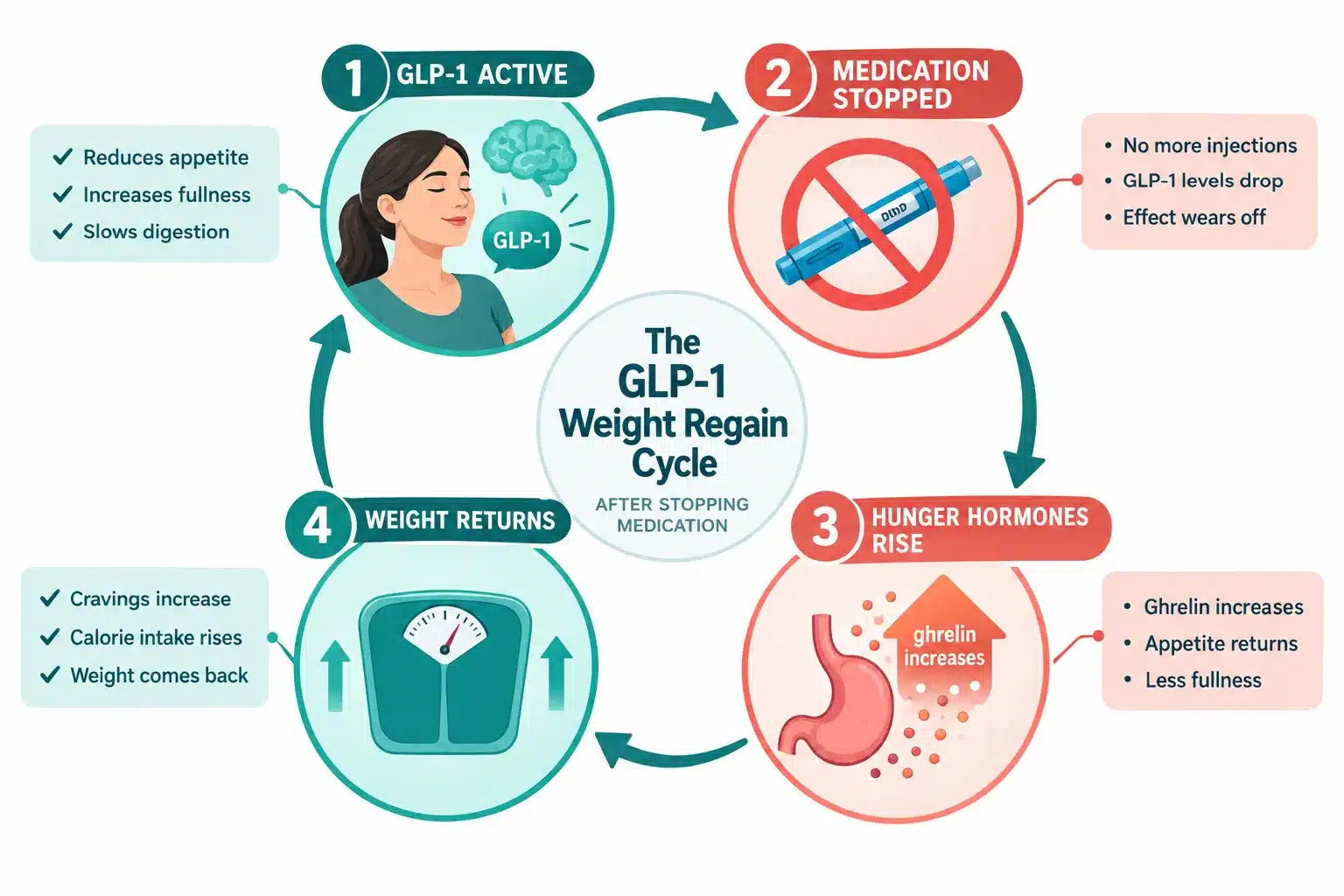
The landmark STEP 1 extension trial found that participants who stopped semaglutide after 68 weeks regained about two-thirds of their lost weight within one year [7][8]. A 2026 real-world study from the Cleveland Clinic followed patients who discontinued GLP-1 therapy and found that outcomes varied widely, but that weight regain was common and often substantial within 24 months [4].
Key findings from the research:
- 50 to 66 percent of lost weight is typically regained within 12 months of stopping [3][7]
- Appetite and hunger signals return to pre-treatment levels relatively quickly after the last dose [2]
- “Food noise,” the constant mental preoccupation with food that many patients describe, tends to return within weeks [1]
- Cardiometabolic markers, including HbA1c and blood pressure, also trend back toward baseline [3][5]
The exception: A minority of patients who combine GLP-1 therapy with significant behavioral changes, including diet restructuring and regular exercise, do maintain a meaningful portion of their weight loss after stopping. But these patients represent a smaller share of the overall population, and the lifestyle changes required are intensive [6][10].
What Happens If You Stop Taking GLP-1?
Stopping a GLP-1 medication does not cause dangerous withdrawal symptoms, but the body does respond in predictable ways. Within days to weeks of your last dose, appetite-suppressing effects begin to fade [2].
Here is what most patients experience after stopping:
- Increased hunger: Ghrelin and other appetite hormones rebound, making it harder to feel satisfied after meals
- Return of food cravings: Cravings for high-calorie foods often intensify
- Slower weight loss or weight regain: Most patients see the scale move upward within weeks to months [3]
- Reversal of metabolic improvements: Blood sugar control, blood pressure, and cholesterol levels may worsen over time [5]
- Mood changes: Some patients report feeling more anxious or frustrated as appetite returns, though this is not universal
Common mistake: Assuming that because you feel fine after stopping, the weight will stay off. The metabolic changes that drive regain often happen gradually, making it easy to underestimate the trajectory until several months have passed [10].
What Are the Side Effects of Stopping GLP-1 Suddenly?
Stopping abruptly is not medically dangerous in the way that stopping certain other medications can be. However, there are practical reasons some clinicians prefer a gradual taper [1][6].
Potential effects of abrupt stopping:
- Rapid return of appetite and food cravings
- Possible gastrointestinal discomfort as the gut adjusts
- Psychological distress from hunger returning after a period of relief
- Faster weight regain compared to a gradual dose reduction
Tapering approach: Some providers are now recommending a slow reduction in dose over several weeks rather than an immediate stop. This is not yet a universally standardized protocol, but emerging clinical practice suggests it may ease the transition [1][6]. If you are considering stopping, talk to your prescribing doctor about the best approach for your specific situation.
How Long Do You Stay on GLP-1 Medication?
There is no universal answer, and that is actually the honest, evidence-based position. Duration is individualized based on several factors [5].

Factors that influence how long you stay on treatment:
- Your primary goal: Weight loss for metabolic health versus weight loss for a specific event
- Underlying conditions: Patients with type 2 diabetes or cardiovascular disease have stronger evidence for long-term use
- Response to treatment: How much weight you lost and whether you have plateaued
- Side effects: Ongoing nausea, gastrointestinal issues, or other tolerability problems
- Cost and access: Long-term affordability is a real-world factor for many patients
Most clinical guidelines now treat obesity as a chronic condition requiring ongoing management. The American Obesity Association and many endocrinologists recommend staying on GLP-1 therapy as long as it is effective, well-tolerated, and accessible [5][8].
For patients exploring cost-effective options, resources like this guide to affordable semaglutide telehealth and the least expensive GLP-1 options for weight loss can help make long-term use financially sustainable.
Can You Take GLP-1 Short Term, Just for Weight Loss?
Yes, some people do take GLP-1 medications for a defined short-term period, and this can produce meaningful results. However, the evidence strongly suggests that short-term use is less effective at producing lasting change than ongoing treatment [5][10].
Short-term use may make sense if:
- You need to lose weight before a surgery and your doctor recommends a temporary course
- You want to “reset” eating habits and plan to maintain with intensive lifestyle changes afterward
- Cost or side effects make long-term use impractical
The trade-off: Short-term users tend to regain weight faster than those who continue treatment. If you stop after reaching your goal weight, expect appetite to return and plan proactively for how you will manage it [2][7].
A practical middle ground some clinicians are exploring is a lower maintenance dose after reaching goal weight, rather than stopping entirely. This approach is still being studied, but early data suggests it may help preserve results at a lower cost and with fewer side effects [6].
Do You Gain Weight Back After Stopping GLP-1?
Most people do regain weight after stopping, and the research on this is consistent enough to treat it as the expected outcome rather than the exception [3][7][10].
The STEP 4 trial, which involved semaglutide, found that participants who switched to placebo after an initial treatment period regained an average of 6.9 percent of body weight within 48 weeks, compared to continued weight loss in those who stayed on the medication [8]. Other analyses have found that up to two-thirds of total lost weight returns within 12 months of stopping [7].
Why regain happens:
- GLP-1 medications correct a hormonal imbalance temporarily, not permanently
- The underlying biology of obesity, including elevated hunger hormones and reduced satiety signaling, reasserts itself after the drug clears the system
- Behavioral habits established during treatment are often not sufficient on their own to counteract biological drive [2][6]
Who is least likely to fully regain: Patients who made substantial dietary changes during treatment, increased physical activity significantly, and have strong social support tend to maintain more of their loss. But even in this group, some regain is common [10].
Can You Take Breaks from GLP-1, or Do You Have to Be Consistent?
Consistency generally produces better outcomes, but taking breaks is not uncommon in real-world practice, often due to cost, supply issues, or side effects. The research on intentional “cycling” on and off GLP-1 medications is still limited [4][6].
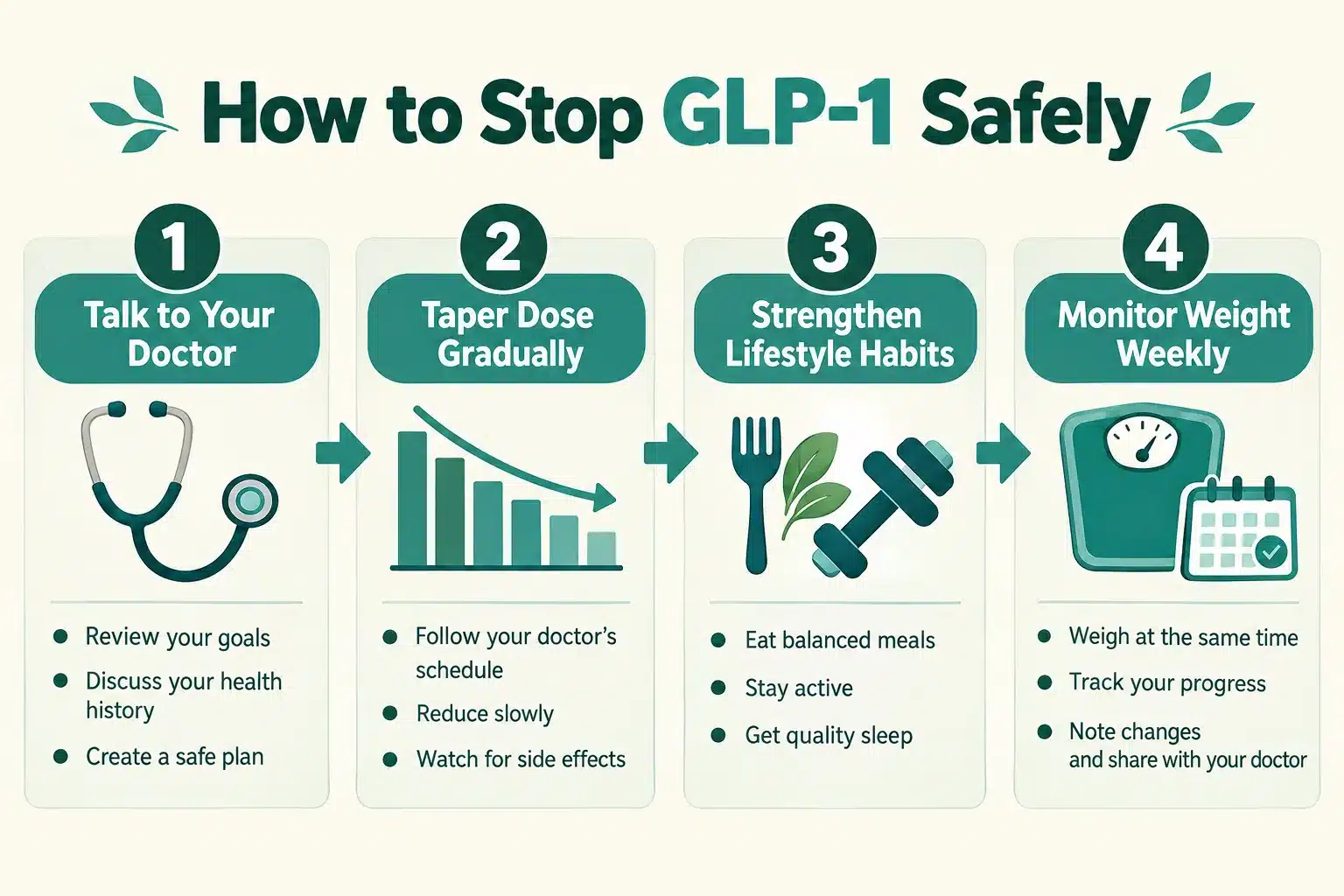
What we know about breaks:
- Weight regain begins relatively quickly after stopping, often within weeks for some patients [2]
- Restarting after a break does appear to restore the medication’s effectiveness for most patients [4]
- Frequent starts and stops may make it harder to build consistent habits around eating and activity
- The 2026 Cleveland Clinic study noted that patients who stopped and restarted had variable outcomes, with some successfully re-losing weight and others struggling to regain momentum [4]
Practical guidance: If cost is the reason you are considering a break, explore lower-cost options before stopping entirely. Compounding pharmacy options for semaglutide and tirzepatide have made ongoing treatment more affordable for many patients. See our breakdown of compounding pharmacy semaglutide costs and cheapest tirzepatide online for current options.
What Happens to Your Metabolism After You Stop GLP-1?
Stopping GLP-1 therapy reverses most of its metabolic effects over time. This includes changes to insulin sensitivity, blood sugar regulation, and cardiovascular risk markers [3][5].
Metabolic changes after stopping:
- Blood glucose levels trend upward in patients with type 2 diabetes or prediabetes
- Blood pressure and cholesterol improvements begin to fade within months
- Insulin resistance may return toward pre-treatment levels
- Resting metabolic rate does not appear to be permanently altered by GLP-1 use, which means the body does not become “dependent” on the medication in a physiological sense [6]
This is an important distinction: stopping GLP-1 does not damage your metabolism. It simply removes the hormonal support that was correcting an underlying imbalance. The body returns to its prior state, which for many people with obesity means a state that favors weight gain.
For a deeper look at what these medications do inside the body, see our guide on GLP-1 transformation and what it really does to your body, weight, and metabolism.
How Long Does It Take to See Results with GLP-1?
Most patients begin to notice appetite suppression within the first one to two weeks of starting a GLP-1 medication. Measurable weight loss typically begins within four to eight weeks, though the full effect builds over several months as the dose is titrated upward [5].
General timeline:
- Weeks 1 to 4: Reduced appetite, some nausea as the body adjusts, early weight changes
- Months 1 to 3: Noticeable weight loss, improved blood sugar in diabetic patients
- Months 3 to 6: Continued weight loss, metabolic improvements become measurable
- Months 6 to 12: Approaching peak effect; most patients reach their maximum weight loss in this window
- Beyond 12 months: Weight loss typically plateaus; maintenance becomes the primary goal
Clinical trials for semaglutide showed an average weight loss of approximately 15 percent of body weight at 68 weeks [8]. Tirzepatide trials have shown even larger average losses in some populations. Individual results vary based on starting weight, dose, diet, and activity level.
Who Should Not Take GLP-1 Long Term?
GLP-1 medications are not appropriate for everyone, and some patients should avoid long-term use or avoid them entirely [5][8].
Contraindications and cautions:
- Personal or family history of medullary thyroid carcinoma (MTC): GLP-1 agonists carry an FDA black box warning for this risk
- Multiple endocrine neoplasia syndrome type 2 (MEN 2): Also a contraindication
- Pancreatitis history: Use with caution; discuss with your doctor
- Severe kidney or liver disease: May require dose adjustment or avoidance
- Pregnancy: Not recommended during pregnancy
- Breastfeeding: GLP-1 medications, including semaglutide and tirzepatide, are not recommended while breastfeeding due to insufficient safety data on transfer into breast milk and effects on nursing infants
A note on GLP-1 and breastfeeding: This is an important topic for postpartum patients interested in GLP-1 weight loss. GLP-1 breastfeeding safety has not been established in clinical trials. Semaglutide while breastfeeding and tirzepatide while breastfeeding are both currently not recommended by major medical organizations. If you are postpartum and considering GLP-1 medications for weight loss, the standard guidance is to wait until you have finished breastfeeding before starting treatment. Discuss GLP-1 postpartum weight loss timing with your OB or primary care provider.
What’s the Difference Between Taking GLP-1 Forever vs. Lifestyle Changes Alone?
This is one of the most common questions patients ask, and the honest answer is that for most people with clinical obesity, GLP-1 medications produce significantly greater and more sustained weight loss than lifestyle changes alone [5][8][10].
| Factor | GLP-1 Long Term | Lifestyle Changes Alone |
|---|---|---|
| Average weight loss | 15 to 22% of body weight | 5 to 10% of body weight |
| Appetite control | Strong hormonal suppression | Relies on willpower and habit |
| Metabolic benefits | Significant, well-documented | Present but typically smaller |
| Sustainability | High while on medication | Highly variable; hard to sustain |
| Cost | Ongoing monthly expense | Lower direct cost |
| Best for | Clinical obesity, metabolic disease | Mild overweight, motivated individuals |
The most effective approach combines both: using GLP-1 therapy to create the biological conditions for weight loss while building sustainable habits that support long-term health. Neither approach is a substitute for the other.
How Much Does GLP-1 Cost If You Take It Long Term?
Cost is one of the most significant barriers to long-term GLP-1 use, and it is a legitimate concern. Brand-name GLP-1 medications like Wegovy and Zepbound can cost over $1,000 per month without insurance coverage [5].
However, the landscape has changed considerably in 2026. Options now include:
- Compounding pharmacies: Compounded semaglutide and tirzepatide are available at significantly lower prices through licensed telehealth providers. See our guide to how much semaglutide costs online for current pricing
- Telehealth platforms: Services like those reviewed in our Hims weight loss cost breakdown offer structured programs at competitive rates
- Insurance coverage: Coverage for obesity medications has expanded, though it remains inconsistent
- Manufacturer savings programs: Novo Nordisk and Eli Lilly both offer savings cards for eligible patients
For patients managing long-term costs, our guide to the best GLP-1 options under $300 covers the most affordable current pathways. Patients interested in tirzepatide specifically can also review tirzepatide patient reviews to weigh real-world experiences before committing to long-term use.
Do Doctors Recommend Staying on GLP-1 Indefinitely?
Many endocrinologists, obesity medicine specialists, and primary care physicians now recommend indefinite use for patients with clinical obesity, particularly those with related metabolic conditions [5][6][8].
The expert consensus, increasingly reflected in clinical guidelines, is that obesity should be treated like other chronic conditions. You would not stop blood pressure medication simply because your blood pressure normalized on the drug. The same logic applies here.
That said, “indefinitely” does not mean “without reassessment.” Most clinicians recommend:
- Annual reviews of weight, metabolic markers, and side effects
- Dose adjustments based on response and tolerability
- Honest conversations about goals, finances, and alternatives
- Consideration of other medications or combination approaches if GLP-1 alone is insufficient
The emerging picture from the 2026 Cleveland Clinic study is that outcomes after stopping are highly individual, which reinforces the case for personalized, ongoing clinical management rather than a one-size-fits-all approach [4].
FAQ
Q: Do you have to take GLP-1 forever to maintain weight loss?
For most people, yes. The majority of clinical evidence shows that stopping GLP-1 medications leads to significant weight regain within 12 to 24 months. Ongoing use is generally needed to maintain the full benefit [3][7].
Q: What happens within the first week of stopping a GLP-1?
Appetite-suppressing effects begin to fade within days. Most patients notice increased hunger and food cravings within one to two weeks of their last dose [2].
Q: Is it safe to stop GLP-1 abruptly?
Stopping abruptly is not medically dangerous, but a gradual taper may ease the return of appetite and reduce gastrointestinal discomfort. Always consult your prescribing doctor before stopping [1][6].
Q: Can some people maintain weight loss after stopping GLP-1?
A minority of patients, particularly those who made significant lifestyle changes during treatment, do maintain a meaningful portion of their weight loss. However, this is not the typical outcome [6][10].
Q: Can I take GLP-1 medications while breastfeeding?
No. GLP-1 medications including semaglutide and tirzepatide are not recommended while breastfeeding. Safety data for nursing infants is insufficient. Discuss postpartum weight loss timing with your doctor after you finish breastfeeding.
Q: How quickly do metabolic benefits reverse after stopping GLP-1?
Blood sugar and blood pressure improvements typically begin to fade within weeks to months of stopping, trending back toward pre-treatment levels over time [3][5].
Q: Is there a maintenance dose option instead of stopping completely?
Some clinicians are exploring lower maintenance doses after patients reach their goal weight, rather than stopping entirely. This approach is still being studied but may help preserve results at lower cost [6].
Q: Does stopping GLP-1 damage your metabolism permanently?
No. GLP-1 medications do not permanently alter metabolism. Stopping removes the hormonal support the medication provided, and the body returns to its prior state [6].
Q: How long does it take to see results with GLP-1?
Most patients notice appetite suppression within one to two weeks. Measurable weight loss typically begins within four to eight weeks, with peak effects around 6 to 12 months [5].
Q: Who should avoid long-term GLP-1 use?
Patients with a personal or family history of medullary thyroid carcinoma, MEN 2 syndrome, or a history of pancreatitis should avoid or use with caution. Pregnant and breastfeeding individuals should not use GLP-1 medications [5][8].
Q: Can you cycle on and off GLP-1 medications?
Some patients do cycle on and off due to cost or side effects. Restarting generally restores effectiveness, but frequent stops and starts may make it harder to maintain consistent habits and results [4][6].
Q: Are compounding pharmacy options a viable long-term solution?
For many patients, compounded semaglutide and tirzepatide from licensed pharmacies offer a more affordable path to long-term treatment. Verify that any compounding pharmacy is accredited and operating legally. See our guide to compounded semaglutide safety and legality for details.
7 Best GLP-1 Providers Ranked: Accreditation, Flexibility & Support Compared (2026 Update)
32,000+ Patients Can't All Be Wrong: See the Top-Rated GLP-1 Providers: Compared on accreditation, plan flexibility, and patient support — updated for 2026.
BMI MD GLP-1 Microdosing Plan
- Specialized microdosing options (sublingual drops or low-dose injections)
- Ideal for maintaining weight or tapering off higher doses safely
- Fully bundled plan with no hidden monthly platform memberships
DirectMeds Weight Loss Solutions
- Sourced from accredited, state-licensed 503A compounding pharmacies
- No-frills high-volume savings passed directly to the patient
- Includes clinical consultation and cold-chain shipping updates
MEDVi Flat-Rate Telehealth
- Flat monthly rate holds steady even at maximum maintenance doses
- No dosage upcharges or graduation fee penalties
- Offers both injectable and advanced oral thin-film delivery options
Gala GLP-1 Care Program
- All-inclusive plan with no standalone membership costs
- Continuous text-based messaging access with state-licensed clinicians
- Temperature-controlled, cold-chain medication shipping included
Measured GLP-1 Metabolic Health
- Comprehensive metabolic health screening and expert intake analysis
- Predictable long-term budgeting with stable plan pricing
- High-end responsive dashboard with integrated diagnostic support
Refills GLP-1 (TryRefills Plan)
- Flat rate holds steady as titration scales up
- Includes clinical guides for active side-effect management
- Bundles in foundational nutritional strategies alongside medication
AltRx GLP-1 Transactional Reorders
- Zero recurring auto-billing — pay entirely on a transactional basis
- Rapid text-to-order format saves time for experienced patients
- Provides both injectable forms and fast-dissolving tablet variations
Conclusion
The question of whether you have to take GLP-1 forever does not have a single answer, but the evidence points clearly in one direction: for most people with clinical obesity, ongoing use produces far better outcomes than stopping. Weight regain after discontinuation is common, well-documented, and often substantial within the first year [3][7].
That does not mean every patient must commit to a lifetime prescription without question. It means treating obesity the way medicine now understands it: as a chronic condition that often requires ongoing management, personalized to your biology, goals, and circumstances.
Actionable next steps:
- Talk to your doctor or a telehealth provider about your long-term treatment plan before making any changes to your GLP-1 regimen
- If cost is a barrier, explore compounding pharmacy options and telehealth platforms that offer lower-cost access
- Use your time on GLP-1 therapy to build sustainable dietary and activity habits that will support you regardless of your medication status
- If you are postpartum and considering GLP-1 weight loss, wait until you have finished breastfeeding and consult your provider about safe timing
- Schedule regular check-ins with your provider to reassess your dose, your results, and your goals at least annually
GLP-1 medications are a powerful tool, but they work best as part of a broader, long-term approach to metabolic health rather than a temporary fix with a defined end date.
References
[1] Weaning Off A GLP-1: Tips For The Transition – https://www.health.harvard.edu/medications-and-treatments/weaning-off-a-glp-1-tips-for-the-transition
[2] What Happens When You Stop Taking a GLP-1 Drug – https://www.drugs.com/medical-answers/what-happens-when-you-stop-taking-glp-1-drug-3582375/
[3] What Happens When You Stop Taking a GLP-1 – https://www.urmc.rochester.edu/news/publications/health-matters/what-happens-when-you-stop-taking-a-glp-1
[4] What Happens When Patients Stop Taking GLP-1 Drugs: New Cleveland Clinic Study Reveals Real-World Insights – https://newsroom.clevelandclinic.org/2026/03/12/what-happens-when-patients-stop-taking-glp-1-drugs-new-cleveland-clinic-study-reveals-real-world-insights
[5] How Long To Take GLP-1 For Weight Loss – https://health.clevelandclinic.org/how-long-to-take-glp-1-for-weight-loss
[6] Coming Off GLP-1s – https://www.musc.edu/content-hub/News/2026/04/06/coming-off-glp-1s
[7] Stopping GLP-1 Weight Regain – https://www.aarp.org/health/drugs-supplements/stopping-glp-1-weight-regain/
[8] PMC11043580 – https://pmc.ncbi.nlm.nih.gov/articles/PMC11043580/
[9] PMC13031337 – https://pmc.ncbi.nlm.nih.gov/articles/PMC13031337/
[10] What Happens When You Stop Taking Weight Loss Medications – https://www.houstonmethodist.org/blog/articles/2025/oct/what-happens-when-you-stop-taking-weight-loss-medications/