
how long does glp 1 take to work
Last updated: September 25, 2026
Quick Answer
Most people begin noticing reduced appetite within the first one to two weeks of starting a GLP-1 medication, but meaningful weight loss typically takes four to eight weeks to appear on the scale [8]. Full results, meaning 10 to 20 percent or more of body weight lost, generally require six to eighteen months of consistent treatment [1]. How long GLP-1 takes to work depends on the specific drug, your dose, your metabolism, and whether you support the medication with diet and exercise.
Key Takeaways
- Appetite suppression is usually the first effect, often felt within days to two weeks of the first dose [3]
- Visible weight loss on the scale typically begins around weeks four to eight [8]
- Significant weight loss (10%+ of body weight) takes three to six months for most people [1]
- Tirzepatide (Mounjaro/Zepbound) may produce faster early results than semaglutide-only drugs in some patients [5]
- GLP-1 medications are not a quick fix; the dose escalation schedule is designed to minimize side effects, not to speed up results [6]
- Plateau typically occurs at twelve to eighteen months; this is normal and expected [1]
- Stopping GLP-1 medication usually leads to weight regain within months unless lifestyle changes are maintained [2]
- Diet and exercise can meaningfully accelerate and amplify GLP-1 results [8]
- If you see no change after four weeks at a therapeutic dose, talk to your prescriber about adjusting your plan [3]
- Blood sugar improvements with semaglutide (Ozempic) can appear within the first few weeks, often before significant weight loss [4]
What Is GLP-1 and How Does It Work in Your Body
GLP-1 stands for glucagon-like peptide-1, a hormone your gut naturally produces after you eat. GLP-1 receptor agonist medications mimic this hormone at higher, sustained levels to reduce hunger, slow digestion, and improve blood sugar control.
7 Best GLP-1 Providers Ranked: Accreditation, Flexibility & Support Compared (2026 Update)
32,000+ Patients Can't All Be Wrong: See the Top-Rated GLP-1 Providers. We compared the leading online GLP-1 providers based on program features, clinical support, convenience, and overall value.
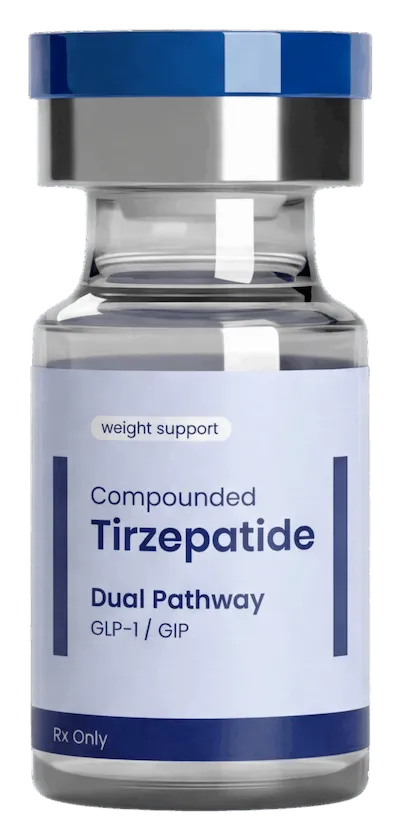
BMI MD GLP-1 Microdosing Plan
- Specialized microdosing options, including sublingual drops and low-dose injections
- Designed for people interested in maintaining weight or gradually adjusting treatment
- Bundled program structure without a separate monthly platform membership
- Online access makes the process convenient from home

DirectMeds Weight Loss Solutions
- Online weight-loss program with a straightforward patient experience
- Compounded medication options through state-licensed compounding pharmacies
- Includes clinical consultation as part of the process
- Provides shipping updates to help patients track their orders
MEDVi Flat-Rate Telehealth
- Flat-rate telehealth approach designed for easier budgeting
- No dosage-based pricing increases within the advertised program structure
- Offers injectable and oral thin-film delivery options
- Includes medical screening and asynchronous provider consultations
Gala GLP-1 Care Program
- Text-based access to state-licensed clinicians
- Cold-chain medication shipping included in the program
- Month-to-month program structure
- Designed for people who value convenient ongoing support
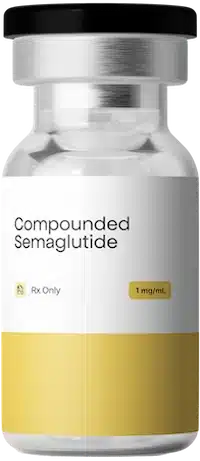
Measured GLP-1 Metabolic Health
- Comprehensive metabolic health screening and intake analysis
- Designed around longer-term metabolic health management
- Responsive dashboard with integrated health tracking tools
- Useful option for patients who value a more data-focused experience
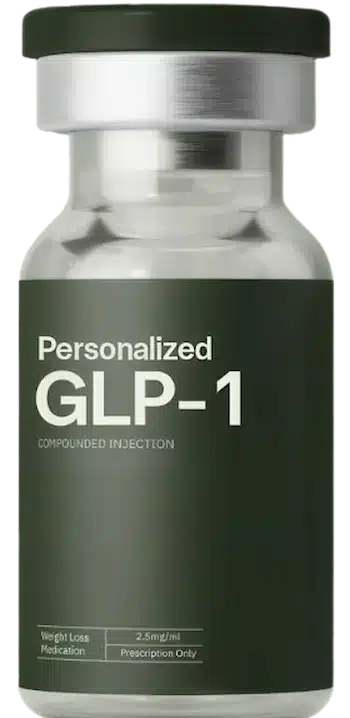
Refills GLP-1 (TryRefills Plan)
- Clinical guidance designed to help patients manage common treatment concerns
- Includes foundational nutritional strategies alongside medication
- Designed around predictable ongoing treatment
- No hidden startup or processing fees according to the program information provided
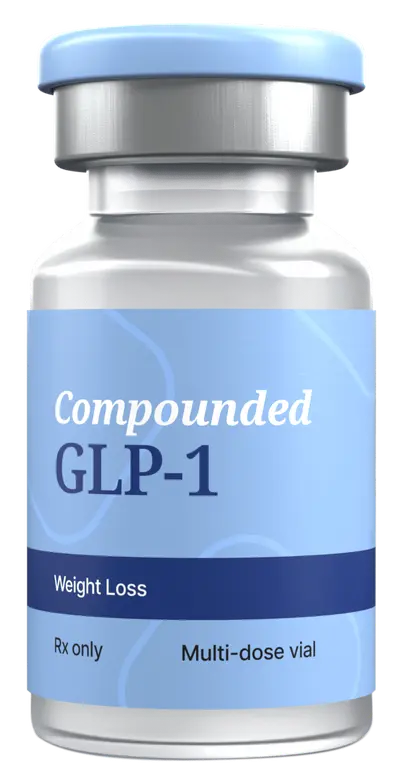
AltRx GLP-1 Transactional Reorders
- Transactional reorder model without recurring auto-billing
- Designed for patients who already understand their treatment routine
- Fast text-to-order process for convenient reorders
- Offers injectable and fast-dissolving tablet variations
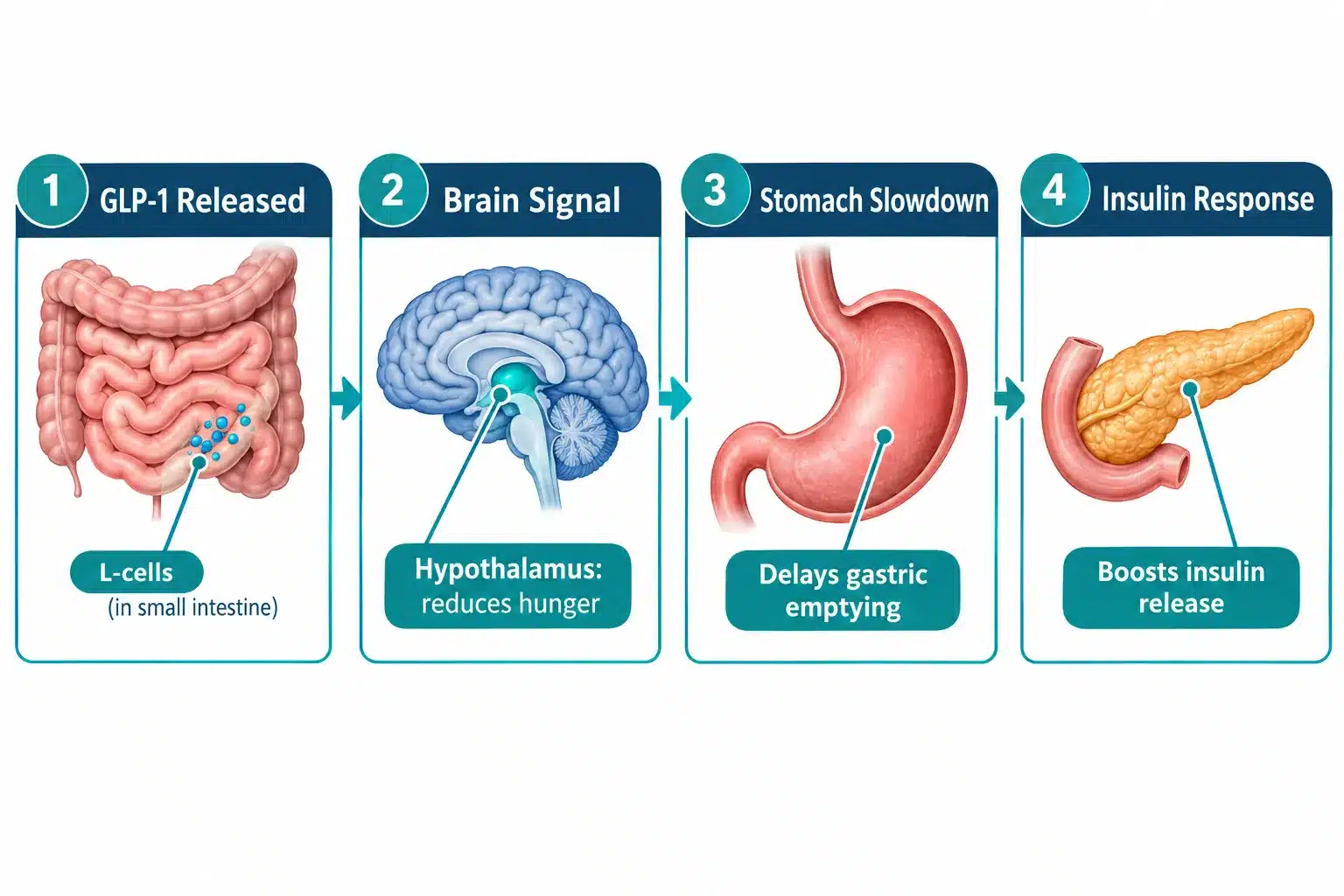
Here is what happens when GLP-1 activates in your body:
- Brain: Signals the hypothalamus to reduce hunger and increase the feeling of fullness [3]
- Stomach: Slows gastric emptying, so food stays in your stomach longer and you feel satisfied with less [3]
- Pancreas: Stimulates insulin release in response to meals and suppresses glucagon, lowering blood sugar [4]
- Liver: Reduces excess glucose output, contributing to better metabolic control [9]
Because GLP-1 medications work on multiple systems at once, their effects build gradually. You are not flipping a single switch. You are recalibrating several hormonal signals that have likely been dysregulated for years. That is why the question of how long GLP-1 takes to work does not have a single, simple answer.
For a deeper look at what these medications do beyond weight loss, see our guide on GLP-1 transformation: what it really does to your body, weight, and metabolism.
How Long Does GLP-1 Take to Suppress Appetite
Appetite suppression is usually the earliest effect most people notice, and it can begin within the first week of starting a GLP-1 medication [3]. However, the degree of appetite reduction increases as the dose escalates over the first several weeks.
What to expect, week by week:
- Days 1 to 7: Some people notice slightly smaller portions feel satisfying; others feel little change at the starting dose
- Weeks 2 to 4: Most people report a noticeable reduction in hunger, fewer food cravings, and less interest in snacking [3]
- Weeks 4 to 8: Appetite suppression typically becomes more consistent as the dose increases toward therapeutic levels [8]
One patient I spoke with described it this way: “I didn’t stop wanting food entirely. I just stopped obsessing over it. By week three, I was leaving food on my plate for the first time in years.”
Common mistake: Many people expect dramatic appetite loss on day one. When it does not happen, they assume the drug is not working. The starting dose is intentionally low to reduce nausea and GI side effects. Appetite suppression strengthens as the dose escalates [6].
GLP-1 Timeline: First Week vs First Month Effects
The first week and the first month of GLP-1 therapy feel very different, and knowing what to expect at each stage prevents unnecessary discouragement.
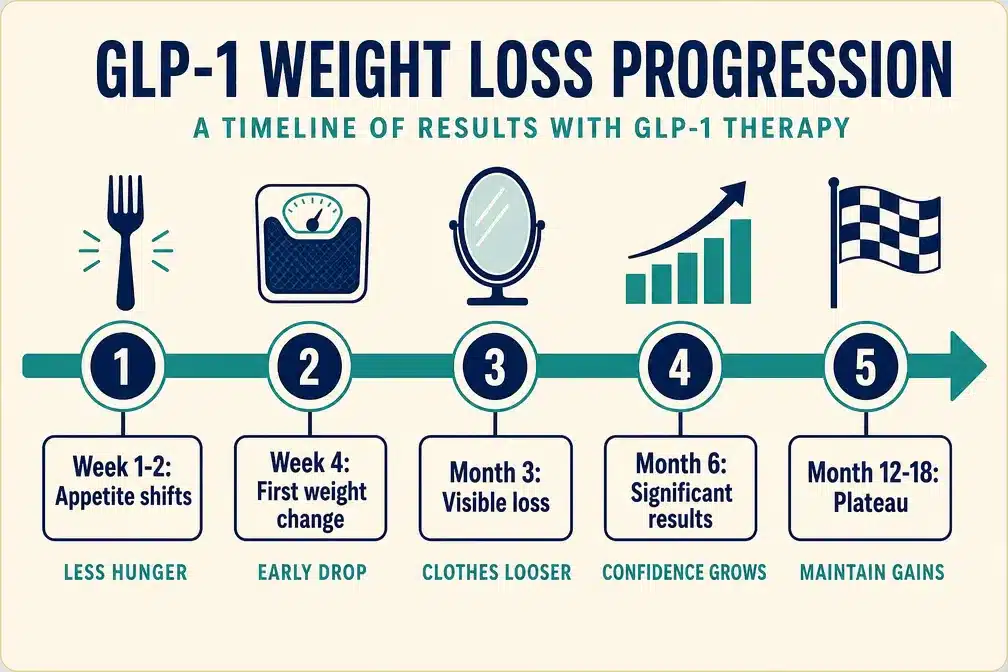
| Timeframe | What Typically Happens | What to Watch For |
|---|---|---|
| Week 1 | Mild appetite shifts; possible nausea or fatigue | GI side effects are common and usually temporary |
| Weeks 2-4 | Appetite noticeably reduced; blood sugar may improve | Scale may not move much yet; this is normal |
| Month 1-2 | First measurable weight loss (often 2-5 lbs) | Dose escalation begins; effects strengthen |
| Month 3-6 | Consistent weight loss; 5-10% body weight common | Lifestyle habits amplify results significantly |
| Month 12-18 | Plateau; maximum weight loss reached for most | Maintenance phase begins; ongoing medication often needed |
Blood sugar improvements with Ozempic (semaglutide) can appear within the first few weeks, sometimes before the scale moves significantly [4]. This is especially relevant for people managing type 2 diabetes alongside weight loss goals.
How Long Before You See Weight Loss Results on GLP-1
Most people see their first measurable weight loss between weeks four and eight, but significant results, meaning five percent or more of body weight, typically take three to six months [1]. Do not judge the medication by what happens in the first two weeks.
Realistic weight loss benchmarks from clinical data:
- Semaglutide (Wegovy): Clinical trials showed approximately 15 percent average body weight loss over 68 weeks [10]
- Tirzepatide (Mounjaro/Zepbound): Trial participants lost up to 20 to 22 percent of body weight over 72 weeks at the highest dose [7]
- Oral semaglutide (Rybelsus): Similar appetite effects to injectable semaglutide, though absorption varies; weight loss trajectory is comparable but may be slightly slower for some individuals [8]
Do you lose weight immediately on GLP-1, or does it take time? You do not lose weight immediately. The early weeks are about your body adjusting to the medication and your dose being escalated safely. Expecting fast results in week one sets you up for frustration [6].
If you are weighing cost alongside expectations, our guide on how much semaglutide costs in 2026 breaks down current pricing across pharmacy and telehealth options.
GLP-1 vs Other Weight Loss Drugs: Which Works Faster
GLP-1 medications do not produce the fastest initial weight loss compared to some older options, but they tend to produce the most sustained and significant results over time [2].
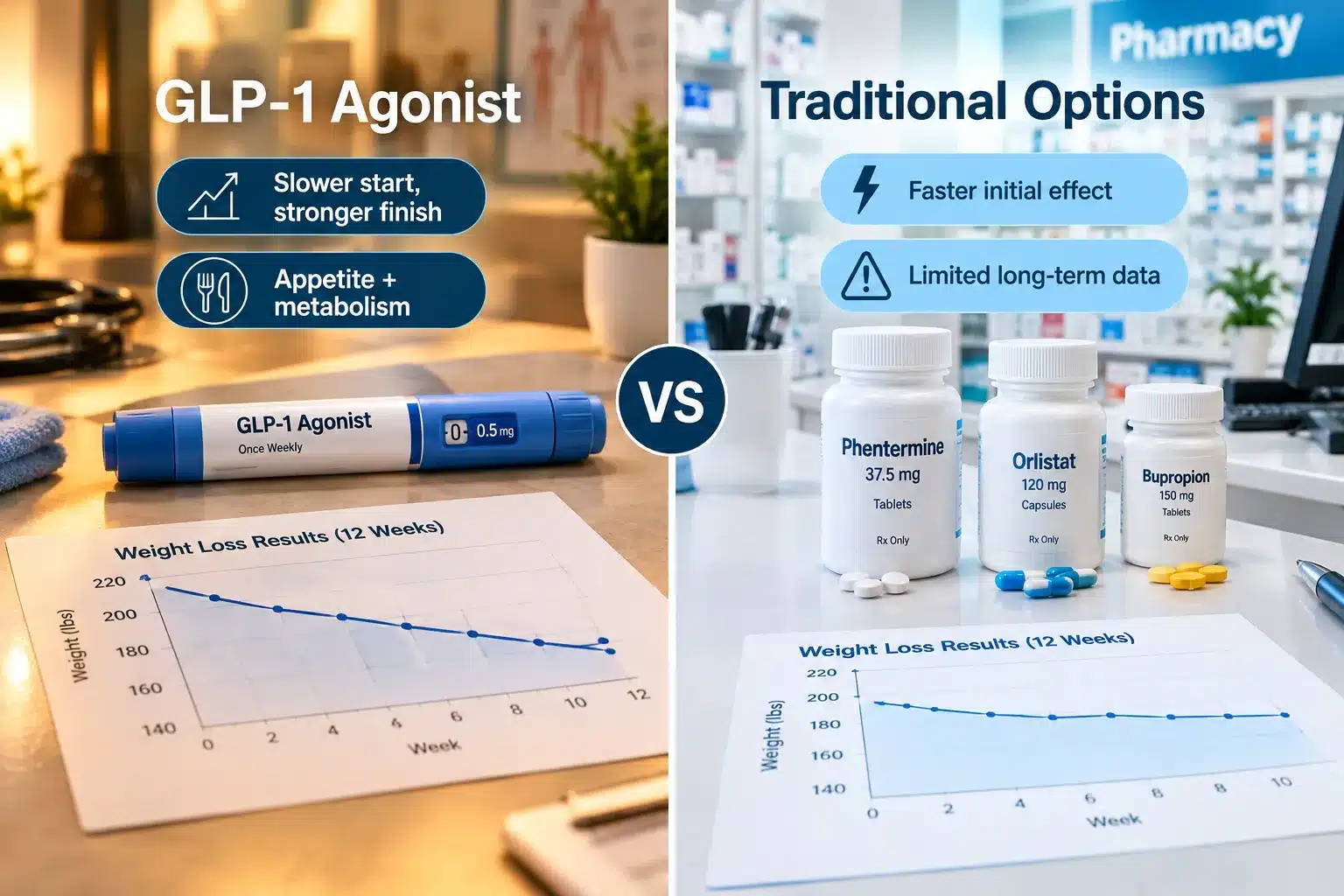
Quick comparison:
- Phentermine (stimulant-based): Can produce faster early weight loss in weeks one to four, but effects often plateau quickly and it is not approved for long-term use
- Orlistat: Works by blocking fat absorption; slower and more modest results than GLP-1 medications
- Semaglutide (Wegovy): Slower start, but superior long-term results in most head-to-head comparisons [2]
- Tirzepatide (Mounjaro/Zepbound): Among the fastest-acting GLP-1 class drugs, with some patients reporting appetite changes within days and stronger early weight loss than semaglutide alone [5]
Choose GLP-1 if: You want the most evidence-backed, long-term weight loss with metabolic benefits beyond just the scale.
Choose a faster-acting option if: You need short-term appetite control before a procedure or event, but understand the trade-off in sustainability.
For a detailed breakdown of which GLP-1 medication produces the fastest results, see our article on the fastest-working GLP-1: which medication acts quickest and what to expect.
GLP-1 Dosage Schedule and When to Expect Results
GLP-1 medications follow a structured dose escalation schedule, and this schedule directly determines when you feel effects. Skipping ahead to a higher dose faster does not speed up weight loss; it usually increases side effects and leads people to quit [6].
Typical semaglutide (Ozempic/Wegovy) escalation:
- Weeks 1-4: 0.25 mg weekly (starting dose; not a therapeutic weight loss dose)
- Weeks 5-8: 0.5 mg weekly
- Weeks 9-12: 1 mg weekly (therapeutic range begins here for many)
- Weeks 13+: Up to 2.4 mg weekly for Wegovy (full therapeutic dose) [4]
Tirzepatide (Mounjaro/Zepbound) escalation:
- Weeks 1-4: 2.5 mg weekly
- Weeks 5-8: 5 mg weekly
- Weeks 9+: Escalating to 10 mg or 15 mg as tolerated [7]
Key insight: Most people do not reach a full therapeutic dose until week eight to twelve. This means the question of how long GLP-1 takes to work is partly a question of how long it takes to reach the right dose. Patience during escalation is not optional.
For information on compounded GLP-1 options that may offer more flexibility in dosing and cost, see our guide on how pharmaceutical compounding works for GLP-1 drugs.
Can GLP-1 Work Faster If You Diet and Exercise
Yes. Combining GLP-1 medication with dietary changes and regular physical activity consistently produces better and faster results than medication alone [8]. The drug reduces appetite and improves metabolic signaling, but it does not replace the calorie deficit needed for weight loss.
What actually moves the needle:
- Protein-rich diet: Helps preserve muscle mass during weight loss and amplifies satiety signals [2]
- Reduced ultra-processed food intake: GLP-1 medications reduce cravings for these foods in many people, making dietary changes easier [3]
- Resistance training: Preserves lean muscle, which keeps metabolism higher during weight loss
- Consistent sleep: Poor sleep raises hunger hormones (ghrelin) that can partially counteract GLP-1’s appetite suppression
Practical rule: Think of GLP-1 as lowering the difficulty setting on weight loss, not removing the need to play the game. People who make no dietary or activity changes do lose weight on GLP-1, but significantly less than those who do [8].
Why Is GLP-1 Taking So Long to Work for Me
If you feel like your GLP-1 medication is not working, the most common reasons are still being in the dose escalation phase, unrealistic timelines, or factors that blunt the drug’s effectiveness.
Most common reasons for slow or absent results:
- Still at a sub-therapeutic dose: The starting dose is not designed to produce weight loss; results accelerate after dose escalation [8]
- Inconsistent injection timing: Weekly GLP-1 injections work best when taken on the same day each week [4]
- Diet offsetting the drug: Eating significantly more calories to compensate for reduced hunger signals (common but counterproductive)
- Medication interactions: Some drugs can affect GLP-1 absorption or metabolism; review your full medication list with your prescriber
- Biological variability: Some people are slower responders; this does not mean the drug will not work, only that it takes longer [1]
GLP-1 not working after two weeks: what should you do? Two weeks is too early to draw conclusions, especially if you are still at the starting dose. Wait until you have been at a therapeutic dose for at least four weeks before reassessing. If you have been at a full dose for eight weeks with no appetite change and no weight loss, contact your prescriber [3].
You may also want to compare options. Our guide on which GLP-1 medication works best for weight loss covers how different drugs compare for different patient profiles.
Who Should Not Take GLP-1 Medications
GLP-1 medications are not appropriate for everyone, and certain conditions make them contraindicated or require extra caution [2].
Absolute contraindications:
- Personal or family history of medullary thyroid carcinoma (MTC)
- Multiple endocrine neoplasia syndrome type 2 (MEN 2)
- History of pancreatitis (use with caution; discuss with your doctor) [4]
- Pregnancy or breastfeeding
Use with caution if you have:
- Severe kidney disease
- Severe gastrointestinal conditions (gastroparesis)
- A history of eating disorders
- Type 1 diabetes (GLP-1 is not a replacement for insulin)
Who benefits most: Adults with a BMI of 30 or higher, or a BMI of 27 or higher with at least one weight-related health condition such as type 2 diabetes, high blood pressure, or sleep apnea [2].
If you are exploring the most affordable entry points into GLP-1 therapy, our guide to the least expensive GLP-1 for weight loss in 2026 is worth reading before you commit to a program.
How Long Does GLP-1 Stay in Your System After You Stop
Semaglutide has a half-life of approximately seven days, meaning it takes roughly five weeks to clear from your system after your last dose [4]. Tirzepatide has a similar half-life of approximately five days [7].
What happens after stopping:
- Appetite typically returns to baseline within two to four weeks
- Most people regain a significant portion of lost weight within six to twelve months of stopping [1]
- Blood sugar levels in people with type 2 diabetes often rise again after discontinuation [4]
This is why most prescribers and clinical guidelines frame GLP-1 medications as long-term or indefinite treatment for obesity, similar to how blood pressure medication is not stopped once blood pressure normalizes [2]. The weight regain after stopping is not a personal failure; it reflects the chronic nature of obesity as a metabolic condition.
Common GLP-1 Mistakes That Delay Results
Knowing what slows progress is as useful as knowing what accelerates it. These are the most frequent errors that delay or undermine GLP-1 results.
- Expecting results before reaching therapeutic dose: The first four to eight weeks are setup, not payoff
- Stopping due to early nausea: GI side effects usually peak in weeks one to three and then subside; quitting early means never reaching the effective dose
- Skipping doses: Inconsistent dosing reduces steady-state drug levels and blunts appetite suppression [4]
- Not adjusting food choices: Eating the same high-calorie foods in smaller amounts may not create enough of a deficit
- Comparing timelines to others: Individual response varies widely; a friend’s three-week results are not your benchmark
- Ignoring sleep and stress: Both raise cortisol and hunger hormones that work against GLP-1 [2]
7 Best GLP-1 Providers Ranked: Accreditation, Flexibility & Support Compared (2026 Update)
32,000+ Patients Can't All Be Wrong: See the Top-Rated GLP-1 Providers: Compared on accreditation, plan flexibility, and patient support — updated for 2026.
BMI MD GLP-1 Microdosing Plan
- Specialized microdosing options (sublingual drops or low-dose injections)
- Ideal for maintaining weight or tapering off higher doses safely
- Fully bundled plan with no hidden monthly platform memberships
DirectMeds Weight Loss Solutions
- Sourced from accredited, state-licensed 503A compounding pharmacies
- No-frills high-volume savings passed directly to the patient
- Includes clinical consultation and cold-chain shipping updates
MEDVi Flat-Rate Telehealth
- Flat monthly rate holds steady even at maximum maintenance doses
- No dosage upcharges or graduation fee penalties
- Offers both injectable and advanced oral thin-film delivery options
Gala GLP-1 Care Program
- All-inclusive plan with no standalone membership costs
- Continuous text-based messaging access with state-licensed clinicians
- Temperature-controlled, cold-chain medication shipping included
Measured GLP-1 Metabolic Health
- Comprehensive metabolic health screening and expert intake analysis
- Predictable long-term budgeting with stable plan pricing
- High-end responsive dashboard with integrated diagnostic support
Refills GLP-1 (TryRefills Plan)
- Flat rate holds steady as titration scales up
- Includes clinical guides for active side-effect management
- Bundles in foundational nutritional strategies alongside medication
AltRx GLP-1 Transactional Reorders
- Zero recurring auto-billing — pay entirely on a transactional basis
- Rapid text-to-order format saves time for experienced patients
- Provides both injectable forms and fast-dissolving tablet variations
Conclusion
How long GLP-1 takes to work is not a single number. Appetite suppression often begins within one to two weeks. Measurable weight loss typically appears by weeks four to eight. Meaningful results, in the range of ten to twenty percent of body weight, take three to eighteen months depending on the drug, dose, and your lifestyle.
The most important thing to understand is that the dose escalation schedule is not a delay; it is the mechanism. Pushing through the early weeks, staying consistent with injections, and supporting the medication with dietary changes are the three factors most within your control.
Actionable next steps:
- If you are in weeks one to four, focus on tolerating the medication and tracking appetite changes rather than the scale
- If you are past week eight at a therapeutic dose with no results, schedule a follow-up with your prescriber to review dose, diet, and potential barriers
- If cost is a barrier to staying on medication long-term, explore compounded semaglutide options or telehealth programs designed for affordability
- Treat this as a long-term metabolic intervention, not a short-term fix, and your expectations will match the evidence
Frequently Asked Questions
How long does GLP-1 take to work for weight loss?
Most people see their first measurable weight loss between weeks four and eight. Significant results of five percent or more of body weight typically take three to six months at a therapeutic dose [8].
When do you start feeling full on GLP-1 medication?
Most people notice reduced appetite and earlier fullness within one to two weeks of starting, though this effect strengthens as the dose escalates over the first eight to twelve weeks [3].
Does GLP-1 work immediately?
No. The starting dose is sub-therapeutic and is designed to minimize side effects. Meaningful appetite suppression and weight loss build over weeks as the dose increases [6].
How long does it take for Ozempic to suppress appetite?
Most Ozempic users report noticeable appetite reduction within two to four weeks, with stronger effects appearing after dose escalation to 0.5 mg and above [4].
How fast does tirzepatide work compared to semaglutide?
Tirzepatide (Mounjaro/Zepbound) may produce slightly faster early appetite changes and greater overall weight loss in some patients, with some users reporting effects within the first week [5]. Both drugs require months to show full results.
What happens if GLP-1 is not working after one month?
If you are still at the starting dose (0.25 mg for semaglutide), one month is too early to judge. If you are at a therapeutic dose and see no appetite change or weight loss after eight weeks, consult your prescriber [3].
How long do you need to stay on GLP-1 medication?
Most clinical guidelines and prescribers recommend long-term or indefinite use for obesity management, because weight typically returns after stopping [1]. Duration should be decided with your doctor based on your goals and health status.
Does GLP-1 work faster if you exercise?
Exercise does not speed up the drug’s mechanism, but it significantly improves the amount of weight lost and helps preserve muscle mass during weight loss, making your overall results better and faster [8].
How long does semaglutide stay in your system after stopping?
Semaglutide has a half-life of about seven days and is largely cleared from your system within five weeks of the last dose [4].
Can oral GLP-1 pills work as fast as injections?
Oral semaglutide (Rybelsus) follows a similar timeline to injectable forms, though absorption is more variable. Most users can expect a comparable appetite suppression and weight loss trajectory, though some individuals respond more strongly to injections [8].
Why am I not losing weight on GLP-1 after two weeks?
Two weeks is almost certainly still within the dose escalation phase. Weight loss is not expected at the starting dose. Stay consistent, follow your escalation schedule, and reassess at week eight or later [8].
Is GLP-1 a quick fix for weight loss?
No. Despite the rapid appetite changes some people feel early on, GLP-1 medications are designed for gradual, sustained weight loss over months to years. Framing them as a quick fix leads to unrealistic expectations and early discontinuation [6].
References
[1] How Long To Take GLP-1 For Weight Loss – https://health.clevelandclinic.org/how-long-to-take-glp-1-for-weight-loss
[2] GLP-1s 101: Weight Loss, Wegovy, Ozempic, Zepbound, Side Effects, Safe Use – https://med.stanford.edu/news/insights/2026/06/glp1s-101-weight-loss-wegovy-ozempic-zepbound-side-effects-safe-use.html
[3] How Long Does It Take For GLP-1s To Suppress Appetite – https://health.clevelandclinic.org/how-long-does-it-take-for-glp-1s-to-suppress-appetite
[4] Ozempic – https://www.drugs.com/ozempic.html
[5] How Quickly Results Mounjaro – https://www.numan.com/weight-loss/medication/how-quickly-results-mounjaro
[6] Why Weight Loss Drugs Aren’t A Quick Fix – https://www.bbc.com/future/article/20260401-why-weight-loss-drugs-arent-a-quick-fix
[7] Tirzepatide – https://www.drugs.com/tirzepatide.html
[8] How Long Does It Take For GLP-1s To Work – https://www.goodrx.com/classes/glp-1-agonists/how-long-does-it-take-for-glps-1-to-work
[9] University of Texas Health Science Center Medical Docs – https://digitalcommons.library.tmc.edu/cgi/viewcontent.cgi?article=4261&context=uthmed_docs
[10] How Fast Does Semaglutide Kick In – https://diet.mayoclinic.org/us/blog/2024/how-fast-does-semaglutide-kick-in/


