Injections for Weight Loss Compared: Which One Delivers the Best Results?

Last updated: May 28, 2026
Quick Answer: Injections for weight loss — primarily GLP-1 receptor agonists like semaglutide and tirzepatide — are FDA-approved medications that suppress appetite, slow digestion, and help the body regulate blood sugar, leading to significant and sustained weight loss. Clinical trials show patients losing 15–22% of body weight over 68–72 weeks. They require a prescription, work best alongside diet and exercise, and are available through telehealth platforms at varying costs.
Key Takeaways
- GLP-1 injections like semaglutide (Wegovy/Ozempic) and tirzepatide (Zepbound/Mounjaro) are the most clinically proven weight loss shots available in 2026.
- Most people lose 10–22% of their body weight over 12–18 months with consistent use.
- Cost without insurance ranges from $200–$1,300/month depending on the medication and provider.
- Telehealth platforms like DirectMeds make access faster and often more affordable than traditional clinics.
- Side effects are common but mostly mild: nausea, fatigue, and digestive discomfort in the first few weeks.
- Not everyone qualifies — you typically need a BMI of 27+ with a weight-related condition, or a BMI of 30+.
- Stopping the medication often leads to weight regain without lifestyle changes in place.
- Combining injections with a structured diet and exercise plan produces the best long-term results.

What Exactly Are Weight Loss Injections and How Do They Work?
Weight loss injections are prescription medications — most commonly GLP-1 receptor agonists — that mimic hormones your gut naturally releases after eating. These hormones signal your brain that you’re full, slow stomach emptying, and reduce appetite. The result is that you eat less without constant willpower battles.
7 Best GLP-1 Providers Ranked: Accreditation, Flexibility & Support Compared (2026 Update)
32,000+ Patients Can't All Be Wrong: See the Top-Rated GLP-1 Providers. We compared the leading online GLP-1 providers based on program features, clinical support, convenience, and overall value.
BMI MD GLP-1 Microdosing Plan
- Specialized microdosing options, including sublingual drops and low-dose injections
- Designed for people interested in maintaining weight or gradually adjusting treatment
- Bundled program structure without a separate monthly platform membership
- Online access makes the process convenient from home

DirectMeds Weight Loss Solutions
- Online weight-loss program with a straightforward patient experience
- Compounded medication options through state-licensed compounding pharmacies
- Includes clinical consultation as part of the process
- Provides shipping updates to help patients track their orders
MEDVi Flat-Rate Telehealth
- Flat-rate telehealth approach designed for easier budgeting
- No dosage-based pricing increases within the advertised program structure
- Offers injectable and oral thin-film delivery options
- Includes medical screening and asynchronous provider consultations
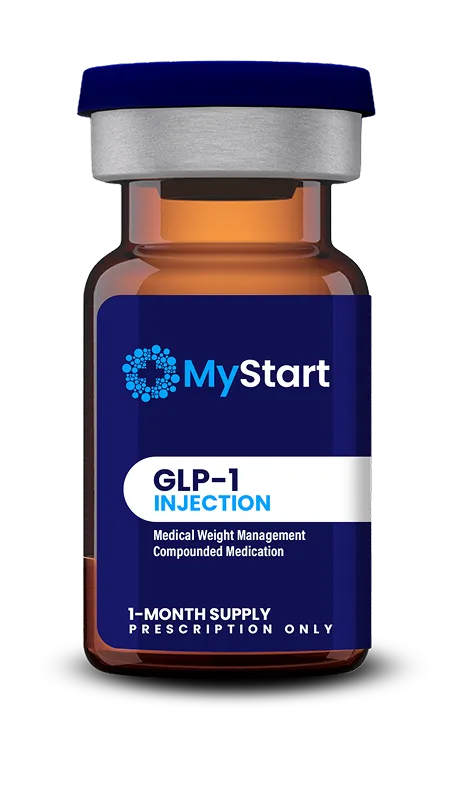
Gala GLP-1 Care Program
- Text-based access to state-licensed clinicians
- Cold-chain medication shipping included in the program
- Month-to-month program structure
- Designed for people who value convenient ongoing support
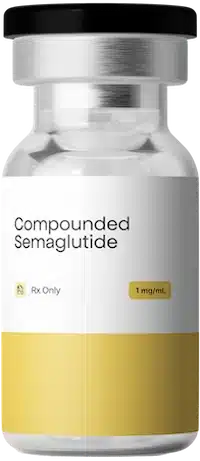
Measured GLP-1 Metabolic Health
- Comprehensive metabolic health screening and intake analysis
- Designed around longer-term metabolic health management
- Responsive dashboard with integrated health tracking tools
- Useful option for patients who value a more data-focused experience
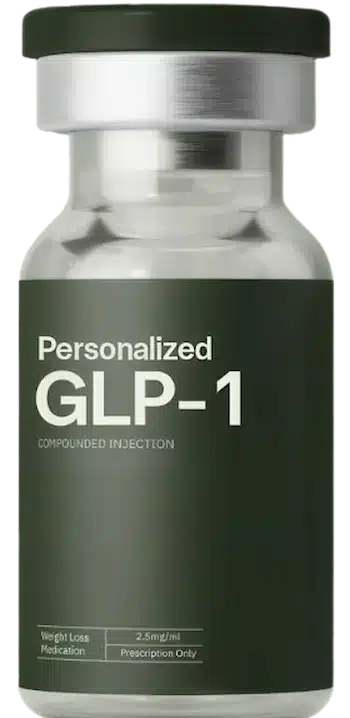
Refills GLP-1 (TryRefills Plan)
- Clinical guidance designed to help patients manage common treatment concerns
- Includes foundational nutritional strategies alongside medication
- Designed around predictable ongoing treatment
- No hidden startup or processing fees according to the program information provided
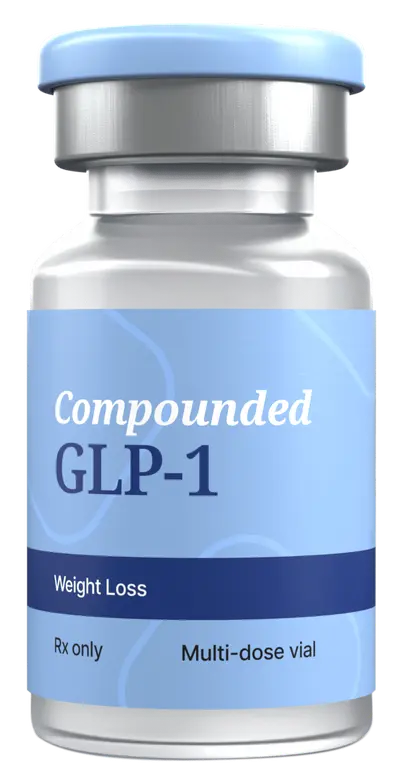
AltRx GLP-1 Transactional Reorders
- Transactional reorder model without recurring auto-billing
- Designed for patients who already understand their treatment routine
- Fast text-to-order process for convenient reorders
- Offers injectable and fast-dissolving tablet variations
The two main drug classes used for injections for weight loss in 2026 are:
- GLP-1 agonists: Semaglutide (Ozempic, Wegovy) — targets one hormone pathway
- GLP-1/GIP dual agonists: Tirzepatide (Mounjaro, Zepbound) — targets two hormone pathways simultaneously, which is why it tends to produce stronger results
Both are self-administered as a subcutaneous (under-the-skin) injection, typically once per week. The pen devices are easy to use and virtually painless for most people.
For a deeper look at how these medications work at the molecular level, see our GLP-1 shots explained guide.
Which Weight Loss Injection Is Most Effective for Quick Results?
Tirzepatide (Zepbound) currently produces the highest average weight loss of any approved injection, with clinical trial participants losing up to 22% of body weight over 72 weeks. Semaglutide (Wegovy) follows closely, with average losses of 15–17%.
Here’s a quick comparison:
| Medication | Brand Names | Avg. Weight Loss | Dosing | Mechanism |
|---|---|---|---|---|
| Semaglutide | Ozempic, Wegovy | 15–17% | Weekly | GLP-1 agonist |
| Tirzepatide | Mounjaro, Zepbound | 20–22% | Weekly | GLP-1 + GIP agonist |
| Liraglutide | Saxenda | 5–8% | Daily | GLP-1 agonist |
Choose tirzepatide if you want maximum weight loss and your provider approves it. Choose semaglutide if you’re looking for a well-established option with a longer safety track record and potentially lower cost.
💡 DirectMeds GLP1 Semaglutide is currently one of the most affordable semaglutide options available through telehealth in 2026 — without the brand-name markup.
👉 Check Your Eligibility for DirectMeds GLP1 Semaglutide Today
How Much Do Weight Loss Injections Cost Without Insurance?
Without insurance, injections for weight loss can be expensive — but the price varies widely depending on the medication, dosage, and provider.
- Brand-name Wegovy: $1,300–$1,400/month (retail)
- Brand-name Zepbound: $1,000–$1,200/month (retail)
- Compounded semaglutide (telehealth): $200–$400/month
- Compounded tirzepatide (telehealth): $300–$500/month
Telehealth platforms have made these medications significantly more accessible. For a full breakdown, see our Weight Loss Injections Cost 2026 guide and our GLP-1 without insurance cost guide.
DirectMeds GLP1 Semaglutide is positioned as one of the least expensive GLP-1 options available, making it a strong starting point for anyone without insurance coverage. For more options, our least expensive GLP-1 guide compares leading providers side by side.

Are There Side Effects or Risks With Weight Loss Shots?
Most people experience some side effects, especially in the first 4–8 weeks as the dose increases. The good news: most side effects are mild and temporary.
Common side effects:
- Nausea (most frequently reported)
- Constipation or diarrhea
- Fatigue
- Mild headache
- Reduced appetite (this is also the goal)
Rare but serious risks:
- Pancreatitis (inflammation of the pancreas)
- Gallbladder issues
- Thyroid C-cell tumors (seen in animal studies; not confirmed in humans but listed as a warning)
- Severe allergic reaction
Common mistake: People often stop the medication at the first sign of nausea. Starting at a low dose and increasing slowly — as prescribed — dramatically reduces this issue.
Can Anyone Get Weight Loss Injections, or Are There Specific Requirements?
No, not everyone qualifies. Injections for weight loss are prescription medications with specific eligibility criteria set by the FDA.
You typically qualify if:
- BMI ≥ 30 (obesity), OR
- BMI ≥ 27 with at least one weight-related condition (type 2 diabetes, high blood pressure, high cholesterol, sleep apnea)
You may NOT qualify if you have:
- Personal or family history of medullary thyroid carcinoma (MTC)
- Multiple Endocrine Neoplasia syndrome type 2 (MEN 2)
- Active pancreatitis
- Pregnancy or plans to become pregnant
- Severe gastrointestinal conditions
A licensed provider — through a clinic or telehealth platform — will review your health history before prescribing. This is a required step, not optional.
💊 Get Started with DirectMeds — Most Affordable Semaglutide Option
What’s the Difference Between Ozempic and Wegovy?
Both Ozempic and Wegovy contain semaglutide, but they’re FDA-approved for different purposes and come in different dose ranges.
- Ozempic is approved for type 2 diabetes management. It’s prescribed off-label for weight loss, which many doctors do.
- Wegovy is FDA-approved specifically for chronic weight management and comes in higher doses (up to 2.4 mg weekly vs. Ozempic’s 2 mg max).
For weight loss purposes, Wegovy is the on-label choice. However, compounded semaglutide — available through telehealth providers like DirectMeds GLP1 Semaglutide — can offer similar dosing at a fraction of the brand-name cost.
See our full GLP-1 medications overview for more detail on how these drugs compare.
Are Weight Loss Injections Covered by My Health Insurance?
Coverage depends entirely on your insurance plan and the specific medication. Wegovy and Zepbound have limited insurance coverage in 2026, and many plans still exclude them or require prior authorization.
- Medicare: As of 2026, coverage for GLP-1s for weight loss (not diabetes) remains inconsistent — check your specific Part D plan.
- Employer plans: Some large employers have added coverage; many have not.
- Medicaid: Coverage varies significantly by state.
If your insurance won’t cover it: Compounded semaglutide through telehealth is the most practical affordable alternative. Our tirzepatide cost guide breaks down what you’ll actually pay across different platforms.
How Fast Can I Expect to Lose Weight With These Injections?
Most people see measurable results within 4–8 weeks, with significant weight loss occurring over 3–6 months. The timeline depends on your starting weight, dose, and lifestyle habits.
Typical progression:
- Weeks 1–4: Appetite reduction, possible 2–5 lbs lost
- Months 2–3: Steady loss of 1–2 lbs/week as dose increases
- Months 6–12: 10–20%+ of body weight lost for most consistent users
- Month 12–18: Weight loss plateaus; maintenance dose continues
Edge case: People with very slow metabolism or insulin resistance may see slower initial results. That said, GLP-1 injections do address some metabolic dysfunction directly, which is why they often work even when diet alone has failed.

Do Weight Loss Injections Work for People With Slow Metabolism?
Yes, and this is one of the reasons GLP-1 injections stand out from diet pills or lifestyle changes alone. These medications directly influence metabolic hormones — not just calorie intake.
GLP-1 receptor agonists improve insulin sensitivity, reduce glucagon secretion, and help the body process glucose more efficiently. For people whose metabolism has been disrupted by years of dieting, insulin resistance, or hormonal imbalances, this can be a meaningful advantage.
🚀 Start Your Weight Loss Journey with DirectMeds GLP1 Semaglutide
Can I Combine Weight Loss Injections With Diet and Exercise?
Absolutely — and you should. Clinical trials showing 15–22% weight loss were conducted with participants who also followed a reduced-calorie diet and increased physical activity. The injections amplify results; they don’t replace effort.
What works best alongside injections:
- A moderate calorie deficit (not extreme restriction)
- High-protein meals to preserve muscle mass
- Resistance training at least 2–3 times per week
- Adequate sleep (7–9 hours) to support hormone regulation
For a structured approach, our personalized weight loss meal plan guide and healthy eating and weight loss meal plan offer practical frameworks to pair with your injection program.
What Happens if I Stop Taking Weight Loss Injections?
Most people regain a significant portion of lost weight within 12 months of stopping. This is because the medication is actively suppressing appetite and regulating hormones — when it stops, those hormones rebound.
This doesn’t mean the medication failed. It means obesity is a chronic condition that often requires ongoing management, similar to blood pressure or cholesterol medication.
To minimize weight regain after stopping:
- Build sustainable eating habits during treatment
- Maintain regular physical activity
- Work with your provider on a tapering plan rather than stopping abruptly
- Consider a maintenance dose rather than full discontinuation
Are There Natural Alternatives to Weight Loss Injections?
Natural alternatives exist but produce significantly smaller results than GLP-1 injections. For someone who doesn’t qualify medically or prefers to avoid injections, these options are worth considering.
Evidence-supported alternatives:
- Dietary changes: High-protein, lower-carb diets consistently reduce appetite and support fat loss
- Intermittent fasting: Can reduce calorie intake without strict counting
- Berberine: A plant compound with modest GLP-1-like effects (much weaker than medication)
- Fiber supplements: Slow digestion and improve satiety
If you’re curious about supplement-based options, our review of best dropper supplements for weight loss covers what the evidence actually supports.
Choose injections if you have a BMI over 30, have tried lifestyle changes without lasting success, or have metabolic conditions that make weight loss especially difficult.

✅ See If You Qualify for DirectMeds GLP1 Semaglutide — Most Affordable Option in 2026
7 Best GLP-1 Providers Ranked: Accreditation, Flexibility & Support Compared (2026 Update)
32,000+ Patients Can't All Be Wrong: See the Top-Rated GLP-1 Providers: Compared on accreditation, plan flexibility, and patient support — updated for 2026.
BMI MD GLP-1 Microdosing Plan
- Specialized microdosing options (sublingual drops or low-dose injections)
- Ideal for maintaining weight or tapering off higher doses safely
- Fully bundled plan with no hidden monthly platform memberships
DirectMeds Weight Loss Solutions
- Sourced from accredited, state-licensed 503A compounding pharmacies
- No-frills high-volume savings passed directly to the patient
- Includes clinical consultation and cold-chain shipping updates
MEDVi Flat-Rate Telehealth
- Flat monthly rate holds steady even at maximum maintenance doses
- No dosage upcharges or graduation fee penalties
- Offers both injectable and advanced oral thin-film delivery options
Gala GLP-1 Care Program
- All-inclusive plan with no standalone membership costs
- Continuous text-based messaging access with state-licensed clinicians
- Temperature-controlled, cold-chain medication shipping included
Measured GLP-1 Metabolic Health
- Comprehensive metabolic health screening and expert intake analysis
- Predictable long-term budgeting with stable plan pricing
- High-end responsive dashboard with integrated diagnostic support
Refills GLP-1 (TryRefills Plan)
- Flat rate holds steady as titration scales up
- Includes clinical guides for active side-effect management
- Bundles in foundational nutritional strategies alongside medication
AltRx GLP-1 Transactional Reorders
- Zero recurring auto-billing — pay entirely on a transactional basis
- Rapid text-to-order format saves time for experienced patients
- Provides both injectable forms and fast-dissolving tablet variations
Conclusion: Are Injections for Weight Loss Right for You?
Injections for weight loss — particularly GLP-1 medications like semaglutide and tirzepatide — are the most clinically effective tools available for sustained weight management in 2026. They work by addressing the hormonal and metabolic drivers of weight gain, not just willpower.
Here’s how to move forward:
- Check your BMI and health history to see if you meet basic eligibility criteria.
- Compare costs using our weight loss injections cost guide to find what fits your budget.
- Consult a provider — telehealth makes this faster and cheaper than ever.
- Consider DirectMeds GLP1 Semaglutide if cost is a barrier — it’s one of the most affordable compounded semaglutide options available right now.
- Pair your medication with diet and exercise for the best long-term results.
Weight loss injections aren’t a shortcut — they’re a medical tool that works best when used as part of a broader lifestyle commitment. But for the right person, they can be genuinely life-changing.
💉 Get Started with DirectMeds GLP1 Semaglutide — Affordable, Accessible, Effective
Frequently Asked Questions
How quickly do weight loss injections start working?
Most people notice reduced appetite within the first 1–2 weeks. Measurable weight loss typically begins in weeks 4–8, with more significant results appearing at the 3–6 month mark as the dose increases.
Is semaglutide the same as Ozempic?
Yes. Semaglutide is the active ingredient in both Ozempic and Wegovy. Ozempic is FDA-approved for type 2 diabetes; Wegovy is FDA-approved specifically for weight management. Compounded semaglutide contains the same active ingredient at a lower cost.
Can I get weight loss injections online without visiting a doctor in person?
Yes. Licensed telehealth providers can prescribe GLP-1 injections after an online consultation and health history review. Platforms like DirectMeds handle everything remotely, including medication delivery.
What’s the minimum BMI to qualify for weight loss injections?
The FDA-approved threshold is a BMI of 30 or higher, or a BMI of 27 or higher with at least one weight-related health condition such as type 2 diabetes, hypertension, or high cholesterol.
Are compounded semaglutide injections safe?
Compounded semaglutide from an FDA-registered pharmacy uses the same active ingredient as brand-name versions. Quality and safety depend on the compounding pharmacy’s standards. Always use a provider that sources from licensed, regulated compounding pharmacies.
How long do I need to take weight loss injections?
Most clinical guidelines treat GLP-1 injections as a long-term medication, not a short course. Many providers recommend continuing as long as the medication is working and tolerated, similar to how blood pressure medication is managed.
What happens if I miss a dose?
If you miss a weekly dose, take it as soon as you remember — as long as your next scheduled dose is more than 2 days away. If it’s closer than that, skip the missed dose and resume your normal schedule. Never double-dose.
Do weight loss injections affect fertility or pregnancy?
GLP-1 injections are not recommended during pregnancy. Women who are pregnant, breastfeeding, or planning to become pregnant should discuss alternatives with their provider. Some evidence suggests weight loss itself can improve fertility in women with obesity-related hormonal issues.
Can men use weight loss injections?
Yes. GLP-1 injections are approved for both men and women who meet eligibility criteria. Clinical trials included both sexes, and results were broadly similar across genders.
Is tirzepatide better than semaglutide for weight loss?
Based on current clinical data, tirzepatide produces higher average weight loss (20–22% vs. 15–17%). However, semaglutide has a longer track record, is often more affordable, and works very well for most people. The “better” option depends on your health profile and budget.
Are there weight loss injections that don’t require a prescription?
No FDA-approved weight loss injections are available without a prescription. Any product marketed as an injectable weight loss solution without a prescription is not regulated and may be unsafe.
What’s the difference between Wegovy and Zepbound?
Wegovy contains semaglutide (GLP-1 agonist). Zepbound contains tirzepatide (GLP-1 and GIP dual agonist). Both are FDA-approved for weight management, but Zepbound generally produces greater weight loss. Zepbound is also typically priced lower than Wegovy at retail.
👉 Start With DirectMeds GLP1 Semaglutide — Affordable, Licensed, No Insurance Needed
If you’re comparing platforms or looking for the most affordable path to GLP-1 therapy, see our guide to the cheapest semaglutide online and our Hims vs Henry Meds comparison for a full picture of your options.
👉 Check DirectMeds GLP1 Pricing and Get Started Today
References
The landmark clinical trial data on tirzepatide’s weight loss efficacy was published in the SURMOUNT-1 trial results in the New England Journal of Medicine, which established the 15–22% body weight reduction benchmarks cited throughout this article.
The FDA’s official prescribing information and approval details for Zepbound are available through the FDA drug database for Zepbound (tirzepatide).
Head-to-head comparison data between tirzepatide and semaglutide is detailed in the SURMOUNT-5 trial published in the New England Journal of Medicine, which found tirzepatide produced approximately 47% greater weight loss than semaglutide 2.4 mg.
Information on weight regain after stopping GLP-1 medications is supported by research published in Diabetes, Obesity and Metabolism journal on weight recurrence after GLP-1 withdrawal.
Clinical guidelines on obesity as a chronic condition requiring long-term treatment are outlined in the American Gastroenterological Association’s clinical practice guidelines on obesity pharmacotherapy.

With over 13 years of experience in holistic health blogging, I aim to help you navigate your wellness journey with honest insights, expert-backed advice, and a sprinkle of real-world practicality.
Certified Wellness Writer | Herbal Nutrition Advocate | Wellness Research Enthusiast