
Why Tirzepatide for Weight Loss Is Becoming the Top Choice for Obesity Treatment

Last updated: May 28, 2026
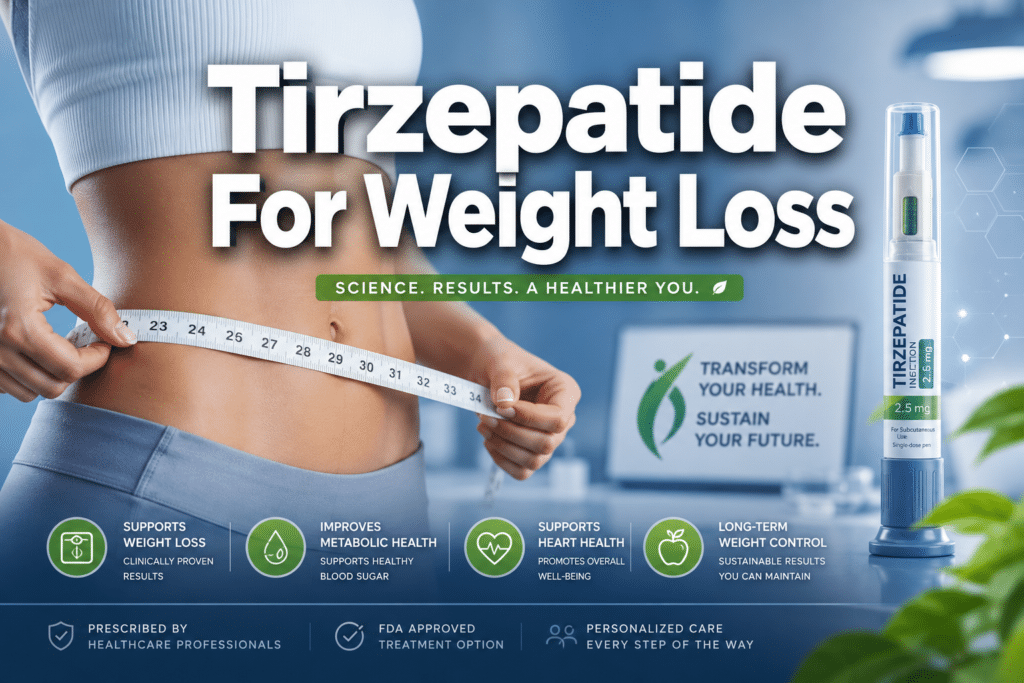
Quick Answer: Tirzepatide for weight loss works by targeting two hunger-regulating hormones simultaneously, helping adults lose an average of 15–22% of their body weight in clinical trials — significantly more than older GLP-1 medications like semaglutide alone. It’s available by prescription as Zepbound (brand name) or through compounding pharmacies at lower cost, and it requires weekly injections combined with lifestyle changes for best results.
Key Takeaways
- Tirzepatide activates both GLP-1 and GIP receptors, making it more effective than single-receptor GLP-1 drugs for most people
- Clinical trial participants lost up to 22.5% of body weight at the highest dose (15 mg), according to the SURMOUNT-1 trial published in the New England Journal of Medicine (2022)
- Brand-name Zepbound costs roughly $550–$1,000/month without insurance; compounded tirzepatide can cost $200–$400/month
- Most people see meaningful weight loss within 4–8 weeks, but full results take 12–18 months
- Common side effects include nausea, vomiting, and constipation — most improve after the first few weeks
- Tirzepatide is not right for everyone; people with a personal or family history of medullary thyroid cancer should avoid it
- Stopping tirzepatide often leads to weight regain unless lifestyle habits are firmly in place
- Diet quality and consistent protein intake significantly improve results while on the medication

What Exactly Is Tirzepatide and How Does It Help With Weight Loss?
Tirzepatide is a weekly injectable medication that mimics two gut hormones — GLP-1 (glucagon-like peptide-1) and GIP (glucose-dependent insulinotropic polypeptide) — to reduce appetite, slow digestion, and improve blood sugar regulation. Because it targets two receptors instead of one, it tends to produce stronger weight loss than older GLP-1-only drugs.
7 Best GLP-1 Providers Ranked: Accreditation, Flexibility & Support Compared (2026 Update)
32,000+ Patients Can't All Be Wrong: See the Top-Rated GLP-1 Providers. We compared the leading online GLP-1 providers based on program features, clinical support, convenience, and overall value.
BMI MD GLP-1 Microdosing Plan
- Specialized microdosing options, including sublingual drops and low-dose injections
- Designed for people interested in maintaining weight or gradually adjusting treatment
- Bundled program structure without a separate monthly platform membership
- Online access makes the process convenient from home

DirectMeds Weight Loss Solutions
- Online weight-loss program with a straightforward patient experience
- Compounded medication options through state-licensed compounding pharmacies
- Includes clinical consultation as part of the process
- Provides shipping updates to help patients track their orders
MEDVi Flat-Rate Telehealth
- Flat-rate telehealth approach designed for easier budgeting
- No dosage-based pricing increases within the advertised program structure
- Offers injectable and oral thin-film delivery options
- Includes medical screening and asynchronous provider consultations
Gala GLP-1 Care Program
- Text-based access to state-licensed clinicians
- Cold-chain medication shipping included in the program
- Month-to-month program structure
- Designed for people who value convenient ongoing support
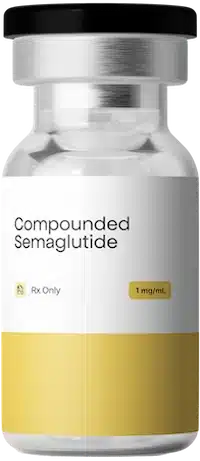
Measured GLP-1 Metabolic Health
- Comprehensive metabolic health screening and intake analysis
- Designed around longer-term metabolic health management
- Responsive dashboard with integrated health tracking tools
- Useful option for patients who value a more data-focused experience
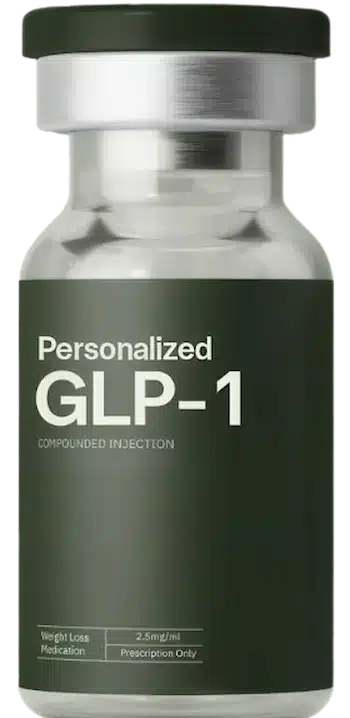
Refills GLP-1 (TryRefills Plan)
- Clinical guidance designed to help patients manage common treatment concerns
- Includes foundational nutritional strategies alongside medication
- Designed around predictable ongoing treatment
- No hidden startup or processing fees according to the program information provided
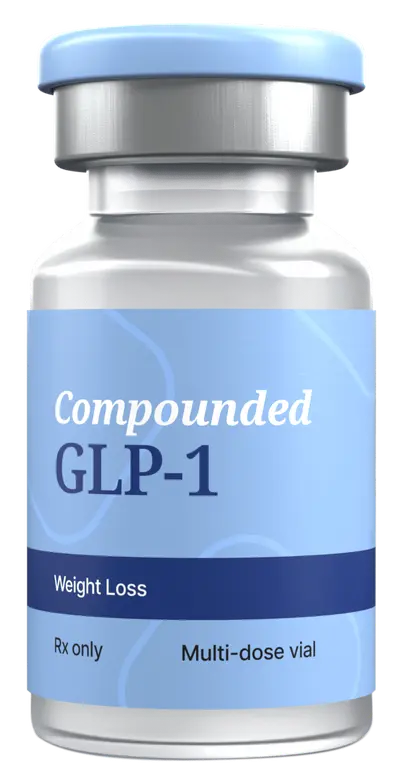
AltRx GLP-1 Transactional Reorders
- Transactional reorder model without recurring auto-billing
- Designed for patients who already understand their treatment routine
- Fast text-to-order process for convenient reorders
- Offers injectable and fast-dissolving tablet variations
When you inject tirzepatide, it signals your brain that you’re full, slows how quickly food leaves your stomach, and reduces cravings. The result is that most people naturally eat less without feeling deprived. It also improves insulin sensitivity, which helps your body use stored fat more efficiently.
Approved uses in 2026:
- Zepbound — FDA-approved specifically for chronic weight management in adults with obesity or overweight with at least one weight-related condition
- Mounjaro — FDA-approved for type 2 diabetes management (same drug, different brand name)
- Compounded tirzepatide — available through licensed telehealth providers and compounding pharmacies
For a broader look at how GLP-1 class drugs work, see our guide to GLP-1 medications for weight loss and diabetes.
How Much Weight Can I Actually Lose With Tirzepatide?
Most adults lose between 15% and 22% of their starting body weight over 72 weeks at the highest dose, based on the SURMOUNT-1 trial. For a 250-pound person, that’s roughly 37–56 pounds.
Results vary by dose and individual:
| Dose | Average Weight Loss (% body weight) |
|---|---|
| 5 mg/week | ~15% |
| 10 mg/week | ~19.5% |
| 15 mg/week | ~20.9–22.5% |
These numbers come from controlled trials with diet and exercise support included. In real-world use, results are often slightly lower because adherence varies. Still, tirzepatide consistently outperforms most other prescription weight loss options available today.
Realistic timeline:
- Weeks 1–4: Appetite reduction, possible 2–5 lbs lost
- Weeks 4–12: Steady loss of 1–2 lbs/week as dose increases
- Months 3–12: Continued loss, plateau management
- Month 12–18: Maximum results for most people
Is Tirzepatide Better Than Ozempic or Wegovy for Losing Weight?
Head-to-head, tirzepatide produces greater weight loss than semaglutide (the active ingredient in Ozempic and Wegovy) for most people. The SURMOUNT-5 trial (2024) directly compared tirzepatide to semaglutide 2.4 mg and found tirzepatide users lost about 47% more weight on average.
That said, “better” depends on your situation:
- Choose tirzepatide if you want maximum weight loss and can tolerate injections
- Choose semaglutide (Wegovy) if tirzepatide causes intolerable side effects or isn’t covered by your insurance
- Choose Ozempic only if you also have type 2 diabetes and your doctor recommends it for that purpose

Both drugs are weekly injections. Tirzepatide’s dual-hormone mechanism gives it an edge in most clinical comparisons, but individual responses vary. Some people do just as well on semaglutide. For a full breakdown, see our comparison of the least expensive GLP-1 options for weight loss.
How Much Does Tirzepatide Cost Without Insurance?
Without insurance, brand-name Zepbound runs approximately $550–$1,000 per month depending on dose and pharmacy. Compounded tirzepatide through telehealth providers typically costs $200–$400/month, making it the most accessible option for most uninsured patients.
Cost breakdown by source (2026 estimates):
- Zepbound (brand): ~$550–$1,000/month
- Compounded tirzepatide via telehealth: ~$200–$400/month
- GoodRx discounts on Mounjaro: variable, often $500–$700/month
One of the most affordable options we’ve found is DirectMeds GLP1 Semaglutide, which offers competitive pricing on GLP-1 medications through a licensed telehealth platform — no insurance required. If cost is your main concern, this is worth checking first.
For a full price comparison, see our detailed tirzepatide monthly cost breakdown and our guide to cheapest tirzepatide online.
👉 Check DirectMeds GLP1 Pricing Now — affordable GLP-1 access without insurance headaches.
What Are the Side Effects of Taking Tirzepatide?
The most common side effects of tirzepatide are gastrointestinal: nausea, vomiting, diarrhea, and constipation. These typically peak during dose increases and improve within 2–4 weeks for most people.
Common side effects (usually mild to moderate):
- Nausea (most frequent, especially early on)
- Constipation or diarrhea
- Vomiting
- Stomach pain or bloating
- Reduced appetite (this is also the intended effect)
- Fatigue, particularly in the first few weeks
Less common but serious side effects:
- Pancreatitis (severe abdominal pain — seek care immediately)
- Gallbladder problems
- Low blood sugar (mainly if combined with other diabetes medications)
- Increased heart rate
Rare but serious:
- Thyroid tumors (seen in animal studies; risk in humans is not confirmed but warrants caution)
- Allergic reactions
Common mistake: Many people quit tirzepatide in the first 2–3 weeks because nausea feels unbearable. In most cases, the nausea is temporary and tied to dose escalation. Eating smaller meals, avoiding high-fat foods, and staying hydrated significantly reduces it.

Who Is a Good Candidate for Tirzepatide Weight Loss Treatment?
Tirzepatide for weight loss is appropriate for adults who meet specific clinical criteria. You’re likely a good candidate if you have a BMI of 30 or higher, or a BMI of 27 or higher with at least one weight-related health condition such as high blood pressure, type 2 diabetes, or sleep apnea.
Good candidates typically:
- Have struggled to lose weight through diet and exercise alone
- Are committed to weekly injections long-term
- Don’t have contraindicated conditions (see below)
- Are working with a healthcare provider to monitor progress
- Understand this is a long-term treatment, not a short-term fix
Are There Any People Who Should Not Take Tirzepatide?
Yes. Tirzepatide is not appropriate for everyone, and certain conditions make it unsafe. People with a personal or family history of medullary thyroid carcinoma (MTC) or Multiple Endocrine Neoplasia syndrome type 2 (MEN 2) should not use tirzepatide.
Additional contraindications:
- Pregnancy or breastfeeding
- Severe gastrointestinal disease (e.g., gastroparesis)
- Hypersensitivity to tirzepatide or any ingredient in the formulation
- Active pancreatitis or a history of recurrent pancreatitis
Edge case: People with type 1 diabetes should use tirzepatide only under close medical supervision, as it can affect insulin requirements significantly.
What Diet and Exercise Should I Follow While Taking Tirzepatide?
Tirzepatide works best when paired with a reduced-calorie diet and regular physical activity. The medication reduces hunger, but it doesn’t replace the need for nutritional quality — what you eat still matters for long-term success.
Diet recommendations:
- Prioritize protein (aim for 0.7–1g per pound of goal body weight daily) to preserve muscle mass during rapid weight loss
- Eat smaller, more frequent meals to reduce nausea
- Avoid high-fat, greasy foods — they worsen GI side effects
- Stay well-hydrated (dehydration amplifies side effects)
- Limit alcohol, which can increase the risk of low blood sugar
Exercise recommendations:
- Aim for 150 minutes of moderate cardio per week (walking, cycling, swimming)
- Add 2–3 sessions of resistance training weekly to prevent muscle loss
- Start slow if you’re new to exercise — even 20-minute daily walks help
For a structured approach, see our healthy eating and weight loss meal plan designed to complement GLP-1 therapy.
👉 Start Your GLP-1 Journey with DirectMeds Today — licensed providers, affordable pricing, no insurance needed.
How Long Do I Need to Stay on Tirzepatide to See Results?
Most people notice appetite suppression within the first 1–2 weeks, but meaningful weight loss (5% or more of body weight) typically takes 8–12 weeks. Maximum results generally occur at 12–18 months of continuous use.
Tirzepatide is designed as a long-term treatment. Stopping early — before habits are established — dramatically increases the risk of weight regain. Most clinical guidelines recommend treating obesity as a chronic condition requiring ongoing management, similar to how you’d treat high blood pressure.

What Happens If I Stop Taking Tirzepatide?
Stopping tirzepatide usually leads to weight regain. Studies show that most people regain two-thirds or more of lost weight within one year of stopping the medication if lifestyle changes aren’t firmly in place.
This doesn’t mean you’re stuck on it forever, but it does mean:
- Stopping abruptly without a maintenance plan is risky
- Tapering down to a lower maintenance dose (rather than stopping) may reduce regain
- Building strong diet and exercise habits during treatment is your best insurance policy
Decision rule: If you’re considering stopping tirzepatide, work with your provider on a structured exit plan — don’t just stop cold turkey after reaching your goal weight.
Are There Natural Alternatives to Tirzepatide for Weight Loss?
No natural supplement replicates tirzepatide’s mechanism or results. However, for people who can’t access or afford prescription GLP-1 medications, certain lifestyle-based strategies can produce meaningful weight loss.
Evidence-supported alternatives:
- High-protein, low-calorie diets (can produce 5–10% weight loss over 6 months)
- Intermittent fasting protocols
- Structured behavioral weight loss programs
- Berberine (modest blood sugar effects; not comparable to GLP-1 drugs)
- Metformin (prescription, modest weight effect, much cheaper)
Be cautious of supplements marketed as “natural GLP-1 alternatives.” Most lack clinical evidence. If you’re comparing options, our guide to the most affordable GLP-1 medications without insurance covers legitimate low-cost prescription options.
How Does Tirzepatide Compare to Other Medical Weight Loss Medications?
Among FDA-approved weight loss medications, tirzepatide currently produces the highest average weight loss. Here’s how it stacks up:
| Medication | Mechanism | Avg. Weight Loss | Dosing |
|---|---|---|---|
| Tirzepatide (Zepbound) | GLP-1 + GIP | 15–22% | Weekly injection |
| Semaglutide (Wegovy) | GLP-1 | 12–15% | Weekly injection |
| Naltrexone/Bupropion (Contrave) | CNS | 5–9% | Daily oral |
| Phentermine/Topiramate (Qsymia) | CNS/appetite | 7–11% | Daily oral |
| Orlistat (Alli/Xenical) | Fat absorption | 3–5% | With each meal |
Tirzepatide leads this category by a meaningful margin for most patients. If you’re comparing costs across these options, see our weight loss injections cost breakdown.
Common Mistakes People Make When Starting Tirzepatide
The biggest mistake is expecting tirzepatide to do all the work. The medication reduces hunger, but people who don’t adjust their eating habits often plateau early or regain weight quickly if they stop.
Other common mistakes:
- Skipping dose escalation — Rushing to higher doses causes worse side effects; follow the prescribed schedule
- Not eating enough protein — Rapid weight loss without adequate protein causes muscle loss
- Stopping too soon — Quitting after 4–6 weeks because results feel slow; most people need 12+ weeks
- Ignoring side effects — Severe or persistent abdominal pain needs immediate medical attention
- Not tracking food — Even with reduced appetite, calorie quality matters
- Buying from unverified sources — Counterfeit tirzepatide is a real risk; always use licensed providers
👉 Get Started Safely with DirectMeds GLP1 Semaglutide — verified, licensed, and affordable.
FAQ
What is tirzepatide used for?
Tirzepatide is FDA-approved for chronic weight management (as Zepbound) and type 2 diabetes (as Mounjaro). It works by mimicking two gut hormones — GLP-1 and GIP — to reduce appetite and improve blood sugar control.
How quickly does tirzepatide work for weight loss?
Most people feel reduced appetite within 1–2 weeks. Visible weight loss (5%+ of body weight) typically occurs by weeks 8–12. Full results at the maximum dose take 12–18 months.
Can I take tirzepatide if I don’t have diabetes?
Yes. Zepbound is approved specifically for weight management in adults without diabetes, as long as you meet BMI criteria (BMI ≥30, or ≥27 with a weight-related health condition).
Is compounded tirzepatide safe?
Compounded tirzepatide from a licensed 503A or 503B pharmacy is generally considered safe when prescribed and monitored by a licensed provider. Avoid unregulated online sources. See our tirzepatide cost comparison guide for vetted options.
Does tirzepatide cause hair loss?
Some people report temporary hair shedding (telogen effluvium) during rapid weight loss on tirzepatide. This is typically caused by the calorie deficit and stress on the body, not the medication itself. It usually resolves within a few months.
What happens if I miss a dose of tirzepatide?
If you miss a dose and it’s been fewer than 4 days since your scheduled injection, take it as soon as possible. If it’s been more than 4 days, skip it and resume your next scheduled dose. Never double-dose.
Is tirzepatide covered by insurance?
Zepbound is covered by some commercial insurance plans for obesity treatment, but coverage varies widely. Many Medicare plans do not cover it for weight loss. Compounded versions are typically not covered but cost significantly less out of pocket.
Can I drink alcohol while on tirzepatide?
Moderate alcohol consumption is generally okay, but alcohol can worsen nausea and increase the risk of low blood sugar, especially if you’re also taking diabetes medications. Limiting alcohol is advisable, particularly in the first few months.
How do I get tirzepatide online?
You can get tirzepatide through licensed telehealth platforms that include a medical consultation and prescription. DirectMeds GLP1 Semaglutide is one of the most affordable options available in 2026, with no insurance required.
What is the starting dose of tirzepatide?
The standard starting dose is 2.5 mg once weekly for the first 4 weeks. The dose is then increased by 2.5 mg every 4 weeks as tolerated, up to a maximum of 15 mg/week.
Will I gain weight back after stopping tirzepatide?
Most people regain significant weight after stopping tirzepatide, particularly if lifestyle habits weren’t established during treatment. Studies show an average of two-thirds of lost weight is regained within 12 months of stopping.
Is tirzepatide the same as Ozempic?
No. Tirzepatide (Zepbound, Mounjaro) and semaglutide (Ozempic, Wegovy) are different drugs. Tirzepatide targets both GLP-1 and GIP receptors; semaglutide targets only GLP-1. Tirzepatide generally produces greater weight loss in head-to-head comparisons.
7 Best GLP-1 Providers Ranked: Accreditation, Flexibility & Support Compared (2026 Update)
32,000+ Patients Can't All Be Wrong: See the Top-Rated GLP-1 Providers: Compared on accreditation, plan flexibility, and patient support — updated for 2026.
BMI MD GLP-1 Microdosing Plan
- Specialized microdosing options (sublingual drops or low-dose injections)
- Ideal for maintaining weight or tapering off higher doses safely
- Fully bundled plan with no hidden monthly platform memberships
DirectMeds Weight Loss Solutions
- Sourced from accredited, state-licensed 503A compounding pharmacies
- No-frills high-volume savings passed directly to the patient
- Includes clinical consultation and cold-chain shipping updates
MEDVi Flat-Rate Telehealth
- Flat monthly rate holds steady even at maximum maintenance doses
- No dosage upcharges or graduation fee penalties
- Offers both injectable and advanced oral thin-film delivery options
Gala GLP-1 Care Program
- All-inclusive plan with no standalone membership costs
- Continuous text-based messaging access with state-licensed clinicians
- Temperature-controlled, cold-chain medication shipping included
Measured GLP-1 Metabolic Health
- Comprehensive metabolic health screening and expert intake analysis
- Predictable long-term budgeting with stable plan pricing
- High-end responsive dashboard with integrated diagnostic support
Refills GLP-1 (TryRefills Plan)
- Flat rate holds steady as titration scales up
- Includes clinical guides for active side-effect management
- Bundles in foundational nutritional strategies alongside medication
AltRx GLP-1 Transactional Reorders
- Zero recurring auto-billing — pay entirely on a transactional basis
- Rapid text-to-order format saves time for experienced patients
- Provides both injectable forms and fast-dissolving tablet variations
Conclusion
Tirzepatide for weight loss is currently the most effective prescription medication available for chronic weight management, with clinical trials showing 15–22% body weight reduction at the highest dose. It works by targeting two hunger hormones simultaneously, reducing appetite and improving metabolic function in ways older medications simply can’t match.
That said, it’s not a magic fix. The best results come from pairing tirzepatide with consistent protein intake, regular exercise, and a long-term commitment to lifestyle change. Side effects are real but manageable, and cost — while a barrier for many — has become more accessible through compounding pharmacies and telehealth platforms.
Your next steps:
- Talk to a licensed provider about whether tirzepatide is right for your health profile
- Compare costs — brand-name Zepbound vs. compounded options
- Set realistic expectations: plan for 12–18 months of treatment for full results
- Build your diet and exercise foundation now, before you start
👉 Start With DirectMeds GLP1 Semaglutide — Affordable, Licensed, No Insurance Needed
If you’re comparing platforms or looking for the most affordable path to GLP-1 therapy, see our guide to the cheapest semaglutide online and our Hims vs Henry Meds comparison for a full picture of your options.
👉 Check DirectMeds GLP1 Pricing and Get Started Today
References
The landmark clinical trial data on tirzepatide’s weight loss efficacy was published in the SURMOUNT-1 trial results in the New England Journal of Medicine, which established the 15–22% body weight reduction benchmarks cited throughout this article.
The FDA’s official prescribing information and approval details for Zepbound are available through the FDA drug database for Zepbound (tirzepatide).
Head-to-head comparison data between tirzepatide and semaglutide is detailed in the SURMOUNT-5 trial published in the New England Journal of Medicine, which found tirzepatide produced approximately 47% greater weight loss than semaglutide 2.4 mg.
Information on weight regain after stopping GLP-1 medications is supported by research published in Diabetes, Obesity and Metabolism journal on weight recurrence after GLP-1 withdrawal.
Clinical guidelines on obesity as a chronic condition requiring long-term treatment are outlined in the American Gastroenterological Association’s clinical practice guidelines on obesity pharmacotherapy.

With over 13 years of experience in holistic health blogging, I aim to help you navigate your wellness journey with honest insights, expert-backed advice, and a sprinkle of real-world practicality.
Certified Wellness Writer | Herbal Nutrition Advocate | Wellness Research Enthusiast