
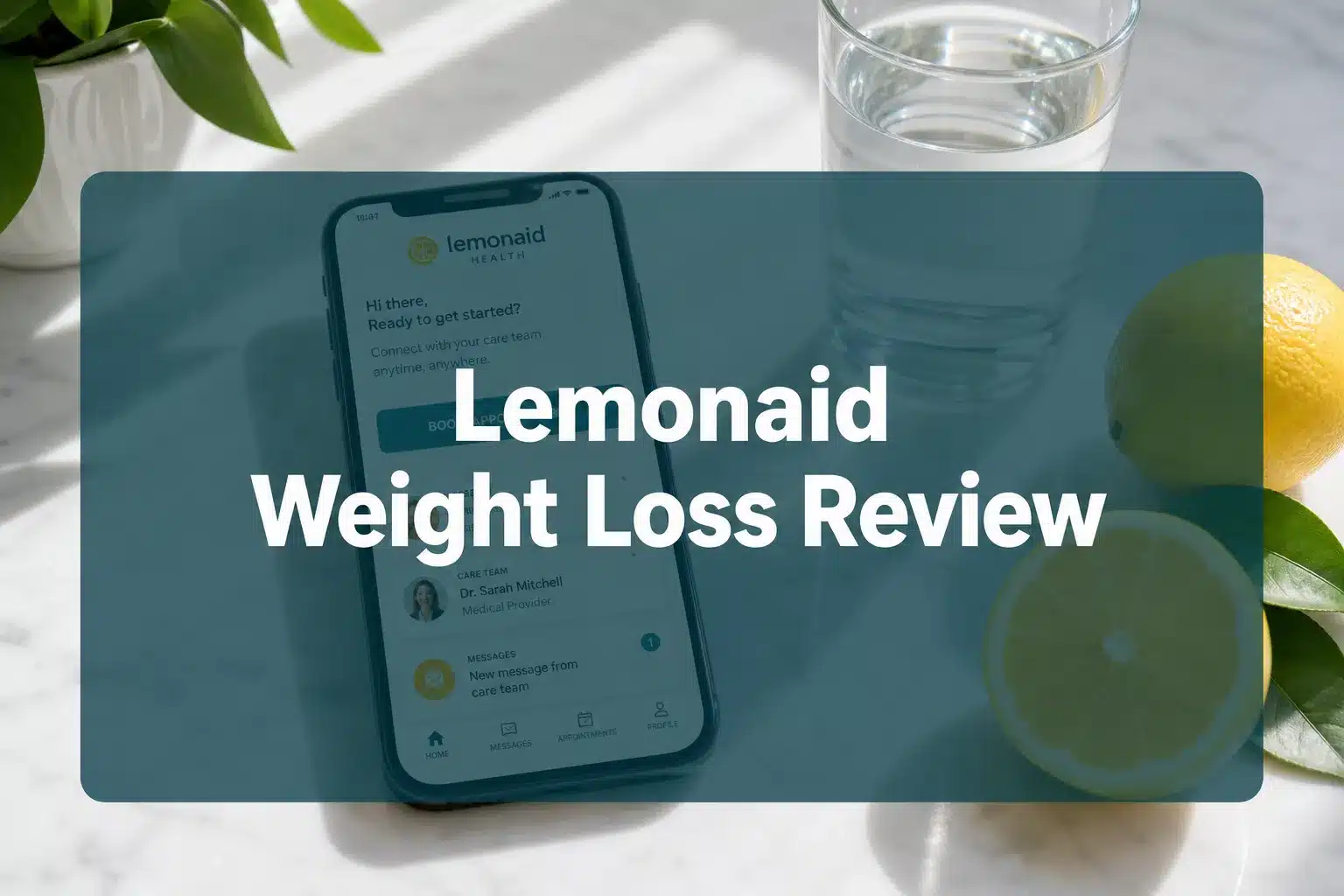
Lemonaid Weight Loss Review 2026: Is It a Smart GLP-1 Choice?
Last updated: July 20, 2026
Quick Answer: Lemonaid Health (now operating under SteadyMD following its 2022 acquisition) was a telehealth platform that offered prescription weight loss medications through an online consultation model. As of 2026, the Lemonaid brand has been largely absorbed into SteadyMD’s infrastructure, but many patients still search for “Lemonaid weight loss review” when researching their options. The program was legitimate, clinician-supervised, and primarily offered orlistat and bupropion/naltrexone, not GLP-1 injectables. Costs ranged from roughly $25 to $99 per month depending on medication and plan.
Key Takeaways
- Lemonaid Health was a legitimate, licensed telehealth provider acquired by SteadyMD in 2022; the brand is no longer independently active as of 2026.
- The platform offered prescription weight loss medications including orlistat and bupropion/naltrexone, not semaglutide or tirzepatide.
- Monthly costs were generally affordable ($25,$99/month for medication plus a consultation fee), but insurance coverage was inconsistent.
- Reddit reviews were mixed: users praised the low cost and easy access but criticized limited medication options and minimal ongoing support.
- Lemonaid was best suited for adults with a BMI of 27 or higher who wanted low-cost prescription access without in-person visits.
- It was not a good fit for people seeking GLP-1 injectables like Wegovy or Zepbound, or robust behavioral coaching.
- Competitors like Ro Body, Noom Med, and Hims/Hers now offer broader GLP-1 access and are the more relevant comparison points in 2026.
- Common mistakes included expecting rapid results without lifestyle changes and not understanding that orlistat requires a strict low-fat diet to avoid side effects.
- Alternatives like Ro, Noom, and specialized GLP-1 telehealth clinics generally offer more comprehensive programs today.

What Is Lemonaid Weight Loss and How Does It Work?
Lemonaid Health was a direct-to-consumer telehealth platform founded in 2013 that allowed patients to consult with licensed clinicians online and receive prescriptions for a range of conditions, including weight management. The weight loss service worked through an asynchronous or synchronous online visit, after which a clinician could prescribe FDA-approved weight loss medications shipped directly to the patient.
7 Best GLP-1 Providers Ranked: Accreditation, Flexibility & Support Compared (2026 Update)
32,000+ Patients Can't All Be Wrong: See the Top-Rated GLP-1 Providers. We compared the leading online GLP-1 providers based on program features, clinical support, convenience, and overall value.
BMI MD GLP-1 Microdosing Plan
- Specialized microdosing options, including sublingual drops and low-dose injections
- Designed for people interested in maintaining weight or gradually adjusting treatment
- Bundled program structure without a separate monthly platform membership
- Online access makes the process convenient from home

DirectMeds Weight Loss Solutions
- Online weight-loss program with a straightforward patient experience
- Compounded medication options through state-licensed compounding pharmacies
- Includes clinical consultation as part of the process
- Provides shipping updates to help patients track their orders
MEDVi Flat-Rate Telehealth
- Flat-rate telehealth approach designed for easier budgeting
- No dosage-based pricing increases within the advertised program structure
- Offers injectable and oral thin-film delivery options
- Includes medical screening and asynchronous provider consultations
Gala GLP-1 Care Program
- Text-based access to state-licensed clinicians
- Cold-chain medication shipping included in the program
- Month-to-month program structure
- Designed for people who value convenient ongoing support
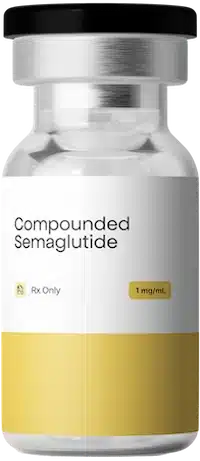
Measured GLP-1 Metabolic Health
- Comprehensive metabolic health screening and intake analysis
- Designed around longer-term metabolic health management
- Responsive dashboard with integrated health tracking tools
- Useful option for patients who value a more data-focused experience
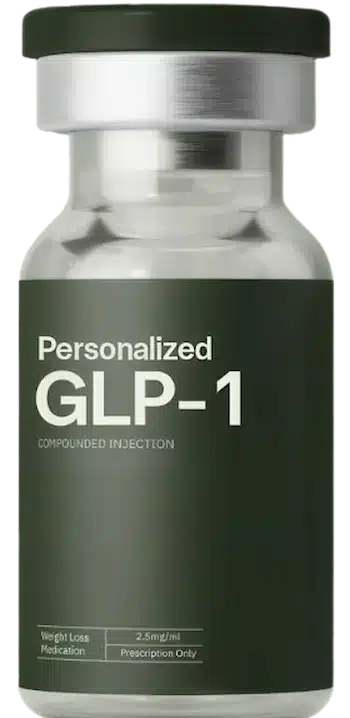
Refills GLP-1 (TryRefills Plan)
- Clinical guidance designed to help patients manage common treatment concerns
- Includes foundational nutritional strategies alongside medication
- Designed around predictable ongoing treatment
- No hidden startup or processing fees according to the program information provided
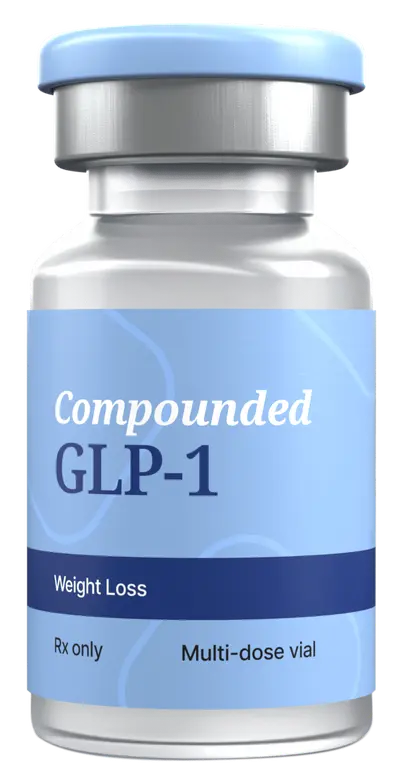
AltRx GLP-1 Transactional Reorders
- Transactional reorder model without recurring auto-billing
- Designed for patients who already understand their treatment routine
- Fast text-to-order process for convenient reorders
- Offers injectable and fast-dissolving tablet variations
How the process worked:
- Complete an online health questionnaire covering weight history, current medications, and medical conditions.
- A licensed clinician reviews your intake and may follow up with questions or a brief video/phone call.
- If eligible, a prescription is issued and sent to a pharmacy (mail-order or local).
- Follow-up check-ins were available but not always proactive, patients largely managed their own progress.
The medications available through Lemonaid were orlistat (a fat-absorption blocker) and bupropion/naltrexone (brand name Contrave, an appetite-regulating combination). Lemonaid did not prescribe semaglutide (Ozempic/Wegovy) or tirzepatide (Mounjaro/Zepbound) through its platform. For a broader look at how GLP-1 medications work and why they’ve become the dominant weight loss treatment, see this guide on how GLP-1 works: mechanism, weight loss, and side effects.
Important 2026 context: Following the SteadyMD acquisition, the Lemonaid brand has been retired. Patients looking for a comparable service should evaluate current telehealth providers directly.
Lemonaid Weight Loss Reviews Reddit: What Real Users Said
Reddit feedback on Lemonaid weight loss was generally cautious but not negative overall. The most common themes across r/loseit, r/antidepressants, and r/Ozempic threads fell into a few clear categories.
What users liked:
- Fast, low-friction sign-up process
- Affordable access to prescription medications without an in-person visit
- Responsive customer service for billing issues
What users criticized:
- Limited medication menu, no GLP-1 options, which frustrated users who had read about semaglutide results
- Minimal follow-up or coaching after the initial prescription
- Some users reported their consultation was declined without a clear explanation
- Orlistat side effects (discussed below) caught several users off guard
One recurring Reddit comment was that Lemonaid felt more like a “prescription vending machine” than a weight management program. For people who wanted accountability, meal planning, or behavioral support, the platform fell short. For people who simply needed affordable prescription access and were self-directed, it worked reasonably well.
“Lemonaid got me orlistat in 48 hours. No complaints about the process. But I had to figure out the diet piece entirely on my own.”, paraphrased from r/loseit
Lemonaid Weight Loss Cost and Pricing
Lemonaid’s pricing was one of its clearest selling points. The platform kept costs transparent and lower than many competitors.
| Item | Estimated Cost (as of 2022-2023) |
|---|---|
| Online consultation fee | $25 per visit |
| Orlistat (generic, 60mg, 30-day supply) | ~$30,$50/month |
| Bupropion/Naltrexone (generic Contrave) | ~$60,$99/month |
| Branded Contrave (without insurance) | $300+/month (not through Lemonaid) |
Key pricing notes:
- Lemonaid used generic versions where available, which kept costs down significantly.
- Insurance coverage for weight loss medications was inconsistent, many plans excluded them entirely.
- No subscription or membership fee was required beyond the per-visit consultation charge.
- HSA and FSA cards were accepted for eligible expenses.
For people without insurance, Lemonaid was one of the more affordable entry points into prescription weight management. If you’re comparing costs across today’s GLP-1 telehealth providers, this guide to the cheapest GLP-1 options without insurance covers current pricing in detail.
Is Lemonaid Weight Loss Legit or a Scam?
Lemonaid Health was a legitimate, licensed telehealth company, not a scam. It was founded in San Francisco, operated under state medical board regulations, employed licensed physicians and nurse practitioners, and was accredited by relevant telehealth standards bodies before its acquisition.
Evidence of legitimacy:
- Acquired by SteadyMD in 2022, a respected telehealth infrastructure company
- Prescriptions were issued by licensed U.S. clinicians
- Medications were dispensed through licensed pharmacies
- The company maintained a verifiable physical address and customer service infrastructure
- Better Business Bureau profile showed accreditation with a generally positive rating [VERIFY: current BBB status post-acquisition]
The “scam” concern most commonly arose from users who felt the consultation was too brief to be medically meaningful, or who were declined for a prescription without a detailed explanation. These are legitimate service quality criticisms, but they do not make the company fraudulent.
Bottom line: Lemonaid was a real, regulated telehealth service. Its limitations were about scope and depth of care, not deception.
Does Lemonaid Weight Loss Actually Work?
Whether Lemonaid weight loss “works” depends almost entirely on which medication was prescribed and how consistently the patient followed the required lifestyle changes.
Orlistat effectiveness: Clinical trials show orlistat produces an average of 5-7 lbs more weight loss than placebo over 12 months when combined with a reduced-calorie, low-fat diet (FDA prescribing information; Roche clinical data). It is not a dramatic weight loss drug, it works by blocking roughly 30% of dietary fat absorption.
Bupropion/naltrexone effectiveness: The LIGHT trial and other studies found that Contrave users lost an average of 5-9% of body weight over 56 weeks compared to placebo, with the best results in patients who also made dietary changes (Greenway et al., 2010, The Lancet).
Neither medication approaches the 15-20%+ body weight reductions seen in clinical trials for semaglutide or tirzepatide. For context on what GLP-1 medications can realistically achieve, see these GLP-1 weight loss success stories and real results.
Who sees results with Lemonaid-type programs:
- Patients who are highly self-motivated and already eating a structured diet
- Those who need a small pharmacological boost rather than a major intervention
- People with 20-40 lbs to lose, not those with severe obesity
Lemonaid Weight Loss Side Effects
Side effects vary by medication. Patients should understand these before starting.
Orlistat side effects (very common):
- Oily or fatty stools
- Frequent or urgent bowel movements
- Oily spotting on underwear
- Stomach cramping, especially after high-fat meals
These side effects are directly tied to fat intake. Patients who eat a low-fat diet experience far fewer GI issues. Many Reddit users reported being blindsided by these effects because they didn’t read the dietary requirements carefully.
Bupropion/naltrexone side effects (common):
- Nausea (most common, especially in the first 2-4 weeks)
- Headache
- Constipation
- Insomnia or sleep disturbance
- Elevated blood pressure (requires monitoring)
- Contraindicated in patients with seizure disorders, eating disorders, or those taking opioids
Important: Bupropion carries an FDA black box warning regarding increased risk of suicidal thoughts in patients under 24. Clinicians should screen carefully before prescribing.
For a broader look at side effect profiles across weight loss medications, the weight loss injection reviews guide for 2026 covers GLP-1 options in detail.

Who Is Lemonaid Weight Loss Good For?
Lemonaid weight loss was a good fit for a specific type of patient, and a poor fit for others.
Good fit if you:
- Have a BMI of 27 or higher (with at least one weight-related condition) or BMI 30+
- Want affordable prescription access without an in-person doctor visit
- Are self-directed and don’t need coaching or accountability check-ins
- Are comfortable with oral medications rather than injectables
- Have already tried lifestyle changes alone and want a modest pharmacological assist
Not a good fit if you:
- Want semaglutide, tirzepatide, or any GLP-1 injectable
- Have a seizure disorder, eating disorder, or are on opioid medications (bupropion/naltrexone contraindications)
- Need ongoing behavioral support, meal planning, or a structured program
- Have complex medical history that requires close monitoring
- Are looking for the fastest or most dramatic weight loss results
For patients who want a more comprehensive program today, reviewing the best online weight loss clinic options for 2026 is a useful starting point.
Lemonaid Weight Loss Prescription Requirements
To receive a weight loss prescription through Lemonaid, patients had to meet specific clinical criteria based on FDA-approved indications for each medication.
General eligibility requirements:
- BMI of 30 or higher, OR BMI of 27 or higher with at least one weight-related comorbidity (type 2 diabetes, hypertension, high cholesterol)
- No contraindicated medical conditions (seizure history, active eating disorder, pregnancy)
- Not currently taking medications that interact with the prescribed drug
- U.S. resident with a valid shipping address
What the intake process assessed:
- Current weight and height (self-reported)
- Medical history and current medications
- Previous weight loss attempts
- Blood pressure (self-reported or from a recent reading)
The consultation was largely asynchronous, meaning a clinician reviewed the questionnaire rather than conducting a live exam. This made the process fast but also meant some nuanced health factors could be missed. Patients with complex medical histories were sometimes declined and referred to in-person care.
How Long Does It Take to See Results With Lemonaid?
Results timelines varied by medication and individual adherence, but general clinical benchmarks apply.
Orlistat: Most patients see initial results within 4-8 weeks if following a low-fat diet. The drug requires consistent dietary compliance to produce meaningful weight loss. Expect gradual, modest results, typically 1-2 lbs per week at best.
Bupropion/naltrexone: The dose is titrated up over 4 weeks to reduce side effects. Most patients don’t reach the full therapeutic dose until week 4. Meaningful appetite suppression typically begins around weeks 4-8, with noticeable weight changes by weeks 8-12.
Realistic 3-month expectation: 5-10 lbs of weight loss for patients who are adherent and making dietary changes. This is modest compared to GLP-1 medications, which can produce 10-15% body weight reduction in the same timeframe for many patients.
If you’re comparing timelines across different drug classes, the semaglutide before and after results guide provides a useful benchmark.
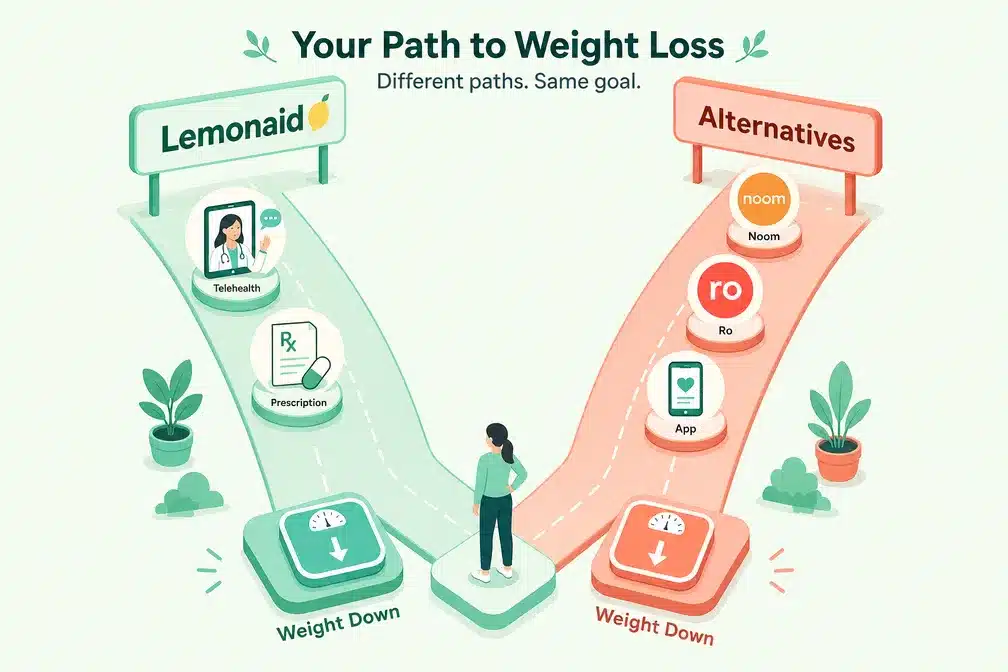
Lemonaid Weight Loss vs Noom and Lemonaid Weight Loss vs Ro
These are the two most common comparisons patients make when evaluating their options.
Lemonaid vs. Noom:
Noom is primarily a behavioral coaching app with a psychology-based curriculum. Noom Med (its prescription arm) added GLP-1 medications to the platform. Lemonaid focused purely on prescription access with minimal behavioral support.
- Choose Lemonaid (or its successor) if you want low-cost prescription access and are self-directed.
- Choose Noom if you want structured behavioral coaching alongside medication, and are willing to pay more ($70,$200+/month depending on plan).
Lemonaid vs. Ro Body:
Ro Body offers semaglutide (compounded or branded) through a telehealth model with more robust follow-up support than Lemonaid provided. Ro’s pricing is higher but its medication menu is significantly broader.
- Choose Ro if you want GLP-1 injectable access with telehealth support.
- Lemonaid’s oral medication model was better for patients who couldn’t or didn’t want to self-inject.
For a detailed breakdown of Ro versus other GLP-1 programs, see this Ro vs. Sequence comparison for GLP-1 weight loss.
Lemonaid Weight Loss Alternatives in 2026
Since the Lemonaid brand is no longer independently active, patients searching for similar services in 2026 have several strong alternatives.
Top alternatives by use case:
| Provider | Best For | Medications Offered |
|---|---|---|
| Ro Body | GLP-1 access with support | Semaglutide, tirzepatide |
| Noom Med | Behavioral coaching + medication | GLP-1s, oral options |
| Hims/Hers | Affordable GLP-1 telehealth | Compounded semaglutide |
| Found | Comprehensive metabolic program | Multiple oral + injectable |
| SteadyMD | Lemonaid’s successor platform | Varies by clinician |
For patients specifically interested in GLP-1 injectables, this guide to the best GLP-1 medications for weight loss in 2026 compares the top options across efficacy, cost, and access. If you’re exploring compounded options, the best online compounding pharmacy for weight loss in 2026 is also worth reviewing.
Can You Get Lemonaid Weight Loss Without Insurance?
Yes, Lemonaid was specifically designed to be accessible without insurance, which was a core part of its value proposition. Patients paid out of pocket for the consultation fee and medication, and the use of generic formulations kept costs manageable.
- Orlistat generic was available for $30,$50/month without insurance.
- Generic bupropion/naltrexone (Contrave equivalent) was $60,$99/month without insurance through Lemonaid’s partner pharmacies.
- No insurance verification was required to complete the consultation.
HSA and FSA funds could be used for eligible prescription costs. This made Lemonaid accessible to a broad range of patients who either lacked insurance or had plans that excluded weight loss medications.
Common Mistakes People Make With Lemonaid Weight Loss
Several avoidable errors came up repeatedly in user reviews and Reddit threads.
Mistake 1: Starting orlistat without reading the dietary requirements. Orlistat requires a low-fat diet (less than 30% of calories from fat). Eating a normal or high-fat diet while on orlistat causes severe GI side effects. Many users quit within weeks because they weren’t prepared.
Mistake 2: Expecting GLP-1-level results. Orlistat and bupropion/naltrexone are modest medications. Patients who expected 20+ lb losses in 3 months were consistently disappointed.
Mistake 3: Not following up after the initial prescription. Lemonaid’s model was largely self-directed. Patients who didn’t proactively schedule follow-ups often drifted without accountability.
Mistake 4: Ignoring contraindications. Some patients with histories of anxiety or sleep issues found bupropion worsened their symptoms. The intake questionnaire caught major contraindications, but nuanced cases slipped through.
Mistake 5: Assuming the brand still operates independently. As of 2026, searching for “Lemonaid weight loss” and trying to sign up through old links leads to dead ends or SteadyMD redirects. New patients should go directly to current providers.
FAQ: Lemonaid Weight Loss Review
Is Lemonaid Health still operating in 2026?
The Lemonaid Health brand was acquired by SteadyMD in 2022 and has since been integrated into SteadyMD’s platform. The standalone Lemonaid website and app are no longer independently active. Patients should contact SteadyMD directly or explore current telehealth alternatives.
Did Lemonaid offer semaglutide or Ozempic for weight loss?
No. Lemonaid’s weight loss program offered orlistat and bupropion/naltrexone (generic Contrave). It did not prescribe semaglutide, Ozempic, Wegovy, tirzepatide, or any GLP-1 injectable.
How much did Lemonaid weight loss cost per month?
Total monthly costs ranged from approximately $55 to $124 when combining the $25 consultation fee with medication costs ($30,$99/month depending on the drug and pharmacy).
Was Lemonaid weight loss covered by insurance?
Insurance coverage was inconsistent. Many plans excluded weight loss medications entirely. Lemonaid was designed to be affordable out of pocket, and HSA/FSA funds were accepted for eligible expenses.
How does Lemonaid compare to Ro for weight loss?
Ro Body offers GLP-1 injectables (semaglutide, tirzepatide) with more robust follow-up support but at a higher price point. Lemonaid was better for patients who wanted affordable oral medication access. Ro is the stronger option for those seeking GLP-1-level results in 2026.
What BMI do you need for Lemonaid weight loss?
Patients needed a BMI of 30 or higher, or a BMI of 27 or higher with at least one weight-related condition such as type 2 diabetes, hypertension, or high cholesterol, consistent with FDA prescribing guidelines for weight loss medications.
How long did it take to get a prescription from Lemonaid?
Most patients received a prescription decision within 24-48 hours of completing the intake questionnaire. The asynchronous model made the process faster than a traditional in-person visit.
Were Lemonaid weight loss results permanent?
No weight loss medication produces permanent results on its own. Patients who stopped taking orlistat or bupropion/naltrexone without maintaining dietary and lifestyle changes typically regained weight. Long-term maintenance requires ongoing behavioral habits regardless of the medication used.
7 Best GLP-1 Providers Ranked: Accreditation, Flexibility & Support Compared (2026 Update)
32,000+ Patients Can't All Be Wrong: See the Top-Rated GLP-1 Providers: Compared on accreditation, plan flexibility, and patient support — updated for 2026.
BMI MD GLP-1 Microdosing Plan
- Specialized microdosing options (sublingual drops or low-dose injections)
- Ideal for maintaining weight or tapering off higher doses safely
- Fully bundled plan with no hidden monthly platform memberships
DirectMeds Weight Loss Solutions
- Sourced from accredited, state-licensed 503A compounding pharmacies
- No-frills high-volume savings passed directly to the patient
- Includes clinical consultation and cold-chain shipping updates
MEDVi Flat-Rate Telehealth
- Flat monthly rate holds steady even at maximum maintenance doses
- No dosage upcharges or graduation fee penalties
- Offers both injectable and advanced oral thin-film delivery options
Gala GLP-1 Care Program
- All-inclusive plan with no standalone membership costs
- Continuous text-based messaging access with state-licensed clinicians
- Temperature-controlled, cold-chain medication shipping included
Measured GLP-1 Metabolic Health
- Comprehensive metabolic health screening and expert intake analysis
- Predictable long-term budgeting with stable plan pricing
- High-end responsive dashboard with integrated diagnostic support
Refills GLP-1 (TryRefills Plan)
- Flat rate holds steady as titration scales up
- Includes clinical guides for active side-effect management
- Bundles in foundational nutritional strategies alongside medication
AltRx GLP-1 Transactional Reorders
- Zero recurring auto-billing — pay entirely on a transactional basis
- Rapid text-to-order format saves time for experienced patients
- Provides both injectable forms and fast-dissolving tablet variations
Conclusion
The Lemonaid weight loss review picture is clear: it was a legitimate, affordable telehealth option for prescription weight loss medications, best suited to self-directed patients who wanted oral medication access without the cost or friction of in-person care. Its limitations, no GLP-1 options, minimal coaching, and modest efficacy compared to newer medications, meant it wasn’t the right fit for everyone.
As of 2026, the Lemonaid brand no longer operates independently. Patients looking for a comparable service should evaluate current providers directly. If you want GLP-1 access, explore top GLP-1 telehealth clinics online in 2026 or compare online weight loss injection options to find a program that matches your goals, budget, and medical needs.
References
- Greenway, F.L., et al. (2010). Effect of naltrexone plus bupropion on weight loss in overweight and obese adults (COR-I): a multicentre, randomised, double-blind, placebo-controlled, phase 3 trial. The Lancet, 376(9741), 595-605. https://doi.org/10.1016/S0140-6736(10)60888-4
- FDA. (2012). Qsymia (phentermine and topiramate extended-release) and Belviq (lorcaserin) approval documents. U.S. Food and Drug Administration. https://www.fda.gov/drugs/drug-safety-and-availability/fda-drug-safety-communication-completed-safety-review-qsymia-phentermine-and-topiramate-extended
- FDA. (1999). Xenical (orlistat) prescribing information. U.S. Food and Drug Administration. https://www.accessdata.fda.gov/drugsatfda_docs/label/2009/020766s026lbl.pdf
- SteadyMD. (2022). SteadyMD acquires Lemonaid Health. SteadyMD press release. https://www.steadymd.com
Tags: Lemonaid weight loss review, Lemonaid Health, telehealth weight loss, orlistat review, bupropion naltrexone weight loss, online weight loss prescription, GLP-1 alternatives, Lemonaid vs Ro, weight loss telehealth 2026, SteadyMD weight loss, prescription weight loss online, Contrave telehealth

With over 13 years of experience in holistic health blogging, I aim to help you navigate your wellness journey with honest insights, expert-backed advice, and a sprinkle of real-world practicality.
Certified Wellness Writer | Herbal Nutrition Advocate | Wellness Research Enthusiast


