
WeightWatchers Clinic Review: Does It Deliver Better GLP-1 Results?
Last updated: July 20, 2026
Quick Answer: WeightWatchers Clinic is a telehealth weight-loss program that combines WW’s established behavioral coaching with prescription GLP-1 medications like semaglutide or tirzepatide. It costs roughly $99 to $249 per month (medication costs vary separately), and it’s best suited for adults with a BMI of 27 or higher who want medical supervision alongside structured lifestyle support. It is a legitimate, clinically backed service, but it is not the cheapest GLP-1 option available, and it is not right for everyone.
Key Takeaways
- WeightWatchers Clinic pairs WW’s behavioral program with telehealth prescriptions for GLP-1 medications, including semaglutide and tirzepatide.
- Membership costs start around $99/month for the program; GLP-1 medication costs are billed separately and can range from $130 to $1,300+ per month depending on the drug and whether insurance covers it.
- You must qualify medically, generally a BMI of 27+ with a weight-related condition, or BMI of 30+ without one.
- The telehealth appointment process is fully online: complete a health intake, video or async consult with a clinician, and receive a prescription if approved.
- Common side effects of GLP-1 medications include nausea, constipation, and fatigue, especially in the first few weeks.
- Real user reviews are mixed: many report meaningful weight loss (10-20% of body weight over 6-12 months), while others cite cost and medication access issues as frustrations.
- Alternatives like Noom Med, Ro Body, and Hims/Hers Weight Loss offer similar GLP-1 telehealth models, sometimes at lower entry costs.
- WeightWatchers Clinic is not ideal for people who want medication only, have certain cardiovascular or thyroid conditions, or are pregnant.
- The program works best when members actively use both the medication and the WW behavioral tools together.
- Always verify current pricing directly with WeightWatchers, as costs and plan structures change frequently.
What Is WeightWatchers Clinic and How Does It Work?
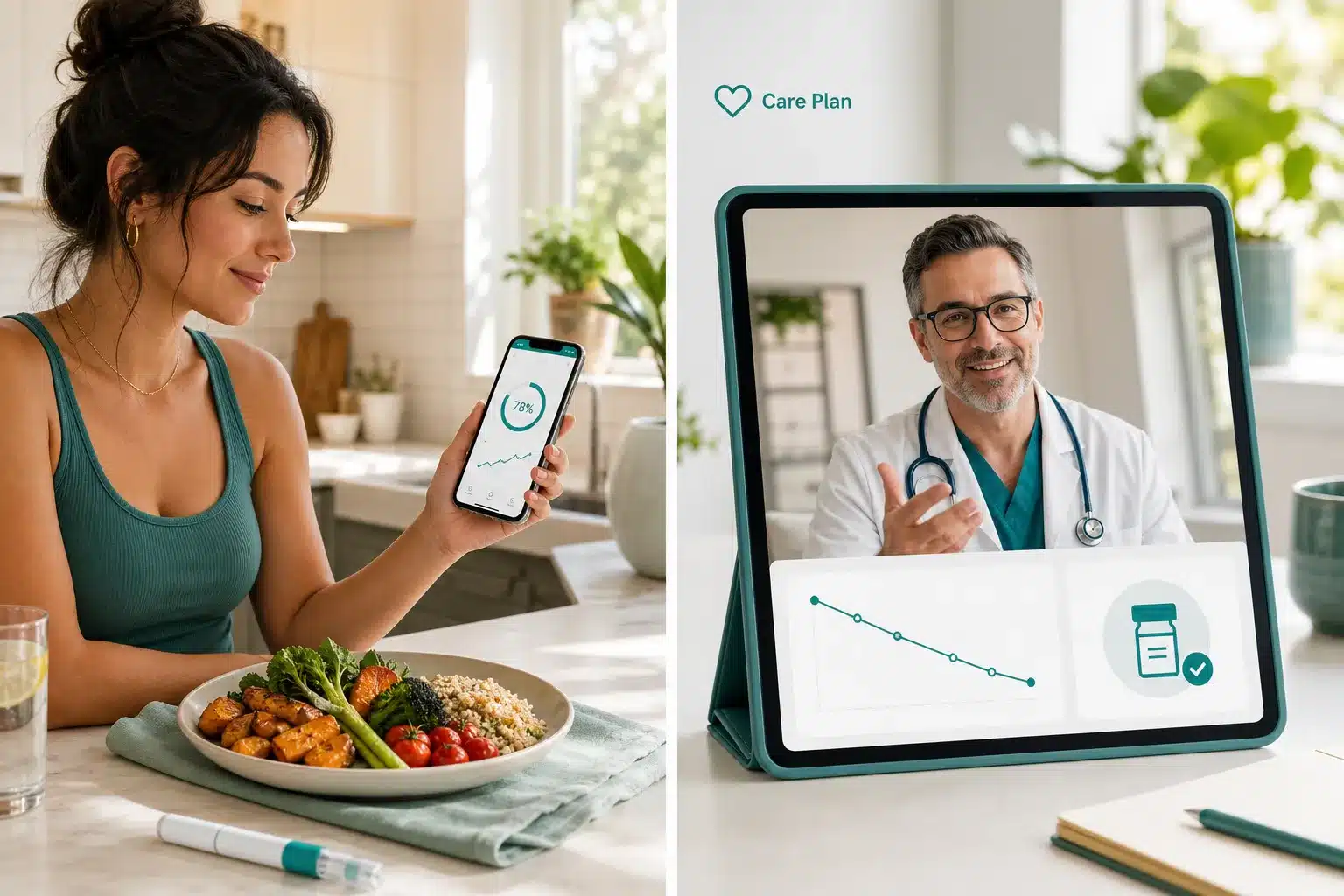
WeightWatchers Clinic is WW’s medically supervised weight-loss tier that adds telehealth consultations and GLP-1 prescription medications to the standard WW membership. It launched after WW acquired Sequence (a telehealth weight-management platform) in 2023, signaling a major shift from purely behavioral coaching toward clinically supported care.
7 Best GLP-1 Providers Ranked: Accreditation, Flexibility & Support Compared (2026 Update)
32,000+ Patients Can't All Be Wrong: See the Top-Rated GLP-1 Providers. We compared the leading online GLP-1 providers based on program features, clinical support, convenience, and overall value.
BMI MD GLP-1 Microdosing Plan
- Specialized microdosing options, including sublingual drops and low-dose injections
- Designed for people interested in maintaining weight or gradually adjusting treatment
- Bundled program structure without a separate monthly platform membership
- Online access makes the process convenient from home

DirectMeds Weight Loss Solutions
- Online weight-loss program with a straightforward patient experience
- Compounded medication options through state-licensed compounding pharmacies
- Includes clinical consultation as part of the process
- Provides shipping updates to help patients track their orders
MEDVi Flat-Rate Telehealth
- Flat-rate telehealth approach designed for easier budgeting
- No dosage-based pricing increases within the advertised program structure
- Offers injectable and oral thin-film delivery options
- Includes medical screening and asynchronous provider consultations
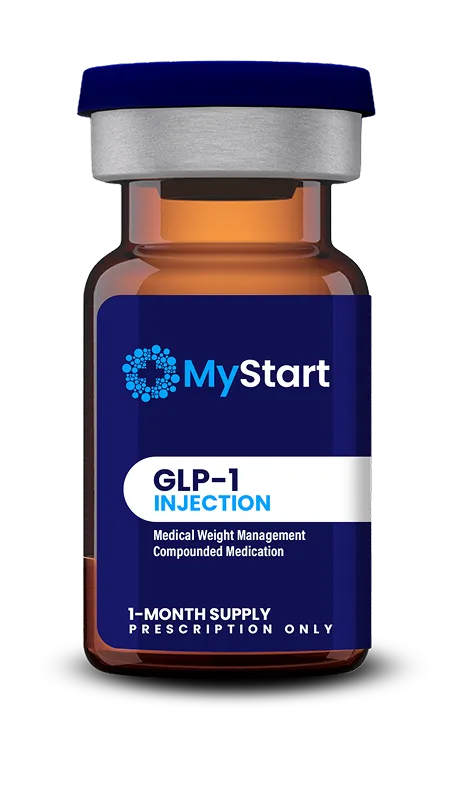
Gala GLP-1 Care Program
- Text-based access to state-licensed clinicians
- Cold-chain medication shipping included in the program
- Month-to-month program structure
- Designed for people who value convenient ongoing support
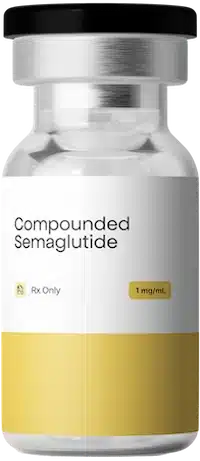
Measured GLP-1 Metabolic Health
- Comprehensive metabolic health screening and intake analysis
- Designed around longer-term metabolic health management
- Responsive dashboard with integrated health tracking tools
- Useful option for patients who value a more data-focused experience
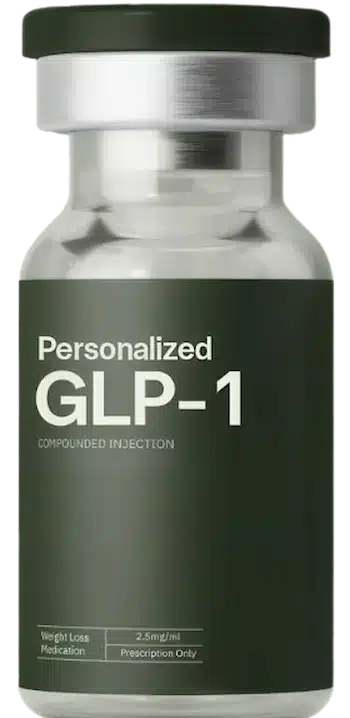
Refills GLP-1 (TryRefills Plan)
- Clinical guidance designed to help patients manage common treatment concerns
- Includes foundational nutritional strategies alongside medication
- Designed around predictable ongoing treatment
- No hidden startup or processing fees according to the program information provided
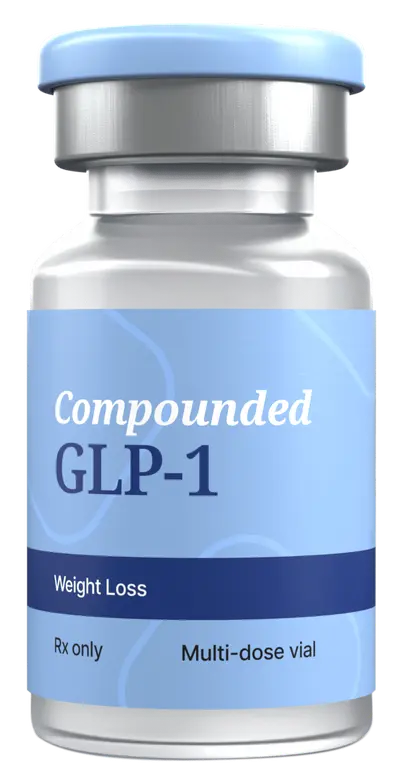
AltRx GLP-1 Transactional Reorders
- Transactional reorder model without recurring auto-billing
- Designed for patients who already understand their treatment routine
- Fast text-to-order process for convenient reorders
- Offers injectable and fast-dissolving tablet variations
Here is how the process works, step by step:
- Complete a health intake form online, covering your medical history, current medications, BMI, and weight-loss goals.
- Consult with a licensed clinician, either via video or asynchronous messaging, depending on your state and availability.
- Receive a prescription (if medically appropriate) for a GLP-1 medication such as semaglutide (Wegovy, Ozempic) or tirzepatide (Zepbound, Mounjaro).
- Fill your prescription through a pharmacy of your choice or a partner pharmacy WW recommends.
- Use the WW app for ongoing behavioral coaching, food tracking, and community support alongside your medication.
The program is fully remote. You do not need to visit a physical clinic. Clinicians are licensed in your state and follow up with you regularly to adjust dosing and monitor progress.
For a broader look at how GLP-1 telehealth programs compare, see our guide to the top GLP-1 clinics online in 2026.
WeightWatchers Clinic vs. Regular WeightWatchers Membership: What Is the Difference?
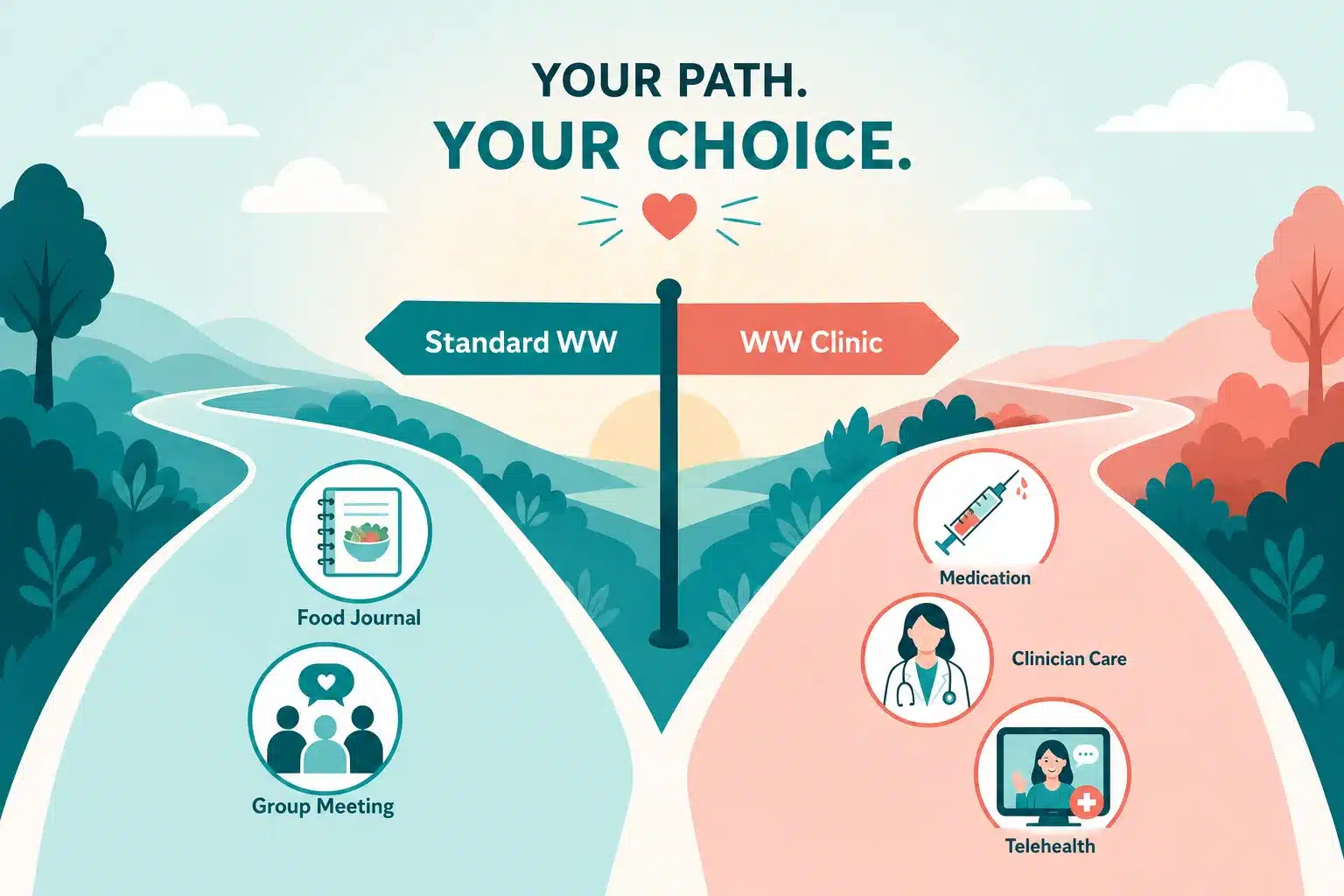
The core difference is medical access. A standard WW membership gives you the Points-based food tracking system, a coaching community, and behavioral tools. WeightWatchers Clinic adds telehealth clinician visits and the ability to get a GLP-1 prescription, which standard WW does not include.
| Feature | Standard WW | WeightWatchers Clinic |
|---|---|---|
| Food tracking (Points) | Yes | Yes |
| Community coaching | Yes | Yes |
| Telehealth clinician visits | No | Yes |
| GLP-1 prescription access | No | Yes |
| Ongoing medication management | No | Yes |
| Monthly cost (program only) | ~$23,$45/mo | ~$99,$249/mo |
The Clinic tier is essentially a superset of the standard membership. If you already pay for WW and want to add medication management, upgrading to Clinic is the logical path within the WW ecosystem.
WeightWatchers Clinic Cost and Pricing Plans
WeightWatchers Clinic program fees run approximately $99 to $249 per month as of mid-2026, per WW’s published pricing. The medication itself is billed separately.
Medication costs vary widely:
- Brand-name semaglutide (Wegovy): Roughly $1,300,$1,400/month without insurance; significantly less with coverage.
- Brand-name tirzepatide (Zepbound): Roughly $1,000,$1,300/month without insurance.
- Compounded semaglutide (if prescribed through a compounding pharmacy): Often $130,$350/month, though FDA compounding rules have been evolving in 2025-2026, availability may be limited.
Insurance coverage for GLP-1 medications is inconsistent. Some commercial plans and Medicare Advantage plans cover Wegovy or Zepbound for obesity; many do not. WW’s clinical team can help with prior authorization paperwork, but coverage is not guaranteed.
Bottom line on cost: Budget at least $200,$400/month minimum if you use compounded medication, and potentially $1,400+ if you use brand-name drugs without insurance. The program fee alone does not cover medication.
For a deeper look at affordable GLP-1 access, see our breakdown of the cheapest GLP-1 options without insurance.
WeightWatchers Clinic GLP-1 Medications: What You Need to Know
WeightWatchers Clinic primarily prescribes semaglutide and tirzepatide, the two most studied GLP-1 receptor agonists for weight loss. Both work by mimicking gut hormones that regulate appetite and blood sugar, leading to reduced hunger and slower gastric emptying.
Semaglutide (brand names Wegovy for weight loss, Ozempic for diabetes) has strong clinical evidence. The STEP 1 trial published in the New England Journal of Medicine (2021) found participants lost an average of 14.9% of body weight over 68 weeks on 2.4 mg semaglutide versus 2.4% on placebo.
Tirzepatide (Zepbound for weight loss, Mounjaro for diabetes) targets both GLP-1 and GIP receptors. The SURMOUNT-1 trial (2022, NEJM) showed an average weight loss of up to 22.5% at the highest dose over 72 weeks.
To understand how these drugs work at a biological level, our guide on how GLP-1 works covers the mechanism in plain language.
Key points for WW Clinic members:
- Dosing starts low and increases gradually over weeks to months to minimize side effects.
- You inject the medication once weekly using a pre-filled pen.
- Clinicians at WW Clinic manage your dose titration and can adjust if side effects are severe.
- If you stop the medication, weight regain is common without sustained behavioral changes, this is why the WW behavioral program matters alongside the drug.
WeightWatchers Clinic Side Effects and Safety Concerns
GLP-1 medications prescribed through WeightWatchers Clinic carry the same side effect profile as these drugs prescribed anywhere else. The most common side effects, particularly in the first 4-8 weeks, include:
- Nausea (most common, affects up to 40-50% of users at some point)
- Vomiting
- Constipation or diarrhea
- Fatigue
- Headache
- Injection site reactions
Most side effects are dose-dependent and improve as your body adjusts. Slow dose titration, which WW Clinic clinicians follow, is the standard approach to managing them.
Serious but rare risks include:
- Pancreatitis
- Gallbladder disease (cholelithiasis)
- Rare cases of thyroid C-cell tumors (seen in rodent studies; the clinical significance in humans is under ongoing study, both semaglutide and tirzepatide carry an FDA black box warning for this)
- Hypoglycemia (mainly in people also taking insulin or sulfonylureas)
Who should not use GLP-1 medications:
- People with a personal or family history of medullary thyroid carcinoma or MEN2 syndrome
- Pregnant or breastfeeding women
- People with a history of pancreatitis (discuss with your clinician)
- Those with severe gastroparesis
WeightWatchers Clinic’s intake screening is designed to catch most contraindications before prescribing. Always disclose your full medical history during the intake process.
WeightWatchers Clinic vs. Noom vs. Other Weight Loss Apps
WeightWatchers Clinic competes directly with several telehealth-plus-behavioral programs. Here is a quick comparison of the main players:
| Program | GLP-1 Prescriptions | Behavioral Coaching | Approx. Program Cost/Mo | Best For |
|---|---|---|---|---|
| WeightWatchers Clinic | Yes | Yes (WW Points system) | ~$99,$249 | People already in WW ecosystem |
| Noom Med | Yes | Yes (psychology-based) | ~$70,$200 | Psychology-focused learners |
| Ro Body | Yes | Limited | ~$99 | Medication-first approach |
| Hims/Hers Weight Loss | Yes | Minimal | ~$79,$199 | Budget-conscious, medication-focused |
| Found | Yes | Yes (coach matching) | ~$99 | Personalized coaching preference |
Choose WeightWatchers Clinic if: You already use WW, value the Points system, and want medication added to an existing behavioral framework.
Choose Noom Med if: You prefer psychology-driven behavior change over food-point tracking.
Choose Ro or Hims/Hers if: You primarily want medication management with minimal behavioral programming and a lower program fee.
For a detailed head-to-head, see our Hims vs. WeightWatchers Clinic comparison.
How Long Does It Take to See Results with WeightWatchers Clinic?
Most people on GLP-1 medications begin to notice appetite suppression within the first 2-4 weeks, but meaningful weight loss typically becomes visible at 8-12 weeks. Clinical trial data for semaglutide and tirzepatide shows the most significant weight reduction occurs between months 3 and 12.
Realistic timeline:
- Weeks 1-4: Dose titration begins; appetite may decrease; some nausea common.
- Months 1-3: Early weight loss of 3-5% of body weight is typical.
- Months 3-6: Accelerated loss; many users report 8-12% body weight reduction.
- Months 6-12: Continued loss; clinical trials show 15-22% body weight reduction at maximum doses for those who tolerate them.
Results depend on medication dose, adherence to behavioral tools, diet quality, and individual metabolic factors. Using the WW Points system alongside medication, rather than relying on the drug alone, is consistently associated with better long-term outcomes.
WeightWatchers Clinic Reviews 2026: Real User Experiences
This WeightWatchers Clinic review would be incomplete without looking at what actual users report. Based on aggregated feedback from Reddit threads (r/WeightWatchers, r/Semaglutide), Trustpilot, and the App Store as of early 2026, the picture is mixed but leaning positive for those who stay with the program.
What users praise:
- The integration of medication management with WW’s behavioral app in one subscription
- Responsive clinician messaging for dose adjustments
- Meaningful weight loss, many users in Reddit threads report losing 20-40 lbs over 6-9 months
- The accountability structure of the WW community alongside medical support
What users criticize:
- Cost: the combined program fee plus medication expense is a frequent complaint
- Insurance navigation: many users report frustration with prior authorization denials
- Medication availability: brand-name GLP-1 shortages have affected some members
- Customer service response times during peak demand periods
Common Reddit sentiment (r/WeightWatchers, 2025-2026): Users who combine the medication with active use of the WW app report the best outcomes. Those who treat it as medication-only and ignore the behavioral tools tend to see slower progress and higher dropout rates.
For more real-world injection experiences, see our weight loss injection reviews.
Who Is WeightWatchers Clinic Good For and Who Should Not Use It?
WeightWatchers Clinic works best for a specific type of person. It is not a universal solution.
Good fit:
- Adults with a BMI of 30+ (or 27+ with a weight-related condition like hypertension or prediabetes)
- People who have tried behavioral-only weight loss and plateaued
- Existing WW members who want to add medical support
- Those comfortable with weekly self-injection and telehealth-only care
- People with insurance that covers GLP-1 medications
Not a good fit:
- People seeking the lowest-cost GLP-1 option (other platforms may be cheaper)
- Those who need in-person medical care or have complex comorbidities requiring specialist oversight
- People with contraindications to GLP-1 medications (see safety section above)
- Anyone who wants medication without engaging with behavioral tools
- People outside the US (the service is US-only)
Can You Use WeightWatchers Clinic If You Have Medical Conditions?
Many common medical conditions do not disqualify you, but some do. WeightWatchers Clinic’s intake process screens for contraindications, and the prescribing clinician makes the final call.
Generally compatible with WW Clinic (discuss with your clinician):
- Type 2 diabetes (GLP-1s are actually first-line treatments for T2D in many guidelines)
- Hypertension
- High cholesterol
- Sleep apnea
- Hypothyroidism (stable, on medication)
Requires careful evaluation or may disqualify:
- History of pancreatitis
- Severe kidney or liver disease
- History of eating disorders
- Medullary thyroid carcinoma or MEN2 syndrome (disqualifying)
- Pregnancy or breastfeeding (disqualifying)
Always disclose every medication and condition during intake. Drug interactions, particularly with insulin, sulfonylureas, or blood pressure medications, need clinician review before starting.
Common Mistakes People Make with WeightWatchers Clinic
The biggest mistake is treating the medication as a standalone fix. GLP-1 drugs suppress appetite, but they do not teach sustainable eating habits on their own. Members who ignore the WW behavioral tools tend to regain weight faster if they stop medication.
Other frequent mistakes:
- Skipping dose titration: Jumping to higher doses too quickly dramatically increases nausea and dropout rates.
- Not tracking food: The WW Points system exists for a reason, it builds awareness of eating patterns that persist after medication ends.
- Expecting immediate results: Some people see little change in the first 4 weeks and quit before the medication reaches therapeutic effect.
- Ignoring hydration: GLP-1 medications slow gastric emptying; inadequate water intake worsens constipation.
- Not disclosing all medications: Interactions can be serious, always give your full medication list during intake.
WeightWatchers Clinic Alternatives and Similar Programs
If WeightWatchers Clinic does not fit your needs or budget, several solid alternatives exist in the GLP-1 telehealth space.
- Noom Med: Strong behavioral curriculum, psychology-based coaching, comparable pricing. See our Hims vs. Noom comparison for context on the behavioral coaching differences.
- Ro Body: Medication-focused, streamlined intake, lower behavioral overhead.
- Found: Personalized coach matching, broad medication options including non-GLP-1 drugs.
- Hims/Hers Weight Loss: Lower program fees, compounded semaglutide access (subject to FDA rules), minimal coaching.
- Direct primary care or obesity medicine specialist: For people with complex medical histories, an in-person obesity medicine physician may be safer and more thorough.
For a comprehensive look at the best-rated programs, our guide to the best online weight loss clinics in 2026 covers the top options with verified pricing.

Frequently Asked Questions
Is WeightWatchers Clinic legitimate?
Yes. WeightWatchers Clinic operates through licensed healthcare providers in each state, uses FDA-approved (or appropriately prescribed compounded) medications, and follows standard telehealth prescribing protocols. It is a legitimate medical service, not a supplement scheme.
Does WeightWatchers Clinic accept insurance?
The program fee is typically not covered by insurance. However, GLP-1 medications prescribed through WW Clinic may be covered by your health plan if you meet medical criteria. WW’s clinical team can assist with prior authorization, but coverage is not guaranteed and varies by insurer and plan.
Can I use WeightWatchers Clinic if I already take Ozempic for diabetes?
Possibly, but this requires clinician review. Ozempic (semaglutide for diabetes) and Wegovy (semaglutide for weight loss) are the same molecule at different doses. If you are already on Ozempic, a WW Clinic clinician would need to assess whether transitioning to Wegovy or adding WW’s behavioral program makes sense for your situation.
How is WeightWatchers Clinic different from just getting a GLP-1 prescription from my doctor?
The key difference is the integrated behavioral support. Your primary care doctor can prescribe GLP-1 medications, but they typically do not offer food tracking, community coaching, or structured behavioral programming alongside the prescription. WW Clinic bundles all of these.
What happens if I stop taking the medication?
Weight regain is common after stopping GLP-1 medications without sustained lifestyle changes. This is why WW emphasizes the behavioral tools, building habits that persist after medication is discontinued reduces (but does not eliminate) the risk of regaining lost weight.
Can I cancel WeightWatchers Clinic anytime?
WW’s standard cancellation policies apply. You can typically cancel before your next billing cycle. Check WW’s current terms directly, as subscription policies have changed with program updates in 2025-2026.
Is compounded semaglutide available through WeightWatchers Clinic?
Availability of compounded semaglutide has been in flux due to FDA guidance on compounding during and after the semaglutide shortage period. As of mid-2026, WW Clinic’s formulary options depend on current FDA rules and your state’s regulations. Confirm directly with WW at sign-up. For more context, see our guide on semaglutide from a compounding pharmacy.
How does the telehealth appointment work?
After completing the online intake form, you are matched with a licensed clinician in your state. The consultation is either a live video call or asynchronous messaging review, depending on state telehealth laws and clinician availability. Follow-up check-ins are typically monthly or as needed for dose adjustments.
Does WeightWatchers Clinic work without using the WW app?
Technically you can receive a prescription without actively using the app, but clinical outcomes are better when both tools are used together. The behavioral component addresses the habits that medication alone cannot fix.
What is the minimum age for WeightWatchers Clinic?
WW Clinic is designed for adults 18 and older. Adolescent obesity management requires specialized pediatric care and is outside the scope of this program.
7 Best GLP-1 Providers Ranked: Accreditation, Flexibility & Support Compared (2026 Update)
32,000+ Patients Can't All Be Wrong: See the Top-Rated GLP-1 Providers: Compared on accreditation, plan flexibility, and patient support — updated for 2026.
BMI MD GLP-1 Microdosing Plan
- Specialized microdosing options (sublingual drops or low-dose injections)
- Ideal for maintaining weight or tapering off higher doses safely
- Fully bundled plan with no hidden monthly platform memberships
DirectMeds Weight Loss Solutions
- Sourced from accredited, state-licensed 503A compounding pharmacies
- No-frills high-volume savings passed directly to the patient
- Includes clinical consultation and cold-chain shipping updates
MEDVi Flat-Rate Telehealth
- Flat monthly rate holds steady even at maximum maintenance doses
- No dosage upcharges or graduation fee penalties
- Offers both injectable and advanced oral thin-film delivery options
Gala GLP-1 Care Program
- All-inclusive plan with no standalone membership costs
- Continuous text-based messaging access with state-licensed clinicians
- Temperature-controlled, cold-chain medication shipping included
Measured GLP-1 Metabolic Health
- Comprehensive metabolic health screening and expert intake analysis
- Predictable long-term budgeting with stable plan pricing
- High-end responsive dashboard with integrated diagnostic support
Refills GLP-1 (TryRefills Plan)
- Flat rate holds steady as titration scales up
- Includes clinical guides for active side-effect management
- Bundles in foundational nutritional strategies alongside medication
AltRx GLP-1 Transactional Reorders
- Zero recurring auto-billing — pay entirely on a transactional basis
- Rapid text-to-order format saves time for experienced patients
- Provides both injectable forms and fast-dissolving tablet variations
Conclusion
This WeightWatchers Clinic review finds a legitimate, well-structured program that fills a real gap: combining GLP-1 medication access with behavioral coaching in one subscription. It is not the cheapest route to a GLP-1 prescription, and it is not right for everyone. But for adults who have plateaued on behavioral-only approaches and want medical support wrapped in a familiar, structured program, it is a credible option backed by real clinical evidence.
Your next steps:
- Check your BMI and any weight-related conditions to confirm you meet the eligibility criteria.
- Review your insurance plan to understand GLP-1 medication coverage before committing to costs.
- Compare WW Clinic against at least one alternative, our best online weight loss clinic guide is a good starting point.
- If you proceed, commit to using both the medication and the WW behavioral tools, the evidence consistently shows that combination outperforms either alone.
References
- Wilding JPH, et al. “Once-Weekly Semaglutide in Adults with Overweight or Obesity.” New England Journal of Medicine, 2021. https://www.nejm.org/doi/full/10.1056/NEJMoa2032183
- Jastreboff AM, et al. “Tirzepatide Once Weekly for the Treatment of Obesity.” New England Journal of Medicine, 2022. https://www.nejm.org/doi/full/10.1056/NEJMoa2206038
- U.S. Food and Drug Administration. “Wegovy (semaglutide) Prescribing Information.” FDA.gov. https://www.accessdata.fda.gov/drugsatfda_docs/label/2021/215256s000lbl.pdf
- U.S. Food and Drug Administration. “Zepbound (tirzepatide) Prescribing Information.” FDA.gov. https://www.accessdata.fda.gov/drugsatfda_docs/label/2023/217806s000lbl.pdf
- WeightWatchers. “WeightWatchers Clinic.” WW.com. https://www.weightwatchers.com/us/clinic (pricing and plan details verified as of mid-2026)
Tags: WeightWatchers Clinic review, WeightWatchers Clinic, GLP-1 weight loss, semaglutide telehealth, tirzepatide program, online weight loss clinic, WW Clinic cost, GLP-1 medications, telehealth weight loss, Wegovy program, weight loss injections, WW vs Noom

With over 13 years of experience in holistic health blogging, I aim to help you navigate your wellness journey with honest insights, expert-backed advice, and a sprinkle of real-world practicality.
Certified Wellness Writer | Herbal Nutrition Advocate | Wellness Research Enthusiast


