
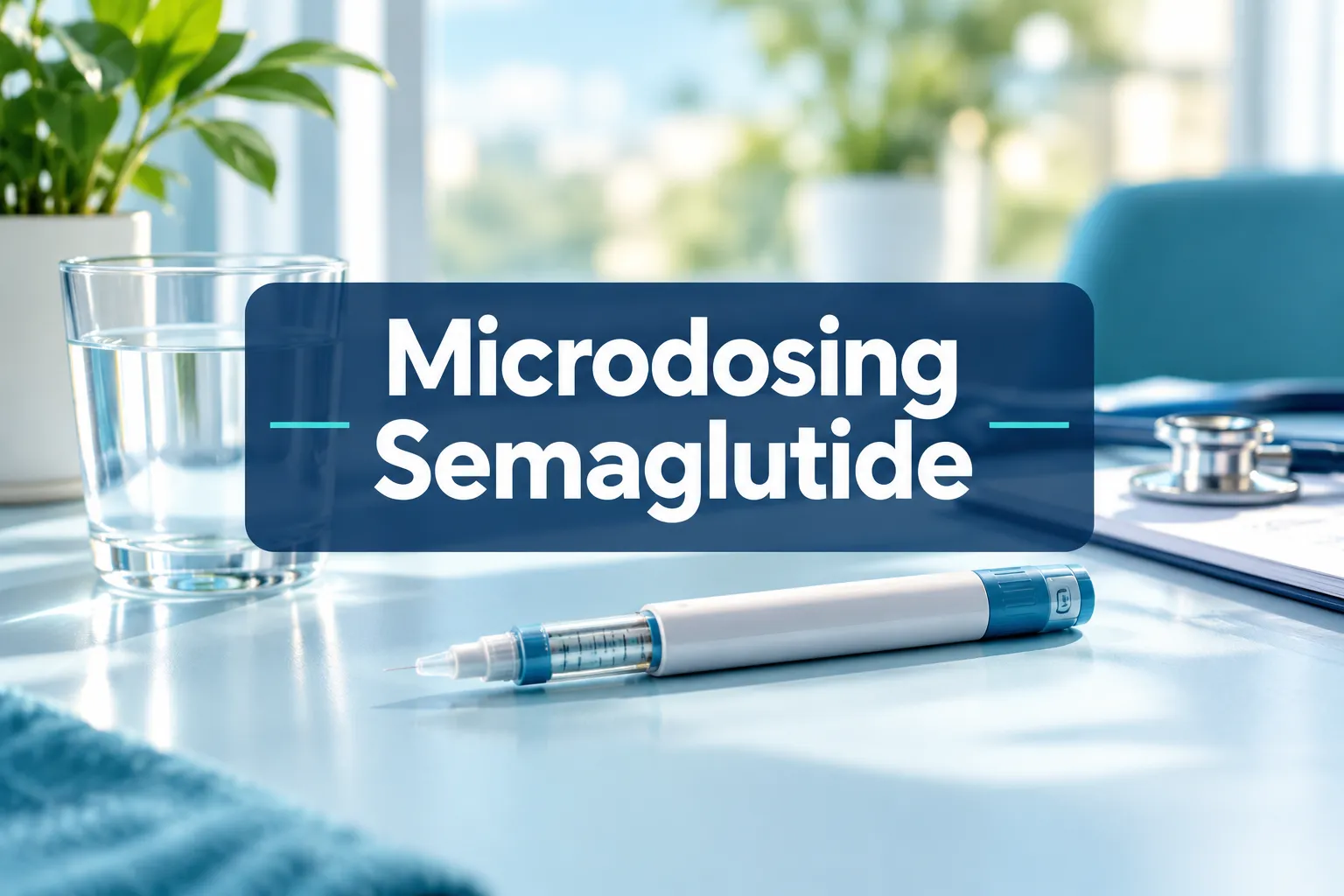
Microdosing Semaglutide: How Reduced Doses Manage Side Effects and Costs

Last updated: October 3, 2026
Quick Answer: Microdosing semaglutide means taking smaller-than-standard doses of the GLP-1 medication to suppress appetite and support weight loss while minimizing side effects. It is not FDA-approved as a formal protocol, but some telehealth providers and compounding pharmacies offer supervised low-dose schedules. Always work with a licensed medical provider before starting any semaglutide regimen.
Key Takeaways
- Microdosing semaglutide involves using doses lower than the standard titration schedule, typically starting at 0.1 mg to 0.25 mg weekly rather than the approved 0.5 mg to 2.4 mg range.
- The approach is off-label and lacks large-scale clinical trial data, but some clinicians use it to reduce nausea, vomiting, and other GI side effects [4].
- Weight loss results are generally slower and more modest than with standard dosing, but some patients maintain meaningful appetite control at low doses [5].
- Compounded semaglutide from licensed pharmacies is one of the most common sources for microdose protocols, though FDA oversight of compounded products differs from brand-name drugs.
- You should not self-prescribe or adjust doses without a provider’s guidance, doing so raises safety and efficacy risks.
- People with a personal or family history of medullary thyroid carcinoma or MEN2 syndrome should not use semaglutide at any dose.
- Microdosing is not a replacement for lifestyle changes; diet and physical activity remain essential for lasting results.
- Cost for compounded microdose semaglutide can be significantly lower than brand-name Ozempic or Wegovy, sometimes ranging from $100 to $250 per month through telehealth platforms (estimate based on reported ranges; verify with your provider).
What Is Microdosing Semaglutide and How Does It Work
Microdosing semaglutide means taking a fraction of the standard weekly injection dose, often 0.1 mg to 0.25 mg, rather than the typical starting dose of 0.25 mg to 0.5 mg used in FDA-approved protocols. The goal is to activate GLP-1 receptors enough to reduce appetite and improve blood sugar control, while keeping side effects low [3].
7 Best GLP-1 Providers Ranked: Accreditation, Flexibility & Support Compared (2026 Update)
32,000+ Patients Can't All Be Wrong: See the Top-Rated GLP-1 Providers. We compared the leading online GLP-1 providers based on program features, clinical support, convenience, and overall value.
BMI MD GLP-1 Microdosing Plan
- Specialized microdosing options, including sublingual drops and low-dose injections
- Designed for people interested in maintaining weight or gradually adjusting treatment
- Bundled program structure without a separate monthly platform membership
- Online access makes the process convenient from home

DirectMeds Weight Loss Solutions
- Online weight-loss program with a straightforward patient experience
- Compounded medication options through state-licensed compounding pharmacies
- Includes clinical consultation as part of the process
- Provides shipping updates to help patients track their orders
MEDVi Flat-Rate Telehealth
- Flat-rate telehealth approach designed for easier budgeting
- No dosage-based pricing increases within the advertised program structure
- Offers injectable and oral thin-film delivery options
- Includes medical screening and asynchronous provider consultations
Gala GLP-1 Care Program
- Text-based access to state-licensed clinicians
- Cold-chain medication shipping included in the program
- Month-to-month program structure
- Designed for people who value convenient ongoing support
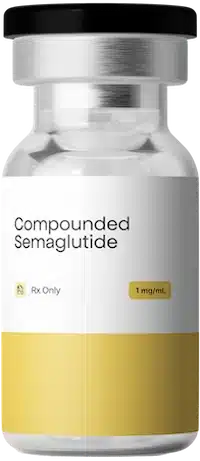
Measured GLP-1 Metabolic Health
- Comprehensive metabolic health screening and intake analysis
- Designed around longer-term metabolic health management
- Responsive dashboard with integrated health tracking tools
- Useful option for patients who value a more data-focused experience
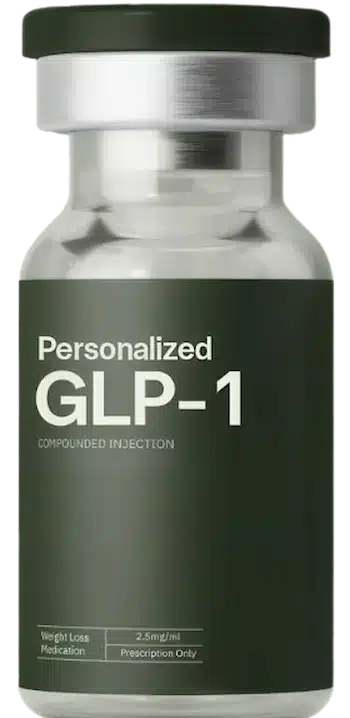
Refills GLP-1 (TryRefills Plan)
- Clinical guidance designed to help patients manage common treatment concerns
- Includes foundational nutritional strategies alongside medication
- Designed around predictable ongoing treatment
- No hidden startup or processing fees according to the program information provided
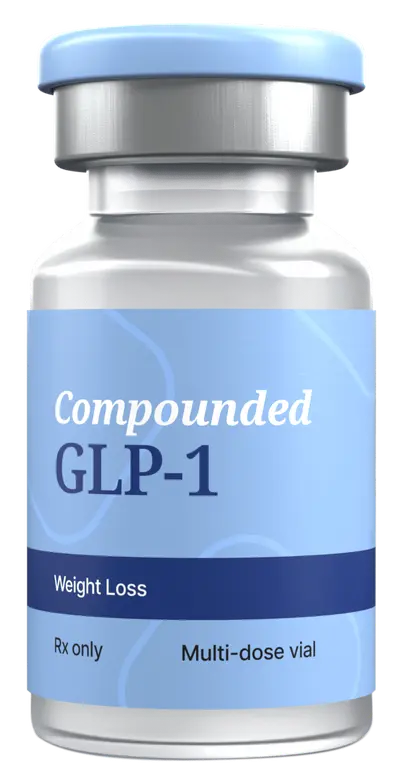
AltRx GLP-1 Transactional Reorders
- Transactional reorder model without recurring auto-billing
- Designed for patients who already understand their treatment routine
- Fast text-to-order process for convenient reorders
- Offers injectable and fast-dissolving tablet variations
Semaglutide is a glucagon-like peptide-1 (GLP-1) receptor agonist. When injected, it mimics a hormone your gut naturally releases after eating. This signals your brain to feel full, slows how quickly food leaves your stomach, and reduces the liver’s glucose output [4]. Even at low doses, these mechanisms remain partially active.
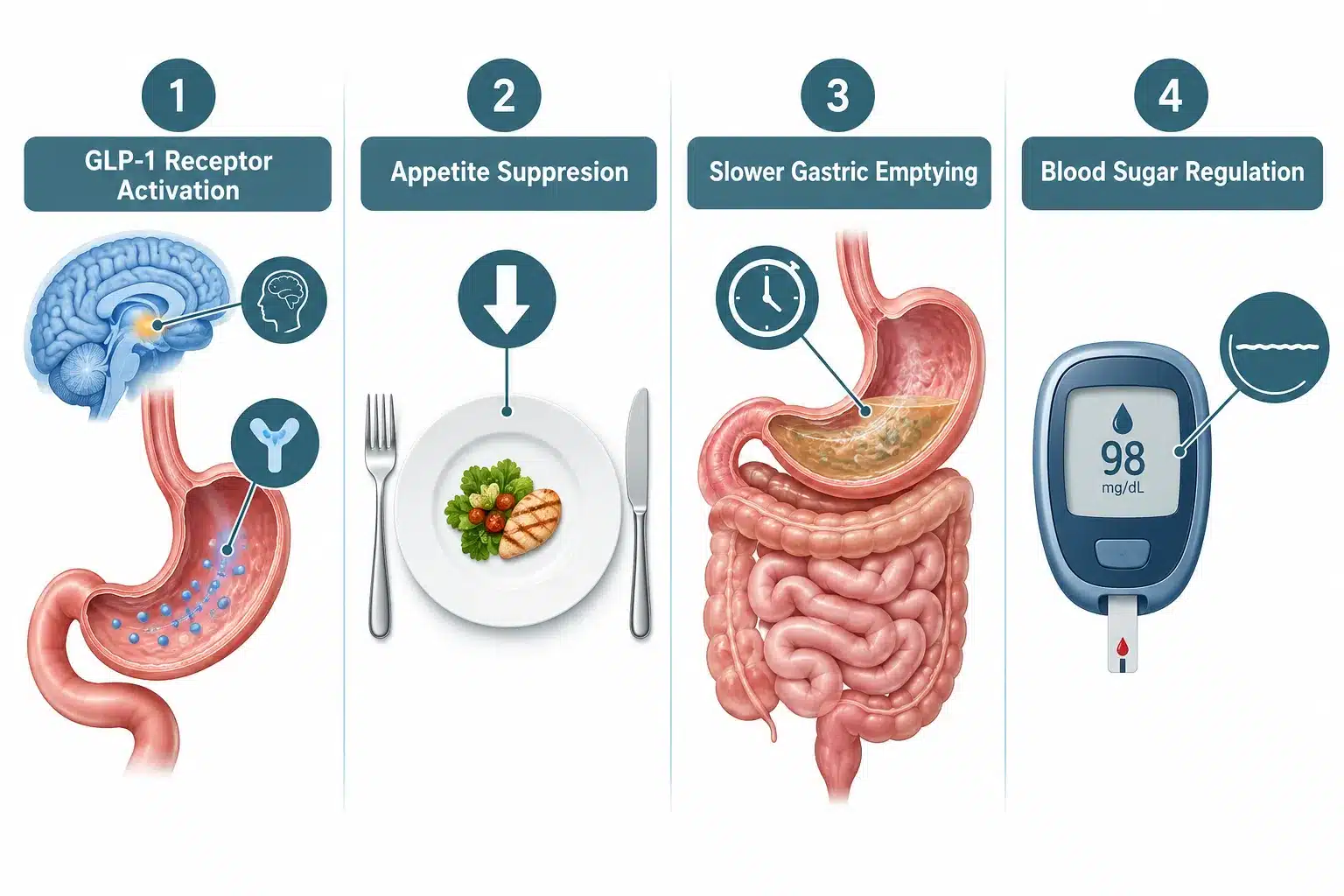
Here is how the core process works:
- GLP-1 receptor activation: Semaglutide binds to receptors in the brain and gut, triggering satiety signals.
- Appetite reduction: Most people report eating less without feeling deprived, even at lower doses.
- Slower gastric emptying: Food moves through the stomach more slowly, extending the feeling of fullness.
- Blood sugar stabilization: Insulin secretion rises in response to meals, and glucagon (which raises blood sugar) is suppressed.
The key distinction with microdosing is that you are working at the lower end of this dose-response curve. You may get 60-70% of the appetite benefit with a reduced side effect burden, but this varies significantly by individual [5].
Microdosing Semaglutide vs Regular Dose: What’s the Difference
The main difference is the weekly injection amount and the expected speed of results. Standard semaglutide protocols (Ozempic for diabetes, Wegovy for weight loss) start at 0.25 mg weekly and escalate over months to 1 mg, 1.7 mg, or 2.4 mg. Microdosing stays at or below that starting threshold, sometimes indefinitely [3].
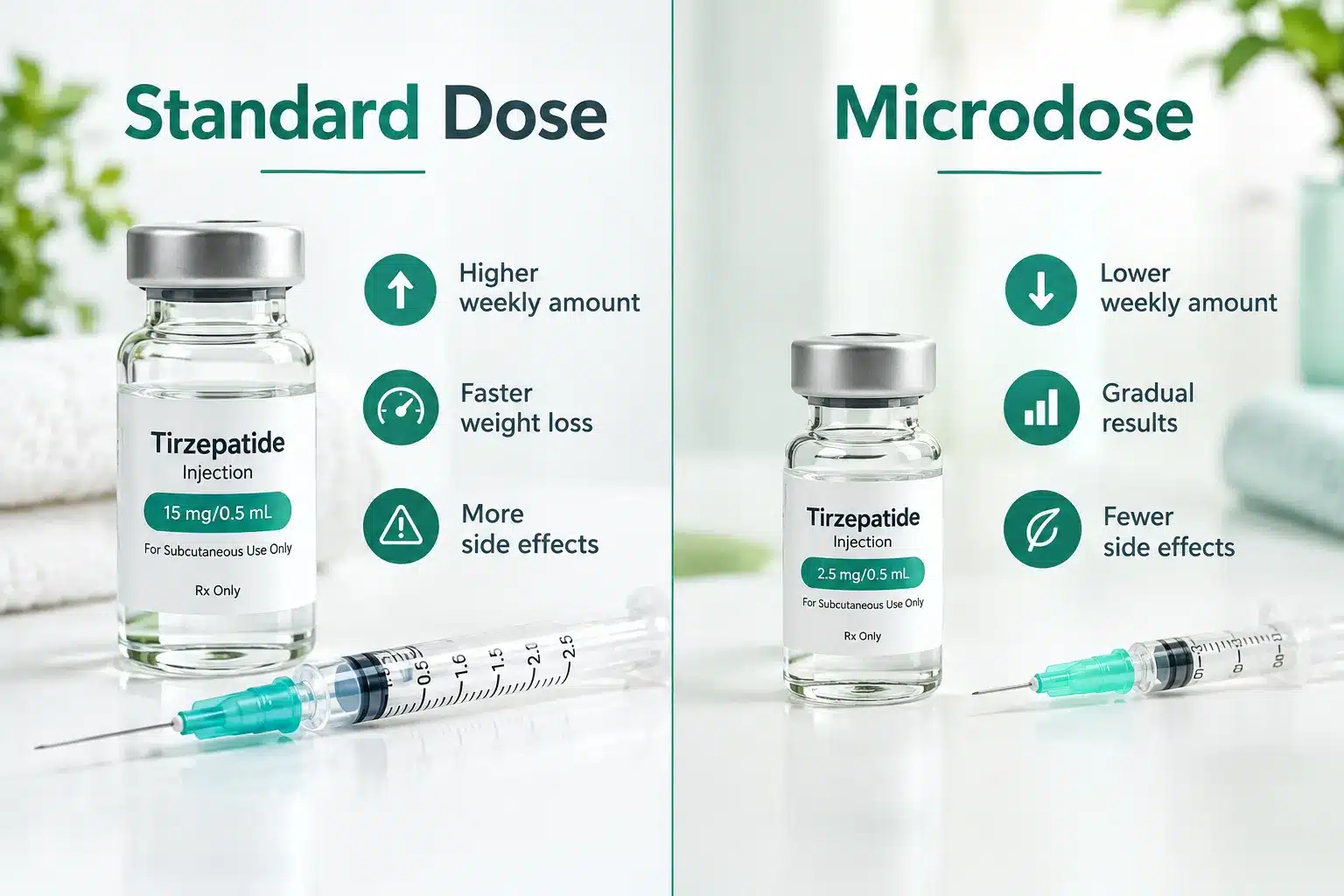
| Feature | Standard Dose | Microdose |
|---|---|---|
| Typical weekly amount | 0.25 mg, 2.4 mg | 0.05 mg, 0.25 mg |
| FDA-approved protocol | Yes (Ozempic, Wegovy) | No (off-label) |
| Speed of weight loss | Faster | Slower, more gradual |
| GI side effect risk | Higher | Lower |
| Common source | Brand-name pharmacy | Compounding pharmacy or telehealth |
| Typical monthly cost (estimate) | $900+ brand; lower compounded | $100,$250 compounded (estimate) |
A 2025 article from Cedars-Sinai notes that some clinicians are experimenting with lower starting doses specifically to help patients who cannot tolerate standard titration schedules [4]. However, there is no published randomized controlled trial comparing microdose versus standard-dose outcomes head-to-head as of 2026.
Choose standard dosing if: you need faster, more significant weight loss and can tolerate GI side effects. Choose microdosing if: side effects have caused you to stop treatment before, or you want a gentler entry point under medical supervision.
How Much Weight Can You Lose Microdosing Semaglutide
Weight loss from microdosing semaglutide is typically more modest and slower than from full-dose protocols. There are no large clinical trials specifically on microdose weight loss outcomes, so exact figures are not available. Clinicians and telehealth providers who use low-dose protocols report that patients can lose 5% to 10% of body weight over several months, compared to the 15% or more seen in the STEP trials for Wegovy at 2.4 mg [5].
What affects your results:
- Starting dose and titration pace: Staying at 0.1 mg indefinitely will produce less weight loss than gradually moving to 0.5 mg over several months.
- Diet quality: Semaglutide reduces appetite, but it does not override a calorie surplus. Pairing it with a whole-food diet accelerates results.
- Physical activity: Exercise preserves lean muscle mass during weight loss, improving long-term outcomes.
- Metabolic health baseline: People with insulin resistance or higher starting BMI may respond differently.
- Consistency: Missing doses or stopping early reduces cumulative benefit.
One patient story shared on a telehealth platform described losing 12 pounds over four months on a 0.2 mg weekly dose, slower than a friend on full-dose Wegovy, but without the nausea that had caused that friend to stop twice [6]. Stories like this are common, but they are anecdotal. Your results will depend on your individual biology and adherence.
Microdosing Semaglutide Cost and Where to Get It
Microdosing semaglutide is most accessible through compounding pharmacies and telehealth platforms. Brand-name Ozempic and Wegovy are not designed for microdose protocols and cannot be easily split into smaller amounts from standard pens.
Compounded semaglutide, prepared by licensed 503A or 503B pharmacies, can be formulated at custom concentrations that make low-dose injections practical. For current pricing details, see our guide to semaglutide dosage and cost in 2026.
Where to access microdose semaglutide:
- Telehealth platforms: Services like those reviewed in our affordable semaglutide telehealth guide connect you with licensed providers who can prescribe compounded semaglutide at low doses.
- Compounding pharmacies: A licensed compounding pharmacy can prepare semaglutide at the exact concentration your provider prescribes. See our compounding pharmacy semaglutide cost breakdown for what to expect.
- Weight loss clinics: Some brick-and-mortar medspas and metabolic clinics now offer structured microdose programs [3].
- Henry Meds: This telehealth provider explicitly markets a microdose semaglutide program. Read our Henry Meds semaglutide review for details on their approach.
Common mistake: Buying semaglutide from unregulated online sources without a prescription. These products may be mislabeled, contaminated, or counterfeit. Always verify that your pharmacy is licensed and that your prescription comes from a real provider.
Is Microdosing Semaglutide Safe and What Are the Side Effects
For most healthy adults, microdosing semaglutide under medical supervision carries a lower side effect burden than standard dosing, but it is not risk-free. The most common side effects at any dose are gastrointestinal [4].
Most common side effects (lower risk at microdoses):
- Nausea
- Mild vomiting
- Diarrhea or constipation
- Reduced appetite (often the intended effect)
- Mild fatigue, especially in the first few weeks
Less common but serious risks (apply at any dose):
- Pancreatitis (rare; stop use and seek care if you have severe abdominal pain)
- Gallbladder disease, including gallstones
- Increased heart rate
- Kidney injury, usually related to dehydration from vomiting
- Thyroid C-cell tumors (seen in animal studies; not confirmed in humans, but a black-box warning applies)
Cleveland Clinic notes that while microdosing may reduce the intensity of nausea and vomiting, it does not eliminate these risks entirely [5]. The off-label nature of microdosing also means there is less post-market safety data specific to low-dose use.
The safety bottom line: Microdosing semaglutide is generally considered lower-risk than standard dosing for GI side effects, but it still requires medical oversight. Self-adjusting doses based on social media trends is not safe.
Microdosing Semaglutide for Weight Loss vs Diabetes
Semaglutide serves two distinct medical purposes: weight management and type 2 diabetes control. The dose requirements and goals differ between these uses, and microdosing affects each differently.
For weight loss, the standard approved dose (Wegovy) goes up to 2.4 mg weekly. Microdosing at 0.1 to 0.25 mg can still produce appetite suppression and modest weight loss, but it will not replicate the outcomes of the full dose [3].
For type 2 diabetes, semaglutide (Ozempic) is approved starting at 0.5 mg weekly, with a target of 1 mg or 2 mg for blood sugar control. Some endocrinologists use lower doses in elderly patients or those with kidney impairment to reduce side effects while still achieving partial glycemic benefit [1]. This is sometimes called “clinical microdosing” in diabetes care.
If you have type 2 diabetes and are considering low-dose semaglutide, read our detailed guide on semaglutide for type 2 diabetes before discussing options with your endocrinologist.
Key point: People with diabetes should never reduce their semaglutide dose without provider guidance, as inadequate blood sugar control carries its own serious risks.
Can You Microdose Semaglutide at Home or Do You Need a Doctor
You need a prescription and medical supervision to legally and safely microdose semaglutide in the United States. Semaglutide is a Schedule-uncontrolled but prescription-only medication. Obtaining it without a prescription is illegal and unsafe.
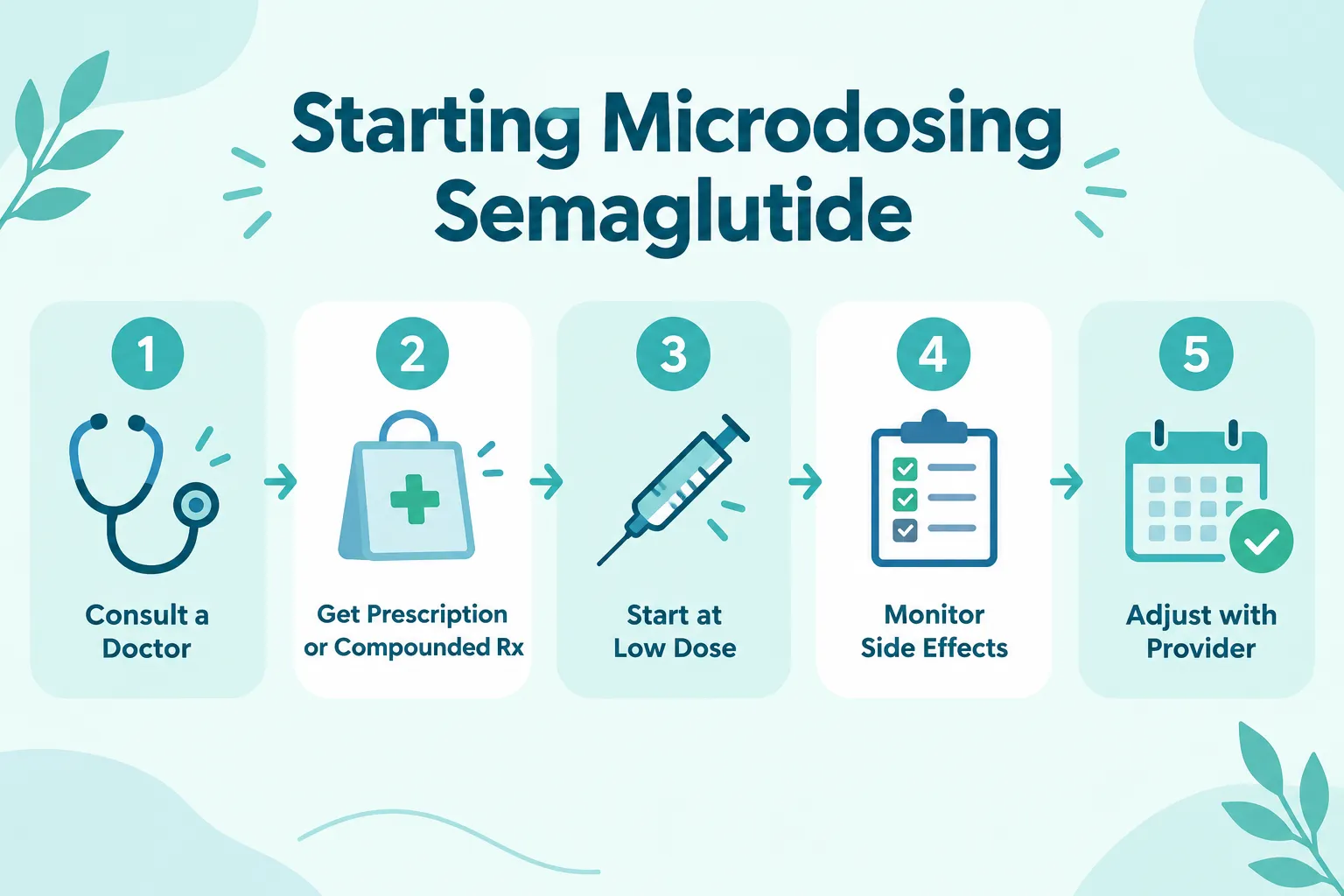
How to start a supervised microdose program:
- Schedule a telehealth or in-person consultation with a licensed provider who has experience with GLP-1 medications.
- Discuss your health history, including any thyroid conditions, pancreatitis history, or kidney issues.
- Get a prescription for compounded semaglutide at a low starting dose (often 0.1 mg to 0.25 mg weekly).
- Fill the prescription through a licensed compounding pharmacy. See our guide to finding a compounding pharmacy for semaglutide.
- Administer at home via subcutaneous injection, typically in the abdomen, thigh, or upper arm, once weekly.
- Check in with your provider monthly to assess progress and adjust the dose if needed.
Once prescribed and trained, you can self-inject at home. The “home” part is fine; the “without a doctor” part is not.
Who Should Not Take Microdosing Semaglutide
Microdosing semaglutide is not appropriate for everyone. The contraindications apply regardless of dose level.
Do not use semaglutide (at any dose) if you have:
- Personal or family history of medullary thyroid carcinoma (MTC)
- Multiple endocrine neoplasia syndrome type 2 (MEN2)
- A history of serious hypersensitivity to semaglutide or any ingredient in the formulation
- Active or recent pancreatitis
- Pregnancy or plans to become pregnant (discontinue at least 2 months before conception)
Use with caution and close monitoring if you have:
- Diabetic retinopathy (rapid blood sugar improvement can temporarily worsen eye disease)
- Severe kidney or liver impairment
- A history of gallbladder disease
- Eating disorders (appetite suppression may complicate recovery)
Common mistake: Assuming that because a dose is small, the safety profile is entirely different. The contraindications above are not dose-dependent, they apply whether you take 0.1 mg or 2.4 mg.
Microdosing Semaglutide vs Ozempic vs Wegovy: Which Is Better
Microdosing semaglutide, Ozempic, and Wegovy all use the same active ingredient, semaglutide, but they differ in approved indication, dose range, and delivery. “Microdosing semaglutide” is not a brand; it is a dosing strategy, usually applied to compounded semaglutide. For a full breakdown of brand names and formulations, see our guide to semaglutide brand names: Ozempic, Wegovy, and Rybelsus.
- Ozempic (0.5 mg, 2 mg weekly): FDA-approved for type 2 diabetes. Frequently prescribed off-label for weight loss.
- Wegovy (0.25 mg, 2.4 mg weekly): FDA-approved specifically for chronic weight management in adults with obesity or overweight with a weight-related condition.
- Microdosed compounded semaglutide (0.05 mg, 0.25 mg weekly): Off-label, no FDA approval for this dosing range, typically sourced from compounding pharmacies.
Choose Ozempic or Wegovy if you have insurance coverage, need the FDA-approved indication on record, or want the most clinical evidence behind your treatment.
Choose microdosed compounded semaglutide if you cannot tolerate standard doses due to side effects, cost is a barrier, or you want a gradual introduction to GLP-1 therapy under medical supervision.
Common Mistakes People Make When Microdosing Semaglutide
Most people who do not see results from microdosing semaglutide are making one of a handful of predictable errors.
- Starting too low and never titrating. A 0.05 mg dose may produce almost no appetite suppression. If your provider has cleared you to increase, staying at a sub-therapeutic dose indefinitely will not work.
- Skipping doses. Semaglutide has a half-life of about one week. Missing doses disrupts the steady-state concentration needed for consistent appetite control.
- Expecting the drug to do all the work. Semaglutide reduces hunger; it does not eliminate the need for a reasonable diet. Eating ultra-processed foods in smaller portions is still a poor dietary pattern.
- Sourcing from unregulated suppliers. DIY microdosing from social media sources or unverified online vendors carries real risks of contamination and incorrect dosing [10].
- Not tracking side effects. Mild nausea that goes unreported may escalate. Keep a simple log and share it with your provider.
- Stopping abruptly without a plan. See the section below on rebound weight gain.
How Long Does It Take to See Results From Microdosing Semaglutide
Most people notice reduced appetite within the first one to two weeks of starting microdosing semaglutide, even at very low doses. Measurable weight loss typically takes four to eight weeks to become visible on the scale [5].
At standard doses, clinical trials showed meaningful weight loss by week 12 and significant results by week 20. At microdoses, the timeline extends. A reasonable expectation for a supervised microdose program:
- Weeks 1-2: Appetite reduction, possible mild nausea
- Weeks 3-6: Early weight loss (1-3 lbs for many patients)
- Months 2-4: Gradual, consistent loss if dose is titrated upward
- Months 4-6+: Plateau risk if dose is not adjusted or lifestyle factors are not addressed
If you have not seen any appetite change or weight movement after eight weeks at the same dose, talk to your provider about increasing the dose or evaluating other factors.
Microdosing Semaglutide Rebound Weight Gain After Stopping
Stopping semaglutide, at any dose, carries a real risk of weight regain. This is not unique to microdosing; it reflects the underlying biology of GLP-1 medications. When the drug clears your system, appetite signals return to baseline, and without the medication’s suppressive effect, many people regain weight [9].
Research on standard-dose semaglutide (the STEP 4 trial extension) found that participants who stopped Wegovy regained about two-thirds of their lost weight within one year. Microdose users who lost less weight may experience a smaller absolute regain, but the proportional risk is similar.
How to reduce rebound risk:
- Build sustainable eating habits during treatment, not just while relying on reduced appetite.
- Taper doses gradually rather than stopping cold turkey, if your provider agrees.
- Continue regular physical activity after stopping, this is the single strongest predictor of weight maintenance.
- Discuss a maintenance plan with your provider before stopping. Some people use very low doses (0.1 mg every two weeks) as a maintenance strategy, though this is not formally studied.
FAQ
What is the lowest effective dose for microdosing semaglutide?
There is no officially established minimum effective dose. Some providers start patients at 0.1 mg weekly and report meaningful appetite suppression. Others find 0.25 mg is the lowest dose that produces noticeable results. This varies by individual.
Is microdosing semaglutide FDA-approved?
No. The FDA has not approved any microdose protocol for semaglutide. Approved doses start at 0.25 mg for Wegovy and 0.5 mg for Ozempic. Microdosing is an off-label practice.
Can I get compounded semaglutide for microdosing?
Yes, through licensed 503A compounding pharmacies with a valid prescription. Compounded semaglutide can be prepared at custom concentrations. Check our guide to compounded vs brand semaglutide pros, cons, and costs for more.
Does microdosing semaglutide work for people without diabetes?
Yes. Semaglutide’s appetite-suppressing and weight-loss effects are not dependent on having diabetes. The Wegovy approval is specifically for weight management in non-diabetic adults with obesity.
How do I inject a microdose of semaglutide at home?
Compounded semaglutide for microdosing typically comes in a multi-dose vial with a specific concentration (e.g., 1 mg/mL). Your provider will instruct you on drawing the correct volume into an insulin syringe. Always follow your provider’s exact instructions.
Will insurance cover microdosing semaglutide?
Almost certainly not. Because microdosing is off-label and typically uses compounded semaglutide, insurance plans generally do not cover it. Brand-name Wegovy may be covered for qualifying patients; compounded formulations typically are not.
Can I microdose semaglutide if I have type 2 diabetes?
Only under direct medical supervision from your diabetes care team. Reducing your semaglutide dose without guidance could impair blood sugar control. See our article on semaglutide for type 2 diabetes for context.
Is microdosing semaglutide the same as what people call ‘DIY Ozempic’?
Partly. The social media trend of DIY microdosing often involves people self-adjusting their Ozempic pen to deliver smaller clicks. This is not the same as a supervised compounded microdose program and carries significant risks of inaccurate dosing [10].
How does microdosing semaglutide compare to oral semaglutide (Rybelsus)?
Rybelsus (oral semaglutide) starts at 3 mg daily and is approved only for type 2 diabetes. It is not interchangeable with injectable microdosing protocols. Read more in our semaglutide oral tablets Rybelsus overview.
What happens if I take too little semaglutide?
A sub-therapeutic dose may produce no meaningful appetite suppression or metabolic benefit. You may feel you are “not responding” to the medication when the real issue is insufficient dosing. Work with your provider to titrate appropriately.
7 Best GLP-1 Providers Ranked: Accreditation, Flexibility & Support Compared (2026 Update)
32,000+ Patients Can't All Be Wrong: See the Top-Rated GLP-1 Providers: Compared on accreditation, plan flexibility, and patient support — updated for 2026.
BMI MD GLP-1 Microdosing Plan
- Specialized microdosing options (sublingual drops or low-dose injections)
- Ideal for maintaining weight or tapering off higher doses safely
- Fully bundled plan with no hidden monthly platform memberships
DirectMeds Weight Loss Solutions
- Sourced from accredited, state-licensed 503A compounding pharmacies
- No-frills high-volume savings passed directly to the patient
- Includes clinical consultation and cold-chain shipping updates
MEDVi Flat-Rate Telehealth
- Flat monthly rate holds steady even at maximum maintenance doses
- No dosage upcharges or graduation fee penalties
- Offers both injectable and advanced oral thin-film delivery options
Gala GLP-1 Care Program
- All-inclusive plan with no standalone membership costs
- Continuous text-based messaging access with state-licensed clinicians
- Temperature-controlled, cold-chain medication shipping included
Measured GLP-1 Metabolic Health
- Comprehensive metabolic health screening and expert intake analysis
- Predictable long-term budgeting with stable plan pricing
- High-end responsive dashboard with integrated diagnostic support
Refills GLP-1 (TryRefills Plan)
- Flat rate holds steady as titration scales up
- Includes clinical guides for active side-effect management
- Bundles in foundational nutritional strategies alongside medication
AltRx GLP-1 Transactional Reorders
- Zero recurring auto-billing — pay entirely on a transactional basis
- Rapid text-to-order format saves time for experienced patients
- Provides both injectable forms and fast-dissolving tablet variations
Conclusion
Microdosing semaglutide is a real, clinically used strategy, not just a social media trend. For people who have struggled with nausea, vomiting, or cost barriers on standard GLP-1 protocols, a supervised low-dose approach can offer a gentler, more affordable entry point into semaglutide therapy.
That said, the evidence base is thin. There are no large randomized trials specifically validating microdose protocols for weight loss, and the approach remains off-label. The risks, while lower than standard dosing for GI side effects, do not disappear at small doses.
Your actionable next steps:
- Talk to a licensed provider, telehealth platforms make this fast and affordable. Do not self-prescribe.
- Explore compounding options, a licensed compounding pharmacy can formulate semaglutide at the exact dose your provider prescribes.
- Set realistic expectations, microdosing produces slower results. Plan for a 3-to-6-month commitment before evaluating whether to stay, titrate up, or switch approaches.
- Build lifestyle habits alongside the medication, the people who keep weight off long-term are the ones who used the appetite suppression window to build better eating and exercise patterns.
- Have a stopping plan, discuss with your provider how you will taper off and what maintenance looks like before you ever start.
Semaglutide at any dose is a tool, not a cure. Used thoughtfully, under medical supervision, microdosing can be a practical and accessible way to begin your weight loss journey.
References
[1] One Size Does Not Fit All Understanding – https://diabetesjournals.org/care/article/48/3/e25/157716/One-Size-Does-Not-Fit-All-Understanding
[2] Microdosing GLP-1 – https://www.joinmidi.com/post/microdosing-glp1
[3] A Comprehensive Guide To Semaglutide Dosing And Microdosing – https://www.mountcastlemedicalspa.com/blog/a-comprehensive-guide-to-semaglutide-dosing-and-microdosing/
[4] Can Microdosing GLP-1s Promote Health And Weight Loss – https://www.cedars-sinai.org/stories-and-insights/expert-advice/can-microdosing-glp-1s-promote-health-and-weight-loss
[5] Microdosing GLP-1 – https://health.clevelandclinic.org/microdosing-glp-1
[6] Microdose – https://henrymeds.com/treatments/weight-management/microdose
[7] PMC12964163 – https://pmc.ncbi.nlm.nih.gov/articles/PMC12964163/
[8] People Are Microdosing Weight Loss Drugs – https://www.sbs.com.au/news/article/people-are-microdosing-weight-loss-drugs-a-gp-explains-what-to-watch-out-for/bczlioijl
[9] GLP-1 Microdosing Weight Loss – https://www.today.com/health/diet-fitness/glp-1-microdosing-weight-loss-rcna237337
[10] Microdosing Ozempic Weight Loss Drugs DIY Dosage – https://www.latimes.com/lifestyle/story/2024-11-05/microdosing-ozempic-weight-loss-drugs-diy-dosage

With over 13 years of experience in holistic health blogging, I aim to help you navigate your wellness journey with honest insights, expert-backed advice, and a sprinkle of real-world practicality.
Certified Wellness Writer | Herbal Nutrition Advocate | Wellness Research Enthusiast


