Noom Microdosing: Benefits, Price and How Low-Dose Injections Work

Last updated: October 4, 2026
Quick Answer
Noom microdosing refers to Noom’s Microdose GLP-1 Rx program, which delivers sub-therapeutic doses of compounded semaglutide or tirzepatide to support weight loss with a lower side-effect burden than standard GLP-1 doses. The program combines medication with Noom’s behavioral coaching app and is designed for adults who want GLP-1 benefits without the nausea and fatigue common at higher doses. As of 2026, it starts at $119 per month, including medication and the Microhabits coaching program [5].
Key Takeaways
- Noom microdosing uses very low doses of compounded GLP-1 medications (semaglutide or tirzepatide) paired with behavioral coaching
- The program is positioned as a lower-cost, lower-side-effect entry point into GLP-1 therapy, starting at $119/month [7]
- Doses are titrated upward gradually using Noom’s SmartDose algorithm based on individual response [4]
- It is not appropriate for pregnant women, breastfeeding individuals, or those with a history of medullary thyroid cancer or pancreatitis
- GLP-1 medications while breastfeeding, including semaglutide and tirzepatide, are not considered safe due to unknown transfer to breast milk
- Community reports on Reddit and elsewhere are mixed, with some users reporting meaningful appetite suppression and others seeing limited results [1]
- The program includes clinical oversight, but it is telehealth-based and not a substitute for in-person care
- Alternatives include standard Noom Med, other compounded GLP-1 providers, and behavioral-only programs
What Is Noom Microdosing?
Noom microdosing is a structured medical weight loss program that uses very low, gradually increasing doses of compounded GLP-1 receptor agonists, primarily semaglutide or tirzepatide, alongside Noom’s digital behavior-change coaching. The term “microdosing” in this context means starting well below the standard therapeutic dose used in medications like Ozempic or Wegovy, with the goal of achieving appetite suppression and metabolic benefits while minimizing side effects [4].
7 Best GLP-1 Providers Ranked: Accreditation, Flexibility & Support Compared (2026 Update)
32,000+ Patients Can't All Be Wrong: See the Top-Rated GLP-1 Providers. We compared the leading online GLP-1 providers based on program features, clinical support, convenience, and overall value.
BMI MD GLP-1 Microdosing Plan
- Specialized microdosing options, including sublingual drops and low-dose injections
- Designed for people interested in maintaining weight or gradually adjusting treatment
- Bundled program structure without a separate monthly platform membership
- Online access makes the process convenient from home

DirectMeds Weight Loss Solutions
- Online weight-loss program with a straightforward patient experience
- Compounded medication options through state-licensed compounding pharmacies
- Includes clinical consultation as part of the process
- Provides shipping updates to help patients track their orders
MEDVi Flat-Rate Telehealth
- Flat-rate telehealth approach designed for easier budgeting
- No dosage-based pricing increases within the advertised program structure
- Offers injectable and oral thin-film delivery options
- Includes medical screening and asynchronous provider consultations
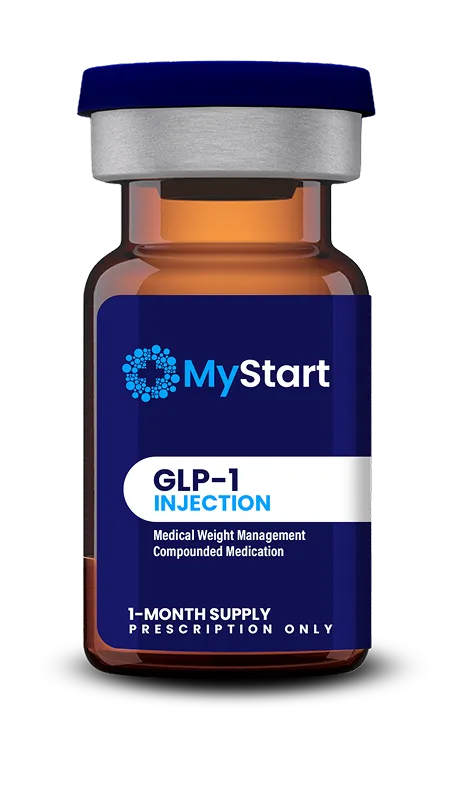
Gala GLP-1 Care Program
- Text-based access to state-licensed clinicians
- Cold-chain medication shipping included in the program
- Month-to-month program structure
- Designed for people who value convenient ongoing support
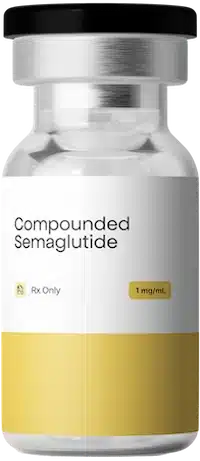
Measured GLP-1 Metabolic Health
- Comprehensive metabolic health screening and intake analysis
- Designed around longer-term metabolic health management
- Responsive dashboard with integrated health tracking tools
- Useful option for patients who value a more data-focused experience
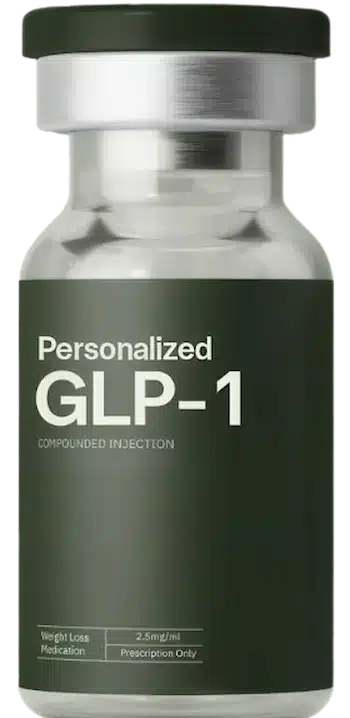
Refills GLP-1 (TryRefills Plan)
- Clinical guidance designed to help patients manage common treatment concerns
- Includes foundational nutritional strategies alongside medication
- Designed around predictable ongoing treatment
- No hidden startup or processing fees according to the program information provided
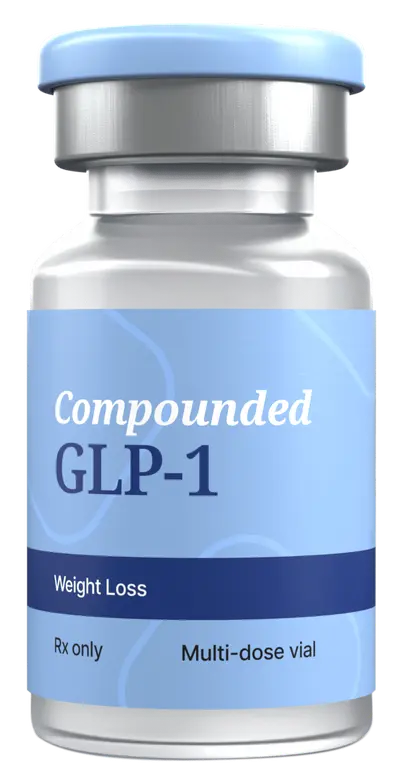
AltRx GLP-1 Transactional Reorders
- Transactional reorder model without recurring auto-billing
- Designed for patients who already understand their treatment routine
- Fast text-to-order process for convenient reorders
- Offers injectable and fast-dissolving tablet variations
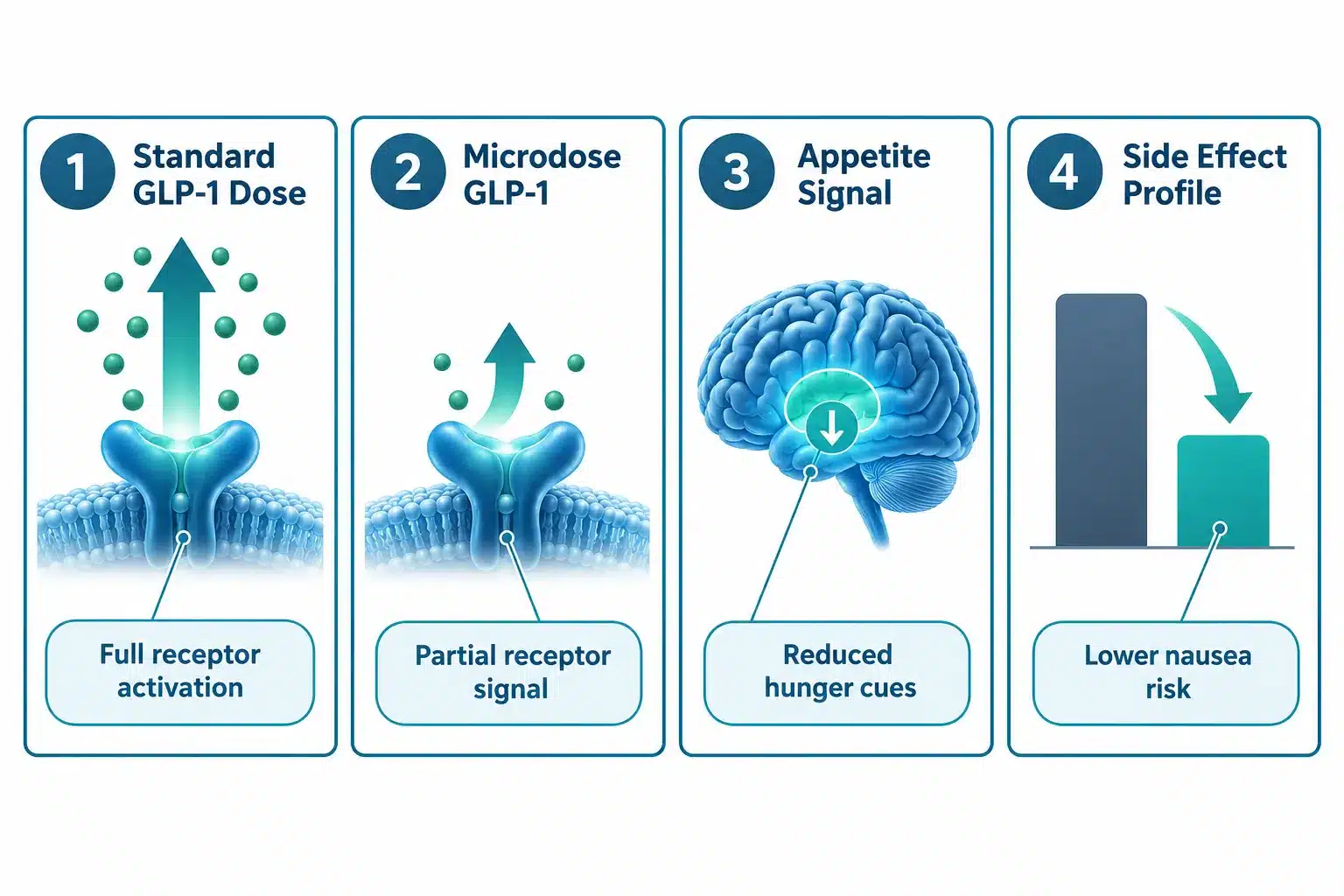
Noom launched the program in 2025 and expanded it into 2026 as part of its broader Noom Med platform [5]. The core idea is that many people who need GLP-1 support are either priced out of brand-name medications, concerned about side effects, or not candidates for full-dose therapy. The microdose approach tries to serve that group.
The program has two main tiers:
- Microdose GLP-1 Rx, the entry-level option, combining low-dose compounded medication with Noom’s Microhabits behavioral program [3]
- Proactive Health Microdose, a more comprehensive tier that includes biomarker tracking and a broader clinical workup for patients who want more oversight [10]
Both tiers use compounded medications from licensed pharmacies. For more on how compounded semaglutide compares to brand-name options, see this breakdown of compounded vs brand semaglutide pros, cons, and costs.
How Does Noom Microdosing Work?
Noom microdosing works by delivering a low starting dose of a GLP-1 receptor agonist, then using a proprietary algorithm called SmartDose to guide dose increases based on how each person responds [4]. The medication is self-administered via subcutaneous injection, typically once weekly.
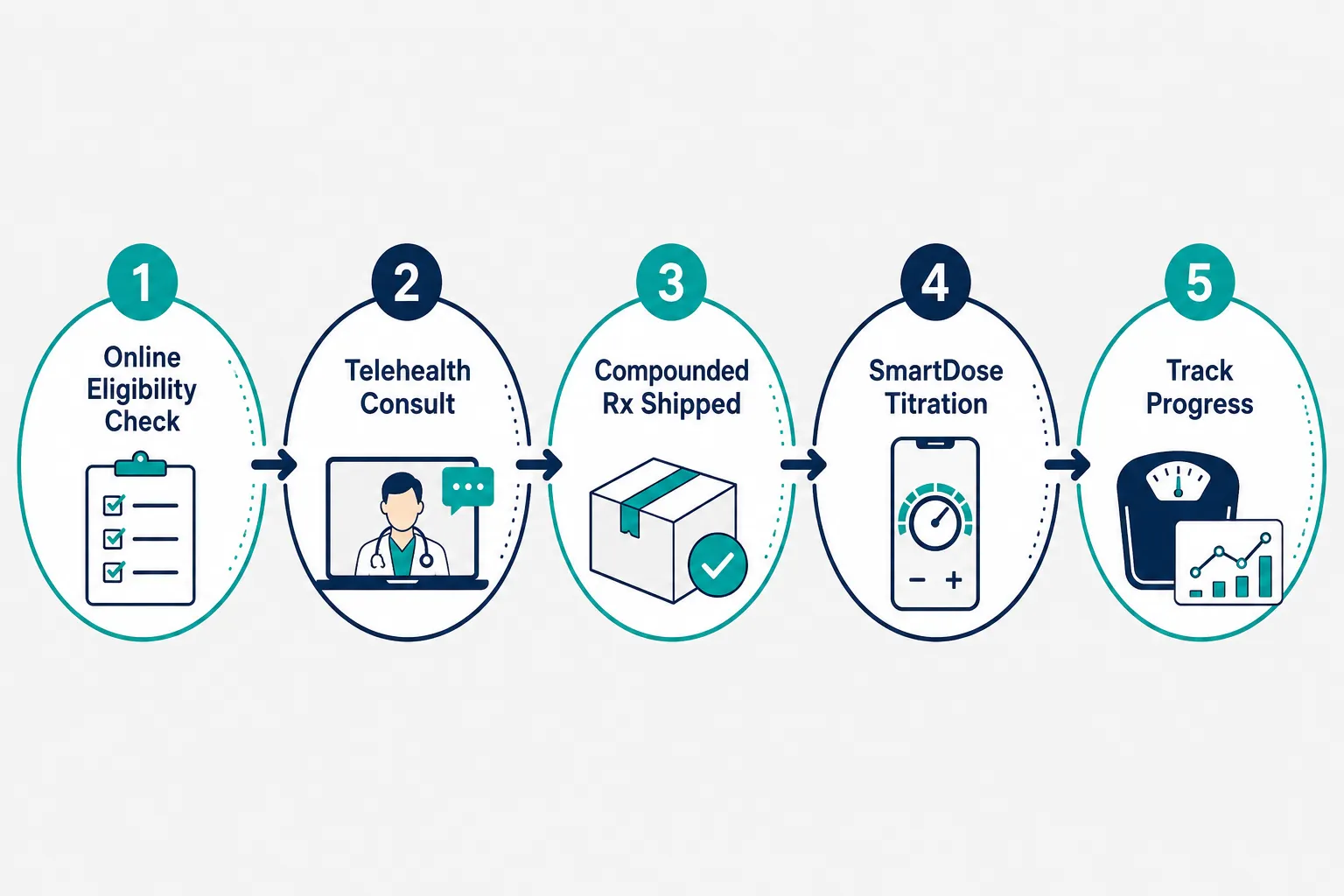
Here is the general process:
- Complete an online health questionnaire to check eligibility
- A telehealth clinician reviews your history and, if appropriate, prescribes compounded medication
- Medication is shipped directly to your home from a licensed compounding pharmacy
- The Noom app tracks symptoms, appetite, and weight and adjusts dosing recommendations over time
- Coaching modules address eating habits, stress responses, and behavioral patterns alongside the medication
The behavioral coaching component is not optional. Noom’s position is that medication alone produces worse long-term outcomes than medication combined with habit change [6]. That’s a defensible claim supported by the broader GLP-1 literature, though Noom-specific outcome data at microdose levels is limited as of 2026.
For a broader look at how GLP-1 dosing works in practice, the semaglutide dosage guide for weight loss covers titration schedules in detail.
Noom Microdosing vs Regular Noom: What’s the Difference?
Noom microdosing differs from the standard Noom program in one critical way: it includes a prescription medication. The original Noom program is a behavioral coaching app with no medical component. Noom Med (which includes the microdose program) adds telehealth access and compounded GLP-1 medications to the coaching platform [9].
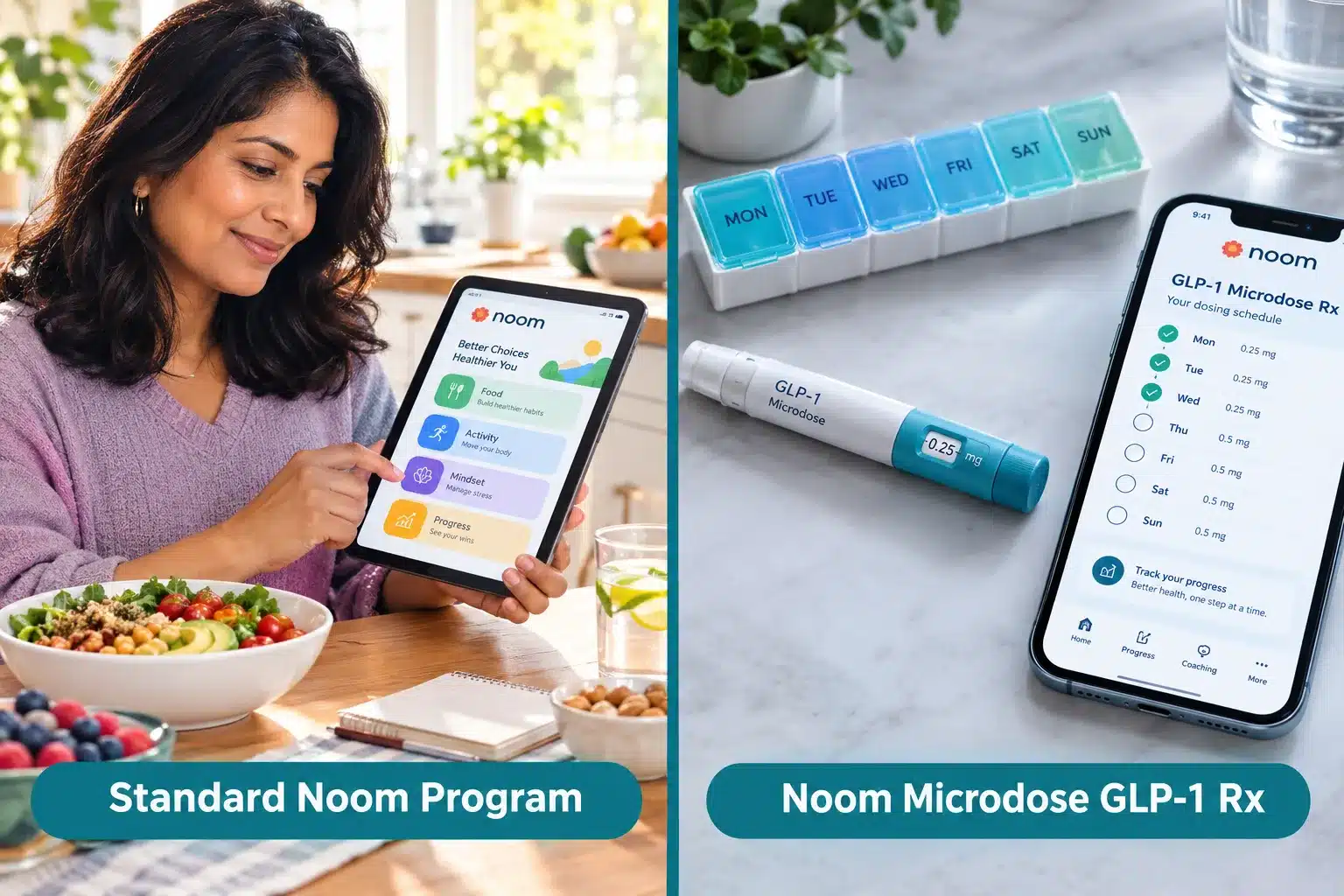
| Feature | Standard Noom | Noom Microdose GLP-1 Rx |
|---|---|---|
| Medication included | No | Yes (compounded GLP-1) |
| Behavioral coaching | Yes | Yes (Microhabits program) |
| Telehealth clinician | No | Yes |
| SmartDose titration | No | Yes |
| Starting monthly cost | ~$70 | ~$119 [7] |
| Prescription required | No | Yes |
The microdose program is also distinct from standard Noom Med, which uses full therapeutic doses of GLP-1 medications. The microdose tier specifically targets people who want a gentler introduction to GLP-1 therapy or who have had side-effect issues at higher doses.
Noom Microdosing Cost: What Will You Actually Pay?
The Noom Microdose GLP-1 Rx program starts at $119 per month, which includes both the compounded medication and access to the Microhabits coaching program [5][7]. This is significantly less than brand-name GLP-1 medications like Wegovy or Zepbound, which can run $900 to $1,400 per month without insurance.
A few cost considerations worth knowing:
- The $119 starting price reflects the lowest dose tier; costs may increase as doses are titrated upward
- The Proactive Health microdose tier, which includes biomarker testing, costs more [10]
- Insurance typically does not cover compounded medications
- If you need a higher dose over time, costs can approach those of standard Noom Med plans
For comparison, see our guide to cheapest online GLP-1 providers compared to see how Noom’s microdose pricing stacks up against other telehealth options.
Is Noom Microdosing Safe?
For most healthy adults who meet eligibility criteria, Noom microdosing appears to be reasonably safe, particularly because the low starting dose reduces the risk of the nausea, vomiting, and fatigue that are common at full therapeutic GLP-1 doses [4][6]. However, “safe” depends heavily on individual health history and proper clinical oversight.
Key safety points:
- Compounded medications are not FDA-approved in the same way brand-name drugs are. They are prepared by licensed compounding pharmacies, but quality can vary. See our guide on how to verify a legitimate compounding pharmacy before starting any compounded GLP-1 program.
- Clinical oversight is telehealth-based, not in-person. This is adequate for many people but may not be sufficient for those with complex medical histories.
- GLP-1 breastfeeding safety is a firm contraindication. GLP-1 medications while breastfeeding, including semaglutide while breastfeeding and tirzepatide while breastfeeding, are not recommended. The safety of these medications in breast milk has not been established, and potential risk to the infant cannot be ruled out. Anyone asking about GLP-1 weight loss while breastfeeding or GLP-1 postpartum weight loss should wait until they have finished breastfeeding before starting any GLP-1 program.
- People with a personal or family history of medullary thyroid carcinoma, multiple endocrine neoplasia type 2, or a history of pancreatitis should not use GLP-1 medications at any dose.
Noom Microdosing Side Effects
Side effects at microdose levels are generally milder than at full therapeutic doses, but they are not zero. The most commonly reported side effects include mild nausea, constipation, reduced appetite (which is the intended effect), and occasional fatigue [4].
Less common but possible side effects include:
- Injection site reactions (redness, mild swelling)
- Headache during the first few weeks
- Loose stools or diarrhea
- Dizziness, particularly if caloric intake drops significantly
Important edge case: Some users report that at very low microdoses, they experience side effects without meaningful appetite suppression. This is a known frustration in community discussions [1]. If this happens, the SmartDose algorithm may recommend a dose increase, but that brings the experience closer to standard GLP-1 therapy.
Who Should Not Do Noom Microdosing
Noom microdosing is not appropriate for everyone. Noom’s eligibility screening is designed to catch most contraindications, but patients should also self-screen before applying.
Do not use Noom microdosing if you:
- Are pregnant or planning to become pregnant in the near term
- Are currently breastfeeding (GLP-1 and breastfeeding is an active contraindication; this includes semaglutide while breastfeeding and tirzepatide while breastfeeding)
- Have a personal or family history of medullary thyroid carcinoma or MEN2
- Have a history of pancreatitis or severe gastrointestinal disease
- Have a BMI below the program’s minimum threshold
- Are under 18 years of age
- Have severe kidney or liver disease
If you are in the postpartum period and considering GLP-1 postpartum weight loss, the appropriate time to start is after you have completely stopped breastfeeding and have discussed the timing with your OB or primary care provider.
Noom Microdosing Results Timeline: What to Expect and When
Most users do not see dramatic results in the first two to four weeks, because the starting dose is intentionally low. Meaningful appetite suppression typically begins to appear between weeks four and eight as the dose is titrated upward [4].
A general timeline based on program design and community reports:
- Weeks 1-2: Adjustment period; some mild side effects, minimal weight change
- Weeks 3-6: Appetite begins to decrease; early weight loss of 1-3 lbs possible
- Months 2-3: More consistent appetite suppression; weight loss of 3-8 lbs reported by some users [1]
- Months 4-6: Continued titration; results vary widely depending on dose reached and behavioral adherence
Realistic expectation: Noom microdosing is not a fast-acting intervention. It is designed for gradual, sustainable weight loss. Users expecting results comparable to full-dose Ozempic or Wegovy within a few weeks will likely be disappointed.
Noom Microdosing Not Working: What to Do
If you are not seeing results after 8-12 weeks, there are several possible explanations and corresponding actions.
Common reasons microdosing stalls:
- Dose is still too low, The SmartDose algorithm may not have titrated you high enough yet. Communicate your lack of response to your telehealth clinician.
- Behavioral component is being skipped, The Microhabits coaching is part of the program design. Ignoring it reduces effectiveness.
- Caloric compensation, Some people unconsciously eat more when they feel less nauseated at low doses. Tracking food intake can help identify this.
- Medication quality issue, Compounded medications can vary. If you have concerns about your pharmacy’s quality standards, review our resource on best compounding pharmacies for semaglutide in 2026.
If the microdose program genuinely is not working after three months of consistent use and appropriate titration, discuss upgrading to a standard GLP-1 dose with your clinician. For a broader view of prescription weight loss options, see our complete 2026 guide to RX medications for weight loss.
Best Noom Microdosing Schedule
The best schedule is the one your clinician prescribes, but the general structure of the Noom microdose program follows a once-weekly injection model with gradual dose increases every four weeks, contingent on tolerability [4][10].
General scheduling principles:
- Inject on the same day each week to maintain consistent blood levels
- Inject in the evening if nausea is a concern, so peak side effects occur during sleep
- Do not skip doses without consulting your clinician; inconsistent dosing reduces effectiveness
- Track symptoms in the app after each injection so SmartDose can calibrate your next dose recommendation
Does Noom Microdosing Actually Work? What Reddit and Users Say
Community reports are genuinely mixed, which is worth being honest about. On Reddit’s r/Noom forum, some users report noticeable appetite suppression and weight loss of 5-15 lbs over three to four months at microdose levels [1]. Others report minimal effect, particularly at the lowest starting dose.
The honest picture:
- Users who follow both the medication and the behavioral coaching tend to report better outcomes than those who rely on the medication alone
- People who have previously failed at full-dose GLP-1 therapy due to side effects report that microdosing is more tolerable
- Some users feel the program is more of a “gateway” to standard GLP-1 dosing than a standalone solution
- Noom’s own published materials do not include peer-reviewed clinical trial data specific to their microdose program as of 2026 [6]
This does not mean the program does not work. GLP-1 medications have strong evidence at standard doses, and lower doses do produce some receptor activation. But the specific microdose outcomes Noom claims have not been independently validated in published research.
Noom Microdosing Alternatives
If Noom microdosing is not the right fit, several alternatives serve similar needs.
- Standard Noom Med, Full-dose GLP-1 therapy with the same behavioral coaching platform [9]
- Other telehealth GLP-1 providers, Platforms like Hims, Mochi Health, and others offer compounded semaglutide at competitive prices. See our Mochi Health review and Hims semaglutide review for comparisons.
- GLP-1 direct pay programs, Some providers offer cash-pay GLP-1 access without insurance. Our guide to GLP-1 direct pay programs covers the options.
- Behavioral-only programs, For those who are not candidates for medication, structured coaching without GLP-1s remains a viable path
Common Noom Microdosing Mistakes
The most common mistakes people make with Noom microdosing are skipping the behavioral coaching, expecting fast results, and not communicating with their clinician when the dose feels insufficient.
Additional mistakes to avoid:
- Starting and stopping inconsistently, GLP-1 medications require consistent use to maintain blood levels
- Not tracking food or symptoms, The SmartDose system relies on your app data to make dose recommendations
- Assuming low dose means low risk, Contraindications like pregnancy, breastfeeding, and thyroid cancer history apply regardless of dose
- Choosing a program without verifying pharmacy credentials, Not all compounding pharmacies meet the same standards
Frequently Asked Questions
What is the starting dose for Noom microdosing?
Noom does not publish exact starting doses publicly, but the program is designed to begin well below standard therapeutic semaglutide or tirzepatide doses. Your telehealth clinician determines the starting dose based on your health profile [3].
Is Noom microdosing FDA-approved?
No. The compounded medications used in the program are not FDA-approved products. They are prepared by licensed compounding pharmacies and prescribed through a licensed clinician, but compounded drugs operate under a different regulatory framework than brand-name medications.
Can you take GLP-1 medications while breastfeeding?
No. GLP-1 medications while breastfeeding, including semaglutide while breastfeeding and tirzepatide while breastfeeding, are not recommended. The safety data for GLP-1 and breastfeeding does not exist, and potential infant exposure through breast milk cannot be ruled out. Wait until breastfeeding is complete before starting any GLP-1 program.
How long do I need to stay on Noom microdosing?
There is no fixed duration. Some users use it as a short-term intervention of three to six months; others continue longer-term. The behavioral coaching component is designed to build habits that persist after medication stops [6].
Can I switch from Noom microdosing to a higher dose later?
Yes. If your clinician determines that the microdose is not producing adequate results, you can discuss transitioning to a higher dose or a different GLP-1 program.
Does Noom microdosing require injections?
Yes, the standard program uses subcutaneous injections, typically once weekly. There is no oral microdose option within the Noom program as of 2026, though oral semaglutide exists in brand form (Rybelsus).
What happens if I miss a dose?
Follow the guidance in the Noom app and from your clinician. Generally, if you miss a dose by a day or two, you can take it as soon as you remember. If it is close to your next scheduled dose, skip the missed one and resume your regular schedule.
Is the Proactive Health microdose tier worth the extra cost?
It depends on your goals. The Proactive Health tier adds biomarker monitoring, which is useful if you want to track metabolic markers like HbA1c, lipids, or fasting glucose alongside weight [10]. For straightforward weight loss without metabolic complexity, the standard microdose tier is likely sufficient.
Can men use Noom microdosing?
Yes. The program is available to eligible adults of any sex. Eligibility is based on BMI, health history, and contraindications, not gender.
What is GLP-1 postpartum weight loss, and when is it safe to start?
GLP-1 postpartum weight loss refers to using GLP-1 medications to lose pregnancy weight after giving birth. It is generally considered safe to start after you have completely stopped breastfeeding and have received clearance from your healthcare provider. Starting earlier, while breastfeeding, is not recommended.
7 Best GLP-1 Providers Ranked: Accreditation, Flexibility & Support Compared (2026 Update)
32,000+ Patients Can't All Be Wrong: See the Top-Rated GLP-1 Providers: Compared on accreditation, plan flexibility, and patient support — updated for 2026.
BMI MD GLP-1 Microdosing Plan
- Specialized microdosing options (sublingual drops or low-dose injections)
- Ideal for maintaining weight or tapering off higher doses safely
- Fully bundled plan with no hidden monthly platform memberships
DirectMeds Weight Loss Solutions
- Sourced from accredited, state-licensed 503A compounding pharmacies
- No-frills high-volume savings passed directly to the patient
- Includes clinical consultation and cold-chain shipping updates
MEDVi Flat-Rate Telehealth
- Flat monthly rate holds steady even at maximum maintenance doses
- No dosage upcharges or graduation fee penalties
- Offers both injectable and advanced oral thin-film delivery options
Gala GLP-1 Care Program
- All-inclusive plan with no standalone membership costs
- Continuous text-based messaging access with state-licensed clinicians
- Temperature-controlled, cold-chain medication shipping included
Measured GLP-1 Metabolic Health
- Comprehensive metabolic health screening and expert intake analysis
- Predictable long-term budgeting with stable plan pricing
- High-end responsive dashboard with integrated diagnostic support
Refills GLP-1 (TryRefills Plan)
- Flat rate holds steady as titration scales up
- Includes clinical guides for active side-effect management
- Bundles in foundational nutritional strategies alongside medication
AltRx GLP-1 Transactional Reorders
- Zero recurring auto-billing — pay entirely on a transactional basis
- Rapid text-to-order format saves time for experienced patients
- Provides both injectable forms and fast-dissolving tablet variations
Conclusion
Noom microdosing occupies a specific and genuinely useful niche: it gives adults who are curious about GLP-1 therapy a lower-cost, lower-dose entry point that reduces the side-effect barrier. The $119/month starting price is accessible compared to brand-name GLP-1 medications, and the combination of medication with behavioral coaching is a sound clinical approach.
That said, it is not a magic solution. Results at microdose levels are more modest than full-dose GLP-1 therapy, and the program requires consistent engagement with both the medication and the coaching component to work as designed. Community reports are mixed, and independent clinical data on Noom’s specific microdose program remains limited as of 2026.
Actionable next steps:
- Use Noom’s online eligibility tool to see if you qualify before committing
- If you are postpartum and breastfeeding, wait until you have fully weaned before starting any GLP-1 program
- Compare costs against other compounded GLP-1 providers using our cheapest online GLP-1 providers compared guide
- Verify the compounding pharmacy your program uses before accepting a prescription
- Treat the behavioral coaching as non-optional, not as a bonus feature
If you are ready to explore GLP-1 options more broadly, our complete 2026 guide to RX medications for weight loss covers the full landscape of options, costs, and what the evidence actually supports.
References
[1] Noom GLP-1 Microdose (Reddit) – https://www.reddit.com/r/Noom/comments/1mjn5g5/noom_glp1_microdose/
[2] GLP-1 Microdose – https://www.noom.com/med/glp1-microdose/
[3] Microdose GLP-1 Rx – https://www.noom.com/med/microdose-glp1-rx/
[4] Microdosing GLP-1 for Weight Loss – https://www.noom.com/blog/weight-management/microdosing-glp-1-for-weight-loss/
[5] Noom Launches Microdose GLP-1 Program – https://www.noom.com/in-the-news/noom-launches-microdose-glp-1-program-enabling-weight-loss-without-the-side-effects-and-priced-at-119-to-start-including-medication-and-microhabits-program/
[6] Why We Launched Noom Microdose GLP-1 Rx – https://www.noom.com/blog/weight-management/why-we-launched-noom-microdose-glp-1rx/
[7] Noom Med Pricing – https://www.noom.com/med/pricing/
[9] Noom Med – https://www.noom.com/med/
[10] Microdose Dosing Guide Proactive Health – https://www.noom.com/med/microdose-dosing-guide-proactive-health/

With over 13 years of experience in holistic health blogging, I aim to help you navigate your wellness journey with honest insights, expert-backed advice, and a sprinkle of real-world practicality.
Certified Wellness Writer | Herbal Nutrition Advocate | Wellness Research Enthusiast