
ReadyRx Sermorelin Review 2026: Legit Growth Hormone Peptide Real Anti-Aging


Do you find yourself feeling drained by mid-afternoon, struggling to recover from workouts that used to be easy, or waking up feeling like you barely slept?
These are common complaints among adults over 30, and they’re often linked to the natural decline of growth hormone (GH) that occurs with age.
ReadyRx Sermorelin is a growth hormone-releasing hormone (GHRH) analog designed to signal your pituitary gland to produce more of its own GH in a natural, pulsatile way—rather than introducing synthetic hormones directly.
7 Best GLP-1 Providers Ranked: Accreditation, Flexibility & Support Compared (2026 Update)
32,000+ Patients Can't All Be Wrong: See the Top-Rated GLP-1 Providers. We compared the leading online GLP-1 providers based on program features, clinical support, convenience, and overall value.
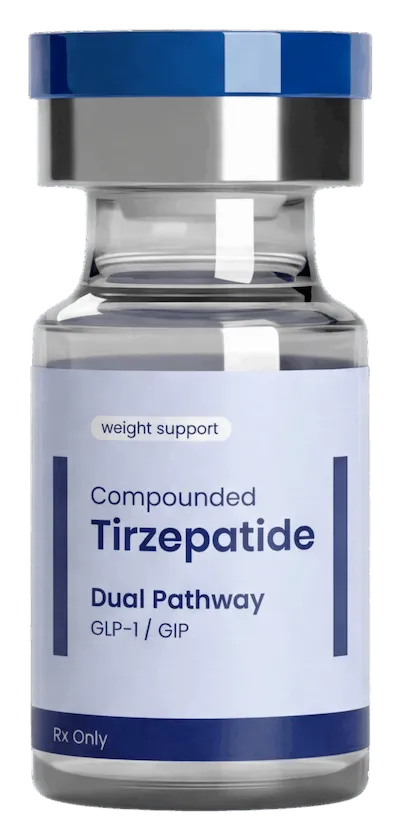
BMI MD GLP-1 Microdosing Plan
- Specialized microdosing options, including sublingual drops and low-dose injections
- Designed for people interested in maintaining weight or gradually adjusting treatment
- Bundled program structure without a separate monthly platform membership
- Online access makes the process convenient from home

DirectMeds Weight Loss Solutions
- Online weight-loss program with a straightforward patient experience
- Compounded medication options through state-licensed compounding pharmacies
- Includes clinical consultation as part of the process
- Provides shipping updates to help patients track their orders
MEDVi Flat-Rate Telehealth
- Flat-rate telehealth approach designed for easier budgeting
- No dosage-based pricing increases within the advertised program structure
- Offers injectable and oral thin-film delivery options
- Includes medical screening and asynchronous provider consultations
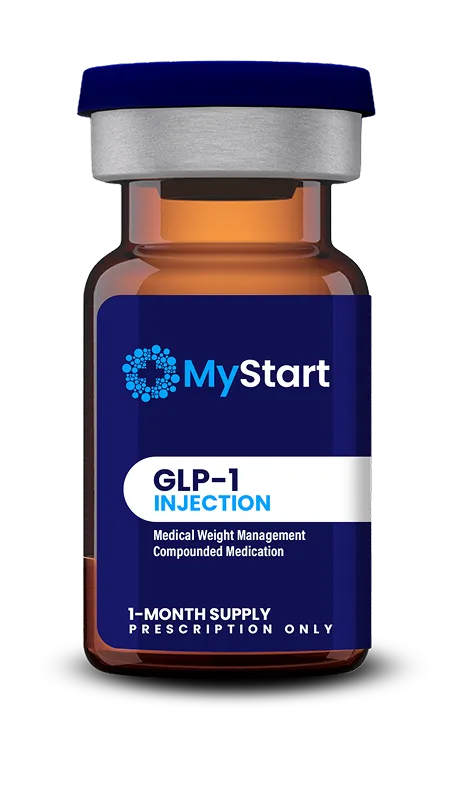
Gala GLP-1 Care Program
- Text-based access to state-licensed clinicians
- Cold-chain medication shipping included in the program
- Month-to-month program structure
- Designed for people who value convenient ongoing support
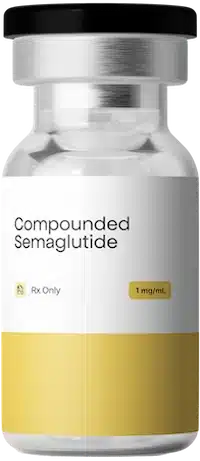
Measured GLP-1 Metabolic Health
- Comprehensive metabolic health screening and intake analysis
- Designed around longer-term metabolic health management
- Responsive dashboard with integrated health tracking tools
- Useful option for patients who value a more data-focused experience
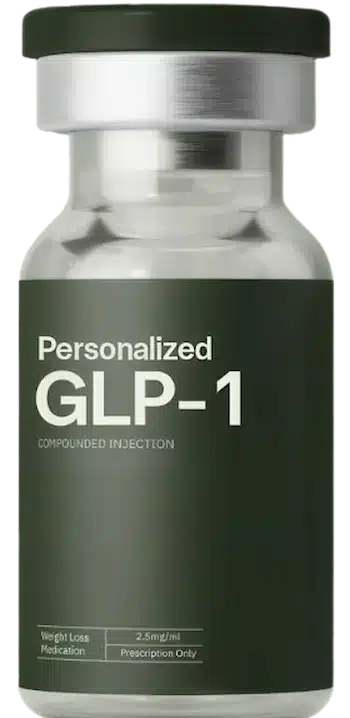
Refills GLP-1 (TryRefills Plan)
- Clinical guidance designed to help patients manage common treatment concerns
- Includes foundational nutritional strategies alongside medication
- Designed around predictable ongoing treatment
- No hidden startup or processing fees according to the program information provided
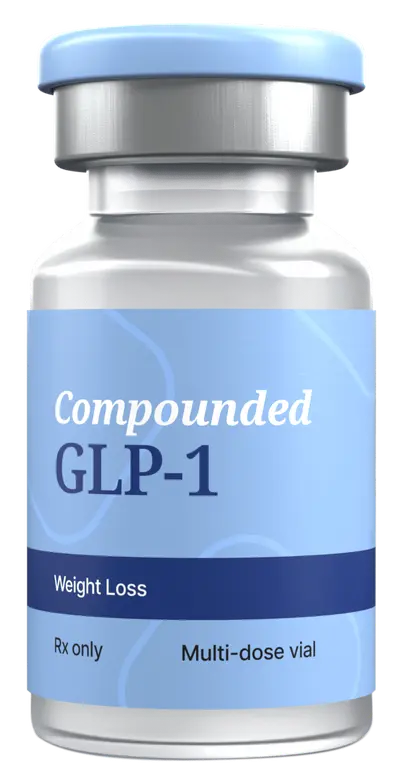
AltRx GLP-1 Transactional Reorders
- Transactional reorder model without recurring auto-billing
- Designed for patients who already understand their treatment routine
- Fast text-to-order process for convenient reorders
- Offers injectable and fast-dissolving tablet variations
The starting price is $106 for your first order, and the company offers a fully online process with licensed clinician review, no insurance required, and HSA/FSA eligibility.
Quick verdict: ReadyRx Sermorelin provides a convenient, science-informed way to support natural GH production. Many users report improvements in sleep quality, daily energy, recovery, and gradual body-composition support when combined with solid training and nutrition habits.
What Is ReadyRx Sermorelin?
Sermorelin belongs to a class of compounds called growth hormone-releasing hormone (GHRH) analogs.
It’s a synthetic peptide made up of 29 amino acids that closely mimics the GHRH your hypothalamus naturally produces.
When administered, it binds to receptors in your pituitary gland and encourages the release of growth hormone in a pulsatile fashion—closely matching the way your body naturally releases GH, especially during deep sleep.
ReadyRx positions itself as a modern longevity and preventative-care platform that delivers science-backed treatments and support entirely online.
The company reports serving over 100,000 customers and states that every treatment plan is reviewed by licensed, board-certified clinicians.
Sermorelin is available as both an injectable form and an oral dissolving tablet, with prices starting at $106 for the first order.
The platform accepts HSA/FSA funds and does not require insurance.
Primary purpose: The main goals center on supporting lean muscle mass, helping the body manage stubborn body fat (especially around the midsection), improving sleep quality, boosting daily energy, supporting bones and joints, and accelerating recovery from exercise.
Target audience: Adults over 25 who are noticing signs associated with declining growth hormone—fatigue, slower recovery, stubborn weight gain, and reduced sleep quality—and who want a convenient, clinician-guided option.
Key Ingredients Analysis
ReadyRx Sermorelin is a single-ingredient product, which keeps the formulation clean and focused.
The active compound is Sermorelin acetate, a synthetic peptide that mimics natural GHRH.
Dosage and forms: ReadyRx offers a 5 mL 10 mg vial for injection and an oral dissolving tablet (ODT) form.
The commonly used Sermorelin injection protocol is 200–300 mcg per day, administered subcutaneously before bed.
At that dosage, a 10 mg vial provides roughly 33–50 doses.
The injectable form offers reliable bioavailability. The short half-life (approximately 4.3 ± 1.4 minutes) is intentional—it supports the body’s natural pulsatile GH release rather than creating sustained high levels.
Sermorelin is sometimes combined with other GH-releasing peptides such as Ipamorelin for a more robust pulse. ReadyRx currently offers Sermorelin as a straightforward standalone option for those who prefer simplicity.
The platform cites established sources including the National Library of Medicine, Mayo Clinic references, and endocrine research to explain the broader GHRH category and its physiological role.

Claimed Benefits & Supporting Insights
ReadyRx highlights six core areas of support: lean muscle and strength, bones and joints, efficient fat metabolism, energy and vitality, deeper sleep, and faster recovery.
Lean muscle and strength support: Growth-hormone pathways are well recognized for their role in body composition. Research on GH-deficient adults receiving replacement therapy has shown increases in lean body mass and reductions in fat mass. Sermorelin’s ability to encourage the body’s own GH production makes it a physiologically aligned option for those seeking gradual support in this area.
Fat metabolism: Growth hormone promotes lipolysis. While effects with Sermorelin tend to be more gradual than with some other approaches, many users appreciate the supportive role it can play when diet and training are already in place.
Sleep and recovery: Deep, slow-wave sleep is when the body naturally releases the most growth hormone. Sermorelin is designed to work with this rhythm. In community surveys of Sermorelin users, sleep quality and energy consistently rank among the most frequently reported benefits.
Bones, joints, and overall vitality: These benefits are extrapolated from the broader growth-hormone literature and from user experiences. Consistent users often describe better recovery and a greater sense of daily energy over a 3–6 month period.
Realistic timeline: Noticeable changes in sleep, energy, and body composition typically develop gradually over 3–6 months of consistent use. Results are most pronounced when paired with regular exercise, solid nutrition, and good sleep hygiene. Individual responses vary; those with lower baseline IGF-1 levels often notice clearer differences.
User Experience & Reviews
ReadyRx displays a collection of five-star customer feedback on its product page. Third-party community data from PeptIQ (36 self-reported Sermorelin experiences) shows overall favorable sentiment in 90 % of reports.
The most commonly selected benefits were sleep quality and energy. The most frequently noted side effects were mild injection-site irritation and occasional headache.
Many users describe Sermorelin as a helpful addition once diet, training, and recovery fundamentals are already solid. The online consultation and home-delivery model is frequently praised for convenience.
Side-effect profile: The most common effects are temporary injection-site redness or mild discomfort, occasional facial flushing, headache, or dizziness. Less common effects can include fluid retention or joint sensations. Because Sermorelin works through the body’s own feedback loops, it is generally regarded as a gentler approach than direct exogenous hormone administration.
Pros and Cons
| Pros | Cons |
|---|---|
| Works with the body’s natural feedback regulation for a more physiological approach | Effects develop gradually over months rather than weeks |
| Injectable form offers reliable bioavailability and short half-life that mirrors natural pulsatile release | Oral tablet form has lower bioavailability |
| Strong user-reported benefits for sleep quality and daily energy | Requires consistent daily (or near-daily) administration |
| Convenient online clinician evaluation, prescription, and delivery | Best results require solid diet and training foundation |
| HSA/FSA eligible, no insurance needed, accessible first-order pricing at $106 | Ongoing monthly cost typically falls in the $150–$250 range depending on protocol |
Who Is ReadyRx Sermorelin Best For?
Ideal candidates: Adults over 25 who want to support natural GH pathways, especially those noticing fatigue, slower recovery, or sleep changes, and who already maintain consistent training and nutrition habits. Those who prefer a clinician-guided, fully online experience appreciate the convenience.
Considerations before starting:
- Discuss any personal or family history of certain conditions with your clinician
- People with active pituitary concerns or untreated thyroid issues should seek specialist guidance first
- Competitive athletes should check current anti-doping rules, as GH secretagogues appear on prohibited lists
- Pregnancy and nursing: safety data is limited; discuss with your provider
Recommended baseline testing: Many clinicians suggest checking IGF-1, fasting glucose, HbA1c, thyroid function, and a basic metabolic panel before starting. This creates a clear starting point and allows meaningful monitoring.
Dosage, Usage, and Practical Tips
Recommended dosage: The standard protocol is 200–300 mcg per day subcutaneously. ReadyRx’s 10 mg vial typically supplies 33–50 doses depending on the exact dose used.
Timing: Inject before bed so the peptide can work with the body’s natural nighttime GH pulse.
Empty stomach: Using it away from elevated insulin levels supports optimal GH release.
Cycling: Common practice is 3–6 months of consistent use followed by a short break, with periodic IGF-1 checks to stay within healthy age- and sex-adjusted ranges.
Storage: Follow the specific refrigeration and handling instructions provided by the pharmacy.

Cost Analysis and Where to Buy
ReadyRx pricing: First order starts at $106. Ongoing monthly cost is typically described as less than a cup of coffee a day (commonly landing in the $100–$150+ range depending on the exact protocol). Confirm current renewal pricing directly with the platform.
Market context: Sermorelin through telehealth platforms generally ranges from $150–$250 per month. ReadyRx’s introductory pricing and fully online model make it one of the more accessible options.
Value perspective: At a standard 200–300 mcg dose used most days of the week, the cost per dose is competitive. The convenience of clinician review, prescription, and home delivery adds meaningful practical value for many users.
Quality depends on the compounding pharmacy’s standards. ReadyRx works with licensed partners; requesting a Certificate of Analysis is a reasonable step for any compounded medication.
Alternatives and Comparisons
Other peptide approaches: Combinations such as CJC-1295 (no DAC) + Ipamorelin are popular for producing a stronger GH pulse. Direct HGH therapy produces more pronounced effects but carries higher cost and a different side-effect profile.
Foundational lifestyle supports:
- Prioritizing deep sleep (the most powerful natural GH stimulus)
- Resistance training and high-intensity intervals
- Strategic intermittent fasting or time-restricted eating
- Adequate protein and key amino acids
These fundamentals remain the highest-leverage actions. Sermorelin works best as a complementary tool once the basics are dialed in.
Final Verdict: ReadyRx Sermorelin Review and Recommendations
Overall rating: B+
Sermorelin’s mechanism is elegant: it encourages your body to produce its own growth hormone in a physiological pattern while preserving natural feedback regulation. ReadyRx makes the process straightforward with online clinician evaluation, prescription, and delivery, plus accessible first-order pricing and HSA/FSA eligibility.
User-reported benefits center most consistently on improved sleep quality and daily energy, with gradual support for recovery and body composition when lifestyle factors are already strong.
Best use case: Adults who want a convenient, clinician-supervised way to support natural GH pathways, especially those already consistent with training and nutrition who are looking for an extra edge in recovery, sleep, and energy over a 3–6 month horizon.
Bottom line: Get baseline bloodwork (IGF-1 and metabolic markers) first so you can track meaningful change. If you decide to proceed, commit to a clear 3-month evaluation window, pair it with solid habits, and work with a provider who can monitor progress. For many people seeking a modern, online-friendly approach to supporting natural growth-hormone rhythms, ReadyRx Sermorelin is a practical and well-regarded option.
FAQ Section
How long before I see results from Sermorelin?
Hormone-level changes can begin within weeks. Noticeable improvements in sleep, energy, recovery, and body composition typically develop over 3–6 months of consistent use.
Are there any side effects?
The most common are mild injection-site redness, temporary facial flushing, headache, or dizziness. Less common effects can include fluid retention or joint sensations. Most users find these manageable.
Is Sermorelin suitable for longer-term use?
Many protocols involve 3–6 month cycles with periodic reassessment by a clinician. Regular monitoring of IGF-1 and metabolic markers is recommended.
How does Sermorelin compare to direct HGH?
Sermorelin stimulates your own GH production and works with the body’s natural feedback systems. Direct HGH supplies exogenous hormone, producing stronger effects at higher cost and with a different risk profile.
What if I don’t notice benefits?
If after 3–6 months your markers and how you feel have not improved, discuss discontinuing with your clinician. There is no need to continue without clear benefit.
Is ReadyRx a solid platform?
ReadyRx is a telehealth platform that pairs licensed clinicians with compounded Sermorelin from partner pharmacies. Confirm pharmacy licensing and quality standards if desired. The fully online model is a major convenience factor for many users.
Can I combine Sermorelin with other supplements or medications?
In most cases yes, but always check with your prescribing clinician, especially regarding blood-sugar or hormone-related medications.
Do I need blood work before starting?
While ReadyRx does not require it for the initial evaluation, baseline IGF-1, fasting glucose, HbA1c, and thyroid testing is strongly recommended so you can measure progress accurately and monitor safety.
References & Sources
Medical Disclaimer: This article is for informational and educational purposes only and does not constitute medical advice, diagnosis, or treatment. Sermorelin and related therapies should only be used under the supervision of a licensed healthcare provider. Eligibility depends on your medical history, current medications, and individual health factors. These treatments may not be appropriate for everyone and can cause side effects or interact with other treatments. Never start, stop, or change any prescription medication without first consulting your healthcare provider. Individual results vary, and no specific outcome can be guaranteed.

With over 13 years of experience in holistic health blogging, I aim to help you navigate your wellness journey with honest insights, expert-backed advice, and a sprinkle of real-world practicality.
Certified Wellness Writer | Herbal Nutrition Advocate | Wellness Research Enthusiast


