
Weight Loss Shots – Costs, Results, and Side Effects Explained
Last updated: May 28, 2026
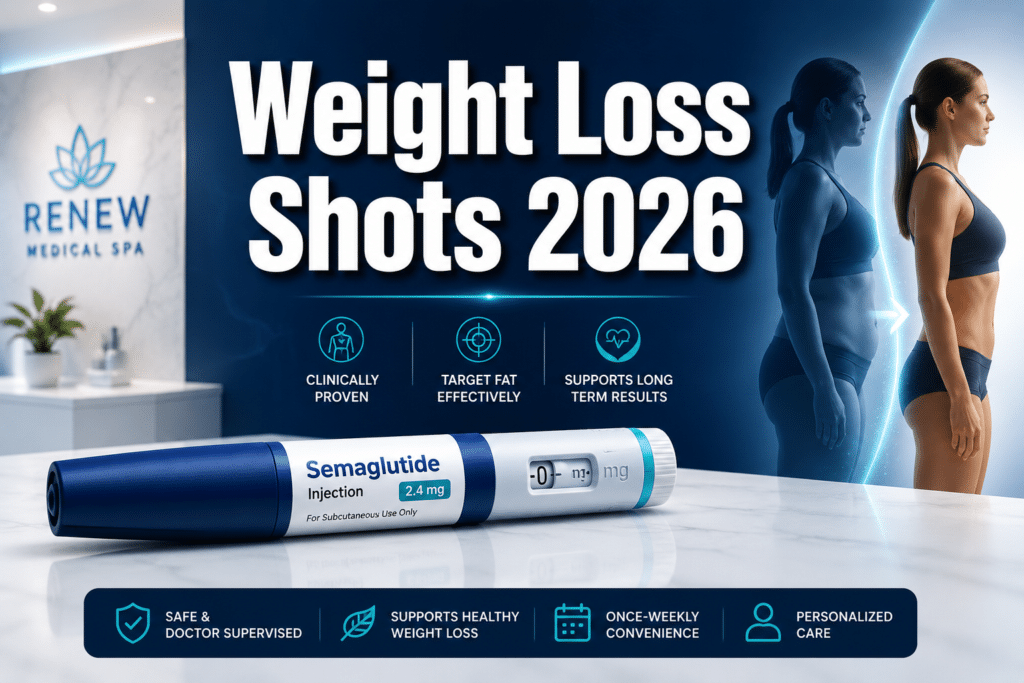
Quick Answer: Weight loss shots are prescription injectable medications, primarily GLP-1 receptor agonists like semaglutide and tirzepatide, that suppress appetite and regulate blood sugar to produce significant, clinically documented weight loss. They work best when combined with dietary changes and are available through telehealth platforms at varying price points, with or without insurance.
Key Takeaways
- GLP-1 weight loss shots like semaglutide (Wegovy) and tirzepatide (Zepbound) are currently the most effective prescription options for chronic weight management.
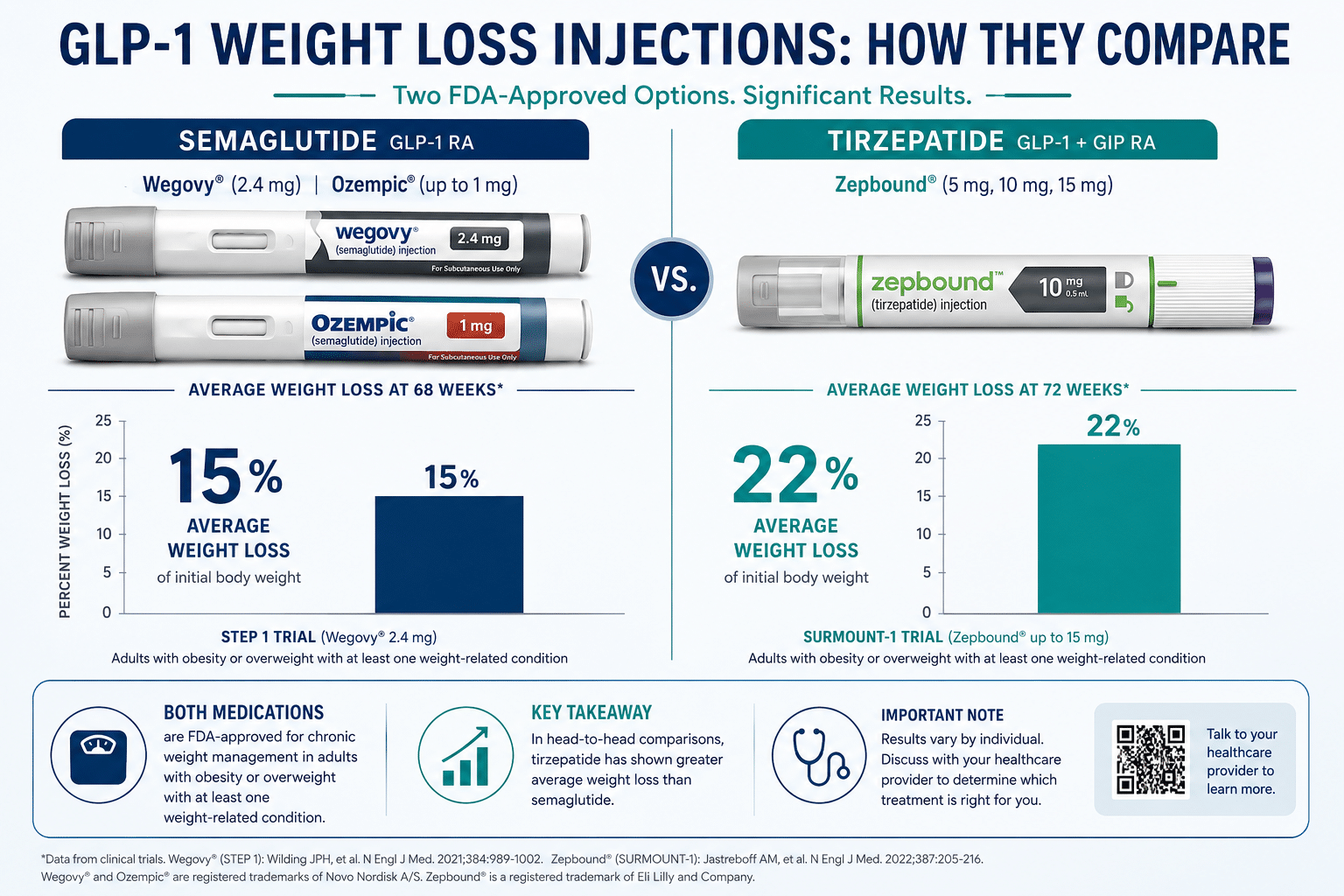
- Clinical trials show semaglutide users lose an average of 15% of body weight; tirzepatide users can lose up to 20–22% over 72 weeks (per the SURMOUNT-1 trial published in the New England Journal of Medicine, 2022).
- Brand-name shots can cost $900–$1,400/month without insurance; compounded versions through telehealth often run $150–$400/month.
- Insurance coverage is inconsistent — Wegovy has broader coverage than Ozempic for weight loss, but many plans still exclude it.
- Telehealth platforms like DirectMeds make access faster and more affordable for people without insurance.
- Side effects are real but manageable — nausea, constipation, and fatigue are most common, especially in early weeks.
- People over 50 can use these medications safely and effectively, though dosing may need closer monitoring.
- Stopping the shots typically leads to weight regain within months unless lifestyle habits are firmly in place.
What Exactly Are Weight Loss Shots and How Do They Work?
Weight loss shots are injectable prescription medications that mimic hormones your gut naturally produces after eating. The most widely used class is GLP-1 receptor agonists, which signal your brain to reduce hunger, slow stomach emptying, and improve insulin sensitivity.
7 Best GLP-1 Providers Ranked: Accreditation, Flexibility & Support Compared (2026 Update)
32,000+ Patients Can't All Be Wrong: See the Top-Rated GLP-1 Providers. We compared the leading online GLP-1 providers based on program features, clinical support, convenience, and overall value.
BMI MD GLP-1 Microdosing Plan
- Specialized microdosing options, including sublingual drops and low-dose injections
- Designed for people interested in maintaining weight or gradually adjusting treatment
- Bundled program structure without a separate monthly platform membership
- Online access makes the process convenient from home

DirectMeds Weight Loss Solutions
- Online weight-loss program with a straightforward patient experience
- Compounded medication options through state-licensed compounding pharmacies
- Includes clinical consultation as part of the process
- Provides shipping updates to help patients track their orders
MEDVi Flat-Rate Telehealth
- Flat-rate telehealth approach designed for easier budgeting
- No dosage-based pricing increases within the advertised program structure
- Offers injectable and oral thin-film delivery options
- Includes medical screening and asynchronous provider consultations
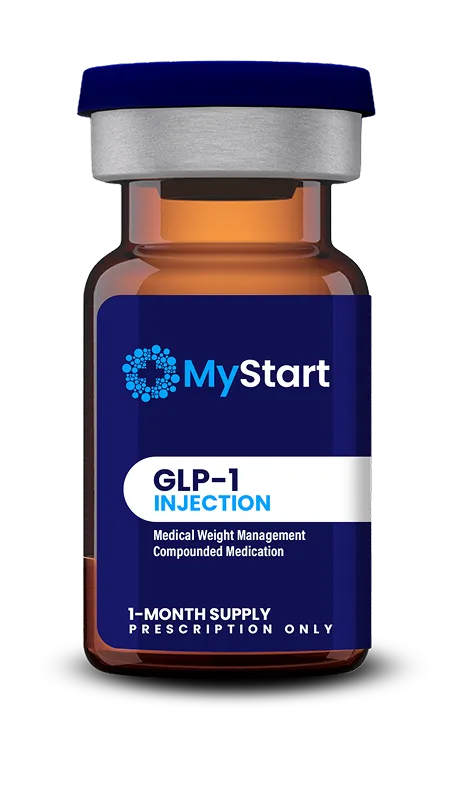
Gala GLP-1 Care Program
- Text-based access to state-licensed clinicians
- Cold-chain medication shipping included in the program
- Month-to-month program structure
- Designed for people who value convenient ongoing support
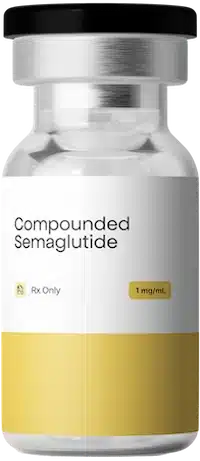
Measured GLP-1 Metabolic Health
- Comprehensive metabolic health screening and intake analysis
- Designed around longer-term metabolic health management
- Responsive dashboard with integrated health tracking tools
- Useful option for patients who value a more data-focused experience
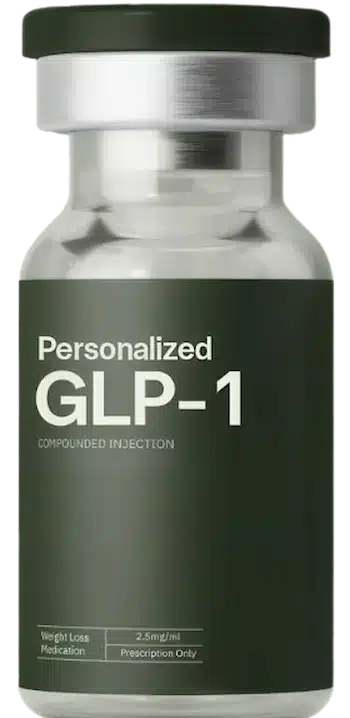
Refills GLP-1 (TryRefills Plan)
- Clinical guidance designed to help patients manage common treatment concerns
- Includes foundational nutritional strategies alongside medication
- Designed around predictable ongoing treatment
- No hidden startup or processing fees according to the program information provided
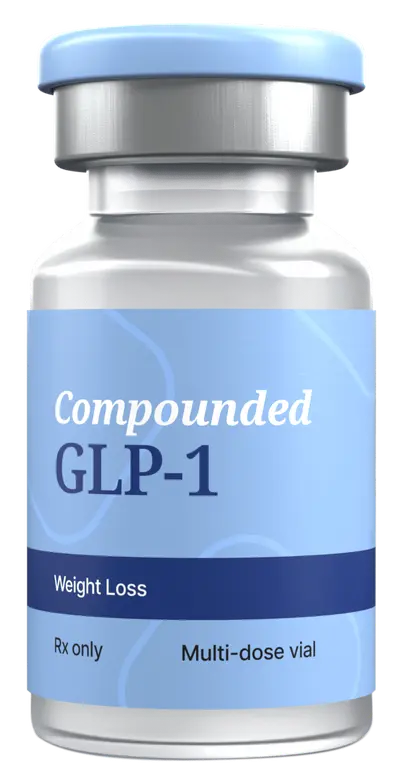
AltRx GLP-1 Transactional Reorders
- Transactional reorder model without recurring auto-billing
- Designed for patients who already understand their treatment routine
- Fast text-to-order process for convenient reorders
- Offers injectable and fast-dissolving tablet variations
Here’s the basic mechanism:
- GLP-1 (glucagon-like peptide-1) is released after meals and tells your brain you’re full.
- These medications mimic that signal continuously, reducing overall calorie intake without requiring willpower alone.
- Some newer drugs, like tirzepatide, also activate GIP receptors, which adds a second appetite-suppressing pathway.
The result is a consistent reduction in hunger that makes it easier to eat less, sustain a calorie deficit, and lose weight over time. For a deeper look at the science, see our complete guide to how GLP-1 shots work for weight loss and diabetes.
Which Weight Loss Shot Is Most Effective for Quick Results?
Tirzepatide (Zepbound) currently shows the strongest average weight loss in clinical data. Semaglutide (Wegovy) is a close second and has a longer real-world track record.
| Medication | Brand Name | Avg. Weight Loss | Dosing |
|---|---|---|---|
| Semaglutide | Wegovy, Ozempic | ~15% body weight | Weekly injection |
| Tirzepatide | Zepbound, Mounjaro | ~20–22% body weight | Weekly injection |
| Liraglutide | Saxenda | ~5–8% body weight | Daily injection |
Choose tirzepatide if you want maximum average results and can access it at a reasonable cost.
Choose semaglutide if you want a well-studied option with more telehealth availability and often lower compounded pricing.
Liraglutide is less commonly prescribed now because it requires daily injections and produces more modest results.
What Are the Differences Between Ozempic and Wegovy?
Both Ozempic and Wegovy contain semaglutide, but they are FDA-approved for different purposes and come in different dose ranges. Ozempic is approved for type 2 diabetes management (up to 2mg/week), while Wegovy is approved specifically for chronic weight management (up to 2.4mg/week).
Key differences:
- Wegovy reaches a higher maximum dose, which is why it tends to produce greater weight loss in non-diabetic patients.
- Ozempic is sometimes prescribed off-label for weight loss, which is why you’ll see both names discussed in weight loss communities.
- Insurance coverage differs: Ozempic is more likely covered for diabetes; Wegovy coverage for obesity is improving but still inconsistent.
If your goal is weight loss and you don’t have type 2 diabetes, Wegovy is the on-label choice. Our article on GLP-1 medications for weight loss and diabetes breaks down these distinctions further.
How Much Do Weight Loss Injections Cost Per Month?
The cost of weight loss shots varies widely depending on whether you use brand-name, insurance-covered, or compounded versions through telehealth.
- Brand-name Wegovy: $1,300–$1,400/month without insurance
- Brand-name Zepbound: $900–$1,100/month without insurance
- Compounded semaglutide (telehealth): $150–$350/month
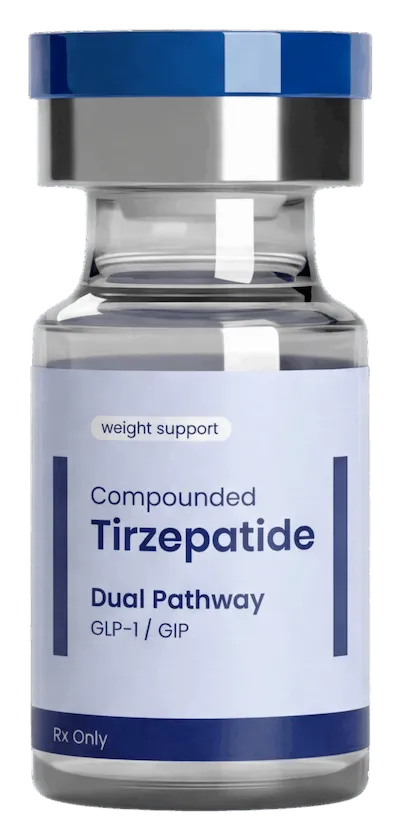
- Compounded tirzepatide (telehealth): $250–$500/month
For a full breakdown, see our weight loss injections cost guide for 2026.
The most affordable option I’ve found for semaglutide in 2026 is DirectMeds GLP1 Semaglutide, which offers compounded semaglutide through a licensed telehealth platform at a fraction of brand-name pricing. If cost is your primary barrier, this is worth checking first.
👉 Start your DirectMeds GLP1 consultation today — check current pricing here
Are Weight Loss Shots Covered by Insurance?
Coverage depends heavily on your specific plan, your diagnosis, and the medication. Wegovy has FDA approval for obesity treatment, which gives it a stronger case for coverage than off-label Ozempic use.
What to know:
- Medicare Part D began covering Wegovy for cardiovascular risk reduction in 2024, following the SELECT trial results.
- Medicaid coverage varies by state — some states cover it, many don’t.
- Private insurance is inconsistent; many plans list these medications as excluded or require prior authorization with documented BMI criteria.
- Employer plans are increasingly adding coverage, but it’s far from universal.
If your insurance doesn’t cover it, compounded semaglutide through telehealth is the most practical alternative. See our guide to affordable semaglutide telehealth options in 2026 for specific platforms and pricing.
What Side Effects Should I Watch Out for With These Shots?
Most side effects from GLP-1 weight loss shots are gastrointestinal and tend to be worst in the first few weeks as your body adjusts to the medication.
Common side effects:
- Nausea (most frequent, especially at dose increases)
- Constipation or diarrhea
- Fatigue
- Headache
- Reduced appetite (this is also the intended effect)
Less common but serious:
- Pancreatitis (rare; stop medication and seek care if you have severe abdominal pain)
- Gallbladder issues, including gallstones
- Increased heart rate
- Thyroid tumors (seen in animal studies; avoid if you have a personal or family history of medullary thyroid carcinoma)
Common mistake: Jumping dose increases too fast. Most protocols increase the dose every 4 weeks. Skipping ahead to accelerate results dramatically increases nausea and dropout rates.

Can I Get Weight Loss Shots If I’m Not Obese?
You can qualify for GLP-1 weight loss shots with a BMI of 27 or higher if you also have at least one weight-related condition (like high blood pressure, sleep apnea, or type 2 diabetes). A BMI of 30 or higher qualifies without a comorbidity.
People who don’t meet these criteria are generally not candidates for prescription weight loss injections through standard medical channels. However, some telehealth platforms apply their own clinical criteria — always confirm with a licensed provider.
Edge case: If you’re at the lower end of the BMI threshold, a telehealth provider may still prescribe if your health history supports it. This is a medical decision, not just a number on a chart.
Do Weight Loss Shots Work for People Over 50?
Yes, GLP-1 weight loss shots are effective for adults over 50, and age alone is not a contraindication. Clinical trials included adults across age groups, and the weight loss results are comparable.
A few considerations for older adults:
- Muscle loss is a bigger concern; pairing injections with resistance training is strongly recommended.
- Medication interactions are more likely in older adults managing multiple conditions — always disclose your full medication list.
- Slower metabolism doesn’t significantly blunt the drug’s effectiveness, but weight loss may be slightly more gradual.
- Kidney and liver function should be checked before starting, as these affect how the medication is processed.
How Fast Can I Expect to Lose Weight With These Shots?
Most people see noticeable results within 4–8 weeks of starting, though the full effect builds over 6–12 months as the dose increases.
Realistic timeline:
- Weeks 1–4: Reduced appetite, possible 1–3 lbs lost (dose is still low)
- Months 2–3: More consistent loss, typically 1–2 lbs/week at therapeutic dose
- Months 6–12: Peak results; most clinical weight loss is achieved in this window
- Beyond 12 months: Weight stabilizes; continued use maintains results
People who also follow a structured meal plan for weight loss alongside their injections tend to see faster and more sustained results.
👉 Ready to start? Get your DirectMeds GLP1 Semaglutide prescription online today
What Happens If I Stop Taking Weight Loss Shots?
Stopping GLP-1 weight loss shots typically leads to weight regain. Studies show most people regain a significant portion of lost weight within 12 months of stopping, because the medication’s appetite-suppressing effect ends when the drug clears your system.
This doesn’t mean the shots are a failure — it means obesity is a chronic condition that often requires ongoing management, similar to how blood pressure medication works.
What helps prevent rebound:
- Establishing strong dietary habits during the treatment period
- Maintaining regular physical activity
- Working with a provider on a structured tapering or maintenance plan
- Some patients transition to a lower maintenance dose rather than stopping entirely
Who Shouldn’t Take Weight Loss Injections?
GLP-1 weight loss injections are not appropriate for everyone. Providers will screen for these contraindications before prescribing.
Do not take these medications if you have:
- Personal or family history of medullary thyroid carcinoma (MTC)
- Multiple endocrine neoplasia syndrome type 2 (MEN 2)
- History of pancreatitis
- Severe gastrointestinal conditions like gastroparesis
- Pregnancy or plans to become pregnant
Use with caution if you have:
- Kidney disease
- Liver disease
- History of gallbladder disease
- Eating disorders
Always disclose your full medical history to your prescribing provider.
Common Mistakes People Make When Starting Weight Loss Injections
Starting weight loss shots without a plan leads to slower results and higher dropout rates. Here are the mistakes I see most often:
- Skipping dose titration — rushing to the highest dose causes severe nausea and often leads to quitting.
- Not changing eating habits — the shots reduce hunger but don’t override poor food choices entirely.
- Ignoring hydration — constipation is worse when you’re not drinking enough water.
- Choosing an unverified provider — compounded medications should only come from licensed compounding pharmacies via a legitimate telehealth platform.
- Stopping abruptly — without a plan, stopping leads to rapid weight regain.
- Not tracking progress — regular check-ins with your provider help adjust dosing and catch issues early.
For cost-conscious buyers, see our guide to the most affordable GLP-1 options without insurance to avoid overpaying.
Are There Natural Alternatives to Weight Loss Shots?
Natural alternatives exist but produce significantly smaller results. For people who don’t qualify for or can’t afford GLP-1 medications, these are worth considering as supporting tools, not replacements.
Evidence-supported options:
- Dietary changes (calorie deficit, protein-forward eating) — the foundation of any weight loss plan
- Exercise (especially resistance training + cardio combination)
- Fiber supplementation — reduces appetite modestly
- Berberine — sometimes called “nature’s Ozempic,” though its effects are far weaker and less studied
Natural supplements like apple cider vinegar gummies or weight loss gummies are widely marketed but have minimal clinical evidence for significant weight loss. See our review of weight loss gummies for a realistic assessment.
For people who want a medically supervised approach at the lowest cost, DirectMeds GLP1 Semaglutide remains the most practical entry point into prescription weight loss treatment in 2026.
Frequently Asked Questions
How are weight loss shots different from diet pills?
Weight loss shots are injectable prescription medications that work through hormone pathways to reduce appetite and regulate blood sugar. Diet pills are typically oral supplements or medications with weaker mechanisms and far less clinical evidence for significant weight loss.
Can I get weight loss shots online without visiting a doctor in person?
Yes. Telehealth platforms like DirectMeds allow you to consult with a licensed provider online, get a prescription if you qualify, and have medication shipped to your door. No in-person visit is required.
Is semaglutide the same as Ozempic?
Semaglutide is the active ingredient in both Ozempic and Wegovy. Ozempic is FDA-approved for type 2 diabetes; Wegovy is FDA-approved for chronic weight management. Compounded semaglutide contains the same active ingredient at a lower cost.
How long do I need to stay on weight loss shots?
Most clinical guidelines treat obesity as a chronic condition, meaning long-term or indefinite use may be needed to maintain results. Some people use it for 12–24 months and then maintain with lifestyle habits alone, but weight regain is common after stopping.
What is the starting dose for semaglutide?
The standard starting dose for semaglutide (Wegovy) is 0.25mg weekly for the first 4 weeks, then gradually increased every 4 weeks up to the maintenance dose of 2.4mg weekly. Rushing this schedule significantly increases side effects.
Can I use weight loss shots if I have type 2 diabetes?
Yes, and in fact GLP-1 medications were originally developed for type 2 diabetes management. Ozempic and Mounjaro are both approved for diabetes. Your provider will choose the appropriate medication and dose based on your full health profile.
Is DirectMeds a legitimate telehealth provider for semaglutide?
DirectMeds GLP1 Semaglutide operates as a licensed telehealth platform connecting patients with prescribing providers and licensed compounding pharmacies. Always verify any telehealth provider’s licensing and pharmacy accreditation before ordering.
What should I eat while taking weight loss shots?
A high-protein, lower-calorie diet works best alongside GLP-1 medications. Prioritize lean proteins, vegetables, and whole grains. Avoid high-fat, greasy foods, which worsen nausea. Our personalized weight loss meal plan guide has practical meal frameworks to follow.
Are weight loss shots safe for long-term use?
Based on current data, semaglutide and tirzepatide appear safe for long-term use in appropriate patients. Long-term studies are ongoing. The SELECT cardiovascular trial (2023) showed semaglutide also reduced major cardiovascular events, suggesting additional benefits beyond weight loss.
How do I know if I’m a good candidate for weight loss shots?
You’re likely a candidate if your BMI is 30 or higher, or 27 or higher with a weight-related health condition. A telehealth consultation is the fastest way to confirm eligibility and get a personalized recommendation.
7 Best GLP-1 Providers Ranked: Accreditation, Flexibility & Support Compared (2026 Update)
32,000+ Patients Can't All Be Wrong: See the Top-Rated GLP-1 Providers: Compared on accreditation, plan flexibility, and patient support — updated for 2026.
BMI MD GLP-1 Microdosing Plan
- Specialized microdosing options (sublingual drops or low-dose injections)
- Ideal for maintaining weight or tapering off higher doses safely
- Fully bundled plan with no hidden monthly platform memberships
DirectMeds Weight Loss Solutions
- Sourced from accredited, state-licensed 503A compounding pharmacies
- No-frills high-volume savings passed directly to the patient
- Includes clinical consultation and cold-chain shipping updates
MEDVi Flat-Rate Telehealth
- Flat monthly rate holds steady even at maximum maintenance doses
- No dosage upcharges or graduation fee penalties
- Offers both injectable and advanced oral thin-film delivery options
Gala GLP-1 Care Program
- All-inclusive plan with no standalone membership costs
- Continuous text-based messaging access with state-licensed clinicians
- Temperature-controlled, cold-chain medication shipping included
Measured GLP-1 Metabolic Health
- Comprehensive metabolic health screening and expert intake analysis
- Predictable long-term budgeting with stable plan pricing
- High-end responsive dashboard with integrated diagnostic support
Refills GLP-1 (TryRefills Plan)
- Flat rate holds steady as titration scales up
- Includes clinical guides for active side-effect management
- Bundles in foundational nutritional strategies alongside medication
AltRx GLP-1 Transactional Reorders
- Zero recurring auto-billing — pay entirely on a transactional basis
- Rapid text-to-order format saves time for experienced patients
- Provides both injectable forms and fast-dissolving tablet variations
Conclusion: Is Starting Weight Loss Shots Worth It in 2026?
Weight loss shots are the most effective prescription tools available for chronic weight management right now. The clinical evidence behind semaglutide and tirzepatide is stronger than anything else in this category, and access has never been more straightforward thanks to telehealth.
Your actionable next steps:
- Check your eligibility — BMI 27+ with a comorbidity, or BMI 30+ qualifies most people.
- Compare costs — brand-name vs. compounded semaglutide can differ by $1,000/month.
- Choose a licensed telehealth provider — don’t buy from unverified online sources.
- Start with a meal plan — the shots work best when paired with dietary structure.
- Set realistic expectations — 1–2 lbs/week is healthy and sustainable.
For the most affordable entry point into medically supervised semaglutide treatment, DirectMeds GLP1 Semaglutide is worth your first look. The platform connects you with licensed providers, handles your prescription, and ships compounded semaglutide at pricing that makes this treatment accessible without insurance.
👉 Click here to check your eligibility and get started with DirectMeds GLP1 today
Medical References
The landmark SURMOUNT-1 trial on tirzepatide was published in the New England Journal of Medicine — read the full tirzepatide clinical trial results.
The STEP 1 trial on semaglutide for weight management is available via the New England Journal of Medicine — access the semaglutide STEP 1 trial.
The SELECT cardiovascular outcomes trial for semaglutide was published in the New England Journal of Medicine — read the SELECT trial cardiovascular findings.
The FDA prescribing information for Wegovy (semaglutide) is available directly from the FDA — view the official Wegovy FDA label and prescribing information.
The American Diabetes Association’s Standards of Medical Care covering GLP-1 receptor agonists is published annually — read the ADA Standards of Medical Care in Diabetes.

With over 13 years of experience in holistic health blogging, I aim to help you navigate your wellness journey with honest insights, expert-backed advice, and a sprinkle of real-world practicality.
Certified Wellness Writer | Herbal Nutrition Advocate | Wellness Research Enthusiast


