
Weight Loss Medication Injection: Which GLP-1 Delivers the Best Results?
Last updated: May 28, 2026
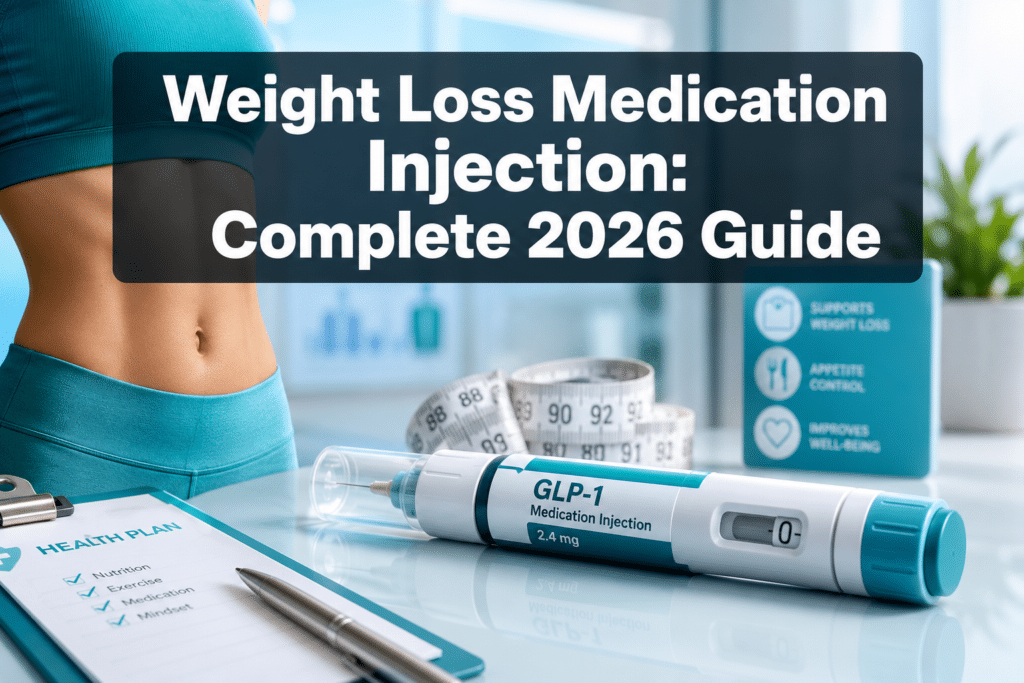
Quick Answer: A weight loss medication injection is a prescription drug, most often a GLP-1 receptor agonist like semaglutide or tirzepatide, administered weekly via a small auto-injector pen under the skin. These medications reduce appetite and slow digestion, helping adults lose a clinically meaningful amount of body weight. In 2026, options range from brand-name drugs like Wegovy and Zepbound to more affordable compounded versions available through telehealth platforms.
Key Takeaways
- GLP-1 weight loss injections (semaglutide, tirzepatide) are the most effective prescription weight-loss tools available in 2026
- Wegovy (semaglutide) and Zepbound (tirzepatide) are FDA-approved specifically for chronic weight management
- A higher-dose Wegovy 7.2 mg weekly injection was approved and began rolling out in 2026, offering stronger results for eligible patients [1][2]
- Brand-name injections can cost $900–$1,400/month without insurance; compounded versions can cost as little as $99–$299/month
- Most people see noticeable results within 4–12 weeks, with peak results at 12–18 months
- Side effects are mostly gastrointestinal and tend to improve after the first few weeks
- DirectMeds GLP1 Semaglutide is one of the most affordable compounded semaglutide programs available in 2026
- Stopping the injection often leads to weight regain, so long-term use is typically recommended
- Not everyone qualifies; a BMI of 27+ with a weight-related condition, or 30+ without, is the standard threshold

What Exactly Is a Weight Loss Injection and How Does It Work?
A weight loss medication injection is a weekly self-administered shot that mimics hormones your gut naturally produces after eating. The most common class is GLP-1 (glucagon-like peptide-1) receptor agonists, which signal your brain to feel full, slow how fast your stomach empties, and reduce cravings.
7 Best GLP-1 Providers Ranked: Accreditation, Flexibility & Support Compared (2026 Update)
32,000+ Patients Can't All Be Wrong: See the Top-Rated GLP-1 Providers. We compared the leading online GLP-1 providers based on program features, clinical support, convenience, and overall value.
BMI MD GLP-1 Microdosing Plan
- Specialized microdosing options, including sublingual drops and low-dose injections
- Designed for people interested in maintaining weight or gradually adjusting treatment
- Bundled program structure without a separate monthly platform membership
- Online access makes the process convenient from home

DirectMeds Weight Loss Solutions
- Online weight-loss program with a straightforward patient experience
- Compounded medication options through state-licensed compounding pharmacies
- Includes clinical consultation as part of the process
- Provides shipping updates to help patients track their orders
MEDVi Flat-Rate Telehealth
- Flat-rate telehealth approach designed for easier budgeting
- No dosage-based pricing increases within the advertised program structure
- Offers injectable and oral thin-film delivery options
- Includes medical screening and asynchronous provider consultations
Gala GLP-1 Care Program
- Text-based access to state-licensed clinicians
- Cold-chain medication shipping included in the program
- Month-to-month program structure
- Designed for people who value convenient ongoing support
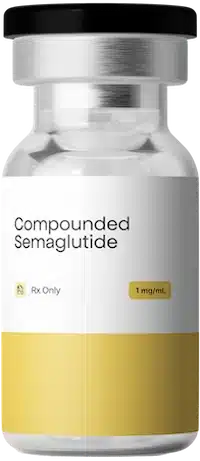
Measured GLP-1 Metabolic Health
- Comprehensive metabolic health screening and intake analysis
- Designed around longer-term metabolic health management
- Responsive dashboard with integrated health tracking tools
- Useful option for patients who value a more data-focused experience
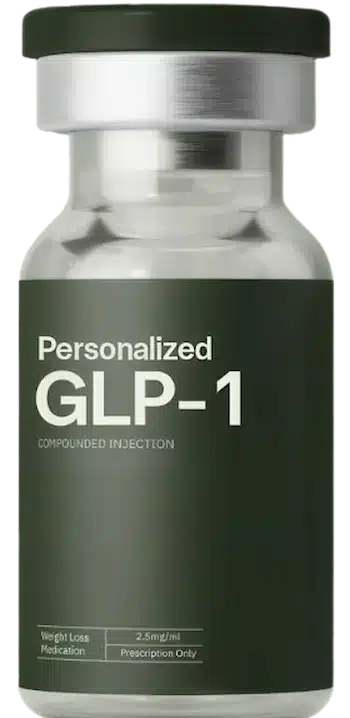
Refills GLP-1 (TryRefills Plan)
- Clinical guidance designed to help patients manage common treatment concerns
- Includes foundational nutritional strategies alongside medication
- Designed around predictable ongoing treatment
- No hidden startup or processing fees according to the program information provided
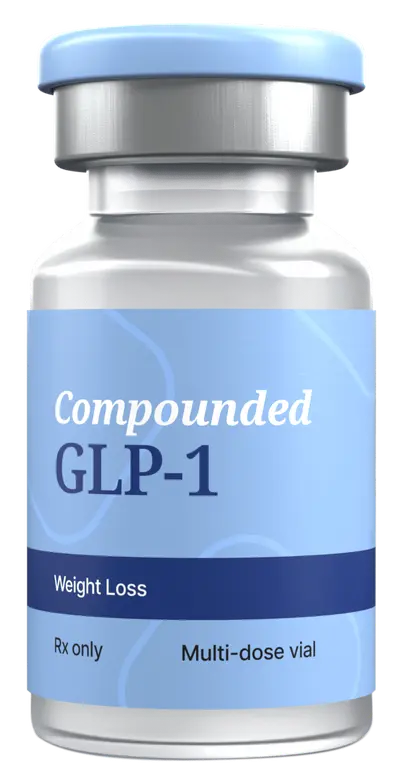
AltRx GLP-1 Transactional Reorders
- Transactional reorder model without recurring auto-billing
- Designed for patients who already understand their treatment routine
- Fast text-to-order process for convenient reorders
- Offers injectable and fast-dissolving tablet variations
Here’s what happens in your body when you take one:
- Appetite suppression: GLP-1 receptors in the brain receive signals that you’re full, even when you’ve eaten less
- Slower gastric emptying: Food stays in your stomach longer, so hunger returns more slowly
- Blood sugar regulation: Insulin secretion increases in response to meals, which is especially helpful for people with type 2 diabetes or prediabetes
- Reduced food noise: Many users report fewer intrusive thoughts about food within the first few weeks
Semaglutide (the active ingredient in Wegovy and Ozempic) and tirzepatide (Zepbound, Mounjaro) are the two leading injectable drugs in this category. Tirzepatide also activates GIP receptors, giving it a dual-action mechanism that may produce stronger results for some patients [3][4].
For a deeper look at how these drugs work at the cellular level, see our guide on GLP-1 medications for weight loss and diabetes.
Which Weight Loss Injection Helps You Lose the Most Weight?
Tirzepatide (Zepbound) currently produces the highest average weight loss in clinical trials, with participants losing up to 20–22% of body weight over 72 weeks. Semaglutide (Wegovy) produces roughly 15–17% average weight loss over a similar period.
| Drug | Brand Name | Mechanism | Avg. Weight Loss | Weekly Dose |
|---|---|---|---|---|
| Semaglutide | Wegovy | GLP-1 agonist | ~15–17% | Up to 2.4 mg (7.2 mg new dose) |
| Tirzepatide | Zepbound | GLP-1 + GIP | ~20–22% | Up to 15 mg |
| Semaglutide | Ozempic | GLP-1 agonist | ~10–14% | Up to 2 mg (diabetes label) |
The new Wegovy 7.2 mg weekly dose, approved and rolling out in 2026, is designed for patients who plateau on the standard 2.4 mg dose, potentially closing the gap with tirzepatide results [1][2].
Choose tirzepatide if you want maximum weight loss and your provider supports it. Choose semaglutide if cost is a primary concern, since compounded versions are widely available at a fraction of brand-name prices.
“The next generation of injectables entering the market in 2026 and beyond is pushing average weight loss targets past 25%, signaling a new era for obesity treatment.” — Henry Ford Health [4]
How Much Do Weight Loss Shots Cost Without Insurance?
Without insurance, brand-name weight loss injections are expensive. Compounded alternatives bring costs down significantly.
- Wegovy (brand): Approximately $1,300–$1,400/month
- Zepbound (brand): Approximately $900–$1,100/month
- Compounded semaglutide (telehealth): $99–$299/month depending on dose and provider
- Compounded tirzepatide (telehealth): $199–$399/month
DirectMeds GLP1 Semaglutide is among the most affordable compounded semaglutide programs in 2026, with transparent pricing and no hidden subscription fees. If you’re comparing telehealth platforms, our full weight loss injections cost breakdown covers all major providers side by side.
👉 Start your DirectMeds GLP1 Semaglutide program today — check current pricing here
For those using GoodRx or manufacturer coupons, savings can be significant on brand-name drugs, though availability varies by pharmacy. See our GoodRx semaglutide prescription guide for current coupon strategies.

Am I a Good Candidate for Weight Loss Injections?
Most adults qualify if they meet standard BMI thresholds and have discussed the option with a licensed provider. You’re likely a good candidate if:
- Your BMI is 30 or higher, or
- Your BMI is 27 or higher with at least one weight-related condition (type 2 diabetes, high blood pressure, sleep apnea, or high cholesterol)
- You’ve tried diet and exercise changes without achieving lasting results
- You don’t have a personal or family history of medullary thyroid carcinoma or MEN2 syndrome
Who should NOT use weight loss medication injections:
- Pregnant or breastfeeding women
- People with a history of pancreatitis (discuss with your doctor)
- Those with severe kidney or liver disease
- Anyone with a known allergy to GLP-1 receptor agonists
- People currently taking certain diabetes medications that could cause dangerous blood sugar drops
If you’re unsure, a telehealth consultation through a platform like DirectMeds takes about 10–15 minutes and can confirm eligibility without an in-person visit.
What Side Effects Should You Watch Out For?
The most common side effects are gastrointestinal and usually improve within 4–8 weeks as your body adjusts to the medication.
Common (especially in the first 4–8 weeks):
- Nausea (most frequent, especially after dose increases)
- Vomiting
- Diarrhea or constipation
- Heartburn or acid reflux
- Fatigue
Less common but worth monitoring:
- Injection site redness or irritation
- Headaches
- Hair thinning (often temporary, linked to rapid calorie reduction rather than the drug itself)
Rare but serious:
- Pancreatitis (stop medication and contact your doctor immediately if you have severe abdominal pain)
- Gallbladder problems
- Vision changes (in people with diabetes)
- Rapid heart rate
Starting at a low dose and increasing gradually, which is standard protocol, significantly reduces the severity of side effects. Most people who stick with the medication for 8–12 weeks report that side effects become manageable or disappear entirely.
Can You Use Weight Loss Injections If You Have Diabetes?
Yes, and in many cases it’s a strong clinical fit. Semaglutide and tirzepatide were originally developed as diabetes medications before receiving weight-management approvals.
- Ozempic (semaglutide 2 mg) is FDA-approved for type 2 diabetes management
- Mounjaro (tirzepatide) is FDA-approved for type 2 diabetes
- Wegovy and Zepbound are the weight-management versions of the same active ingredients
If you have type 2 diabetes, your doctor may prescribe the diabetes-labeled version (Ozempic or Mounjaro) for weight loss off-label, which can sometimes be more affordable or better covered by insurance. Our GLP-1 shots guide for weight loss and diabetes explains the overlap in detail.
Important edge case: If you’re already on insulin or a sulfonylurea, adding a GLP-1 injection can increase hypoglycemia risk. Your prescriber will likely adjust your other medications before starting.

What’s the Difference Between Ozempic and Wegovy?
Ozempic and Wegovy contain the same active ingredient (semaglutide) but are approved for different purposes and come in different dose ranges.
| Feature | Ozempic | Wegovy |
|---|---|---|
| FDA Approval | Type 2 diabetes | Chronic weight management |
| Max Dose | 2 mg/week | 2.4 mg/week (7.2 mg new 2026 dose) |
| Insurance Coverage | Often covered for diabetes | Coverage varies widely |
| Off-label use | Commonly prescribed for weight loss | Not typically needed off-label |
The practical difference for most patients: Wegovy is dosed higher and is specifically indicated for obesity, while Ozempic is primarily a diabetes drug that many providers prescribe off-label for weight loss. The new 7.2 mg Wegovy dose approved in 2026 is only available under the Wegovy label [1][2].
👉 Compare affordable semaglutide options through DirectMeds — view plans here
Are Weight Loss Injections Covered by Health Insurance?
Coverage depends heavily on your insurance plan, your diagnosis, and which drug is prescribed. Here’s the honest breakdown:
- Ozempic for diabetes: Usually covered with a diabetes diagnosis
- Wegovy for obesity: Covered by some commercial plans, but many still exclude obesity medications
- Medicare: As of 2026, Medicare Part D covers Wegovy for patients who also have cardiovascular disease, following updated CMS guidance
- Medicaid: Varies by state; some states cover GLP-1s for obesity, many do not
- Employer plans: Increasingly adding coverage, but not universal
If your insurance doesn’t cover these medications, compounded semaglutide through a telehealth provider like DirectMeds GLP1 Semaglutide is the most practical path to affordable treatment. For a full comparison of cheap GLP-1 programs, see our best affordable GLP-1 program guide.
How Quickly Will You See Results From a Weight Loss Injection?
Most people notice reduced appetite and some weight loss within the first 2–4 weeks, but meaningful results typically appear between weeks 8 and 12.
General timeline:
- Weeks 1–4: Appetite decreases, some mild weight loss (1–4 lbs on average)
- Weeks 5–12: More consistent weight loss as dose increases; 5–10% body weight loss is common
- Months 4–12: Continued loss; most clinical trials show the steepest decline in this window
- Month 12–18: Peak results; most participants reach their lowest weight around this point
Results vary based on starting weight, diet quality, physical activity, dose, and individual metabolism. People who pair injections with a structured eating plan consistently outperform those who rely on the medication alone. Our personalized weight loss meal plan guide can help you build a complementary nutrition strategy.
👉 Ready to start? Get DirectMeds GLP1 Semaglutide at the lowest available price
What Happens If You Stop Taking the Weight Loss Shot?
Stopping a weight loss injection typically leads to weight regain, often within 12–20 weeks. This is one of the most important things to understand before starting.
GLP-1 medications don’t cure obesity; they manage it. When you stop, your appetite hormones return to their previous levels, hunger increases, and the weight tends to come back. Clinical data shows that patients who discontinued semaglutide regained about two-thirds of their lost weight within a year [3].
This doesn’t mean you’re committed to injections forever, but it does mean:
- Stopping abruptly without a transition plan is risky
- Building sustainable eating and exercise habits while on the medication gives you the best chance of maintaining results
- Some providers offer a “maintenance dose” strategy rather than a full stop
Are There Natural Alternatives to Weight Loss Injections?
No supplement or lifestyle intervention matches the clinical weight-loss results of GLP-1 injections, but several options are worth considering for people who can’t or won’t use injections.
Evidence-supported alternatives:
- Structured caloric deficit diet (most effective non-drug approach)
- High-protein meal plans to reduce hunger naturally
- Resistance training to preserve muscle during weight loss
- Oral weight-loss medications (phentermine-topiramate, naltrexone-bupropion)
- Oral semaglutide pill (Rybelsus for diabetes; an oral Wegovy formulation is in development as of 2026)
Common mistakes when starting weight loss shots:
- Starting at too high a dose to “speed up” results (increases side effects dramatically)
- Not staying hydrated, which worsens nausea
- Expecting the medication to work without any dietary changes
- Stopping too early because of initial side effects that would have resolved
- Not disclosing all current medications to your prescriber
For people exploring non-injection options, our least expensive GLP-1 options guide includes oral and lower-cost alternatives worth reviewing.
👉 Not sure which option is right for you? Consult DirectMeds online — no in-person visit required
7 Best GLP-1 Providers Ranked: Accreditation, Flexibility & Support Compared (2026 Update)
32,000+ Patients Can't All Be Wrong: See the Top-Rated GLP-1 Providers: Compared on accreditation, plan flexibility, and patient support — updated for 2026.
BMI MD GLP-1 Microdosing Plan
- Specialized microdosing options (sublingual drops or low-dose injections)
- Ideal for maintaining weight or tapering off higher doses safely
- Fully bundled plan with no hidden monthly platform memberships
DirectMeds Weight Loss Solutions
- Sourced from accredited, state-licensed 503A compounding pharmacies
- No-frills high-volume savings passed directly to the patient
- Includes clinical consultation and cold-chain shipping updates
MEDVi Flat-Rate Telehealth
- Flat monthly rate holds steady even at maximum maintenance doses
- No dosage upcharges or graduation fee penalties
- Offers both injectable and advanced oral thin-film delivery options
Gala GLP-1 Care Program
- All-inclusive plan with no standalone membership costs
- Continuous text-based messaging access with state-licensed clinicians
- Temperature-controlled, cold-chain medication shipping included
Measured GLP-1 Metabolic Health
- Comprehensive metabolic health screening and expert intake analysis
- Predictable long-term budgeting with stable plan pricing
- High-end responsive dashboard with integrated diagnostic support
Refills GLP-1 (TryRefills Plan)
- Flat rate holds steady as titration scales up
- Includes clinical guides for active side-effect management
- Bundles in foundational nutritional strategies alongside medication
AltRx GLP-1 Transactional Reorders
- Zero recurring auto-billing — pay entirely on a transactional basis
- Rapid text-to-order format saves time for experienced patients
- Provides both injectable forms and fast-dissolving tablet variations
Conclusion: Is a Weight Loss Medication Injection Right for You?
A weight loss medication injection is one of the most clinically proven tools available for adults struggling with obesity or overweight-related health conditions. In 2026, options have expanded significantly, from the new higher-dose Wegovy 7.2 mg to dual-action tirzepatide, giving patients and providers more flexibility than ever before.
Actionable next steps:
- Check your eligibility: BMI 30+ (or 27+ with a health condition) is the standard threshold
- Compare costs: Brand-name drugs can cost over $1,000/month; compounded semaglutide through DirectMeds GLP1 Semaglutide starts significantly lower
- Choose a provider: Telehealth platforms allow you to start within days, no in-person visit needed
- Build a support plan: Pair your injection with a nutrition strategy for the best long-term results
- Plan for the long term: Understand that stopping the medication often reverses results; have a maintenance plan in place
Frequently Asked Questions
How often do you inject a weight loss medication?
Most GLP-1 weight loss injections, including semaglutide (Wegovy) and tirzepatide (Zepbound), are injected once per week. You inject into the fatty tissue of your abdomen, thigh, or upper arm using a small auto-injector pen.
Is the injection painful?
Most users describe the injection as a minor pinch. The needles are very short and thin (4–6 mm). Rotating injection sites and letting the pen reach room temperature before injecting reduces discomfort further.
Can I take a weight loss injection if I’m not diabetic?
Yes. Wegovy (semaglutide) and Zepbound (tirzepatide) are FDA-approved specifically for weight management in adults without diabetes who meet BMI criteria. You do not need a diabetes diagnosis to qualify.
How long do I need to stay on the medication?
Most clinical guidelines treat GLP-1 injections as a long-term medication, similar to blood pressure drugs. Stopping typically leads to weight regain. Your provider will help you determine a duration and maintenance strategy based on your goals.
What is the difference between compounded and brand-name semaglutide?
Brand-name Wegovy is manufactured by Novo Nordisk and FDA-approved. Compounded semaglutide contains the same active ingredient but is prepared by a licensed compounding pharmacy and is not FDA-approved as a finished product. Compounded versions are significantly cheaper and widely used through telehealth platforms.
Can I drink alcohol while on a weight loss injection?
Alcohol is not strictly prohibited, but it’s worth limiting. GLP-1 medications slow gastric emptying, which can intensify alcohol’s effects. Alcohol also adds empty calories that work against your weight-loss goals.
Will I lose muscle mass on a weight loss injection?
Rapid weight loss from any cause can include some muscle loss. Eating adequate protein (0.7–1g per pound of body weight) and doing resistance training while on the medication significantly reduces muscle loss.
Is tirzepatide better than semaglutide for weight loss?
Clinical data shows tirzepatide produces higher average weight loss (20–22% vs. 15–17% for semaglutide). However, semaglutide has a longer safety track record and is available at lower cost through compounding. The best choice depends on your health profile and budget.
What happens if I miss a dose?
If you miss a weekly dose, take it as soon as you remember, as long as your next scheduled dose is at least 2 days away. If it’s closer than 2 days, skip the missed dose and resume your regular schedule. Never double-dose.
How do I store the injection pen?
Unopened pens should be stored in the refrigerator (36–46°F). Once in use, most pens can be kept at room temperature (up to 77°F) for up to 28 days. Keep them away from direct sunlight and heat.
Is there an age limit for weight loss injections?
Wegovy is FDA-approved for adults and adolescents aged 12 and older (for obesity). Zepbound is currently approved for adults 18 and older. Prescribing for patients outside these ranges is considered off-label.
Are online telehealth weight loss programs safe?
Reputable telehealth providers require a licensed clinician to review your health history before prescribing. Platforms like DirectMeds follow standard prescribing protocols and use licensed compounding pharmacies. Always verify that any telehealth provider is licensed in your state and uses PCAB-accredited compounding pharmacies.
References
[1] What’s New in Weight Loss 2026 – [1]
[2] Obesity Treatment: What’s New and Next in 2026 – [2]
[3] New Weight Loss Drugs – [3]
[4] The Next Generation of Weight Loss Medications – [4]
[5] Anti-Obesity Medications Set to Explode Entering 2026 – [5]
Additional Medical References:
- Semaglutide and Weight Loss: Clinical Evidence — New England Journal of Medicine
- Tirzepatide for Obesity: SURMOUNT-1 Trial — New England Journal of Medicine
- GLP-1 Receptor Agonists: Mechanism and Use — National Library of Medicine
- FDA Approval of Semaglutide for Chronic Weight Management — U.S. Food and Drug Administration
- Obesity Treatment Guidelines 2026 — Obesity Medicine Association

With over 13 years of experience in holistic health blogging, I aim to help you navigate your wellness journey with honest insights, expert-backed advice, and a sprinkle of real-world practicality.
Certified Wellness Writer | Herbal Nutrition Advocate | Wellness Research Enthusiast


