What Is the Strongest Weight Loss Prescription Pill? Comparing Medications and Results

Last updated: November 18, 2026
Quick Answer
There is no single pill that beats every other option for every person. Among approved treatments, injectable tirzepatide (Zepbound) produces the largest average weight loss, while Foundayo (orforglipron) is the strongest fully oral GLP-1 pill approved so far. Older pills like phentermine and Contrave work too, but typically produce smaller results than GLP-1-based options [1].
Key Takeaways
- Zepbound (tirzepatide) remains the top-performing injectable for weight loss, with strong data even in adolescents [1].
- Foundayo (orforglipron) is currently the leading approved oral GLP-1 pill, giving needle-free access to GLP-1 therapy.
- Newer injectable combinations like EloraTZP and enicepatide are showing even higher percentages in trials, but they are not yet widely available [1][2].
- Phentermine and Contrave are older oral options; phentermine tends to produce faster short-term results, while Contrave may suit people who struggle with food cravings tied to mood [3].
- Without insurance, GLP-1 medications can cost several hundred dollars a month, though pricing varies by pharmacy and provider.
- Stopping any weight loss pill or injection commonly leads to some weight regain unless eating and activity habits change permanently.
- No weight loss pill works well without basic lifestyle changes; medication supports effort, it doesn’t replace it.
What’s the difference between Ozempic and tirzepatide for weight loss?
Ozempic contains semaglutide and targets one hormone receptor (GLP-1), while tirzepatide, found in Mounjaro and Zepbound, targets two receptors (GLP-1 and GIP). This dual action is a major reason tirzepatide tends to produce greater average weight loss than semaglutide-based drugs [1].
7 Best GLP-1 Providers Ranked: Accreditation, Flexibility & Support Compared (2026 Update)
32,000+ Patients Can't All Be Wrong: See the Top-Rated GLP-1 Providers. We compared the leading online GLP-1 providers based on program features, clinical support, convenience, and overall value.

BMI MD GLP-1 Microdosing Plan
- Specialized microdosing options, including sublingual drops and low-dose injections
- Designed for people interested in maintaining weight or gradually adjusting treatment
- Bundled program structure without a separate monthly platform membership
- Online access makes the process convenient from home

DirectMeds Weight Loss Solutions
- Online weight-loss program with a straightforward patient experience
- Compounded medication options through state-licensed compounding pharmacies
- Includes clinical consultation as part of the process
- Provides shipping updates to help patients track their orders

MEDVi Flat-Rate Telehealth
- Flat-rate telehealth approach designed for easier budgeting
- No dosage-based pricing increases within the advertised program structure
- Offers injectable and oral thin-film delivery options
- Includes medical screening and asynchronous provider consultations

Gala GLP-1 Care Program
- Text-based access to state-licensed clinicians
- Cold-chain medication shipping included in the program
- Month-to-month program structure
- Designed for people who value convenient ongoing support

Measured GLP-1 Metabolic Health
- Comprehensive metabolic health screening and intake analysis
- Designed around longer-term metabolic health management
- Responsive dashboard with integrated health tracking tools
- Useful option for patients who value a more data-focused experience

Refills GLP-1 (TryRefills Plan)
- Clinical guidance designed to help patients manage common treatment concerns
- Includes foundational nutritional strategies alongside medication
- Designed around predictable ongoing treatment
- No hidden startup or processing fees according to the program information provided

AltRx GLP-1 Transactional Reorders
- Transactional reorder model without recurring auto-billing
- Designed for patients who already understand their treatment routine
- Fast text-to-order process for convenient reorders
- Offers injectable and fast-dissolving tablet variations
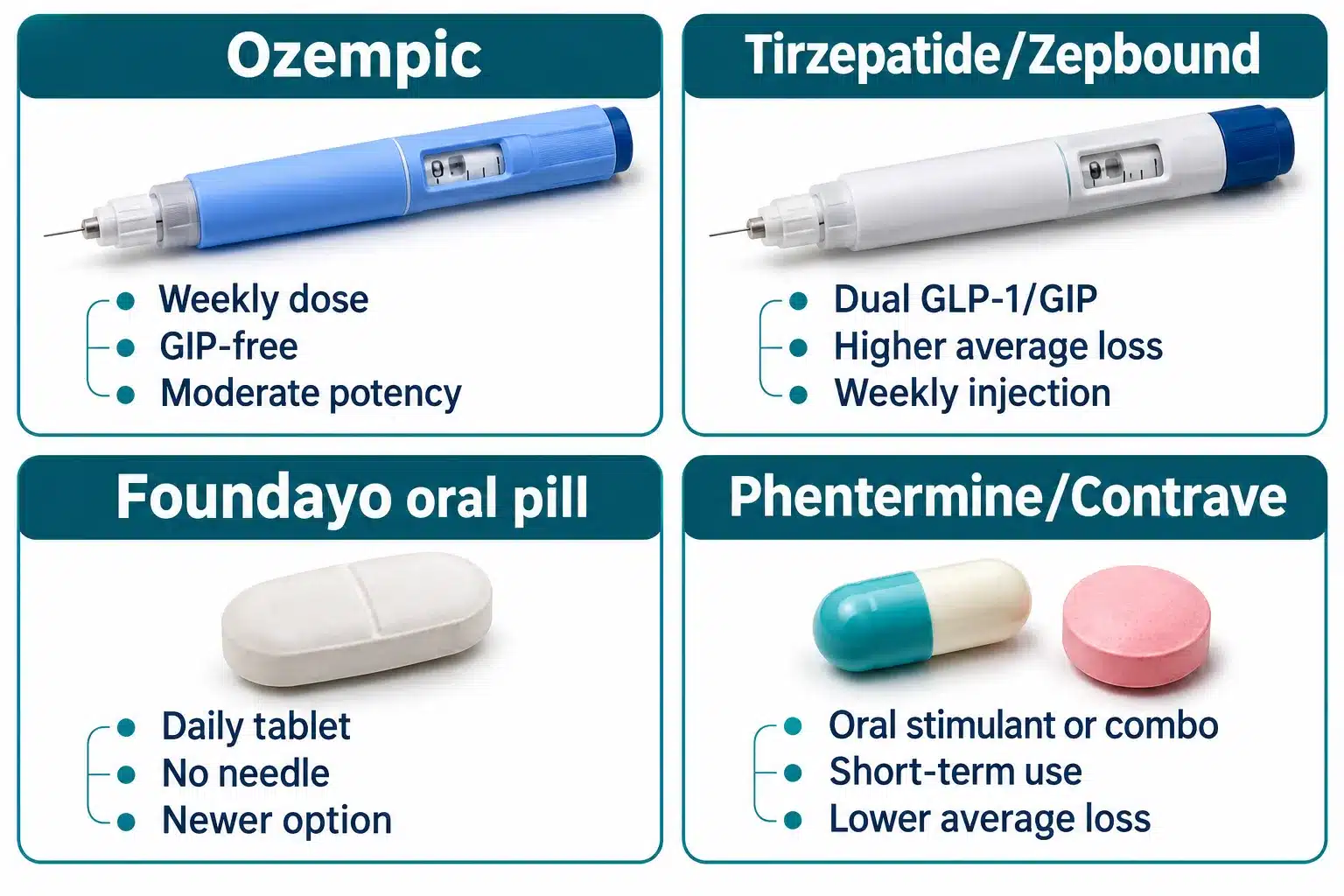
Semaglutide slows digestion and reduces appetite signals in the brain. Tirzepatide does the same thing but adds a second pathway that appears to improve blood sugar control and fat metabolism further. In Eli Lilly’s internal data comparisons, tirzepatide-based Zepbound has shown some of the strongest results among approved injectable options, including in adolescent populations [1].
Choose semaglutide if you want a medication with a longer track record and slightly gentler onset of side effects. Choose tirzepatide if your doctor confirms you’re a candidate and you want the strongest FDA-approved injectable option currently on the market. For a side-by-side breakdown, see this Zepbound vs. Ozempic comparison.
Which prescription weight loss pill works the fastest?
Phentermine tends to produce the fastest early results because it acts as an appetite suppressant from the first dose, often reducing hunger within days. GLP-1 pills like Foundayo usually take several weeks to reach a noticeable effect because the dose is increased gradually.
- Phentermine: Appetite suppression starts quickly, often within the first week.
- Foundayo (orforglipron): Real-world use shows roughly 6% weight loss by three months, with effects building gradually as the dose increases.
- Contrave: Effects build over 4 to 8 weeks as both ingredients reach steady levels.
Choose phentermine if you need short-term appetite control and have no heart or blood pressure concerns. Choose a GLP-1 pill if you’re looking for steadier, longer-term results rather than a fast initial drop that can plateau. A common mistake is expecting GLP-1 pills to work as fast as phentermine, they’re designed for gradual, sustained change, not a quick kickstart.
How much does prescription weight loss medication cost without insurance?
Without insurance, GLP-1 medications typically cost several hundred dollars per month, while older pills like phentermine are far cheaper, sometimes under fifty dollars monthly. Exact pricing depends on the pharmacy, dose, and whether you use a brand-name product or a telehealth provider’s program.
Costs vary widely across providers and change over time, so always confirm current pricing directly before enrolling in any program. For a detailed cost breakdown by medication type, see this GLP-1 weight loss cost guide. If you’re exploring online options, compare providers like Ro, Found, or Hims before committing to any single platform.
Choose an older generic pill like phentermine if budget is your main concern and your doctor agrees it’s appropriate. Choose a GLP-1 option if stronger results matter more to you than upfront savings, and your budget can sustain ongoing monthly costs.
What are the common side effects of weight loss pills?
Most weight loss pills cause some gastrointestinal discomfort, and stimulant-based pills can raise heart rate or blood pressure. The specific side effects depend heavily on the drug class.
| Medication type | Common side effects |
|---|---|
| GLP-1 pills (Foundayo) | Nausea, diarrhea, constipation, reduced appetite |
| Phentermine | Increased heart rate, insomnia, dry mouth, jitteriness |
| Contrave | Nausea, headache, constipation, increased blood pressure in some people |
| Tirzepatide/semaglutide injectables | Nausea, vomiting, GI upset, rare risk of gallbladder issues |
A common mistake is stopping a medication at the first sign of nausea instead of discussing dose adjustment with a prescriber. Mild GI symptoms often improve within a few weeks as the body adjusts.
Can you take weight loss pills long term or just short term?
Some weight loss pills, including GLP-1 options and Contrave, are approved for long-term use when monitored by a doctor. Phentermine is generally approved only for short-term use, typically a few weeks to a few months, due to its stimulant properties.
Long-term use decisions should always involve a prescriber reviewing your health history, blood pressure, and response to treatment. People with obesity-related chronic conditions are often good candidates for longer-term GLP-1 therapy, since research increasingly shows benefits extending across age groups, including studies evaluating semaglutide in children as young as six [4].
Is phentermine or Contrave better for weight loss?
Phentermine often produces faster short-term appetite suppression, while Contrave may offer steadier results for people whose overeating is tied to cravings or emotional eating. Neither typically matches the weight loss seen with GLP-1 medications [3].
- Choose phentermine if: you need short-term support, have no cardiovascular risk factors, and want lower cost.
- Choose Contrave if: you struggle with food-related cravings, can commit to longer-term use, and your doctor confirms you don’t have uncontrolled high blood pressure or a seizure disorder.
Who qualifies for prescription weight loss medication?
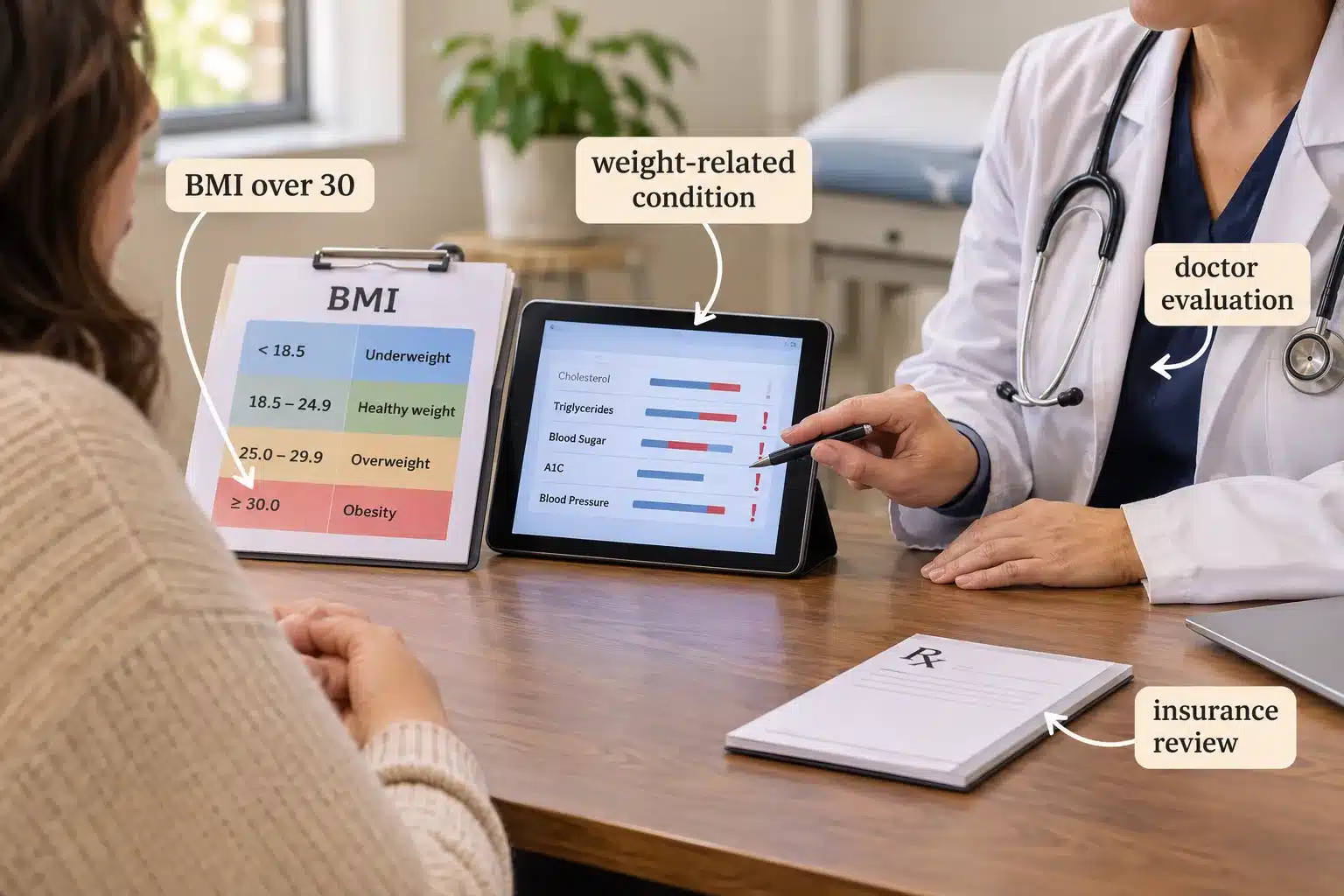
Most prescription weight loss medications are approved for adults with a BMI of 30 or higher, or a BMI of 27 or higher with a weight-related condition such as type 2 diabetes or high blood pressure. A licensed healthcare provider must confirm eligibility through a medical evaluation.
Providers typically review:
- Current BMI and weight history
- Existing health conditions, including diabetes, thyroid disorders, and heart disease
- Current medications to check for interactions
- Personal or family history of certain cancers (relevant for GLP-1 drugs)
- Prior weight loss attempts
If you’re exploring eligibility for GLP-1 treatment specifically, this guide to GLP-1 options for non-diabetics walks through common qualifying scenarios.
What happens to your weight when you stop taking weight loss pills?
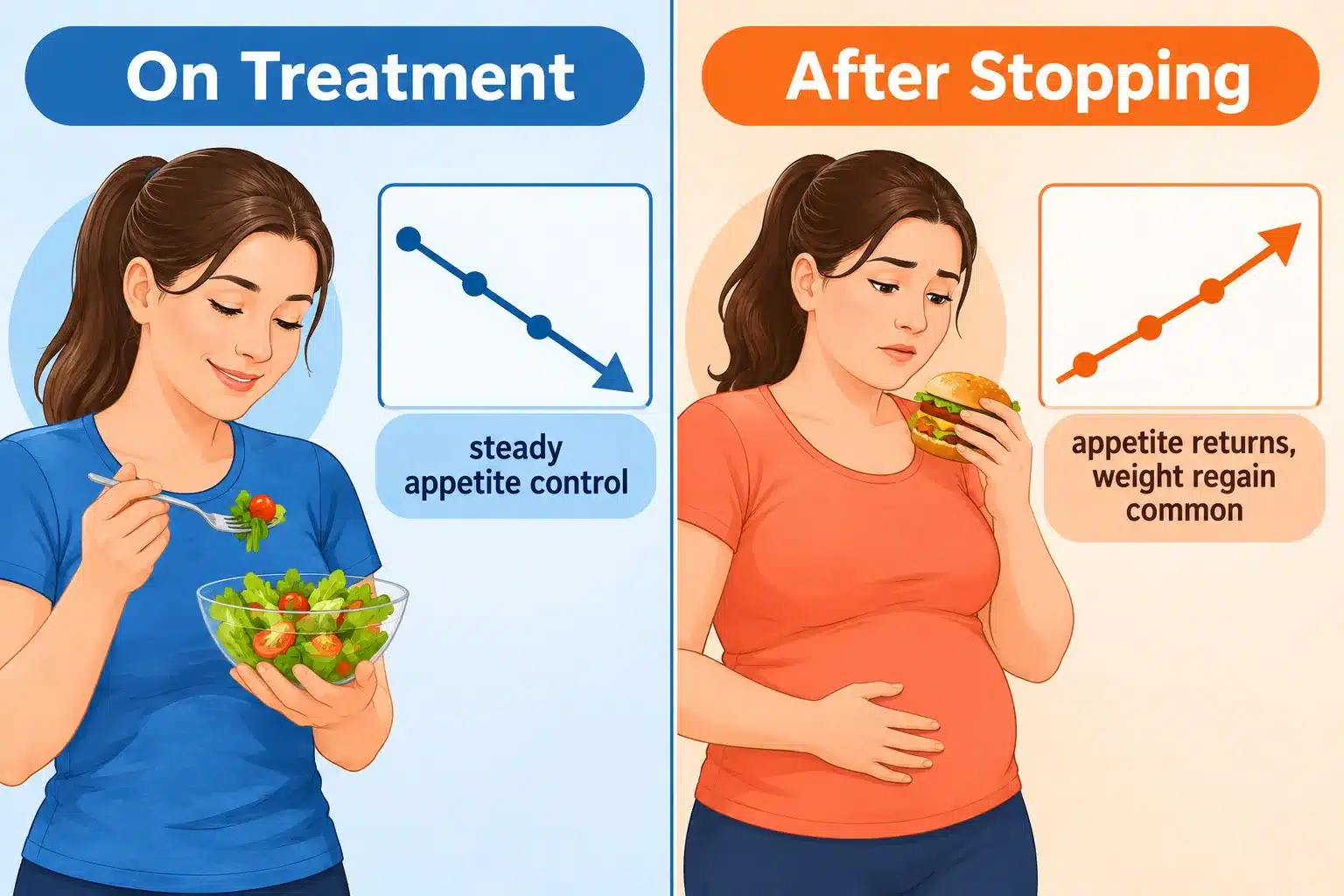
Most people regain some weight after stopping weight loss medication, because the appetite-suppressing effect fades once the drug leaves the body. The amount of regain depends on how much lifestyle change occurred during treatment.
Research and real-world patient experiences consistently show hunger signals returning to pre-treatment levels within weeks of stopping GLP-1 drugs. Building sustainable habits, protein-focused meals, regular movement, consistent sleep, during treatment helps limit regain. For more detail, read what happens when you stop taking Ozempic.
Choose a slow, supervised taper if your doctor recommends one rather than stopping abruptly, since gradual dose reduction may ease the transition for some patients.
Are prescription weight loss pills better than over the counter options?
Prescription weight loss pills are generally more effective than over-the-counter supplements because they’re backed by clinical trials and FDA review, while most OTC products lack strong evidence. The FDA does not evaluate supplements for weight loss effectiveness before they reach shelves.
Items like keto gummies or herbal blends may offer mild support alongside diet changes but shouldn’t be expected to match medication results. If you’re curious about supplement-based options, this review of keto ACV gummies explains what realistic expectations look like.
Why aren’t weight loss pills working for me?
Weight loss pills often underperform when the dose hasn’t reached an effective level yet, when diet and activity haven’t changed, or when an underlying issue like thyroid dysfunction or sleep problems is interfering with results. Patience and dose titration matter more than many people expect.
Common reasons include:
- Dose still in the early titration phase
- Inconsistent eating patterns or high-calorie liquid intake
- Not enough protein or fiber to support satiety
- Underlying medical conditions not yet addressed
- Unrealistic timeline expectations
If you’re on tirzepatide specifically, this breakdown of reasons for stalled progress on Mounjaro covers troubleshooting steps in more depth.
Can you combine two different weight loss medications together?
Some combinations, like Contrave (which already pairs two drugs) or phentermine with topiramate, are specifically designed and approved for combined use. Combining a GLP-1 drug with a stimulant like phentermine is not standard practice and should only be considered under direct physician supervision due to limited safety data on that pairing.
Never combine medications on your own without medical guidance. Overlapping side effects, especially cardiovascular strain, can be dangerous.
What’s the cheapest weight loss prescription available?
Generic phentermine is typically the cheapest prescription weight loss medication available, often costing far less per month than GLP-1 injectables or branded oral options. Availability and pricing still depend on the pharmacy and whether a prescription is obtained through insurance, a telehealth platform, or a local provider.
If cost is a major factor in your decision, compare telehealth platforms directly, since program fees and medication pricing structures differ. Options like Medvi and LevelsRx publish different pricing models worth reviewing side by side.
Is it safe to take weight loss pills if you have diabetes or heart problems?
Some weight loss medications, particularly GLP-1 drugs, are specifically studied in people with type 2 diabetes and may offer cardiovascular benefits, while stimulant-based pills like phentermine are generally avoided in people with uncontrolled heart conditions. Safety always depends on individual health history and must be confirmed by a physician.
GLP-1 and dual-agonist drugs such as tirzepatide have shown benefits for blood sugar control alongside weight loss, which is part of why researchers are testing next-generation combinations like EloraTZP in people with both obesity and type 2 diabetes [1]. Phentermine’s stimulant effect makes it a poor fit for anyone with arrhythmia, uncontrolled hypertension, or a history of heart disease.
Do weight loss pills work without diet and exercise?
Weight loss pills are not designed to work in isolation. They reduce appetite and support metabolic changes, but the actual weight loss still depends on eating fewer calories than the body uses and staying physically active.
Clinicians and manufacturers alike frame these medications as tools that work alongside, not instead of, lifestyle changes. A person who takes a GLP-1 pill but continues very high-calorie eating patterns will see smaller results than someone who pairs the medication with consistent, modest dietary changes.
The Bigger Picture: Where “Strongest” Is Headed Next
Clinical researchers increasingly agree there’s no single “strongest” pill, effectiveness depends on efficacy data, safety profile, and individual patient factors [3]. That said, the pipeline is moving fast. Roche’s dual GLP-1/GIP agonist enicepatide produced 22.7% weight loss in a mid-stage trial [2], and investigational combinations like EloraTZP have reached around 23% weight loss in adults with obesity and type 2 diabetes [1]. Pfizer’s berobenatide, backed by a $1.5 billion deal with Blackstone, signals strong industry expectations for ultra-long-acting injectables [5]. Most of these next-generation options remain injectable rather than oral, though weekly pill formats are in active development [6][7].
For now, among currently approved medications, injectable tirzepatide holds the strongest average results, and Foundayo leads the oral GLP-1 category [1]. If you want to explore how oral GLP-1 options stack up against each other, this guide on Foundayo vs. Zepbound and this overview of what orforglipron is offer more detail.
FAQ
Is Zepbound stronger than Ozempic?
Yes, on average. Zepbound’s tirzepatide acts on two hormone receptors instead of one, and data consistently shows larger average weight loss compared with semaglutide-based Ozempic [1].
Is there a pill as strong as Ozempic?
Foundayo (orforglipron) is currently the leading oral GLP-1 pill and offers a needle-free alternative, though real-world results so far show more modest average loss than injectable options.
How fast do GLP-1 pills start working?
Most people notice reduced appetite within a few weeks, with more noticeable weight changes appearing around the three-month mark as the dose increases.
Can I take phentermine long term?
Phentermine is generally approved only for short-term use due to its stimulant effects and potential cardiovascular strain. Long-term use requires close physician monitoring.
Do I need insurance to get these medications?
No, but costs without insurance are significantly higher for GLP-1 drugs. Many telehealth providers offer self-pay programs with transparent monthly pricing.
What’s the safest weight loss pill for someone with heart issues?
That decision depends entirely on individual history and should be made with a cardiologist or prescribing physician, since some options carry more cardiovascular risk than others.
7 Best GLP-1 Providers Ranked: Accreditation, Flexibility & Support Compared (2026 Update)
32,000+ Patients Can't All Be Wrong: See the Top-Rated GLP-1 Providers: Compared on accreditation, plan flexibility, and patient support — updated for 2026.
BMI MD GLP-1 Microdosing Plan
- Specialized microdosing options (sublingual drops or low-dose injections)
- Ideal for maintaining weight or tapering off higher doses safely
- Fully bundled plan with no hidden monthly platform memberships
DirectMeds Weight Loss Solutions
- Sourced from accredited, state-licensed 503A compounding pharmacies
- No-frills high-volume savings passed directly to the patient
- Includes clinical consultation and cold-chain shipping updates
MEDVi Flat-Rate Telehealth
- Flat monthly rate holds steady even at maximum maintenance doses
- No dosage upcharges or graduation fee penalties
- Offers both injectable and advanced oral thin-film delivery options
Gala GLP-1 Care Program
- All-inclusive plan with no standalone membership costs
- Continuous text-based messaging access with state-licensed clinicians
- Temperature-controlled, cold-chain medication shipping included
Measured GLP-1 Metabolic Health
- Comprehensive metabolic health screening and expert intake analysis
- Predictable long-term budgeting with stable plan pricing
- High-end responsive dashboard with integrated diagnostic support
Refills GLP-1 (TryRefills Plan)
- Flat rate holds steady as titration scales up
- Includes clinical guides for active side-effect management
- Bundles in foundational nutritional strategies alongside medication
AltRx GLP-1 Transactional Reorders
- Zero recurring auto-billing — pay entirely on a transactional basis
- Rapid text-to-order format saves time for experienced patients
- Provides both injectable forms and fast-dissolving tablet variations
Conclusion
There’s no universal answer to “what is the strongest weight loss prescription pill,” because strength depends on how you define it: fastest results, biggest average loss, or best safety fit for your health history. Among approved options, injectable tirzepatide currently leads on raw effectiveness, while Foundayo stands out as the strongest fully oral GLP-1 pill. Older medications like phentermine and Contrave still have a place for certain patients, especially those focused on cost or short-term needs.
Before choosing any option, talk with a licensed healthcare provider about your BMI, health history, and goals. Compare providers carefully, confirm current pricing, and remember that even the strongest medication works best paired with consistent diet and activity changes.
References
- Lilly Present New Data Across Zepbound Foundayo Eloratzp and. investor.lilly.com.
- Roche Obesity Drug Helps Patients Shed 227 Weight Mid Stage Trial. reuters.com.
- New Obesity Drugs Challenge Clinicians Stay Date. medscape.com.
- Roche Breast Cancer Pill Obesity Drugs in Children. statnews.com.
- Blackstone Pfizer Berobenatide Deal. biopharmadive.com.
- Anti Obesity Drugs Market Companies Analysis 2027. globenewswire.com.
- Weekly Oral and Extended Interval Developments. fidelity.com.
weight loss pills, GLP-1 medications, tirzepatide, semaglutide, Foundayo, Zepbound, Ozempic, prescription weight loss, orforglipron, phentermine, Contrave, obesity treatment

With over 13 years of experience in holistic health blogging, I aim to help you navigate your wellness journey with honest insights, expert-backed advice, and a sprinkle of real-world practicality.
Certified Wellness Writer | Herbal Nutrition Advocate | Wellness Research Enthusiast