
What Protein Supplement Is Best for Weight Loss? Comparing Whey, Casein, and Plant Protein

Last updated: November 18, 2026
Quick Answer
No single protein supplement, whey, casein, or plant-based, has been shown to produce meaningfully greater weight loss than the others when total protein intake and calories are controlled. What protein supplement is best for weight loss depends more on your dietary preferences, budget, and how well you stick with it than on the source itself. Research consistently points to overall calorie balance and total daily protein as the bigger drivers of results[1][2][3].
Key Takeaways
- Whey, casein, and plant proteins produce similar weight-loss outcomes when calories and total protein are equal[1].
- A 2024 Kobe University trial found no significant difference between soy, whey, and placebo on body weight after 12 weeks of diet and exercise[2][3].
- Whey protein hydrolysate showed a modest edge over standard whey or control in one 2022 trial, but the effect size was small[1].
- Protein powder alone, without a calorie deficit, is unlikely to cause meaningful weight loss.
- Most adults need roughly 0.7 to 1.0 gram of protein per pound of goal body weight daily when trying to lose fat, though needs vary by activity level and health status.
- Plant protein is a reasonable substitute for whey or casein, especially for people who avoid dairy[1].
- Combining whey protein with resistance training shows the strongest evidence for supporting fat loss and preserving muscle[4].
- Whole-food protein sources often work just as well as shakes and may be more filling and affordable.
How Much Protein Per Day Do I Need to Lose Weight
Most adults trying to lose weight benefit from roughly 0.7 to 1.0 gram of protein per pound of target body weight each day, though individual needs vary. This range supports muscle preservation during a calorie deficit without requiring excessive supplementation.
7 Best GLP-1 Providers Ranked: Accreditation, Flexibility & Support Compared (2026 Update)
32,000+ Patients Can't All Be Wrong: See the Top-Rated GLP-1 Providers. We compared the leading online GLP-1 providers based on program features, clinical support, convenience, and overall value.
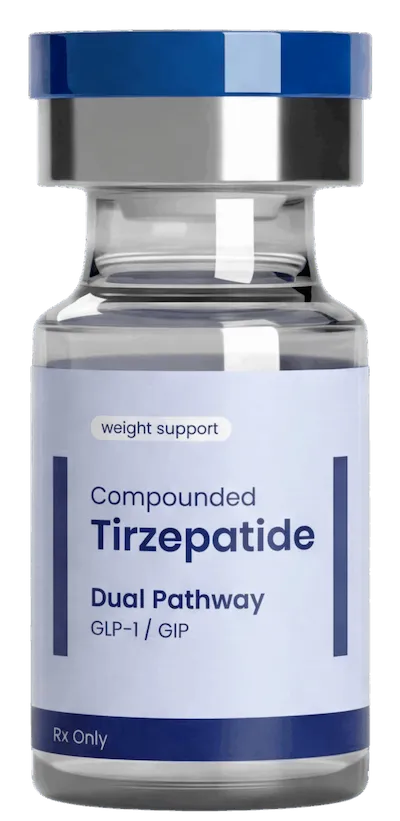
BMI MD GLP-1 Microdosing Plan
- Specialized microdosing options, including sublingual drops and low-dose injections
- Designed for people interested in maintaining weight or gradually adjusting treatment
- Bundled program structure without a separate monthly platform membership
- Online access makes the process convenient from home

DirectMeds Weight Loss Solutions
- Online weight-loss program with a straightforward patient experience
- Compounded medication options through state-licensed compounding pharmacies
- Includes clinical consultation as part of the process
- Provides shipping updates to help patients track their orders
MEDVi Flat-Rate Telehealth
- Flat-rate telehealth approach designed for easier budgeting
- No dosage-based pricing increases within the advertised program structure
- Offers injectable and oral thin-film delivery options
- Includes medical screening and asynchronous provider consultations
Gala GLP-1 Care Program
- Text-based access to state-licensed clinicians
- Cold-chain medication shipping included in the program
- Month-to-month program structure
- Designed for people who value convenient ongoing support
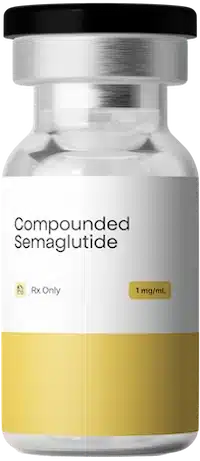
Measured GLP-1 Metabolic Health
- Comprehensive metabolic health screening and intake analysis
- Designed around longer-term metabolic health management
- Responsive dashboard with integrated health tracking tools
- Useful option for patients who value a more data-focused experience
Refills GLP-1 (TryRefills Plan)
- Clinical guidance designed to help patients manage common treatment concerns
- Includes foundational nutritional strategies alongside medication
- Designed around predictable ongoing treatment
- No hidden startup or processing fees according to the program information provided
AltRx GLP-1 Transactional Reorders
- Transactional reorder model without recurring auto-billing
- Designed for patients who already understand their treatment routine
- Fast text-to-order process for convenient reorders
- Offers injectable and fast-dissolving tablet variations
A few practical notes:
- People who are older, inactive, or managing certain health conditions may need individualized guidance from a doctor or registered dietitian.
- Research summarized in a 2024 review found that pushing total protein intake up toward 1.2 g/kg/day using whey supplements did not always produce clinically meaningful extra benefits for muscle or strength once baseline needs were already met[5][6].
- Decision rule: if you’re already eating protein-rich meals (meat, eggs, dairy, legumes) at most meals, you may not need a supplement at all, it simply fills gaps.
If you’re also exploring medical weight-loss options alongside nutrition changes, our guide on GLP-1 medications for non-diabetics explains how prescription treatments and protein intake can work together.
Does Whey Protein Actually Help You Lose Weight
Whey protein can support weight loss modestly, mainly by helping preserve muscle and increase fullness during a calorie deficit, but it is not a fat-burning supplement on its own. The evidence for a unique weight-loss effect from whey, apart from its protein content, is limited.
In the Kobe University randomized trial, participants following a structured diet and exercise program lost similar amounts of weight whether they took whey protein, soy protein, or a placebo, the lifestyle program drove the results, not the supplement[2][3]. A separate 2014 meta-analysis of 14 trials found that whey protein combined with resistance training was linked to meaningful decreases in body weight and fat mass, but the benefit was tied to the training itself, not a special property of whey[4].
Common mistake: assuming whey protein shakes “burn fat” by themselves. Whey adds protein to your diet; it does not create a calorie deficit for you.
Whey vs Plant Protein: Which Burns More Fat
Neither whey nor plant protein has been shown to burn more fat than the other when calorie intake and total protein are matched. A 2024 narrative review in Frontiers in Endocrinology concluded there is no compelling evidence that animal protein outperforms plant protein for weight loss or blood sugar control[1].
In a comparison cited in that review, supplemental whey and soy (about 56 grams per day) were tested against an isoenergetic carbohydrate in overweight adults. Weight loss with whey averaged about 1.8 kg versus 0.9 kg with soy, but the more important contrast was protein versus carbohydrate, not whey versus soy[1][7].
Choose whey if: you tolerate dairy well and want a fast-absorbing option after workouts.
Choose plant protein if: you’re lactose intolerant, vegan, or prefer a supplement with added fiber.
Can You Lose Weight With Protein Powder Alone, No Exercise
Yes, protein powder can support weight loss without exercise, but only if it helps you create and maintain a calorie deficit. Protein itself does not melt fat; it works by increasing fullness, which can reduce overall food intake.
- Replacing a higher-calorie snack with a protein shake may lower daily calorie intake.
- Protein’s effect on appetite is one of its most consistent benefits, independent of exercise.
- Without a deficit, adding protein powder on top of your normal diet will not cause weight loss and may add unnecessary calories.
Edge case: if you’re already eating more calories than you burn, adding a protein shake without removing other food will likely stall progress, not help it.
Best Protein Powder for Weight Loss on a Budget
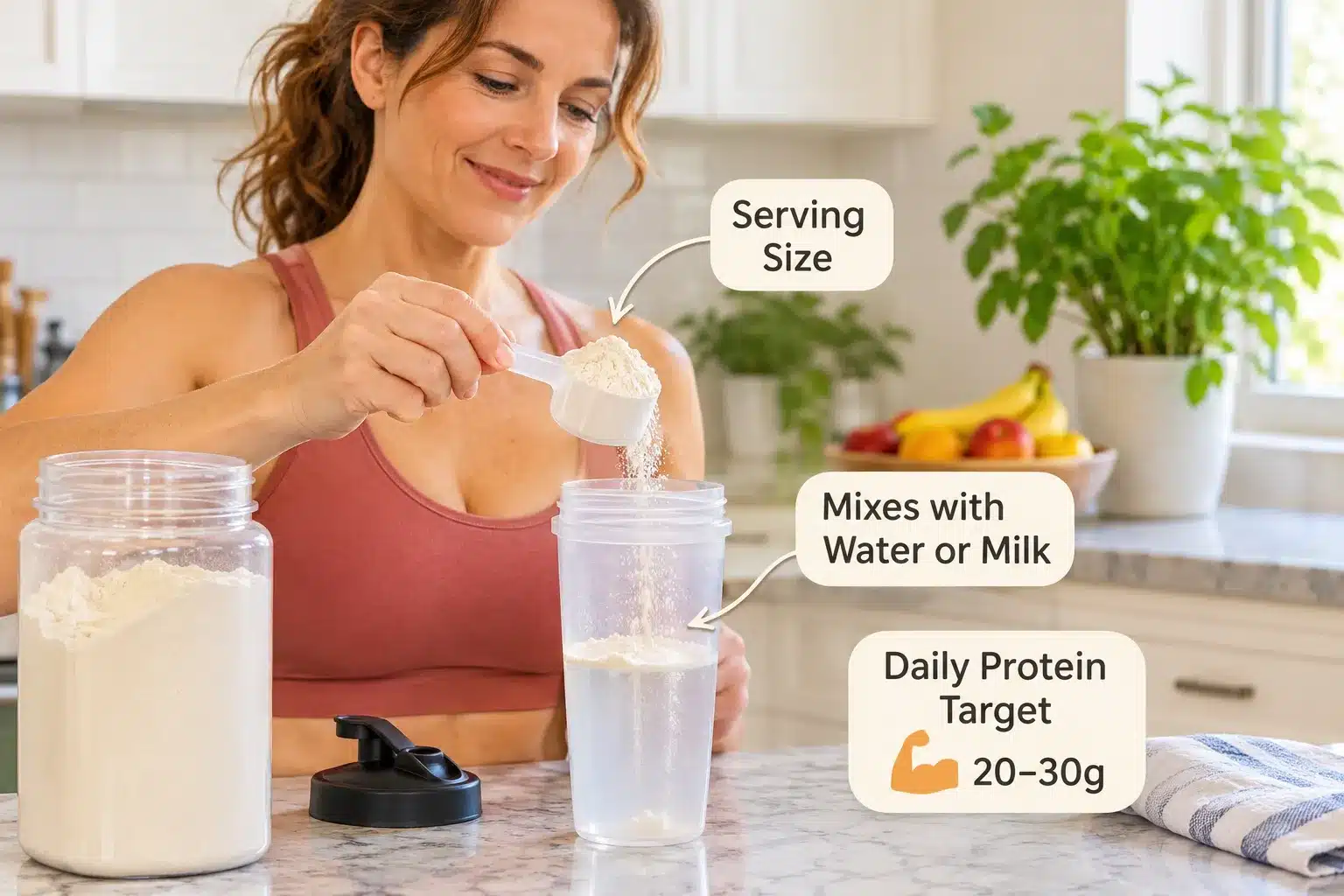
The most budget-friendly protein powder for weight loss is typically a basic whey concentrate or soy-based blend, since both are inexpensive per gram of protein compared to specialty formulas. Price differences between whey, casein, and plant protein are usually driven by processing, flavoring, and brand marketing rather than effectiveness.
Tips for stretching your budget:
- Buy unflavored or minimally flavored tubs, flavor systems add cost.
- Compare cost per gram of protein, not just price per container.
- Watch for bulk pricing at warehouse retailers.
- Store-brand whey concentrate often performs similarly to premium brands for weight-loss purposes.
If you’re also comparing the cost of prescription weight-loss treatments, see our breakdown of GLP-1 medication costs for a fuller picture of your options and budget.
Why Isn’t Protein Helping Me Lose Weight
Protein supplements don’t cause weight loss if your total daily calories still exceed what your body burns. The supplement is a tool to manage hunger and preserve muscle, it cannot override an energy surplus.
Common reasons protein powder “isn’t working”:
- You’re adding shakes on top of your normal meals instead of replacing less filling foods.
- Your overall diet still contains more calories than you burn.
- You’re underestimating liquid calories from milk, added sugars, or large portions.
- You expect protein alone to replace the need for a structured eating plan or activity.
Decision rule: if weight isn’t moving after several weeks, review total daily calories before blaming the protein source.
Is Casein Protein Good for Weight Loss or Just Whey
Casein protein can be a reasonable option for weight loss, particularly because its slow digestion may extend feelings of fullness, but current evidence does not show it clearly outperforms whey for fat loss. Direct, modern trials comparing casein against whey and plant protein specifically for weight loss remain limited[1].
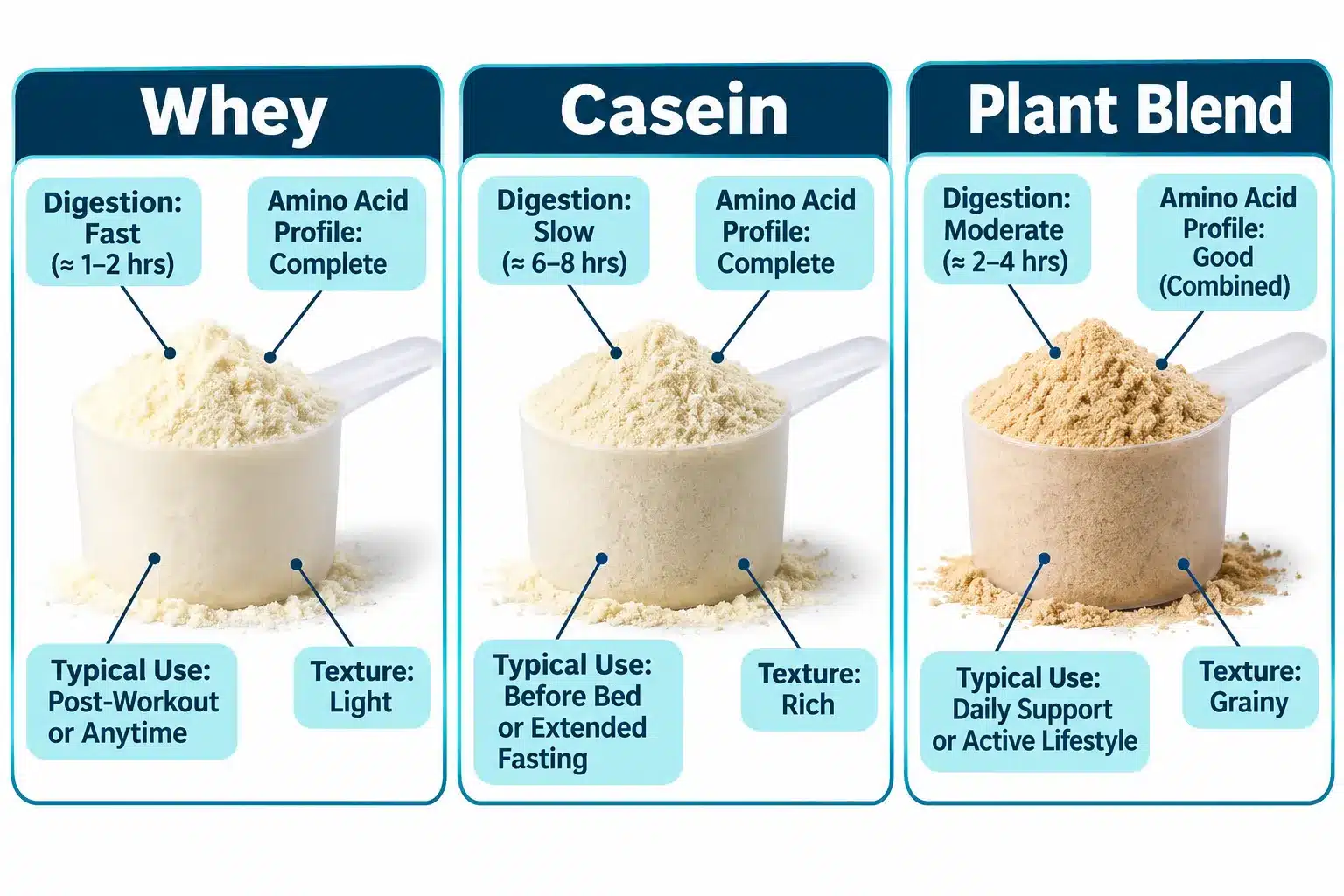
- Whey digests quickly, producing a faster rise in amino acids that may support short-term appetite control.
- Casein digests slowly, which may help with overnight or between-meal satiety.
- Plant proteins often fall somewhere in between digestion speeds.
Mechanistically these differences are real, but research suggests they translate into only small, clinically modest differences in actual weight-loss outcomes once total protein and calorie deficit are controlled[1].
What’s the Difference Between Protein Isolate and Concentrate for Weight Loss
Protein isolate is more heavily filtered, resulting in higher protein content per scoop and less fat, carbohydrate, and lactose, while concentrate retains more of these components and is usually cheaper. For weight loss, the practical difference is modest.
Choose isolate if: you’re tracking macros tightly or have mild lactose sensitivity.
Choose concentrate if: you want the lowest cost per serving and don’t have digestive issues with dairy.
Is Plant-Based Protein as Effective as Whey for Fat Loss
Plant-based protein appears to be about as effective as whey for fat loss when protein amount and total calories are matched. The 2024 review in Frontiers in Endocrinology specifically found no compelling evidence that animal protein sources lead to greater weight loss than plant sources[1].
This makes plant protein a solid option for:
- People who avoid dairy or animal products for ethical, religious, or digestive reasons.
- Anyone managing lactose intolerance.
- Readers who want added fiber, since many plant blends include pea, rice, or legume sources with natural fiber content.
Common mistake: assuming plant protein is automatically “cleaner” or more effective for weight loss. The evidence supports equivalence, not superiority[1].
How Long Does It Take to See Weight Loss Results From Protein
Most people following a structured diet with adequate protein intake begin noticing changes in body weight within 4 to 12 weeks, based on the timelines used in clinical research. The 12-week Kobe University trial is a useful reference point, since it reflects a realistic, moderate timeframe for assessing change[2][3].
- Short-term water-weight shifts can appear within days but are not fat loss.
- Meaningful fat loss typically requires consistent calorie deficit over several weeks.
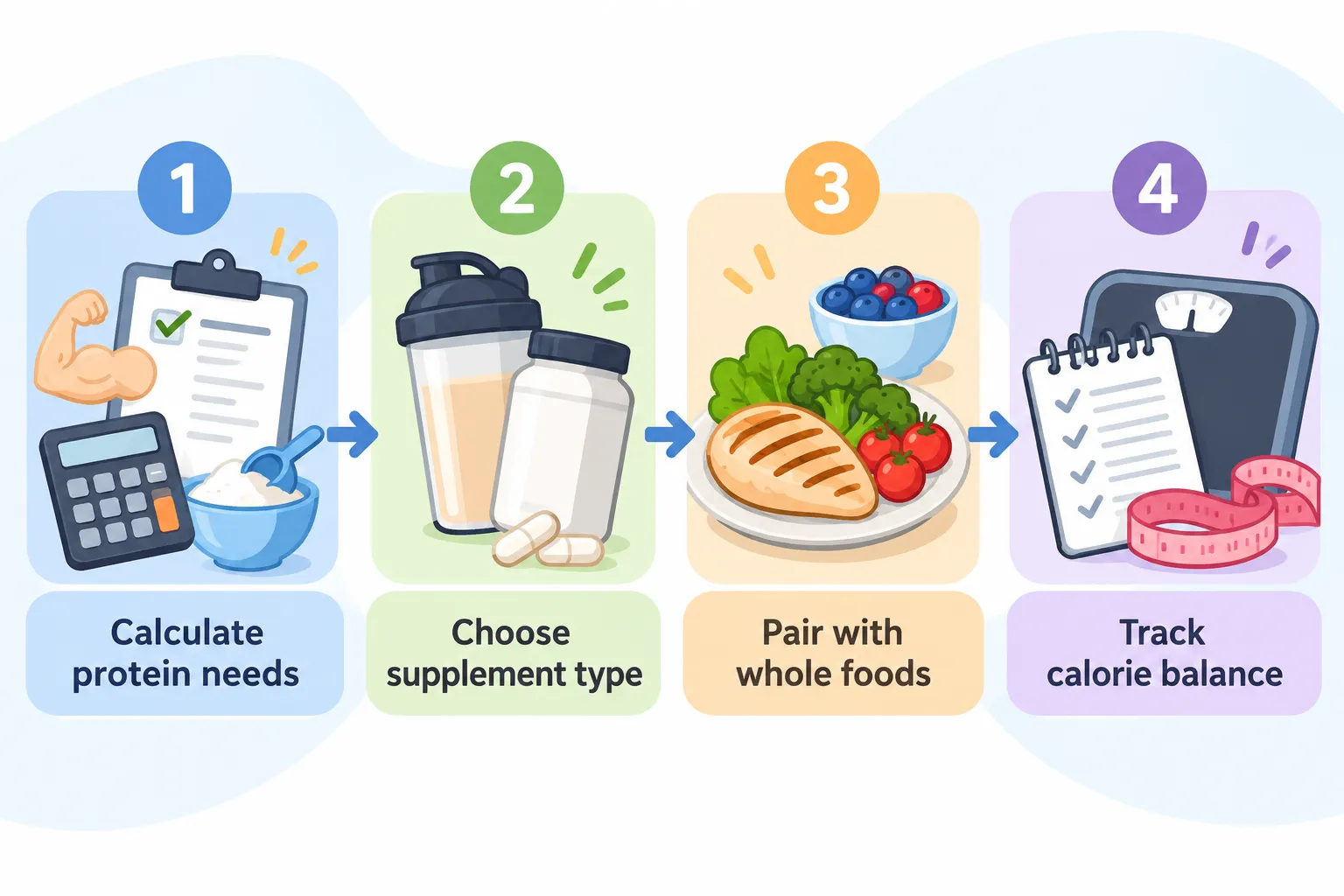
- Progress tracking (weight, waist measurement, how clothes fit) over a full month gives a clearer picture than daily scale checks.
Do I Need to Work Out If I’m Taking Protein Powder
You don’t strictly need to work out to lose weight with a protein supplement, but combining protein with resistance training produces the strongest documented benefits for fat loss and muscle preservation. A 2014 meta-analysis of 14 randomized trials found significant decreases in body weight and body fat when whey protein was paired with resistance training[4].
- Protein without exercise: supports appetite control and calorie reduction.
- Protein with resistance training: better supports muscle retention, which matters for long-term metabolic health.
- Protein with aerobic exercise: can support overall calorie burn alongside dietary changes.
Example: a 45-year-old cutting 300 daily calories while adding two weekly resistance sessions is more likely to preserve lean mass than someone relying on diet alone.
Common Mistakes People Make With Protein Supplements and Weight Loss
The most frequent mistake is treating protein powder as a stand-alone weight-loss product rather than a tool that supports a calorie-controlled diet. Other frequent errors include:
- Overestimating how “filling” a shake is compared to whole food, leading to extra snacking later.
- Choosing flavored or sweetened versions with hidden added sugars.
- Ignoring portion sizes of the liquid used to mix the powder (whole milk vs. water).
- Expecting fast results within days rather than the weeks typically needed.
- Switching protein types frequently, chasing marketing claims rather than sticking with a consistent plan.
Best Protein Sources for Weight Loss Besides Shakes
Whole-food protein sources can be just as effective as protein powder for weight loss, and many people find them more satisfying. Good options include:
- Eggs and egg whites
- Greek yogurt and cottage cheese
- Chicken breast, turkey, and lean cuts of beef
- Fish and shellfish
- Tofu, tempeh, lentils, and beans
- Edamame and other legumes
Decision rule: if you struggle with hunger between meals, whole-food protein with fiber (like beans or Greek yogurt) may keep you fuller longer than a quick shake.
Is Protein Powder Safe to Take Every Day for Weight Loss
For most healthy adults, moderate daily use of protein powder as part of a balanced diet is considered safe, but people with kidney disease, certain metabolic conditions, or other health concerns should check with a doctor first. Protein supplements are not reviewed by the FDA for safety and effectiveness the way prescription medications are, so quality can vary between brands.
- Stick to labeled serving sizes rather than doubling up for faster results.
- Choose products that have been third-party tested when possible.
- Talk to a healthcare provider if you have kidney issues, are pregnant, or are managing a chronic condition.
If you’re also researching prescription options for weight management, our overview of which GLP-1 medication may be best for weight loss covers eligibility and safety considerations in more detail.
Whey vs Casein vs Plant Protein: Quick Comparison
Frequently Asked Questions
Is whey protein better than plant protein for losing belly fat specifically?
No strong evidence shows either source targets belly fat differently. Overall calorie deficit and total body fat loss determine changes in waist size, not the protein source[1].
Can I mix whey, casein, and plant protein together?
Yes, combining protein sources is generally safe and simply adds up toward your total daily protein goal. There’s no evidence that mixing types improves weight-loss results beyond what adequate total protein provides.
Does protein powder replace a meal for weight loss?
A shake can replace a meal occasionally if it provides adequate protein and some fiber or fat, but relying on shakes for every meal isn’t a sustainable long-term strategy for most people.
Will protein powder help me lose weight faster than diet alone?
Protein powder may help by supporting fullness and muscle retention, but it works within a calorie deficit, it doesn’t replace the need for overall dietary changes.
Is casein protein bad for weight loss because it’s slow-digesting?
No, slow digestion isn’t a drawback for weight loss. It may actually help extend satiety, particularly when taken before bed or between meals.
Do I need a protein supplement if I eat enough protein from food?
Not necessarily. If your diet already includes enough protein-rich whole foods, a supplement is optional and mainly adds convenience, not extra weight-loss benefit.
Are plant proteins missing amino acids that whey has?
Some individual plant proteins have lower amounts of certain amino acids, but blended plant proteins (like pea plus rice) typically provide a more complete amino acid profile.
7 Best GLP-1 Providers Ranked: Accreditation, Flexibility & Support Compared (2026 Update)
32,000+ Patients Can't All Be Wrong: See the Top-Rated GLP-1 Providers: Compared on accreditation, plan flexibility, and patient support — updated for 2026.
BMI MD GLP-1 Microdosing Plan
- Specialized microdosing options (sublingual drops or low-dose injections)
- Ideal for maintaining weight or tapering off higher doses safely
- Fully bundled plan with no hidden monthly platform memberships
DirectMeds Weight Loss Solutions
- Sourced from accredited, state-licensed 503A compounding pharmacies
- No-frills high-volume savings passed directly to the patient
- Includes clinical consultation and cold-chain shipping updates
MEDVi Flat-Rate Telehealth
- Flat monthly rate holds steady even at maximum maintenance doses
- No dosage upcharges or graduation fee penalties
- Offers both injectable and advanced oral thin-film delivery options
Gala GLP-1 Care Program
- All-inclusive plan with no standalone membership costs
- Continuous text-based messaging access with state-licensed clinicians
- Temperature-controlled, cold-chain medication shipping included
Measured GLP-1 Metabolic Health
- Comprehensive metabolic health screening and expert intake analysis
- Predictable long-term budgeting with stable plan pricing
- High-end responsive dashboard with integrated diagnostic support
Refills GLP-1 (TryRefills Plan)
- Flat rate holds steady as titration scales up
- Includes clinical guides for active side-effect management
- Bundles in foundational nutritional strategies alongside medication
AltRx GLP-1 Transactional Reorders
- Zero recurring auto-billing — pay entirely on a transactional basis
- Rapid text-to-order format saves time for experienced patients
- Provides both injectable forms and fast-dissolving tablet variations
Conclusion
There is no single winner when it comes to what protein supplement is best for weight loss. Whey, casein, and plant protein all perform similarly when total protein intake and daily calories are controlled, based on the available research[1][2][3]. What matters more is choosing a protein source you’ll actually use consistently, pairing it with a reasonable calorie deficit, and, if possible, adding resistance training to protect muscle while you lose fat[4].
If you’re uncertain about your protein needs or considering additional weight-loss support, such as prescription options, talk with a healthcare provider who can review your full health picture. For readers exploring medical treatment alongside nutrition changes, our guides on semaglutide weight-loss injections and comparing top online GLP-1 providers offer additional context for building a complete plan.
References
- Frontiers in Endocrinology review, 2024. pmc.ncbi.nlm.nih.gov.
- 0100490260. da.lib.kobe-u.ac.jp.
- Kernel. da.lib.kobe-u.ac.jp.
- 07315724.2013.875365. tandfonline.com.
- Oby.22169. onlinelibrary.wiley.com.
- Pmc5918424. pmc.ncbi.nlm.nih.gov.
- Jn.111.139840. doi.org.
protein supplements, weight loss, whey protein, casein protein, plant protein, protein powder, fat loss, nutrition guide, GLP-1 medications, dietary supplements, muscle preservation, calorie deficit