
Which GLP-1 Is Best for Weight Loss: 7 Options Compared for 2026
Last updated: September 25, 2026
Quick Answer
For most patients seeking maximum weight loss, tirzepatide (Zepbound) is currently the strongest option, producing a greater average weight loss than semaglutide (Wegovy) in head-to-head clinical trials. Semaglutide remains the second-best choice and is more widely available. Which GLP-1 is best for weight loss depends on your health history, budget, and how your body responds to medication.
Key Takeaways
- Tirzepatide (Zepbound) produced roughly 20% body weight loss in clinical trials versus about 15% for semaglutide (Wegovy), making it the highest average weight loss option available in 2026.
- Both semaglutide and tirzepatide are FDA-approved specifically for chronic weight management in adults with obesity or overweight plus a weight-related condition.
- GLP-1 medications work by mimicking gut hormones that regulate appetite, slow stomach emptying, and signal fullness to the brain.
- Real-world results are smaller than clinical trial averages, with patients typically losing 10-15% body weight on tirzepatide and 8-12% on semaglutide outside of trial settings.
- Most side effects are gastrointestinal and manageable with slow dose titration; serious risks are rare but real.
- When you stop taking GLP-1s, most patients regain a significant portion of lost weight within one to two years without lifestyle maintenance.
- You do not need diabetes to qualify for GLP-1 medications approved for weight loss, but you do need a BMI of 30 or higher (or 27 with a weight-related health condition).
- Telehealth platforms have made medical weight loss programs more accessible and affordable than ever in 2026.
What Is a GLP-1 and How Does It Work for Weight Loss
GLP-1 stands for glucagon-like peptide-1, a hormone your gut naturally releases after you eat. GLP-1 medications mimic this hormone to reduce appetite, slow digestion, and help your body regulate blood sugar, all of which support significant weight loss over time.
7 Best GLP-1 Providers Ranked: Accreditation, Flexibility & Support Compared (2026 Update)
32,000+ Patients Can't All Be Wrong: See the Top-Rated GLP-1 Providers. We compared the leading online GLP-1 providers based on program features, clinical support, convenience, and overall value.
BMI MD GLP-1 Microdosing Plan
- Specialized microdosing options, including sublingual drops and low-dose injections
- Designed for people interested in maintaining weight or gradually adjusting treatment
- Bundled program structure without a separate monthly platform membership
- Online access makes the process convenient from home

DirectMeds Weight Loss Solutions
- Online weight-loss program with a straightforward patient experience
- Compounded medication options through state-licensed compounding pharmacies
- Includes clinical consultation as part of the process
- Provides shipping updates to help patients track their orders
MEDVi Flat-Rate Telehealth
- Flat-rate telehealth approach designed for easier budgeting
- No dosage-based pricing increases within the advertised program structure
- Offers injectable and oral thin-film delivery options
- Includes medical screening and asynchronous provider consultations
Gala GLP-1 Care Program
- Text-based access to state-licensed clinicians
- Cold-chain medication shipping included in the program
- Month-to-month program structure
- Designed for people who value convenient ongoing support
Measured GLP-1 Metabolic Health
- Comprehensive metabolic health screening and intake analysis
- Designed around longer-term metabolic health management
- Responsive dashboard with integrated health tracking tools
- Useful option for patients who value a more data-focused experience
Refills GLP-1 (TryRefills Plan)
- Clinical guidance designed to help patients manage common treatment concerns
- Includes foundational nutritional strategies alongside medication
- Designed around predictable ongoing treatment
- No hidden startup or processing fees according to the program information provided
AltRx GLP-1 Transactional Reorders
- Transactional reorder model without recurring auto-billing
- Designed for patients who already understand their treatment routine
- Fast text-to-order process for convenient reorders
- Offers injectable and fast-dissolving tablet variations
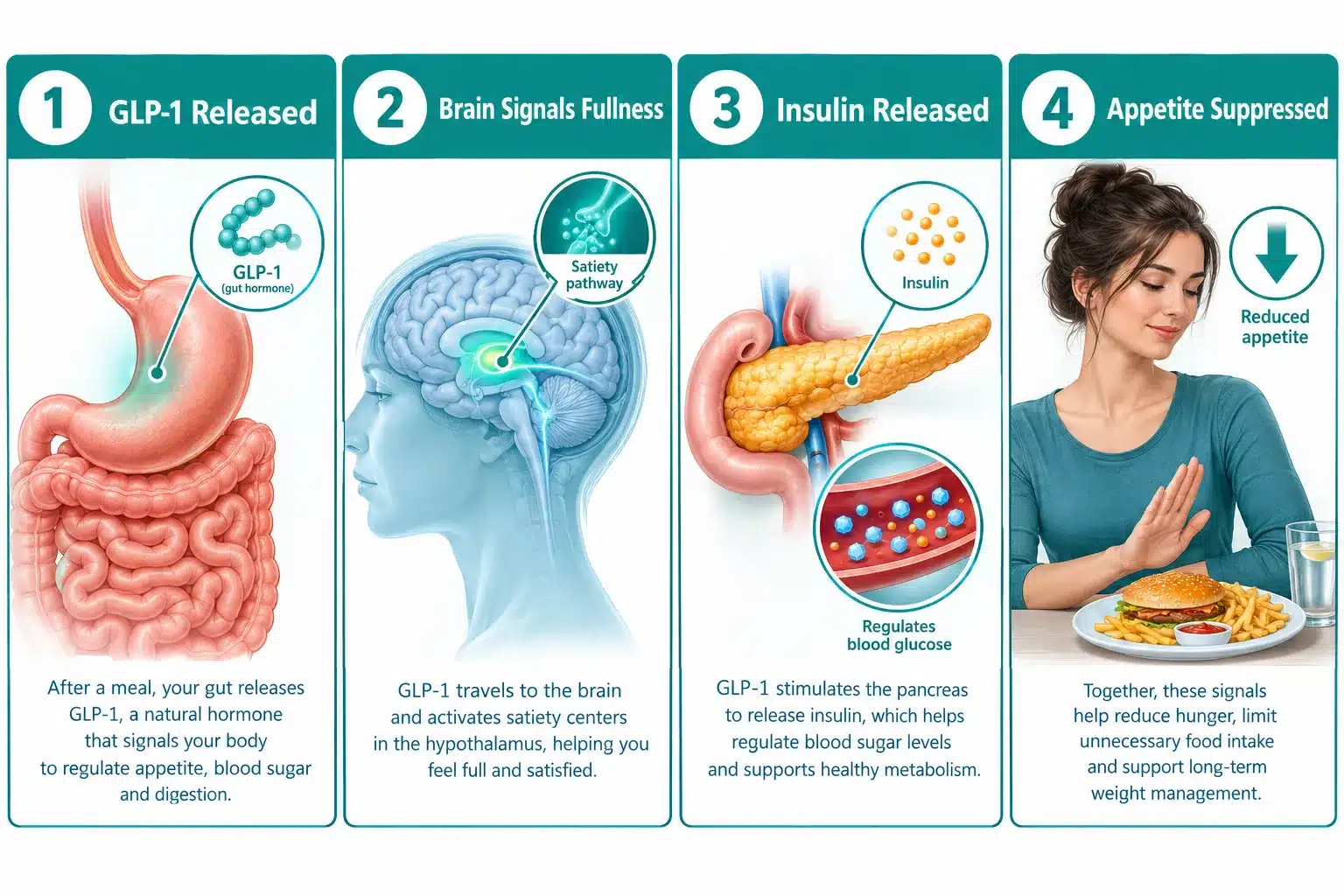
When you take a GLP-1 medication, it binds to GLP-1 receptors in your brain, pancreas, and digestive tract. In the brain, it signals satiety, meaning you feel full faster and stay full longer. In the pancreas, it stimulates insulin release when blood sugar rises. In the stomach, it slows how quickly food moves into the small intestine, which further dampens hunger signals. This multi-system action is why GLP-1s work so reliably for weight loss where diet alone often fails.
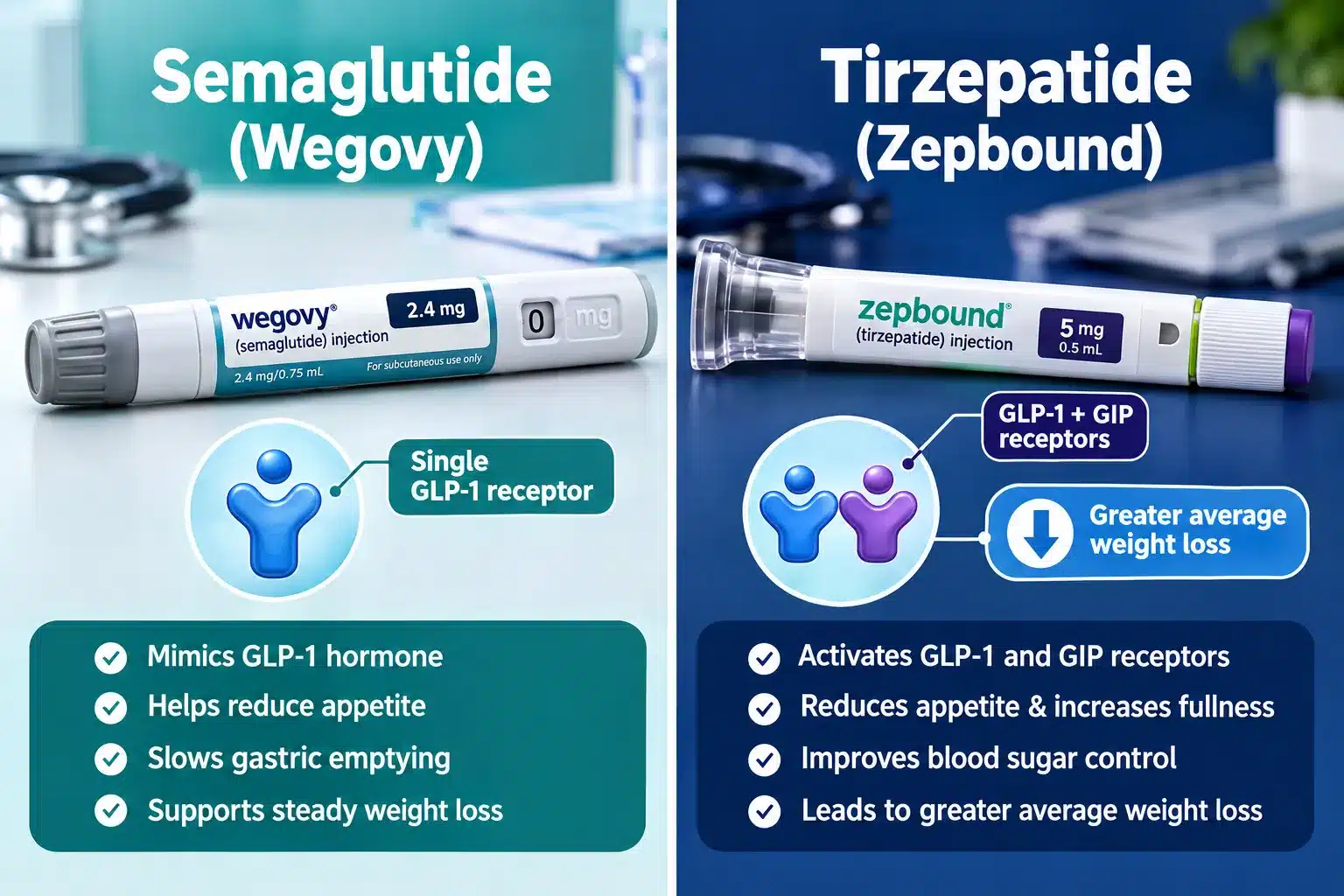
Tirzepatide, the active ingredient in Zepbound and Mounjaro, goes one step further. It is a dual GLP-1/GIP receptor agonist, meaning it activates both the GLP-1 receptor and the glucose-dependent insulinotropic polypeptide (GIP) receptor. This dual mechanism appears to produce additive effects on appetite suppression and fat metabolism, which explains why tirzepatide consistently outperforms single-receptor GLP-1s in clinical data.
For a deeper look at how these medications change your body composition over time, see our guide on GLP-1 transformation and what it really does to your body weight and metabolism.
Key mechanisms at a glance:
- Reduces appetite by acting on the hypothalamus
- Slows gastric emptying, extending the feeling of fullness
- Improves insulin sensitivity and glucose control
- Reduces food cravings, particularly for high-calorie foods
- Supports fat loss while preserving lean muscle mass when combined with adequate protein intake
Ozempic vs. Wegovy vs. Zepbound: Which GLP-1 Is Best for Weight Loss
Tirzepatide (Zepbound) leads the class for weight loss efficacy, followed by semaglutide (Wegovy), then liraglutide (Saxenda). Ozempic contains the same active ingredient as Wegovy but is FDA-approved for type 2 diabetes, not weight loss, so it is prescribed off-label for that purpose.
Here is how the seven most-discussed GLP-1 options compare in 2026:
| Medication | Brand(s) | FDA-Approved for Weight Loss | Avg. Trial Weight Loss | Dosing |
|---|---|---|---|---|
| Tirzepatide | Zepbound, Mounjaro | Yes (Zepbound) | ~20% body weight | Weekly injection |
| Semaglutide | Wegovy, Ozempic | Yes (Wegovy) | ~15% body weight | Weekly injection |
| Liraglutide | Saxenda, Victoza | Yes (Saxenda) | ~5-8% body weight | Daily injection |
| Dulaglutide | Trulicity | No (diabetes only) | ~3-5% body weight | Weekly injection |
| Exenatide | Byetta, Bydureon | No (diabetes only) | ~2-4% body weight | Daily or weekly |
| Oral Semaglutide | Rybelsus | No (diabetes only) | ~5% body weight | Daily pill |
| Cagrisema (emerging) | Investigational | Not yet approved | ~25%+ body weight | Weekly injection |
Ozempic vs. Wegovy: Both contain semaglutide, but Wegovy is dosed at up to 2.4 mg weekly while Ozempic tops out at 2.0 mg for diabetes. Wegovy is the version you want for a dedicated medical weight loss program.
Zepbound vs. Mounjaro: Both contain tirzepatide. Zepbound is FDA-approved for obesity treatment; Mounjaro is approved for type 2 diabetes. Clinically, they are the same medication at the same doses.
According to the SURMOUNT-5 head-to-head trial published in 2025, patients on tirzepatide lost significantly more weight than those on semaglutide over 72 weeks, confirming tirzepatide’s position at the top of the GLP-1 class for weight loss goals.
For a detailed breakdown of costs across these brands, see our GLP-1 price per month comparison for Wegovy, Zepbound, and new oral options.
How Much Weight Can You Lose on GLP-1 Drugs
Clinical trials show that patients on tirzepatide lose an average of about 20% of their body weight, while those on semaglutide lose roughly 15%, but real-world results tend to be lower. A 2025 Cleveland Clinic study found that injectable GLP-1 medications produce smaller weight loss in real-world settings compared to randomized trials, with patients typically achieving 10-15% loss on tirzepatide and 8-12% on semaglutide.
Several factors affect how much weight you lose on GLP-1s:
- Starting BMI: Patients with higher starting weights often lose more in absolute pounds but similar percentages.
- Dose reached: Patients who titrate to the highest dose tend to see the greatest average weight loss.
- Diet and exercise: GLP-1 medications are not a standalone fix. Patients who pair them with a calorie-conscious diet and regular movement consistently achieve better results.
- Duration of treatment: Most clinical trials run 68 to 72 weeks. Weight loss continues to accumulate over that time, with the most rapid loss occurring in the first six months.
- Individual response: Some patients are non-responders or partial responders. If you haven’t lost at least 5% of your body weight after 12 weeks on an adequate dose, your provider may recommend switching medications.
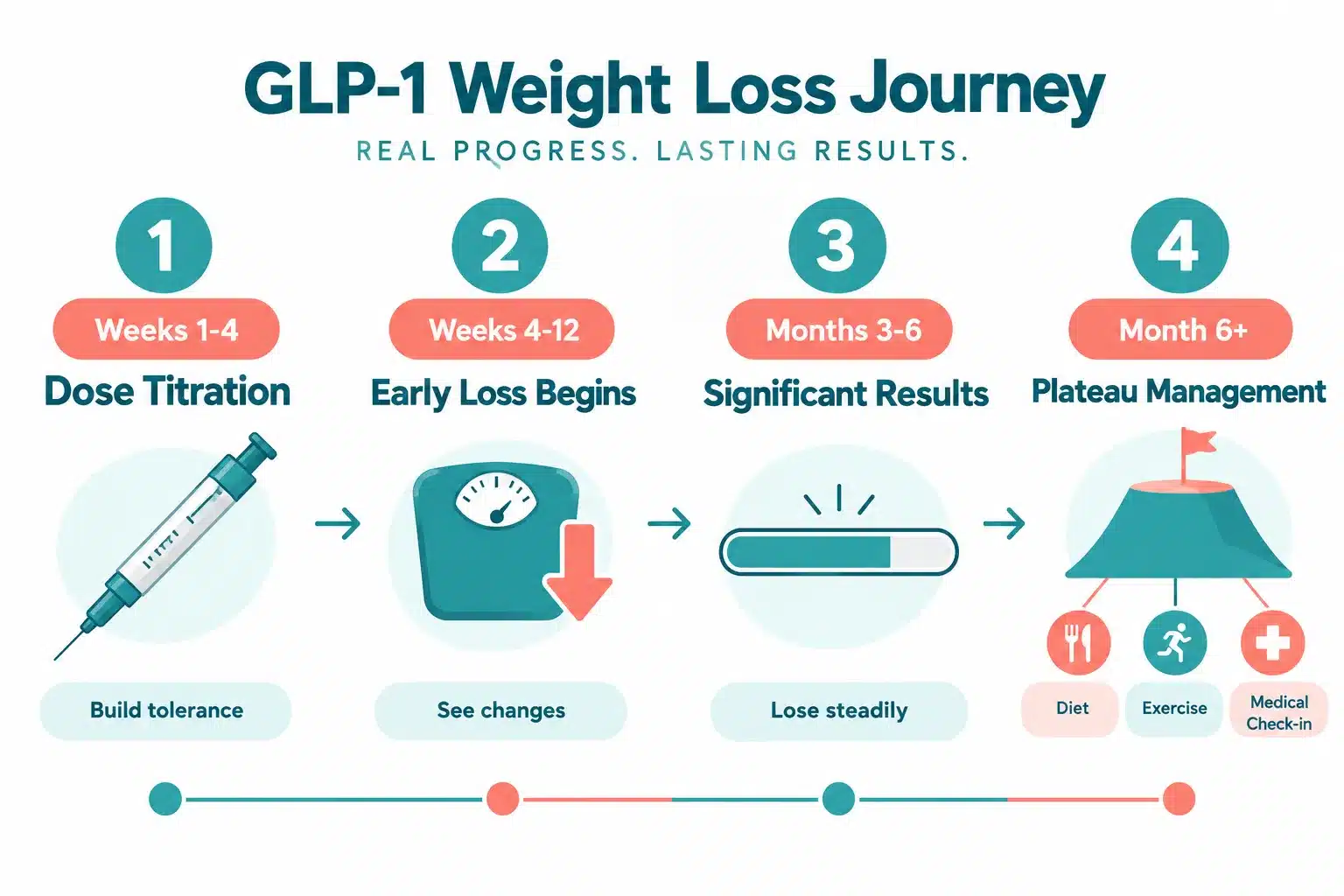
Realistic timeline expectations:
- Weeks 1-4: Dose titration, mild appetite changes, minimal scale movement
- Weeks 4-12: Noticeable appetite suppression, 5-8% weight loss common
- Months 3-6: Accelerated loss phase, most patients hit their first major milestone
- Months 6-12: Continued but slower loss, plateau risk increases
- Month 12+: Maintenance phase, focus shifts to sustaining results
Who Is a Good Fit for GLP-1 Medications
GLP-1 medications are FDA-approved for adults with a BMI of 30 or higher, or a BMI of 27 or higher with at least one weight-related health condition such as type 2 diabetes, high blood pressure, or sleep apnea. You do not need diabetes to qualify for weight-loss-approved GLP-1s like Wegovy or Zepbound.
You may be a good candidate if you:
- Have tried diet and exercise without achieving sustainable weight loss
- Have a BMI that meets the FDA threshold listed above
- Don’t have a personal or family history of medullary thyroid carcinoma or multiple endocrine neoplasia syndrome type 2 (MEN 2)
- Are not pregnant or planning to become pregnant (GLP-1s are contraindicated in pregnancy)
- Don’t have a history of pancreatitis that would make GLP-1 use risky
- Are willing to commit to regular medical follow-up and lifestyle changes
GLP-1s may not be right if you:
- Are currently pregnant or breastfeeding
- Have a history of certain thyroid cancers
- Have severe gastroparesis
- Are seeking a short-term fix without lifestyle changes
- Cannot afford ongoing treatment without a clear plan for insurance or cost management
For patients with type 2 diabetes who also want to lose weight, semaglutide (Ozempic/Wegovy) and tirzepatide (Mounjaro/Zepbound) are both excellent choices and may provide cardiovascular benefits beyond weight loss. The BMJ published data showing semaglutide’s cardiovascular protective effects in patients with obesity and established heart disease.
If you’re unsure whether you qualify, our guide on which GLP-1 medication works best for weight loss walks through eligibility criteria in more detail.
GLP-1 Side Effects and How to Manage Them
The most common side effects of GLP-1 medications are nausea, vomiting, diarrhea, and constipation, all of which are typically mild to moderate and improve as your body adjusts. Serious side effects are rare but include pancreatitis, gallbladder disease, and a theoretical risk of thyroid tumors seen in animal studies.
Common side effects and how to manage them:
- Nausea: The most reported complaint, especially early in treatment. Eating smaller meals, avoiding high-fat foods, and staying upright after eating all help. Slow dose titration is the single most effective prevention strategy.
- Vomiting: Usually linked to eating too much or too fast. Patients who slow down and eat smaller portions rarely experience this after the first few weeks.
- Diarrhea or constipation: Staying hydrated and maintaining fiber intake helps regulate digestion. Both tend to resolve within the first month.
- Fatigue: Some patients feel tired during the first few weeks. This often resolves as the body adapts.
- Hair thinning: Rapid weight loss of any kind can cause temporary hair shedding (telogen effluvium). This is not specific to GLP-1s and typically reverses within six months.
Rare but serious risks to discuss with your provider:
- Acute pancreatitis
- Gallstones or cholecystitis
- Kidney injury (usually related to dehydration from vomiting)
- Diabetic retinopathy worsening (in patients with existing eye disease)
- Thyroid C-cell tumors (seen in rodents; human risk remains under study)
Stanford Medicine’s 2026 GLP-1 safety overview notes that for most patients, the benefits of significant weight loss far outweigh these risks, particularly when treatment is supervised by a qualified medical provider.
Which GLP-1 has the fewest side effects? Liraglutide (Saxenda) has a longer track record and some patients tolerate its daily dosing better, but tirzepatide at lower doses has shown a favorable tolerability profile in trials. Individual response varies significantly.
How Much Does GLP-1 Cost With and Without Insurance
Brand-name GLP-1 medications are expensive without insurance, with Wegovy and Zepbound listing at over $1,000 per month at retail pharmacies. However, compounded semaglutide and tirzepatide from licensed compounding pharmacies have significantly reduced out-of-pocket costs for many patients, often to $200-$400 per month.
Cost breakdown in 2026:
- Wegovy (brand): Approximately $1,349/month without insurance; manufacturer savings cards may reduce this for eligible patients
- Zepbound (brand): Approximately $1,059/month without insurance; Lilly’s direct-to-patient program offers lower pricing
- Compounded semaglutide: Typically $150-$350/month through licensed telehealth platforms
- Compounded tirzepatide: Typically $250-$450/month through licensed providers
- Saxenda (liraglutide): Approximately $1,400/month brand; generic not yet widely available
Insurance coverage for weight loss medications has improved but remains inconsistent. Medicare Part D now covers FDA-approved obesity medications for patients with cardiovascular disease following the SELECT trial results. Many commercial plans cover Wegovy or Zepbound with prior authorization.
For patients looking to reduce costs, our least expensive GLP-1 for weight loss guide compares affordable options including compounded versions and telehealth programs. You can also explore our cheapest online GLP-1 providers compared for current pricing across major platforms.
Important note on compounded GLP-1s: The FDA has updated rules on compounded semaglutide as brand supply has stabilized. Before purchasing compounded versions, review the latest FDA rules on compounded semaglutide for 2026 to ensure you’re using a compliant pharmacy.
How to Get the Most Out of Your GLP-1 Treatment
GLP-1 medications work best when combined with consistent lifestyle changes, regular medical oversight, and realistic expectations about the pace of loss. Patients who treat GLP-1s as a tool rather than a complete solution consistently achieve better and more sustainable results.

Strategies that improve outcomes:
- Prioritize protein. Aim for at least 0.7-1.0 grams of protein per pound of lean body mass daily. This helps preserve muscle during rapid weight loss.
- Resistance training. Strength training two to three times per week protects lean mass and improves metabolic rate, which tends to slow with significant weight loss.
- Slow dose titration. Don’t rush to the highest dose. Staying at a comfortable dose longer reduces side effects and improves long-term adherence.
- Stay hydrated. Reduced appetite can also reduce thirst awareness. Aim for at least 64 ounces of water daily.
- Work with a medical provider. Regular check-ins allow for dose adjustments, side effect management, and monitoring of key health markers. This is where medical weight loss programs earn their value.
- Address behavioral patterns. GLP-1s reduce physiological hunger, but emotional eating, stress eating, and habitual eating often persist. Behavioral support or counseling can help bridge that gap.
Common mistakes patients make:
- Eating large meals and expecting the medication to compensate
- Stopping the medication abruptly when they feel they’ve reached their goal
- Skipping meals entirely, which can lead to nutrient deficiencies
- Not reporting side effects to their provider, leading to unnecessary discontinuation
- Expecting clinical trial results in real-world conditions without the same level of dietary support
For those exploring the Shine Medical Aesthetics approach or similar medical aesthetics practices that have expanded into GLP-1 weight loss programming, the combination of aesthetic treatments and medically supervised weight loss has become a popular model in the aesthetics industry. Many patients feel confident walking into their aesthetics provider knowing that the same clinical team overseeing their skin and aesthetics care is also managing their weight loss journey.
What Happens When You Stop Taking GLP-1s
Most patients regain a significant portion of lost weight after stopping GLP-1 medications, because the underlying hormonal drivers of obesity do not change when the medication is withdrawn. Studies show that patients regain roughly two-thirds of lost weight within one to two years of stopping semaglutide without continued lifestyle intervention.
This is not a failure of the patient. Obesity is a chronic condition with strong biological drivers, and GLP-1 medications address those drivers pharmacologically. When the medication stops, those drivers return.
Research published in 2025 on SURMOUNT-5 reinforces that tirzepatide’s superior results during treatment do not exempt patients from this rebound effect. Weight regain after stopping is a class-wide phenomenon, not specific to one drug.
What to do instead of stopping cold:
- Work with your provider on a maintenance dose strategy rather than full discontinuation
- Intensify lifestyle habits in the months before tapering
- Consider whether the long-term health benefits of staying on medication outweigh the cost
- If cost is the barrier, explore lower-dose maintenance protocols or compounded alternatives
- Monitor weight weekly and restart treatment early if regain begins
The question of whether GLP-1 therapy should be lifelong is one of the most important conversations in obesity medicine right now. For many patients, the answer is yes, in the same way that someone with hypertension stays on blood pressure medication indefinitely.
GLP-1 Not Working for Weight Loss: What to Do
If you’ve been on a GLP-1 medication for 12 weeks at an adequate dose and haven’t lost at least 5% of your body weight, the medication may not be the right fit, or other factors may be undermining your results. This affects a meaningful minority of patients and is worth addressing directly with your medical team.
Reasons GLP-1s may underperform:
- You haven’t reached a therapeutic dose yet (titration takes time)
- Dietary habits are offsetting the appetite suppression
- An underlying condition like hypothyroidism or insulin resistance is slowing progress
- The specific medication isn’t the right match for your biology
- Sleep deprivation or chronic stress is elevating cortisol and driving compensatory hunger
Steps to take:
- Review your dose with your provider. Many patients need to reach the highest approved dose before seeing full effects.
- Track food intake honestly for two weeks. GLP-1s reduce appetite but don’t eliminate caloric intake entirely.
- Get lab work done. Thyroid function, fasting insulin, and cortisol levels can reveal hidden barriers.
- Consider switching medications. If semaglutide isn’t producing results, tirzepatide’s dual-receptor mechanism may work better for you.
- Add structured exercise. Even 30 minutes of walking daily can break a weight loss plateau.
For patients who’ve plateaued specifically on semaglutide, our semaglutide dosage guide for weight loss covers titration strategies and what to discuss with your provider.
GLP-1 for Weight Loss: Who It’s Right For and Who Should Avoid It
GLP-1 medications are right for adults with clinically significant obesity who have not achieved adequate results through diet and exercise alone, and who don’t have contraindications like a history of medullary thyroid cancer or active pancreatitis. They are not appropriate during pregnancy, and patients planning to become pregnant should stop treatment well in advance.
Choose GLP-1s if:
- Your BMI is 30+ (or 27+ with a weight-related condition)
- You want to lose weight and improve metabolic health simultaneously
- You have type 2 diabetes and want a medication that addresses both glucose control and weight
- You’re looking for a medically supervised, evidence-based approach
- You’re prepared for weekly injections and regular provider check-ins
Consider alternatives if:
- You prefer non-injectable options (oral semaglutide exists but has lower efficacy for weight loss)
- You’re exploring GLP-1 weight loss drops or GLP-1 weight loss pills as alternatives, note that over-the-counter products marketed as “GLP-1 boosters” are not the same as prescription GLP-1 medications and lack the same clinical evidence
- You have contraindications that rule out the medication class entirely
- Cost is prohibitive and no affordable access pathway exists for you
The Frontiers in Nutrition 2025 systematic review confirms that tirzepatide and semaglutide clearly lead the class for weight loss outcomes, reinforcing their position as the preferred GLP-1s for patients whose primary goal is losing weight.
The Future of GLP-1s: What’s Coming Next
The GLP-1 class is evolving rapidly, with next-generation agents that may outperform even tirzepatide. Cagrisema, a combination of cagrilintide and semaglutide, has shown weight loss of 25% or more in early trials, potentially setting a new ceiling for pharmacological weight loss. Triple-receptor agonists targeting GLP-1, GIP, and glucagon receptors are also in development.
The 2026 network meta-analysis published in PMC provides a quantitative comparison of current options and confirms tirzepatide’s edge, while also noting that the pipeline of next-generation incretin therapies is likely to further shift clinical decision-making within the next two to three years.
For patients starting treatment today, this means the decision about which GLP-1 is best for weight loss may look different in two years. Starting with the best currently available option, tirzepatide for those who can access it, while staying informed about emerging treatments is the most practical approach.
The aesthetics industry has also embraced this shift. Practices like Shine Medical Aesthetics, which have over years of experience in medical aesthetics and helping people feel confident in their skin, now offer GLP-1 weight loss programs alongside treatments like dermal fillers, PRP, and bioidentical hormone replacement therapy. This integration reflects a broader recognition that weight loss and aesthetics goals are deeply connected, and that patients benefit when their medical weight loss journey is supported by a team that understands both.
Frequently Asked Questions
Which GLP-1 has the fewest side effects?
Liraglutide (Saxenda) has the longest safety track record and some patients tolerate its daily low-dose format well. Among weekly injectables, tirzepatide at starting doses has shown a favorable side effect profile in trials. Individual tolerance varies, and slow dose titration is the most reliable way to minimize gastrointestinal side effects regardless of which medication you choose.
Which GLP-1 makes you lose the most weight?
Tirzepatide (Zepbound) produces the highest average weight loss of any currently approved GLP-1 medication, with clinical trial participants losing approximately 20% of body weight at the highest dose over 72 weeks. This is meaningfully greater than the roughly 15% average seen with semaglutide (Wegovy) in comparable trials, as confirmed by the SURMOUNT-5 head-to-head trial.
Which is safer, Ozempic or Zepbound?
Both Ozempic (semaglutide) and Zepbound (tirzepatide) have strong safety profiles and are well-tolerated by most patients. Ozempic has a longer post-approval safety record due to its earlier launch date. Zepbound’s safety data from large clinical trials is robust, and no meaningful difference in serious adverse events has emerged between the two. The choice between them should be based on efficacy goals and individual health history, not safety alone.
Which GLP-1 is the safest for weight loss?
All FDA-approved GLP-1 medications for weight loss, including Wegovy, Zepbound, and Saxenda, have been evaluated in large clinical trials and are considered safe for appropriate patients under medical supervision. Liraglutide (Saxenda) has the longest post-market safety record. Semaglutide and tirzepatide have additional cardiovascular safety data supporting their use. The “safest” choice depends on your individual health profile, which is why medical oversight matters in any GLP-1 weight loss program.
7 Best GLP-1 Providers Ranked: Accreditation, Flexibility & Support Compared (2026 Update)
32,000+ Patients Can't All Be Wrong: See the Top-Rated GLP-1 Providers: Compared on accreditation, plan flexibility, and patient support — updated for 2026.
BMI MD GLP-1 Microdosing Plan
- Specialized microdosing options (sublingual drops or low-dose injections)
- Ideal for maintaining weight or tapering off higher doses safely
- Fully bundled plan with no hidden monthly platform memberships
DirectMeds Weight Loss Solutions
- Sourced from accredited, state-licensed 503A compounding pharmacies
- No-frills high-volume savings passed directly to the patient
- Includes clinical consultation and cold-chain shipping updates
MEDVi Flat-Rate Telehealth
- Flat monthly rate holds steady even at maximum maintenance doses
- No dosage upcharges or graduation fee penalties
- Offers both injectable and advanced oral thin-film delivery options
Gala GLP-1 Care Program
- All-inclusive plan with no standalone membership costs
- Continuous text-based messaging access with state-licensed clinicians
- Temperature-controlled, cold-chain medication shipping included
Measured GLP-1 Metabolic Health
- Comprehensive metabolic health screening and expert intake analysis
- Predictable long-term budgeting with stable plan pricing
- High-end responsive dashboard with integrated diagnostic support
Refills GLP-1 (TryRefills Plan)
- Flat rate holds steady as titration scales up
- Includes clinical guides for active side-effect management
- Bundles in foundational nutritional strategies alongside medication
AltRx GLP-1 Transactional Reorders
- Zero recurring auto-billing — pay entirely on a transactional basis
- Rapid text-to-order format saves time for experienced patients
- Provides both injectable forms and fast-dissolving tablet variations
Conclusion
Deciding which GLP-1 is best for weight loss comes down to three practical questions: How much weight do you need to lose? What can you access and afford? And what does your health history allow?
For most patients in 2026, tirzepatide (Zepbound) is the strongest option if efficacy is the priority. It produces the highest average weight loss, works through a dual GLP-1/GIP mechanism that single-receptor drugs can’t match, and has robust clinical and real-world data behind it. Semaglutide (Wegovy) is an excellent second choice with a longer track record and often better insurance coverage.
Neither medication works in isolation. The patients who achieve the best results treat GLP-1s as one component of a broader medical weight loss strategy that includes nutrition, movement, behavioral support, and regular clinical oversight.
Here are your actionable next steps:
- Check your eligibility. BMI of 30+, or 27+ with a weight-related condition, is the baseline for FDA-approved GLP-1 weight loss medications.
- Consult a medical provider. Telehealth platforms have made this faster and more affordable than ever. A licensed provider can assess your health history and recommend the right medication.
- Compare costs before you commit. Brand-name pricing is high, but compounded options and manufacturer programs can bring monthly costs down significantly.
- Set realistic expectations. Clinical trial numbers are best-case scenarios. Real-world results are meaningful but more modest.
- Plan for the long term. GLP-1 therapy for obesity is often a long-term commitment. Build a maintenance strategy from day one.
For more guidance on finding the most affordable path to GLP-1 treatment, explore our RX medications for weight loss complete 2026 guide and our comparison of the best GLP-1 options under $300 per month.


