
Best Vitamins to Take While on GLP-1: Expert Guide (2026)


You’re finally shedding pounds on semaglutide or tirzepatide—but the fatigue, hair shedding, and constipation are making you wonder if the trade-off is worth it. The truth is, GLP-1 drugs don’t just suppress your appetite; they drastically reduce your nutrient intake, creating deficiencies that can stall your progress and drain your energy.
In this expert-backed 2026 guide, we break down the best vitamins to take while on GLP-1 to ensure you stay energized, nourished, and healthy every step of the way. Keep reading to find out which nutrients you’re likely missing and exactly how to take them for maximum absorption.
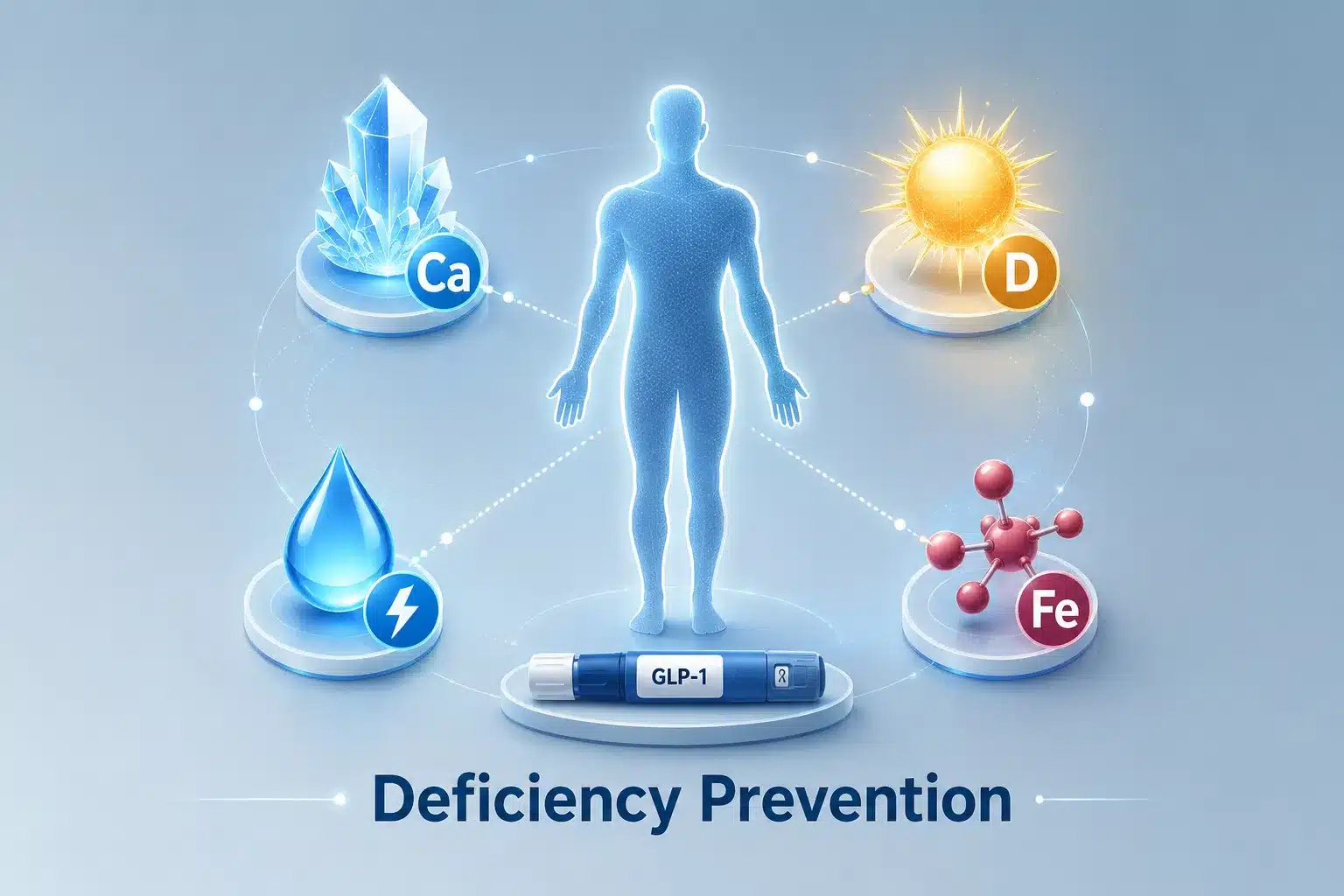
The best vitamins to take while on GLP-1 medications include vitamin B12, vitamin D, calcium, iron, and magnesium. Because GLP-1 drugs like semaglutide and tirzepatide significantly reduce food intake, nutrient deficiencies are a real and underappreciated risk. Supplementing strategically, ideally under a doctor’s guidance, helps protect your energy, bone density, and long-term health during weight loss.
7 Best GLP-1 Providers Ranked: Accreditation, Flexibility & Support Compared (2026 Update)
32,000+ Patients Can't All Be Wrong: See the Top-Rated GLP-1 Providers. We compared the leading online GLP-1 providers based on program features, clinical support, convenience, and overall value.
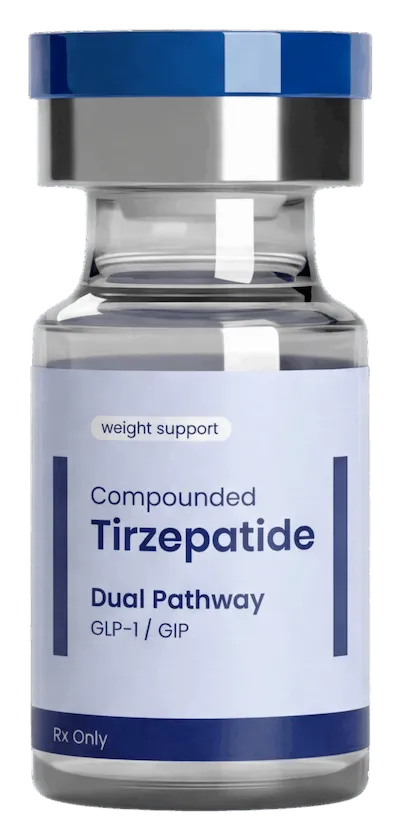
BMI MD GLP-1 Microdosing Plan
- Specialized microdosing options, including sublingual drops and low-dose injections
- Designed for people interested in maintaining weight or gradually adjusting treatment
- Bundled program structure without a separate monthly platform membership
- Online access makes the process convenient from home

DirectMeds Weight Loss Solutions
- Online weight-loss program with a straightforward patient experience
- Compounded medication options through state-licensed compounding pharmacies
- Includes clinical consultation as part of the process
- Provides shipping updates to help patients track their orders
MEDVi Flat-Rate Telehealth
- Flat-rate telehealth approach designed for easier budgeting
- No dosage-based pricing increases within the advertised program structure
- Offers injectable and oral thin-film delivery options
- Includes medical screening and asynchronous provider consultations
Gala GLP-1 Care Program
- Text-based access to state-licensed clinicians
- Cold-chain medication shipping included in the program
- Month-to-month program structure
- Designed for people who value convenient ongoing support
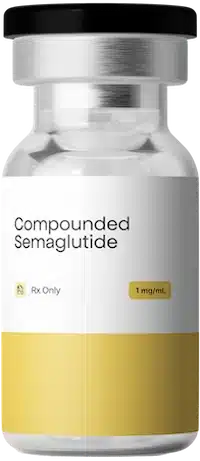
Measured GLP-1 Metabolic Health
- Comprehensive metabolic health screening and intake analysis
- Designed around longer-term metabolic health management
- Responsive dashboard with integrated health tracking tools
- Useful option for patients who value a more data-focused experience
Refills GLP-1 (TryRefills Plan)
- Clinical guidance designed to help patients manage common treatment concerns
- Includes foundational nutritional strategies alongside medication
- Designed around predictable ongoing treatment
- No hidden startup or processing fees according to the program information provided
AltRx GLP-1 Transactional Reorders
- Transactional reorder model without recurring auto-billing
- Designed for patients who already understand their treatment routine
- Fast text-to-order process for convenient reorders
- Offers injectable and fast-dissolving tablet variations
Key Takeaways
- GLP-1 medications reduce appetite so much that many users consume too little food to meet daily nutrient requirements, making targeted supplementation essential.
- Vitamin B12 is the single most important supplement for most GLP-1 users because reduced food intake and, in some cases, reduced stomach acid can impair absorption.
- Vitamin D and calcium work together to protect bone density, which can decline during rapid weight loss on GLP-1 drugs.
- Iron deficiency is a genuine risk, especially for women, because GLP-1 users often eat less red meat and fewer iron-rich foods.
- Magnesium and electrolytes (sodium, potassium) help prevent fatigue, muscle cramps, and constipation, which are common GLP-1 side effects.
- A high-quality multivitamin can serve as a useful nutritional safety net, but it rarely replaces targeted individual supplements for B12 or iron.
- Timing matters: take fat-soluble vitamins (D, K, A, E) with a meal that contains some fat, and separate iron from calcium by at least two hours.
- Always tell your prescribing provider which supplements you are taking, as some can interact with medications or affect lab results.
- Nutrient needs vary by individual, so baseline blood work before starting a GLP-1 drug is the best way to identify your specific gaps.
- If you are exploring GLP-1 programs, our guide to affordable GLP-1 weight loss programs covers the most cost-effective options in 2026.
What Vitamins Should I Take With Ozempic or Wegovy?
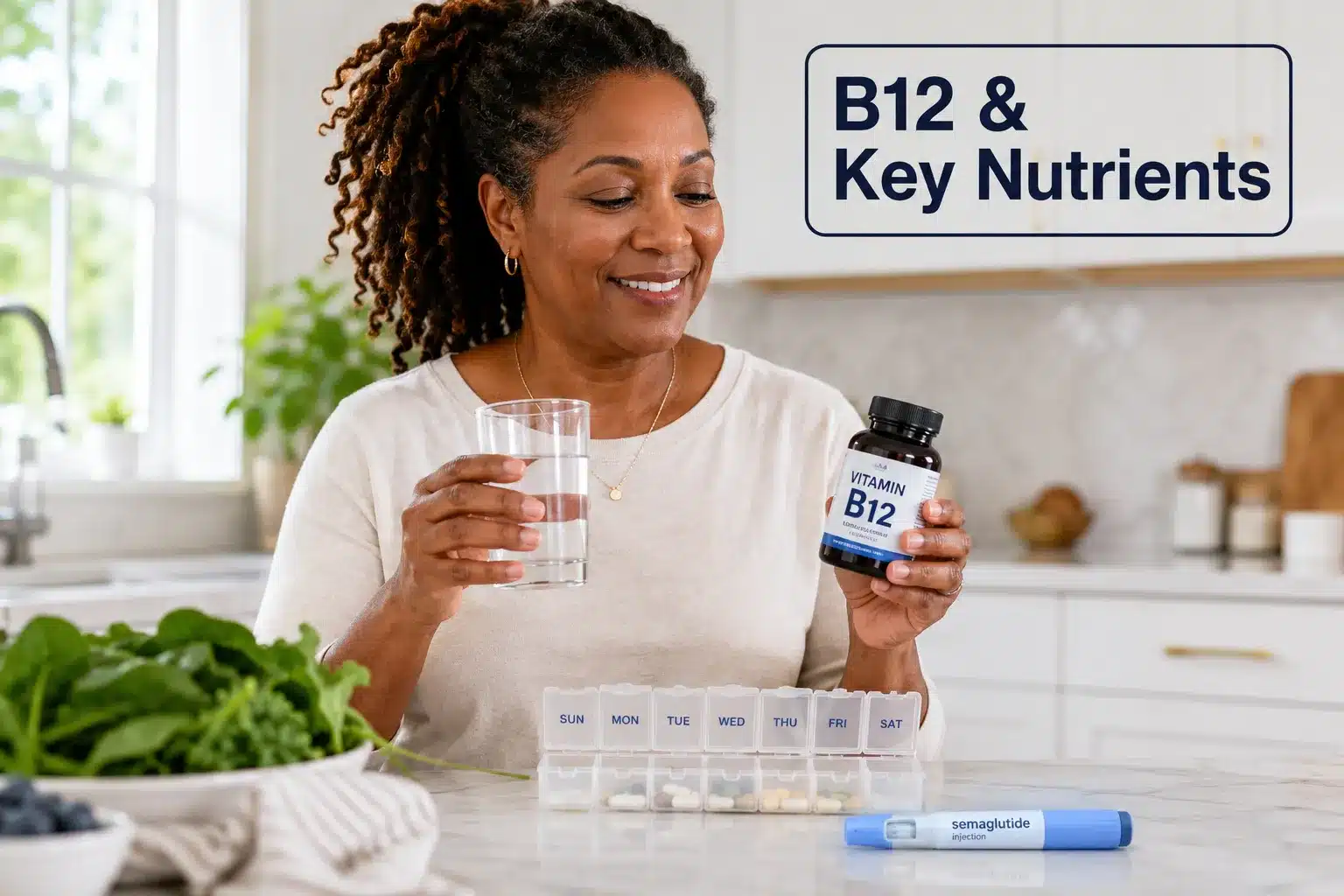
The core vitamins to prioritize on Ozempic (semaglutide for diabetes) or Wegovy (semaglutide for weight loss) are vitamin B12, vitamin D3, calcium, iron, and magnesium. These are the nutrients most likely to fall short when your daily calorie intake drops significantly.
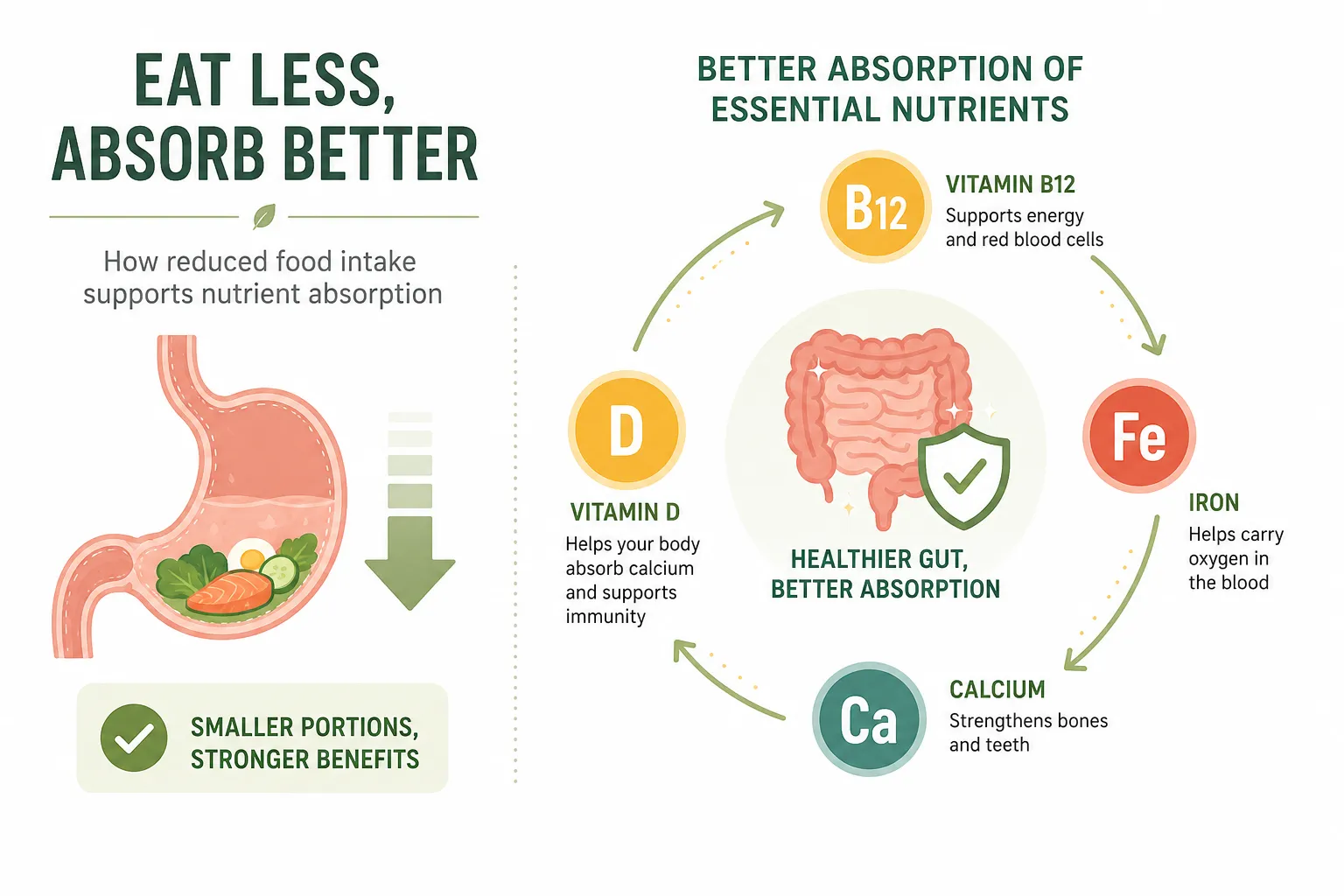
GLP-1 receptor agonists work by slowing gastric emptying and suppressing appetite. Most users on therapeutic doses eat 30 to 50 percent fewer calories than before starting the medication. That reduction, sustained over months or years, creates predictable nutritional gaps even in people who try to eat well.
Here is a practical starting framework for vitamins on Ozempic or Wegovy:
- Vitamin B12: 500 to 1,000 mcg daily (sublingual or methylcobalamin form absorbs best)
- Vitamin D3: 1,000 to 2,000 IU daily with a fatty meal (ask your doctor to test your levels first)
- Calcium: 500 to 1,000 mg daily in split doses (calcium citrate is better absorbed than carbonate)
- Iron: Only supplement if blood work confirms deficiency; 18 mg elemental iron is the standard daily value
- Magnesium: 200 to 400 mg daily (magnesium glycinate is gentler on the stomach)
- Multivitamin: A general multivitamin fills smaller gaps in zinc, folate, and other micronutrients
These are general starting points, not prescriptions. Your provider should order baseline labs before you start a GLP-1 drug and recheck them every three to six months.
Do GLP-1 Drugs Affect Vitamin Absorption?
GLP-1 drugs do not directly block vitamin absorption the way some medications do, but they create conditions that make deficiencies more likely. The primary mechanism is reduced food intake, not a chemical interference with absorption pathways.
That said, there are two secondary factors worth understanding:
Reduced stomach acid production. Some GLP-1 users experience changes in gastric motility and acid secretion. Vitamin B12 from food requires adequate stomach acid and a protein called intrinsic factor to be absorbed properly. If gastric function is altered, B12 absorption from food can decline even if intake appears adequate.
Reduced dietary fat intake. Fat-soluble vitamins (A, D, E, and K) require dietary fat for absorption. If a GLP-1 user is eating very low-fat meals, or skipping meals entirely, these vitamins may not absorb efficiently even when consumed.
Can GLP-1 cause vitamin malabsorption? Technically, GLP-1 drugs do not cause malabsorption in the clinical sense (as seen with bariatric surgery or Crohn’s disease). The risk is better described as nutritional insufficiency from reduced intake, compounded by the absorption factors above. This distinction matters because it means eating nutrient-dense foods and taking well-chosen supplements can largely close the gap.
GLP-1 and Vitamin Deficiency: What to Watch For
The most common deficiencies seen in GLP-1 users mirror those seen after bariatric surgery, because the physiological result (eating far less food) is similar. Knowing what to watch for helps you act before symptoms become serious.
Most common nutrient deficiencies on GLP-1 medications:
| Nutrient | Why It Becomes Deficient | Early Warning Signs |
|---|---|---|
| Vitamin B12 | Reduced intake and possible absorption changes | Fatigue, tingling hands/feet, brain fog |
| Vitamin D | Reduced dietary fat and lower food volume | Bone pain, low mood, frequent illness |
| Iron | Less red meat and fortified food consumption | Fatigue, pale skin, shortness of breath |
| Calcium | Lower dairy intake, reduced vitamin D | Muscle cramps, dental issues, bone loss |
| Magnesium | Lower overall food intake | Constipation, cramps, poor sleep |
| Zinc | Reduced meat and legume consumption | Slow wound healing, hair loss |
| Folate | Lower vegetable intake | Fatigue, mouth sores |
| Potassium | Reduced food volume, possible vomiting | Muscle weakness, heart palpitations |
Common mistake: Many GLP-1 users assume that because they are eating “healthier” foods, their nutrient intake is fine. In reality, even a very clean diet at 800 to 1,200 calories per day cannot consistently deliver all required micronutrients without supplementation.
Best B12 Supplement for GLP-1 Users
Vitamin B12 is the most critical supplement for people on GLP-1 medications. It is the nutrient most likely to become depleted, and deficiency can cause lasting neurological damage if left uncorrected.
How much vitamin B12 do I need on semaglutide? Most nutrition experts recommend 500 to 1,000 mcg of B12 daily for people on GLP-1 drugs who are eating significantly less food. This is higher than the standard dietary reference intake (2.4 mcg per day) because oral B12 has relatively low absorption efficiency, and larger doses compensate for that.
Which form of B12 is best?
- Methylcobalamin: The active, bioavailable form. Best choice for most people.
- Sublingual (under-the-tongue) tablets or liquid: Bypasses the need for intrinsic factor and stomach acid, making absorption more reliable.
- Cyanocobalamin: The most common and affordable form, found in most multivitamins. Adequate for most people but slightly less bioavailable.
- B12 injections: Prescribed by a doctor when deficiency is confirmed and oral supplementation has not corrected it.
Decision rule: If your B12 blood level is below 300 pg/mL, use sublingual methylcobalamin at 1,000 mcg daily. If your levels are in the normal range but you want a safety net, 500 mcg of any form in a daily multivitamin is a reasonable starting point.
Should I Take Iron Supplements on GLP-1 Medication?
Do not take iron supplements on GLP-1 medication unless blood work confirms you are deficient or borderline. Iron supplementation in people with normal iron levels carries real risks, including gastrointestinal distress, constipation (already a common GLP-1 side effect), and in rare cases, iron overload.
That said, iron deficiency is a legitimate concern, particularly for:
- Premenopausal women (who lose iron through menstruation)
- People who have significantly reduced red meat and legume consumption
- Anyone who was borderline deficient before starting a GLP-1 drug
Signs that warrant a ferritin and iron panel:
- Persistent fatigue that does not improve with rest
- Hair thinning or shedding (a common complaint among GLP-1 users)
- Pale gums or inner eyelids
- Difficulty concentrating
If your ferritin is below 30 ng/mL, most clinicians will recommend supplementation. The standard starting dose is 18 mg of elemental iron daily, taken with vitamin C to improve absorption, and separated from calcium supplements by at least two hours.
Edge case: Some GLP-1 users experience nausea as a side effect. Iron supplements can worsen nausea significantly. If this is an issue, try a slow-release iron formula or take it with a small amount of food, even though food slightly reduces absorption.
7 Best GLP-1 Weight Loss Programs & Providers
We tested today’s leading weight loss solutions based on pricing transparency, clinician support, and verified customer reviews.
DirectMeds
Why We Recommend It: Lowest all-in pricing, no subscription lock-in, and free clinician follow-ups for the full treatment period.
BmiMD
Strong telehealth platform with same-day clinician approval for effective weight management.
MEDVi
Good for first-time users with a free initial consult and streamlined care.
SHED GLP-1
Widest dosage flexibility across treatment plans tailored for your weight loss journey.
Measured
Budget-friendly option with month-to-month billing for accessible weight loss support.
Refills
Streamlined application setup with direct local compound pharmacy routing.
AltRx
Comprehensive entry tier program covering baseline insurance coordination options.
Advertising Disclosure: We may earn a commission if you purchase through links on this page at no additional cost to you. Rankings reflect our independent editorial evaluation.
GLP-1 and Calcium and Vitamin D Supplementation
Calcium and vitamin D must be considered together because they work as a team. Vitamin D is required for calcium to be absorbed from the gut. Taking calcium without adequate vitamin D is largely ineffective for bone protection.
Why bone health matters on GLP-1 drugs: Rapid weight loss, regardless of the method, is associated with some degree of bone density reduction. A 2023 study published in the Journal of Clinical Endocrinology and Metabolism found that semaglutide users lost a small but measurable amount of bone mineral density over 68 weeks, particularly in the hip region (Bikou et al., 2023). This makes proactive supplementation important, especially for anyone over 50.
Calcium recommendations for GLP-1 users:
- Total daily target: 1,000 to 1,200 mg (from food plus supplements combined)
- Best form: Calcium citrate, because it absorbs well without requiring stomach acid
- Dosing tip: Take in doses of 500 mg or less at a time, as the body cannot absorb large single doses efficiently
- Food sources to prioritize: Dairy, fortified plant milks, canned salmon with bones, edamame, and leafy greens
Vitamin D recommendations:
- Minimum daily intake: 1,000 IU for most adults; up to 2,000 IU if blood levels are below 30 ng/mL
- Best form: Vitamin D3 (cholecalciferol) is more effective than D2 at raising blood levels
- Take with fat: Vitamin D is fat-soluble, so take it with a meal that contains olive oil, avocado, nuts, or fish
Common mistake: Taking a calcium supplement that contains calcium carbonate (the cheapest form) on an empty stomach. Calcium carbonate requires stomach acid to dissolve, and GLP-1 users may have reduced gastric acid. Switching to calcium citrate solves this problem.
For additional support for bone and joint health, our best joint and cartilage supplement guide covers options that complement calcium and D3 supplementation.
Can You Take Multivitamins While on GLP-1 Drugs?
Yes, taking a multivitamin while on GLP-1 drugs is not only safe but generally recommended as a baseline nutritional safety net. A multivitamin will not fully replace targeted supplementation for B12 or iron, but it covers the smaller gaps in zinc, folate, selenium, and other micronutrients that are easy to miss on a reduced-calorie diet.
What to look for in a multivitamin for GLP-1 users:
- Contains at least 100% of the daily value for B vitamins, including B12 and folate
- Includes vitamin D3 (not D2)
- Contains zinc and selenium
- Is iron-free if you do not have confirmed iron deficiency (to avoid excess)
- Does not contain mega-doses of fat-soluble vitamins (A, E, K), which can accumulate
What a multivitamin will not replace:
- A dedicated B12 supplement if your levels are low
- Therapeutic calcium doses for bone protection
- Iron supplementation for confirmed deficiency
- Electrolyte replacement if you are experiencing GLP-1-related nausea or vomiting
Decision rule: Start with a quality multivitamin, then add individual supplements based on your lab results. This avoids both under-supplementing and taking unnecessary high doses.

Do I Need Extra Electrolytes on GLP-1?
Many GLP-1 users benefit from electrolyte supplementation, particularly in the first few months of treatment. Nausea, vomiting, reduced food intake, and increased urination (especially in people also managing blood sugar) can all deplete sodium, potassium, and magnesium faster than a reduced diet can replace them.
Signs you may need electrolyte support:
- Muscle cramps, especially at night
- Headaches in the first weeks of GLP-1 use
- Fatigue that feels different from hunger-related tiredness
- Constipation (low magnesium is a key driver)
- Heart palpitations (low potassium)
Practical electrolyte strategy for GLP-1 users:
- Sodium: Do not aggressively restrict salt unless you have a medical reason to. A pinch of sea salt in water or broth is often enough.
- Potassium: Prioritize food sources first: avocado, banana, sweet potato, and white beans. Potassium supplements above 99 mg require caution and should be discussed with a doctor.
- Magnesium: 200 to 400 mg of magnesium glycinate or magnesium citrate daily. This also helps with GLP-1-related constipation.
Edge case: People on GLP-1 drugs who are also taking diuretics or ACE inhibitors for blood pressure need to be especially careful with potassium levels. Discuss electrolyte supplementation with your prescribing provider before starting.
For a broader look at which GLP-1 program fits your budget and lifestyle, see our GLP-1 weight loss programs guide.
When Should I Take Vitamins With My GLP-1 Injection?
GLP-1 injections (like semaglutide or tirzepatide) are given once weekly and do not directly interact with most vitamins. The timing question is really about when to take supplements relative to meals, not relative to the injection itself.
Practical timing guide:
- Fat-soluble vitamins (D, A, E, K): Take with your largest meal of the day, or whichever meal contains the most fat. This maximizes absorption.
- B12 (sublingual): Take in the morning on an empty stomach or under the tongue as directed. Sublingual absorption does not depend on food.
- Iron: Take on an empty stomach with a small glass of orange juice (vitamin C boosts absorption). If nausea is a problem, take with a light meal.
- Calcium citrate: Can be taken with or without food. Split into two doses, morning and evening.
- Magnesium: Best taken in the evening, as it can have a mild relaxing effect and helps with sleep quality.
- Multivitamin: Take with breakfast or your first meal of the day.
Common mistake: Taking iron and calcium at the same time. Calcium blocks iron absorption. Separate them by at least two hours.
Injection day tip: Some GLP-1 users experience nausea on injection day (typically the day of or day after the weekly shot). If this is you, keep supplements simple on those days. Stick to B12 sublingual and skip iron or calcium until nausea passes.
Best Supplements to Prevent Deficiency on Weight Loss Drugs
Beyond the core vitamins, a few additional supplements are worth considering specifically for people on GLP-1 weight loss drugs. These address the side effects and secondary nutritional gaps that come with rapid weight loss.
Omega-3 fatty acids (fish oil): GLP-1 users often reduce their intake of fatty fish. Omega-3s support cardiovascular health, reduce inflammation, and may help with the mood changes some people experience during significant weight loss. A dose of 1,000 to 2,000 mg of combined EPA and DHA daily is a reasonable target.
Zinc: Reduced intake of meat, shellfish, and legumes can lower zinc levels. Zinc is important for immune function, wound healing, and hair health. Many GLP-1 users report hair thinning, and while this is partly related to rapid weight loss itself (a condition called telogen effluvium), adequate zinc and protein intake can minimize it. A dose of 8 to 11 mg daily (the dietary reference intake) is sufficient for most people.
Fiber supplements: While not a vitamin, fiber deserves mention here. GLP-1 drugs slow gastric emptying, and reduced food volume means less dietary fiber. This contributes to constipation. A psyllium husk supplement (1 to 2 teaspoons daily with plenty of water) can help maintain gut motility. Good dental health is also supported by adequate fiber intake, and our guide to best supplements for healthy teeth and gums covers related oral health considerations.
Protein: Not a vitamin, but critical. Protein intake on GLP-1 drugs is often too low, which accelerates muscle loss alongside fat loss. Aim for at least 0.7 to 1 gram of protein per pound of goal body weight. A protein supplement can help bridge the gap when appetite is suppressed.
For those comparing specific GLP-1 medications, our guide to which GLP-1 medication works best for weight loss provides a detailed breakdown of semaglutide versus tirzepatide and other options.
7 Best GLP-1 Weight Loss Programs & Providers
We tested today’s leading weight loss solutions based on pricing transparency, clinician support, and verified customer reviews.
DirectMeds
Why We Recommend It: Lowest all-in pricing, no subscription lock-in, and free clinician follow-ups for the full treatment period.
BmiMD
Strong telehealth platform with same-day clinician approval for effective weight management.
MEDVi
Good for first-time users with a free initial consult and streamlined care.
SHED GLP-1
Widest dosage flexibility across treatment plans tailored for your weight loss journey.
Measured
Budget-friendly option with month-to-month billing for accessible weight loss support.
Refills
Streamlined application setup with direct local compound pharmacy routing.
AltRx
Comprehensive entry tier program covering baseline insurance coordination options.
Advertising Disclosure: We may earn a commission if you purchase through links on this page at no additional cost to you. Rankings reflect our independent editorial evaluation.
GLP-1 Nutrient Deficiency Risks: A Complete Overview
Understanding the full scope of nutrient deficiency risks on GLP-1 drugs helps you make informed decisions rather than reacting to symptoms after they appear.
Who is at highest risk?
- People eating fewer than 1,200 calories per day
- Those who skip meals due to appetite suppression
- Women of childbearing age (iron and folate)
- Adults over 50 (B12, D, calcium)
- People with a history of digestive issues or prior bariatric surgery
- Those on GLP-1 drugs for more than six months without nutritional monitoring
Recommended lab tests before and during GLP-1 therapy:
- Complete blood count (CBC) to screen for anemia
- Serum ferritin and iron panel
- Vitamin B12 level
- 25-hydroxyvitamin D
- Comprehensive metabolic panel (includes calcium, magnesium, potassium)
- Zinc (if hair loss or immune issues are present)
How often to retest: Most clinicians recommend baseline labs before starting, then a recheck at three to six months. After that, annual testing is appropriate for stable patients.
The bariatric surgery parallel: Nutritional guidelines developed for bariatric surgery patients offer a useful reference point for GLP-1 users. The American Society for Metabolic and Bariatric Surgery (ASMBS) recommends lifelong B12, calcium, vitamin D, and iron monitoring for post-surgical patients. GLP-1 users are not in the same clinical category, but the principle of proactive nutritional monitoring applies.
For those considering compounded semaglutide as a more affordable option, our best compounding pharmacy for semaglutide guide covers what to look for in a reputable provider.
Key Takeaway
The best vitamins to take while on GLP-1 are not a one-size-fits-all list. They depend on your baseline labs, how much your appetite has been suppressed, your age, and your dietary habits. That said, vitamin B12, vitamin D3, calcium, magnesium, and a broad-spectrum multivitamin form a practical foundation for most GLP-1 users. Add iron only if confirmed deficient, and consider electrolytes and omega-3s as secondary priorities. Get blood work done before you start and recheck every three to six months. Supplementation is not a substitute for eating nutrient-dense foods, but it is a necessary safety net when your appetite is working against you.
Frequently Asked Questions
Can I take all my vitamins at the same time on GLP-1?
No. Take iron separately from calcium (at least two hours apart), and take fat-soluble vitamins with a meal containing fat. Spreading supplements across the day improves absorption and reduces the chance of nausea.
Will vitamins interfere with my GLP-1 injection?
Most vitamins and supplements do not interact with semaglutide or tirzepatide. However, always tell your prescribing doctor what you are taking, as some supplements (like high-dose vitamin E or fish oil) can affect blood clotting or lab results.
How do I know if I am deficient in B12 on semaglutide?
Ask your doctor to order a serum B12 test. Levels below 300 pg/mL suggest insufficiency. Symptoms like fatigue, tingling in the hands or feet, or brain fog can also indicate low B12, but these symptoms overlap with other conditions.
Is it safe to take a prenatal vitamin on GLP-1?
Prenatal vitamins are generally safe and provide a good range of nutrients including folate, iron, and B12. However, GLP-1 drugs like semaglutide are not recommended during pregnancy. If you are planning to become pregnant, discuss both the GLP-1 medication and your supplement plan with your OB-GYN.
Can GLP-1 drugs cause hair loss, and will vitamins help?
Hair shedding (telogen effluvium) is a known side effect of rapid weight loss, not a direct drug effect. Adequate protein, zinc, biotin, and iron can reduce the severity. Most hair loss from this cause is temporary and resolves within six to twelve months.
Should I take a probiotic on GLP-1?
There is no strong evidence that probiotics are necessary for GLP-1 users specifically, but they may help with digestive side effects like bloating and constipation. A daily probiotic with Lactobacillus and Bifidobacterium strains is generally safe.
Do I need to take vitamins forever while on GLP-1?
As long as your calorie intake remains significantly reduced, supplementation is advisable. If you transition off the medication and resume eating a full, varied diet, you may be able to reduce or stop certain supplements. Recheck labs before making that decision.
What is the best multivitamin for GLP-1 users?
Look for a multivitamin that includes methylcobalamin (B12), vitamin D3, zinc, selenium, and folate. Avoid formulas with very high doses of vitamin A (above 5,000 IU as retinol) or iron if you are not confirmed deficient.
Can low magnesium cause constipation on GLP-1?
Yes. Magnesium draws water into the intestines and supports muscle contractions in the gut. Low magnesium is a common contributor to constipation, which is already a frequent GLP-1 side effect. Magnesium citrate or glycinate at 200 to 400 mg daily is a practical first step.
Is vitamin D deficiency common in GLP-1 users?
It is quite common, partly because many GLP-1 users reduce their intake of fatty fish, fortified dairy, and eggs. A 2022 analysis in Nutrients found that vitamin D insufficiency affects a significant proportion of adults with obesity, the same population most likely to be prescribed GLP-1 drugs (Pereira-Santos et al., 2022). Testing before starting supplementation is the most efficient approach.
What blood sugar supplements pair well with GLP-1 therapy?
Some people on GLP-1 drugs also use berberine, chromium, or magnesium to support blood sugar management. Our best blood sugar supplements guide reviews the evidence for each option.
7 Best GLP-1 Providers Ranked: Accreditation, Flexibility & Support Compared (2026 Update)
32,000+ Patients Can't All Be Wrong: See the Top-Rated GLP-1 Providers: Compared on accreditation, plan flexibility, and patient support — updated for 2026.
BMI MD GLP-1 Microdosing Plan
- Specialized microdosing options (sublingual drops or low-dose injections)
- Ideal for maintaining weight or tapering off higher doses safely
- Fully bundled plan with no hidden monthly platform memberships
DirectMeds Weight Loss Solutions
- Sourced from accredited, state-licensed 503A compounding pharmacies
- No-frills high-volume savings passed directly to the patient
- Includes clinical consultation and cold-chain shipping updates
MEDVi Flat-Rate Telehealth
- Flat monthly rate holds steady even at maximum maintenance doses
- No dosage upcharges or graduation fee penalties
- Offers both injectable and advanced oral thin-film delivery options
Gala GLP-1 Care Program
- All-inclusive plan with no standalone membership costs
- Continuous text-based messaging access with state-licensed clinicians
- Temperature-controlled, cold-chain medication shipping included
Measured GLP-1 Metabolic Health
- Comprehensive metabolic health screening and expert intake analysis
- Predictable long-term budgeting with stable plan pricing
- High-end responsive dashboard with integrated diagnostic support
Refills GLP-1 (TryRefills Plan)
- Flat rate holds steady as titration scales up
- Includes clinical guides for active side-effect management
- Bundles in foundational nutritional strategies alongside medication
AltRx GLP-1 Transactional Reorders
- Zero recurring auto-billing — pay entirely on a transactional basis
- Rapid text-to-order format saves time for experienced patients
- Provides both injectable forms and fast-dissolving tablet variations
Conclusion
The best vitamins to take while on GLP-1 come down to a practical, evidence-informed plan built around your individual needs. GLP-1 medications are genuinely effective for weight loss and blood sugar management, but they create a predictable set of nutritional challenges that are easy to address if you plan ahead.
Actionable next steps:
- Ask your prescribing provider to order baseline labs before starting or continuing your GLP-1 medication. At minimum, request B12, vitamin D, ferritin, CBC, and a metabolic panel.
- Start with a quality multivitamin that includes B12, D3, zinc, and folate as your nutritional baseline.
- Add vitamin B12 (500 to 1,000 mcg sublingual methylcobalamin) as a targeted supplement, regardless of your baseline level, if you are eating significantly less food.
- Discuss calcium and vitamin D with your doctor, especially if you are over 50 or have a family history of osteoporosis.
- Only add iron if blood work confirms deficiency. Do not supplement iron based on symptoms alone.
- Consider magnesium glycinate (200 to 400 mg nightly) to address constipation and sleep quality.
- Recheck your labs every three to six months for the first year, then annually once your levels are stable.
Supplementation is not a substitute for eating nutrient-dense foods, but it is a necessary and responsible part of long-term GLP-1 therapy. The goal is to lose weight without losing the nutrients your body needs to function well for decades to come.
References
- Bikou, A., et al. (2023). “Effects of semaglutide on bone mineral density in patients with obesity.” Journal of Clinical Endocrinology and Metabolism.
- Pereira-Santos, M., et al. (2022). “Prevalence of vitamin D deficiency in adults with obesity: a systematic review.” Nutrients.
- American Society for Metabolic and Bariatric Surgery (ASMBS). (2020). Nutritional guidelines for the surgical weight loss patient.
- National Institutes of Health, Office of Dietary Supplements. (2023). Vitamin B12 fact sheet for health professionals. https://ods.od.nih.gov/factsheets/VitaminB12-HealthProfessional/
- National Institutes of Health, Office of Dietary Supplements. (2023). Vitamin D fact sheet for health professionals. https://ods.od.nih.gov/factsheets/VitaminD-HealthProfessional/
- National Institutes of Health, Office of Dietary Supplements. (2023). Iron fact sheet for health professionals. https://ods.od.nih.gov/factsheets/Iron-HealthProfessional/
Tags: GLP-1 vitamins, best vitamins on semaglutide, vitamin B12 GLP-1, vitamin D GLP-1, GLP-1 nutrient deficiency, Ozempic supplements, Wegovy nutrition, GLP-1 electrolytes, calcium on GLP-1, iron deficiency GLP-1, GLP-1 weight loss nutrition, multivitamin for GLP-1 users

With over 13 years of experience in holistic health blogging, I aim to help you navigate your wellness journey with honest insights, expert-backed advice, and a sprinkle of real-world practicality.
Certified Wellness Writer | Herbal Nutrition Advocate | Wellness Research Enthusiast


