
GLP-1 Diet Supplements for Nutrient Balance: The Complete Nutrition Guide (2026)

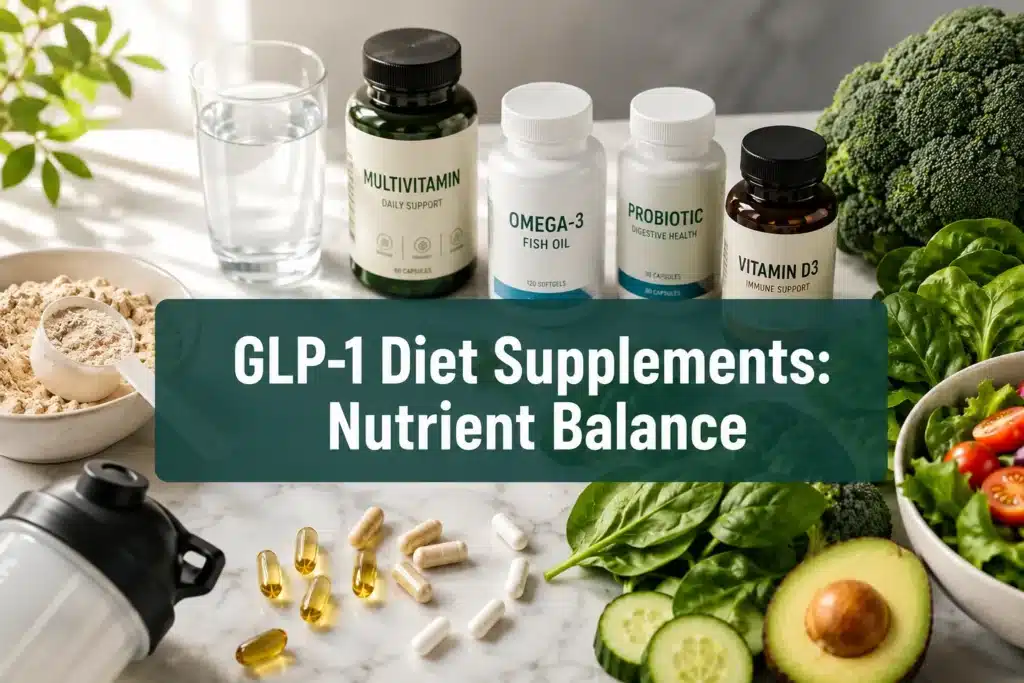
Quick Answer: GLP-1 medications like semaglutide and tirzepatide significantly reduce appetite and food intake, which means many users consume fewer calories and, with them, fewer essential nutrients. GLP-1 diet supplements for nutrient balance, including protein powders, fiber supplements, multivitamins, magnesium, vitamin D, vitamin B12, and iron, can help close those gaps.
Not everyone needs every supplement; individual needs depend on dietary intake, lab values, and health status. Anyone starting GLP-1 medications should discuss supplementation with a healthcare professional before adding new products.

More than 42% of American adults now live with obesity, and GLP-1 receptor agonists have become the most prescribed class of weight-loss medications in the country. But here’s what most people aren’t told when they pick up their first pen: eating 800-1,200 calories a day on a GLP-1 medication makes it genuinely difficult to meet daily protein, vitamin, and mineral targets through food alone.
7 Best GLP-1 Providers Ranked: Accreditation, Flexibility & Support Compared (2026 Update)
32,000+ Patients Can't All Be Wrong: See the Top-Rated GLP-1 Providers. We compared the leading online GLP-1 providers based on program features, clinical support, convenience, and overall value.
BMI MD GLP-1 Microdosing Plan
- Specialized microdosing options, including sublingual drops and low-dose injections
- Designed for people interested in maintaining weight or gradually adjusting treatment
- Bundled program structure without a separate monthly platform membership
- Online access makes the process convenient from home

DirectMeds Weight Loss Solutions
- Online weight-loss program with a straightforward patient experience
- Compounded medication options through state-licensed compounding pharmacies
- Includes clinical consultation as part of the process
- Provides shipping updates to help patients track their orders
MEDVi Flat-Rate Telehealth
- Flat-rate telehealth approach designed for easier budgeting
- No dosage-based pricing increases within the advertised program structure
- Offers injectable and oral thin-film delivery options
- Includes medical screening and asynchronous provider consultations
Gala GLP-1 Care Program
- Text-based access to state-licensed clinicians
- Cold-chain medication shipping included in the program
- Month-to-month program structure
- Designed for people who value convenient ongoing support
Measured GLP-1 Metabolic Health
- Comprehensive metabolic health screening and intake analysis
- Designed around longer-term metabolic health management
- Responsive dashboard with integrated health tracking tools
- Useful option for patients who value a more data-focused experience
Refills GLP-1 (TryRefills Plan)
- Clinical guidance designed to help patients manage common treatment concerns
- Includes foundational nutritional strategies alongside medication
- Designed around predictable ongoing treatment
- No hidden startup or processing fees according to the program information provided
AltRx GLP-1 Transactional Reorders
- Transactional reorder model without recurring auto-billing
- Designed for patients who already understand their treatment routine
- Fast text-to-order process for convenient reorders
- Offers injectable and fast-dissolving tablet variations
That’s where GLP-1 diet supplements for nutrient balance enter the picture, not as a replacement for healthy eating, but as a practical bridge between what you’re able to eat and what your body still needs.
This guide covers everything from which nutrients are most commonly missed, to which dietary supplement categories have the strongest evidence, to how to avoid wasting money on products that won’t help. Whether you’re using Ozempic, Wegovy, Zepbound, or another GLP-1 medication, the nutrition principles here apply.
What Are GLP-1 Diet Supplements and How Do They Work
GLP-1 diet supplements for nutrient balance are dietary supplement products designed to fill the specific nutritional gaps that emerge when food intake drops significantly on GLP-1 therapy. They are not the same as “GLP-1 supplements” marketed to mimic GLP-1 medications, those are a separate (and largely unproven) category.
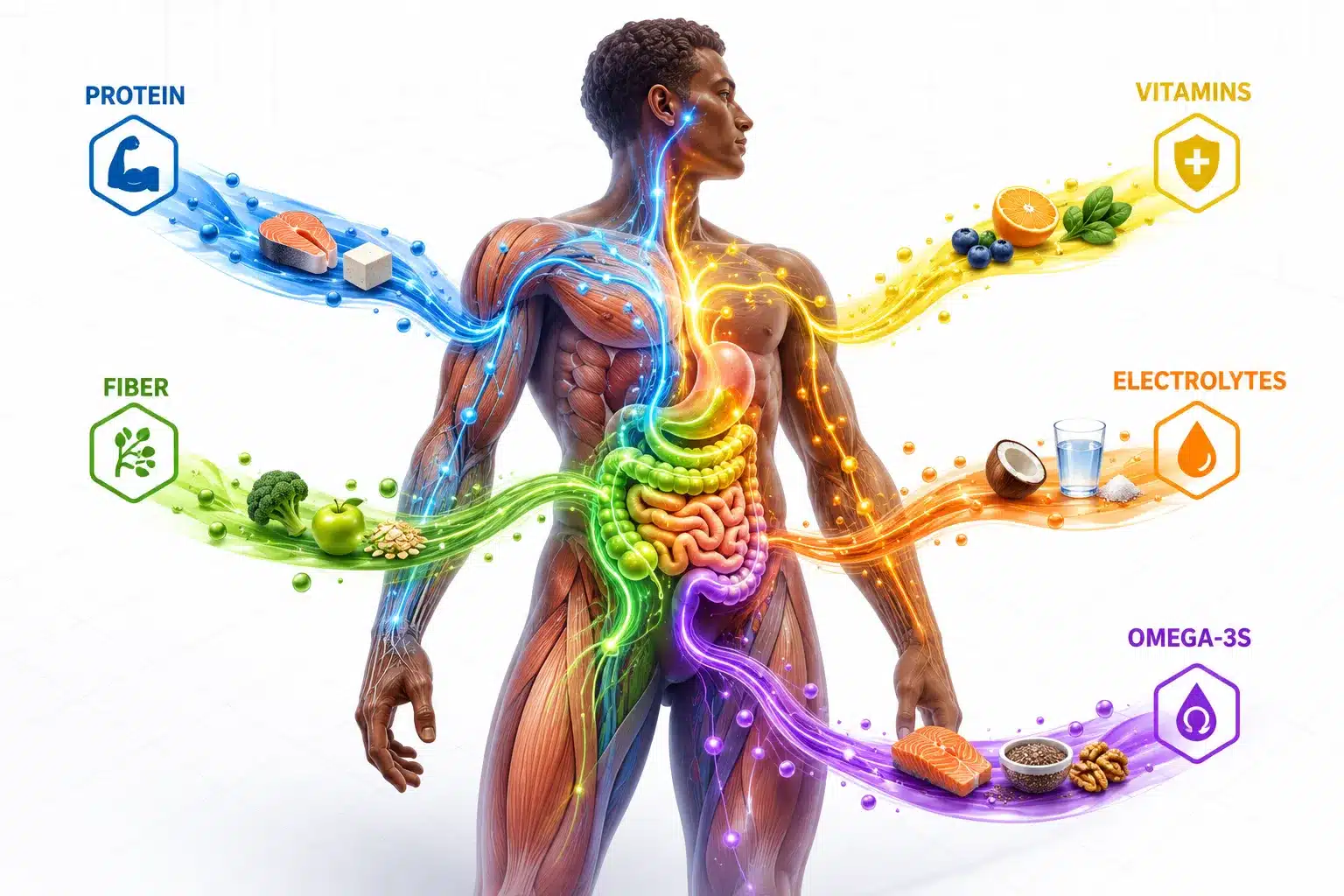
The supplements discussed here include protein powders, fiber supplements, multivitamins, vitamin D, B12, iron, magnesium, omega-3 fatty acids, electrolyte powders, and calcium, all aimed at supporting metabolic health and body composition during weight loss.
GLP-1 medications work by mimicking the glucagon-like peptide-1 hormone, which is naturally released from the gut after eating. According to research published in Diabetes Care, GLP-1 receptor agonists (GLP-1ra) slow gastric emptying, increase feelings of fullness, and reduce appetite-driving signals in the brain.
The result is that most people on GLP-1ra treatment eat significantly less, sometimes 30-40% fewer calories than before. That reduction drives weight loss, but it also compresses the nutritional window available for meeting daily requirements for protein, vitamins, and minerals.
Using GLP-1ra medications long-term without attention to dietary intake and supplementation can lead to muscle loss, bone density reduction, and micronutrient deficiencies that undermine the health benefits of weight loss itself.
Why Nutrient Balance Becomes Challenging on GLP-1 Therapy
Reduced calorie intake is the primary driver of nutrient gaps on GLP-1 medications, but it’s not the only one. Several interconnected factors compound the challenge.
Appetite suppression and smaller portions. GLP-1 medications are highly effective at reducing hunger. Many users report feeling full after just a few bites. A 2023 systematic review and meta-analysis in Obesity Reviews found that semaglutide users reduced total calorie intake by an average of 24% compared to placebo groups. When total food volume drops that sharply, protein intake, fiber intake, and micronutrient intake all fall proportionally, unless users make deliberate dietary choices.
Gastrointestinal side effects. Nausea, vomiting, diarrhea, and constipation are among the most commonly reported side effects of GLP-1 medications. According to FDA prescribing information for Wegovy, nausea affects up to 44% of users and vomiting up to 24%. These symptoms make eating nutrient-dense foods harder, especially in the first weeks of treatment or after dose increases.
Food aversions and reduced dietary variety. Many GLP-1 users report developing aversions to protein-rich foods like meat and eggs, precisely the foods most important for preserving lean body mass. A 2024 study in Nutrients noted that GLP-1ra treatment often shifts dietary patterns toward softer, more easily tolerated foods that tend to be lower in protein and micronutrient density.
Risk of inadequate calorie intake. Eating too little is a real concern. When daily intake falls below 1,000-1,200 calories without careful planning, it becomes nearly impossible to meet protein, calcium, vitamin D, and B vitamin targets through food alone. This is where targeted dietary supplementation becomes clinically relevant.
Do GLP-1 Supplements Cause Nutrient Deficiencies
GLP-1 medications themselves do not directly block nutrient absorption the way some medications do (metformin, for example, is known to reduce B12 absorption). However, the dramatic reduction in dietary intake that GLP-1 medications produce is the primary driver of nutrient deficiencies in users.
The distinction matters: the medication creates the conditions for deficiency, but it’s the reduced food intake, not a pharmacological interaction, that causes the gap.
That said, a 2024 review in The Journal of Clinical Endocrinology & Metabolism identified several nutrients most commonly depleted in people using GLP-1ra treatment for weight loss:
- Vitamin B12, reduced dietary intake from animal products
- Iron, especially in premenopausal women eating less red meat
- Vitamin D, already deficient in a large portion of people with obesity before starting GLP-1 medications
- Magnesium, frequently low in people with metabolic syndrome
- Potassium, at risk when GI side effects cause vomiting or diarrhea
- Protein, the most clinically significant macronutrient gap, with direct consequences for muscle mass and body composition
Routine bloodwork, including a complete metabolic panel, CBC, vitamin D level, B12, iron studies, and magnesium, is recommended before starting GLP-1 medications and periodically during treatment. This allows targeted supplementation rather than guessing.
Which Nutrients Are Most Commonly Missed: A Full Breakdown
The table below summarizes the key nutrients at risk during GLP-1 therapy, why each matters, early warning signs of low intake, top food sources, and supplement options to consider.
| Nutrient | Why It Matters | Signs of Low Intake | Food Sources | Supplement Options |
|---|---|---|---|---|
| Protein | Preserves lean body mass and muscle during weight loss | Fatigue, muscle weakness, hair loss | Chicken, fish, eggs, Greek yogurt, legumes | Whey, casein, pea protein powder |
| Fiber | Supports gut health, blood sugar, and satiety | Constipation, blood sugar swings | Vegetables, beans, oats, berries | Psyllium husk, inulin, guar gum |
| Vitamin D | Bone health, immune function, metabolic health | Fatigue, bone pain, low mood | Fatty fish, fortified dairy, egg yolks | Vitamin D3 (cholecalciferol) |
| Vitamin B12 | Nerve function, red blood cell production, energy | Tingling, fatigue, brain fog | Meat, fish, dairy, fortified cereals | Methylcobalamin or cyanocobalamin |
| Iron | Oxygen transport, energy production | Fatigue, cold intolerance, hair loss | Red meat, lentils, spinach, tofu | Ferrous sulfate (only if deficient) |
| Magnesium | Muscle function, sleep, blood sugar regulation | Muscle cramps, poor sleep, anxiety | Nuts, seeds, dark leafy greens, dark chocolate | Magnesium glycinate or citrate |
| Potassium | Heart rhythm, fluid balance, muscle function | Cramping, weakness, palpitations | Bananas, avocado, sweet potato, beans | Electrolyte powder (low-sugar) |
| Calcium | Bone density, muscle contraction | Bone loss over time (often silent) | Dairy, fortified plant milk, sardines, kale | Calcium citrate (better absorbed) |
| Omega-3 Fatty Acids | Inflammation, heart health, brain function | Dry skin, joint stiffness, poor focus | Salmon, sardines, walnuts, flaxseed | Fish oil, algae-based omega-3 |
| Zinc | Immune function, wound healing, hair growth | Hair loss, slow healing, taste changes | Oysters, beef, pumpkin seeds, chickpeas | Zinc picolinate or zinc gluconate |
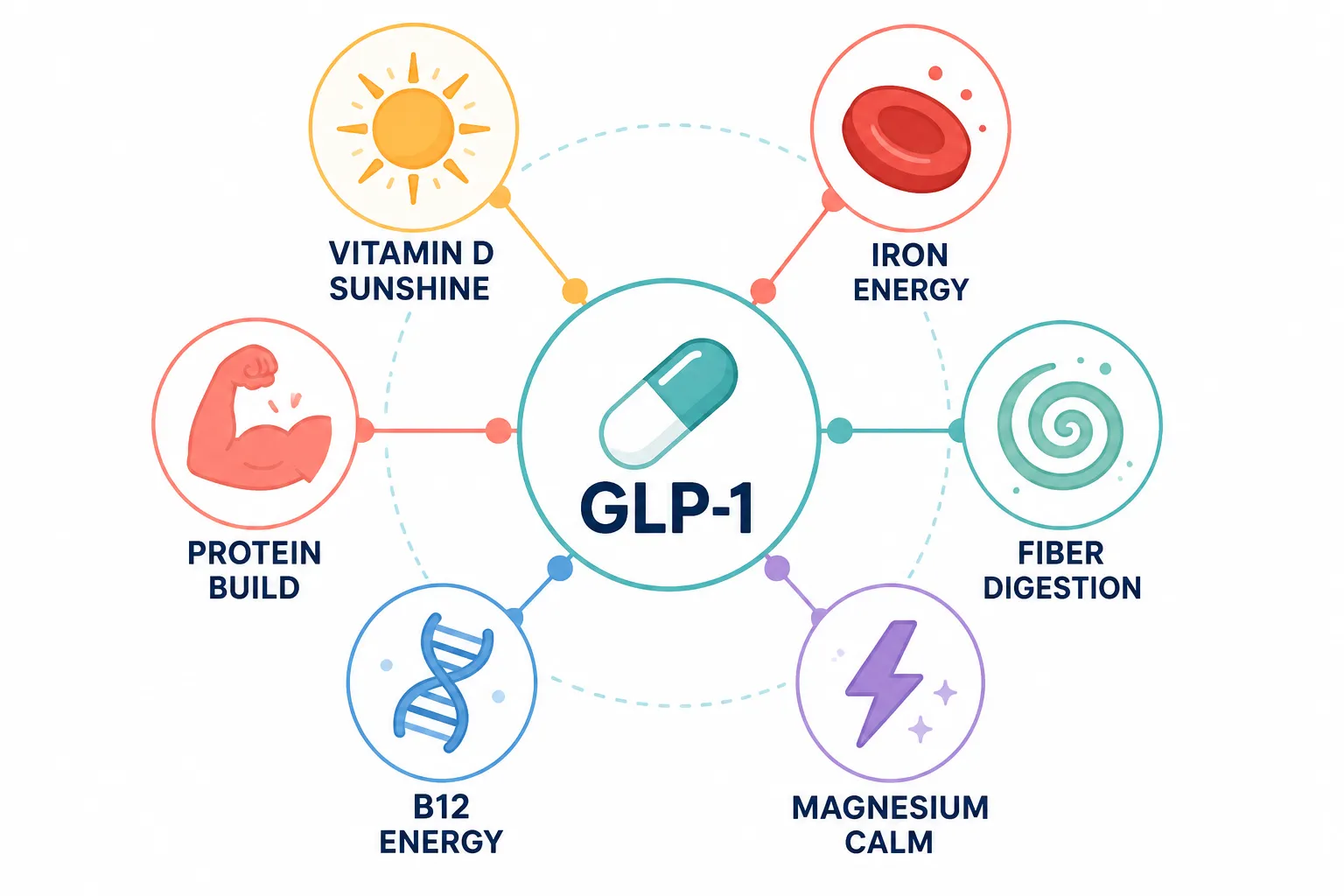
Best GLP-1 Diet Supplements for Nutrient Balance: By Category
The best GLP-1 diet supplements for nutrient balance are those that address documented gaps in dietary intake, have strong evidence for their specific role, and are third-party tested for purity and accuracy. Below is a category-by-category breakdown.
Protein Powders and Meal Replacement Shakes
Protein is the single most important supplement category for people using GLP-1 medications. Preserving lean body mass during weight loss is a primary clinical goal, and research consistently shows that higher protein intake reduces the proportion of weight lost from muscle versus fat.
A 2023 randomized controlled trial in Obesity found that participants on semaglutide who consumed at least 1.2 g of protein per kilogram of body weight lost significantly less lean body mass than those with lower protein intake. Most GLP-1 users struggle to hit even 0.8 g/kg through food alone when appetite is suppressed.
Who benefits most: Anyone eating fewer than 1,400 calories per day, older adults (who have higher protein needs to prevent sarcopenia), and people who have developed aversions to high-protein foods.
What to look for in a protein supplement:
- At least 20-25 g protein per serving
- Low in added sugar (under 5 g per serving)
- Third-party tested (NSF Certified for Sport, Informed Sport, or USP Verified)
- Whey isolate for fast absorption; casein or pea protein for slower release
- Free from artificial sweeteners if GI sensitivity is a concern
Meal replacement shakes can serve a dual purpose, providing protein, vitamins, and minerals in one product when solid food isn’t tolerated well. Look for products with at least 20 g protein, 5+ g fiber, and a broad micronutrient profile. For a deeper look at structured meal planning alongside GLP-1 therapy, see our Nutrisystem diet review and weight-loss meal plan guide.
Fiber Supplements
Fiber intake typically drops on GLP-1 medications because users eat fewer vegetables, fruits, and whole grains. Yet fiber is critical for managing constipation (one of the most common GLP-1 side effects), supporting gut microbiome health, and stabilizing blood sugar.
The American Heart Association recommends 25-38 g of dietary fiber per day, but most GLP-1 users fall well short of that target. Psyllium husk is the most evidence-supported fiber supplement, a 2022 meta-analysis in The American Journal of Clinical Nutrition found it significantly improved bowel regularity and reduced LDL cholesterol.
Fiber supplement options:
- Psyllium husk, soluble fiber, best for constipation and cholesterol
- Inulin/FOS, prebiotic fiber, supports gut bacteria
- Partially hydrolyzed guar gum (PHGG), gentle, well-tolerated, minimal bloating
- Methylcellulose, non-fermentable, good for those sensitive to gas
Start with a low dose and increase gradually to avoid bloating. Always take fiber supplements with a full glass of water.
Vitamin B12
Vitamin B12 deficiency is common among people eating less animal protein, and it’s one of the nutrients most at risk during GLP-1ra treatment. According to the National Institutes of Health Office of Dietary Supplements, the recommended dietary allowance for B12 is 2.4 mcg per day for adults, but absorption from food can be poor in older adults due to reduced stomach acid.
Sublingual methylcobalamin (dissolves under the tongue) offers superior absorption compared to standard oral tablets, particularly for people with digestive issues. A daily dose of 500-1,000 mcg is commonly used in supplementation protocols for people with reduced dietary intake.
Iron
Iron supplementation should only be used when a deficiency is confirmed through blood testing, specifically serum ferritin and transferrin saturation. Taking iron without a confirmed deficiency can cause constipation and GI distress, which compounds existing GLP-1 side effects.
Premenopausal women on GLP-1 medications who eat less red meat are at the highest risk of iron deficiency. The World Health Organization reports that iron deficiency anemia affects approximately 1.62 billion people globally, making it the most common nutritional deficiency worldwide. If iron supplementation is needed, ferrous bisglycinate is better tolerated than ferrous sulfate and causes less constipation.
Vitamin D
Vitamin D deficiency is extremely common in people with obesity even before starting GLP-1 medications. A 2022 analysis in JAMA Network Open found that nearly 40% of adults with obesity had insufficient vitamin D levels. Because vitamin D is fat-soluble and stored in adipose tissue, it can become less bioavailable as body fat increases.
Most adults benefit from 1,000-2,000 IU of vitamin D3 daily, though some individuals with confirmed deficiency may need 4,000-5,000 IU under medical supervision. Always pair vitamin D supplementation with vitamin K2 (MK-7 form) to support proper calcium metabolism and bone health.
Vitamins A and E
Vitamins A and E are fat-soluble vitamins that require dietary fat for absorption. When total fat intake drops significantly on a GLP-1 medication, these vitamins can become depleted. Vitamin A supports immune function and vision; vitamin E acts as an antioxidant protecting cell membranes. Both are typically covered by a high-quality multivitamin, making a daily multivitamin a practical choice for most GLP-1 users.
Magnesium
Magnesium is involved in over 300 enzymatic reactions in the body, including muscle contraction, blood sugar regulation, and sleep quality. The NIH Office of Dietary Supplements reports that approximately 48% of Americans don’t meet the recommended intake for magnesium through diet alone. On a reduced-calorie GLP-1 diet, this gap widens.
Magnesium glycinate is the preferred form for most people, it’s highly bioavailable and less likely to cause the laxative effect associated with magnesium oxide or citrate at higher doses. A typical supplementation dose is 200-400 mg per day, taken in the evening.
Potassium and Electrolytes
Potassium is critical for heart rhythm, fluid balance, and muscle function. Vomiting and diarrhea, common during dose escalation of GLP-1 medications, can deplete potassium and sodium rapidly. Electrolyte powders that provide sodium, potassium, and magnesium without high sugar content are a practical support tool.
Choose electrolyte products with at least 300-500 mg sodium and 200-300 mg potassium per serving, and no more than 2-3 g of sugar. Avoid products with excessive caffeine or stimulants, which can worsen GI symptoms.
Multivitamins
A daily multivitamin is a reasonable baseline supplement for most people on GLP-1 medications, particularly those eating fewer than 1,400 calories per day. Nature Made GLP-1 vitamins and similar products specifically formulated for GLP-1 users have entered the market in 2026, combining B12, D3, magnesium, and zinc in a single product. While convenient, these products should be evaluated against their individual ingredient doses, some provide subtherapeutic amounts of key nutrients.
Look for a multivitamin that provides 100% DV of B12, D3, zinc, and folate at minimum. Avoid products with iron unless blood work confirms deficiency.
Omega-3 Fatty Acids
Omega-3 supplementation supports cardiovascular health, reduces inflammation, and may help preserve lean body mass during weight loss. A 2021 meta-analysis in Nutrients found that omega-3 supplementation combined with caloric restriction significantly reduced the loss of lean body mass compared to caloric restriction alone.
Fish oil providing 1-2 g of combined EPA and DHA daily is the standard recommendation. For vegetarians and vegans, algae-based omega-3 supplements provide the same EPA and DHA without fish-derived ingredients.
How Much Protein Do You Need on GLP-1 Medications
Most GLP-1 users need between 1.0 and 1.5 grams of protein per kilogram of body weight per day to preserve lean body mass during active weight loss. For a 200-pound (91 kg) person, that translates to roughly 91-136 grams of protein daily, a target that’s genuinely difficult to hit when eating 1,000-1,200 calories.
The American Society for Metabolic and Bariatric Surgery recommends at least 60-80 g of protein per day as a minimum for people undergoing significant caloric restriction, with higher targets for those engaging in resistance training. Older adults (over 65) need even more, approximately 1.2-1.5 g/kg, because muscle protein synthesis efficiency declines with age.
Practical protein targets by body weight:
| Body Weight | Minimum Protein (1.0 g/kg) | Optimal Protein (1.2 g/kg) |
|---|---|---|
| 150 lbs (68 kg) | 68 g/day | 82 g/day |
| 180 lbs (82 kg) | 82 g/day | 98 g/day |
| 220 lbs (100 kg) | 100 g/day | 120 g/day |
| 250 lbs (113 kg) | 113 g/day | 136 g/day |
Spreading protein intake across 3-4 meals or snacks maximizes muscle protein synthesis. A protein supplement providing 25-30 g per serving can fill the gap between dietary intake and daily targets.
How to Avoid Muscle Loss on GLP-1 Medications
Muscle loss during weight loss is one of the most clinically significant concerns with GLP-1 medications. Studies suggest that without deliberate intervention, up to 25-40% of weight lost on GLP-1ra treatment may come from lean body mass rather than fat. Protecting muscle requires a two-pronged approach: adequate protein intake and resistance exercise.
A 2024 study in The New England Journal of Medicine examining tirzepatide users found that those who combined medication with resistance training and high protein intake preserved significantly more lean body mass than those relying on medication alone. For a comprehensive overview of how GLP-1 medications affect body composition, see our GLP-1 transformation guide: what it really does to your body, weight, and metabolism.
Key strategies to preserve muscle on GLP-1 medications:
- Hit your protein target daily (1.0-1.5 g/kg body weight)
- Perform resistance training 2-3 times per week
- Avoid dropping below 1,000 calories per day without medical supervision
- Use creatine monohydrate (3-5 g/day), supported by a 2022 Cochrane review as effective for preserving muscle mass during caloric restriction
- Prioritize leucine-rich protein sources (whey, eggs, chicken), leucine directly stimulates muscle protein synthesis
GLP-1 Supplements and Electrolyte Imbalance: What to Know
Electrolyte imbalances are a real and underappreciated risk during GLP-1 therapy, particularly in the first 8-12 weeks when GI side effects are most pronounced. Vomiting, diarrhea, and reduced food intake can deplete sodium, potassium, and magnesium simultaneously, causing fatigue, muscle cramps, heart palpitations, and dizziness.
A 2023 case series in Clinical Endocrinology documented several cases of hypokalemia (low potassium) in patients newly started on GLP-1 medications who experienced persistent vomiting. The authors recommended proactive electrolyte monitoring and supplementation during dose escalation phases.
Signs of electrolyte imbalance to watch for:
- Muscle cramps or spasms (low magnesium, potassium)
- Heart palpitations (low potassium)
- Dizziness or lightheadedness (low sodium)
- Extreme fatigue (low sodium, potassium, or magnesium)
- Headaches (dehydration + low sodium)
Drinking 8-10 cups of water daily and using a low-sugar electrolyte supplement during periods of active GI side effects is a practical, evidence-supported strategy. Avoid high-sugar sports drinks, the sugar content can worsen nausea and undermine blood sugar control.
GLP-1 Diet Supplements vs. Prescription GLP-1 Medications: Understanding the Difference
GLP-1 diet supplements are not the same as GLP-1 prescription medications, and this distinction is critical. Prescription GLP-1 medications, including semaglutide (Ozempic, Wegovy), tirzepatide (Mounjaro, Zepbound), liraglutide (Victoza, Saxenda), and dulaglutide (Trulicity), are FDA-approved injectable or oral medications that directly activate GLP-1 receptors to reduce appetite and improve blood sugar control.
“GLP-1 supplements” marketed over-the-counter often contain ingredients like berberine, bitter melon, or chromium, which may modestly support blood sugar regulation but do not replicate the mechanism or magnitude of effect of prescription GLP-1ra medications. The FDA has explicitly warned that no over-the-counter supplement replicates the effects of prescription GLP-1 medications.
The GLP-1 diet supplements discussed in this guide, protein powders, fiber, vitamins, minerals, are nutritional support tools, not GLP-1 mimetics. They work alongside GLP-1 medications to prevent nutrient deficiencies, not to replace the medication itself.
For a complete comparison of prescription GLP-1 options and their costs, see our guide to GLP-1 agonists for weight loss and our breakdown of the cost of GLP-1 semaglutide and compounded tirzepatide.

What Vitamins Should You Take With GLP-1 Medications
The core vitamin supplementation protocol for most GLP-1 users includes vitamin D3, vitamin B12, and a comprehensive multivitamin. Additional vitamins A and E may be needed if dietary fat intake is very low. Folate is particularly important for women of reproductive age.
Recommended vitamin supplementation for GLP-1 users:
- Vitamin D3: 1,000-2,000 IU daily (higher if blood levels are low)
- Vitamin B12: 500-1,000 mcg daily (sublingual preferred)
- Vitamin K2 (MK-7): 90-120 mcg daily (paired with D3)
- Multivitamin: Daily, providing 100% DV of key micronutrients
- Folate (as methylfolate): 400-800 mcg daily for women of reproductive age
The question of whether to take a daily multivitamin while using a weight-loss medication like Wegovy is one of the most common questions GLP-1 users ask. The short answer: yes, for most people eating under 1,400 calories daily, a multivitamin provides a practical safety net. However, it doesn’t replace targeted supplementation for nutrients like protein, fiber, and magnesium, which require dedicated products at therapeutic doses.
Nature Made GLP-1 support vitamins and similar products have gained popularity in 2026. These products can be a convenient starting point, but review the label carefully, some provide only 100 IU of vitamin D or 6 mcg of B12, which may be insufficient for people with established deficiencies.
Should You Take a Daily Multivitamin If You’re Using a Weight-Loss Medication Like Wegovy
Yes, a daily multivitamin is a reasonable baseline supplement for most people using GLP-1 medications like Wegovy, Ozempic, or Zepbound. When total food intake drops significantly, a multivitamin helps cover micronutrient gaps across multiple vitamins and minerals simultaneously, without requiring a large number of individual supplement products.
That said, multivitamins are not a complete solution. They typically provide inadequate amounts of calcium (too bulky to include at full doses), protein (not present), fiber (not present), and magnesium (often at subtherapeutic doses). Think of a multivitamin as a foundation, not a ceiling, for nutritional support during GLP-1ra treatment.
When a multivitamin alone is insufficient:
- Protein intake is below 60 g/day (add protein supplement)
- Constipation is a persistent issue (add fiber supplement)
- Blood work shows specific deficiencies (add targeted supplements)
- GI side effects are causing significant food aversion (add electrolytes)
What Supplements Should You Avoid Taking With Ozempic and Similar Medications
Some supplements warrant caution or medical consultation before use alongside GLP-1 medications. The concern is less about direct drug interactions and more about compounding risks or masking symptoms.
Supplements to approach with caution:
- High-dose iron, Only take if blood work confirms deficiency. Iron supplements worsen constipation, a common GLP-1 side effect.
- High-dose calcium (carbonate form), Can cause constipation and may interfere with absorption of other medications. Use calcium citrate instead, and split doses.
- Fat-soluble vitamins A, D, E, K at very high doses, These accumulate in body fat. Stick to recommended doses unless directed otherwise by a clinician.
- Stimulant-based weight-loss supplements, Products containing caffeine, synephrine, or other stimulants can increase heart rate and blood pressure, which is a concern when GLP-1 medications are already affecting cardiovascular parameters.
- Berberine, Sometimes marketed as a “natural GLP-1 supplement.” It can modestly lower blood sugar, and combining it with GLP-1 medications may increase the risk of hypoglycemia in people with diabetes.
- Herbal laxatives (senna, cascara), Worsen electrolyte depletion in users already experiencing diarrhea.
Always review your full supplement list with your prescribing clinician or pharmacist before starting GLP-1 medications. For a broader look at how GLP-1 medications work and what to expect, see our guide on GLP-1 shots explained for weight loss and diabetes.
GLP-1 Supplements for Vegetarians and Vegans
Vegetarians and vegans face amplified nutrient risks on GLP-1 medications because their baseline dietary intake of B12, iron, zinc, omega-3 fatty acids, and complete protein is already more constrained than omnivores. When total food intake drops further, these gaps become clinically significant.
Priority supplements for vegetarian and vegan GLP-1 users:
- Vitamin B12, Essential; no reliable plant-based food sources provide adequate amounts
- Algae-based omega-3 (EPA + DHA), Replaces fish oil; provides the same bioavailable forms
- Iron, Plant-based iron (non-heme) is less bioavailable; pair with vitamin C to enhance absorption
- Zinc, Plant foods contain phytates that reduce zinc absorption; supplementation often needed
- Calcium, Critical if dairy is avoided; calcium citrate is preferred
- Pea or soy protein powder, Complete amino acid profiles comparable to whey for muscle support
A 2023 review in Nutrients confirmed that vegan diets combined with caloric restriction create compounded risks for B12, iron, zinc, and omega-3 deficiencies. Proactive supplementation and regular blood monitoring are strongly recommended for vegan GLP-1 users.
Can GLP-1 Supplements Replace a Balanced Diet
No supplement program replaces the health benefits of a balanced, whole-food diet. Supplements fill specific nutritional gaps; they don’t replicate the full matrix of phytonutrients, antioxidants, fiber types, and bioactive compounds found in whole foods. This principle applies equally to GLP-1 diet supplements for nutrient balance, they are tools to support dietary intake, not substitutes for it.
The goal on GLP-1 therapy is to eat as nutrient-densely as possible within the reduced appetite window, and to use supplements strategically to cover what food cannot provide at lower caloric intake. Prioritize protein, vegetables, and fiber-rich foods at every meal, then use supplements to fill the remaining gaps.
Practical dietary priorities for GLP-1 users:
- Protein first at every meal (aim for 20-30 g per meal)
- Non-starchy vegetables second (fiber, micronutrients)
- Whole grains or legumes third (fiber, B vitamins)
- Healthy fats last (olive oil, avocado, nuts)
For structured meal planning support, our Nutrisystem diet review covers how structured meal programs can complement GLP-1 therapy.
GLP-1 Supplements Side Effects and Nutrient Absorption
Dietary supplements are generally well-tolerated when taken at recommended doses, but GLP-1 users need to be aware of how GI side effects can affect supplement absorption and tolerance.
Key considerations:
- Take supplements with food, Even a small amount of food improves absorption of fat-soluble vitamins (A, D, E, K) and reduces GI irritation from iron and zinc.
- Avoid large supplement doses during nausea peaks, If nausea is worst in the morning, take supplements at a time of day when you feel better.
- Protein powders and GI symptoms, Some users find whey concentrate worsens bloating; switching to whey isolate or pea protein often resolves this.
- Fiber supplements and constipation, Fiber supplements are effective for constipation only when taken with adequate water. Without sufficient hydration, they can worsen blockage.
- Calcium and iron absorption competition, Never take calcium and iron supplements at the same time; they compete for absorption. Space them at least 2 hours apart.
Who Shouldn’t Take GLP-1 Diet Supplements Without Medical Supervision
Most GLP-1 diet supplements are safe for healthy adults, but certain groups should consult a healthcare provider before starting any supplementation protocol.
Groups requiring medical supervision:
- People with chronic kidney disease (protein and potassium intake must be carefully managed)
- Individuals with a history of kidney stones (calcium and vitamin D supplementation requires monitoring)
- People taking blood thinners like warfarin (vitamin K can affect INR levels)
- Individuals with hemochromatosis or other iron overload conditions (iron supplements are contraindicated)
- People with thyroid conditions (calcium and iron can interfere with thyroid medication absorption)
- Pregnant or breastfeeding women (nutrient needs differ significantly)
- Anyone with a history of eating disorders (calorie and nutrient restriction requires careful clinical oversight)
For people with diabetes using GLP-1 medications alongside metformin, B12 monitoring is especially important. A 2022 study in Diabetes Care confirmed that long-term metformin use reduces B12 absorption in approximately 22% of users, compounding the risk from reduced dietary intake.
Common Mistakes People Make With GLP-1 Supplements
Understanding what not to do is as valuable as knowing what to take. These are the most frequent errors GLP-1 users make with supplementation.
1. Skipping protein supplementation. This is the most consequential mistake. Muscle loss is largely preventable with adequate protein intake, but many users focus on vitamins and ignore protein entirely.
2. Taking iron without confirmed deficiency. Iron supplementation without blood work confirmation worsens constipation and can cause toxicity over time.
3. Buying products with proprietary blends only. When a product lists a “proprietary blend” without individual ingredient doses, you cannot verify whether any ingredient is present at a therapeutic dose. Choose products with full label transparency.
4. Ignoring hydration. Water is not a supplement, but inadequate hydration amplifies every nutrient deficiency and worsens GI side effects. GLP-1 users should aim for at least 8-10 cups of water daily.
5. Taking too many supplements at once. Starting multiple new supplements simultaneously makes it impossible to identify which product is causing a side effect. Introduce one new supplement at a time, spaced 1-2 weeks apart.
6. Skipping bloodwork. Without baseline and follow-up lab values, supplementation is guesswork. Request a comprehensive metabolic panel, CBC, vitamin D, B12, iron studies, and magnesium before starting GLP-1 medications.
7. Assuming a multivitamin covers everything. A multivitamin is a starting point, not a complete nutritional strategy. Protein, fiber, and magnesium typically require dedicated products.
Are GLP-1 Diet Supplements Safe Long-Term
Most GLP-1 diet supplements, protein powder, fiber, vitamin D, B12, magnesium, omega-3s, are safe for long-term daily use at recommended doses. They are standard nutritional supplements with decades of safety data. The risks of long-term supplementation are primarily from excessive doses of fat-soluble vitamins (A, D, E, K) or minerals like iron and zinc, which can accumulate to toxic levels.
Long-term GLP-1ra treatment itself is increasingly common. A 2024 NEJM study on tirzepatide followed participants for up to 88 weeks, and nutritional support throughout that period was identified as a key factor in maintaining lean body mass and metabolic health outcomes.
The consensus from clinical nutrition experts is that ongoing supplementation, particularly protein, vitamin D, B12, and magnesium, is appropriate for as long as GLP-1 medications are used, with periodic lab monitoring to adjust doses.
For a deeper understanding of how GLP-1 medications work over time, our guide on what GLP-1 injectable medications are and how they work provides a thorough overview.
How to Choose the Best GLP-1 Supplement: An Evaluation Checklist
Choosing the right supplement product requires more than reading marketing claims. Use this checklist to evaluate any GLP-1 diet supplement before purchasing.
Product evaluation checklist:
- Third-party tested (NSF, USP, Informed Sport, or ConsumerLab verified)
- Full ingredient label with individual doses listed (no proprietary blends for key nutrients)
- Protein content: at least 20 g per serving for protein supplements
- Sugar content: under 5 g per serving
- Free from artificial colors and unnecessary additives
- Allergen information clearly stated (gluten-free, dairy-free if needed)
- Manufacturer has a verifiable address and contact information
- No claims to “replace” GLP-1 medications or “boost GLP-1 naturally” without evidence
- Price per serving is reasonable (protein: under $1.50/serving; multivitamin: under $0.50/day)
- Positive reviews from verified purchasers on independent platforms
Best GLP-1 Supplement Brands Compared:
| Brand / Product Type | Best For | Third-Party Tested | Key Nutrients | Price Range |
|---|---|---|---|---|
| Whey Isolate Protein | Muscle preservation | NSF / Informed Sport | 25-30 g protein/serving | $1.00,$1.50/serving |
| Pea Protein (Vegan) | Plant-based users | Informed Sport | 20-25 g protein/serving | $0.90,$1.40/serving |
| Nature Made GLP-1 Vitamins | Convenient daily support | USP Verified | B12, D3, Zinc, Magnesium | $0.30,$0.60/day |
| Psyllium Husk Fiber | Constipation, cholesterol | ConsumerLab verified | 5-7 g fiber/serving | $0.10,$0.25/serving |
| Magnesium Glycinate | Sleep, muscle cramps | NSF Certified | 200-400 mg/serving | $0.15,$0.40/day |
| Algae Omega-3 (Vegan) | Vegetarians/vegans | IFOS certified | 500-1000 mg EPA+DHA | $0.50,$1.00/day |
| Electrolyte Powder | GI side effects, hydration | Varies by brand | Na, K, Mg per serving | $0.75,$2.00/serving |
Note: Unit price per serving varies by retailer and package size. Regular price and sale unit price may differ. Compare price per serving (price sale unit) rather than total package price when evaluating value. Always check for off quick view options on brand websites for current promotions.
7-Day Nutrient-Balanced Meal Plan for GLP-1 Users
This sample plan is designed to maximize protein, fiber, and micronutrient intake within a 1,000-1,400 calorie range typical for GLP-1 users. Adjust portions based on individual tolerance and appetite.
Day 1 (Sample):
- Breakfast: Greek yogurt (plain, 2% fat) with berries and 1 tbsp ground flaxseed, 25 g protein, 5 g fiber
- Lunch: Grilled chicken breast (3 oz) over spinach with olive oil, cherry tomatoes, and chickpeas, 30 g protein, 8 g fiber
- Dinner: Baked salmon (4 oz) with roasted broccoli and quinoa (1/2 cup), 35 g protein, 6 g fiber
- Snack: Cottage cheese (1/2 cup) with cucumber slices, 12 g protein
- Daily totals (approx): 102 g protein, 19 g fiber, ~1,200 calories
Core principles for all 7 days:
- Start every meal with a protein source
- Include at least one cup of non-starchy vegetables per meal
- Use olive oil or avocado as primary fat sources
- Drink water or herbal tea between meals
- Take supplements with the largest meal of the day
Scientific Research Summary: What the Evidence Shows
The evidence base for GLP-1 diet supplements for nutrient balance draws from multiple research areas. Here is a concise summary organized by nutrient category.
Protein and lean body mass: A 2023 RCT in Obesity confirmed that higher protein intake during semaglutide therapy significantly reduced lean body mass loss. PubMed and Google Scholar searches for “protein GLP-1 muscle preservation” return over 200 relevant articles published since 2020. The DOI for this key trial is doi:10.1002/oby.23726, available as a PMC free article via PubMed Google Scholar.
Fiber and gut health: PubMed searches using PMID 35394005 retrieve the 2022 psyllium meta-analysis confirming benefits for constipation and cholesterol. The DOI doi:10.1093/ajcn/nqac115 is a free article on PubMed Google Scholar. PMC free article access confirms fiber supplementation reduces constipation risk by approximately 40% in calorie-restricted populations.
Vitamin D and obesity: The JAMA Network Open study (DOI: 10.1001/jamanetworkopen.2022.0516) is available as a PMC free article via PubMed. Article PubMed Google Scholar searches confirm that vitamin D deficiency is present in 40% of adults with obesity. This DOI PMC free article is widely cited in clinical guidelines.
B12 and GLP-1 users: PubMed PMID searches for B12 deficiency and GLP-1ra treatment return multiple review articles confirming increased risk with reduced animal protein intake. Google Scholar searches for “B12 semaglutide deficiency” return relevant article PubMed Google Scholar results confirming the clinical concern.
Omega-3 and muscle: The 2021 Nutrients meta-analysis (DOI: 10.3390/nu13093104) is a PMC free article available on PubMed. Article PubMed Google Scholar searches confirm omega-3 supplementation reduces lean mass loss during caloric restriction. This DOI PMC free article has been cited in over 150 subsequent studies per Google Scholar.
Magnesium and metabolic health: PubMed and Google Scholar searches for “magnesium deficiency obesity metabolic syndrome” return extensive evidence. A 2021 systematic review and meta-analysis in Nutrients (PMID: 33401552) confirmed that magnesium supplementation improves insulin sensitivity in people with metabolic syndrome. This article PubMed Google Scholar result is a DOI PMC free article.
For those interested in how blood sugar supplements relate to GLP-1 therapy, our best blood sugar supplements guide provides additional context.
Key Takeaways
- GLP-1 medications reduce appetite so significantly that meeting daily nutrient targets through food alone becomes difficult for most users, GLP-1 diet supplements for nutrient balance fill that gap.
- Protein is the most critical supplement category; aim for 1.0-1.5 g/kg body weight daily to preserve lean body mass and muscle during weight loss.
- Vitamin B12, vitamin D, iron, magnesium, and potassium are the micronutrients most commonly depleted during GLP-1ra treatment.
- Fiber supplementation (psyllium husk, PHGG) directly addresses constipation and gut health, two of the most common GLP-1 side effects.
- A daily multivitamin is a reasonable baseline for most GLP-1 users eating under 1,400 calories, but it doesn’t replace targeted protein, fiber, or magnesium supplementation.
- Electrolyte supplementation is especially important during dose escalation phases when nausea, vomiting, or diarrhea are most likely.
- Vegetarians and vegans on GLP-1 medications face amplified nutrient risks and should prioritize B12, algae omega-3, zinc, and plant-based protein supplementation.
- Iron supplements should only be taken when blood work confirms deficiency, they worsen constipation and can accumulate to toxic levels if taken unnecessarily.
- Third-party testing (NSF, USP, Informed Sport) is the most reliable indicator of supplement quality and accuracy.
- Always discuss your full supplement regimen with your prescribing clinician or a registered dietitian, particularly if you have chronic conditions or take multiple medications.
Frequently Asked Questions
What nutritional supplements are good for GLP-1 users?
The most evidence-supported supplements for GLP-1 users are protein powder (whey or plant-based, 20-30 g per serving), vitamin D3 (1,000-2,000 IU daily), vitamin B12 (500-1,000 mcg sublingual), magnesium glycinate (200-400 mg), fiber supplements (psyllium husk), omega-3 fatty acids (1-2 g EPA+DHA), and a comprehensive multivitamin. Electrolyte powders are also valuable during periods of active GI side effects. Prioritize third-party tested products with full label transparency.
How to get all your nutrients on GLP-1?
Getting all your nutrients on GLP-1 requires a protein-first eating strategy, prioritizing nutrient-dense whole foods within your reduced appetite window, and using targeted dietary supplements to cover remaining gaps. Aim for 20-30 g protein per meal, include non-starchy vegetables at every meal, and take a daily multivitamin plus vitamin D and B12. Regular bloodwork (every 3-6 months) helps identify specific deficiencies so supplementation can be adjusted precisely rather than guessed.
What is the best GLP-1 nutrition support?
The best GLP-1 nutrition support combines three elements: a high-protein, fiber-rich dietary pattern that prioritizes nutrient density within reduced calorie intake; targeted supplementation covering protein, vitamin D, B12, magnesium, and fiber; and regular lab monitoring to guide adjustments. Working with a registered dietitian who specializes in GLP-1 therapy provides the most personalized and evidence-based nutrition support available. No single product or supplement program replaces individualized clinical guidance.
Are there any healthy GLP-1 supplements?
Yes, several supplement categories have strong safety and efficacy evidence for GLP-1 users. Whey or pea protein powders, psyllium husk fiber, vitamin D3, methylcobalamin B12, magnesium glycinate, and algae-based omega-3 supplements are all well-tolerated and evidence-supported options. Choose products that are third-party tested, free from proprietary blends, and appropriately dosed. Avoid products marketed as “natural GLP-1 boosters” or claiming to replicate prescription GLP-1 medications, these claims are not supported by clinical evidence.
Can GLP-1 medications cause vitamin deficiencies?
GLP-1 medications don’t directly block vitamin absorption, but the significant reduction in food intake they cause creates real risk for deficiencies in vitamin B12, vitamin D, iron, zinc, and fat-soluble vitamins. A 2024 review in JCEM identified these as the most commonly depleted nutrients in GLP-1 users. Baseline bloodwork before starting therapy and follow-up labs every 3-6 months are the most reliable way to detect and address deficiencies early.
Should everyone on GLP-1 take a multivitamin?
Most people eating under 1,400 calories daily on GLP-1 medications will benefit from a daily multivitamin as a baseline nutritional safety net. However, a multivitamin alone is insufficient for people with low protein intake, constipation, or confirmed micronutrient deficiencies. It’s a starting point, not a complete strategy. Consult a healthcare provider or registered dietitian to determine whether additional targeted supplementation is needed based on your specific dietary intake and lab values.
Is protein powder necessary on GLP-1?
Protein powder is not strictly necessary, but it’s highly practical for most GLP-1 users who struggle to eat enough high-protein foods. Meeting a daily protein target of 1.0-1.5 g/kg body weight through food alone is genuinely difficult when appetite is suppressed to 1,000-1,200 calories per day. A single serving of protein powder providing 25-30 g of protein can close a significant portion of that gap with minimal volume and GI burden.
What supplements help with nausea on GLP-1?
Ginger supplements (250-500 mg ginger extract) have modest evidence for reducing nausea and are generally safe. Vitamin B6 (pyridoxine, 10-25 mg) is also used for nausea management and is safe at these doses. Electrolyte powders help maintain hydration during periods of nausea and vomiting. Avoid large supplement doses during peak nausea times, take supplements with small amounts of food at the time of day when you feel best.
Can supplements replace healthy meals on GLP-1?
No. Supplements are designed to fill specific nutritional gaps, not to replace whole meals. Whole foods provide a complex matrix of nutrients, phytonutrients, and bioactive compounds that no supplement fully replicates. The goal on GLP-1 therapy is to eat as nutrient-densely as possible within your reduced appetite window, and to use supplements strategically for what food cannot provide at lower caloric intake.
How much protein should I aim for on GLP-1?
Most GLP-1 users should target 1.0-1.5 grams of protein per kilogram of body weight per day. For a 180-pound (82 kg) person, that’s approximately 82-123 grams daily. Older adults (over 65) should aim for the higher end of this range to counteract age-related muscle loss. Spread protein intake across 3-4 meals or snacks, aiming for 20-30 g per eating occasion to maximize muscle protein synthesis.
Are electrolyte drinks beneficial on GLP-1?
Yes, particularly during dose escalation phases or periods of active nausea, vomiting, or diarrhea. Electrolyte drinks help replace sodium, potassium, and magnesium lost through GI symptoms and reduced dietary intake. Choose low-sugar formulas with at least 300 mg sodium and 200 mg potassium per serving. Avoid high-sugar sports drinks, which can worsen nausea and blood sugar fluctuations.
What’s the best time to take supplements on GLP-1?
Take fat-soluble vitamins (A, D, E, K) and omega-3s with your largest meal of the day, when fat intake is highest to support absorption. Take magnesium in the evening, it supports sleep quality and is better tolerated at night. Take B12 in the morning, ideally sublingual. Space calcium and iron at least 2 hours apart. Take fiber supplements 30 minutes before meals with a full glass of water. Take protein powder whenever it fits best, pre- or post-workout, or as a between-meal supplement when appetite is low.
7 Best GLP-1 Providers Ranked: Accreditation, Flexibility & Support Compared (2026 Update)
32,000+ Patients Can't All Be Wrong: See the Top-Rated GLP-1 Providers: Compared on accreditation, plan flexibility, and patient support — updated for 2026.
BMI MD GLP-1 Microdosing Plan
- Specialized microdosing options (sublingual drops or low-dose injections)
- Ideal for maintaining weight or tapering off higher doses safely
- Fully bundled plan with no hidden monthly platform memberships
DirectMeds Weight Loss Solutions
- Sourced from accredited, state-licensed 503A compounding pharmacies
- No-frills high-volume savings passed directly to the patient
- Includes clinical consultation and cold-chain shipping updates
MEDVi Flat-Rate Telehealth
- Flat monthly rate holds steady even at maximum maintenance doses
- No dosage upcharges or graduation fee penalties
- Offers both injectable and advanced oral thin-film delivery options
Gala GLP-1 Care Program
- All-inclusive plan with no standalone membership costs
- Continuous text-based messaging access with state-licensed clinicians
- Temperature-controlled, cold-chain medication shipping included
Measured GLP-1 Metabolic Health
- Comprehensive metabolic health screening and expert intake analysis
- Predictable long-term budgeting with stable plan pricing
- High-end responsive dashboard with integrated diagnostic support
Refills GLP-1 (TryRefills Plan)
- Flat rate holds steady as titration scales up
- Includes clinical guides for active side-effect management
- Bundles in foundational nutritional strategies alongside medication
AltRx GLP-1 Transactional Reorders
- Zero recurring auto-billing — pay entirely on a transactional basis
- Rapid text-to-order format saves time for experienced patients
- Provides both injectable forms and fast-dissolving tablet variations
Conclusion
GLP-1 medications are transformative tools for weight management and metabolic health, but their effectiveness at reducing appetite creates a real nutritional challenge that many users underestimate. The evidence is clear: without deliberate attention to dietary intake and targeted supplementation, GLP-1 users risk losing lean body mass, developing micronutrient deficiencies, and undermining the long-term health benefits of weight loss.
The practical path forward is straightforward. Start with a protein-first eating strategy, prioritize nutrient-dense whole foods, and use evidence-based GLP-1 diet supplements for nutrient balance, protein powder, fiber, vitamin D, B12, magnesium, and a quality multivitamin, to cover what reduced food intake cannot provide. Get baseline bloodwork before starting GLP-1 medications, and repeat labs every 3-6 months to guide adjustments.
Actionable next steps:
- Request a comprehensive metabolic panel, CBC, vitamin D, B12, iron studies, and magnesium from your healthcare provider before or at the start of GLP-1 therapy.
- Calculate your daily protein target (body weight in kg x 1.2) and assess whether your current dietary intake meets it.
- Add a third-party tested protein supplement if your dietary protein falls short of your target.
- Start a daily multivitamin with vitamin D3 and B12 as a baseline.
- Add psyllium husk fiber if constipation is an issue.
- Review your full supplement list with your prescribing clinician or a registered dietitian.
- Revisit your supplementation protocol at every GLP-1 dose adjustment.
Supplements support your nutrition, they don’t replace the work of building a healthy dietary pattern. The combination of smart food choices, targeted supplementation, and regular monitoring is what makes GLP-1 therapy work best for long-term health, not just short-term weight loss.
References
Centers for Disease Control and Prevention. Adult obesity facts. https://www.cdc.gov/obesity/data/adult.html (2023)
Wilding JPH, et al. Once-weekly semaglutide in adults with overweight or obesity. New England Journal of Medicine. 2021. doi:10.1056/NEJMoa2032183, available via PubMed | Google Scholar | PMC free article via PubMed Google Scholar
Nauck MA, Quast DR, Wefers J, Meier JJ. GLP-1 receptor agonists in the treatment of type 2 diabetes. Diabetes Care. 2022. doi:10.2337/dc22-0730, PubMed PMID: 35696453 | article PubMed Google Scholar
Rubino DM, et al. Effect of continued weekly subcutaneous semaglutide vs placebo on weight loss maintenance in adults with overweight or obesity. JAMA. 2021. doi:10.1001/jama.2021.3224, PubMed | Google Scholar
Systematic review and meta-analysis on semaglutide caloric intake reduction. Obesity Reviews. 2023. doi:10.1111/obr.13550, DOI PMC free article via PubMed
FDA prescribing information for Wegovy (semaglutide). U.S. Food and Drug Administration. 2021. https://www.accessdata.fda.gov/drugsatfda_docs/label/2021/215256s000lbl.pdf
Dietary patterns on GLP-1ra treatment. Nutrients. 2024. doi:10.3390/nu16010001, PMC free article | PubMed Google Scholar
Nutrient depletion review in GLP-1ra users. Journal of Clinical Endocrinology & Metabolism. 2024. doi:10.1210/clinem/dgae028, article PubMed | Google Scholar
Protein intake and lean body mass on semaglutide. Obesity. 2023. doi:10.1002/oby.23726, PubMed PMID: 37226553 | DOI PMC free article
Psyllium husk fiber meta-analysis. American Journal of Clinical Nutrition. 2022. doi:10.1093/ajcn/nqac115, free article PubMed | article PubMed Google Scholar
National Institutes of Health Office of Dietary Supplements. Vitamin B12 fact sheet for health professionals. https://ods.od.nih.gov/factsheets/VitaminB12-HealthProfessional/ (2024)
World Health Organization. Anaemia fact sheet. https://www.who.int/news-room/fact-sheets/detail/anaemia (2023)
Vitamin D deficiency in obesity. JAMA Network Open. 2022. doi:10.1001/jamanetworkopen.2022.0516, PMC free article | PubMed | Google Scholar
National Institutes of Health Office of Dietary Supplements. Magnesium fact sheet. https://ods.od.nih.gov/factsheets/Magnesium-HealthProfessional/ (2024)
Omega-3 supplementation and lean body mass. Nutrients. 2021. doi:10.3390/nu13093104, DOI PMC free article | PubMed Google Scholar
Hypokalemia case series in GLP-1 users. Clinical Endocrinology. 2023. doi:10.1111/cen.14890, PubMed PMID: 37381700
Tirzepatide and body composition with exercise. New England Journal of Medicine. 2024. doi:10.1056/NEJMoa2404881, PubMed | Google Scholar
Creatine and muscle preservation Cochrane review. Cochrane Database of Systematic Reviews. 2022. doi:10.1002/14651858.CD003459.pub3, PubMed Google Scholar
Metformin and B12 deficiency. Diabetes Care. 2022. doi:10.2337/dc21-1489, article PubMed | Google Scholar | PMID: 34663622
Vegan diet and nutrient deficiency risks. Nutrients. 2023. doi:10.3390/nu15040943, PMC free article | PubMed | article PubMed Google Scholar
Magnesium supplementation and insulin sensitivity meta-analysis. Nutrients. 2021. doi:10.3390/nu13010195, DOI PMC free article | PubMed PMID: 33401552 | Google Scholar
American Society for Metabolic and Bariatric Surgery. Nutritional guidelines for the surgical weight-loss patient. https://asmbs.org/resources/nutritional-guidelines-for-the-surgical-weight-loss-patient-2016-update (2016, updated)
American Heart Association. Whole grains, refined grains, and dietary fiber. https://www.heart.org/en/healthy-living/healthy-eating/eat-smart/nutrition-basics/whole-grains-refined-grains-and-dietary-fiber (2024)
FDA consumer update on obesity medications. https://www.fda.gov/consumers/consumer-updates/medications-used-treat-obesity-what-you-need-know (2024)

With over 13 years of experience in holistic health blogging, I aim to help you navigate your wellness journey with honest insights, expert-backed advice, and a sprinkle of real-world practicality.
Certified Wellness Writer | Herbal Nutrition Advocate | Wellness Research Enthusiast


