
GLP-1 Electrolytes: Why They Matter and the Best Options (2026)
Last updated: July 26, 2026
Quick Answer
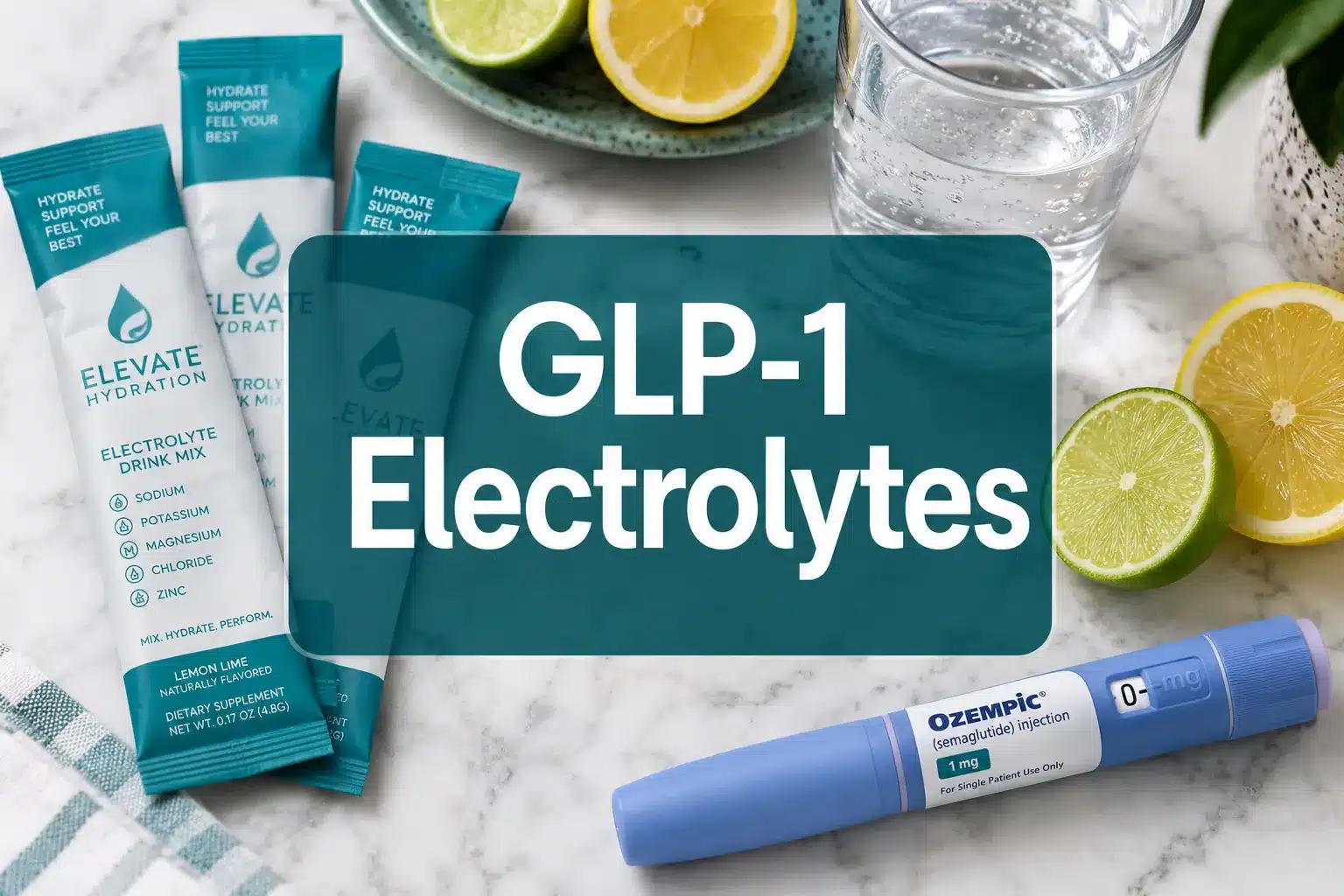
GLP-1 electrolytes refer to the mineral salts, primarily sodium, potassium, magnesium, and chloride, that GLP-1 receptor agonist users (such as those taking semaglutide or tirzepatide) need to actively replenish. These medications reduce appetite and food intake significantly, which also reduces electrolyte consumption from food. Combined with common side effects like nausea, vomiting, and reduced thirst, this creates a real risk of electrolyte imbalance that can cause fatigue, dizziness, muscle cramps, and worsened nausea.
Key Takeaways
- GLP-1 medications like Ozempic, Wegovy, and Zepbound reduce food intake dramatically, which lowers your natural electrolyte intake from meals.
- Nausea and vomiting, two of the most common GLP-1 side effects, accelerate electrolyte loss through fluid loss.
- Low sodium (hyponatremia) is the most clinically significant electrolyte concern for GLP-1 users and can cause serious neurological symptoms if severe.
- Most GLP-1 users benefit from starting electrolyte supplementation early, ideally within the first few weeks of treatment.
- Low-sugar or sugar-free electrolyte powders and tablets are generally better choices than traditional sports drinks, which contain significant amounts of sugar.
- Recommended daily electrolyte targets for GLP-1 users are broadly similar to general adult guidelines, but intake from food alone is often insufficient given reduced eating.
- Electrolyte imbalance can mimic or worsen GLP-1 side effects, addressing it often reduces nausea and dizziness.
- Over-supplementing electrolytes, particularly sodium and potassium, carries its own health risks and should be avoided without medical guidance.
- People with kidney disease, heart failure, or hypertension should consult their prescribing physician before adding electrolyte supplements.
- Whole-food sources of electrolytes, broth, avocado, leafy greens, dairy, should be prioritized alongside any supplements.
What Are Electrolytes and Why Do GLP-1 Users Need Them?
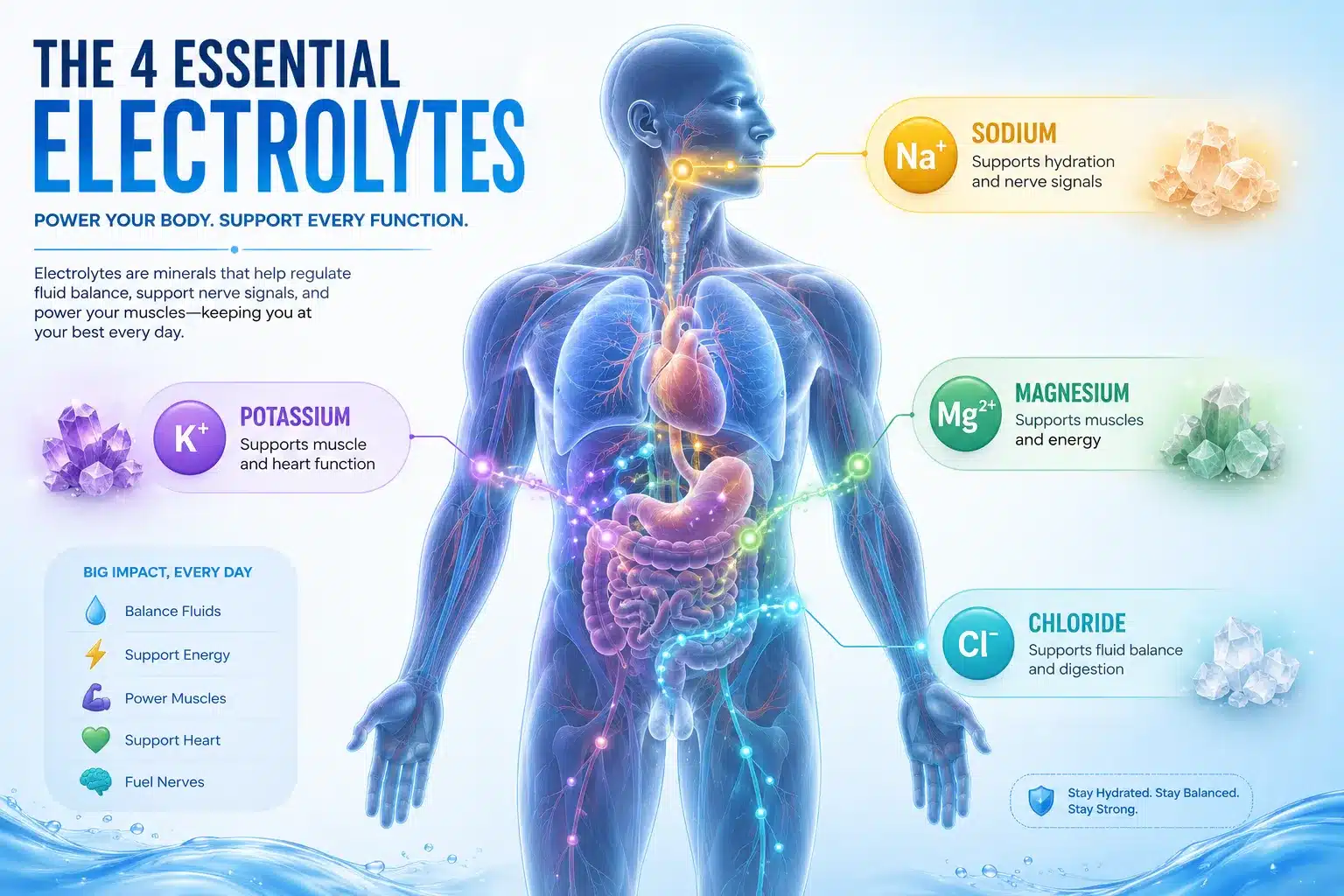
Electrolytes are electrically charged minerals that regulate fluid balance, nerve signaling, and muscle contractions throughout the body. For GLP-1 users, the combination of reduced food intake and gastrointestinal side effects creates a specific and underappreciated risk of running low on these critical minerals.
7 Best GLP-1 Providers Ranked: Accreditation, Flexibility & Support Compared (2026 Update)
32,000+ Patients Can't All Be Wrong: See the Top-Rated GLP-1 Providers. We compared the leading online GLP-1 providers based on program features, clinical support, convenience, and overall value.
BMI MD GLP-1 Microdosing Plan
- Specialized microdosing options, including sublingual drops and low-dose injections
- Designed for people interested in maintaining weight or gradually adjusting treatment
- Bundled program structure without a separate monthly platform membership
- Online access makes the process convenient from home

DirectMeds Weight Loss Solutions
- Online weight-loss program with a straightforward patient experience
- Compounded medication options through state-licensed compounding pharmacies
- Includes clinical consultation as part of the process
- Provides shipping updates to help patients track their orders
MEDVi Flat-Rate Telehealth
- Flat-rate telehealth approach designed for easier budgeting
- No dosage-based pricing increases within the advertised program structure
- Offers injectable and oral thin-film delivery options
- Includes medical screening and asynchronous provider consultations
Gala GLP-1 Care Program
- Text-based access to state-licensed clinicians
- Cold-chain medication shipping included in the program
- Month-to-month program structure
- Designed for people who value convenient ongoing support
Measured GLP-1 Metabolic Health
- Comprehensive metabolic health screening and intake analysis
- Designed around longer-term metabolic health management
- Responsive dashboard with integrated health tracking tools
- Useful option for patients who value a more data-focused experience
Refills GLP-1 (TryRefills Plan)
- Clinical guidance designed to help patients manage common treatment concerns
- Includes foundational nutritional strategies alongside medication
- Designed around predictable ongoing treatment
- No hidden startup or processing fees according to the program information provided
AltRx GLP-1 Transactional Reorders
- Transactional reorder model without recurring auto-billing
- Designed for patients who already understand their treatment routine
- Fast text-to-order process for convenient reorders
- Offers injectable and fast-dissolving tablet variations
The four electrolytes most relevant to GLP-1 users are:
- Sodium, controls fluid balance and blood pressure; lost through sweat and vomiting
- Potassium, supports heart rhythm and muscle function; found primarily in fruits and vegetables
- Magnesium, involved in over 300 enzymatic reactions; often low in people eating restricted diets
- Chloride, works alongside sodium to maintain fluid balance; lost during vomiting
GLP-1 receptor agonists like semaglutide (Ozempic, Wegovy) and tirzepatide (Mounjaro, Zepbound) work by slowing gastric emptying, reducing appetite, and increasing feelings of fullness. The result is that most users eat significantly less food, sometimes 30 to 50 percent less than before starting the medication. When you eat less, you also consume fewer electrolytes from natural food sources.
At the same time, nausea and vomiting, reported by a substantial portion of GLP-1 users, particularly in the early weeks of treatment, cause direct electrolyte loss. According to a 2023 clinical review published in Obesity Reviews, gastrointestinal adverse events are among the most common reasons for GLP-1 dose reduction or discontinuation.
The combination of reduced intake and increased loss makes GLP-1 electrolytes a genuinely important topic for anyone on these medications, not just an optional wellness add-on.
For a broader overview of how these medications work in the body, see our GLP-1 transformation guide.
Can Electrolyte Imbalance Cause Nausea on GLP-1, and What Are the Side Effects?
Yes, electrolyte imbalance can both cause and significantly worsen nausea in GLP-1 users. This creates a frustrating cycle: the medication causes nausea, nausea leads to vomiting or reduced eating, reduced eating depletes electrolytes, and low electrolytes make nausea worse.
The most common electrolyte imbalance side effects in GLP-1 users include:
- Nausea and vomiting, can be worsened by low sodium or magnesium
- Fatigue and weakness, often linked to low potassium or magnesium
- Muscle cramps, a classic sign of low potassium or magnesium
- Dizziness and lightheadedness, frequently caused by low sodium (hyponatremia)
- Heart palpitations, can indicate low potassium (hypokalemia)
- Headaches, often associated with dehydration and low sodium
- Brain fog or difficulty concentrating, linked to low sodium in particular
- Constipation, magnesium deficiency can slow gut motility
Common mistake: Many GLP-1 users (and even some clinicians) attribute all of these symptoms solely to the medication itself, without considering that correcting an electrolyte deficit could provide meaningful relief. If you’re experiencing persistent fatigue, dizziness, or muscle cramps on a GLP-1, it’s worth discussing electrolyte levels with your doctor before assuming the symptoms are unavoidable.
GLP-1 and Low Sodium Symptoms: What to Watch For
Low sodium, clinically called hyponatremia, is the electrolyte imbalance most likely to cause serious problems in GLP-1 users. Sodium is lost through sweat, urine, and vomiting, and when food intake drops sharply, sodium intake from meals drops with it.
Symptoms of low sodium range from mild to severe:
Mild to moderate:
- Headache
- Nausea (which can be mistaken for a GLP-1 side effect)
- Fatigue
- Dizziness when standing up
Severe (seek medical attention):
- Confusion or disorientation
- Seizures
- Loss of consciousness
A 2022 case series published in Diabetes, Obesity and Metabolism documented several cases of symptomatic hyponatremia in patients initiating GLP-1 therapy, particularly those who were also drinking large volumes of plain water without adequate sodium replacement. Drinking excessive plain water while eating very little food can dilute sodium levels further, a risk that increases when GLP-1 users are advised to “stay hydrated” without specific guidance on electrolyte replacement.
Decision rule: If you’re drinking more than 2 to 3 liters of plain water per day on a GLP-1 and eating very little, consider replacing some of that fluid with an electrolyte-containing drink or adding a small amount of sodium to your water.
When Should I Start Taking Electrolytes on GLP-1?
Most GLP-1 users benefit from starting electrolyte supplementation within the first two to four weeks of treatment, ideally from day one if nausea or appetite suppression is significant. There is no reason to wait until symptoms of deficiency appear.
Here is a practical timeline:
- Week 1 to 2: Begin with a low-sugar electrolyte drink or powder daily, especially if nausea is present or food intake has dropped noticeably.
- Week 3 onward: Reassess based on symptoms. If energy is good, no cramping, and appetite is returning somewhat, you may be getting enough from food.
- Dose increase periods: Each time your GLP-1 dose is escalated, nausea typically worsens temporarily. Increase electrolyte intake during these windows.
- Ongoing maintenance: If you are eating fewer than 1,200 to 1,400 calories per day consistently, continuing daily electrolyte supplementation is reasonable.
If you’re unsure which GLP-1 medication you’re on or considering, our guide to which GLP-1 medication works best for weight loss covers the key differences.
What Happens If You Don’t Replace Electrolytes on GLP-1?
Failing to replace electrolytes on a GLP-1 medication can lead to a cascade of worsening symptoms that undermine both your health and your progress on the medication. In mild cases, the consequences are uncomfortable but manageable. In severe cases, they can be medically serious.
Short-term consequences (days to weeks):
- Worsening nausea and fatigue that makes it harder to stay on the medication
- Muscle cramps that disrupt sleep and exercise
- Dizziness that increases fall risk, particularly in older adults
- Reduced motivation to exercise, which undermines the metabolic benefits of GLP-1 therapy
Medium-term consequences (weeks to months):
- Persistent low energy that is often misattributed to calorie restriction alone
- Increased risk of cardiac arrhythmias if potassium remains chronically low
- Impaired muscle preservation, electrolytes support protein synthesis and muscle function, which matters greatly when losing weight on a GLP-1
Long-term consequences:
- Chronic magnesium deficiency is associated with insulin resistance, which works against the metabolic goals of GLP-1 therapy
- Persistent hyponatremia can impair cognitive function
The bottom line: ignoring GLP-1 electrolytes is not a neutral choice. It actively makes the medication harder to tolerate and less effective over time.

Do I Need Electrolytes If I’m on Ozempic or Wegovy?
Yes, both Ozempic and Wegovy contain semaglutide, and both carry the same electrolyte-depleting mechanisms described above. The need for electrolyte attention applies to all GLP-1 medications, including tirzepatide (Mounjaro, Zepbound) and liraglutide (Victoza, Saxenda).
The degree of need varies by individual:
- Higher need: Users experiencing frequent nausea or vomiting, those eating fewer than 1,000 to 1,200 calories per day, people who exercise regularly and sweat, older adults (who have a higher baseline risk of hyponatremia), and those on diuretics or blood pressure medications.
- Lower need: Users with minimal side effects, those maintaining a balanced diet with adequate fruits, vegetables, and dairy, and those eating close to their normal calorie baseline.
Even users in the “lower need” category benefit from monitoring their electrolyte-rich food intake. A simple dietary check: are you eating at least one serving of potassium-rich food (banana, avocado, sweet potato) and one serving of magnesium-rich food (nuts, seeds, leafy greens) daily? If not, a supplement is worth considering.
For those exploring cost-effective GLP-1 options, our cheapest GLP-1 without insurance guide provides a useful comparison.
How Much Electrolytes Should I Take on GLP-1?
General adult electrolyte guidelines provide a reasonable starting framework for GLP-1 users, though individual needs vary based on diet, activity level, and symptom severity.
| Electrolyte | General Adult RDA/AI | Practical GLP-1 Target | Key Food Sources |
|---|---|---|---|
| Sodium | 1,500-2,300 mg/day | 1,500-2,000 mg/day minimum | Broth, pickles, salted nuts, table salt |
| Potassium | 2,600-3,400 mg/day | 2,500-3,000 mg/day | Avocado, banana, sweet potato, spinach |
| Magnesium | 310-420 mg/day | 300-400 mg/day | Almonds, pumpkin seeds, dark chocolate, leafy greens |
| Chloride | 1,800-2,300 mg/day | Covered by adequate sodium intake | Table salt (sodium chloride), seaweed |
Sources: National Academies of Sciences, Engineering, and Medicine Dietary Reference Intakes (2019).
Important note on sodium: The standard advice to limit sodium to under 2,300 mg per day is designed for people eating a typical Western diet. GLP-1 users eating very little food may actually need to ensure they reach at least 1,500 mg per day, which can be harder than it sounds when eating small portions. Adding a pinch of salt to meals or drinking a cup of broth daily is a practical strategy.
Magnesium forms matter: Magnesium glycinate and magnesium citrate are better absorbed than magnesium oxide. If you’re supplementing magnesium, look for these forms on the label.
Best Electrolyte Drinks and Supplements for GLP-1 Users
The best electrolyte options for GLP-1 users are low in sugar, contain a meaningful dose of sodium and potassium, and are easy to tolerate on a sensitive stomach. Sports drinks designed for high-intensity athletes are generally not the best fit.

What to Look for in a GLP-1 Electrolyte Product
- Sodium: At least 300 to 500 mg per serving
- Potassium: At least 150 to 300 mg per serving
- Magnesium: 50 to 100 mg per serving is a useful bonus
- Sugar: Under 5 grams per serving (or zero sugar)
- Artificial sweeteners: Some GLP-1 users find certain sweeteners worsen nausea; test individual tolerance
- Caffeine: Avoid caffeinated electrolyte products if you’re already managing nausea
Electrolyte Supplement Categories
Electrolyte powders and packets (e.g., LMNT, Liquid IV Hydration Multiplier, Nuun Sport): Convenient, portable, and available in a wide range of sodium levels. LMNT contains 1,000 mg of sodium per packet, which suits users with significant losses; Nuun Sport contains about 300 mg, which suits lighter supplementation needs.
Electrolyte tablets: Dissolve in water, typically lower in sugar than drinks. Good for travel or when carrying powder is inconvenient.
Liquid electrolyte drops: Concentrated drops added to water. Allow precise dosing and are flavorless, which can help users with nausea who are sensitive to sweet tastes.
Bone broth: An underrated whole-food electrolyte source. A single cup of commercial bone broth typically provides 500 to 900 mg of sodium along with potassium and trace minerals. Warm broth is also easy to sip when solid food is unappealing.
Coconut water: A natural source of potassium (around 600 mg per cup) with modest sodium. Best used as a potassium supplement rather than a sodium source.
Electrolyte Supplements vs. Sports Drinks for GLP-1 Users
Traditional sports drinks like Gatorade or Powerade are formulated for athletes burning significant calories during sustained exercise. They contain 20 to 30 grams of sugar per bottle, which is unnecessary and counterproductive for most GLP-1 users focused on weight management. Purpose-formulated electrolyte supplements deliver the minerals without the sugar load.
Choose sports drinks if: You are exercising intensely for more than 60 to 90 minutes and need rapid carbohydrate replacement alongside electrolytes.
Choose electrolyte supplements if: Your primary goal is replacing minerals lost through reduced food intake, nausea, or vomiting, which describes the majority of GLP-1 users.
Salt Intake Recommendations for GLP-1 Users
GLP-1 users often need to be more intentional about sodium than the general population, not less. When eating very little food, it is easy to fall below the minimum adequate intake of 1,500 mg per day.
Practical strategies to maintain adequate sodium on a GLP-1:
- Add a small pinch of salt to every meal, even if portions are tiny
- Drink one cup of broth (chicken, beef, or vegetable) daily, especially useful during periods of nausea when solid food is difficult
- Choose lightly salted nuts or seeds as snacks rather than unsalted versions
- Use electrolyte drinks that contain at least 300 mg of sodium per serving
- Avoid drinking large volumes of plain water without any food or electrolyte source
Who should be cautious with sodium: People with hypertension, heart failure, or chronic kidney disease should not increase sodium without consulting their physician. For these individuals, working with a registered dietitian to balance GLP-1 electrolytes safely is strongly recommended.
Can Too Many Electrolytes Hurt You on GLP-1?
Yes, over-supplementing electrolytes carries real risks, and this is an important counterbalance to the general advice to replenish minerals. More is not always better.
Hypernatremia (too much sodium): Can cause extreme thirst, confusion, and in severe cases, brain damage. This is rare from supplements alone but possible if someone is taking high-dose sodium packets while also eating normally.
Hyperkalemia (too much potassium): Elevated potassium is particularly dangerous for people with kidney disease or those taking ACE inhibitors, ARBs, or potassium-sparing diuretics. Hyperkalemia can cause life-threatening cardiac arrhythmias. The tolerable upper intake level for potassium from supplements has not been formally established by the National Academies, but supplemental doses above 3,500 to 4,000 mg per day from non-food sources warrant caution.
Excess magnesium: High supplemental doses (above 350 mg per day from supplements, per the National Institutes of Health) can cause diarrhea, which is counterproductive for GLP-1 users already managing gastrointestinal symptoms.
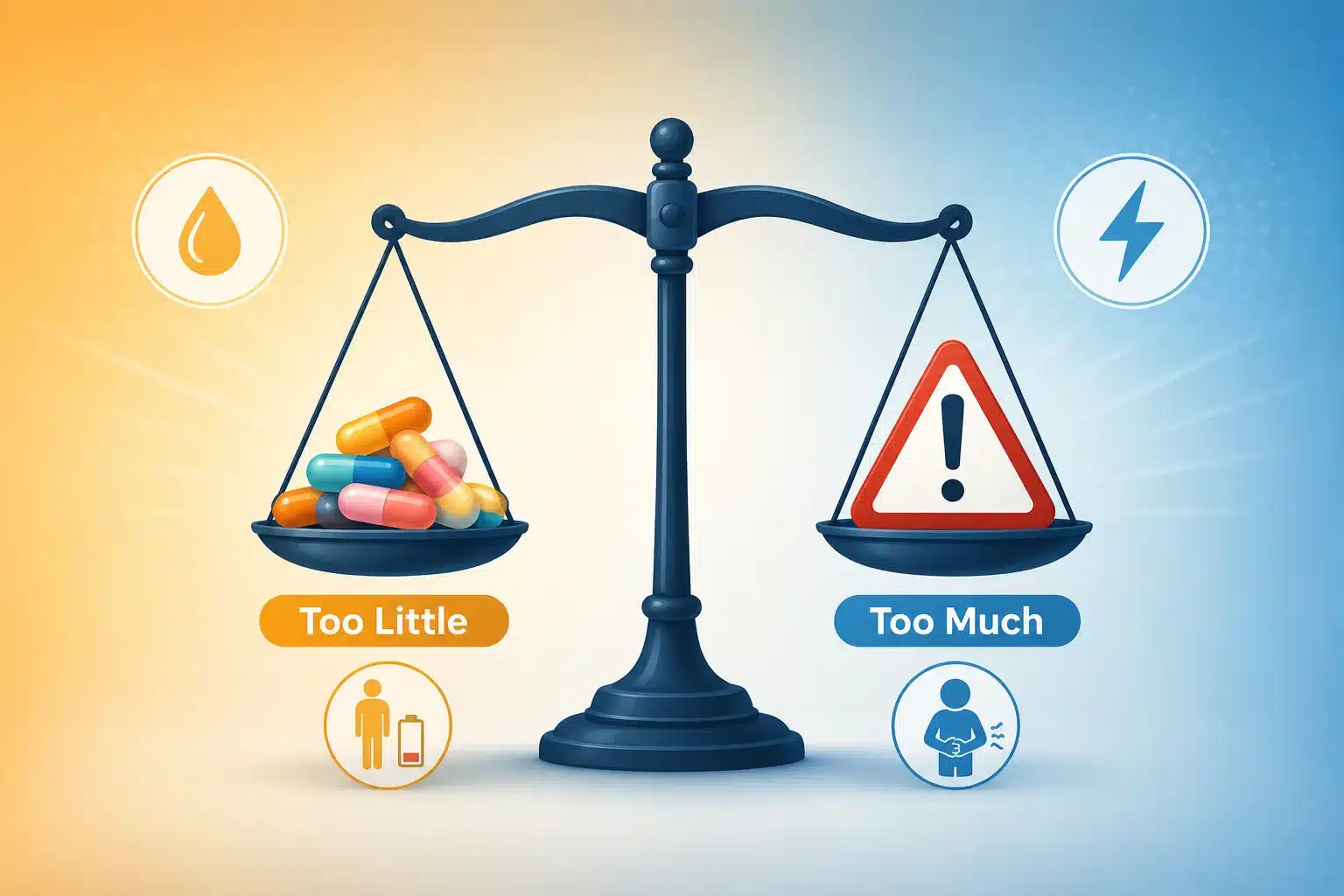
The practical rule: Use electrolyte supplements to fill genuine gaps in your diet, not to exceed normal physiological needs. If you are eating a reasonably balanced diet, even in smaller portions, you likely need only modest supplementation. If you are eating very little or experiencing frequent vomiting, more targeted replenishment is appropriate. When in doubt, ask your prescribing physician for a basic metabolic panel (BMP) blood test, which measures sodium, potassium, and other key electrolytes.
Electrolytes for GLP-1 Nausea and Dizziness: Does It Actually Help?
Correcting electrolyte deficits, particularly low sodium and low magnesium, can meaningfully reduce nausea and dizziness in GLP-1 users. While electrolytes are not a cure for medication-induced nausea, they address a contributing factor that is often overlooked.
For nausea: Low magnesium is associated with increased nausea sensitivity. Magnesium glycinate taken at night (100 to 200 mg) is a well-tolerated starting dose. Sipping warm broth or a low-sugar electrolyte drink in small amounts throughout the day is generally better tolerated than drinking large volumes at once.
For dizziness: Dizziness on GLP-1 medications is frequently caused by orthostatic hypotension (a drop in blood pressure when standing), which is worsened by low sodium and dehydration. Increasing sodium intake and fluid intake together, rather than plain water alone, is more effective for this symptom.
For muscle cramps: Potassium and magnesium deficiency are the primary culprits. A potassium-rich snack (half an avocado, a banana) combined with a magnesium supplement at bedtime addresses this directly.
If dizziness is severe or persistent, it warrants a medical evaluation rather than self-treatment with electrolytes alone. Dizziness can also result from blood pressure changes related to weight loss itself, which is a separate mechanism.
For more on managing GLP-1 side effects and accessing these medications affordably, see our overview of GLP-1 shots explained and our guide to affordable GLP-1 weight loss programs.
Practical GLP-1 Electrolyte Checklist
Use this checklist to assess whether your electrolyte intake is adequate:
Daily food checklist:
- One serving of potassium-rich food (avocado, banana, sweet potato, or spinach)
- One serving of magnesium-rich food (almonds, pumpkin seeds, or dark leafy greens)
- Adequate sodium from meals or broth (at least 1,500 mg total)
- Adequate fluid intake (water plus electrolyte-containing drinks)
Supplement checklist (if diet is insufficient):
- Low-sugar electrolyte powder or tablet once daily
- Magnesium glycinate or citrate (100 to 300 mg) if cramping or poor sleep
- Potassium supplement only if dietary sources are consistently inadequate AND kidney function is normal
Red flags that warrant a doctor visit:
- Persistent dizziness or fainting
- Muscle weakness (not just cramping)
- Irregular heartbeat
- Confusion or unusual mental fogginess
- Symptoms that do not improve with dietary electrolyte correction within a few days
If you’re comparing GLP-1 options or considering compounded versions, our articles on compounded GLP-1 effectiveness and semaglutide dosage guidance provide additional context.
FAQ: GLP-1 Electrolytes
Q: Can I just drink Gatorade to replace electrolytes on GLP-1?
A: Gatorade provides some sodium and potassium but contains 20 to 30 grams of sugar per bottle, which is unnecessary for most GLP-1 users. A low-sugar electrolyte powder or tablet is a better option for daily use.
Q: How do I know if my electrolytes are low?
A: Common signs include fatigue, muscle cramps, dizziness, headaches, and brain fog. A basic metabolic panel (BMP) blood test ordered by your doctor will give you objective numbers for sodium, potassium, and other key minerals.
Q: Is bone broth a good electrolyte source for GLP-1 users?
A: Yes. Bone broth is an excellent whole-food electrolyte source, providing 500 to 900 mg of sodium per cup along with potassium and trace minerals. It’s also easy to sip when nausea makes solid food unappealing.
Q: Can low electrolytes make GLP-1 side effects worse?
A: Yes. Low sodium and magnesium in particular can worsen nausea, fatigue, and dizziness, symptoms that overlap with common GLP-1 side effects. Correcting deficits often provides noticeable relief.
Q: Should I take potassium supplements on GLP-1?
A: Most people can meet potassium needs through food (avocado, banana, sweet potato) rather than supplements. High-dose potassium supplements carry risks, especially for people with kidney disease or on certain blood pressure medications. Consult your doctor before supplementing potassium.
Q: What is the best magnesium form for GLP-1 users?
A: Magnesium glycinate and magnesium citrate are better absorbed than magnesium oxide and are less likely to cause digestive upset. Start with 100 to 200 mg at bedtime.
Q: How much water should I drink on a GLP-1?
A: General guidance is 8 to 10 cups (2 to 2.5 liters) per day, but drinking large volumes of plain water without adequate electrolytes can dilute sodium levels. Replace some plain water with electrolyte-containing fluids, especially if eating very little.
Q: Do electrolytes help with GLP-1-related constipation?
A: Magnesium in particular can help, as it draws water into the intestines and supports bowel motility. Magnesium citrate has a mild laxative effect at higher doses, which can be useful for constipation.
Q: Can I take electrolytes at the same time as my GLP-1 injection?
A: Yes. Electrolyte supplements do not interact with GLP-1 medications. You can take them at any time that is convenient.
Q: Are there any electrolyte products specifically designed for GLP-1 users?
A: As of 2026, several supplement brands have launched products marketed specifically to GLP-1 users, typically combining sodium, potassium, magnesium, and B vitamins. These can be convenient but are not inherently superior to well-formulated general electrolyte products. Check the label for meaningful doses of each mineral rather than relying on marketing claims.
Q: What if I have high blood pressure, can I still take electrolytes?
A: People with hypertension should be cautious about increasing sodium intake. Focus on potassium and magnesium supplementation (which can actually support healthy blood pressure) and discuss sodium needs with your physician.
Q: When should I stop taking electrolyte supplements on GLP-1?
A: You can reduce or stop supplementation if your food intake has stabilized at a level that provides adequate electrolytes from whole foods, your symptoms have resolved, and a blood test confirms normal electrolyte levels.
Key Takeaway
GLP-1 electrolytes are not a niche supplement topic, they are a practical, evidence-supported component of managing GLP-1 therapy safely and comfortably. The combination of reduced food intake and gastrointestinal side effects creates a genuine risk of sodium, potassium, and magnesium depletion that can worsen the very symptoms you’re trying to manage. Addressing this proactively, through a combination of electrolyte-rich foods and targeted supplementation, makes GLP-1 therapy more tolerable and more effective.
7 Best GLP-1 Providers Ranked: Accreditation, Flexibility & Support Compared (2026 Update)
32,000+ Patients Can't All Be Wrong: See the Top-Rated GLP-1 Providers: Compared on accreditation, plan flexibility, and patient support — updated for 2026.
BMI MD GLP-1 Microdosing Plan
- Specialized microdosing options (sublingual drops or low-dose injections)
- Ideal for maintaining weight or tapering off higher doses safely
- Fully bundled plan with no hidden monthly platform memberships
DirectMeds Weight Loss Solutions
- Sourced from accredited, state-licensed 503A compounding pharmacies
- No-frills high-volume savings passed directly to the patient
- Includes clinical consultation and cold-chain shipping updates
MEDVi Flat-Rate Telehealth
- Flat monthly rate holds steady even at maximum maintenance doses
- No dosage upcharges or graduation fee penalties
- Offers both injectable and advanced oral thin-film delivery options
Gala GLP-1 Care Program
- All-inclusive plan with no standalone membership costs
- Continuous text-based messaging access with state-licensed clinicians
- Temperature-controlled, cold-chain medication shipping included
Measured GLP-1 Metabolic Health
- Comprehensive metabolic health screening and expert intake analysis
- Predictable long-term budgeting with stable plan pricing
- High-end responsive dashboard with integrated diagnostic support
Refills GLP-1 (TryRefills Plan)
- Flat rate holds steady as titration scales up
- Includes clinical guides for active side-effect management
- Bundles in foundational nutritional strategies alongside medication
AltRx GLP-1 Transactional Reorders
- Zero recurring auto-billing — pay entirely on a transactional basis
- Rapid text-to-order format saves time for experienced patients
- Provides both injectable forms and fast-dissolving tablet variations
Conclusion
Managing GLP-1 electrolytes is one of the most actionable steps you can take to improve your experience on semaglutide, tirzepatide, or any other GLP-1 receptor agonist. The key points to act on:
- Start early. Don’t wait for symptoms to appear. Begin paying attention to electrolyte intake in your first week on a GLP-1.
- Prioritize whole foods first. Broth, avocado, leafy greens, nuts, and dairy provide electrolytes in bioavailable forms that also support overall nutrition.
- Choose supplements wisely. Low-sugar electrolyte powders or tablets beat traditional sports drinks for daily use. Look for meaningful doses of sodium (300+ mg), potassium (150+ mg), and magnesium (50+ mg) per serving.
- Don’t over-supplement. More electrolytes are not always better. Use supplements to fill dietary gaps, not to exceed normal physiological needs.
- Get tested if symptoms persist. A basic metabolic panel is a simple, inexpensive way to confirm whether your electrolyte levels are actually low.
- Involve your prescribing physician. If you have kidney disease, heart failure, hypertension, or are on diuretics or blood pressure medications, discuss your electrolyte strategy with your doctor before supplementing.
For more on optimizing your GLP-1 journey, explore our guides on GLP-1 medications for weight loss and diabetes and the difference between semaglutide and tirzepatide.
References
- National Academies of Sciences, Engineering, and Medicine. Dietary Reference Intakes for Sodium and Potassium. National Academies Press, 2019. https://www.nationalacademies.org/our-work/dietary-reference-intakes-for-sodium-and-potassium
- National Institutes of Health Office of Dietary Supplements. Magnesium Fact Sheet for Health Professionals. Updated 2022. https://ods.od.nih.gov/factsheets/Magnesium-HealthProfessional/
- National Institutes of Health Office of Dietary Supplements. Potassium Fact Sheet for Health Professionals. Updated 2022. https://ods.od.nih.gov/factsheets/Potassium-HealthProfessional/
- Wilding JPH, et al. “Once-Weekly Semaglutide in Adults with Overweight or Obesity.” New England Journal of Medicine, 2021. https://www.nejm.org/doi/full/10.1056/NEJMoa2032183
- Jastreboff AM, et al. “Tirzepatide Once Weekly for the Treatment of Obesity.” New England Journal of Medicine, 2022. https://www.nejm.org/doi/full/10.1056/NEJMoa2206038
- Drucker DJ. “GLP-1 physiology informs the pharmacotherapy of obesity.” Molecular Metabolism, 2022. https://www.sciencedirect.com/science/article/pii/S2212877821002532
- Nauck MA, Quast DR, Wefers J, Meier JJ. “GLP-1 receptor agonists in the treatment of type 2 diabetes, state-of-the-art.” Molecular Metabolism, 2021. https://www.sciencedirect.com/science/article/pii/S2212877821000624
Tags: GLP-1 electrolytes, semaglutide nutrition, electrolyte supplements, Ozempic side effects, GLP-1 nausea relief, tirzepatide diet, sodium on GLP-1, magnesium for weight loss, electrolyte imbalance, GLP-1 hydration, potassium deficiency, Wegovy tips

With over 13 years of experience in holistic health blogging, I aim to help you navigate your wellness journey with honest insights, expert-backed advice, and a sprinkle of real-world practicality.
Certified Wellness Writer | Herbal Nutrition Advocate | Wellness Research Enthusiast


