
can you take glp 1 while pregnant
Last updated: September 25, 2026
Quick Answer
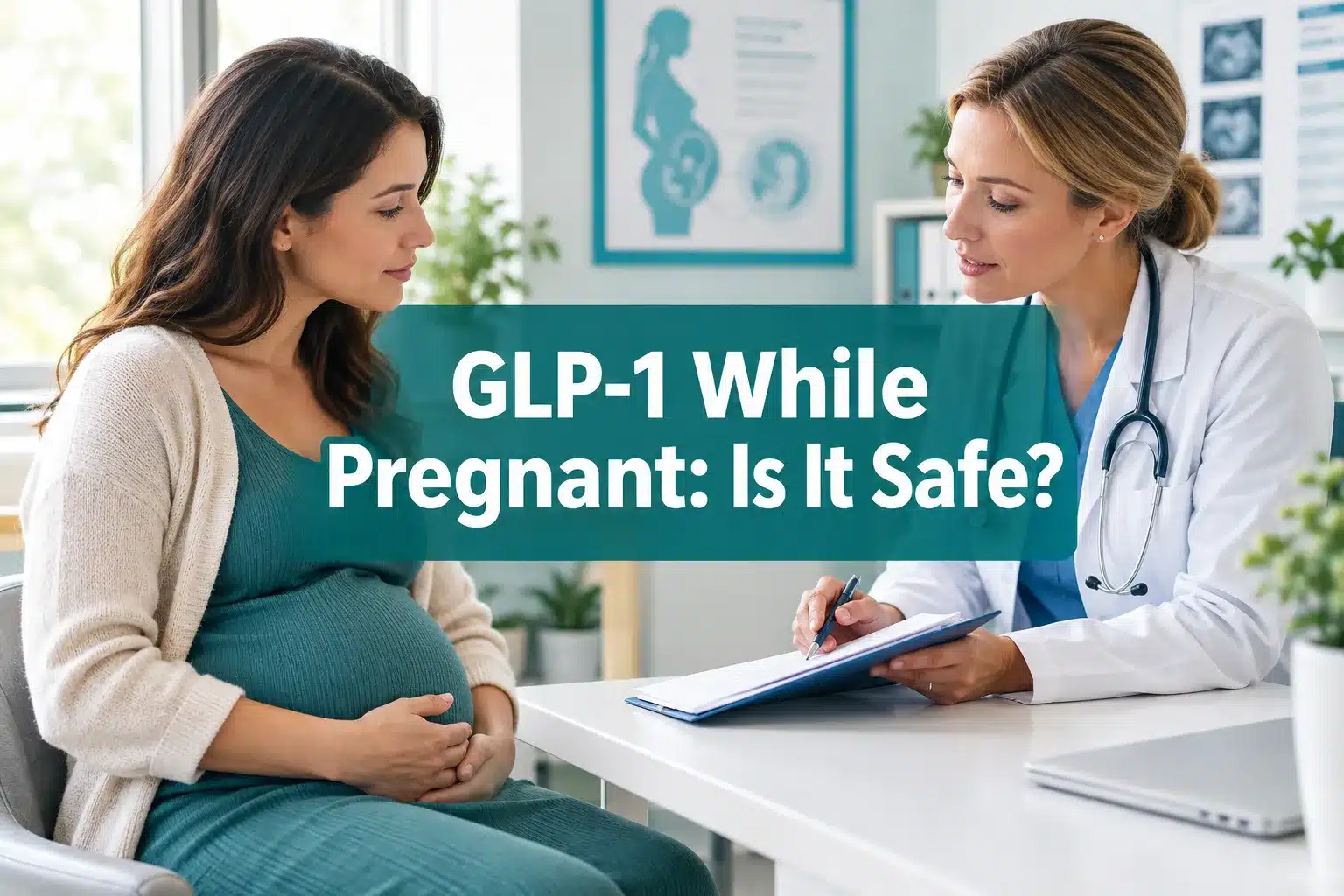
No, you should not take GLP-1 medications while pregnant. Current FDA labeling states these drugs may cause fetal harm, and all major endocrine and obstetric guidelines recommend stopping GLP-1 receptor agonists before conception or as soon as pregnancy is confirmed [1][2]. If you are already pregnant and have been taking a GLP-1 drug, contact your doctor immediately to discuss switching to a pregnancy-safe alternative.
Key Takeaways
- GLP-1 receptor agonists, including semaglutide (Ozempic, Wegovy) and tirzepatide (Mounjaro, Zepbound), carry FDA warnings that they may cause fetal harm and should be stopped when pregnancy is recognized [1][4]
- Major endocrine societies recommend discontinuing GLP-1 drugs before conception, not just after a positive test [2]
- Most guidelines advise stopping GLP-1 medications at least two months before trying to conceive, based on drug half-life data
- If you took a GLP-1 drug before knowing you were pregnant, the current evidence does not show a clear signal of major birth defects, but data remain sparse [3][9]
- Pregnancy exposure registries exist for semaglutide to track outcomes over time [5]
- Insulin and metformin are the preferred treatments for diabetes management during pregnancy instead of GLP-1 drugs [2][6]
- Safe, evidence-based alternatives for weight and blood sugar management during pregnancy do exist and should be discussed with your OB or endocrinologist
- Always tell your doctor if you want to become pregnant while on any GLP-1 medication
What Is a GLP-1 Medication and How Does It Work?
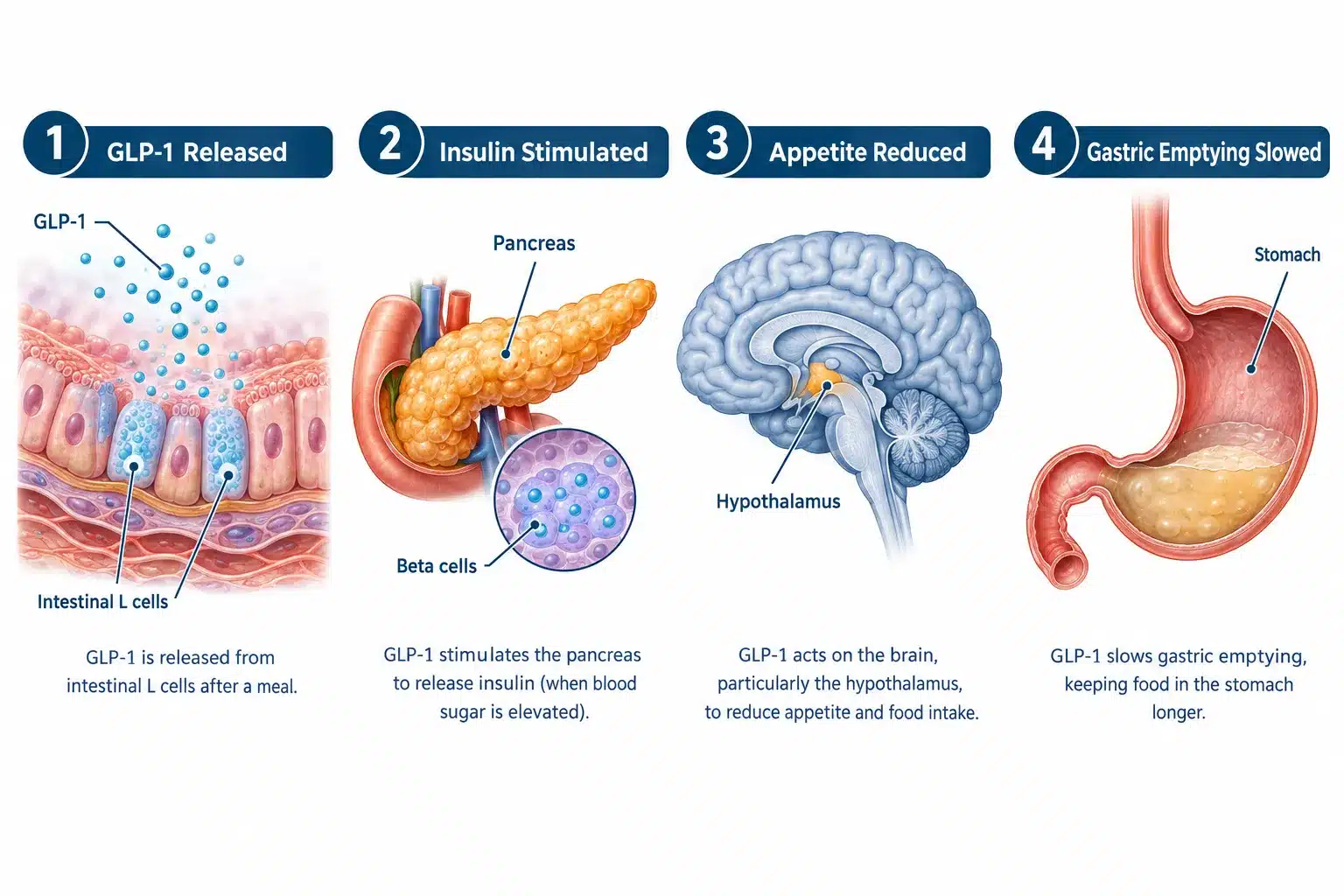
GLP-1 receptor agonists are a class of drugs that mimic glucagon-like peptide-1, a hormone your gut releases after eating. They work by stimulating insulin release, suppressing glucagon, slowing gastric emptying, and reducing appetite signals in the brain. The result is better blood sugar control and, in many people, meaningful weight loss.
7 Best GLP-1 Providers Ranked: Accreditation, Flexibility & Support Compared (2026 Update)
32,000+ Patients Can't All Be Wrong: See the Top-Rated GLP-1 Providers. We compared the leading online GLP-1 providers based on program features, clinical support, convenience, and overall value.
BMI MD GLP-1 Microdosing Plan
- Specialized microdosing options, including sublingual drops and low-dose injections
- Designed for people interested in maintaining weight or gradually adjusting treatment
- Bundled program structure without a separate monthly platform membership
- Online access makes the process convenient from home

DirectMeds Weight Loss Solutions
- Online weight-loss program with a straightforward patient experience
- Compounded medication options through state-licensed compounding pharmacies
- Includes clinical consultation as part of the process
- Provides shipping updates to help patients track their orders
MEDVi Flat-Rate Telehealth
- Flat-rate telehealth approach designed for easier budgeting
- No dosage-based pricing increases within the advertised program structure
- Offers injectable and oral thin-film delivery options
- Includes medical screening and asynchronous provider consultations
Gala GLP-1 Care Program
- Text-based access to state-licensed clinicians
- Cold-chain medication shipping included in the program
- Month-to-month program structure
- Designed for people who value convenient ongoing support
Measured GLP-1 Metabolic Health
- Comprehensive metabolic health screening and intake analysis
- Designed around longer-term metabolic health management
- Responsive dashboard with integrated health tracking tools
- Useful option for patients who value a more data-focused experience
Refills GLP-1 (TryRefills Plan)
- Clinical guidance designed to help patients manage common treatment concerns
- Includes foundational nutritional strategies alongside medication
- Designed around predictable ongoing treatment
- No hidden startup or processing fees according to the program information provided
AltRx GLP-1 Transactional Reorders
- Transactional reorder model without recurring auto-billing
- Designed for patients who already understand their treatment routine
- Fast text-to-order process for convenient reorders
- Offers injectable and fast-dissolving tablet variations
Common GLP-1 drugs include:
- Semaglutide (brand names: Ozempic for diabetes, Wegovy for weight loss, Rybelsus as an oral form), see our guide to semaglutide brand names Ozempic, Wegovy, and Rybelsus
- Tirzepatide (brand names: Mounjaro for diabetes, Zepbound for weight loss), a dual GIP/GLP-1 agonist
- Liraglutide (Victoza, Saxenda)
- Dulaglutide (Trulicity)
- Exenatide (Byetta, Bydureon)
These medications are widely prescribed for type 2 diabetes and obesity. For a deeper look at how GLP-1 drugs change your body and metabolism, see our GLP-1 transformation guide.
Can You Take GLP-1 While Pregnant? The Direct Answer
No. GLP-1 receptor agonists are not recommended for use during pregnancy. The FDA labels for semaglutide and tirzepatide explicitly state these drugs may cause fetal harm based on animal studies, and prescribers are instructed to discontinue them when pregnancy is detected [1][4][7].
The UK’s specialist medicines-in-pregnancy service is equally direct: “GLP-1 receptor agonists should not be used in pregnancy” [8]. European and American clinical guidelines echo this position, recommending that women switch to insulin or metformin before conception [2][6].
The core concern: Animal studies showed adverse developmental outcomes at doses comparable to human therapeutic ranges. Human data are still very limited because pregnant women are typically excluded from clinical trials. Until large, long-term human studies exist, the conservative stance is to avoid these drugs entirely during pregnancy.
Is It Safe to Take GLP-1 Drugs During Pregnancy?
Based on current evidence, GLP-1 drugs are not considered safe for routine use during pregnancy. Animal reproductive studies showed skeletal malformations and reduced fetal weight at clinically relevant doses [1][4]. Human data from observational studies and registries are accumulating but remain insufficient to establish safety [3][9].
A 2026 review published in Frontiers in Endocrinology noted that while inadvertent early-pregnancy exposures have not produced a clear signal of major malformations in the limited human data available, the evidence base is too small to draw firm conclusions [10]. The precautionary principle applies: when a drug’s fetal safety profile is uncertain, and when safer alternatives exist, the drug should be avoided.
Bottom line: The risk-benefit calculation does not favor GLP-1 use during pregnancy for most women. The only scenario where a prescriber might weigh continued use is if the maternal benefit clearly and substantially outweighs the fetal risk, and no alternative is viable, a rare situation [4].
GLP-1 Pregnancy Risks and Side Effects
The known and theoretical risks of taking GLP-1 medications during pregnancy include:
| Risk Category | What the Evidence Shows |
|---|---|
| Fetal skeletal abnormalities | Seen in animal studies at therapeutic doses [1][4] |
| Reduced fetal/birth weight | Observed in animal reproductive studies |
| Nausea and vomiting | GLP-1 drugs worsen pregnancy nausea, raising malnutrition risk [8] |
| Inadequate gestational weight gain | Appetite suppression may prevent necessary weight gain |
| Maternal hypoglycemia | Risk increases if combined with insulin or sulfonylureas |
| Unknown long-term effects | Human data too sparse for conclusions [3][9] |
GLP-1 drugs already cause nausea and vomiting in many users. During pregnancy, when morning sickness is already common, this side effect can compound to the point of dangerous dehydration or inadequate nutrition for the developing fetus [8].
What Happens If You Get Pregnant While on GLP-1?
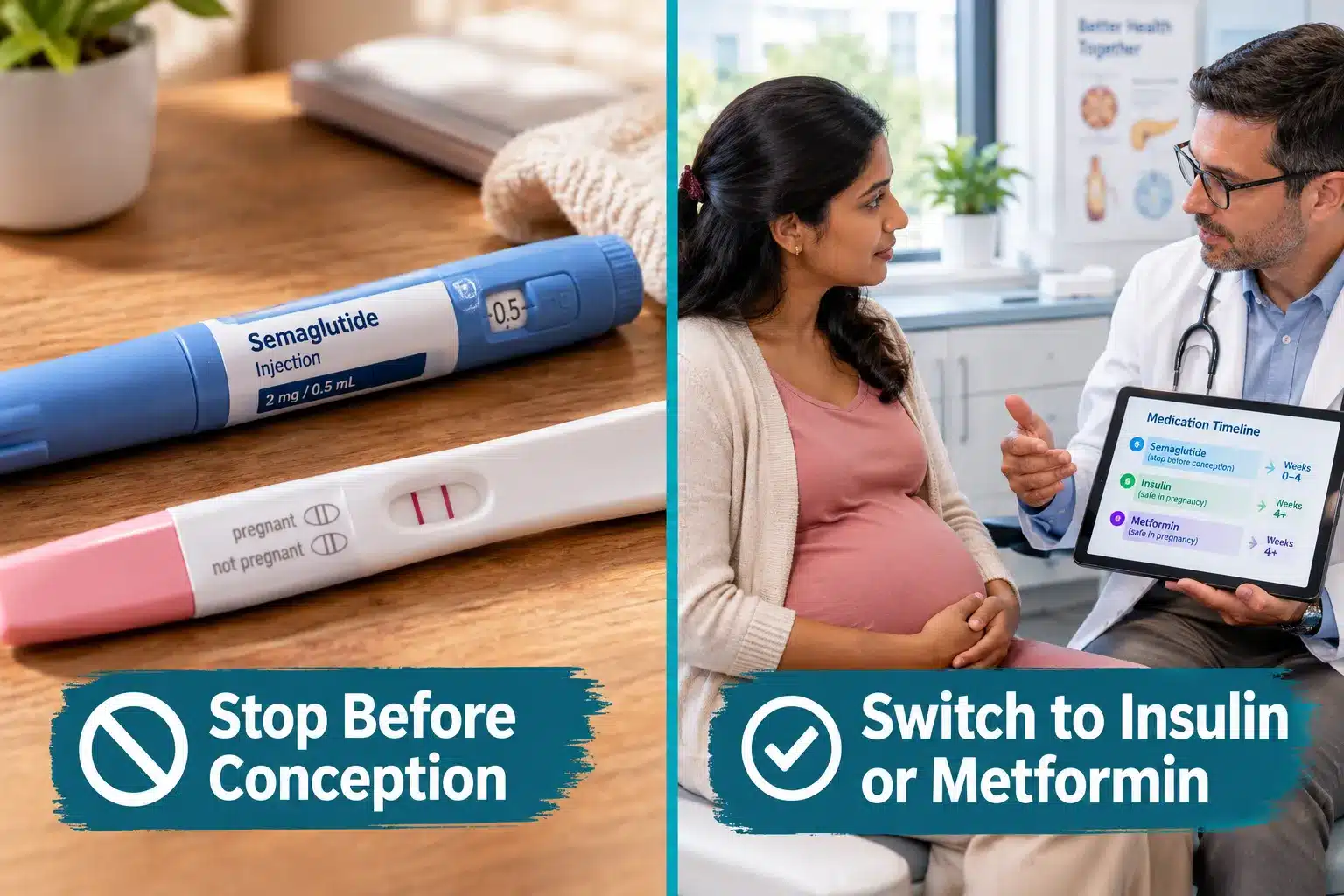
If you discover you are pregnant while taking a GLP-1 medication, stop the drug and contact your doctor the same day. This is the standard guidance from both FDA labeling and clinical practice guidelines [1][2].
Here is what typically happens next:
- Discontinue the GLP-1 drug immediately upon confirmed pregnancy
- Contact your prescribing physician or OB-GYN to discuss next steps
- Transition to a pregnancy-safe medication if you have diabetes (usually insulin, sometimes metformin)
- Enroll in a pregnancy exposure registry if your doctor recommends it, to help build the evidence base for future patients [5]
- Increase prenatal monitoring, your provider may want more frequent ultrasounds or growth scans depending on your gestational age at the time of exposure
A common concern I hear from readers is: “I took Ozempic for six weeks before I knew I was pregnant. What does that mean for my baby?” The honest answer is that current human data do not show a clear pattern of major birth defects from early inadvertent exposure, but the data are genuinely sparse [3][9]. Your doctor may refer you for genetic counseling or additional fetal monitoring as a precaution.
Do I Need to Stop GLP-1 Before Trying to Conceive?
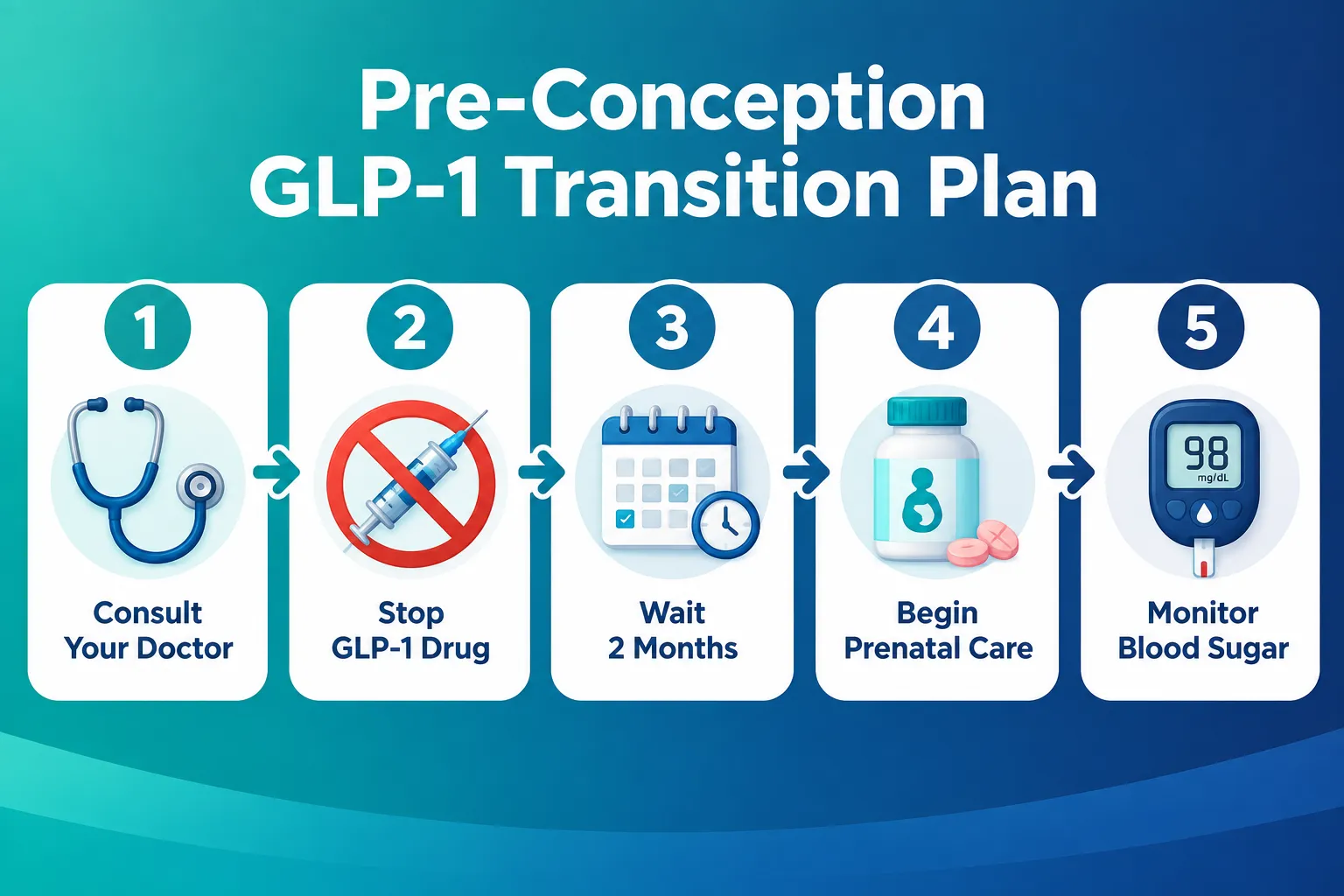
Yes. If you are planning a pregnancy, you should stop your GLP-1 medication before you start trying to conceive, not just after a positive test. This is because GLP-1 drugs have long half-lives, meaning they stay active in your body for weeks after the last dose [2][8].
Why this matters: Conception and the first few weeks of embryonic development happen before most women know they are pregnant. If a GLP-1 drug is still circulating in your system during that window, early fetal exposure cannot be avoided.
How Long Should You Wait After Stopping GLP-1 to Get Pregnant?
Most clinical guidelines recommend stopping GLP-1 medications approximately two months before attempting conception. This recommendation is based on the half-lives of the most commonly used drugs:
- Semaglutide (Ozempic/Wegovy): Half-life of approximately one week; full clearance takes roughly five to seven weeks [4][7]
- Tirzepatide (Mounjaro/Zepbound): Half-life of approximately five days; full clearance takes roughly four to five weeks [4]
- Liraglutide (Victoza/Saxenda): Half-life of approximately 13 hours; clears faster, but the two-month buffer is still commonly advised
A two-month washout period before conception attempts provides a reasonable safety margin across all agents. Some clinicians extend this to three months for women who were on higher doses. Discuss the specific timeline with your prescriber, because individual factors, dose, duration of use, kidney function, can affect clearance.
For context on how GLP-1 medications work and their timelines, see our article on the fastest working GLP-1 medications.
Can You Take Ozempic or Wegovy While Pregnant?
No. Both Ozempic and Wegovy contain semaglutide, and both carry explicit FDA labeling that states the drug may cause fetal harm and should be discontinued when pregnancy is recognized [1][7]. The Wegovy label specifically notes that animal studies showed fetal malformations at doses within the human therapeutic range [7].
The same applies to tirzepatide products (Mounjaro and Zepbound). The FDA label for tirzepatide states that based on animal data, the drug may cause fetal harm and advises discontinuation when pregnancy is detected [4].
Choose this path if: You have type 2 diabetes and are pregnant, switch to insulin, which has a well-established safety record in pregnancy. If you were using Wegovy purely for weight loss, the medication should be stopped, and your care team should help you manage weight through nutrition and activity during pregnancy instead.
GLP-1 Alternatives for Weight Loss and Diabetes Management While Pregnant
Safe alternatives exist for managing both weight and blood sugar during pregnancy. GLP-1 drugs are not the only tools available.
For gestational or pre-existing diabetes:
- Insulin is the gold standard for blood sugar control in pregnancy. It does not cross the placenta in meaningful amounts and has decades of safety data [2][6]
- Metformin is used in some cases, particularly for gestational diabetes, though it does cross the placenta and its long-term fetal effects are still being studied [6]
For weight management during pregnancy:
- Weight loss is generally not recommended during pregnancy, even for women with obesity. The goal shifts to appropriate gestational weight gain based on pre-pregnancy BMI
- A registered dietitian specializing in prenatal nutrition can help you manage caloric quality without restricting calories inappropriately
- Supervised physical activity appropriate for pregnancy stage is safe and beneficial for most women
What doctors do not recommend: Any medication primarily for weight loss during pregnancy. The fetal risks outweigh the maternal weight management benefit in virtually every scenario.
For more on what to eat if you have diabetes, our guide on the best foods for diabetics may be a useful resource.
What Do Doctors Recommend for Diabetes Management in Pregnancy Instead of GLP-1?
Endocrinologists and OB-GYNs consistently recommend insulin as the first-line treatment for both pre-existing type 2 diabetes and gestational diabetes during pregnancy [2][6]. The Endocrine Society’s clinical practice guidelines explicitly state that GLP-1 receptor agonists should be discontinued before conception and that insulin is the preferred agent during pregnancy [2].
Metformin may be used as an adjunct or alternative in some gestational diabetes cases, particularly when insulin access is limited, but it is not universally endorsed for all pregnancy scenarios [6].
A 2024 clinical review in the Archives of Gynecology and Obstetrics confirmed that GLP-1 receptor agonists are not recommended for routine use during pregnancy and that the standard of care remains insulin-based management [6].
Should I Tell My Doctor I Want to Get Pregnant If I’m on GLP-1?
Yes, absolutely. This is one of the most important conversations you can have with your prescriber. If you are on a GLP-1 medication and considering pregnancy, your doctor needs to know so they can:
- Create a washout timeline specific to your drug and dose
- Transition your diabetes or weight management plan to pregnancy-safe options
- Optimize your blood sugar control before conception, which significantly reduces the risk of neural tube defects and other early pregnancy complications
- Discuss prenatal vitamins, particularly folic acid, which should ideally be started before conception
Do not wait until you have a positive pregnancy test. The preconception window is when planning matters most.
What If I Didn’t Know I Was Pregnant and Took GLP-1?
This situation is more common than many people realize, especially since GLP-1 drugs can improve fertility in women with conditions like polycystic ovary syndrome (PCOS), sometimes leading to unexpected pregnancies. If you took a GLP-1 drug in early pregnancy without knowing you were pregnant, here is what the evidence says:
- Current observational data do not show a clear, consistent signal of major birth defects from inadvertent early exposure in humans [3][9][10]
- Animal data do show risk, but animal-to-human translation is imperfect
- The evidence base is genuinely limited, pregnancy exposure registries are still collecting data [5]
- Your risk level depends partly on gestational age at exposure, dose, and duration
What to do:
- Stop the medication immediately
- Call your OB-GYN or midwife the same day
- Be honest about the medication, dose, and timing
- Ask about referral to maternal-fetal medicine for additional monitoring if appropriate
- Consider enrolling in a semaglutide pregnancy exposure registry if your doctor recommends it [5]
The goal is not to panic but to be informed and proactive. Most women who had inadvertent early exposure go on to have healthy pregnancies, but increased monitoring is reasonable and reassuring.
Frequently Asked Questions
Q: Can GLP-1 drugs cause miscarriage?
A: Animal studies showed increased embryo loss at therapeutic doses, but human data are insufficient to confirm or rule out a miscarriage risk. If you are concerned, discuss your specific exposure with your OB-GYN [1][4].
Q: Is it safe to breastfeed while on GLP-1 medications?
A: Current labeling advises against using GLP-1 drugs while breastfeeding because it is unknown whether these drugs pass into human breast milk. Animal studies showed drug presence in milk. Consult your doctor before resuming GLP-1 therapy postpartum [8].
Q: Can GLP-1 drugs make it easier to get pregnant?
A: Indirectly, yes. By improving insulin sensitivity and supporting weight loss, GLP-1 drugs can restore ovulation in women with PCOS or obesity-related anovulation. This is why unplanned pregnancies on GLP-1 medications do occur.
Q: How soon can I restart a GLP-1 drug after giving birth?
A: If you are not breastfeeding, discuss restarting with your doctor after delivery. If breastfeeding, current guidance recommends waiting until you have weaned. Timing depends on your specific medication and health goals.
Q: Are compounded GLP-1 drugs safer in pregnancy than brand-name versions?
A: No. The active ingredient carries the same fetal risk regardless of whether it is brand-name or compounded. For more on compounded options, see our guide to compounded tirzepatide.
Q: What if my blood sugar is dangerously uncontrolled and I’m pregnant?
A: Uncontrolled blood sugar in pregnancy is itself harmful to the fetus. In this case, insulin is the appropriate intervention, not GLP-1 drugs. Work urgently with your endocrinologist and OB-GYN.
Q: Does the type of GLP-1 drug matter for pregnancy safety?
A: All approved GLP-1 receptor agonists carry similar warnings. None are approved for use in pregnancy. The washout timeline differs by drug based on half-life, but the recommendation to avoid them applies to all.
Q: I’m on GLP-1 for weight loss, not diabetes. Does the same rule apply?
A: Yes. The fetal risk applies regardless of why you are taking the medication. Weight loss is not an indication that justifies GLP-1 use during pregnancy.
Q: Are there any ongoing studies on GLP-1 use in pregnancy?
A: Yes. Pregnancy exposure registries for semaglutide are actively collecting data, and observational studies are ongoing [5][10]. The evidence base is expected to grow over the next several years, but current guidance is unlikely to change until large, robust human safety data are available.
Q: Where can I learn more about GLP-1 costs and access after pregnancy?
A: Our guides on GLP-1 weight loss medications and the cost of semaglutide and tirzepatide can help you plan for resuming treatment postpartum.
7 Best GLP-1 Providers Ranked: Accreditation, Flexibility & Support Compared (2026 Update)
32,000+ Patients Can't All Be Wrong: See the Top-Rated GLP-1 Providers: Compared on accreditation, plan flexibility, and patient support — updated for 2026.
BMI MD GLP-1 Microdosing Plan
- Specialized microdosing options (sublingual drops or low-dose injections)
- Ideal for maintaining weight or tapering off higher doses safely
- Fully bundled plan with no hidden monthly platform memberships
DirectMeds Weight Loss Solutions
- Sourced from accredited, state-licensed 503A compounding pharmacies
- No-frills high-volume savings passed directly to the patient
- Includes clinical consultation and cold-chain shipping updates
MEDVi Flat-Rate Telehealth
- Flat monthly rate holds steady even at maximum maintenance doses
- No dosage upcharges or graduation fee penalties
- Offers both injectable and advanced oral thin-film delivery options
Gala GLP-1 Care Program
- All-inclusive plan with no standalone membership costs
- Continuous text-based messaging access with state-licensed clinicians
- Temperature-controlled, cold-chain medication shipping included
Measured GLP-1 Metabolic Health
- Comprehensive metabolic health screening and expert intake analysis
- Predictable long-term budgeting with stable plan pricing
- High-end responsive dashboard with integrated diagnostic support
Refills GLP-1 (TryRefills Plan)
- Flat rate holds steady as titration scales up
- Includes clinical guides for active side-effect management
- Bundles in foundational nutritional strategies alongside medication
AltRx GLP-1 Transactional Reorders
- Zero recurring auto-billing — pay entirely on a transactional basis
- Rapid text-to-order format saves time for experienced patients
- Provides both injectable forms and fast-dissolving tablet variations
Conclusion
The answer to whether you can take GLP-1 while pregnant is clear: these medications should not be used during pregnancy, and they should be stopped well before you begin trying to conceive. FDA labeling, endocrine society guidelines, and obstetric experts all align on this point [1][2][6][8].
If you took a GLP-1 drug before discovering you were pregnant, do not panic. Call your doctor today, stop the medication, and ask about additional monitoring. The current human evidence does not show a definitive pattern of major birth defects from inadvertent early exposure, but the data are limited and caution is warranted [3][9][10].
Actionable next steps:
- If you are on a GLP-1 drug and want to become pregnant, talk to your doctor now about a washout timeline and transition plan
- If you are already pregnant and were taking a GLP-1 drug, stop immediately and call your OB-GYN today
- Ask your care team about insulin or metformin as pregnancy-safe alternatives for diabetes management
- After delivery and weaning, discuss when it is appropriate to resume GLP-1 therapy with your prescriber
- Stay informed as the evidence base grows, pregnancy exposure registries are actively collecting data that will shape future guidance
For more on how GLP-1 medications work and what to expect from them, explore our GLP-1 agonists for weight loss overview.
References
[1] 215256s000lbl – https://www.accessdata.fda.gov/drugsatfda_docs/label/2021/215256s000lbl.pdf
[2] Preexisting Diabetes In Pregnancy – https://www.endocrine.org/clinical-practice-guidelines/preexisting-diabetes-in-pregnancy
[3] Pmc12688977 – https://pmc.ncbi.nlm.nih.gov/articles/PMC12688977/
[4] 209637s025lbl – https://www.accessdata.fda.gov/drugsatfda_docs/label/2025/209637s025lbl.pdf
[5] 215256s007lbl – https://www.accessdata.fda.gov/drugsatfda_docs/label/2023/215256s007lbl.pdf
[6] S00404 024 07849 9 – https://link.springer.com/content/pdf/10.1007/s00404-024-07849-9.pdf?error=cookies_not_supported&code=b1e4f434-9d9c-4e38-a24e-3317b10677ba
[7] 215256s024lbl – https://www.accessdata.fda.gov/drugsatfda_docs/label/2025/215256s024lbl.pdf
[8] Glp 1 Receptor Agonists – https://www.medicinesinpregnancy.org/leaflets-a-z/glp-1-receptor-agonists/
[9] Pmc13428985 – https://pmc.ncbi.nlm.nih.gov/articles/PMC13428985/
[10] Full – https://www.frontiersin.org/journals/endocrinology/articles/10.3389/fendo.2026.1911235/full


