
GLP-1 Clinic Reviews: Best Online Weight Loss Clinics Compared
Last updated: July 20, 2026
Quick Answer: Most GLP-1 clinics operating in 2026 are legitimate telehealth platforms that connect you with licensed providers who can prescribe semaglutide or tirzepatide. Monthly costs range from roughly $99 to $499 depending on the clinic, medication type, and whether you’re getting brand-name or compounded drugs. The biggest differences between providers come down to price transparency, medication quality, and how much ongoing medical support you actually receive.
Key Takeaways
- GLP-1 clinics are primarily telehealth platforms that prescribe weight-loss medications like Ozempic, Wegovy, Mounjaro, and Zepbound, or compounded versions of semaglutide and tirzepatide.
- Compounded GLP-1 medications cost significantly less than brand-name versions, often $150,$350/month versus $900,$1,400/month without insurance.
- Red flags for scam clinics include no licensed prescriber listed, no medical intake process, and prices that seem impossibly low (under $99/month for injections).
- Reddit reviews and patient forums consistently praise clinics with responsive medical teams and clear refund or cancellation policies.
- Most reputable GLP-1 clinics require a BMI of 27 or higher (with a weight-related condition) or 30 and above for eligibility.
- Telehealth GLP-1 clinics are generally faster and cheaper than going through a traditional obesity medicine doctor, but offer less hands-on monitoring.
- Always verify that a clinic uses a licensed compounding pharmacy accredited by PCAB or registered with the FDA’s 503B outsourcing facility list.
- Side effects are real and common, nausea, fatigue, and GI discomfort affect a large share of new users, especially in the first 4-8 weeks.
- Patients using GLP-1s for diabetes management have different clinical needs than those using them purely for weight loss, not all clinics serve both groups equally.
- Before paying, ask about the cancellation policy, what happens if you need a dose adjustment, and whether a real provider reviews your case.
What Is a GLP-1 Clinic and How Do They Work?
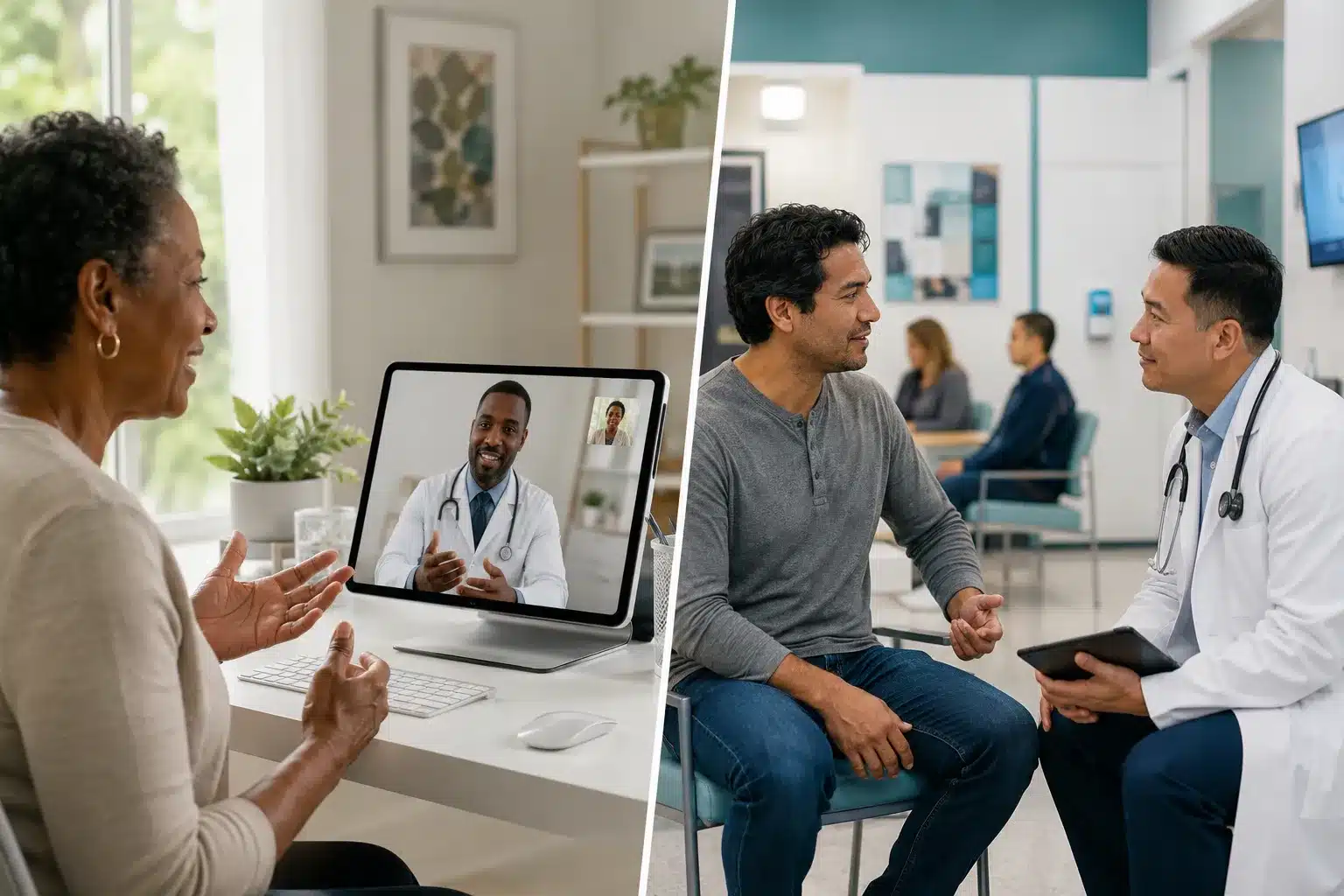
A GLP-1 clinic is a medical provider, usually a telehealth platform, that specializes in prescribing glucagon-like peptide-1 receptor agonist medications for weight loss or type 2 diabetes management. You complete an online intake form, a licensed clinician reviews your health history, and if you qualify, you receive a prescription shipped directly to your door.
The process typically works like this:
- Online intake: You answer questions about your weight, health history, current medications, and goals. Most platforms take 10-20 minutes.
- Clinician review: A nurse practitioner, physician assistant, or MD reviews your submission, sometimes asynchronously, sometimes via a live video call.
- Prescription issued: If you’re eligible, a prescription is sent to a pharmacy (in-house, compounding, or retail).
- Medication shipped: Most telehealth clinics ship directly to your home within 3-7 business days.
- Ongoing check-ins: Reputable clinics schedule monthly or quarterly follow-ups to adjust dosing and monitor side effects.
The main distinction between clinics is whether they prescribe brand-name medications (Wegovy, Zepbound) or compounded semaglutide and tirzepatide. Compounded versions are not FDA-approved as finished drugs, but they are legal when produced by a licensed compounding pharmacy and prescribed by a licensed provider.
GLP-1 Clinic Reviews: Are These Clinics Legit or Scams?
The majority of established GLP-1 telehealth clinics are legitimate. However, the rapid growth of this market in 2024-2026 has attracted a small number of bad actors, so knowing what to look for matters.
Signs a GLP-1 clinic is legitimate:
- A licensed prescriber (MD, DO, NP, or PA) is named on the platform with verifiable credentials.
- The clinic uses a PCAB-accredited or FDA 503B-registered compounding pharmacy.
- There is a real medical intake process, not just a payment form.
- The clinic has a physical business address and a customer support line.
- Pricing is clearly disclosed before you enter payment details.
Red flags that suggest a scam or low-quality operation:
- No prescriber credentials listed anywhere on the site.
- Prices under $80/month for injectable GLP-1 medications (compounded semaglutide costs more than this to produce legitimately).
- No mention of pharmacy sourcing or medication testing.
- Aggressive upselling with no ability to cancel easily.
- No follow-up care or dose adjustment protocol.
For a deeper look at how to vet a specific provider, our MEDVi GLP-1 reviews and complaints guide walks through the exact verification steps we use.
How Much Does GLP-1 Treatment Cost at Different Clinics?
GLP-1 treatment costs vary widely based on whether you’re using brand-name or compounded medication, and whether your insurance covers it. Here’s a realistic breakdown for 2026.
| Clinic / Option | Medication Type | Est. Monthly Cost | Notes |
|---|---|---|---|
| MEDVi | Compounded semaglutide / tirzepatide | $199,$349 | Includes provider consult |
| Hims/Hers | Compounded semaglutide | $199,$299 | Large platform, variable support |
| Mochi Health | Brand-name + compounded | $99 membership + med cost | Insurance billing available |
| Measured | Compounded tirzepatide / semaglutide | $249,$399 | Strong coaching component |
| Brand-name (Wegovy/Zepbound) no insurance | FDA-approved brand | $900,$1,400 | Manufacturer savings cards may apply |
| Traditional obesity medicine doctor | Brand-name (insurance billed) | $0,$50 copay (with coverage) | Requires in-person visits |
Prices above are estimates based on publicly listed rates as of mid-2026. Always verify directly with the provider before purchasing. For a detailed breakdown of semaglutide costs without insurance, see our guide on semaglutide without insurance cost.
GLP-1 Clinic Reviews Reddit: What Real Patients Are Saying
Reddit is one of the most honest sources for GLP-1 clinic reviews because users have no financial incentive to promote a specific provider. The most active communities are r/Semaglutide, r/Ozempic, and r/WeightLossAdvice.
Common themes in positive Reddit reviews:
- Fast turnaround from intake to first shipment (under 7 days for most top clinics).
- Providers who actually respond to messages about side effects or dose changes.
- Compounded tirzepatide working as well as brand-name Zepbound at a fraction of the cost.
Common complaints in negative Reddit reviews:
- Clinics that are easy to sign up with but nearly impossible to cancel.
- Medication arriving without proper cold-chain packaging.
- Providers who rubber-stamp prescriptions without reviewing health history carefully.
- Hidden fees for “consultations” that weren’t clearly disclosed upfront.
One recurring piece of advice across Reddit threads: always ask the clinic which specific compounding pharmacy they use, then verify that pharmacy independently. Our guide on how to verify a legitimate compounding pharmacy covers exactly how to do this in under 10 minutes.
GLP-1 Clinic vs. Traditional Weight Loss Doctor: Which Is Better?
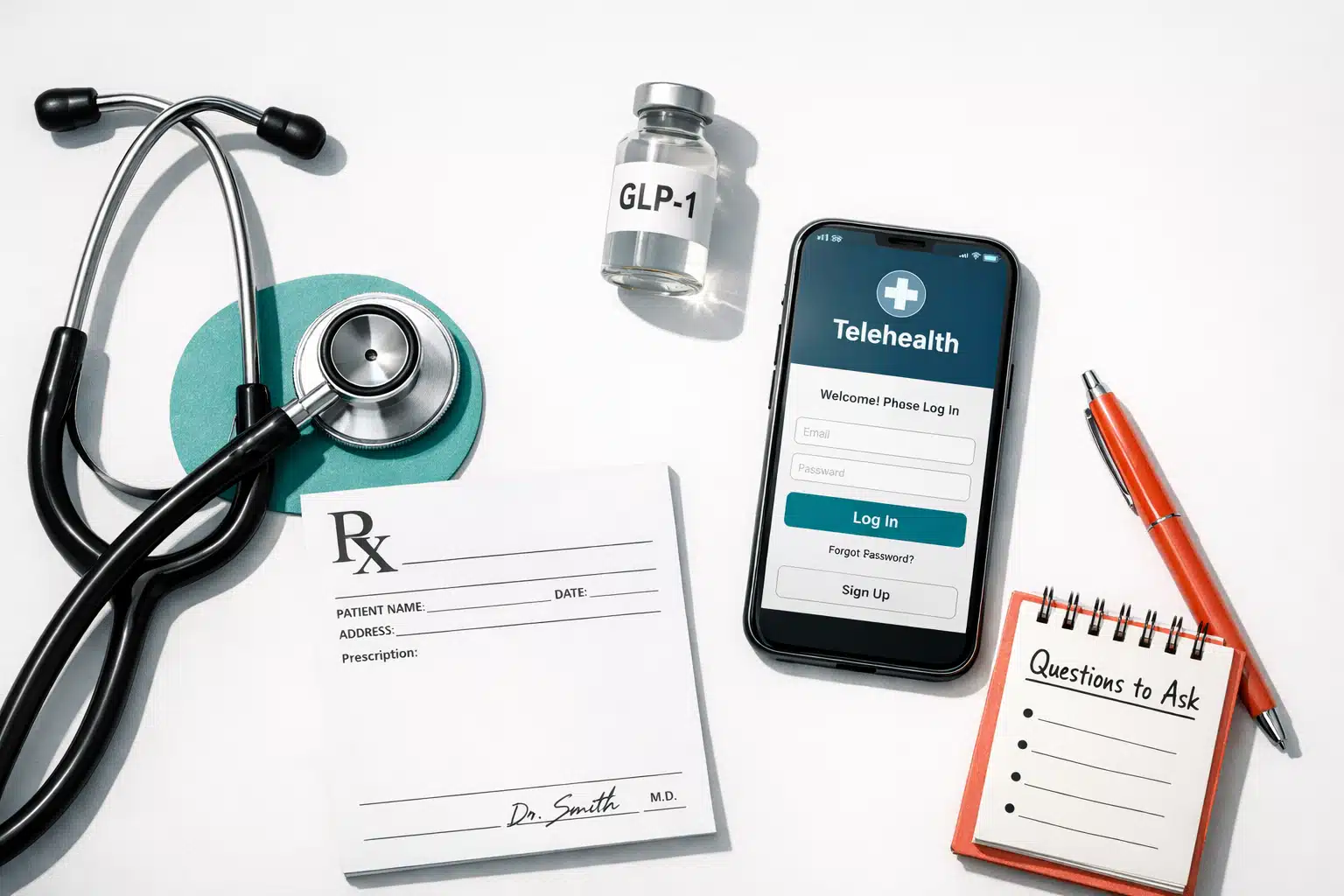
For most adults who qualify for GLP-1 medications, a telehealth GLP-1 clinic is faster and cheaper than going through a traditional weight-loss doctor, but it comes with trade-offs in monitoring depth.
| Factor | Telehealth GLP-1 Clinic | Traditional Obesity Medicine Doctor |
|---|---|---|
| Time to first prescription | 1-5 days | 2-6 weeks (appointment wait) |
| Monthly cost (medication + care) | $150,$400 | $0,$50 copay with insurance |
| Ongoing monitoring | Mostly asynchronous | In-person labs, vitals, exams |
| Insurance billing | Rare for compounded meds | Common for brand-name |
| Best for | Self-pay patients, fast access | Patients with insurance coverage |
Choose a telehealth clinic if you don’t have insurance coverage, you want to start quickly, or you’ve already discussed GLP-1s with a doctor and just need a prescriber.
Choose a traditional obesity medicine doctor if you have insurance that covers Wegovy or Zepbound, you have complex health conditions that need close monitoring, or you want in-person lab work included in your care.
How to Know If a GLP-1 Clinic Is Reputable
A reputable GLP-1 clinic meets five basic standards. If a clinic fails even one of these, look elsewhere.
- Licensed prescriber on staff: The platform names a specific MD, DO, NP, or PA and you can verify their license through your state’s medical board website.
- Verified pharmacy sourcing: The clinic discloses which compounding pharmacy they use. You can check PCAB accreditation at pcab.pharmacy or look up 503B facilities on the FDA’s database.
- Transparent pricing: Full cost is disclosed before you enter payment details, no surprise fees after checkout.
- Real intake process: A clinician reviews your health history, not just a checkbox form. They should ask about contraindications like a personal or family history of medullary thyroid carcinoma.
- Clear cancellation policy: You can cancel without jumping through hoops. Reputable clinics state this clearly in their terms.
For a specific provider walkthrough, our MEDVi Reviews 2026 guide applies these exact five criteria to one of the most-searched GLP-1 telehealth platforms.
GLP-1 Clinic Without Insurance: What to Expect
Most people using GLP-1 telehealth clinics are paying out of pocket. Insurance coverage for weight-loss GLP-1s remains inconsistent in 2026, with many commercial plans still excluding Wegovy and Zepbound for obesity (though coverage for diabetes indications is more common).
Your realistic self-pay options:
- Compounded semaglutide or tirzepatide: The most affordable route, typically $150,$399/month. Legally prescribed by telehealth clinics using licensed compounding pharmacies.
- Manufacturer savings programs: Novo Nordisk and Eli Lilly offer savings cards that can reduce brand-name costs for eligible commercially insured patients, but these don’t apply to Medicare or Medicaid.
- HSA/FSA funds: GLP-1 prescriptions are generally HSA/FSA eligible. Using pre-tax dollars can reduce your effective cost by 20-35% depending on your tax bracket.
- Tirzepatide compounding pharmacies: Some compounding pharmacies offer tirzepatide directly at lower per-dose costs. See our tirzepatide compounding pharmacy cost guide for current pricing.
Common Complaints About GLP-1 Clinics
Knowing the most frequent complaints helps you avoid the worst providers before you pay.
Top complaints across review platforms and Reddit (2025-2026):
- Difficult cancellations: Subscriptions that auto-renew without clear notice, or require a phone call to cancel when everything else is done online.
- Inconsistent medication quality: Some patients report receiving vials with unclear labeling, no lot number, or no certificate of analysis (COA). Always request a COA.
- Slow customer support: Many telehealth clinics are understaffed relative to their patient volume. Response times of 3-5 business days are common at lower-cost platforms.
- Dose escalation bottlenecks: Patients who need a dose increase often report waiting weeks for a provider to approve the change.
- Misleading “free consultation” offers: Some clinics advertise free consultations but charge a non-refundable fee if you don’t proceed with the prescription.
GLP-1 Clinic Side Effects and What to Expect
GLP-1 medications work, but they come with a real side-effect profile that every patient should understand before starting. The most common side effects are gastrointestinal and tend to peak in the first 4-8 weeks of treatment.
Common side effects (especially early on):
- Nausea (the most frequently reported, affects a majority of new users)
- Vomiting
- Diarrhea or constipation
- Fatigue
- Reduced appetite (this is the intended mechanism, but can feel extreme early on)
Less common but serious side effects to watch for:
- Pancreatitis (abdominal pain that radiates to the back, seek medical attention immediately)
- Gallbladder issues, including gallstones
- Rapid heart rate
- Injection site reactions
According to FDA labeling for semaglutide (Wegovy), GLP-1 medications carry a boxed warning for a potential risk of thyroid C-cell tumors based on animal studies. Patients with a personal or family history of medullary thyroid carcinoma or Multiple Endocrine Neoplasia syndrome type 2 should not use these medications (FDA prescribing information, 2021).
A reputable GLP-1 clinic will screen for these contraindications during intake and provide clear guidance on managing side effects. For real patient experiences with tirzepatide specifically, see our tirzepatide reviews by patients article.
GLP-1 Clinic for Diabetes vs. Weight Loss: Key Differences
GLP-1 medications were originally developed for type 2 diabetes, and the clinical approach differs meaningfully between diabetes management and weight loss.
For type 2 diabetes patients:
- The goal is HbA1c reduction alongside weight management.
- Ozempic (semaglutide 0.5-2mg) and Mounjaro (tirzepatide) are FDA-approved for type 2 diabetes.
- Most insurance plans cover GLP-1s for diabetes, making brand-name medications accessible.
- Regular lab monitoring (HbA1c, kidney function) is standard of care.
For weight loss patients without diabetes:
- Wegovy (semaglutide 2.4mg) and Zepbound (tirzepatide) are FDA-approved for chronic weight management.
- Insurance coverage is less consistent.
- Eligibility typically requires BMI 30+, or BMI 27+ with at least one weight-related condition (hypertension, sleep apnea, dyslipidemia).
Not all GLP-1 clinics serve both groups equally. Some telehealth platforms focus exclusively on weight loss and don’t have the clinical infrastructure to manage diabetes care. If you have type 2 diabetes, confirm the clinic has experience managing both conditions before enrolling. Our guide on which GLP-1 medication works best for weight loss also covers the diabetes vs. weight-loss distinction in detail.
Telehealth GLP-1 Clinics vs. In-Person: Which Should You Choose?
Telehealth GLP-1 clinics are the right choice for most self-pay patients who are otherwise healthy and want fast, affordable access. In-person care makes more sense when you need insurance billing, complex monitoring, or have health conditions that require hands-on evaluation.
Telehealth GLP-1 clinic advantages:
- No waiting room, no travel time.
- Faster access to prescriptions (often within 48-72 hours).
- Lower cost for self-pay patients.
- Discreet, medications arrive at your door.
In-person clinic advantages:
- Better for insurance billing and brand-name medication access.
- Hands-on monitoring (blood pressure, labs, weight checks).
- More appropriate for patients with complex comorbidities.
- Stronger continuity of care over time.
For a detailed look at one of the more popular telehealth options, our Hims weight loss review covers the platform’s process, pricing, and real patient feedback.
GLP-1 Clinic Success Stories and Real Results: What the Data Shows
Real-world results from GLP-1 clinics align closely with clinical trial data, though individual outcomes vary based on adherence, dose, and lifestyle factors.
In the STEP 1 trial (Wilding et al., 2021, published in the New England Journal of Medicine), participants using semaglutide 2.4mg lost an average of 14.9% of body weight over 68 weeks compared to 2.4% for placebo. The SURMOUNT-1 trial (Jastreboff et al., 2022, NEJM) showed tirzepatide users losing up to 20.9% of body weight at the highest dose.
In practice, telehealth clinic patients report results that track with these trials when they stay on the medication long enough. The most common pattern reported in patient forums and clinic reviews:
- Weeks 1-4: Appetite reduction noticeable, some nausea, modest weight loss (1-4 lbs).
- Months 2-3: Side effects ease, weight loss accelerates (often 1-2 lbs/week at therapeutic dose).
- Months 4-6: Many patients report 10-20 lbs lost, with continued progress at higher doses.
Weight regain after stopping is also well-documented. GLP-1 medications work while you’re on them, most patients regain a significant portion of lost weight after discontinuing, according to a follow-up analysis from the STEP 1 trial (Wilding et al., 2022, Diabetes, Obesity and Metabolism). This is an important factor when evaluating the long-term cost of any GLP-1 clinic program.
What Questions to Ask Before Choosing a GLP-1 Clinic
Before you hand over payment information, get clear answers to these questions. A legitimate clinic will answer all of them without hesitation.
- Which compounding pharmacy do you use, and is it PCAB-accredited or FDA 503B-registered?
- Can I see a certificate of analysis for the medication batch?
- Who specifically will review my intake, an MD, NP, or PA? Can I see their credentials?
- What is your cancellation policy, and can I cancel online?
- What happens if I need a dose adjustment? How long does that take?
- Is there an additional fee for follow-up consultations?
- Do you offer refunds if I’m not eligible after completing the intake?
- What is your process if I experience a serious side effect?

Conclusion
GLP-1 clinic reviews in 2026 paint a clear picture: most established telehealth platforms are legitimate, but quality varies significantly. The best clinics offer transparent pricing, verified pharmacy sourcing, licensed prescribers, and real ongoing medical support. The worst cut corners on all four.
For most self-pay patients, compounded semaglutide or tirzepatide through a reputable telehealth clinic represents the most accessible path to GLP-1 treatment, typically $150,$399/month versus $900,$1,400/month for brand-name options without insurance.
Your next steps:
- Verify the clinic’s prescriber credentials and pharmacy sourcing before paying.
- Request a certificate of analysis for any compounded medication.
- Compare at least two providers on price, cancellation policy, and support quality.
- Review our best GLP-1 weight loss programs guide for a side-by-side comparison of top-rated clinics in 2026.
Frequently Asked Questions
What is the average cost of a GLP-1 clinic per month? Compounded GLP-1 medications through telehealth clinics typically cost $150,$399/month in 2026, including the provider consultation fee. Brand-name Wegovy or Zepbound without insurance runs $900,$1,400/month. Costs vary by clinic, dose, and medication type.
Are GLP-1 telehealth clinics safe? Yes, when they use licensed prescribers and PCAB-accredited or FDA 503B-registered compounding pharmacies. The main safety risk comes from unverified clinics that source medications from unlicensed compounders. Always request a certificate of analysis for your medication batch.
Can I get a GLP-1 prescription online without an in-person visit? Yes. Most telehealth GLP-1 clinics prescribe entirely online through an asynchronous intake review or a short video call. You do not need an in-person visit at any point in the process with most platforms.
How long does it take to get medication from a GLP-1 clinic? Most reputable telehealth clinics ship within 3-7 business days of prescription approval. Some platforms offer expedited shipping for an additional fee. Approval itself typically takes 24-72 hours after you complete the intake form.
Do GLP-1 clinics take insurance? Most telehealth GLP-1 clinics that prescribe compounded medications do not bill insurance directly. Some platforms like Mochi Health help patients pursue insurance coverage for brand-name medications. Traditional obesity medicine practices are more likely to bill insurance successfully.
What is the difference between compounded semaglutide and Wegovy? Wegovy is an FDA-approved finished drug product manufactured by Novo Nordisk. Compounded semaglutide contains the same active ingredient but is produced by a licensed compounding pharmacy and is not FDA-approved as a finished drug. Compounded versions are legal when prescribed by a licensed provider and produced by a qualified pharmacy.
What BMI do I need to qualify for a GLP-1 clinic? Most GLP-1 clinics follow FDA-approved eligibility criteria: BMI of 30 or higher, or BMI of 27 or higher with at least one weight-related condition such as hypertension, type 2 diabetes, or sleep apnea.
Can I use HSA or FSA funds to pay for a GLP-1 clinic? Yes. GLP-1 prescriptions are generally eligible for HSA and FSA reimbursement. Check with your plan administrator, as the consultation fee may or may not be covered separately from the medication cost.
What happens if I stop taking GLP-1 medication? Most patients regain a significant portion of lost weight after discontinuing GLP-1 medications. Clinical follow-up data from the STEP 1 trial showed that participants regained about two-thirds of their lost weight within one year of stopping semaglutide (Wilding et al., 2022). This makes long-term cost planning an important part of the decision.
Are there GLP-1 clinics that specialize in diabetes rather than weight loss? Yes. Endocrinology practices and some telehealth platforms focus specifically on type 2 diabetes management with GLP-1s. These providers typically offer more comprehensive metabolic monitoring than weight-loss-focused telehealth clinics.
References
- Wilding, J.P.H., et al. (2021). “Once-Weekly Semaglutide in Adults with Overweight or Obesity.” New England Journal of Medicine, 384, 989-1002. https://www.nejm.org/doi/full/10.1056/NEJMoa2032183
- Jastreboff, A.M., et al. (2022). “Tirzepatide Once Weekly for the Treatment of Obesity.” New England Journal of Medicine, 387, 205-216. https://www.nejm.org/doi/full/10.1056/NEJMoa2206038
- Wilding, J.P.H., et al. (2022). “Weight regain and cardiometabolic effects after withdrawal of semaglutide.” Diabetes, Obesity and Metabolism, 24(8), 1553-1564. https://dom-pubs.onlinelibrary.wiley.com/doi/10.1111/dom.14725
- U.S. Food and Drug Administration. (2021). Wegovy (semaglutide) prescribing information. https://www.accessdata.fda.gov/drugsatfda_docs/label/2021/215256s000lbl.pdf
Tags: GLP-1 clinic reviews, semaglutide telehealth, tirzepatide clinic, compounded semaglutide, weight loss medication, GLP-1 cost 2026, telehealth weight loss, Wegovy alternatives, GLP-1 side effects, best GLP-1 programs, obesity medication, GLP-1 without insurance

With over 13 years of experience in holistic health blogging, I aim to help you navigate your wellness journey with honest insights, expert-backed advice, and a sprinkle of real-world practicality.
Certified Wellness Writer | Herbal Nutrition Advocate | Wellness Research Enthusiast


