NAD+ Benefits: What Science Says About Energy, Aging and Brain Health

Last updated: November 24, 2026
Quick Answer: NAD+ benefits include better cellular energy production, DNA repair support, and possible help with healthy aging, brain function, and metabolic health. Human evidence is strongest for raising NAD+ levels with precursors like NAD and nicotinamide riboside, but proof of real-world outcomes, more energy, sharper memory, slower aging, is still early and mixed, based on small trials [1][2][3].
Key Takeaways
- NAD+ is a molecule every cell needs to make energy and repair DNA; levels fall as you age [4].
- NAD+ supplements and nicotinamide riboside reliably raise blood NAD+ levels in humans, but benefits for fatigue, weight, or cognition are not yet proven at scale [1][2].
- NAD IV therapy is popular but lacks strong clinical trial support, and it is not FDA-approved for anti-aging or disease treatment [5][6].
- Side effects from NAD+ therapy range from mild flushing to nausea and cramping during IV infusions [6].
- NMN is sold as a supplement in the US, though its regulatory status has been debated and shifted over recent years [7].
- A 2026 PRISMA-style systematic review concluded evidence for anti-aging claims remains inconclusive despite consistent biochemical effects [8].
- Talk with a doctor before starting NAD+ therapy, especially if you have cancer history, are pregnant, or take other medications.
What Is NAD+ and How Does It Work in Your Body?

NAD+ (nicotinamide adenine dinucleotide) is a coenzyme found in every living cell, and it’s required for turning food into usable energy. It also helps repair damaged DNA and supports enzymes called sirtuins that influence cell aging.
7 Best GLP-1 Providers Ranked: Accreditation, Flexibility & Support Compared (2026 Update)
32,000+ Patients Can't All Be Wrong: See the Top-Rated GLP-1 Providers. We compared the leading online GLP-1 providers based on program features, clinical support, convenience, and overall value.
BMI MD GLP-1 Microdosing Plan
- Specialized microdosing options, including sublingual drops and low-dose injections
- Designed for people interested in maintaining weight or gradually adjusting treatment
- Bundled program structure without a separate monthly platform membership
- Online access makes the process convenient from home

DirectMeds Weight Loss Solutions
- Online weight-loss program with a straightforward patient experience
- Compounded medication options through state-licensed compounding pharmacies
- Includes clinical consultation as part of the process
- Provides shipping updates to help patients track their orders
MEDVi Flat-Rate Telehealth
- Flat-rate telehealth approach designed for easier budgeting
- No dosage-based pricing increases within the advertised program structure
- Offers injectable and oral thin-film delivery options
- Includes medical screening and asynchronous provider consultations
Gala GLP-1 Care Program
- Text-based access to state-licensed clinicians
- Cold-chain medication shipping included in the program
- Month-to-month program structure
- Designed for people who value convenient ongoing support
Measured GLP-1 Metabolic Health
- Comprehensive metabolic health screening and intake analysis
- Designed around longer-term metabolic health management
- Responsive dashboard with integrated health tracking tools
- Useful option for patients who value a more data-focused experience
Refills GLP-1 (TryRefills Plan)
- Clinical guidance designed to help patients manage common treatment concerns
- Includes foundational nutritional strategies alongside medication
- Designed around predictable ongoing treatment
- No hidden startup or processing fees according to the program information provided
AltRx GLP-1 Transactional Reorders
- Transactional reorder model without recurring auto-billing
- Designed for patients who already understand their treatment routine
- Fast text-to-order process for convenient reorders
- Offers injectable and fast-dissolving tablet variations
Here’s the basic mechanism: your mitochondria use NAD+ to shuttle electrons during the process that makes ATP, the energy currency cells run on. Without enough NAD+, cellular energy production slows down, and DNA repair enzymes called PARPs can’t work as efficiently [4].
Researchers have confirmed that NAD+ levels decline measurably with age in several tissue types. This decline is tied to slower mitochondrial function and reduced DNA repair capacity, which is one reason NAD+ research has grown so much interest from people wanting to slow age-related decline [4][8]. It’s also why so many people search for NAD+ benefits when exploring recovery, fatigue, or anti-aging options.
Does NAD+ Actually Increase Energy and Reduce Fatigue?
NAD+ supplementation may support energy production at the cellular level, but human studies on fatigue and subjective energy are small and the results are modest so far. No large trial has proven that NAD+ therapy meaningfully cures fatigue in healthy adults.
A 2023 study using nicotinamide riboside, an NAD+ precursor, found that supplementation raised blood NAD+ levels in participants, yet self-reported energy and well-being changes were limited and inconsistent [2]. Another trial supported similar findings: NAD+ levels go up reliably, but “feeling more energetic” doesn’t always follow the biochemistry [1].
This gap between lab markers and real-world feeling is common in nutrition research. If you’re chasing nad+ for energy, treat early reports with caution rather than certainty.
Can NAD+ Supplements Slow Aging and Improve Skin?
NAD+ supplements have not been shown in human trials to slow aging or definitively improve skin quality. Animal studies support a link between NAD+ and youthful cell function, but that hasn’t translated into confirmed anti-aging results in people.
Age-related NAD+ decline is well documented [4], and that fact fuels most nad+ anti aging marketing. However, a comprehensive 2026 PRISMA systematic review of NAD+ precursor trials found that while NAD+ levels rise reliably with supplementation, there’s no solid human evidence for life-extension or reversal of aging processes [8]. The review’s authors stressed caution over promotional claims.
As for skin: there is no strong clinical trial showing NAD+ tightens or visibly rejuvenates skin. Any anecdotal reports of firmer skin after NAD+ IV sessions are not backed by peer-reviewed data at this time.
10 Amazing Benefits of NAD+ Therapy: What the Research Shows
NAD+ therapy research spans supplements, injections and IV infusions, and here’s where the human evidence actually stands by category. This section breaks benefits into specific areas so you can separate what’s proven from what’s still theoretical.
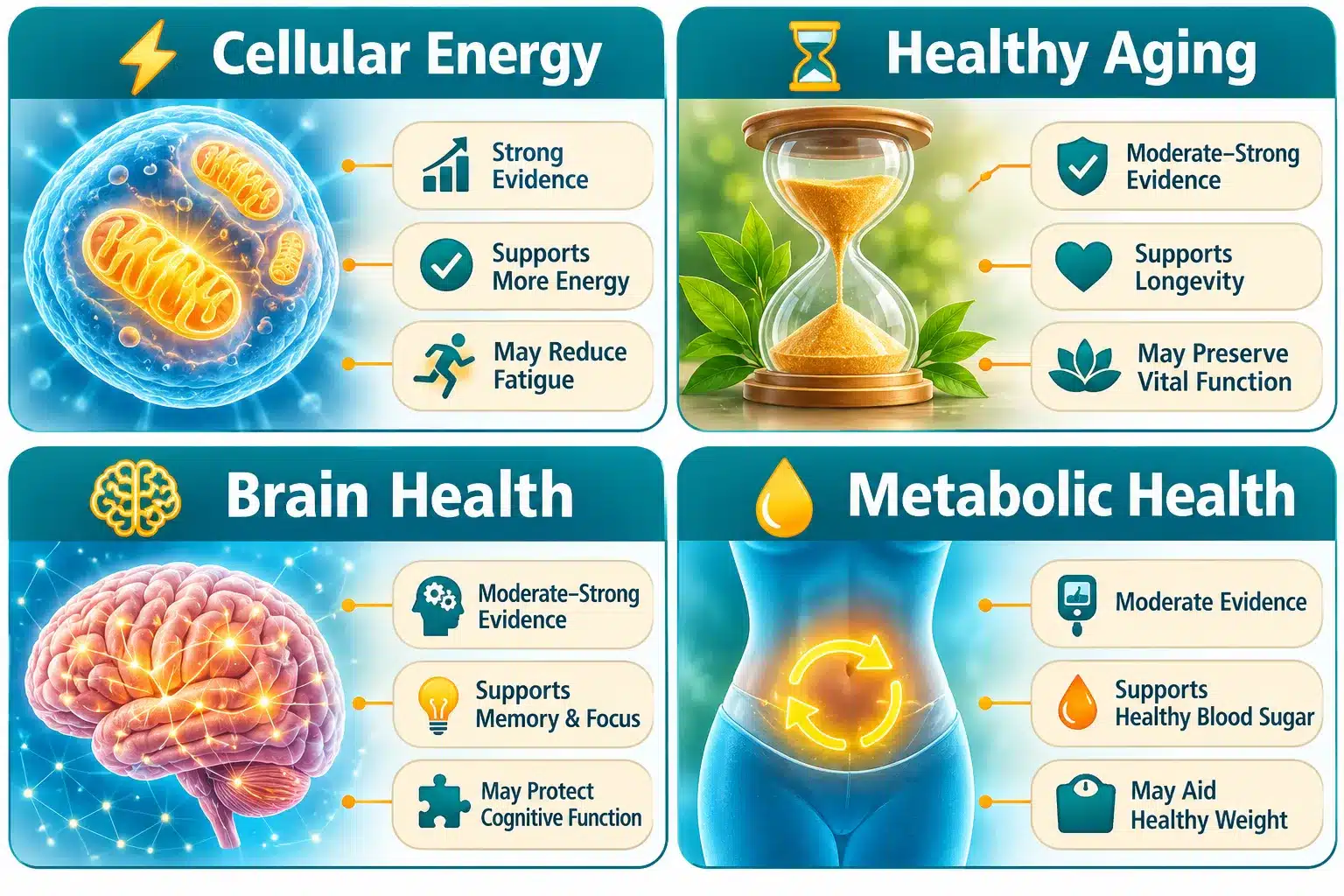
Cellular energy and fatigue
Early human studies show NAD+ precursors raise cellular NAD+ levels but produce only modest energy improvements in self-reported measures [1][2].
Healthy aging
Human data confirms NAD+ decline with age; anti-aging outcome data is still inconclusive per the 2026 systematic review [4][8].
Brain health and cognitive function
NAD+ supplementation can raise brain-related NAD+ markers, but clinical cognitive improvement data in humans remains limited [3].
Metabolic health (blood sugar, insulin sensitivity)
Small human trials and a dedicated metabolic health report suggest NAD+ precursors may support insulin sensitivity in certain groups, though results vary by study population [9].
Heart and blood vessel health
Early research points to targeted vascular benefits from boosting NAD+, not transformative changes, based on small trials in specific risk groups [10].
Muscle function and exercise recovery
Lab and small human studies suggest NAD+ may support muscle repair, but robust exercise-performance trials in general populations are lacking [2].
DNA repair
NAD+ is a known cofactor for DNA repair enzymes at the cellular level; this mechanism is well-established in lab science, though translating it into disease prevention claims in humans is premature [4][8].
How Much Does NAD+ Supplementation Cost?
NAD+ supplement costs typically range from $30 to $80 per month for oral nicotinamide riboside or NMN products, while NAD+ IV therapy sessions commonly cost $150 to $600 per infusion depending on dose and provider. Costs vary widely by brand, dose and clinic.
Oral supplements are the cheapest entry point. IV therapy and injectable NAD+ cost more because they require a clinic visit, staff time, and a controlled infusion setup. Multiple sessions are often recommended by clinics, which can push monthly costs well past $1,000 for frequent IV users, a detail worth weighing against the thin evidence base [6].
If you’re also researching other wellness injections for energy, our guide to Mic B12 Rx injections for fat metabolism and energy support covers a related, lower-cost option.
What Are the Side Effects of Taking NAD+?
NAD+ side effects are generally mild for oral supplements but can be more noticeable with IV or injectable forms. Reported issues include nausea, flushing, headache, and digestive discomfort.
Common nad+ side effects reported in IV settings include:
- Flushing or warmth in the face and chest
- Nausea
- Chest tightness during infusion
- Abdominal cramping
- Headache
These reactions during IV infusions are typically tied to infusion speed; slowing the drip often reduces symptoms, according to clinical safety notes from wellness clinics [6]. Long-term safety data at high repeated doses is still limited, which matters if you’re considering frequent IV sessions rather than occasional oral use.
Is NAD+ Better Than NMN or Other Anti-Aging Supplements?
Neither NAD+, NMN, nor NR has been proven clearly superior to the others in human trials for anti-aging outcomes. Each raises blood NAD+ levels, but outcome differences between them are not well established.
NMN vs NAD comparisons come up constantly in searches, and the honest answer is: we don’t have head-to-head human trials declaring a winner. NMN’s regulatory status in the US has shifted, it was previously sold widely as a dietary supplement, but FDA actions in recent years have complicated its status as a standalone supplement ingredient, so availability and labeling can vary by brand [7]. Nicotinamide riboside, sold under brands like Tru Niagen, remains legally marketed as a dietary supplement.
NMN vs NR vs NAD+ Supplement Comparison
How Long Does It Take to See Results From NAD+ Supplements?
Most human studies measuring NAD+ levels after supplementation show blood level increases within one to four weeks of consistent use. Subjective benefits like energy or mental clarity, if they occur, tend to take longer and are less predictable.
Trials with nicotinamide riboside typically measured NAD+ level changes at the 2-to-6 week mark [1][2]. If you don’t notice anything within 8 weeks, that’s consistent with current research, which shows biochemical change doesn’t guarantee a felt difference.
Do You Need a Prescription for NAD+ or Can You Buy It Over the Counter?
Oral NAD+ precursor supplements like nicotinamide riboside and NMN are sold over the counter in the US, while NAD+ IV therapy and injections are administered in clinics, usually by licensed staff. No prescription is legally required for oral forms in most states.
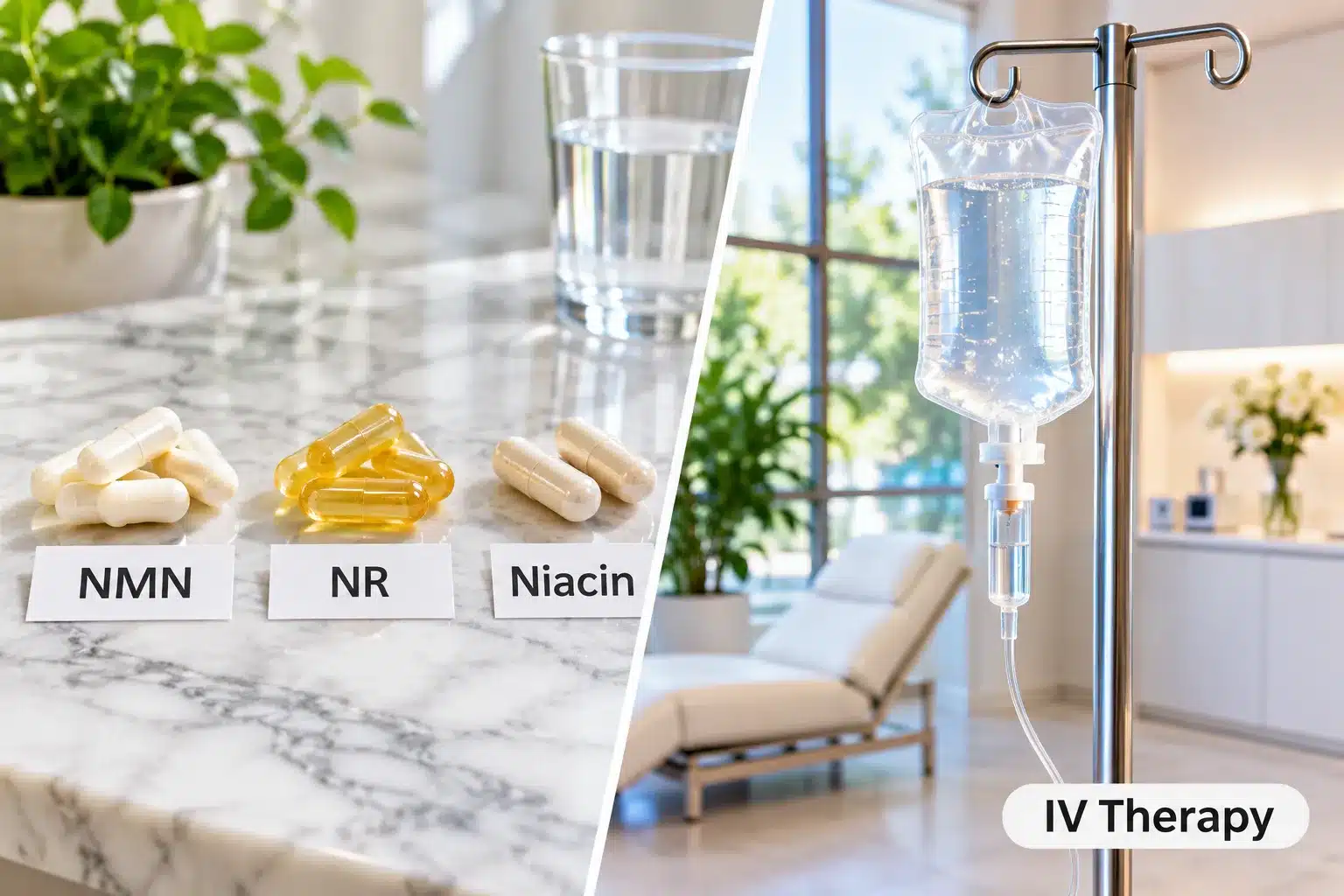
NAD+ injections and IV drips occupy more of a wellness-clinic gray zone: they’re not FDA-approved treatments for aging or disease, but many med-spas and IV therapy lounges offer them as elective services [5][6]. If a provider advertises them as a disease treatment or anti-aging cure, that claim outpaces the current clinical trial record.
Does NAD+ Really Improve Brain Function and Memory?
NAD+ may support brain cell energy and reduce some markers of cellular stress, but no large human trial has confirmed improved memory or cognitive function from NAD+ therapy alone. Evidence here is early.
A small human study measuring NAD+ precursor supplementation found changes in brain-related biomarkers, but the authors stopped short of claiming cognitive improvement, noting the sample size and duration were limiting factors [3]. If brain health is your main concern, pairing any NAD+ strategy with proven basics, sleep, exercise, diet, matters more right now based on current evidence. For a deeper look at cognitive support options, see our review of Neuroq brain health supplements.
Who Should Take NAD+ Supplements and Who Shouldn’t?
Generally healthy adults seeking general wellness support are the most common users of NAD+ supplements, while pregnant or breastfeeding people, those with active cancer, and people on certain medications should avoid NAD+ therapy without medical guidance.
Avoid or get medical clearance first if you:
- Are pregnant or breastfeeding
- Have a current or recent cancer diagnosis (NAD+ pathways intersect with cell growth signaling)
- Take medications metabolized through related liver pathways
- Have a chronic condition requiring tightly managed treatment
Healthy adults without these risk factors face a relatively low-risk profile with oral supplements, based on current safety data, though long-term, high-dose safety data is still incomplete [6].
Is There Actual Scientific Evidence for NAD+ Benefits?
Yes, there is real scientific evidence that NAD+ precursors raise NAD+ levels in humans, but evidence for downstream health benefits, energy, cognition, longevity, is still early, mixed, or limited to small trials and animal studies.
The clearest findings:
- NAD+ precursors consistently raise blood NAD+ levels in human trials [1][2].
- Age-related NAD+ decline is well documented across species, including humans [4].
- Disease-specific benefits in rare metabolic syndromes and high-need patient groups look more promising than general wellness claims [9].
- A 2026 systematic review found the overall evidence base inconclusive for broad anti-aging claims, despite consistent biochemical effects [8].
What’s the Best Way to Increase NAD+ Naturally Without Supplements?
Exercise, quality sleep, a balanced diet, and limiting alcohol are the most evidence-supported natural ways to support NAD+ levels without supplements. These lifestyle factors influence the same metabolic pathways that NAD+ precursors target.
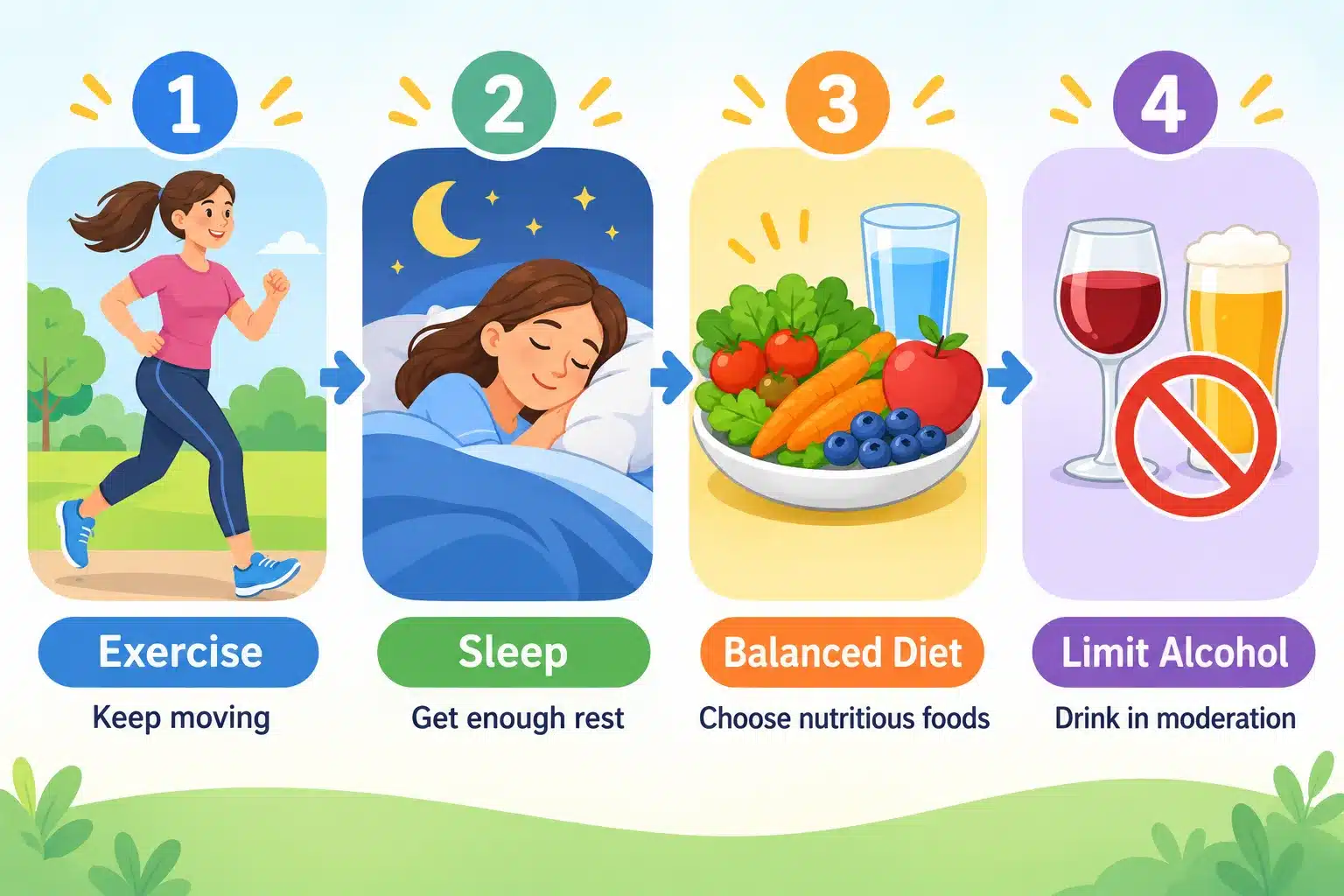
- Exercise: Regular aerobic and resistance training supports mitochondrial function, which relies on NAD+ cycling.
- Sleep: Poor sleep disrupts cellular repair processes tied to NAD+-dependent enzymes.
- Diet: Foods containing tryptophan, niacin, and B vitamins provide raw material the body uses to make NAD+.
- Limit alcohol: Heavy alcohol use depletes NAD+ because your liver uses it heavily to metabolize alcohol.
[INTERNAL LINK: anti-aging supplements]
Can Young People Benefit From NAD+ or Is It Just for Older Adults?
NAD+ research has mostly focused on middle-aged and older adults since NAD+ decline accelerates with age, but younger adults under high physical or metabolic stress may also have lower NAD+ availability. Benefits for young, healthy people specifically haven’t been well studied.
If you’re under 40 and generally healthy, lifestyle factors like sleep and exercise likely offer more proven benefit per dollar than a NAD+ supplement or IV session. Athletes recovering from intense training are an exception worth discussing with a sports medicine provider, given early signals around muscle recovery [2].
What Do Doctors Say About Taking NAD+ for Longevity?
Clinical guidance increasingly leans toward caution: doctors and researchers note that while NAD+ decline is a real part of aging, current human trial data doesn’t support claims that supplementation extends lifespan. Medical sources recommend treating NAD+ products as unproven wellness tools, not longevity treatments [6][7].
This caution shows up clearly in consumer-facing reviews from groups like Which?, which examined NAD+ supplement marketing claims against the clinical trial record and found a gap between promises and evidence [7]. If you’re deciding between NAD+ therapy and other GLP-1 or metabolic interventions, it’s worth comparing the evidence quality directly, our breakdown of how Ozempic helps you lose weight shows what stronger clinical trial data looks like by comparison.
Evidence Summary Table
NAD+ IV Therapy and Injections: Do They Work?
NAD IV therapy delivers NAD+ directly into the bloodstream over one to several hours, bypassing digestion, but it is not FDA-approved for anti-aging or disease treatment and clinical trial support remains limited. Clinics market it for energy, recovery, and detox support.
During a session, a provider sets up an IV line and a controlled infusion drips NAD+ solution over roughly 1 to 4 hours, with dose and speed adjusted based on comfort, since faster infusion rates are linked to more side effects like nausea and cramping [6]. Costs run from about $150 to $600 per session, and many clinics recommend multiple sessions, which adds up fast.
A registered clinical trial protocol exploring NAD+ infusion exists in the ClinicalTrials.gov registry, showing the research community is actively studying this delivery method, though published outcome data from large trials is still sparse [5].
NAD+ Dosage Used in Published Studies
Published trials have tested NAD+ precursor doses ranging roughly from 250 mg to 1,000 mg per day for oral nicotinamide riboside, and higher single-session amounts for IV infusions. These figures come directly from study protocols, not personal recommendations.
- Oral NR trials: commonly 250-1,000 mg/day [1][2]
- Oral NMN trials: commonly 250-500 mg/day [1]
- IV NAD+ sessions: commonly 250-1,000 mg per infusion, per clinic protocols [5][6]
Always get individualized dosing guidance from a doctor rather than copying a study protocol directly, since study participants were monitored closely and screened for eligibility.
NAD+ Side Effects and Who Should Avoid It
NAD+ side effects are usually mild with oral supplements but can include more noticeable reactions during IV infusion, such as flushing, nausea, and chest tightness. People with cancer history, pregnancy, or certain medication regimens should avoid NAD+ therapy without medical clearance.
Groups who should talk to a doctor first:
- Pregnant or breastfeeding individuals
- People with active or recent cancer diagnoses
- Anyone on medications with known liver-pathway interactions
- People with chronic conditions requiring close monitoring
Is NAD+ Worth It? A Balanced Verdict by Reader Type
Whether NAD+ therapy is worth trying depends heavily on who you are and what you’re hoping to fix. Here’s a realistic breakdown by reader type.
- Healthy adult (30s, 50s): Lifestyle changes (sleep, exercise, diet) offer more proven value per dollar than NAD+ supplements right now.
- Older adult (60+): NAD+ decline is real at this age, but current evidence doesn’t support IV therapy as a reliable anti-aging fix; discuss with your doctor first.
- Athlete focused on recovery: Early signals on muscle repair are interesting but not conclusive enough to justify high IV therapy costs over sleep and nutrition basics.
- Someone with a chronic condition: Skip self-directed NAD+ therapy; medication interactions and condition-specific risks make medical supervision essential.
Frequently Asked Questions
Is NAD like Ozempic?
No. NAD+ is a coenzyme involved in cellular energy and DNA repair, while Ozempic (semaglutide) is a GLP-1 medication that regulates blood sugar and appetite. They work through completely different mechanisms and are not interchangeable for weight loss or metabolic goals.
What is better, NAD or resveratrol?
Neither is clearly “better”, they work differently. NAD+ precursors raise NAD+ levels directly, while resveratrol may activate sirtuin enzymes that use NAD+. Human trial data for both remains early, so no current evidence shows one outperforms the other for health outcomes.
Is NAD just vitamin B3?
No. NAD+ is made from vitamin B3 forms like niacin and nicotinamide, but NAD+ itself is a separate molecule your cells assemble using these nutrients. Taking vitamin B3 alone doesn’t guarantee the same effect as direct NAD+ or NR/NMN supplementation.
Does NAD tighten skin?
There’s no strong clinical trial evidence that NAD+ tightens skin. Claims about skin firmness after NAD+ IV therapy are largely anecdotal and not backed by peer-reviewed human studies at this time, so treat these marketing claims with skepticism.
What does NAD+ do for your body?
NAD+ helps cells convert food into usable energy and supports DNA repair enzymes. It’s involved in nearly every cellular process tied to metabolism and aging, though proven downstream health benefits in humans are still being studied through ongoing clinical trials.
How long does it take for NAD+ to work?
Blood NAD+ levels typically rise within 2 to 4 weeks of consistent supplementation in published trials. Subjective benefits like energy or clarity, if noticeable at all, often take longer and aren’t guaranteed based on current human research.
Is NAD+ safe to take daily?
Oral NAD+ precursors appear generally safe for short- to medium-term daily use in healthy adults, based on current trial data. Long-term, high-dose safety hasn’t been fully studied, so check with a doctor before committing to daily long-term use.
Is NMN or NR better?
Neither has been proven superior in head-to-head human trials. NR has a more established supplement track record in the US, while NMN’s regulatory status has shifted recently, which may affect product availability and labeling.
Does NAD+ help with weight loss?
There’s no strong human evidence that NAD+ directly causes weight loss. Some early metabolic health research suggests indirect effects on insulin sensitivity in certain groups, but NAD+ is not an established weight-loss treatment like GLP-1 medications.
What are the side effects of NAD+ IV?
Common NAD+ IV side effects include flushing, nausea, chest tightness, and abdominal cramping, especially with fast infusion rates. Slowing the infusion often reduces discomfort. Long-term safety data for repeated high-dose IV use remains limited.
Can you get NAD+ from food?
You can’t eat NAD+ directly, but foods rich in niacin and tryptophan, like poultry, fish, and whole grains, provide the raw materials your body uses to make NAD+ naturally through normal metabolic pathways.
Does NAD+ reverse aging?
No. No human clinical trial has shown NAD+ reverses aging. NAD+ levels do decline with age, and precursors can raise blood NAD+ levels, but a 2026 systematic review found the evidence inconclusive for anti-aging outcome claims [8].
7 Best GLP-1 Providers Ranked: Accreditation, Flexibility & Support Compared (2026 Update)
32,000+ Patients Can't All Be Wrong: See the Top-Rated GLP-1 Providers: Compared on accreditation, plan flexibility, and patient support — updated for 2026.
BMI MD GLP-1 Microdosing Plan
- Specialized microdosing options (sublingual drops or low-dose injections)
- Ideal for maintaining weight or tapering off higher doses safely
- Fully bundled plan with no hidden monthly platform memberships
DirectMeds Weight Loss Solutions
- Sourced from accredited, state-licensed 503A compounding pharmacies
- No-frills high-volume savings passed directly to the patient
- Includes clinical consultation and cold-chain shipping updates
MEDVi Flat-Rate Telehealth
- Flat monthly rate holds steady even at maximum maintenance doses
- No dosage upcharges or graduation fee penalties
- Offers both injectable and advanced oral thin-film delivery options
Gala GLP-1 Care Program
- All-inclusive plan with no standalone membership costs
- Continuous text-based messaging access with state-licensed clinicians
- Temperature-controlled, cold-chain medication shipping included
Measured GLP-1 Metabolic Health
- Comprehensive metabolic health screening and expert intake analysis
- Predictable long-term budgeting with stable plan pricing
- High-end responsive dashboard with integrated diagnostic support
Refills GLP-1 (TryRefills Plan)
- Flat rate holds steady as titration scales up
- Includes clinical guides for active side-effect management
- Bundles in foundational nutritional strategies alongside medication
AltRx GLP-1 Transactional Reorders
- Zero recurring auto-billing — pay entirely on a transactional basis
- Rapid text-to-order format saves time for experienced patients
- Provides both injectable forms and fast-dissolving tablet variations
Conclusion
NAD+ benefits are real at the biochemical level, this molecule genuinely drives cellular energy and DNA repair, and levels do drop as you age. What’s not settled is whether raising NAD+ with supplements, injections, or IV therapy produces the energy, brain, or anti-aging outcomes marketed to consumers. The honest, current answer is: maybe, modestly, for some people, based on small trials.
Start with the basics that have stronger evidence, sleep, exercise, and diet, before spending hundreds of dollars on IV sessions. If you’re curious about NAD+ supplements, talk to your doctor first, especially if you have a chronic condition, and choose third-party-tested products over unverified clinic blends. For related metabolic and weight-management research, see our guide on GLP-1 pill options for 2026.
This content is for informational purposes only and is not medical advice. Always consult a licensed healthcare provider before starting any new supplement, injection, or IV therapy.
References
- pubmed.ncbi.nlm.nih.gov.
- pubmed.ncbi.nlm.nih.gov.
- Pmc10692436. pmc.ncbi.nlm.nih.gov.
- National Geographic – What is NAD. nationalgeographic.com.
- ClinicalTrials.gov Protocol. cdn.clinicaltrials.gov.
- Parkview Health – Should NAD Be a Staple in Your Supplement Lineup. parkview.com.
- Which? – NAD supplements: can they really slow down ageing. which.co.uk.
- Pubmed. ncbi.nlm.nih.gov.
- University of Memphis Metabolic Health Report. memphis.edu.
- Nature Scientific Reports. nature.com.

With over 13 years of experience in holistic health blogging, I aim to help you navigate your wellness journey with honest insights, expert-backed advice, and a sprinkle of real-world practicality.
Certified Wellness Writer | Herbal Nutrition Advocate | Wellness Research Enthusiast